The Czech Republic, a country nestled in the heart of Central Europe, boasts a rich culinary tradition that reflects its history, geography, and cultural influences. Czech cuisine is hearty, flavorful, and deeply rooted in the nation's agricultural heritage. From savory meat dishes to delectable desserts, Czech food offers a diverse array of tastes and textures that captivate both locals and visitors alike.

For those planning to explore the culinary delights of the Czech Republic, particularly in its capital city of Prague, consider securing a vehicle for your gastronomic adventures. This will allow you to venture beyond the city limits and discover hidden gems in the countryside, where traditional Czech cuisine truly shines.
Historical Influences on Czech Cuisine
Czech cuisine has been shaped by centuries of cultural exchange and historical events. The country's central location in Europe has resulted in influences from neighboring countries, particularly Germany and Austria. Additionally, the long period of Habsburg rule left a lasting impact on Czech cooking traditions.
Some key historical influences include:
- Medieval cooking techniques and ingredients
- Austrian and Hungarian culinary traditions during the Austro-Hungarian Empire
- German influences, especially in beer production and meat preparation
- Communist-era food rationing and simplification of recipes
These diverse influences have contributed to the unique character of Czech cuisine, blending traditional Slavic elements with Central European flavors and cooking methods.
Staple Ingredients in Czech Cooking
Czech cuisine relies heavily on locally sourced ingredients, many of which have been staples in the region for centuries. The country's fertile lands and temperate climate provide an abundance of fresh produce, grains, and meats.
Key ingredients in Czech cooking include:
- Pork and beef
- Potatoes and root vegetables
- Cabbage and sauerkraut
- Mushrooms
- Wheat and rye flour
- Dairy products, especially cream and cheese
These ingredients form the foundation of many traditional Czech dishes, from hearty soups to rich main courses and indulgent desserts.
Popular Czech Dishes
Czech cuisine offers a wide variety of dishes that showcase the country's culinary heritage. Here are some of the most beloved and iconic Czech meals:
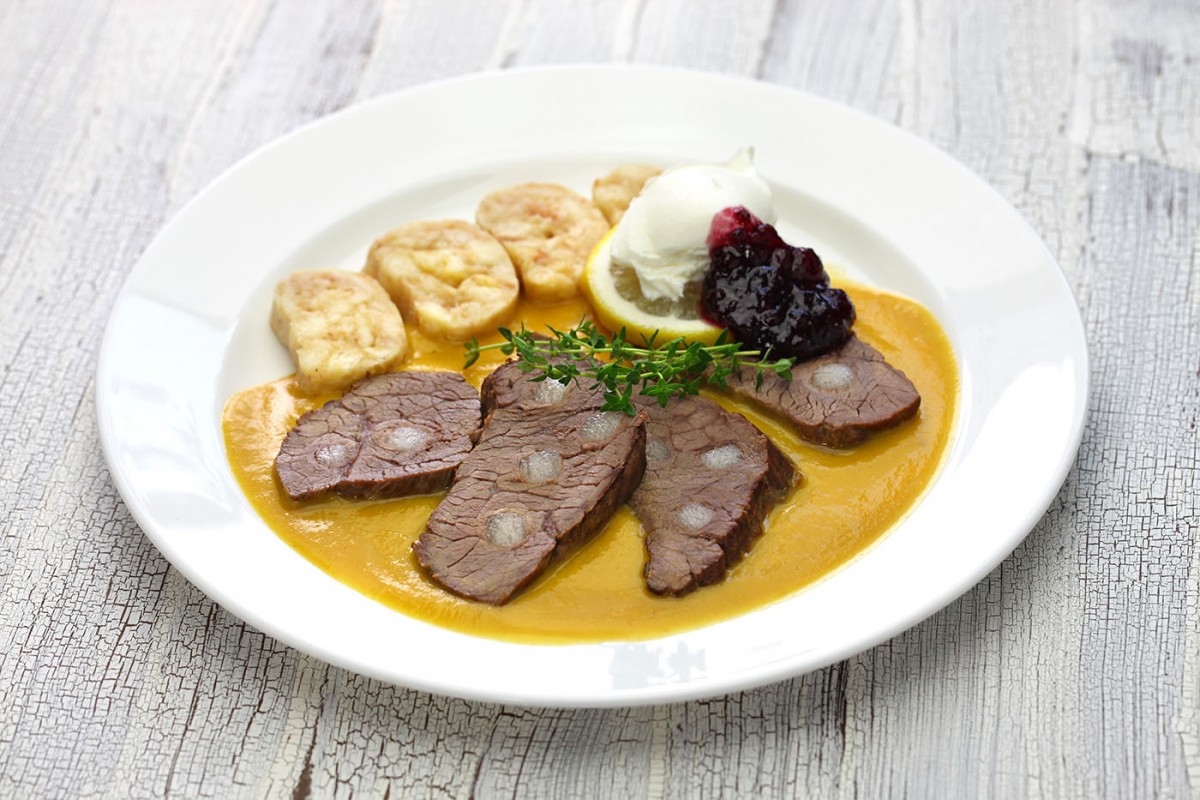
Svíčková na smetaně
This classic dish consists of tender beef sirloin served in a creamy vegetable sauce, accompanied by bread dumplings (knedlíky). The sauce is made from root vegetables, spices, and cream, creating a rich and flavorful complement to the meat.
Vepřo-knedlo-zelo
Often considered the national dish of the Czech Republic, vepřo-knedlo-zelo is a hearty combination of roast pork, bread dumplings, and sauerkraut. This dish exemplifies the Czech love for meat, dumplings, and fermented cabbage.
Smažený sýr
A popular vegetarian option, smažený sýr is a breaded and fried cheese, typically served with tartar sauce and French fries. This dish is a favorite among locals and tourists alike, offering a crispy exterior and gooey, melted interior.
Kulajda
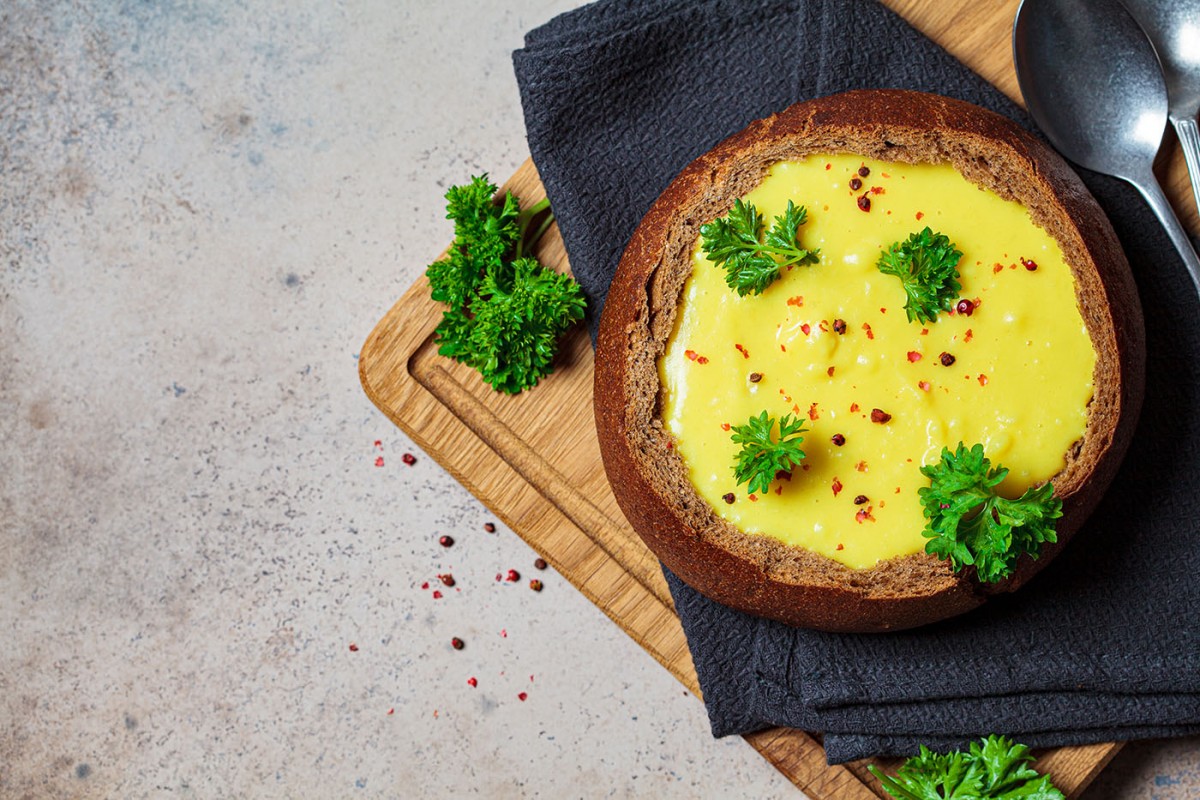
This creamy soup is made with mushrooms, potatoes, dill, and a poached egg. It's a comforting dish that showcases the Czech affinity for mushroom-based recipes and hearty soups.
These dishes represent just a small sample of the diverse and delicious offerings in Czech cuisine. To fully appreciate the culinary landscape of the Czech Republic, consider booking a food-focused tour in Prague, where expert guides can introduce you to hidden culinary gems and local favorites.
Czech Bread and Dumplings
Bread and dumplings play a crucial role in Czech cuisine, serving as essential accompaniments to many dishes. Czech bread, known for its dark color and dense texture, is a staple in most meals and is often enjoyed with soups or as a base for open-faced sandwiches.
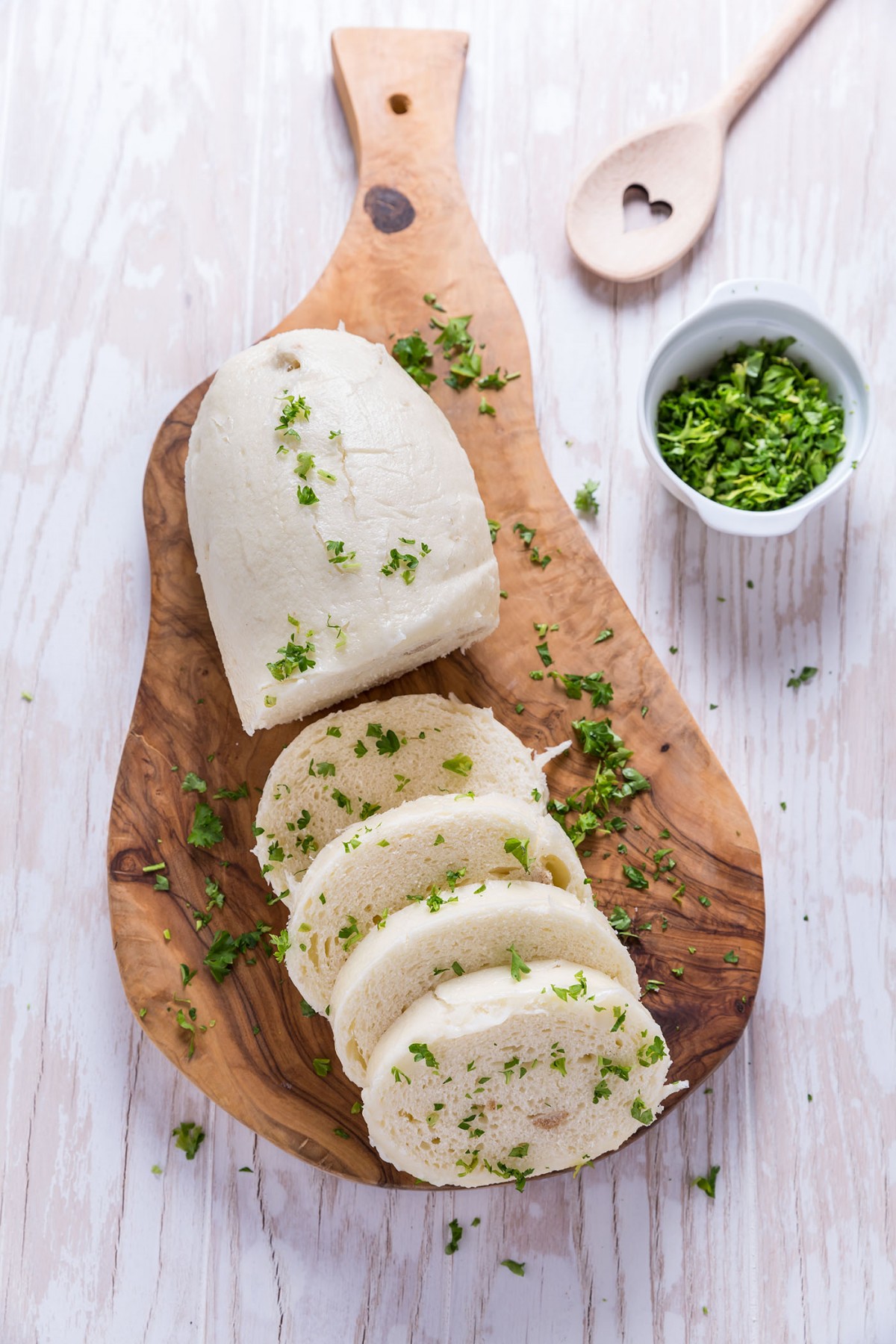
Dumplings, or knedlíky, are another cornerstone of Czech cooking. There are several varieties, including:
- Bread dumplings (houskové knedlíky): Made from wheat flour, milk, eggs, and cubes of stale bread
- Potato dumplings (bramborové knedlíky): Prepared with grated potatoes and flour
- Fruit dumplings (ovocné knedlíky): Sweet dumplings filled with fruit and often served as a main course
These dumplings are typically served alongside meat dishes, used to soak up sauces, or enjoyed as standalone meals in the case of fruit dumplings.
Czech Desserts and Pastries
The Czech Republic boasts a rich tradition of desserts and pastries, many of which have gained international recognition. Some popular Czech sweets include:
Trdelník
This chimney-shaped pastry is made from rolled dough that's wrapped around a stick, grilled, and topped with sugar and walnut mix. While its origins are debated, trdelník has become a popular street food in Prague and other Czech cities.
Kolache
These round pastries are filled with fruit, poppy seeds, or sweet cheese. Kolache have become popular beyond the Czech Republic, particularly in areas of the United States with significant Czech heritage.
Medovník
Also known as honey cake, medovník is a layered cake made with honey and walnuts. Its sweet, complex flavor and tender texture make it a favorite among locals and visitors alike.
These desserts, along with many others, showcase the Czech talent for creating indulgent sweets that perfectly complement the hearty main courses of Czech cuisine.

Czech Beer Culture
No discussion of Czech cuisine would be complete without mentioning the country's renowned beer culture. The Czech Republic is famous for its high-quality beer, with a brewing tradition dating back over a thousand years.
Czech beer is typically light-colored and features a distinct, hoppy flavor. The most common style is the pale lager, exemplified by the world-famous Pilsner Urquell. However, there are numerous other styles and brands to explore, including dark lagers and craft beers from smaller breweries.
Beer is not just a beverage in the Czech Republic; it's an integral part of the culture and cuisine. Many Czech dishes are designed to pair perfectly with beer, and it's common to see locals enjoying a pint with their meals at any time of day.
For those interested in exploring Czech beer culture, a visit to the Pilsner Urquell Brewery in Plzeň offers an insightful look into the country's brewing heritage and techniques.
Regional Variations in Czech Cuisine
While there are many dishes that are enjoyed throughout the Czech Republic, regional variations add diversity to the national cuisine. Different areas of the country have their own specialties and unique twists on classic recipes.
For example:
- Moravian cuisine, from the eastern part of the country, features more wine-based dishes and a greater emphasis on poultry and fish
- Bohemian cuisine, from the western regions, is known for its hearty meat dishes and dumplings
- South Bohemia is famous for its freshwater fish dishes, particularly carp
These regional differences reflect the varied landscapes and local resources of the Czech Republic, from the wine-growing regions of Moravia to the fish-filled ponds of South Bohemia.
In conclusion, Czech cuisine offers a rich tapestry of flavors, textures, and culinary traditions that reflect the country's history and cultural heritage. From hearty meat dishes and comforting soups to delectable pastries and world-class beer, the Czech Republic provides a gastronomic experience that is both unique and deeply satisfying. Whether you're exploring the bustling streets of Prague or venturing into the picturesque countryside, the national cuisine of the Czech Republic is sure to leave a lasting impression on your palate and your memories.