There’s a particular joy to driving in Iceland - the kind that sneaks up on you between a windswept fjord and a steaming hot spring. The Ring Road does not rush. It unfolds, like a slow film reel of glaciers, moss, and black sand. If you want to see it with freedom, rent a car, start the engine, and learn a few local habits that make the journey feel easy and real.
- The Iceland driving vibe: what “like a local” really means
- Where to rent your car: Keflavík vs Reykjavík Domestic and city options
- Picking the right car and insurance - the no-nonsense version
- Planning your Ring Road loop: days, detours, and daylight
- Driving like a local: road rules, etiquette, weather wisdom
- Highlights along the Ring Road: see, stop, breathe
The Iceland driving vibe: what “like a local” really means
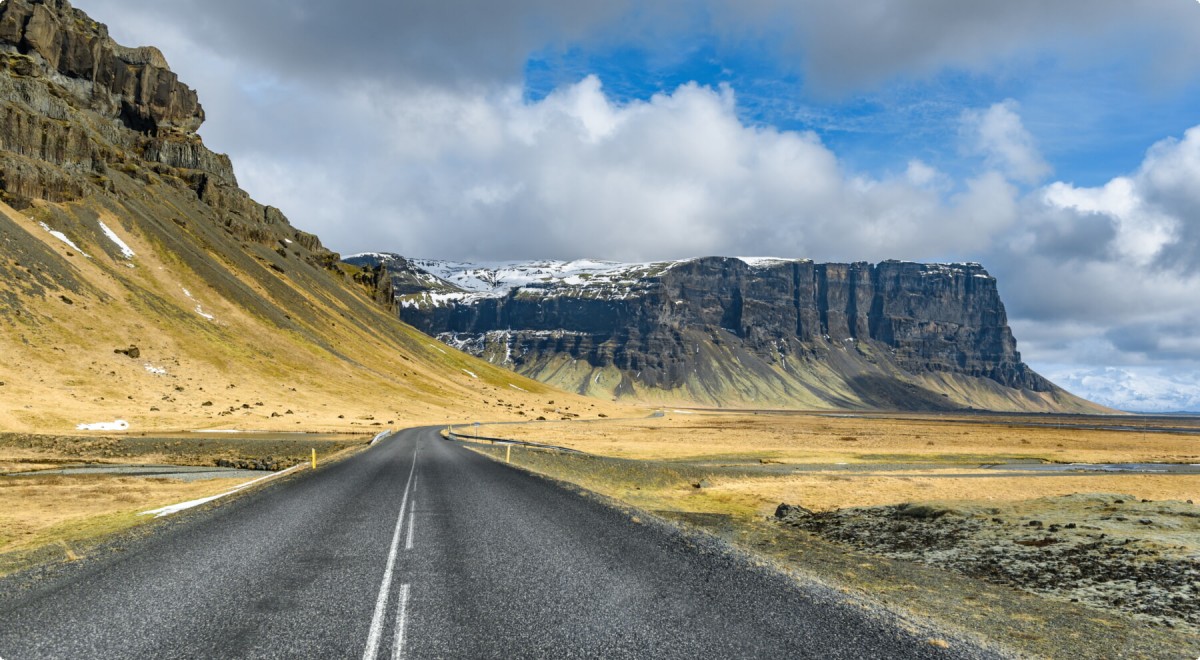
The Ring Road, or Route 1, is a ribbon of asphalt wrapped around an island built by fire and shaved by ice. Driving it “like a local” is not about going faster; it’s about paying attention. In Iceland, the horizon is always doing something - lifting, dropping, fogging, clearing. You’ll learn to watch the sky as much as the speedometer. When the wind hums across the hood, you ease your hands and breathe. When sheep step towards the shoulder, you glance for the lamb, then slow.
Locals also respect time. They know distance in Iceland isn’t just kilometers; it’s weather and road surface and the day’s light. Some days you float along on dry roads, sunglasses on, music low. Other days arrive with sideways rain, a thin sheen of ice, and the smell of sulfur as you pass a geothermal plant. Each day asks a slightly different version of you behind the wheel. The trick is to say yes to the landscape and no to the rush.
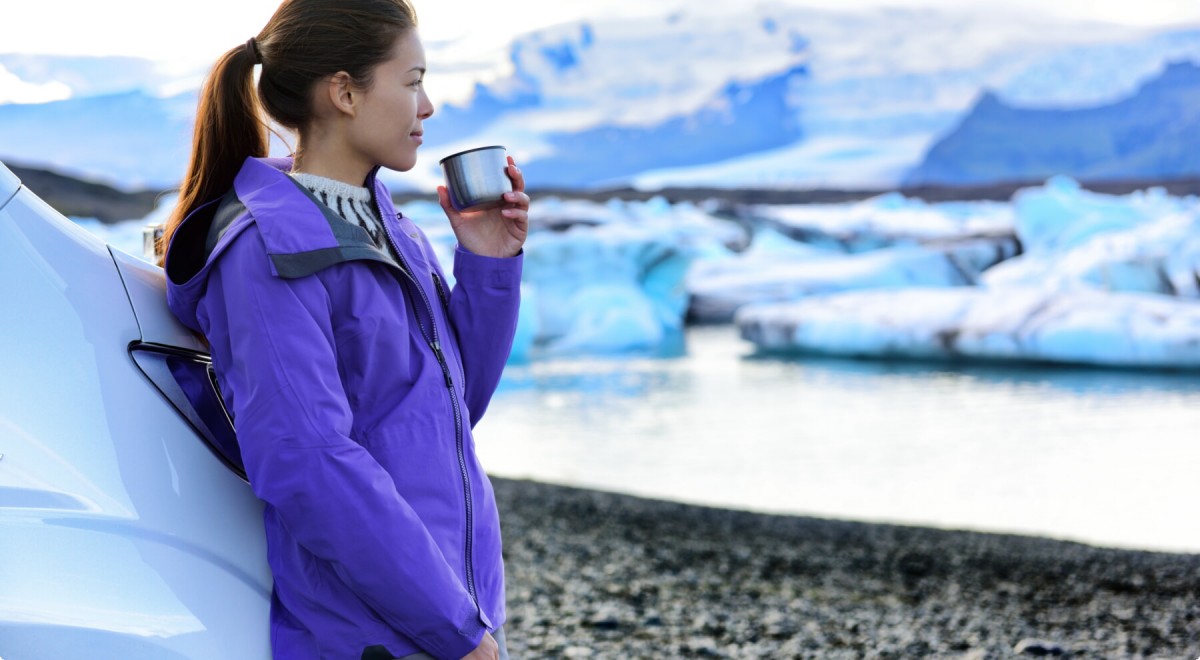
Most of Route 1 is paved, two-lane, and easy to navigate. You’ll meet single-lane bridges, blind rises, and stretches where the sea throws a salty mist onto the windows. Gas stations are little civilizations: hot dogs, wool hats, coffee that gets better the further you go. When in doubt, you ask. Icelanders are understated but enthusiastic about sharing practical advice - where to top up, where the wind bites, where the gravel starts.
So what does driving like a local look like? It’s leaving a generous gap behind the car ahead because the wind can yank. It’s checking safetravel alerts in the morning, then smiling when you see a rainbow over a basalt cliff. It’s giving yourself space to pull over at the next lay-by when the light turns volcanic orange. It’s knowing that the Ring Road is more than a route. It’s a moving front-row seat.
Where to rent your car: Keflavík vs Reykjavík Domestic and city options
Most travelers touch down at Keflavík International, about 45 minutes from Reykjavík. If your plan is to hit the Ring Road straight away, renting at the airport is wonderfully simple. You pick up your keys, step into the cool air, and you’re on your way towards the South Coast before your coffee cools. For an easy start and the largest selection, look at Keflavík International Airport car hire. You’ll find a wide range of vehicles - compact 2WDs for summer circuits, sturdy 4x4s for shoulder season, and automatics if that’s your comfort zone.
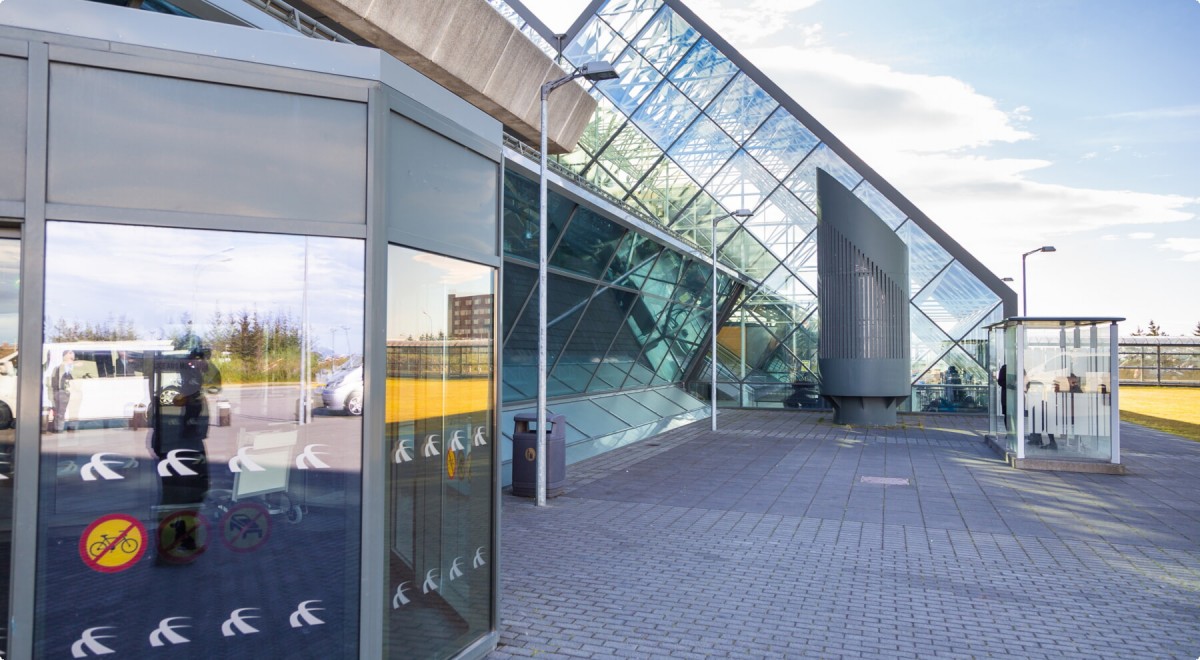
Another smart option is Reykjavík Domestic Airport, known as RKV, tucked near the city center. This is perfect if you’re spending a day or two in Reykjavík before looping around the island. Scoot over after breakfast, pick up your ride, and be out of the city before lunchtime. For convenience downtown and shorter transfers, consider car rental at Reykjavík Domestic Airport. It’s a calm pickup, and you’ll dodge the early-morning airport traffic out by the lava fields.
What about city pickups? If you’re staying in a central hotel, many rental companies offer in-town locations with flexible hours. It’s nice if you want to sleep in, sip your coffee at a bakery, then saunter over to get the keys. Traveling in winter, you might want to avoid driving into Reykjavík during a stormy evening after a long flight. In that case, take a shuttle into the city, rest, and pick up the car the next morning when visibility is kinder.
Price-wise, Keflavík often has more inventory, which can mean better deals. Reykjavík Domestic is about comfort and timing. Either way, read the fine print. Ask about mileage caps (rare, but check), fuel policy, and the specifics of insurance in Iceland. The country has a handful of unique risks - wind, ash, gravel - more on that soon. In summer, reserve well ahead. In winter, confirm that your car will be on proper winter tires; studded tires are common and very welcome when the road starts to glisten like glass.
Final thought on location: where you pick up the car should match your energy level. If landing in the morning, Keflavík saves time. If arriving late or keen to explore Reykjavík’s harbor, street art, and warm pools first, choose RKV or an in-town office and enjoy a softer start.
Picking the right car and insurance - the no-nonsense version
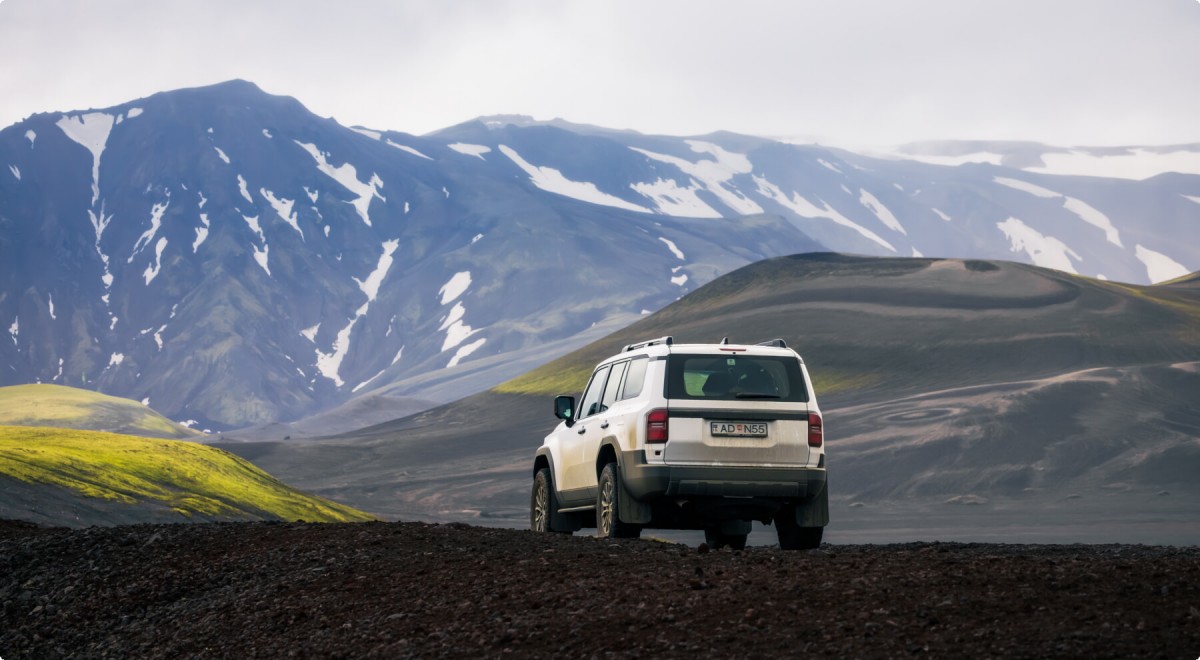
Let’s get practical. The Ring Road is perfectly doable in a 2WD car from late spring through early autumn when conditions are stable. Add a 4x4 if you’re traveling October to April, planning detours onto gravel routes, or if you just prefer the feel of a higher, heavier vehicle when crosswinds whistle. Manuals are common, but automatics are widely available. If you’ve not driven stick for years, don’t make Iceland your reunion tour - keep it simple.
Insurance in Iceland is its own conversation. Minimum coverage usually includes CDW, but locals strongly recommend gravel protection and, in certain areas, sand and ash protection. Picture a gusty day in the south: tiny particles of volcanic stuff prickle against the paint and glass. It’s not dramatic, but it can be costly. Also ask about wind damage coverage. Doors can fling open if you don’t hold them, especially along the southern coast where the gusts roll in uninvited.
Think about tires, too. Winter means studded or top-quality winter tires. Summer tires are fine May through September, but always confirm if you’re on the threshold months. Fuel? Petrol stations are well spaced around Route 1, but distances can stretch in the East and North. Keep your tank above half and top up when you stop for coffee and cinnamon buns.
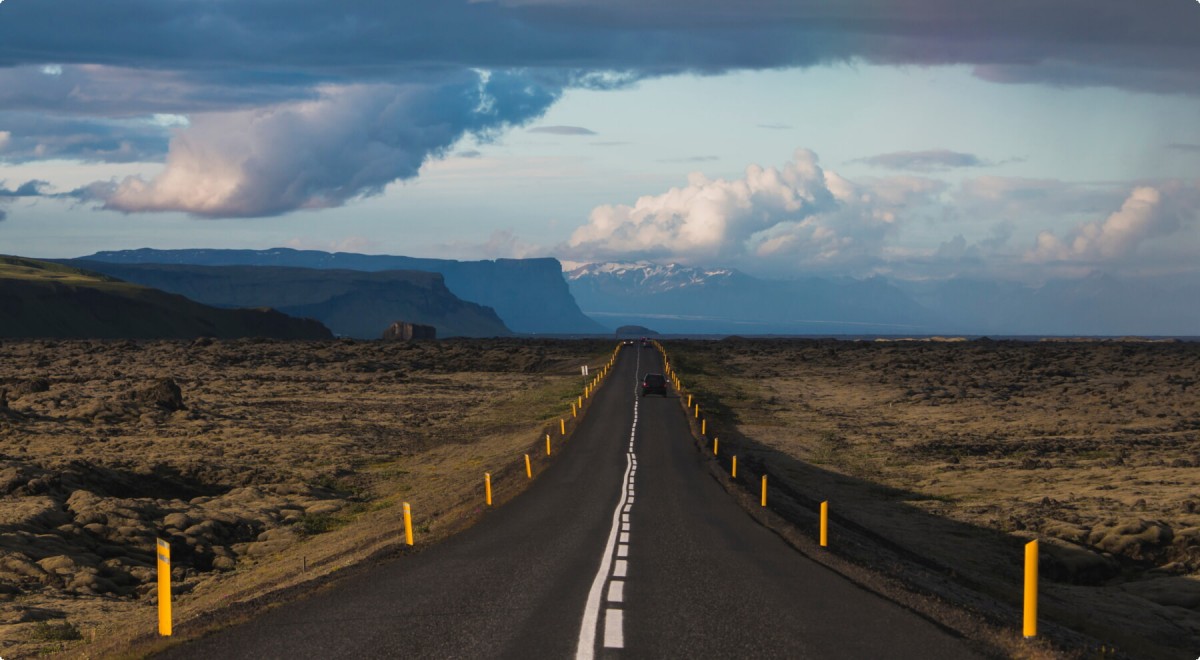
When you pick up the car, check:
- Existing scratches, chips, and dings on paint and windshield - photograph them in daylight.
- Tire condition and spare/jack location (spares are often space-saver types).
- Wiper blades and washer fluid - rain can be off and on all day.
- Bluetooth or cable for your phone; offline maps loaded just in case.
Spend 2 minutes on the doors and trunk - the wind test. Open and close gently while holding the handle. Learn the “one hand on the door, one hand on the frame” move. It’s odd at first, then automatic.
Insurance names vary by company, but the risks are the same: wind, gravel, sand/ash, and glass. Renting peace of mind in Iceland often costs less than repairing a windshield, or repainting a door edge after a gale.
- Ask for a photo inventory of existing damage before you drive off.
- Confirm winter tire policy by date, not just by “season”.
- Carry a microfiber cloth for constant window mist and sea spray.
- Plan fuel stops when your gauge hits half, especially in the Eastfjords.
Planning your Ring Road loop: days, detours, and daylight
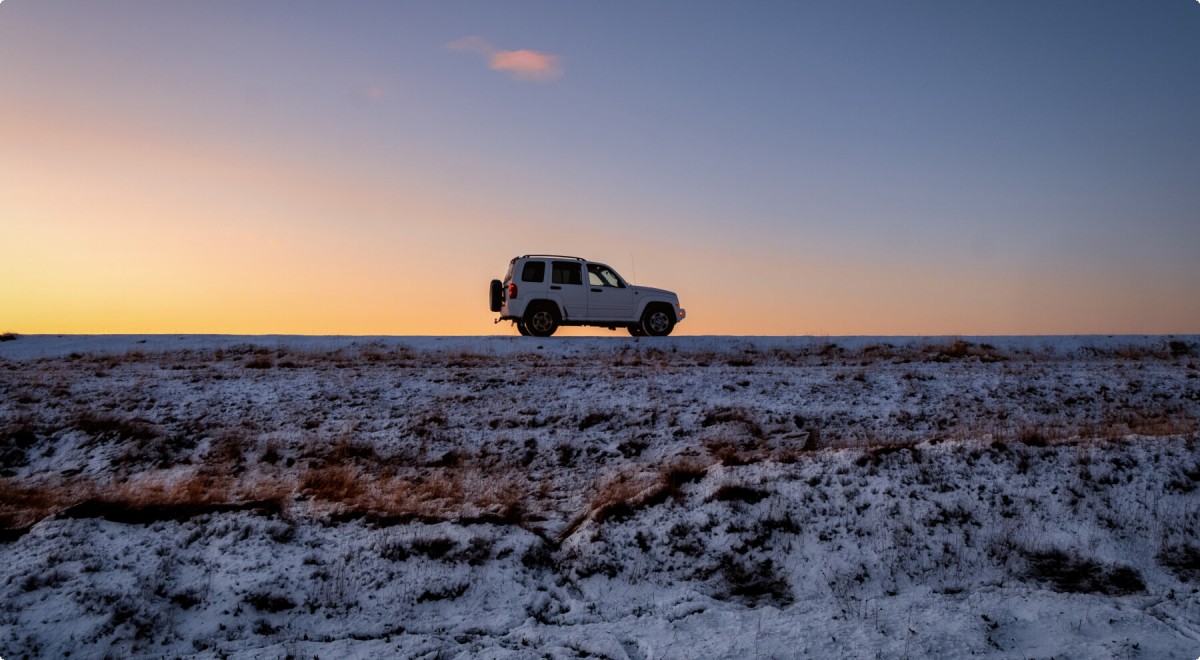
How many days do you need? The short answer: more than you think. A brisk loop can be done in 6-7 days, but you’ll feel it. Eight to ten days is comfortable, with time for side quests and long lunches. If you’re lucky enough to have two weeks, you can wander. Add the Snæfellsnes Peninsula, tuck into the Westfjords, or sink into a thermal pool until your fingers wrinkle.
In summer, you get the luxury of long daylight. In winter, the light is precious - a golden window that you plan around like a friend’s visit. Start early; aim to cover the longest stretches when the sun sits low but friendly. Keep an eye on road conditions each morning and remain flexible. A local would adjust the day plan if the winds rise or if ice persists on the shaded sections near a pass.
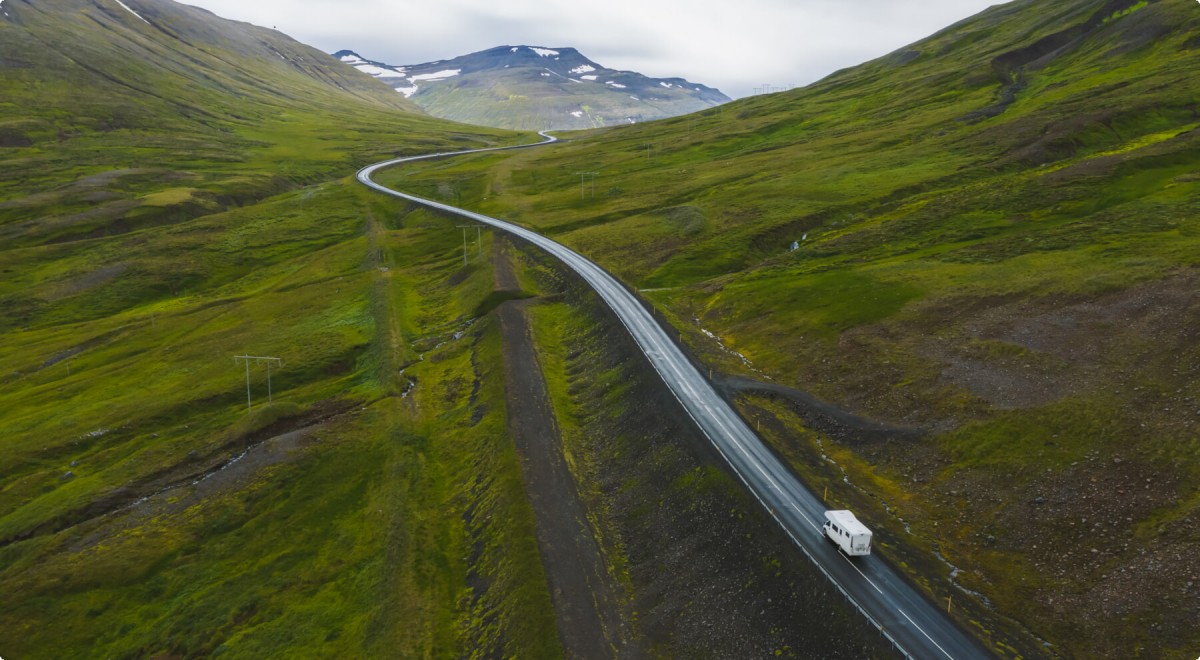
Not every detour needs hours. A quick left towards Seljalandsfoss lets you walk behind the waterfall, feeling the spray whisper like cool confetti on your cheeks. Ten minutes later you’re back in the car, heater ticking softly, fingers wrapped around a cup from the last station.
Eat where you find a table. Try lamb soup in a village that smells faintly like ocean and diesel. Stop for hot chocolate because the clouds turned theatrical and you want to sit by a window. In Iceland, moving slowly is not laziness; it’s the art of catching the light just right on a glacier tongue.
Target 3-4 headline stops per day, not 9. That way you can linger longer at the place that surprises you - a small turf-roof church, a hidden warm stream, a cluster of birds surfing the wind near a cliff.
Driving like a local: road rules, etiquette, weather wisdom
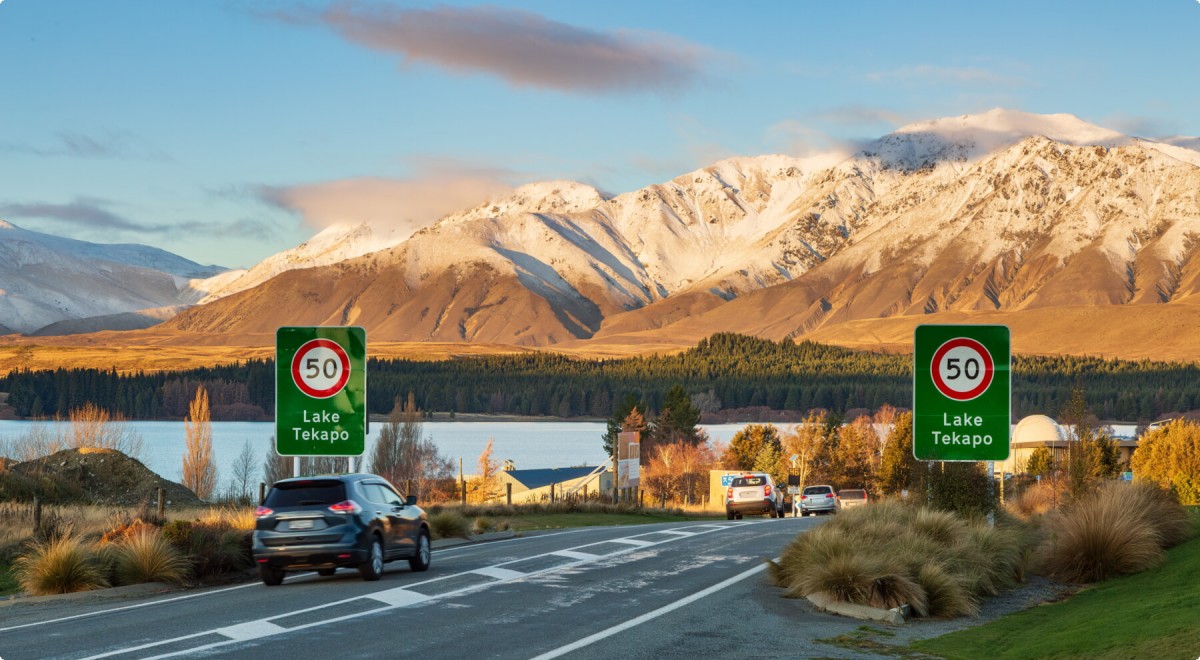
Iceland’s road rules are straightforward, but the nuances matter. Speed limits hover around 90 km/h on paved roads, 80 km/h on gravel, and less in towns. Locals slow down early for one-lane bridges and use the right of way sensibly. If you can’t see, you wait. On blind hills, keep your line and reduce speed; don’t swing wide because the other car might be centered.
Weather is the great character in this story. Crosswinds can be muscular. If a gust makes your shoulders tense, drop speed 10-20 km/h and keep both hands steady at 9 and 3. If the road turns to compact snow, drive smooth - no sharp inputs. Defensive driving here is elegance, not fear.
- Hazard lights are for sudden stops and poor visibility, not casual pulling over.
- Use designated lay-bys for photos; never stop on the road shoulder for a shot.
- Sheep think fences are suggestions. Slow, wait, then pass calmly.
- On gravel, lift off the gas before turning; it’s like walking on marbles.
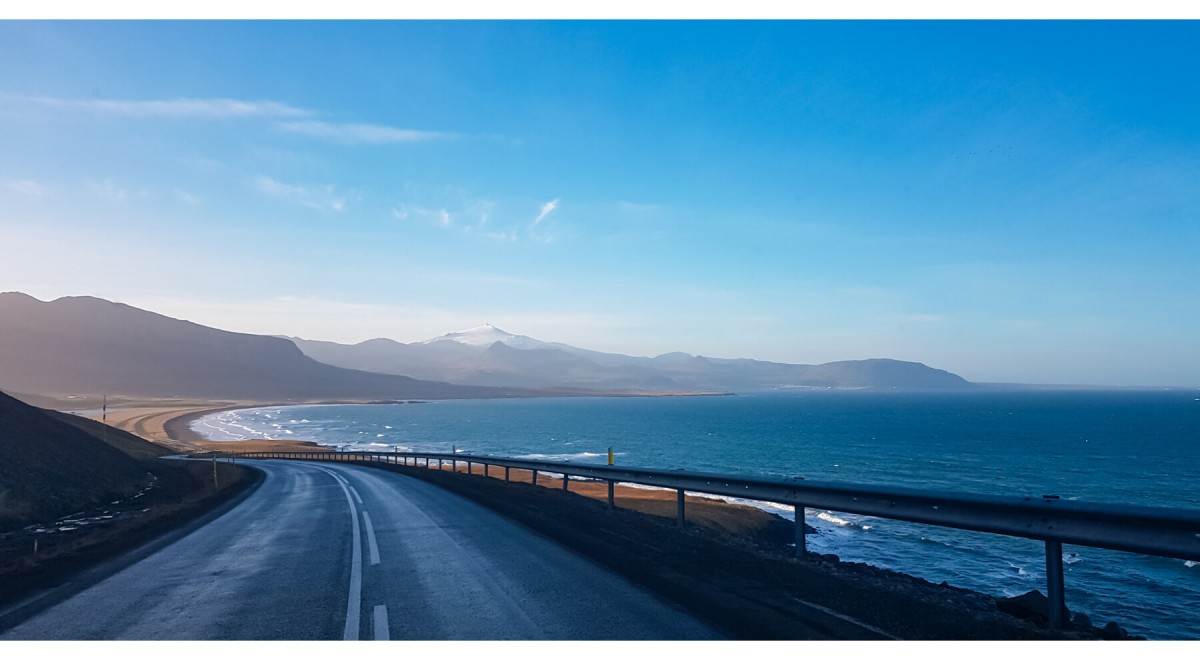
Check road conditions each morning on the official sites, and look again after lunch if the forecast hinted at a change. In winter you might meet a road closure east of Vík for a few hours - use the time for soup and a pastry. Keep your washer fluid full, because salt and mist can turn the windshield into a Monet. Don’t tailgate trucks; they can kick gravel that chips glass. And remember, F-roads are for 4x4 and summer only, so if a track is labeled with an F, skip it unless you truly know what you’re doing.
If locals park nose-to-wind and hold their doors with a firm hand, copy them. When the forecast mentions strong gusts, angle the car so the wind pushes the door shut rather than yanking it open. Your shoulders - and your door hinges - will thank you.
Highlights along the Ring Road: see, stop, breathe
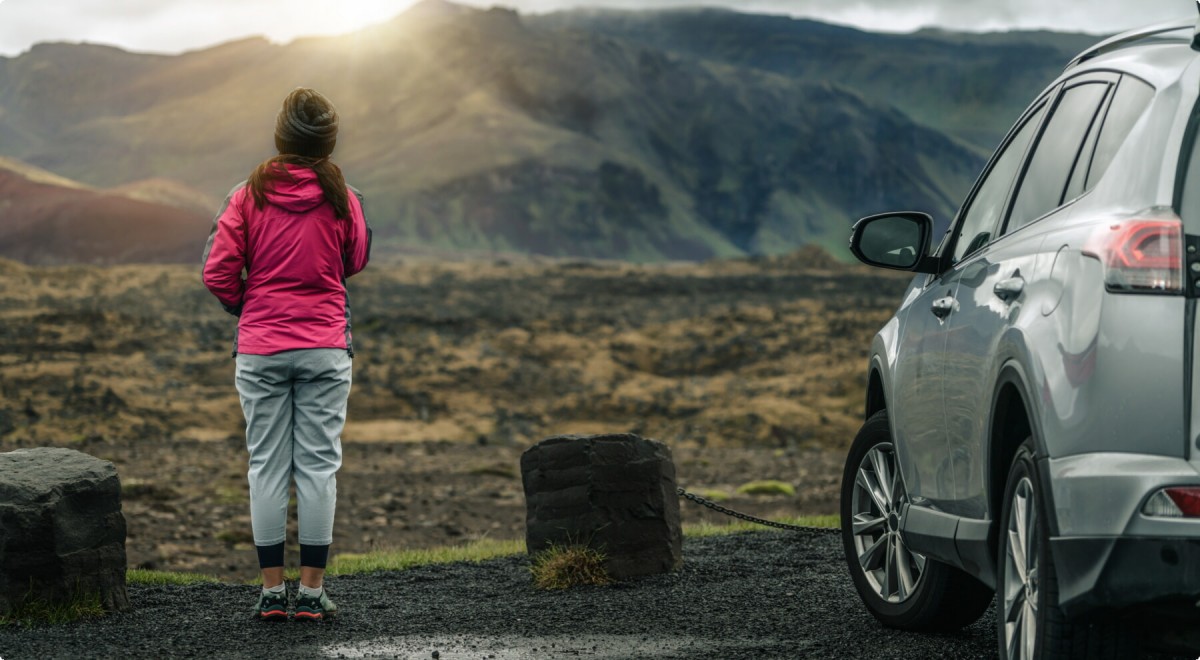
The Ring Road is a necklace of scenes. You start west, roll along the South Coast, sweep into the Eastfjords, curve north past lava fields and fishing towns, then drift down the quiet west. There are no wrong stops, only different moods. South of Reykjavík, waterfalls throw their hair over basalt cliffs and the Atlantic drums a steady beat against black sand. The air tastes clean with a mineral twist, like cold water from a metal cup.
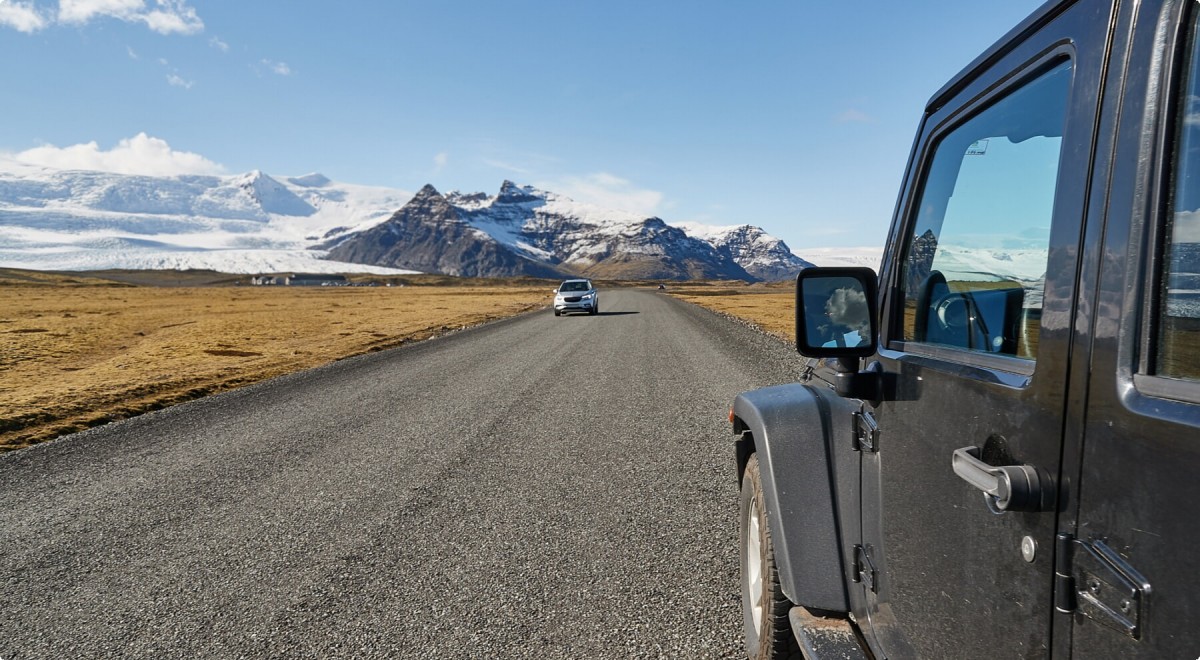
On the way east, you enter big glacier country. Ice shines like a paused wave. If there’s one landscape to slow down for, it’s inside the protected lands of Vatnajökull National Park, where glaciers meet volcanic plains and silence has texture. In good weather, you’ll find yourself standing still longer than planned, just watching the light change across the ice.
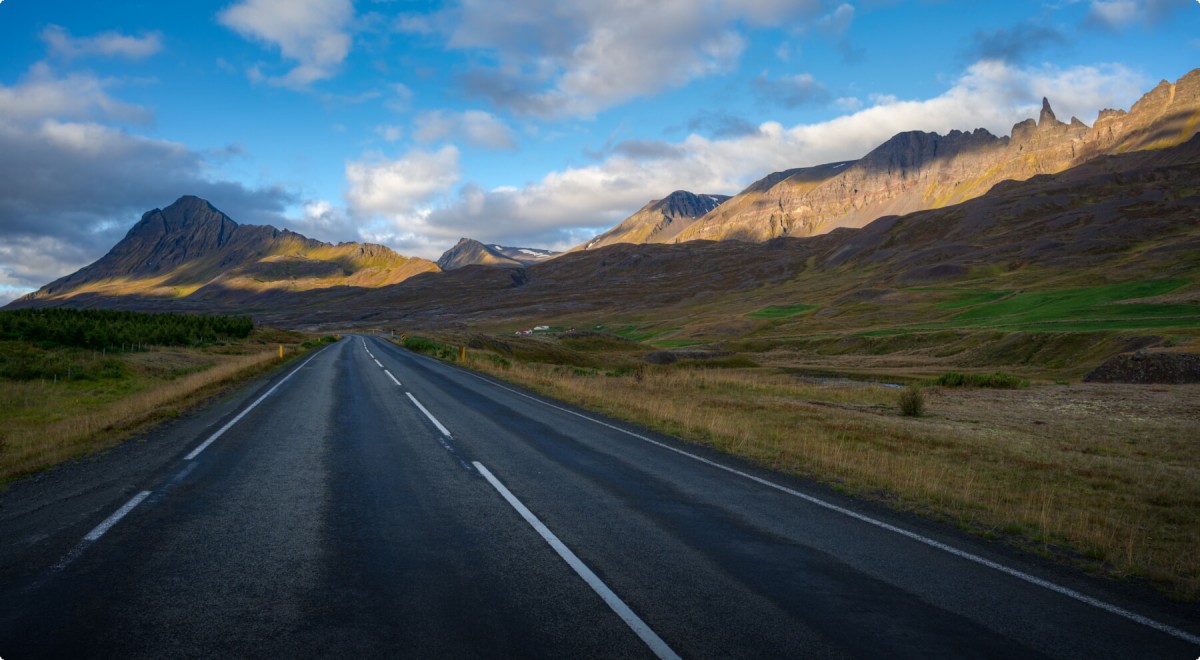
The Eastfjords are a knot of inlets and gentle curves. Towns feel both tucked-in and open to the sea. Aim for an afternoon where you don’t hurry the corners. Consider a side trip to Seydisfjordur, a lovely blue-water bowl ringed by layered cliffs. When fog hugs the slopes, the town appears like a watercolor. When the sky clears, it’s all crisp edges and church spires.
Farther north, the land becomes lava and legend. Drive up to Goðafoss, “waterfall of the gods,” where the river spreads and then falls in a smooth, generous arc. It’s not the tallest, but you feel the steady power of it in your chest, the way a big drum sounds in a small room. The spray tastes faintly of stone and pine if you’re close enough.
West and southwest, the route quiets down. The long bridges feel like threads drawn across silver water. You’ll share the road with trucks, camper vans, and locals in work pickups. It’s ordinary and beautiful at the same time. If you’re curious about the route’s history and how it came to knit the country together, read about Iceland’s Ring Road for a sense of scale and story.
If you’re chasing auroras, you already know patience is the main tool. Park somewhere dark, switch off the headlights, and let your eyes adjust. The first glimmer looks like a shy curtain, almost not there. Then it moves. Sometimes it never arrives, and that’s alright; the stars here are a different kind of show. In summer, you’ll sit at midnight in a kind of daylight that feels like 3 p.m., eating a sandwich on the hood because the air is soft and you can’t bear to climb back inside yet.
One last, local-feeling move: keep a flexible “bonus stop” in your day - a place you’ll swap in if the weather flips. If rain closes in along a cliffline, aim inland for a museum, a pool, or a hot pot. If clouds lift suddenly, reward yourself with a detour to a roadside viewpoint. The Ring Road returns your spontaneity with small pieces of luck, the kind that feel like you stumbled on something meant only for you.