
Airports have a certain theater: rolling suitcases, espresso lines, the soft panic of a delayed connection. In that shuffle, rental-car brands become shorthand for expectations - price, queue length, and whether a tired traveler will be upsold a “premium” SUV. Alamo is one of those names that feels everywhere, yet oddly anonymous. Ownership answers the “who’s behind the counter” question, and it also explains why the experience feels familiar from Florida to California.
The owner in one sentence - and why it matters

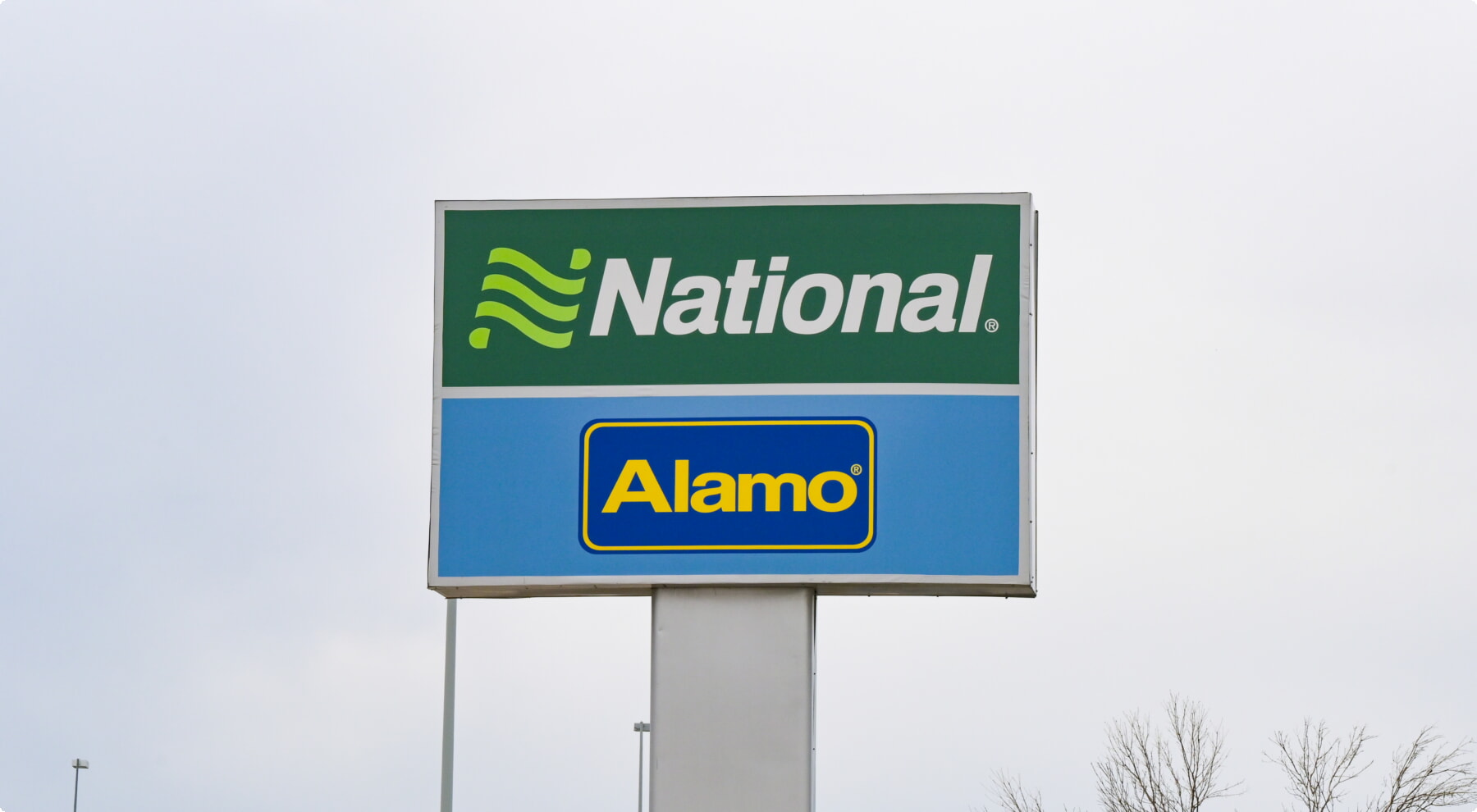
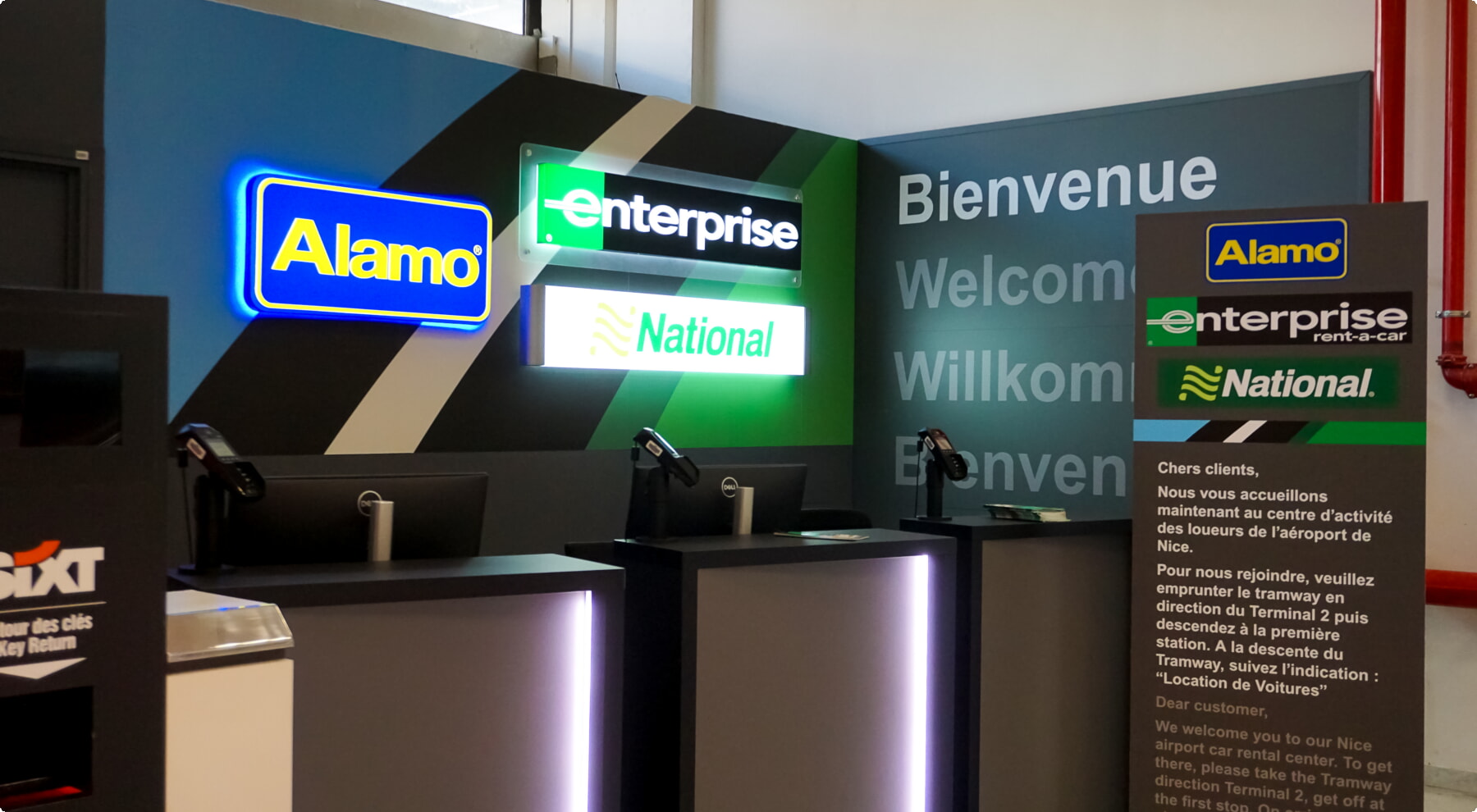
Alamo Car Rental is owned by Enterprise Holdings, the private company best known for Enterprise Rent-A-Car and also for operating National and Alamo as separate brands under one roof. That single fact clears up several common mysteries: why reservation emails sometimes mention Enterprise, why vehicle fleets can feel similar across brands, and why policies often share the same rhythm even when the logo at the desk changes.
Ownership in car rental isn’t trivia. It’s the hidden plumbing of a trip. A traveler might choose Alamo for a straightforward airport pickup, only to discover that the same parent company runs the lot, the app, and the roadside assistance line. That can be reassuring (a large operator tends to be consistent), yet it can also shape expectations: upgrades, deposits, fuel rules, and how aggressively extra coverage is offered.
It also matters when travel plans wobble. When a flight lands late and the rental counter is closing, it helps to know whether the brand is a small local operator or part of a large network that can rebook, reroute, or at least answer the phone. Behind Alamo sits a giant - but it’s a particular kind of giant: privately held, family controlled, and not always loudly visible.
How Alamo became an “airport brand”
Alamo’s story starts with a very specific traveler: the leisure flyer who just wants to get to a beach rental or a theme-park hotel without wrestling a taxi line. The brand was founded in 1974 in Orlando, Florida, with a focus on serving airport customers - not neighborhood pickups, not insurance replacement, but the vacationer arriving with a plan and a suitcase.
That origin still clings to the brand’s personality. Alamo counters tend to feel tuned to families and holiday schedules: longer weekend rentals, bigger trunks, and a preference for predictable pricing. It’s the kind of brand that fits the moment when a phone map is open, children are asking how long the drive will be, and the first stop is a grocery store rather than a boardroom.
There’s also a cultural quirk in the name. “Alamo” instantly evokes Texas and frontier mythology, even if the rental company didn’t begin there. In the travel imagination, it signals America-as-road-trip: sun glare on a windshield, miles ticking by, and a playlist that suddenly becomes very important. That mental shortcut is powerful, even when the reality is a printed contract and a parking stall number.
Alamo grew up in terminals, not in suburban storefronts. That history helps explain why many locations lean into quick pickup flows and leisure-friendly vehicle mixes, even when the business side is shared with sibling brands.
Brand identity in rental cars is a little like hotel categories: the building might be owned by one group, but the sign out front sets expectations. Alamo became the sign that promised “simple, vacation-ready,” and later owners had every reason to keep that promise intact.
A quick ownership timeline (with the messy parts left in)

Alamo’s ownership history reflects a broader pattern in the rental industry: rapid expansion, heavy fleet financing, and periodic reshuffling when travel demand dips. It’s not a straight line. It’s a road with exits, mergers, and the occasional detour through bankruptcy court.
Key turning points
- 1974: Alamo is founded in Orlando with an airport-centered model aimed at leisure travelers.
- 1990s: Consolidation accelerates across the sector; Alamo becomes part of larger corporate structures as scale becomes crucial for fleet purchasing and airport contracts.
- Early 2000s: Industry turbulence and financial pressure lead to major restructuring for the parent company controlling Alamo and National at the time.
- Mid-2000s: Alamo and National operate under Vanguard Car Rental USA, positioning the pair as a focused two-brand group.
- 2007: Enterprise acquires Vanguard, bringing Alamo into the Enterprise family alongside National.

Those bullets look tidy, but lived experience was less neat. When a rental group is reorganized, the traveler at the counter rarely sees the paperwork, yet the effects can show up in subtle ways: a changed website layout, different membership numbers, or a new tone in policy language. Sometimes it’s the same people in the same office with different email signatures, which is both boring and oddly revealing.
After Enterprise took over, the logic was clear: keep the brands distinct, but unify the machinery behind them. Fleet procurement, back-end systems, and operational training could be streamlined, while the consumer-facing promise remained differentiated. That’s how a large parent company avoids turning every brand into the same beige experience.

It’s also why the question “who owns Alamo?” has a practical answer. Ownership is the reason the brand didn’t vanish after the rougher years - instead it was folded into a larger operator that could smooth the financial bumps, negotiate at scale, and keep the cars coming.
Enterprise Holdings - the company behind the curtain
Enterprise Holdings is one of those organizations that can be huge without behaving like a public celebrity. It’s privately held, rooted in St. Louis, and historically linked to the Taylor family. In an age where companies broadcast quarterly results like weather reports, a private structure creates a different vibe: less market theater, more operational focus, and a tendency to talk about service metrics instead of stock performance.
Under Enterprise Holdings sit three major consumer brands: Enterprise Rent-A-Car, National Car Rental, and Alamo Rent A Car. They’re siblings that dress differently. Enterprise is often associated with neighborhood branches and insurance replacement; National leans toward frequent business travelers and loyalty perks; Alamo aims at leisure travelers and airport convenience. None of that is accidental, and it’s not mere marketing - it shapes staffing, pricing posture, and even the types of cars that show up more often.
For travelers, the “behind the curtain” part shows up when the systems feel familiar. The contract layout, the way add-ons are presented, the confirmation emails - small design choices can carry a family resemblance. It doesn’t mean the brands are identical, it means they’re built on common infrastructure. That’s usually good for reliability, but it can surprise someone expecting a totally separate operator.
Enterprise also runs a global network that combines company-owned operations in many major markets with franchise or partner arrangements elsewhere. So Alamo abroad might be operated by a partner that follows Enterprise brand standards, but local differences can still appear. The same name can mean slightly different procedures - like ordering “coffee” in two countries and getting different cups.

A practical takeaway: when an issue needs escalation (a billing mismatch, a disputed fuel charge, a late-night roadside call), the corporate ownership often determines how robust the support apparatus is. A large parent group can offer consistent systems, yet the actual experience still depends on the local station’s discipline and, frankly, whether it’s peak season and the line is curling around the stanchions.
What ownership changes for travelers at the counter

On paper, “Enterprise owns Alamo” is a corporate fact. In real life, it’s a set of small moments: how fast a reservation is found, what happens when the booked car class is gone, and whether a tired traveler is treated like a person or like a transaction. Ownership influences those moments because it sets the operational template.
Where the shared DNA is easiest to spot
- Fleet strategy: centralized buying power can mean newer vehicles and consistent categories, especially at big airports.
- Process design: similar check-in flows, similar kiosk logic, and similar add-on menus.
- Policies: familiar language around deposits, additional drivers, and fuel choices, even if the pricing differs.
- Location footprint: access to major airport concessions and off-airport support infrastructure.

Still, the traveler shouldn’t expect clones. Brands exist because different customers behave differently. Alamo’s value proposition is typically calibrated for leisure: the person comparing totals on a phone, deciding between compact and midsize like it’s a life choice. National’s pitch may be faster lanes and loyalty recognition. Enterprise may feel more human in neighborhood branches because the customer base is often local and repeat.
In large groups, the brand on the sign and the legal entity on the agreement can feel like two different stories. It’s worth matching them early, because that’s where dispute processes and customer-service channels usually attach.
- Check the “rented by” or “operated by” line on the confirmation and again on the agreement.
- If using a broker or travel portal, keep the voucher - it often shows which brand family is fulfilling the booking.
- When comparing prices, compare policy pieces (fuel plan, mileage, add-ons) not just the base rate.
Ownership also intersects with place. In New York, for example, the gap between “city rental” and “airport rental” can be felt in both price and logistics; a traveler planning Manhattan pickups might compare options for car rental in New York City before deciding whether the subway + airport shuttle strategy is worth the effort. And for flights into New Jersey, browsing Newark Liberty International Airport car rental can make it clearer how airport concession fees and inventory patterns differ from downtown counters.

These geography choices can feel mundane, but they’re where corporate scale becomes real. A big ownership group can move cars between nearby locations, negotiate parking space, and standardize training so that the airport terminal experience doesn’t collapse under peak crowds. It sounds corporate, but the benefit is simple: less improvisation when things go wrong.
For a traveler, one of the quiet advantages of Alamo being inside Enterprise Holdings is predictability. Predictability isn’t glamorous, yet it’s the difference between a road trip starting with a calm drive and starting with forty minutes of paperwork confusion. Sometimes the best travel luxury is not having to think about the rental car at all.
Alamo the place vs Alamo the rental brand

The brand name “Alamo” naturally drags the mind toward Texas - and that’s where a fun confusion lives. Some first-time visitors in the U.S. hear “Alamo” and think of the historic mission in San Antonio, while frequent flyers think of a rental counter. Both associations can coexist, and both connect to the same American appetite for movement: history, highways, and the sense that something is always one drive away.
For the literal Alamo, the historic site’s official home is The Alamo, a useful starting point before stepping into the plaza where the story is told in stone and shadow. The spot itself sits in the city’s tourist bloodstream - and it can be pinned instantly on a map as Alamo Plaza, San Antonio. Around it, modern San Antonio hums with restaurants and riverwalk crowds, making the contrast between past and present feel almost theatrical.

Then the road-trip brain kicks in. Texas is where long drives stop feeling like a plan and start feeling like a mood. The urge to keep going west, or north, often lands on the mythology of U.S. Route 66, a name that still behaves like a magnet for travelers even when the route is partly absorbed by newer highways. A rental brand named Alamo sits comfortably in that imaginative space: it doesn’t need to be from Texas to borrow the feeling.
Ownership, strangely, makes that borrowing possible. A large parent company can keep a brand alive for its emotional resonance while building it on modern systems. That’s the trick: romance in the name, spreadsheets in the background. And if the next trip happens to begin under neon billboards and dense crosswalks, a quick map glance at Times Square, New York is a reminder that American driving stories start in cities too, not only in deserts and small towns.
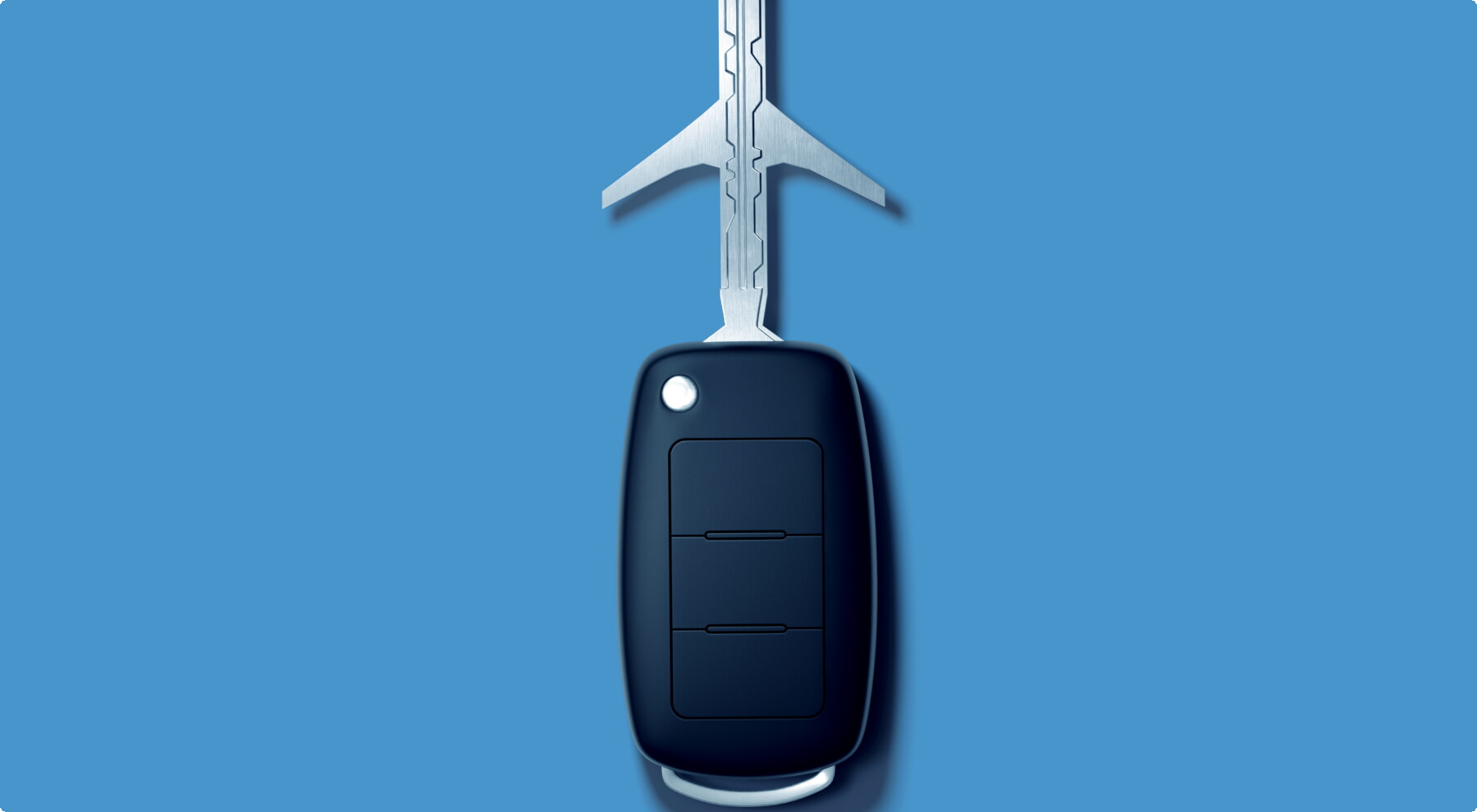
So the question “Who owns Alamo Car Rental?” has a clean answer, but it also has a travel aftertaste. It explains why the brand feels stable, why the process often feels familiar, and why a name borrowed from history can still sit comfortably on a key fob in a parking garage. And yes, sometimes there’s a line at the counter, and sometimes there isn’t , but the machinery behind it remains the same family of operators.