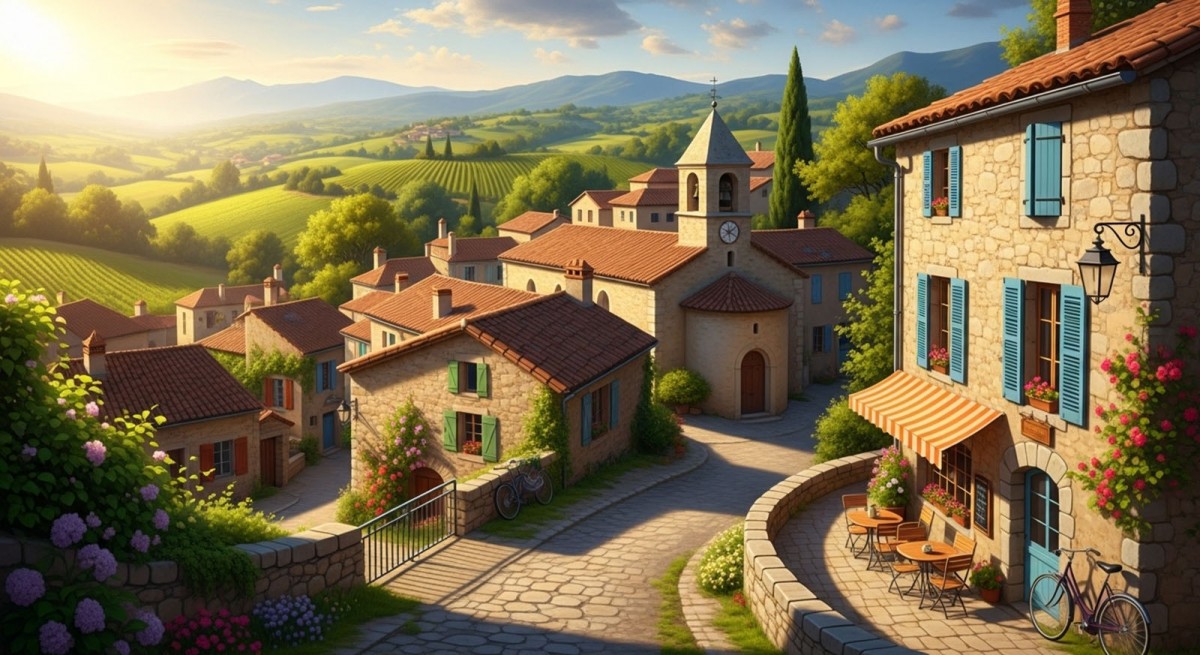
I first heard about Les Baux-de-Provence the way you hear about a half-remembered song - from a friend who couldn’t stop smiling. A village on a rock. An ancient fortress. And a former quarry turned into a cathedral of moving light. On paper it sounds dramatic. In reality, it’s even stranger and better, because the place is both rough and tender at once, like sun-warmed stone that still keeps the memory of night.
The First Approach - Why This Rock Feels Alive
There’s a moment on the road when Les Baux-de-Provence reveals itself not as a village but as an idea. You round a curve, and the limestone ridge rises ahead, pale and sharp against the sky, like a ship’s prow frozen in time. The air smells of rosemary and warm dust, and a faint metallic note from the stone itself seems to hang in the heat.
I like to begin with a quick pause at the edges rather than rush straight into the lanes. The village sits in the Alpilles, a small mountain range that feels intimate - more like a landscape you can talk to than a wilderness you must conquer. If you want to anchor the geography in your brain, you can tap this link to Les Baux-de-Provence, France and watch the pin settle into the folds of the hills.
The history here is thick enough to cut with a bread knife. The medieval lords of Les Baux once controlled a good part of Provence, and the village later became famous for bauxite - the ore named after this very place. That tiny detail always makes me grin; it’s like discovering your neighborhood secretly gave its name to something global.
For a quick background rabbit-hole, the Les Baux-de-Provence page is a tidy starting point, but the real story begins when your shoes hit the stone and your eyes start doing that happy tourist flicker.
Streets, Views, and Small Rituals in the Village
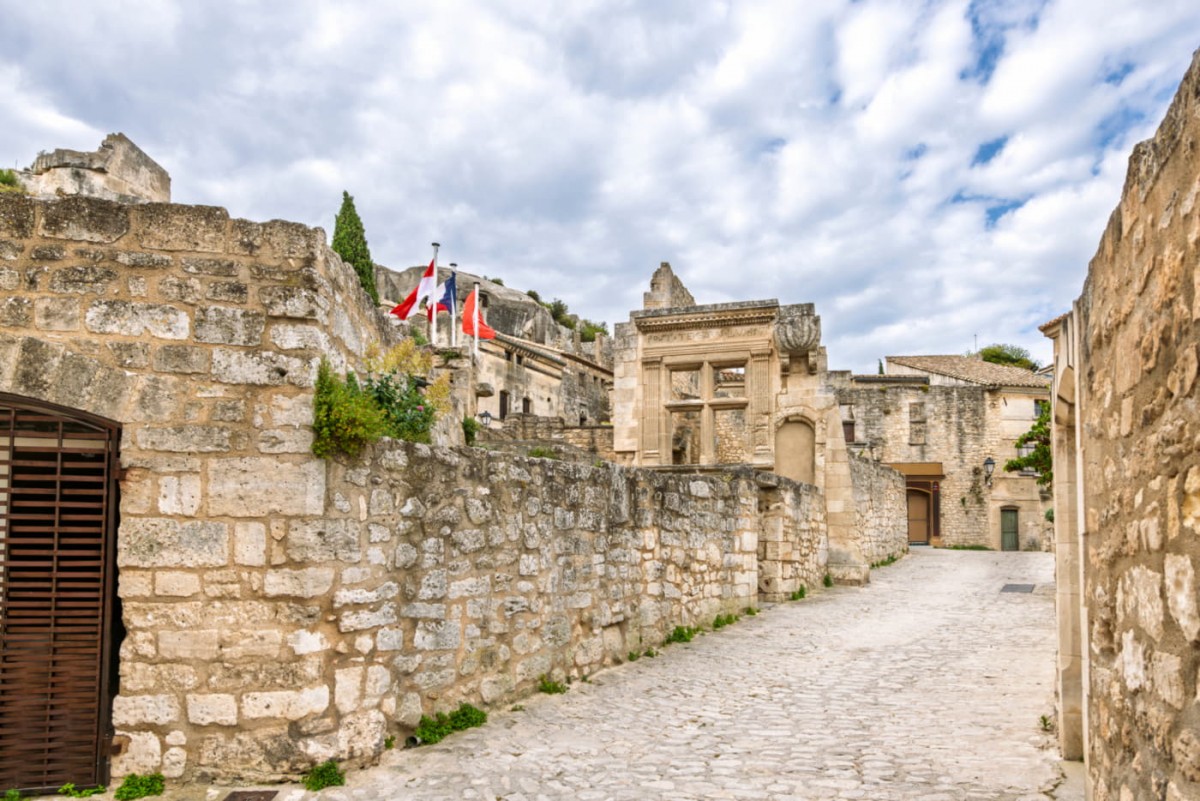
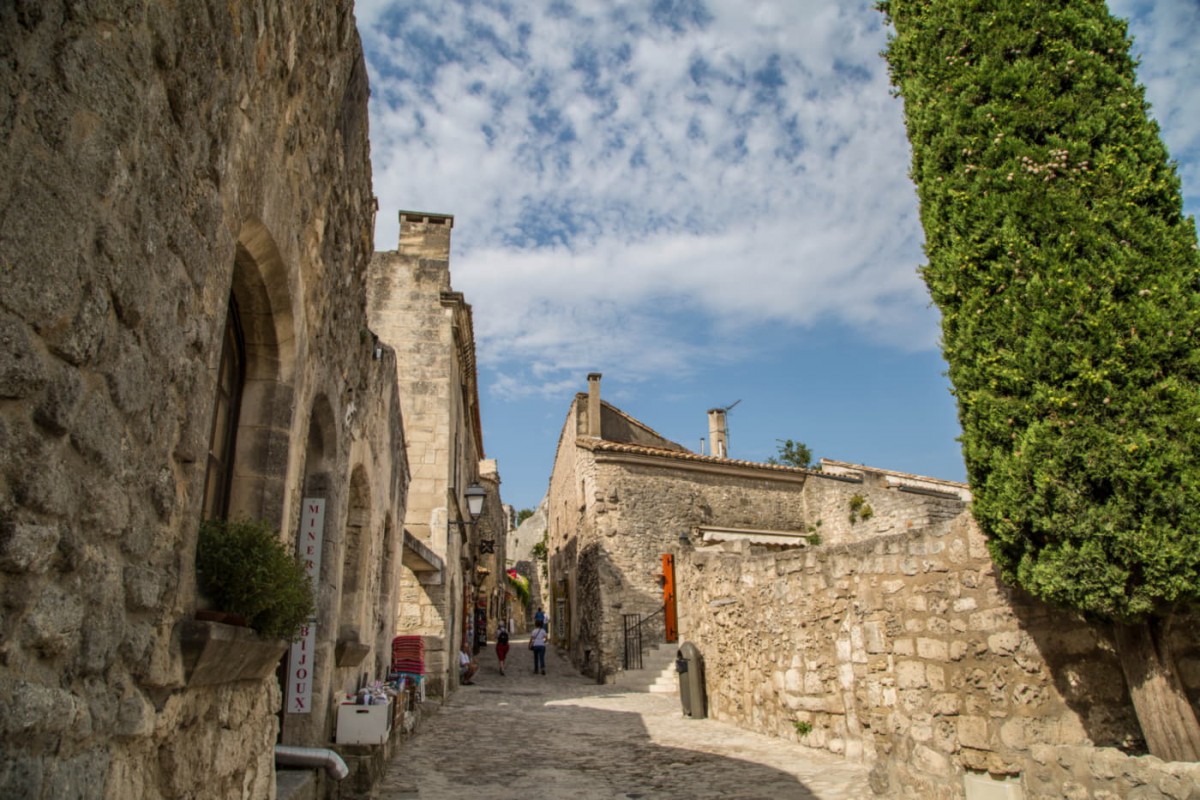
The village is compact, but it doesn’t feel small. The streets snake and tilt, and each corner offers a new frame - a doorway with chipped paint, a terrace where someone is quietly resetting chairs, a slice of valley bright as a postcard.
Here is the trick I learned after my first slightly frantic lap: slow down and treat it like a miniature city. You don’t need to see everything in order. You need to feel the rhythm. That might mean stepping into a cool chapel after a sun-blasted staircase, or lingering at a viewpoint till the wind changes direction.
- Pick one early-morning walk before the crowds thicken.
- Pause for a coffee you don’t really need.
- Look for the little artisan shops tucked into side passages.
- Spend at least ten minutes doing nothing at a belvedere.
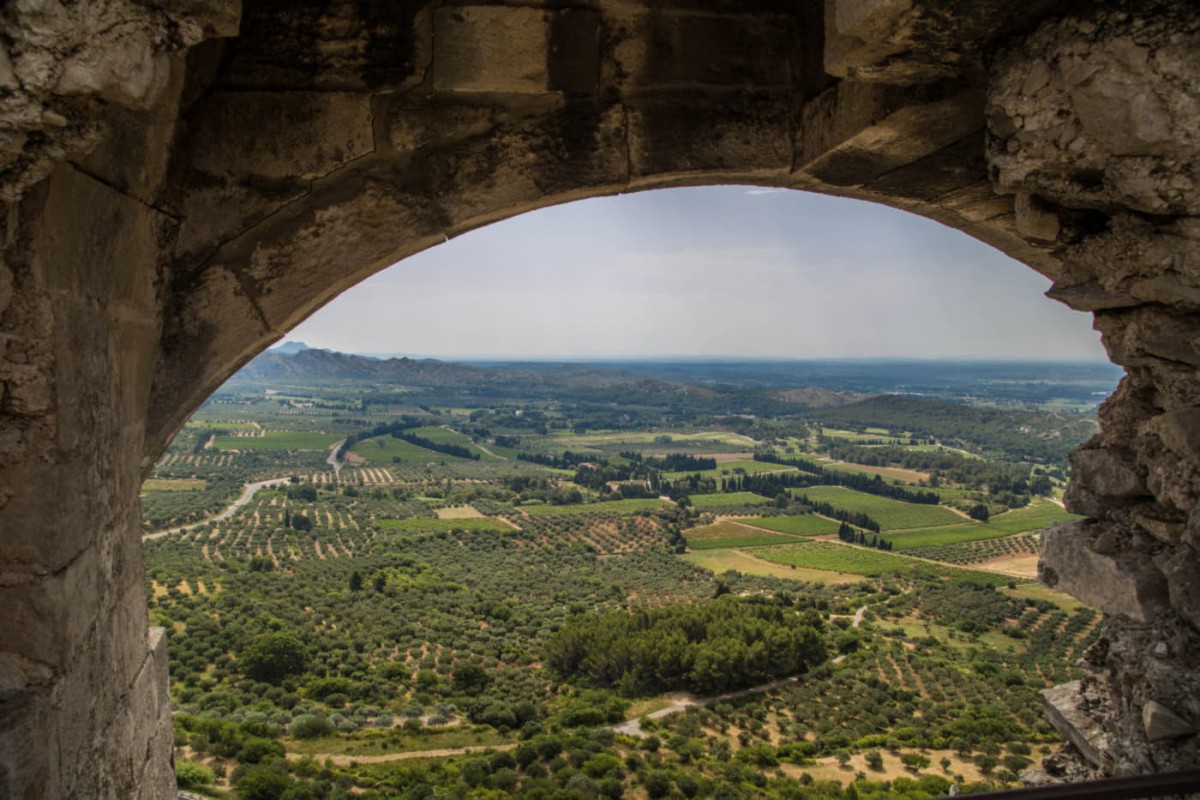
Some days the village can look theatrically perfect, almost too curated. But then you catch a resident carrying groceries up the steep slope, and the spell softens in a good way. Life is still happening inside the beauty.
Les Baux can feel busy at midday, so give yourself permission to wander without a checklist. When you treat the village like a place to breathe, not just to photograph, it becomes gentler and more personal.
If you’re the kind of traveler who likes micro-moments, this is your playground. There’s a tactile pleasure to the rough steps, the cool shadow under archways, the way the light bounces off pale stone and makes your skin feel slightly sun-dusted.
Château des Baux - A Fortress with a Theatrical Soul
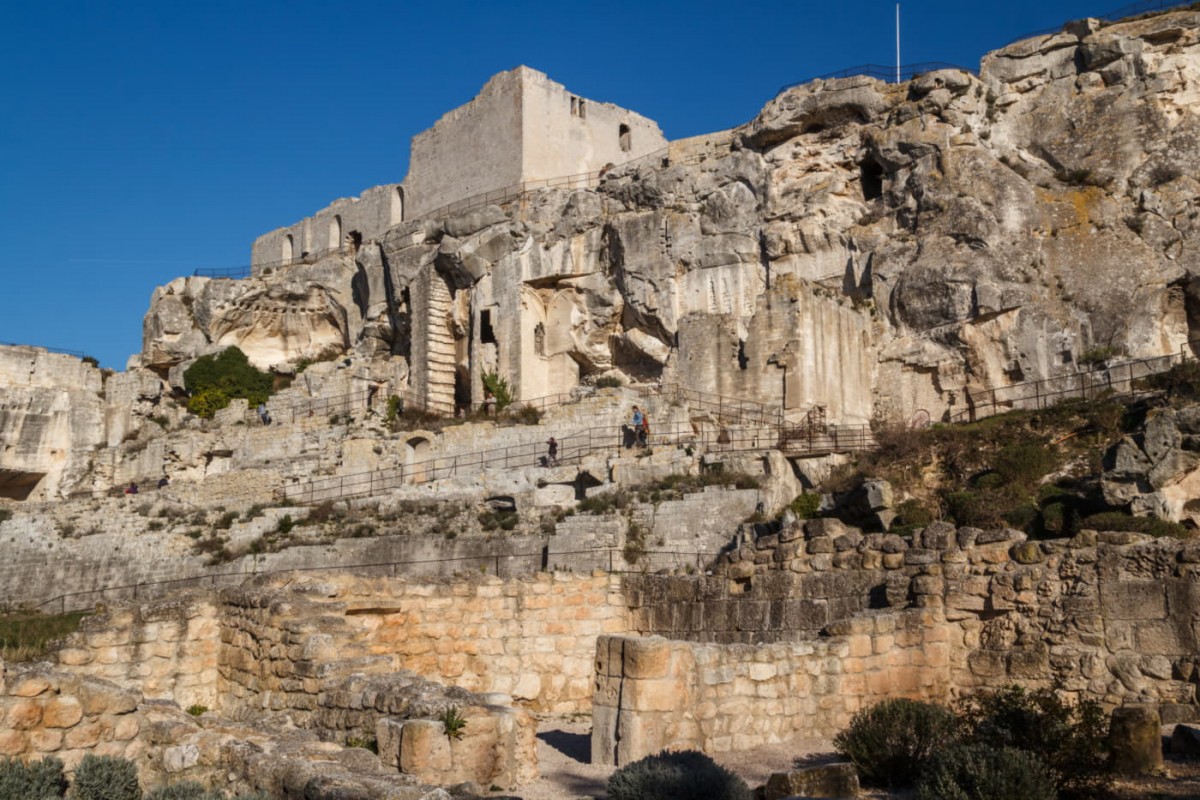
Above the village sits the Château des Baux, a fortress that refuses to be modest. Even if you arrive thinking you’ve seen enough castles for one lifetime, this one has a dramatic edge. It is perched and fractured and proud, like the bones of a giant laid out for inspection.
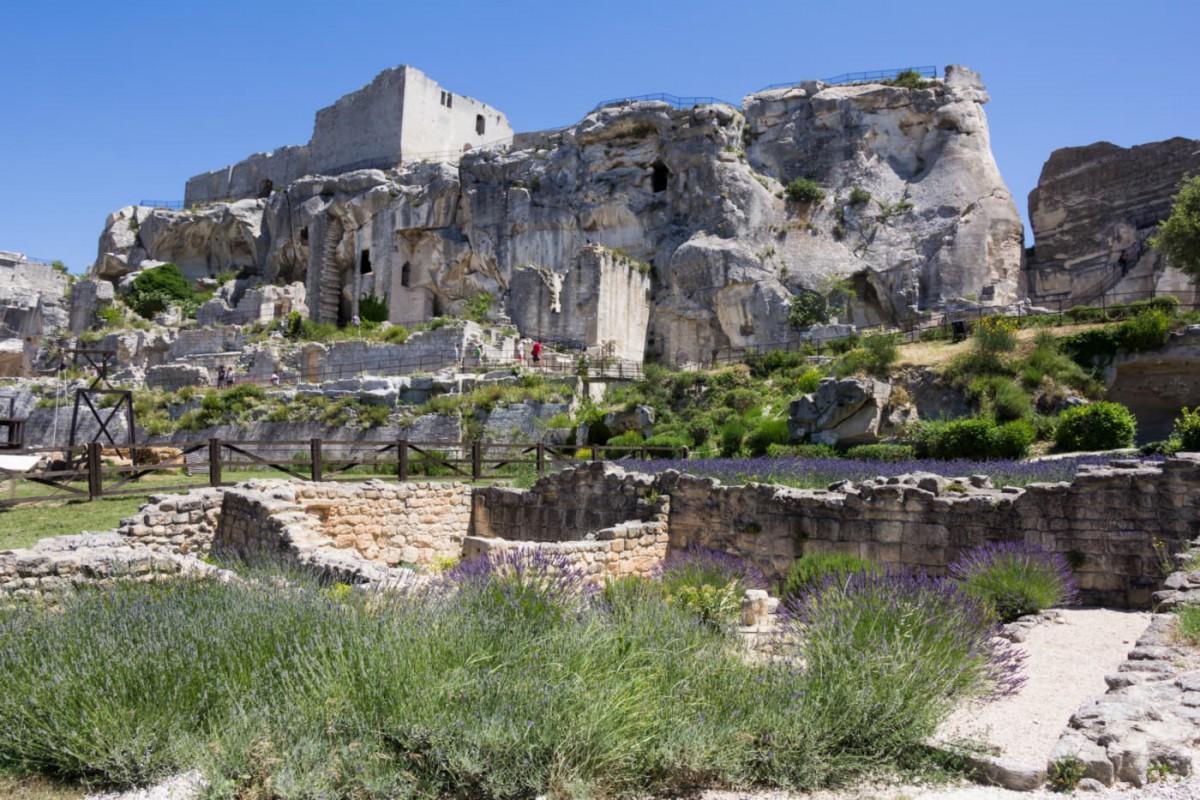
Walking through the ruins you can almost hear the clank of armor, though maybe that’s just the wind funneling through stone windows. The views fan out across the Alpilles and the plains toward Arles and beyond. It’s the kind of panorama that makes you stop mid-sentence.
What I enjoy most is how the site lets you move between history and imagination. You can read the plaques, yes, but you can also just stand near a battered wall and picture the daily stubbornness of medieval life - the cooking, the politics, the boredom, the sudden alarms. This isn’t a museum that feels hermetically sealed; it’s an open-air story with room for your own curiosity.
If you travel with kids or friends who like a little spectacle, you’ll appreciate the demonstrations and the sense that this fortress understands its own stage presence. The stone here is not shy.
Carrières des Lumières - When Stone Becomes a Screen
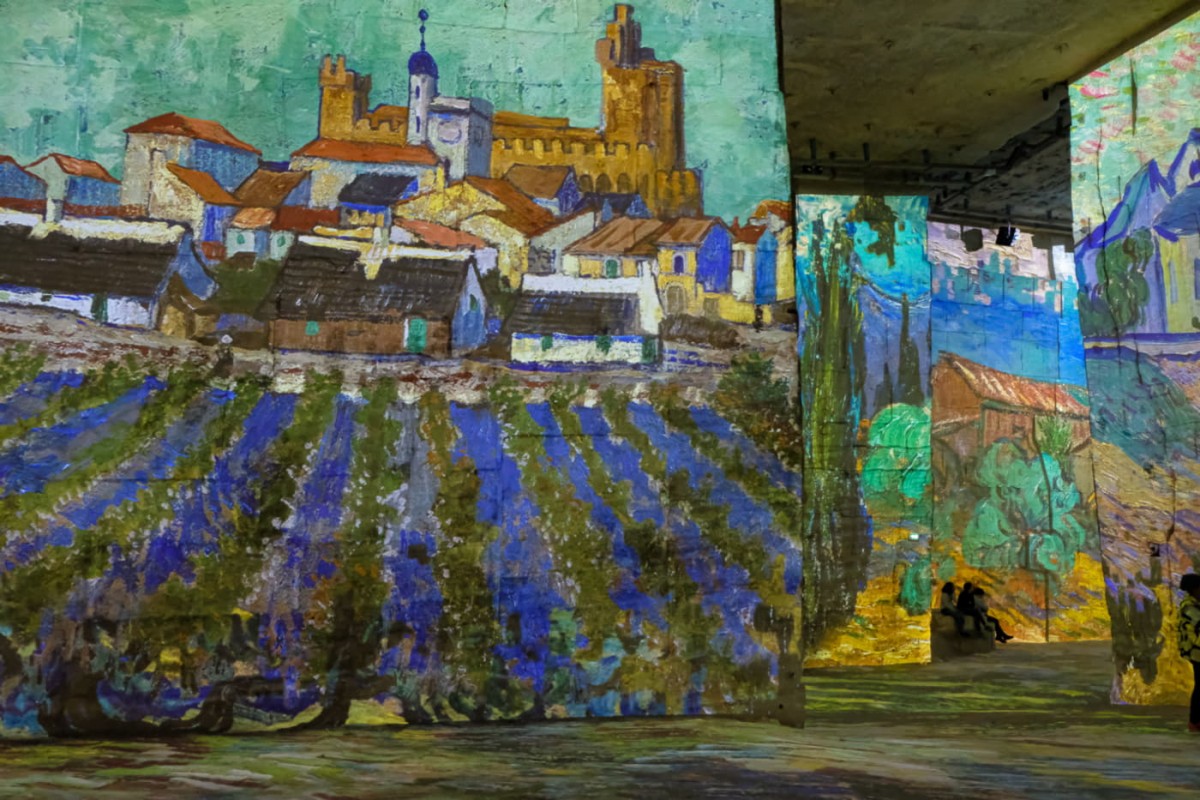
Then comes the pivot of the day - the unexpected softness after all that rugged history. Just below the village lies an old limestone quarry transformed into one of the most imaginative art spaces in France. The name itself suggests a contradiction: quarries are about extraction and weight, yet here they are about light and immersion.
You can locate the site easily through Carrières des Lumières, Les Baux-de-Provence, but the more memorable navigation is emotional. You walk in from the brightness of Provence and suddenly the temperature drops. The walls rise. The floor is uneven. And then the projections begin to breathe across the stone.
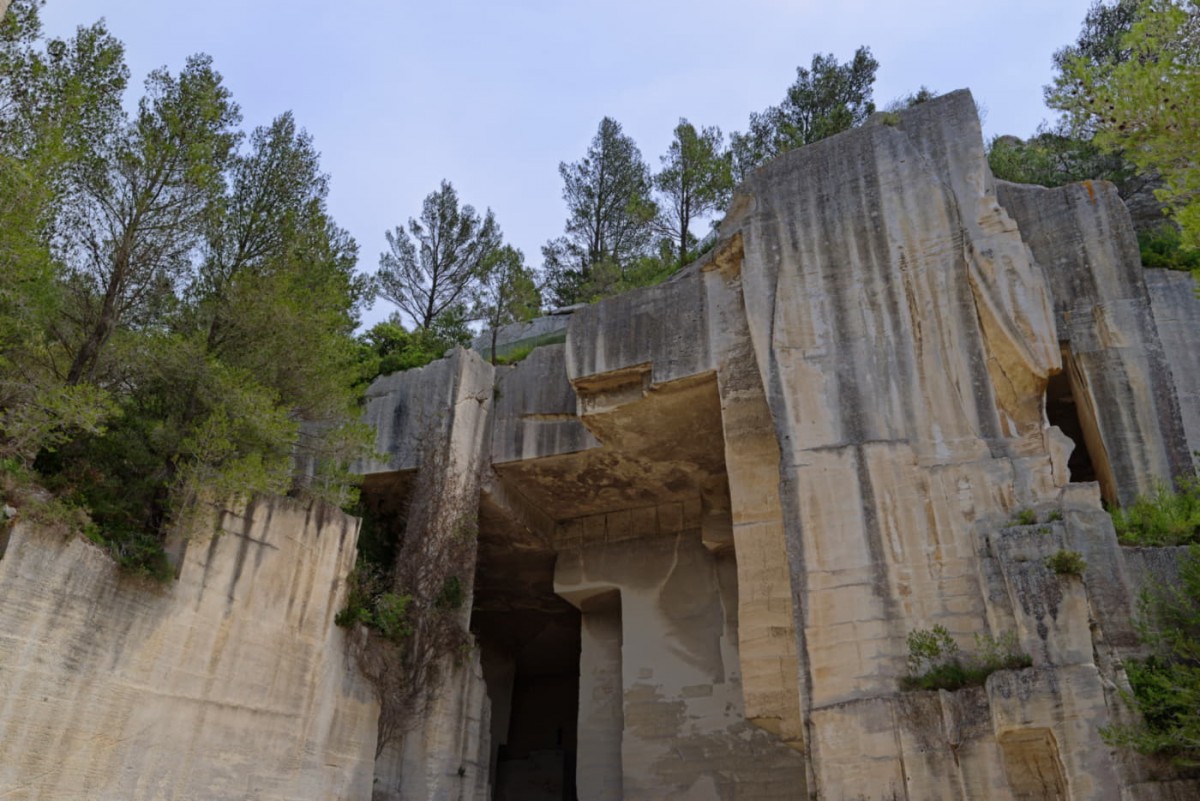
The shows change across the year, typically focusing on a major artist or theme, paired with a shorter contemporary or experimental program. The effect is part cinema, part dream, part very elegant magic trick. You’re not just looking at art; you’re inside its pulse.
There’s something deeply satisfying about seeing brushstrokes the size of doors, about watching color drift over geological scars. It reminds me of how we sometimes play music while cooking - not to impress anyone, but to let everyday space become a little more alive. Here, the quarry becomes a living room for the imagination.
If you want tickets, schedules, or details about the current exhibition, the official Carrières des Lumières site is the best place to start.
The show is immersive and surprisingly physical - sound vibrates in your chest and the scale can feel overwhelming in the best way. Give yourself enough time to watch at least one full cycle and to move to different corners of the space.
- Arrive a bit earlier than your ideal time slot.
- Walk slowly to feel the changing perspective.
- Bring a light layer - the quarry is cool inside.
- Resist filming too much; your eyes are better cameras.
One small note - the floor can be damp or uneven. Most visitors are fine, but comfortable shoes are not a boring recommendation here, they’re a kindness to your own ankles.
Eating, Resting, and Listening to Provence
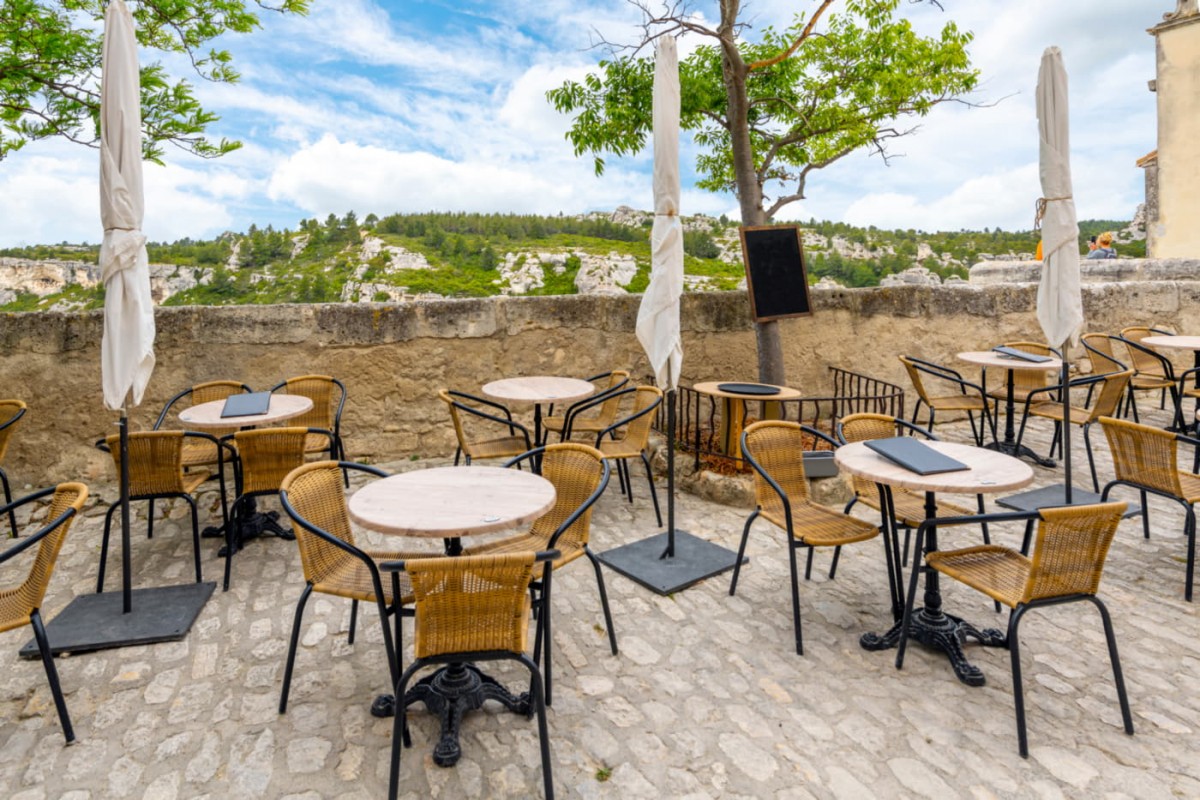
After the quarry, I usually want something simple: shade, water, a table where time slows down. Les Baux is touristy, yes, but you can still find meals that feel honest and unhurried if you choose with a little patience.
Think of this part of the day as a sensory reset. The scent of olive oil, the faint sweetness of local desserts, the crunch of fresh bread - these small pleasures stitch the experience together. If the fortress is a headline and the quarry is a plot twist, lunch is the quiet paragraph that makes the story believable.
- Olives and tapenade that taste like sun and salt.
- Goat cheese with herbs that smell like the surrounding hills.
- Seasonal vegetables roasted until edges caramelize.
- A glass of something local if you’re not driving.
You might notice the village shops selling everything from lavender sachets to polished souvenirs. Some are predictable, others genuinely charming. I tend to look for small edible gifts or a simple ceramic piece. Something that won’t gather dust with guilt later.
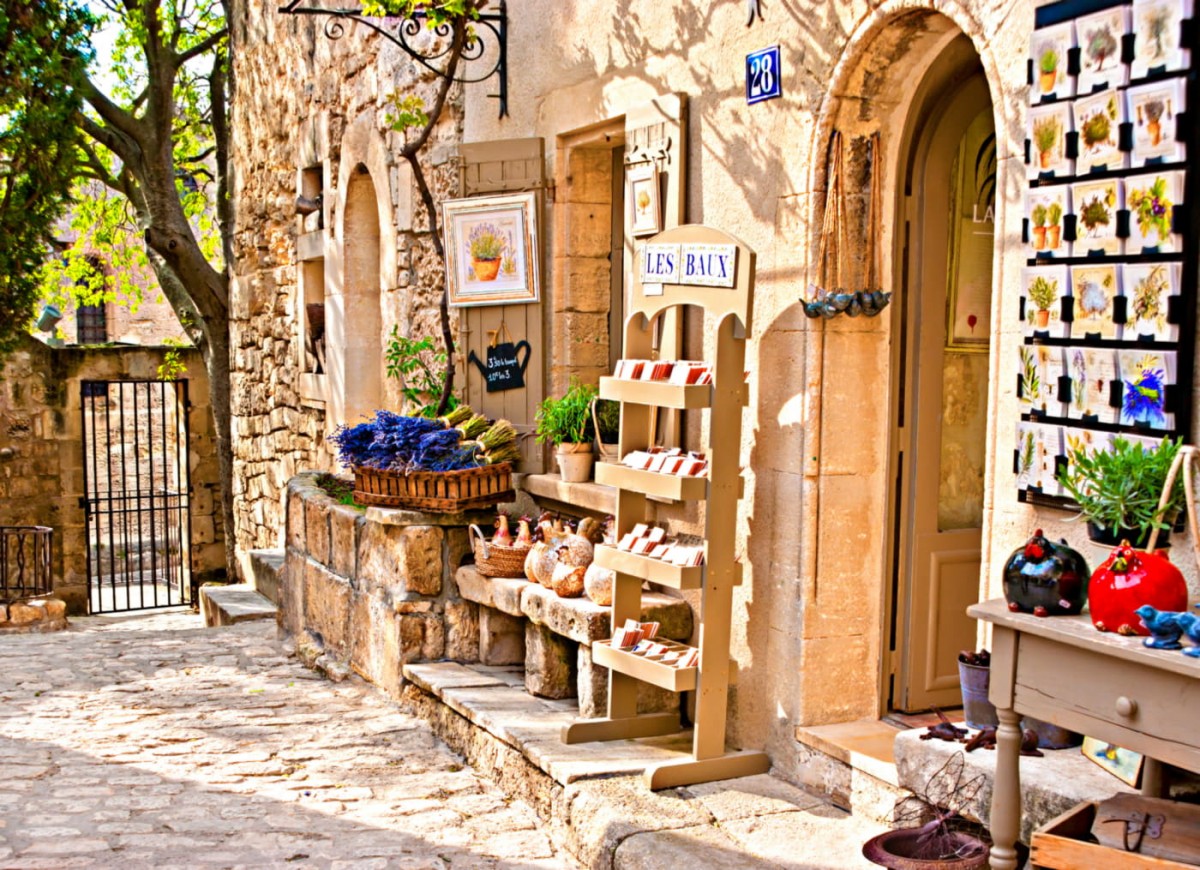
And if you’re visiting in warmer months, the heat can be cheeky. It sneaks up on you. Drink water even if you don’t feel thirsty yet, and step inside cool spaces between sunlit strolls.
Practical Notes, Quiet Spots, and Easy Detours
Les Baux-de-Provence is an easy day trip from Avignon, Arles, Saint-Rémy-de-Provence, or even the edges of the Luberon. But easy doesn’t mean effortless, especially in high season when parking and crowds can become the unscripted villains of an otherwise dreamy day.
My personal rhythm looks like this: arrive early, wander the village while it still feels half-awake, head to the château, then slip into the quarry before afternoon peak. Later, I either linger for a late lunch or drive a short loop through the Alpilles.
Here are a few small detour ideas, the kind you can decide on when your coffee kicks in:
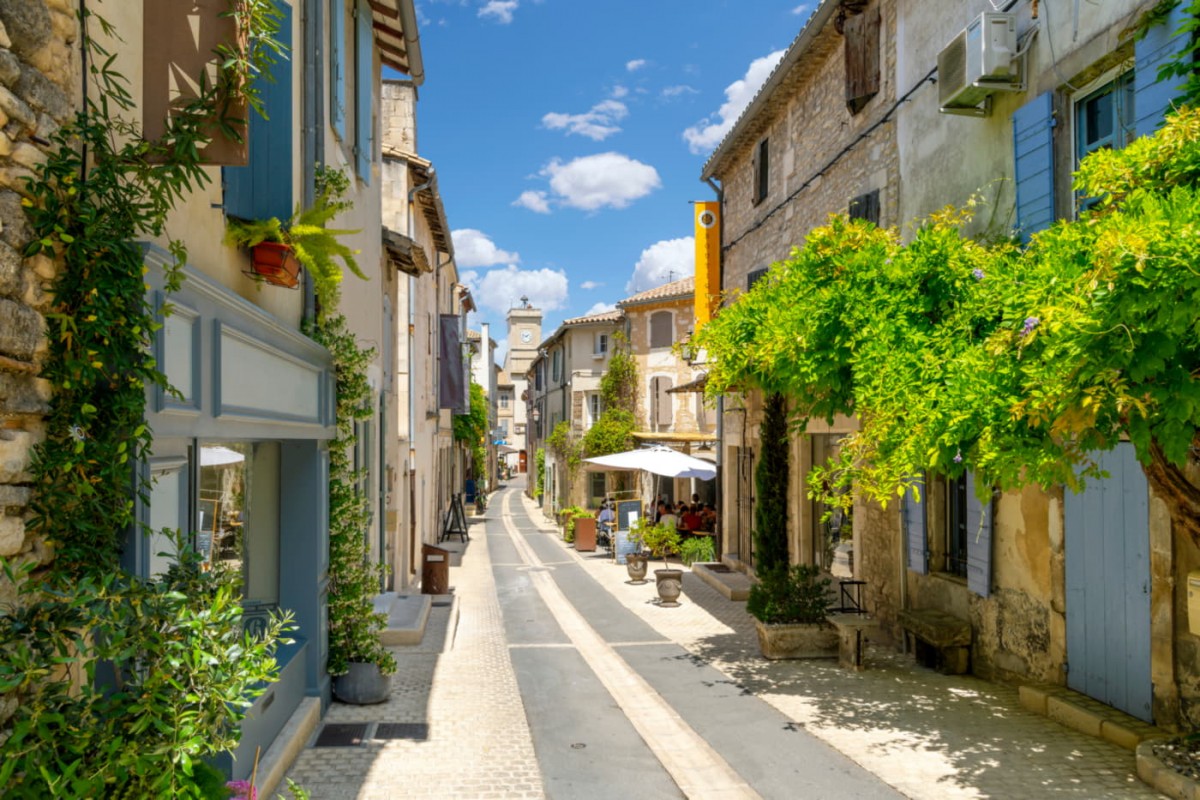
- Saint-Rémy-de-Provence for markets and a softer, town-like pace.
- Short scenic pulls along the Alpilles roads for photo stops and wild herbs.
- Arles if you want Roman stones to echo the medieval ones.
Don’t worry if you don’t check every box. The landscape here is generous. Even a short drive feels like a moving painting, and the light in late afternoon can turn ordinary fields into something almost cinematic.
The village is popular for a reason, but you can still keep your experience calm. A few timing tweaks and small choices will make the difference between feeling swept up and feeling quietly in control.
A quick practical wish-list helps too. I keep it simple: water, sun protection, comfortable shoes, and a little patience. If you’re sensitive to sensory overload, the quarry might feel intense for the first few minutes, but most people settle into it quickly.
And yes, driving gives you freedom here. Public transport options are limited if you want to combine several Alpilles stops in one day. If you're planning a journey through France - it's wise to rent a car in France in advance so you can chase the light, detour on a whim, and not worry about last-minute availability in busy months.