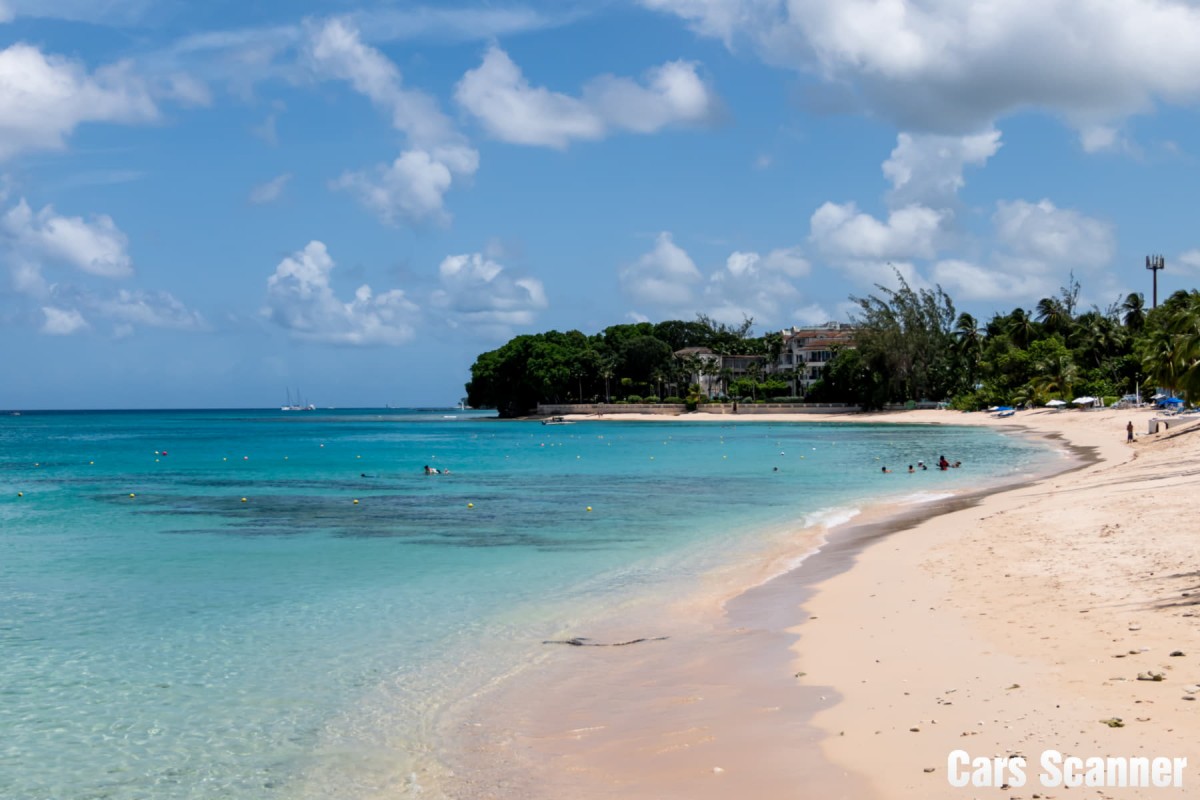
Barbados is where aquamarine water meets coral-sand beaches, and music drifts from rum shops as easily as the trade winds. It’s a compact island with big character - refined yet relaxed, storied but playful. This guide blends practical wisdom with insider flavor so you can time your trip, choose the right coast, and savor the very best of Bajan life. Take a breath, you’re on island time now.
Best month to visit Barbados
Peak and Shoulder Seasons - weather, rainfall, sea conditions
Barbados enjoys a classic tropical climate with steady trade winds and warm seas year-round. The dry season runs roughly from December to April, bringing the clearest skies, the most reliable sunshine, and the calmest west-coast waters. This is peak season: hotel rates are higher, top restaurants book fast, and beaches feel livelier. The flip side is easy - you’re almost guaranteed postcard days.
May is a soft shoulder month with lingering dry-season sparkle and fewer crowds. From June to November, showers are more frequent, usually short and refreshing, with a warm sun returning quickly afterward. Humidity rises, the east coast’s Atlantic surf beefs up, and prices dip. If you like lush hillsides, moody skies at golden hour, and long, warm evenings, this is your season.

Sea conditions change by coast. The west (Platinum Coast) is sheltered and typically placid, ideal for swimming and snorkeling. The south mixes gentle bays with breezier pockets fit for kites and SUP. The east, facing the open Atlantic, is Barbados in its wild mood - dramatic rollers, tide pools, and blowholes sending up mist like drums.
Month-by-Month Highlights
- January - February: Peak sunshine, coolest nights, glassy west-coast seas; prime for snorkeling with turtles and long boardwalk walks.
- March: Still dry, a touch warmer; sailing and catamaran days feel endless; jacaranda blooms purple in quiet lanes.
- April: Transition month with sublime beach days, fewer crowds after Easter; surf fades slightly on the east.
- May: Shoulder sweet-spot; warm, bright, good value; gardens lush, sea warm as a bath.
- June: Green season begins; passing showers, vibrant foliage; great for rum tours and garden visits.
- July: A festive hum as Crop Over ramps up; expect music, color, late-night energy.
- August: Warmest seas, occasional downpours; early mornings are gold for beach walks.
- September: Quiet and good-value; ocean is deliciously warm; photographers adore the soft light.
- October: Stormiest of the wet months, but still opens to spells of pure sun; nature’s greens at full volume.
- November: Showers taper, dry season peeks over the horizon; restaurants relaunch menus and hours.
- December: Festive buzz, sparkling skies; book early for Christmas - and New Year’s fireworks over the water.
Barbados sits on the edge of the Atlantic hurricane belt; direct hits are uncommon, but tropical systems may pass nearby in late summer to autumn. Travel with flexible plans, check forecasts, and consider accommodation with solid cancellation policies during this window.
Hurricane/Storm Season: what to watch for
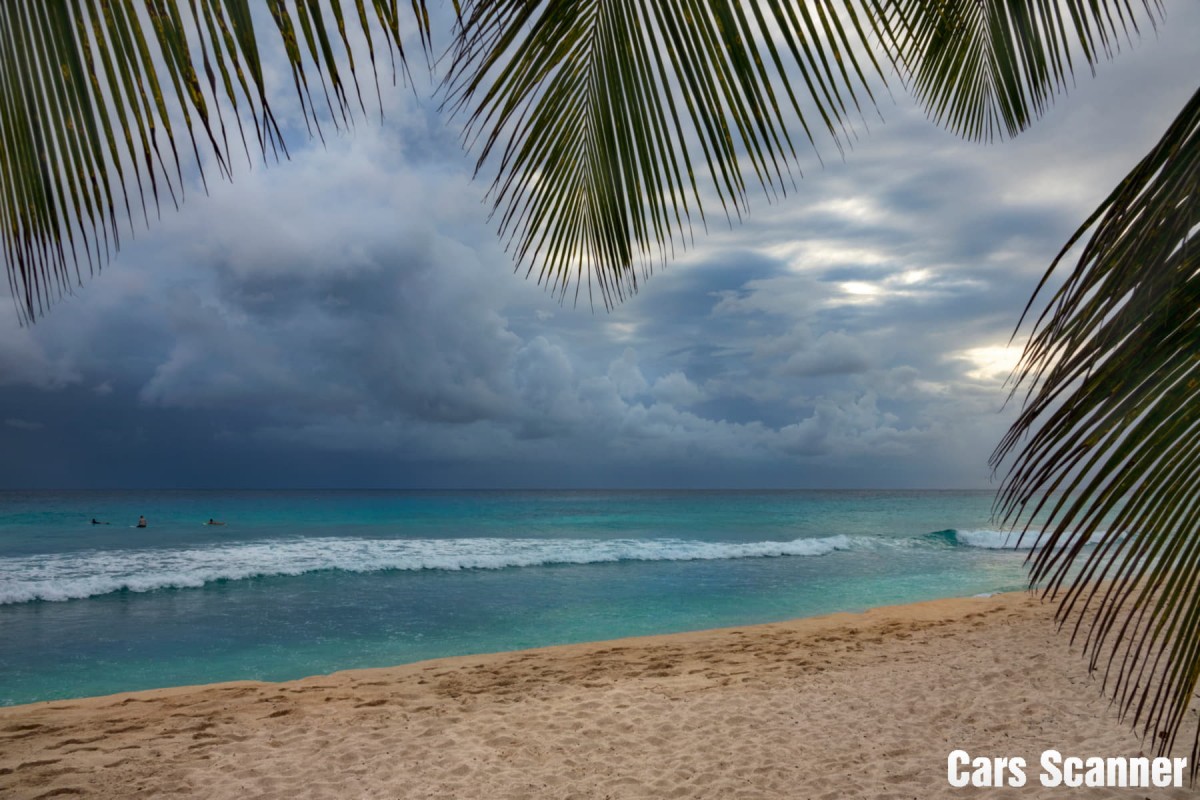
The official Atlantic hurricane season runs June to November, with a statistical peak from August to October. Practical tips: secure travel insurance that covers weather disruption; pick stays with generators if you’re visiting in late summer; and keep a light rain layer in your daypack. Showers rarely last long, but when clouds gather, stall your beach time and use the moment for a long lunch - or a rum tasting.
Below is a quick, glanceable snapshot of seasons and what each one brings. Keep it simple, then follow your mood.
Getting Around & Transport
Car Rental and Driving Nuances (license/permit, parking, roundabouts)
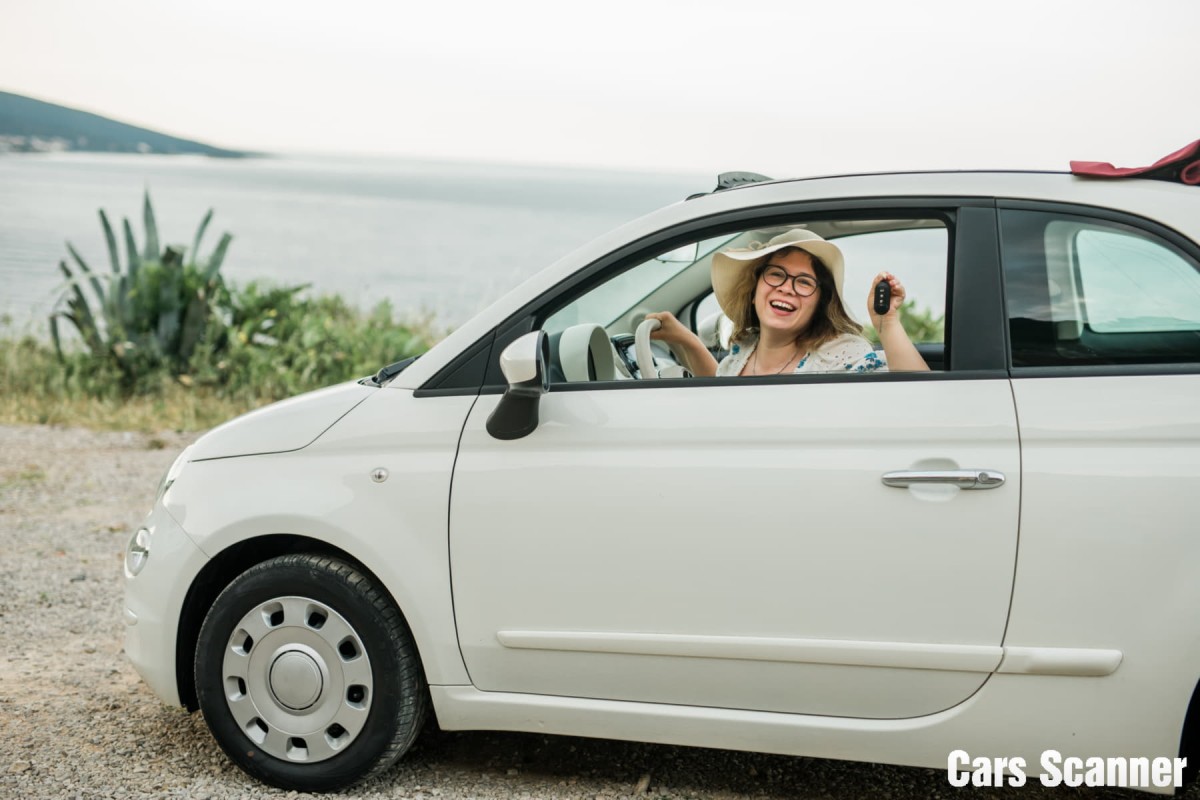
Driving in Barbados is on the left, with roundabouts common, and signage generally clear. A valid driver’s license from your home country is typically enough to obtain a temporary local permit through rental agencies; it’s inexpensive and straightforward to arrange when you pick up your car. Roads vary: the main highways are smooth, while rural lanes can be narrow and bumpy. Go gentle at night, watch for speed humps in villages, and take curves with island patience.
Parking is usually easy by beaches and attractions, though Bridgetown gets busy on weekdays. Many hotels offer onsite spots; beach lots range from free sand pull-offs to small paid areas. If you’re here for freedom to beach-hop, café-hop, and stop for views where the sea turns from cobalt to teal in a single glance, renting a car is ideal. For transparent pricing and wide local choice, compare deals via Cars Scanner.
Public Buses and ZR Minibuses: how to use them
Barbados has a colorful, efficient, and remarkably affordable transport network. The blue government buses run major routes; yellow minibuses and white ZR vans (named for their license plates) fill in the lines with more frequent runs. Expect a flat, low fare on most trips; carry small bills and signal the driver when you’d like to stop. ZRs can be lively - music on, doors open, a breeze in your hair - and they’re part of the local experience.
Taxis and Apps
Taxis are plentiful at the airport, in Bridgetown, and around major hotels. Some companies operate fixed-rate charts between popular areas; always confirm the fare before starting. Ride-hailing apps are limited, but many hotels will arrange trusted drivers, and WhatsApp works well for direct communication - fast, informal, enough to set a pick-up and go.
Day Tours and Catamaran Cruises
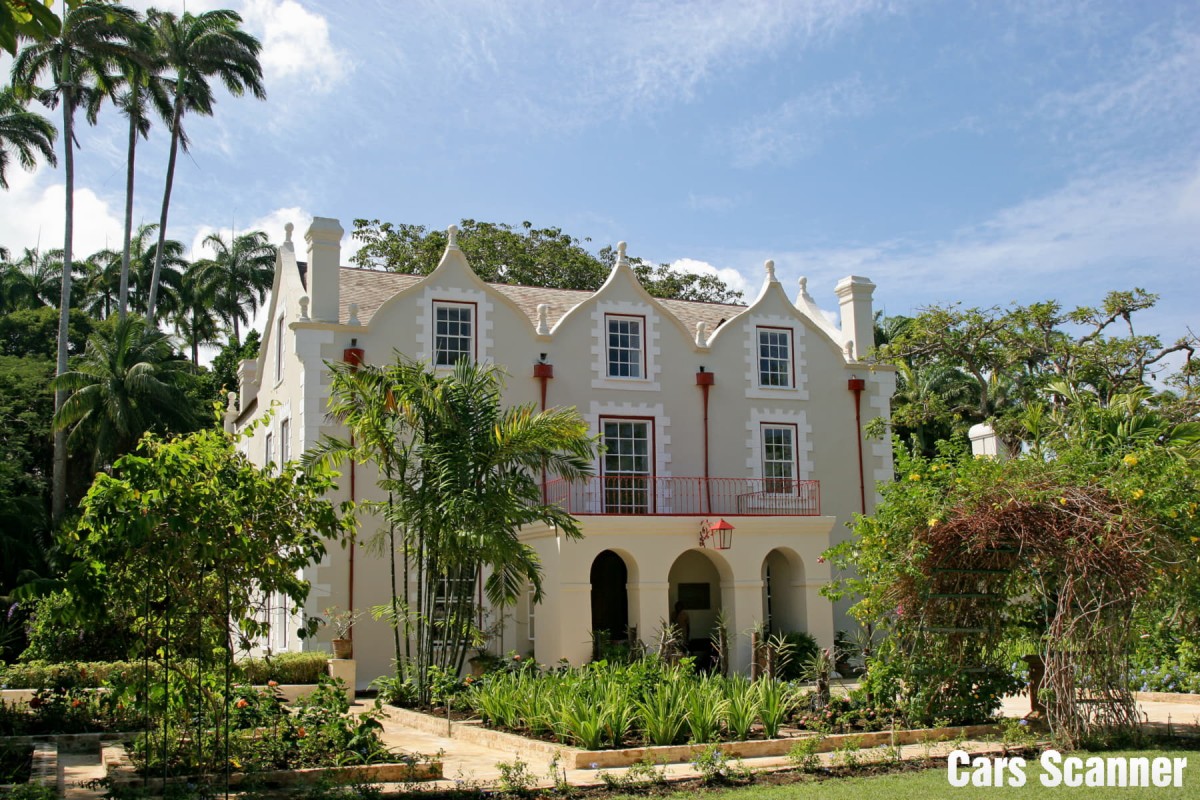
Catamaran cruises along the west coast are a Barbados staple: expect snorkeling with fish over shallow reefs, sightings of hawksbill turtles, and a beach barbecue lunch with rum punch that tastes of sun. Inland, cave-and-garden tours knit together the island’s limestone heart and botanical creativity. If you prefer rails to sails, the heritage train at St. Nicholas Abbey & Railway loops past mahogany trees to an Atlantic lookout, mixing steam, sugar, and sweet views.
Where to Stay in Barbados (coasts & areas)
South Coast (St. Lawrence Gap): lively, mid-budget, swimmable beaches
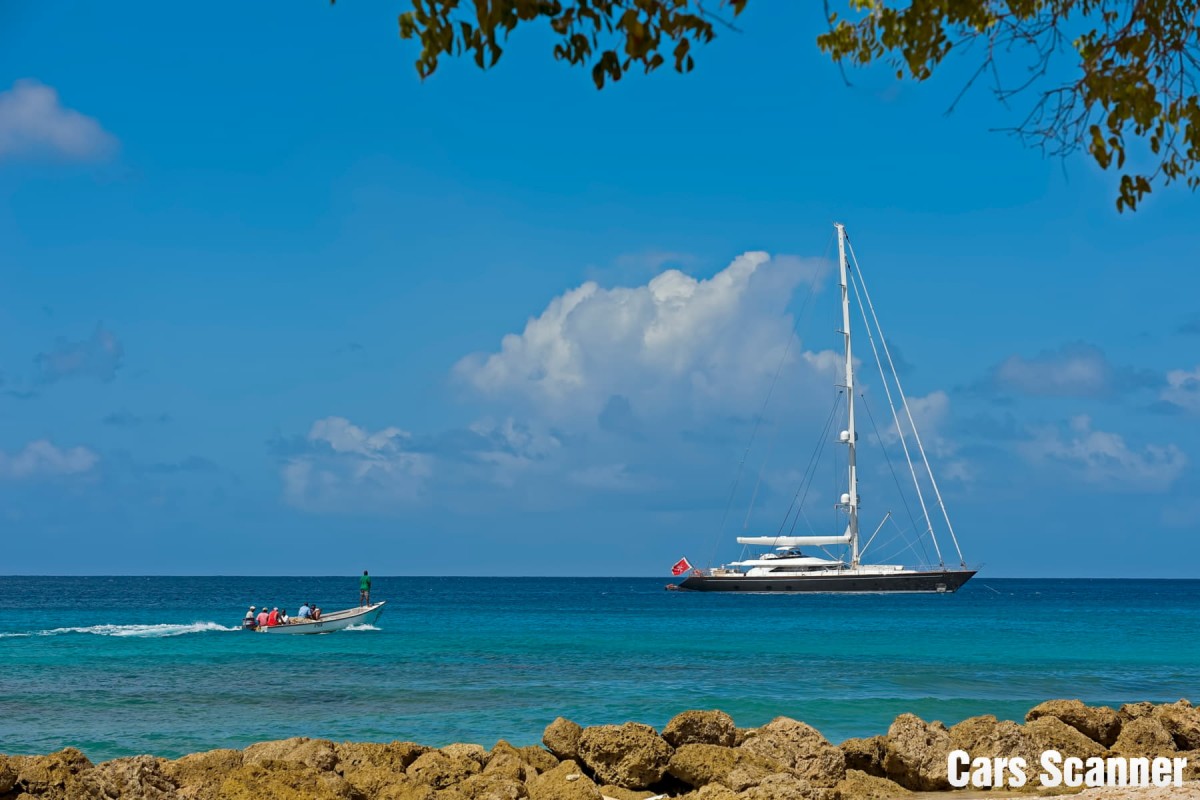
The south coast strings together pocket bays, cafés, and nightlife. St. Lawrence Gap buzzes after dark with bars, music, and compact hotels that tuck you near the water. The South Coast Boardwalk connects beaches with breezy cafés - perfect for sunrise runs and slow sunset strolls.
West Coast (Platinum Coast): premium, calm sea, haute dining

This is the island’s polished side: refined resorts, high-end villas, and Michelin-spirited kitchens where flying fish meets champagne. The sea is a swimming pool most days; the vibe is low-volume luxury. If your Barbados dreams run to lazy catamarans and soft-lit dinners, anchor here.
East Coast (Bathsheba): dramatic scenery, surf, boutique stays
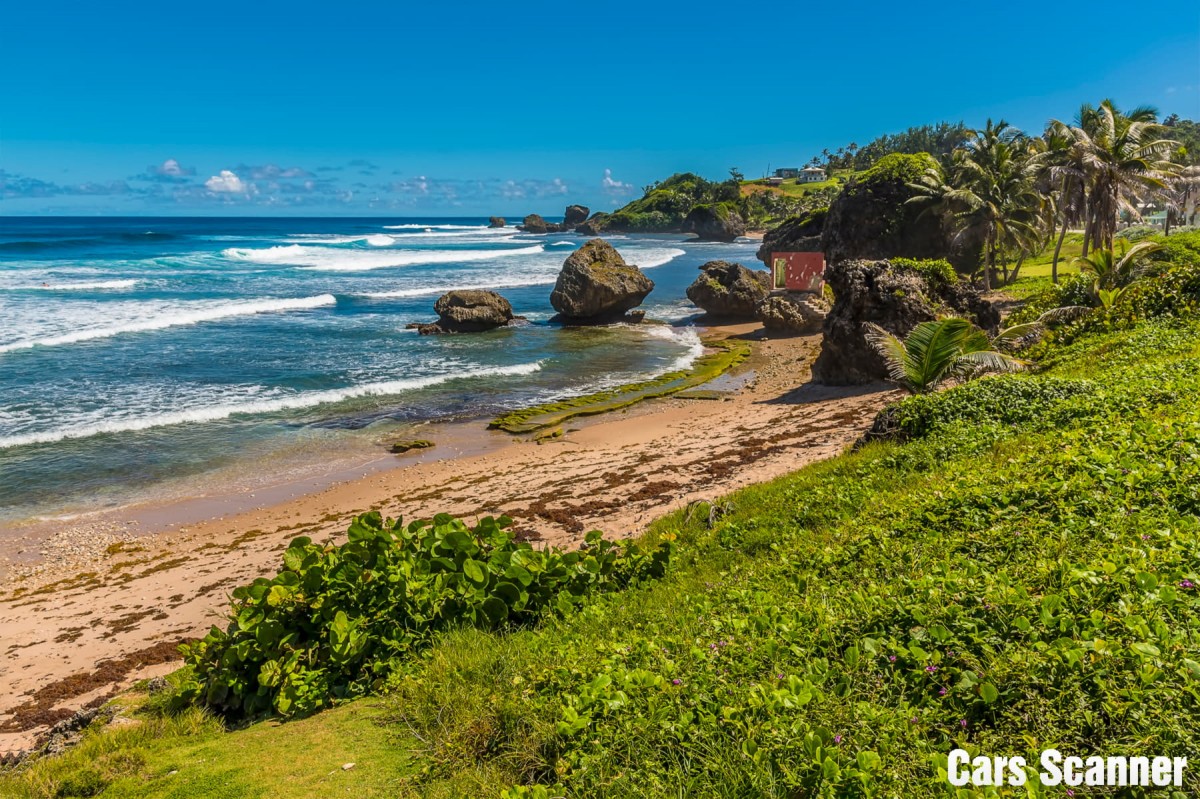
Bathsheba is the island’s wild frame - boulders like elephants in the surf, spray carried on the wind. Boutique guesthouses perch above the Atlantic; mornings smell of salt and sea grape. Surfers come for Soup Bowl; photographers come for the mood, the texture, and the sound of heavy water.
Bridgetown & Environs: history + convenience
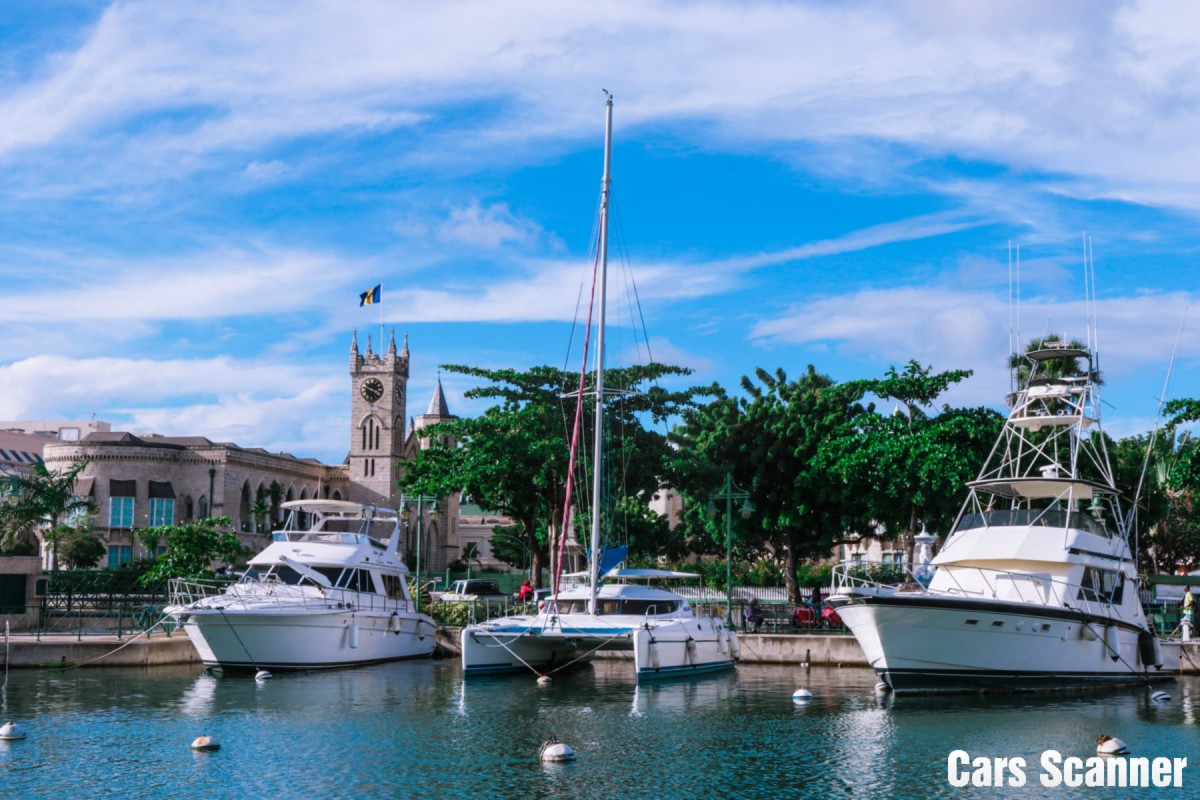
Staying near Bridgetown gives you proximity to museums, the harbor, and the island’s best duty-free shopping. You can walk the city’s UNESCO-listed streets, hop buses easily, and be at Carlisle Bay in minutes.
Whatever your base, consider the distance between coastlines. Barbados is small, yes, but detours happen - that view, that roadside coconut vendor, that irresistible beach bar calling your name.
First-timers often split their stay: a few nights on the south for energy and value, then a west-coast finale for calm water and sunset dining. If you crave ocean drama and quiet lanes, base in Bathsheba and day-trip to swim-friendly bays.
Things to visit in Barbados
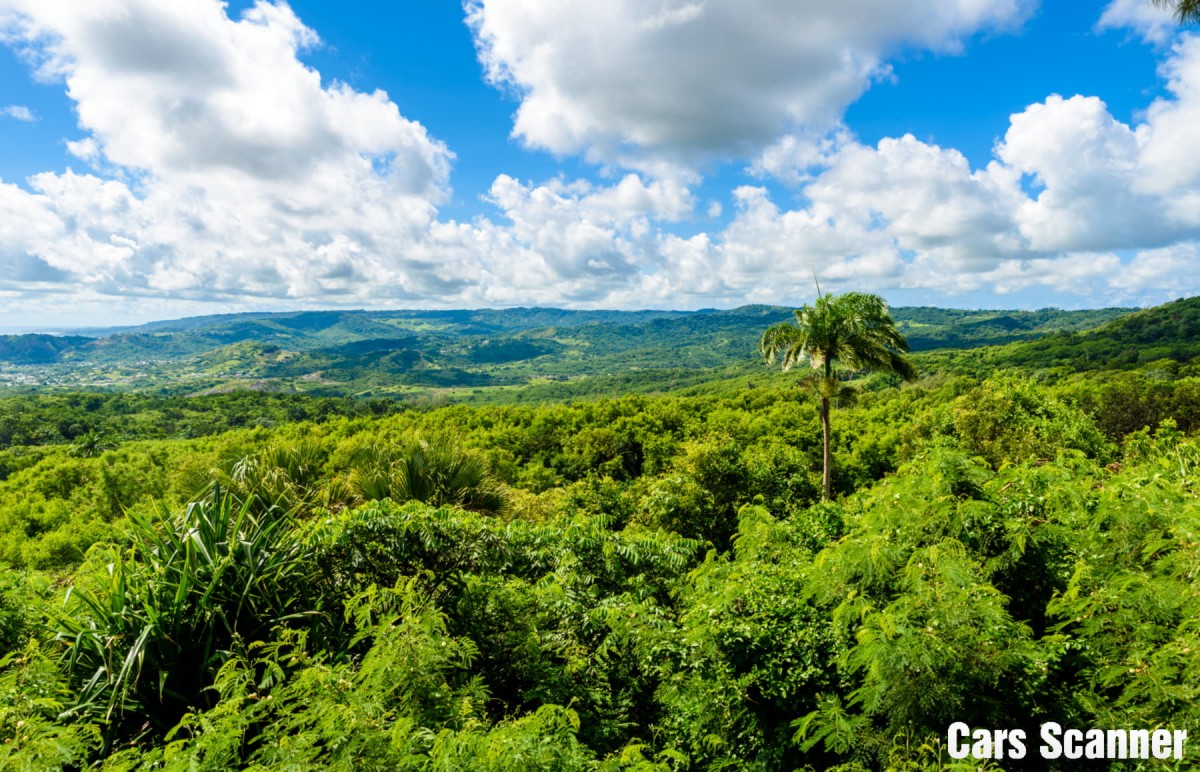
- Harrison’s Cave: Ride a tram through a cathedral of stalactites and glass-clear pools; the air is cool, the limestone luminous. For ticketing and info see the official Harrison’s Cave Eco-Adventure.
- Snorkel Carlisle Bay: Explore shallow shipwrecks and easy reefs in water so clear it looks backlit. Map it: Carlisle Bay, Bridgetown.
- Oistins Fish Fry (Friday): Grilled mahi, music, people-watching; a feast on paper plates - and smiles.
- Hunte’s Gardens: A layered, intimate garden where palms and orchids weave a cool green amphitheater.
- Animal Flower Cave: Sea cave, blowholes, cliff views; a natural pool that glows emerald on sunny mornings. Find it here: Animal Flower Cave, St. Lucy.
- St. Nicholas Abbey & Heritage Railway: Sugar estate, steam train, and soaring Atlantic vistas.
- Mount Gay Rum: Taste the island’s heritage at the world’s oldest rum brand.
- Bathsheba & Soup Bowl: Watch powerful surf wrap the reefs; surfers carve lines like calligraphy.
- Barbados Wildlife Reserve: Green monkeys, tortoises, peacocks - a leafy sanctuary.
- Historic Bridgetown & Garrison: UNESCO-listed streets, cannons, and a harbor that wrote chapters of Atlantic trade.
Book catamarans and caves ahead in peak months; sunset slots go first. Mornings often bring the clearest water for snorkeling, while afternoons suit gardens and rum tours.
- Carry reef-safe sunscreen and a light rash guard.
- Ask before photographing vendors or performers.
- Fridays in Oistins get busy - arrive early.
- For wildlife reserve, time your visit to the afternoon feed.
Beaches
Barbados beaches are a mood ring: gentle one minute, wind-kissed the next. The sand squeaks underfoot, and in shallow water tiny fish spark like quicksilver. Choose by vibe:
- Family-friendly: Paynes Bay, Accra (Rockley), Mullins - easy entry, amenities close by.
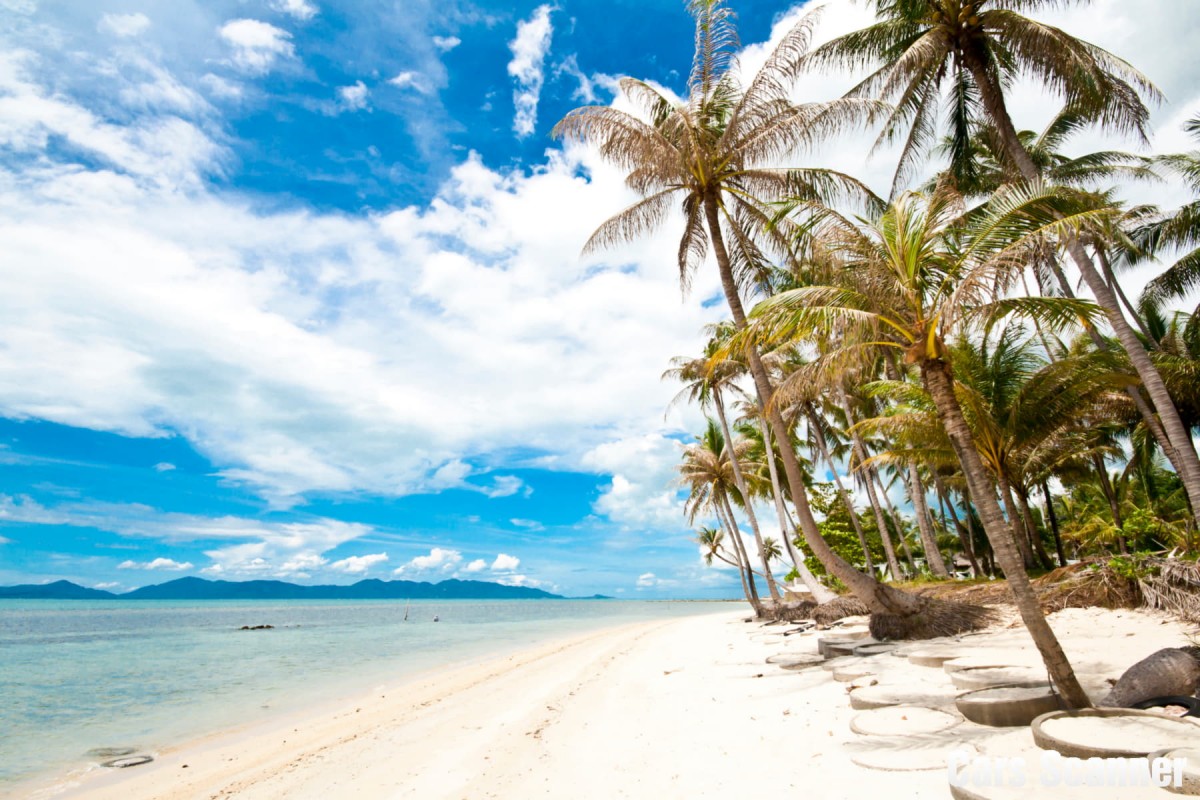
- Snorkeling/Turtles: Carlisle Bay, Folkestone Marine Park; look for calm morning seas.
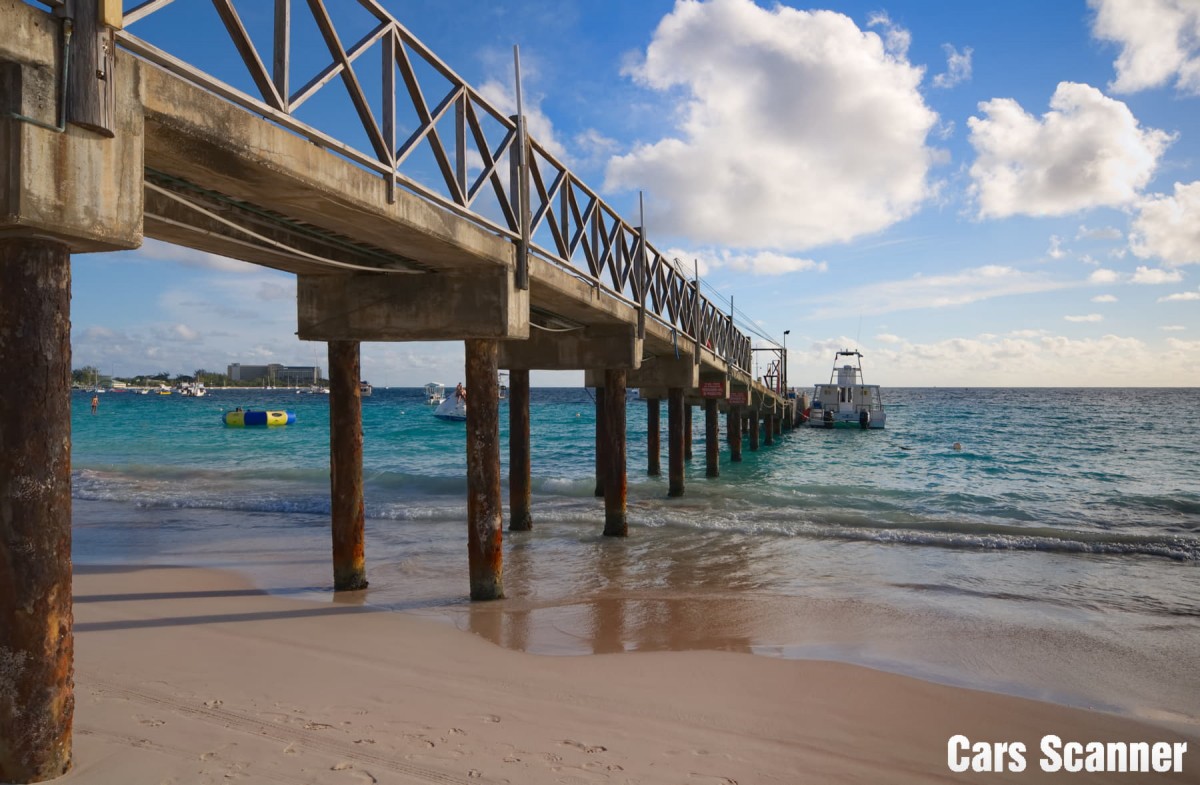
- Surfing: Soup Bowl (advanced), Freights Bay (longboard-friendly), Brandons when it’s on.
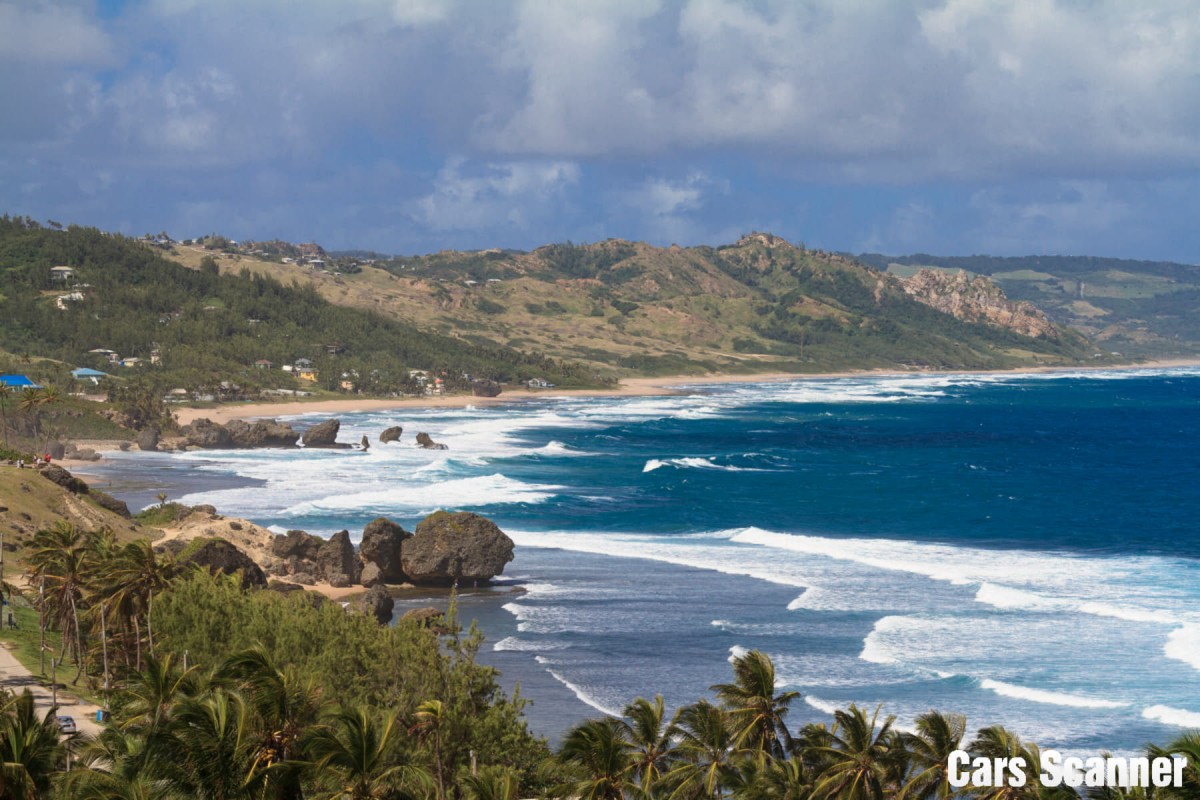
- Secluded: Bottom Bay and Foul Bay - big scenery, bring supplies and respect currents.
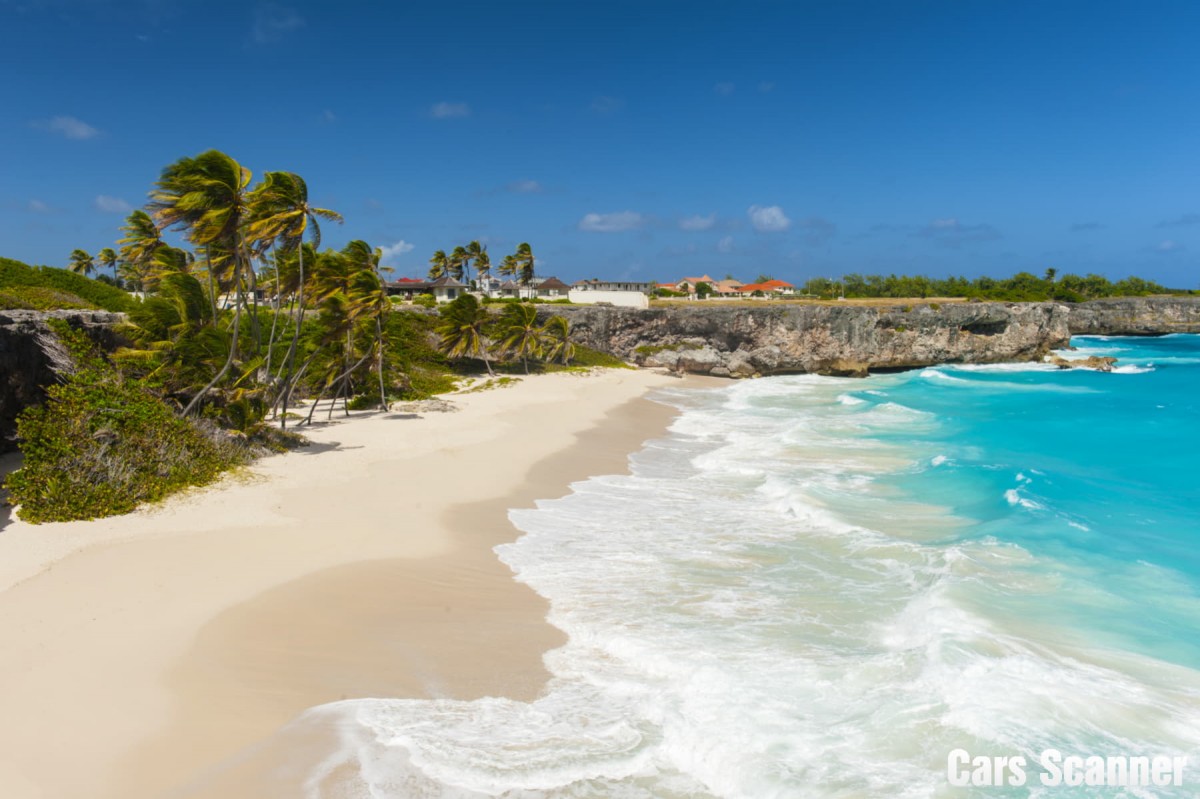
- Luxury Hotel Beaches: Sandy Lane, Fairmont area; groomed sands, loungers, polished service.
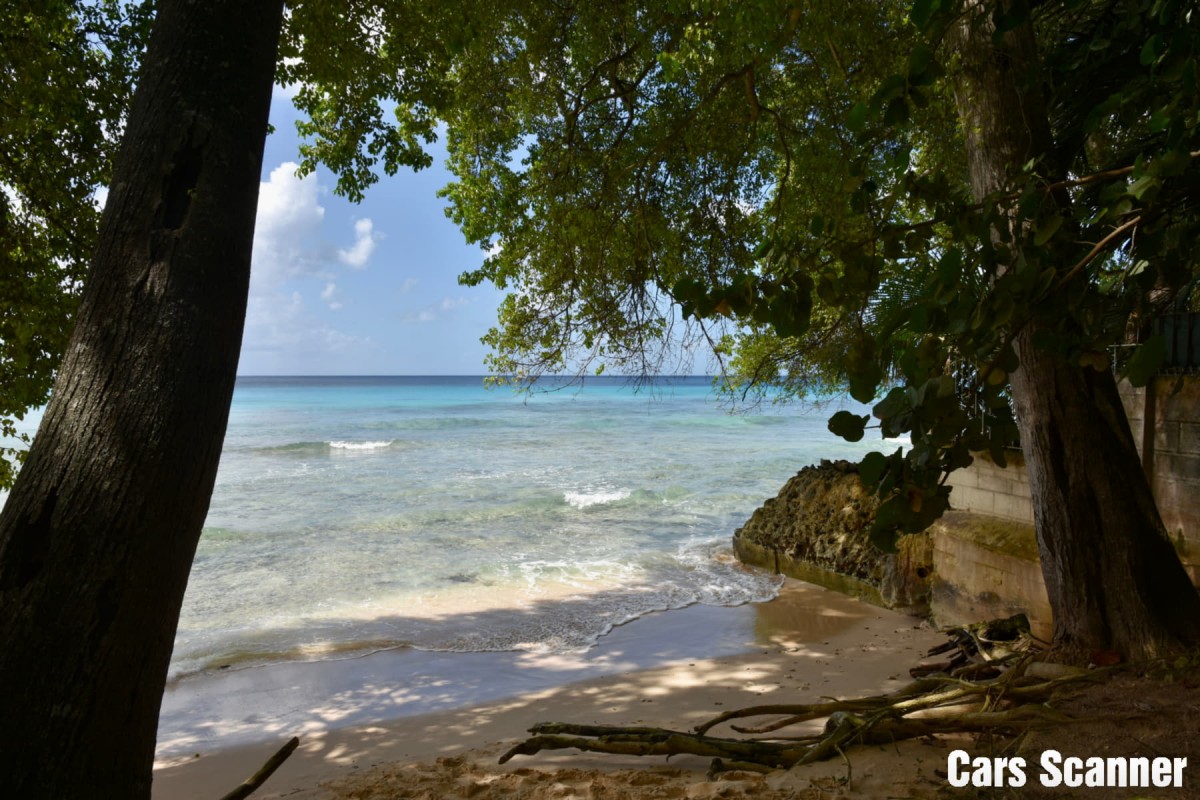
Beach safety uses flag systems; heed lifeguards and signage. Atlantic-facing beaches have stronger currents - never turn your back on a wave. Choose mineral sunscreens that are reef-safe, and rinse off in hotel showers rather than in dunes; coral is a living city, treat it kindly.
If the west coast looks like glass, snorkel; if a breeze picks up whitecaps, switch to SUP or a boardwalk walk. On the east coast, tide pools are safest at low tide - always ask locals for the day’s read.
Culture, Events & Etiquette
Bajan Culture & Music
Barbados hums to soca and calypso, genres born of resilience and joy, with lyrics that wink at politics, love, and the dance floor. You’ll hear steel pan at sunset, gospel harmonies on Sunday, and a DJ mixing classics into soca riddims by midnight. Conversation is warm and direct - a “good morning” goes a long way and opens doors that stay closed to the rushed.
Big Festivals (Crop Over timing)

Crop Over is the island’s grand carnival, a months-long celebration that crescendos with Kadooment Day in late July or early August. Costumes shimmer, bands march, and the streets pulse. Read the backstory and traditions on Wikipedia (Crop Over). If you want to participate, book costumes and fete tickets well in advance; if you prefer to watch, aim for grandstand spots or shade along the route.
Dress Codes, Camouflage Ban, and Norms
Casual and neat wins the day. Swimwear stays on the beach, not in town. Note that camouflage clothing is prohibited for civilians in Barbados - leave it at home. In churches and government buildings, dress modestly; a light shirt or sundress will do.
Tipping & Service Charge
Many restaurants add a 10% service charge; if not, 10-12% is a standard tip, higher for standout service. Taxi drivers and guides appreciate small gratuities; round up for short fares, add more for day trips. No pressure - just appreciation.
Food & Drink
What to Try
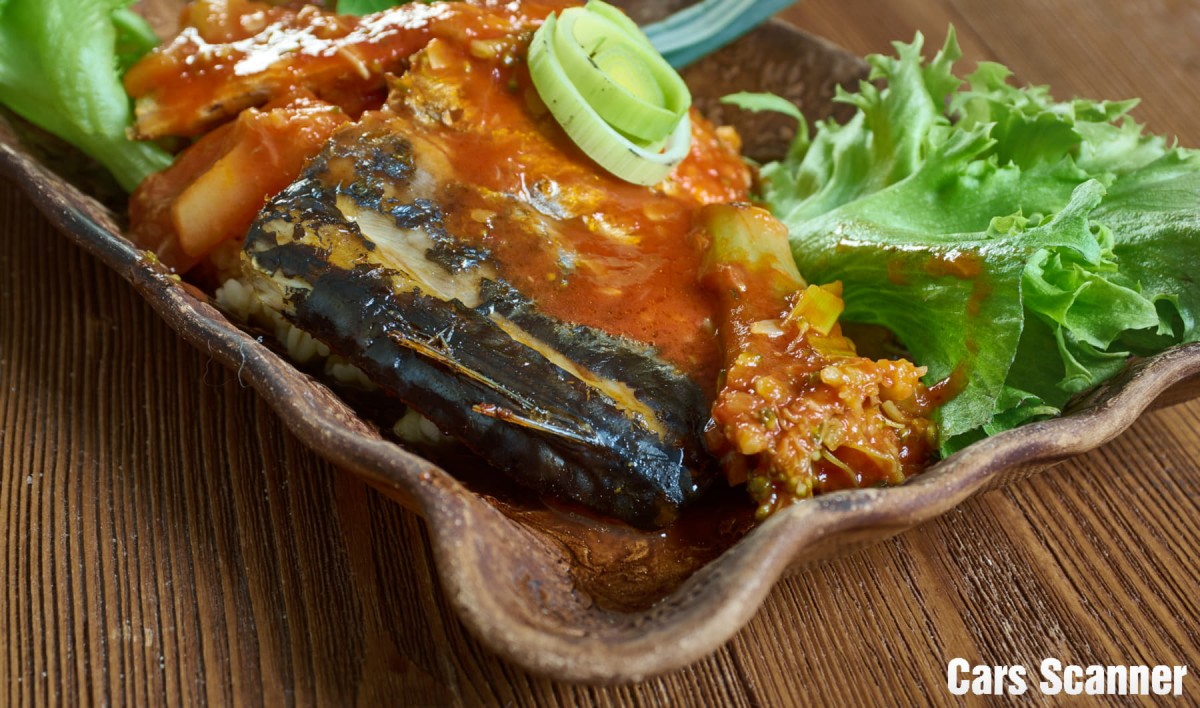
Flying fish & cou-cou is the national dish: cornmeal and okra turned silky, fish seasoned with lime, herbs, and a touch of pepper. Street snacks like fish cakes appear crisp and steamy, best with pepper sauce that makes your lips sing. A proper macaroni pie isn’t shy about cheddar or mustard, baked till the edges go a little crunchy. On the go, order cutters - salt bread sandwiches stuffed with ham, flying fish, or egg and cheese.
Rum & Distilleries
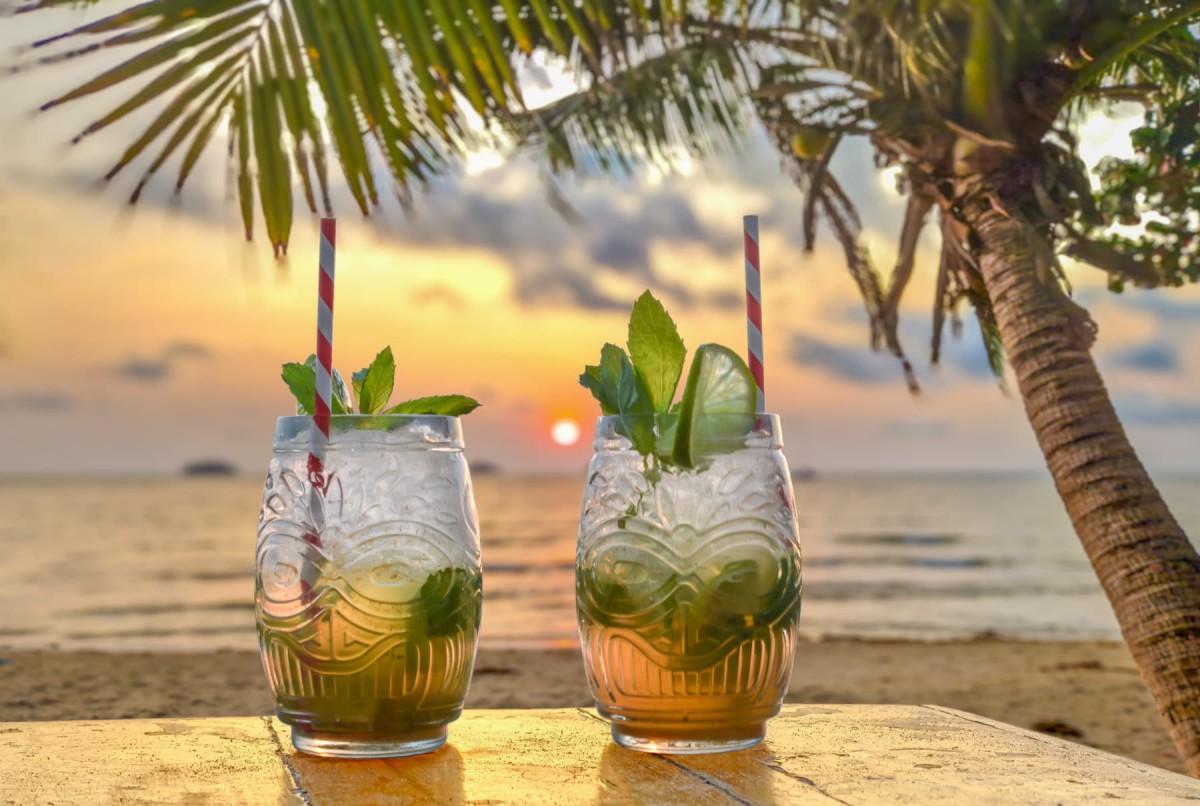
Rum is Barbados’ oak-and-sun memory. Tours range from mixology classes to vintage tastings; you’ll trace sugarcane’s journey to copper and cask, then savor how time smooths the fire. Pair an afternoon tasting with sea views and you’ll understand why island life moves unhurried.
Where to Dine
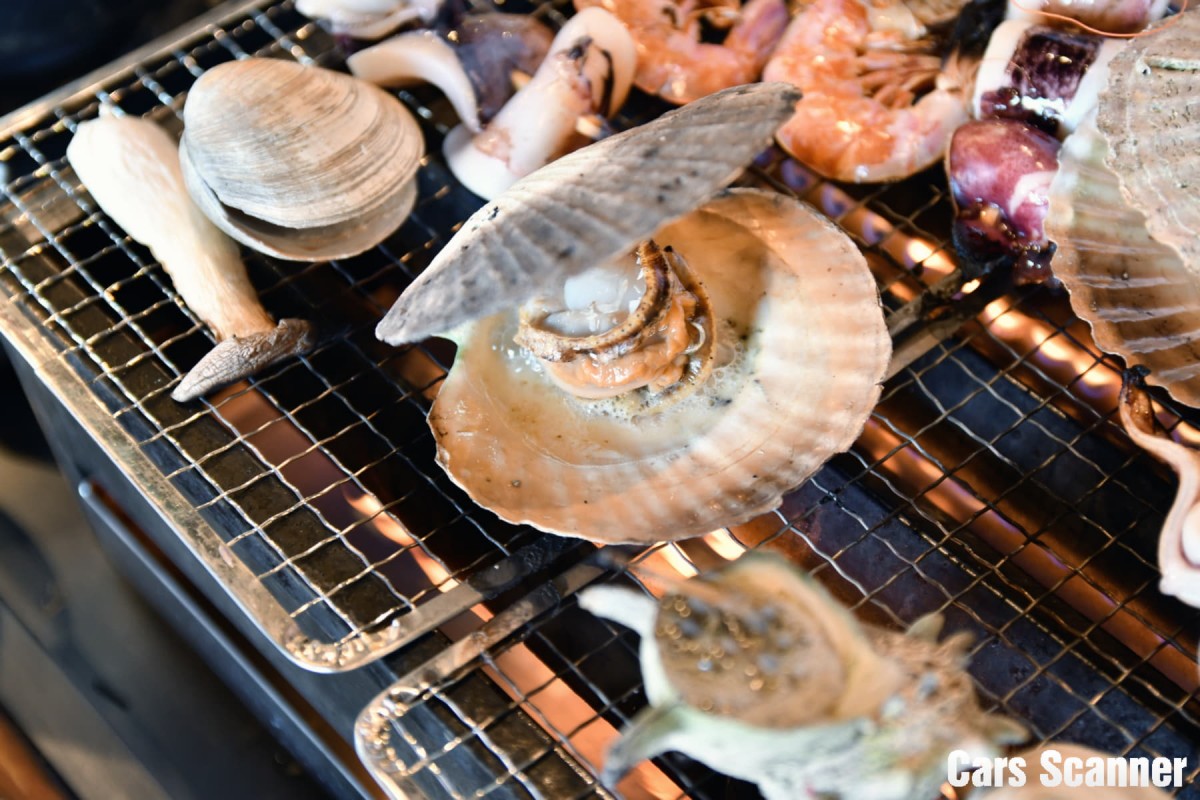
For buzzy nights, hit The Gap on the south coast. Holetown is home to upscale rooms and cocktails that glimmer under palm fronds. Speightstown gives heritage charm with modern kitchens. And if you need a picture-perfect walk before dinner, find the South Coast Boardwalk, Hastings and listen to the water slap the rocks like a gentle metronome.
Activities (Water & Land)
On the Water: swim with turtles, dive, sail, SUP, surf
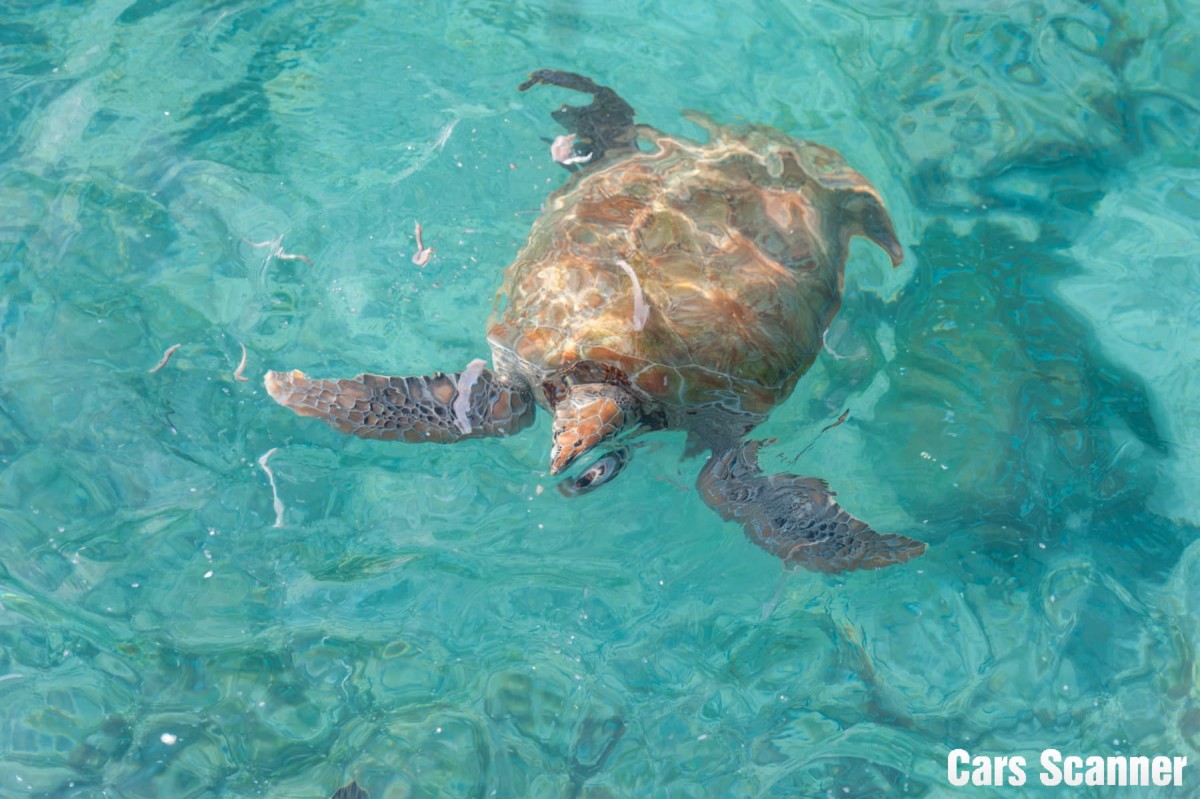
Snorkelers love the clarity at Carlisle Bay and Folkestone; divers drop to reefs and wrecks sprinkled like toy chests along the west coast. SUP works beautifully on calm mornings, and sailing is superb any day with soft trades. Surfers find longboard-friendly waves in the south and serious walls at Soup Bowl - choose your canvas.
On Land: Scotland District hikes, caves and gardens, golf, cricket
The Scotland District folds hills toward the sea, a hiking playground where ridges open to long Atlantic views. Caves cut cool corridors through coral limestone; gardens like Hunte’s are living rooms shaped by leaves. Golfers get world-class fairways, and cricket at Kensington Oval is ceremony and roar, a ritual of whites, green grass, and patient drama.
Family Ideas & Rainy-Day Plans
On drizzly mornings, go subterranean at Harrison’s Cave, then treat the kids to a chocolate factory visit or a pottery stop. When the sun returns (it will), head to a calm bay with shade and an easy lunch spot nearby - Barbados is built for quick pivots.
Sea turtle encounters are unforgettable, but they come with responsibility. Read this before you dip in with a mask.
Keep a respectful distance, never touch or chase, and let turtles choose if they want to glide past you. Avoid feeding or flashing lights at night; hatchlings follow the moon, not phones. Good manners in the water protect what you came to admire.
Budget & Prices
Daily spend varies widely, but a rough compass helps:
Budget travelers can get by around US$70–120 per person per day with guesthouses, buses/ZRs, and casual eats (roti shops, fish fry, bakeries). Mid-range sits near US$180–350 with car rental, nice bistros, and catamaran trips. Luxury easily reaches US$500+ with premium rooms, fine dining, private guides, and spa time. Prices shift by season; December–April sees peak rates.
Money: ATMs, cards, exchange, BBD-USD peg
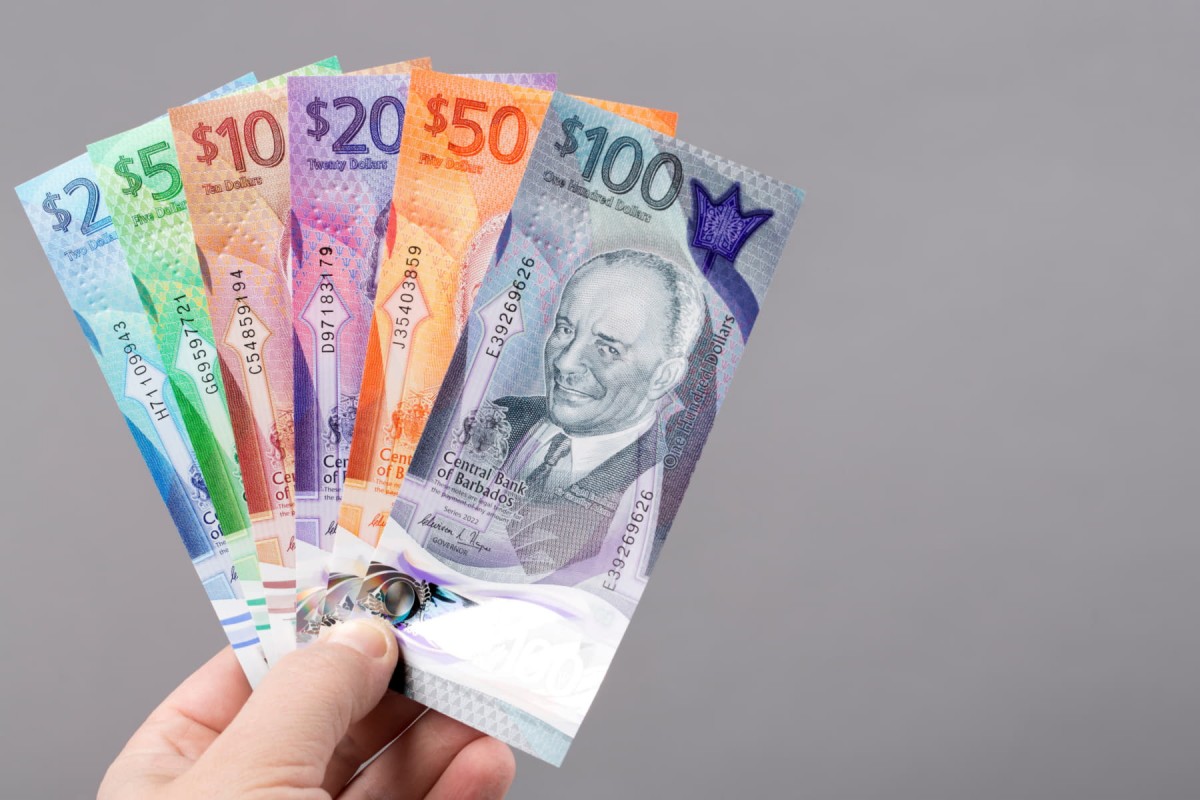
The Barbados dollar (BBD) is pegged at 2 BBD = 1 USD. ATMs are common, cards widely accepted at hotels and restaurants, though small vendors may prefer cash. You can pay in USD at some places, but you’ll usually get change in BBD. It’s handy to keep small notes for buses, beach chairs, and fruit stands.
Health & Safety
Sun & Heat: The UV index is serious; reapply sunscreen, wear a hat, and drink water like it’s a hobby. Mosquitoes: Use repellent in the evening, especially in green months. Currents: West coast is generally calm; east coast is not for casual swimming. Heed flags and lifeguards.

Tap Water: Barbados has safe, treated tap water - it’s fine to drink. Pharmacies & Clinics: You’ll find well-stocked pharmacies across the island and clinics for routine needs; hotels can connect you quickly if you require assistance.
Accessibility
Many beachfront hotels offer ramps, accessible rooms, and beach wheelchairs on request; confirm specifics before booking. The South Coast Boardwalk is largely flat and paved, linking Accra to Hastings with benches and shade. Attractions vary: caves involve stairs, while gardens may have uneven paths; call ahead for mobility details. It’s sensible to plan beach access points that match your needs - look for wide entries and nearby parking.

Frequently Asked Questions
Can I use US dollars on the island?
Do I need a visa and how long can I stay?
What’s the electricity voltage and plug type?
What’s the best coast for swimming?
Quick Practical Info
Verified essentials for a smooth trip.
Visa & Entry
Most visitors are visa-free for short stays; always check current rules before travel.
- Visa PolicyVisa-free/visa-on-arrival for many nationalities - check this Visa Requirement Information
- Passport ValidityAt least 6 months recommended from entry date
- Return TicketOnward/return travel may be requested at immigration
- Funds ProofMay be required
- Official SourceBarbados Tourism
Emergency Numbers
Know who to call - and keep it simple.
- General Emergency911 (works island-wide)
- Police211
- Ambulance511
- Fire311
International Airport
Key details for first-time arrivals.
- NameGrantley Adams International Airport (IATA: BGI | ICAO: TBPB)
- Coordinates13.0746°N, 59.4925°W
- Phone+1 246 536 1300
- WebsiteOfficial airport website
- TransportBus, taxi, hotel shuttles; car rentals on site