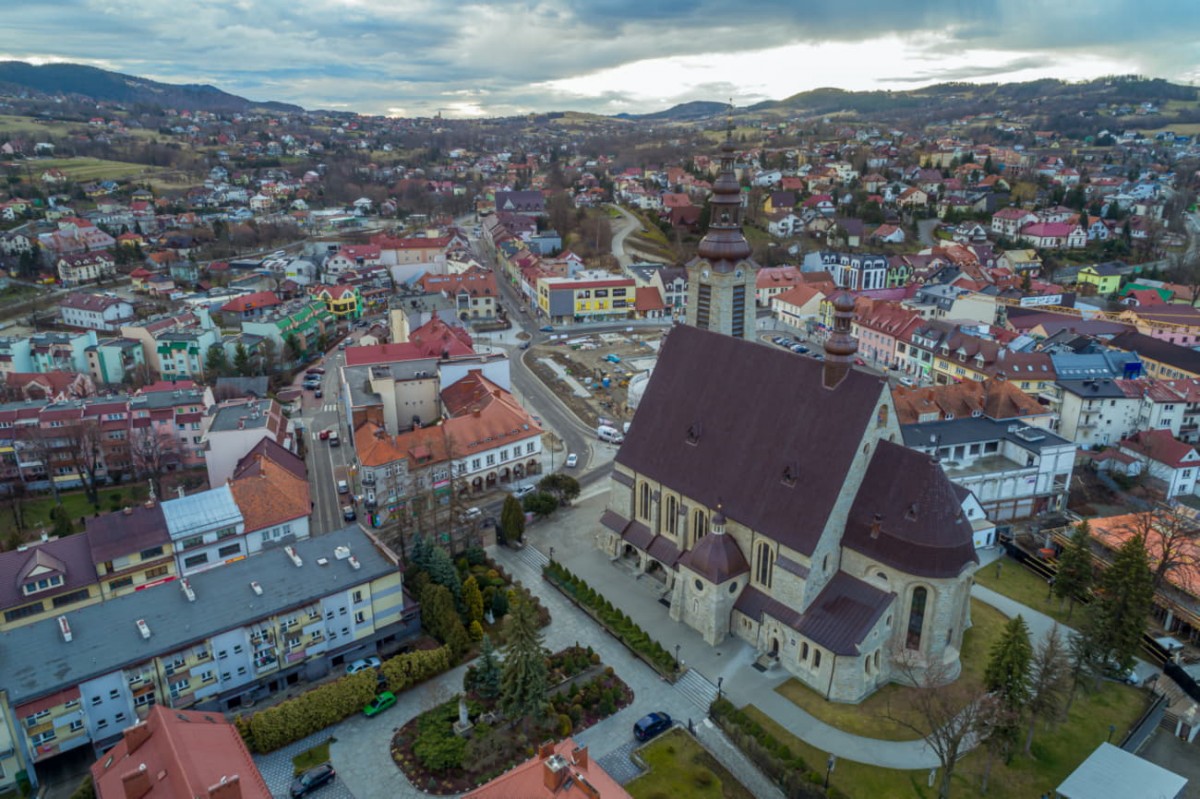
At first glance Limanowa can look like a quiet dot south-east of Kraków - a place you pass on the way to “real mountains.” Then you stop for coffee, or to stretch your legs, and the town starts doing its little trick: it keeps revealing layers. A basilica that looks like it should have its own spotlight, a hill with a cross that feels like a local compass, valleys that hold fog like milk in a bowl, and stories that refuse to stay politely in the past.
Limanowa doesn’t shout. It nudges. It pulls you from one detail to the next - a carved stone here, a half-forgotten surname there - until you realize you’ve spent the whole day inside a place you thought you’d only “check out quickly.” Here are ten things that make that happen.
1) The Basilica That Feels Bigger Than the Town (and Still Belongs to It)
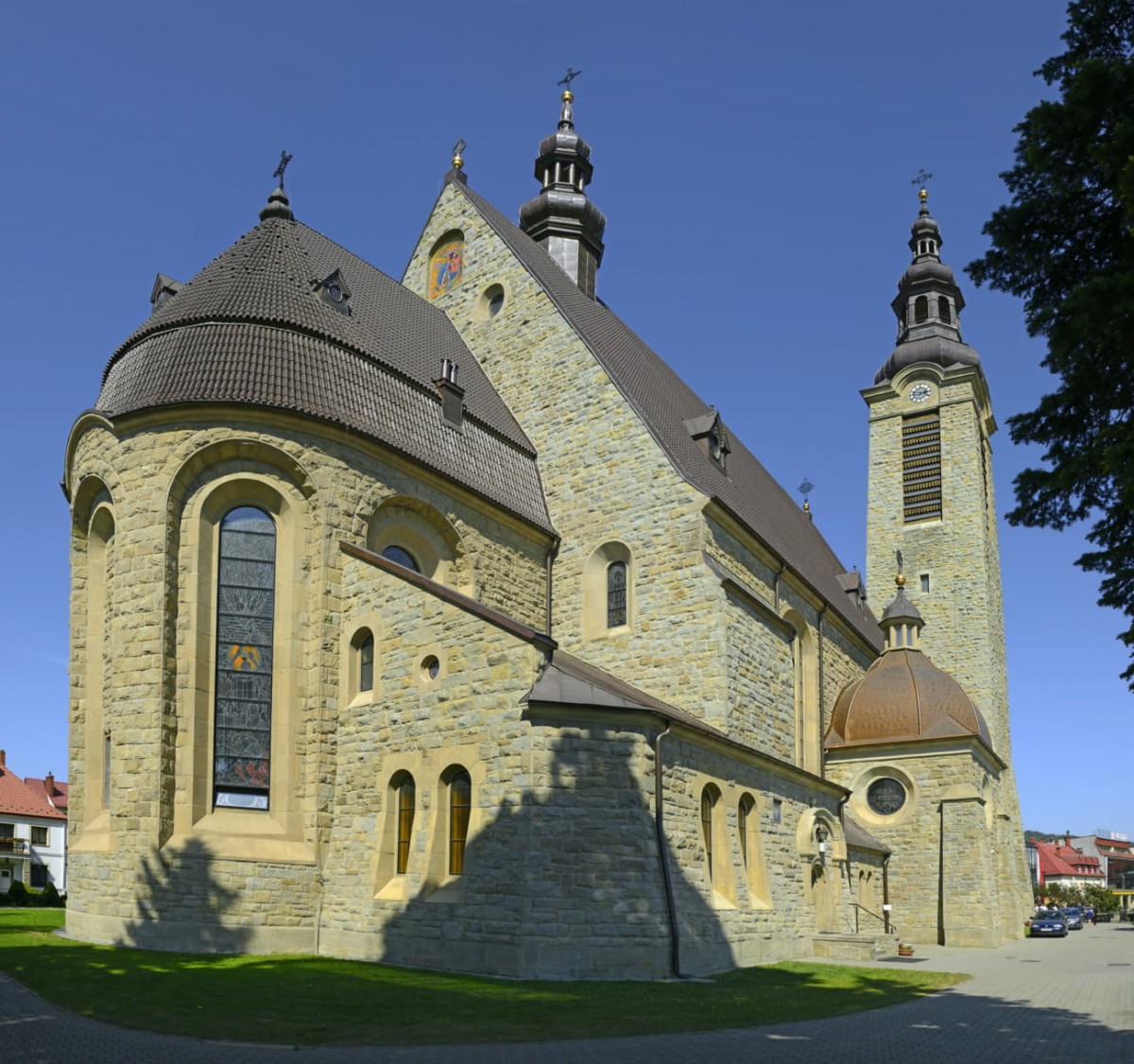
The first surprise is scale. Limanowa has that human-sized, walkable calm - and then you turn and see the Basilica of Our Lady of Sorrows. It’s not a shy church tucked between buildings; it stands as if it made a private deal with the sky. Built in the early 20th century as a votive project, it carries an Art Nouveau mood, but it also borrows from local “national style” instincts - stonework paired with shapes that echo highland craft rather than pure city elegance. The result is a building that feels both refined and slightly stubborn.
Inside, people come for the famous Pietà image and for the ordinary things that become less ordinary under tall vaults: quiet prayer, candlelight, the slow scrape of a chair, the soft shuffle of someone who knows exactly where they’re going. Even if you’re not religious, it’s hard not to feel the place working on you, gently.
2) The Market Square Is Not a Monument - It’s a Daily Stage
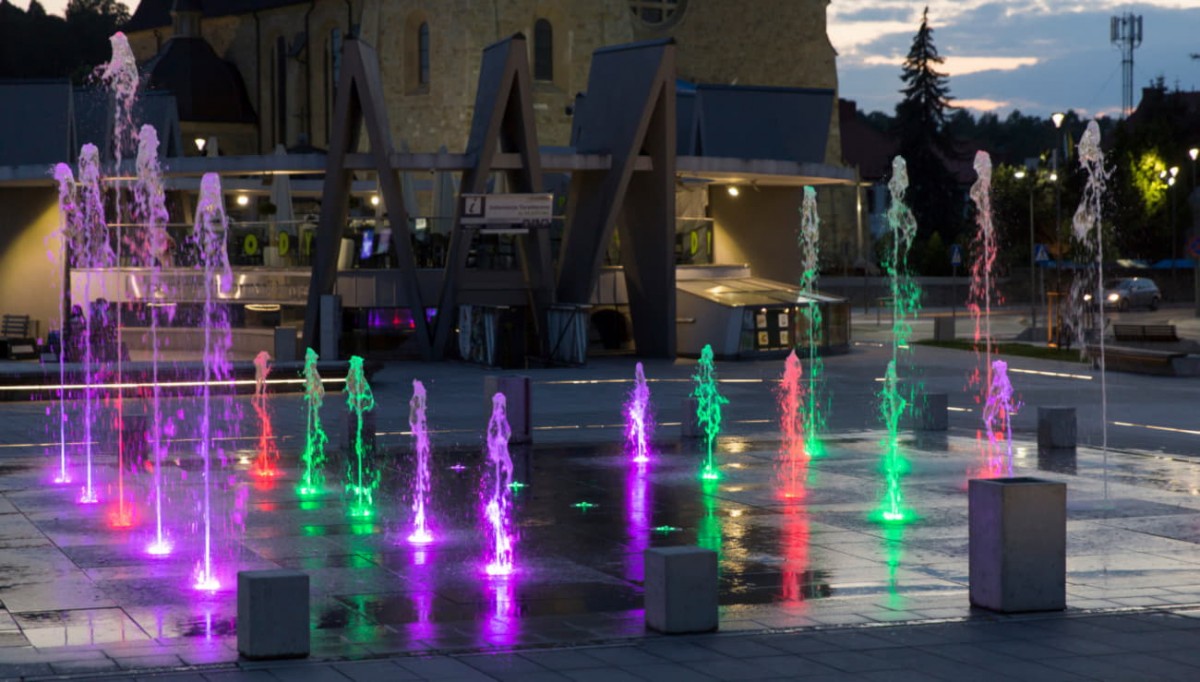
Some towns have a “historic center” that looks preserved behind invisible glass. Limanowa’s center is more like a lived-in kitchen: useful, familiar, occasionally noisy. The Rynek, Limanowa is where errands and small rituals overlap. You’ll see quick chats that last longer than they should, a bus rolling in, a parent negotiating with a child who wants a pastry right now not later, and the kind of unplanned eye contact that makes you feel like a visitor - but not an intruder.
What’s interesting is how the square changes tone during the day. Morning can be brisk and practical, mid-afternoon turns softer, and evenings sometimes bring that slow, pleasant hesitation - as if nobody wants to be the first to go home. If you like observing places rather than “doing” them, this is where Limanowa hands you a chair and says, watch.
3) Miejska Góra: A Hill Walk That Ends With a View You Don’t Expect
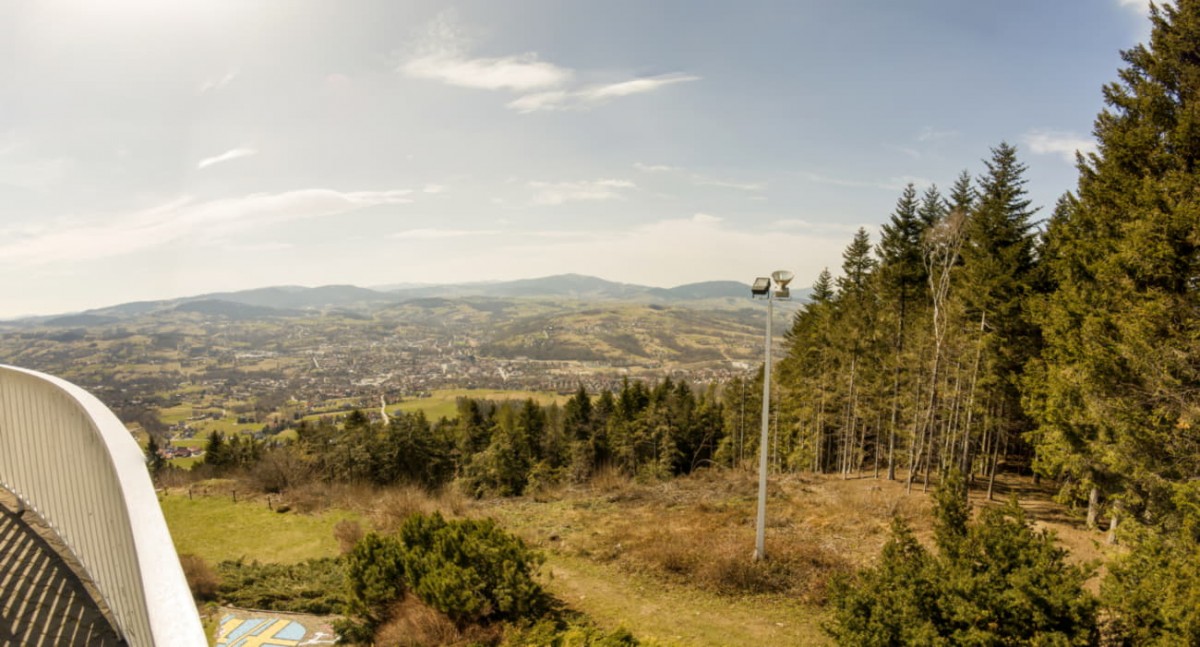
There’s a local habit that visitors quickly borrow: when you need air, you go up. Miejska Góra (Municipal Mountain) sits close enough to feel like part of town life, but high enough to rearrange your perspective. Trails lead upward, and the climb is the kind that warms you without punishing you - a steady step-by-step that gives you time to notice how Limanowa sits in its valley.
At the top you meet the famous cross and a viewpoint that opens a wide-angle postcard: Beskid peaks, distant ridges, and on a clear day, even the far drama of the Tatras on the horizon. There’s also a viewing terrace and a small shrine element tied to the town’s Marian devotion, which adds a slightly ceremonial feel to a very ordinary, very local walk. If you want the exact spot without guessing, this link drops you right in: Miejska Góra, Limanowa.
This hill is popular for a reason, but it still rewards timing and a tiny bit of strategy. If you’re chasing a clean view, treat it like a small “weather mission,” not just a stroll.
- Go late afternoon when the town lights begin to flicker, the valley looks deeper then.
- After rain, check the horizon - the air can turn sharply transparent.
- Pause before the top and look back; the “almost-there” angle is sometimes the best one.
4) Beskid Wyspowy: “Island Mountains” and the Famous Sea of Fog
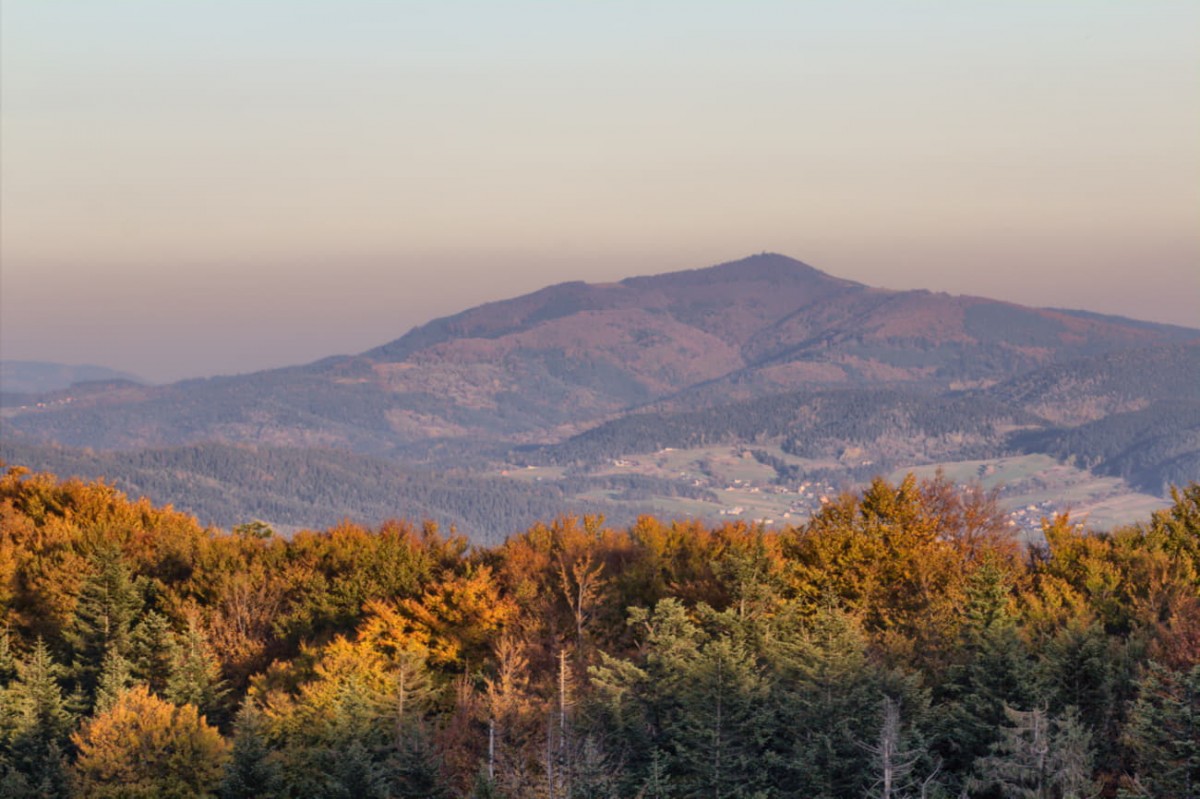
Limanowa sits on the edge of a range with a name that sounds like a poem translated too literally: Beskid Wyspowy, the Island Beskids. The idea is simple and weirdly accurate - the peaks rise separately, like islands in a wide basin. When fog settles in the valleys, it really can look like mountain tops floating above a white sea. It’s not rare; locals talk about it the way coastal people talk about tides.
What makes it interesting for visitors is that you can sample the “island” feeling without committing to a full-on expedition. Many hikes begin in villages that feel close to town, yet two hours later you’re alone with spruce scent and wind. A few names keep returning in local conversations because they define the skyline and the weekend plans:
- Mogielica - the highest peak of the range, a proper goal if you want a bigger day.
- Ćwilin - a mountain with character and strong views when the air behaves.
- Jasień - often mentioned with respect, especially when weather turns moody.
- Modyń - a favorite “I’ll just go for a walk” peak that turns into a full hike.
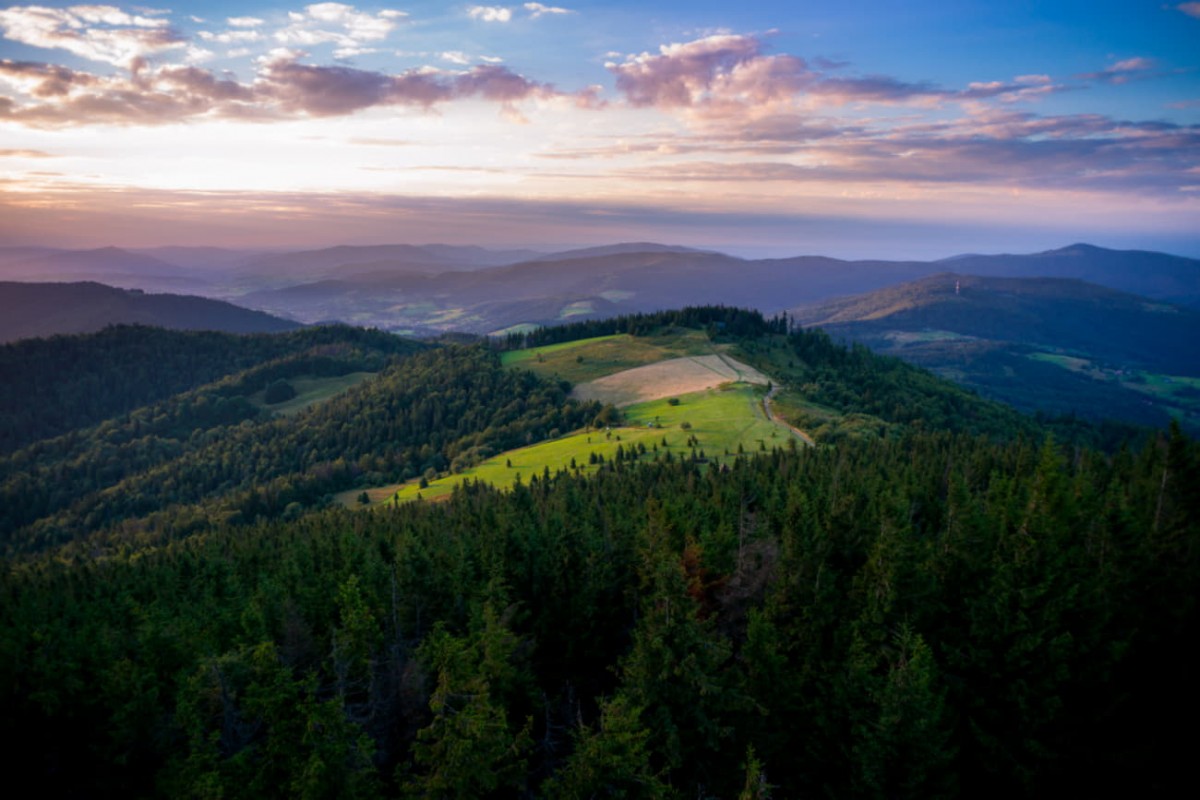
The best part is how quickly the landscape changes; one ridge can feel gentle, the next feels wild and a bit theatrical. You don’t need extreme altitude here - you need curiosity and a willingness to follow a path that disappears into trees for a while.
5) A World War I Battle That Quietly Shaped the Region
When people think “Poland + war history,” they often jump straight to World War II. Limanowa, however, has a major World War I chapter: the Battle of Limanowa-Łapanów in December 1914. It involved Austro-Hungarian and Russian forces, and it mattered - not only to military planners, but to civilians whose valleys became corridors for armies. The town still carries traces of that winter, even if you don’t notice them immediately.
The fighting around Limanowa was part of a wider struggle on the Eastern Front, and it left behind cemeteries, memorials, and family stories that still surface in conversation. If you listen, locals sometimes reference it in a matter-of-fact way - as if it’s weather history.
What’s compelling is the contrast: gentle hills, calm streets, and then the knowledge that thousands moved, fought, and died here. Limanowa doesn’t turn that into spectacle; it just keeps the memory present if you choose to look.
6) A Museum That Feels Like Someone Opened a Family Drawer for You
Not every town museum works. Some feel like storage rooms with labels. Limanowa’s regional museum has a more personal energy - as if the exhibits were assembled by people who still argue about which stories matter most. It’s housed in a manor setting and leans into local identity: folk culture, historical documents, small objects that carry big context. Sometimes the most interesting piece isn’t the “rare” one, but the ordinary item that suddenly makes you understand how someone lived here a century ago.
There’s also a strong chance you’ll run into material connected to the 1914 battle - including modern, interactive approaches that pull you into the atmosphere rather than pushing dates at you. If you’re the type who likes to locate yourself on a map of time, drop by here: Muzeum Regionalne Ziemi Limanowskiej, Limanowa. It’s a good anchor point, especially on a day when weather decides to be dramatic.
7) Villages Around Limanowa Still Speak in Wood, Stone, and Craft
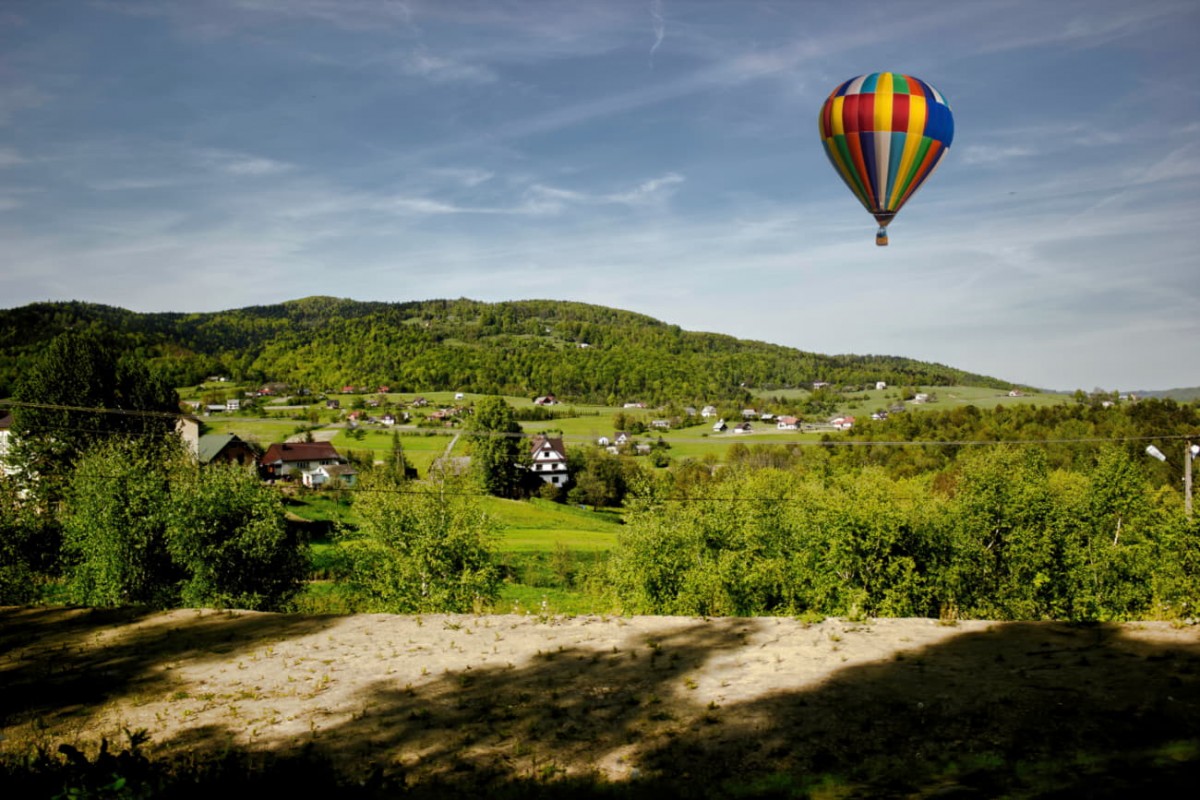
Drive ten minutes out of Limanowa and the town loosens into countryside. You start seeing older wooden shapes, porches, barns that look built by someone who understood snow loads very well, and small shrines that appear like punctuation marks along the road. This is a region where “folk” isn’t a costume - it’s a lingering habit. You can feel it in ornamented details, in the way roofs meet walls, in the quiet pride of kept gardens.
If you want to wander without forcing public transport schedules to cooperate, a car rental in Poland can turn Limanowa into a hub instead of a stop. The real pleasure is not racing from point to point, but letting the road choose for you sometimes - a side turn toward a chapel, a viewpoint, a village shop with bread that smells like it was made for actual humans.
And yes, you’ll notice regional identity shifts subtly as you move: accents, church architecture, even the way fences are built. It’s like the landscape teaches you vocabulary, one bend at a time.
8) A Jewish Past That’s Present in the Quietest Place
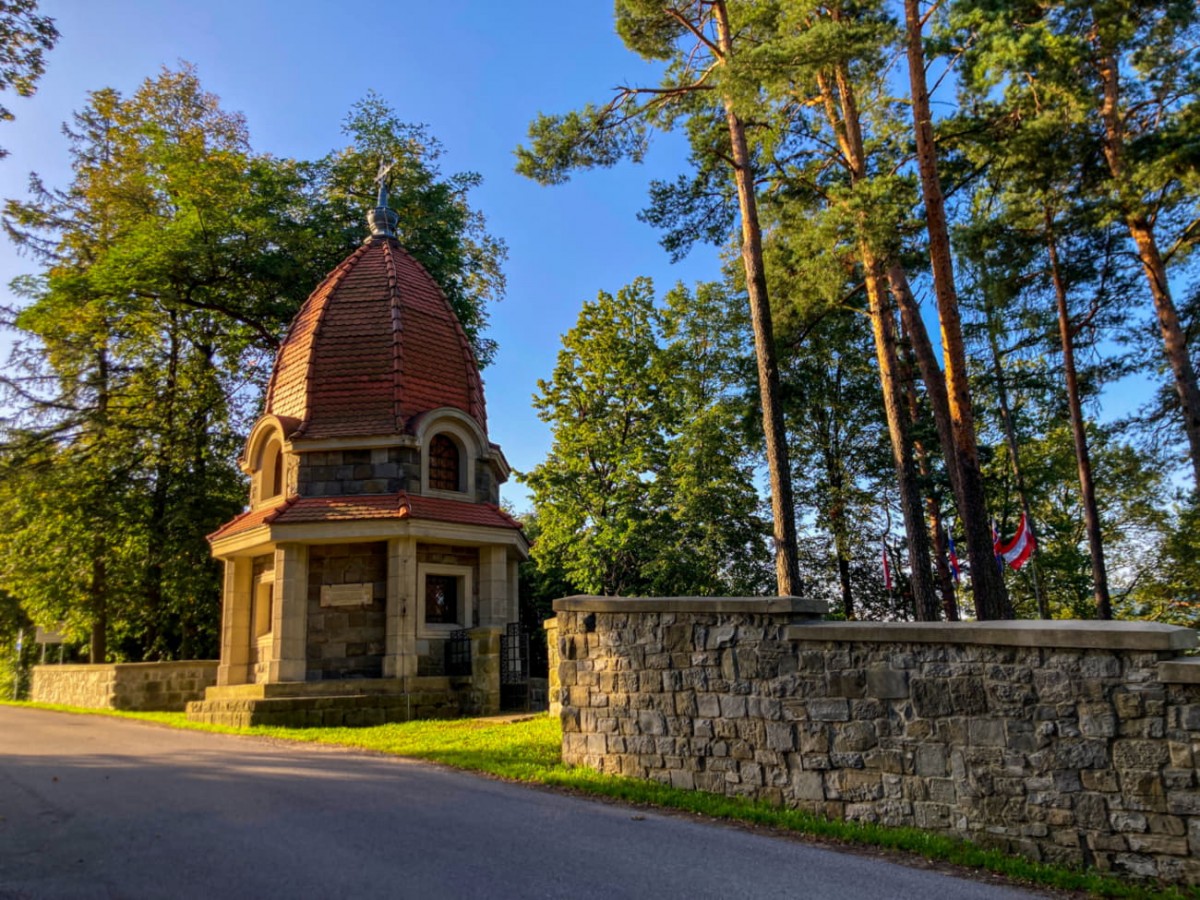
Limanowa’s history includes a Jewish community whose traces were violently interrupted and largely erased during World War II. There are documents, names, and memories - but the most tangible place for reflection is the Jewish cemetery on the hillside. It’s not “pretty” in the tourist sense, and it shouldn’t be. It’s a space that asks for a different kind of attention: slower, quieter, without performance.
Cemeteries can feel like history lessons, but here it feels more like a pause in the sentence. If you go, go gently - the site carries grief, and also the stubborn fact of remembrance.
What’s “interesting” - if that word can be used carefully - is how this single location can change the way you read the whole town. Streets become layered. Old buildings stop being just old. You start understanding that Limanowa has had more than one identity, and not all of them were allowed to continue.
9) Winter in Limanowa Has Its Own Tone: Lights on the Slopes
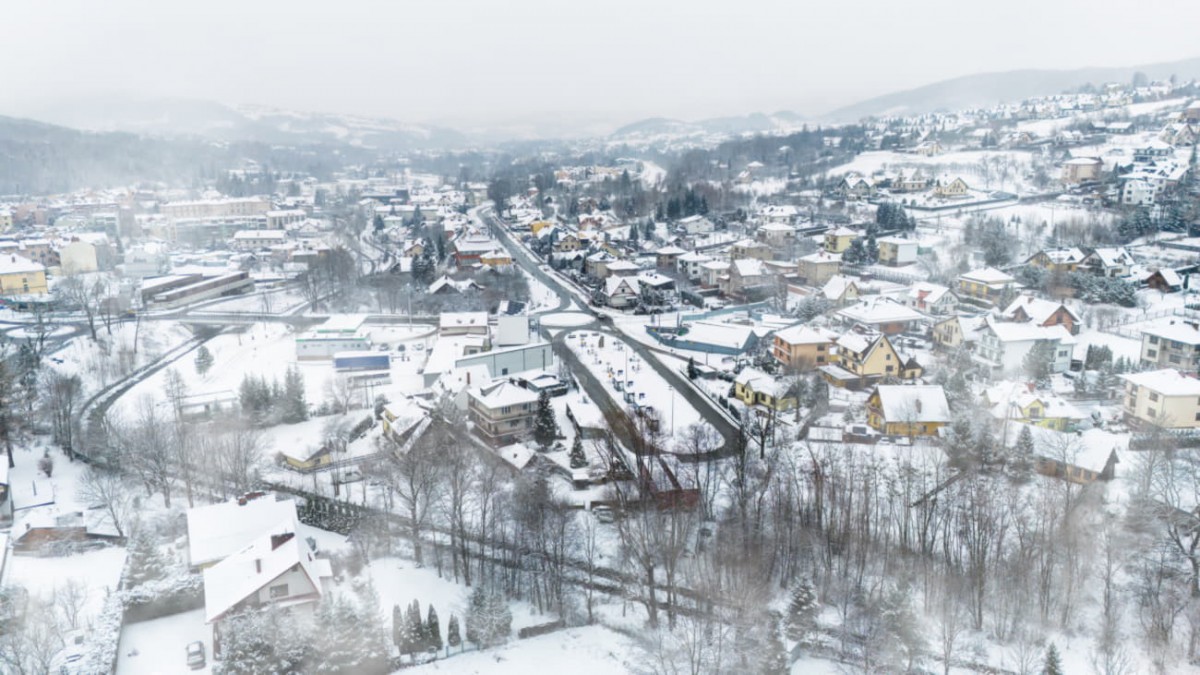
In warmer months, Limanowa is about hills and haze and green. In winter, it becomes a different kind of local playground. Limanowa has its own ski area, and the vibe tends to be practical rather than flashy - locals, families, people who want a few hours outside without turning it into a grand expedition. Night skiing adds a particular charm: the dark forest nearby, the bright ribbon of lit snow, and that crisp sound of edges biting into the surface.
Even if you don’t ski, winter days here can be oddly satisfying: short walks, steaming windows in small cafés, and a town that looks more compact when roofs carry snow. The interesting part is how quickly the mountains change the light - morning can be steel-gray, then by noon it’s glittering, then suddenly it’s dusk, like someone lowered a dimmer switch.
10) The Local Flavor Isn’t a “Cuisine” - It’s a Working Pantry

Some places advertise food like a performance. Limanowa’s food culture is more discreet, built on what people actually do: keep bees, smoke meats, preserve fruit, make cheese when the season makes sense. If you pay attention, you’ll notice how much of local taste is about patience - fermentation, drying, smoking, long simmering - the slow methods that were never trendy because they were never optional.
Depending on where you land (a small shop, a market day, a roadside stand) you might run into things like:
- Smoked sheep cheese and mountain dairy - salty, firm, made to travel in a pocket.
- Honey with real personality - sometimes floral, sometimes darker and more forest-like.
- Plum and apple preserves - not too sweet, often made with a “grandma logic” that ignores exact recipes.
- Hearty soups and dumplings - the kind of food that understands weather, and doesn’t apologize.
If you ask for recommendations, you’ll get opinions, not marketing. Someone will insist their neighbor’s smoked cheese is the only correct one; someone else will disagree, politely, but firmly . That’s when you know you’re tasting something real, not a menu designed for strangers.