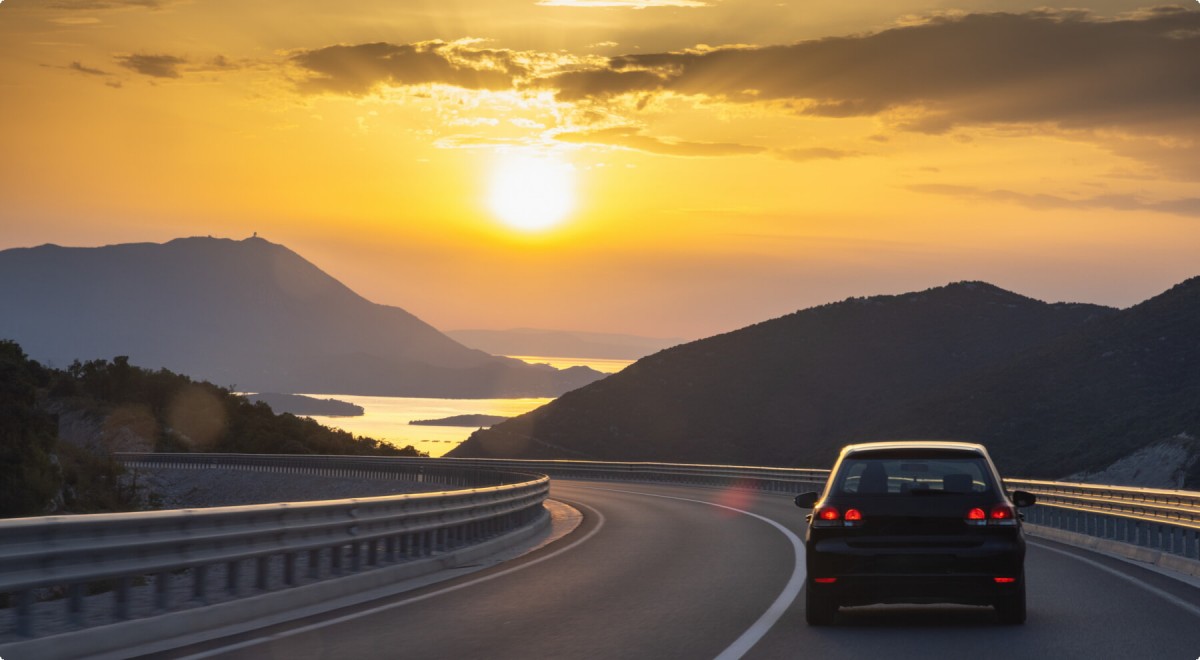
The road between Zadar and Hvar is a ribbon of blue horizons, pine-scented curves, and forgotten villages where laundry lines flutter like flags. You won’t race it. You’ll drift from sea to stone, moving as slowly or swiftly as a day invites. This is not just a transfer - it’s a quiet conversation with Dalmatia, with detours for figs, swims, and ferry crossings that turn time into a souvenir.
The Quiet Road: Why This Trip Works in Any Season
Start in Zadar, a city that feels seasoned and curious at once. Roman stones, modern light shows, fishermen debating the wind. The drive to Hvar adds depth - the kind you can’t catch from a catamaran schedule or a bus timetable. You pull off when you like, buy cherries on the shoulder, dip into a cove because it looks like an inkblot on the map and you want to see the color up close.
There are two classic ways to reach Hvar by car from Zadar. One loops south along the coast then cuts inland to Drvenik for a short ferry to Sućuraj on Hvar’s eastern tip. The other swings through Split, where a larger ferry takes you to Stari Grad, closer to Hvar’s main towns. The first feels wilder, more intimate; the second, simpler and calmer in rough weather. Either way, you’re following a coastline of shining water and limestone that glows like warm bread in evening light.
Travel in June for blooming oleander and patient roads; September for softer sun and vineyards busy with harvest; even a mild winter day brings clarity, as if someone cleaned the sky while you slept. Summer is the chorus - louder, energized - but if you keep to early mornings, the Adriatic gives you long quiet hours and small beaches where anchovies flash like coins.
How to Pick Up Your Car in Zadar + Rules of the Road
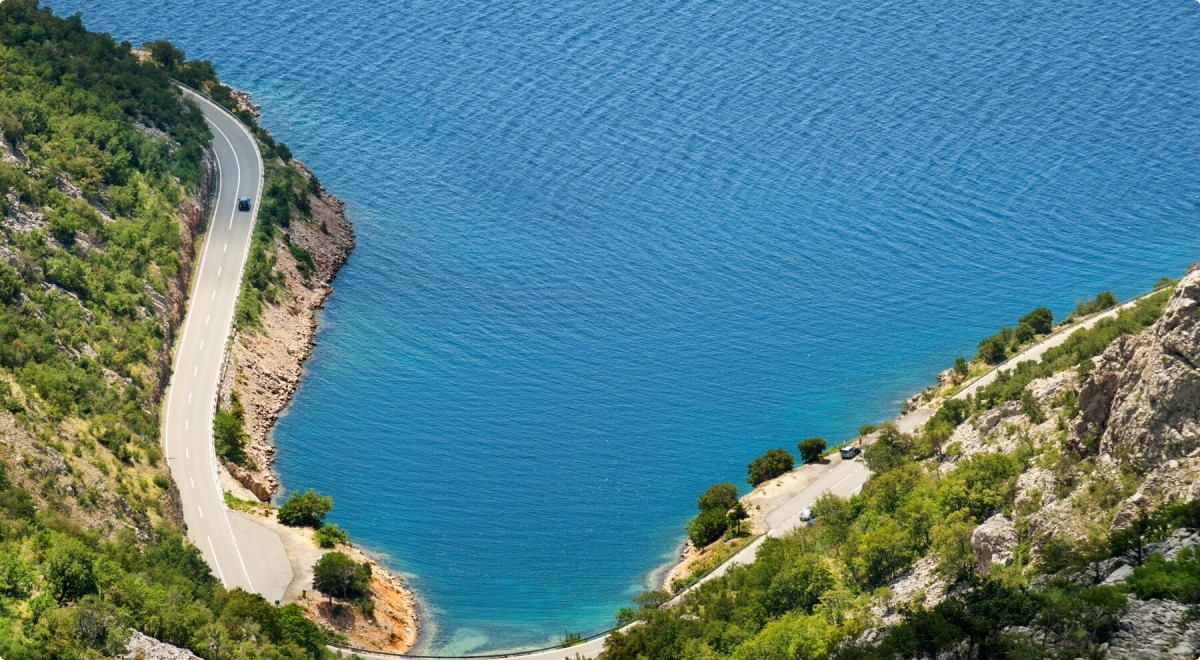
If you’re flying in, picking up wheels at the airport saves a shuttle and gets you on the road faster. Check rates for Zadar Airport car rental a week or two in advance for the best choice of compact automatics and small SUVs. You don’t need a monster vehicle - you’ll appreciate a narrow frame in village lanes and on Hvar’s east-west road, which curls like a cat.
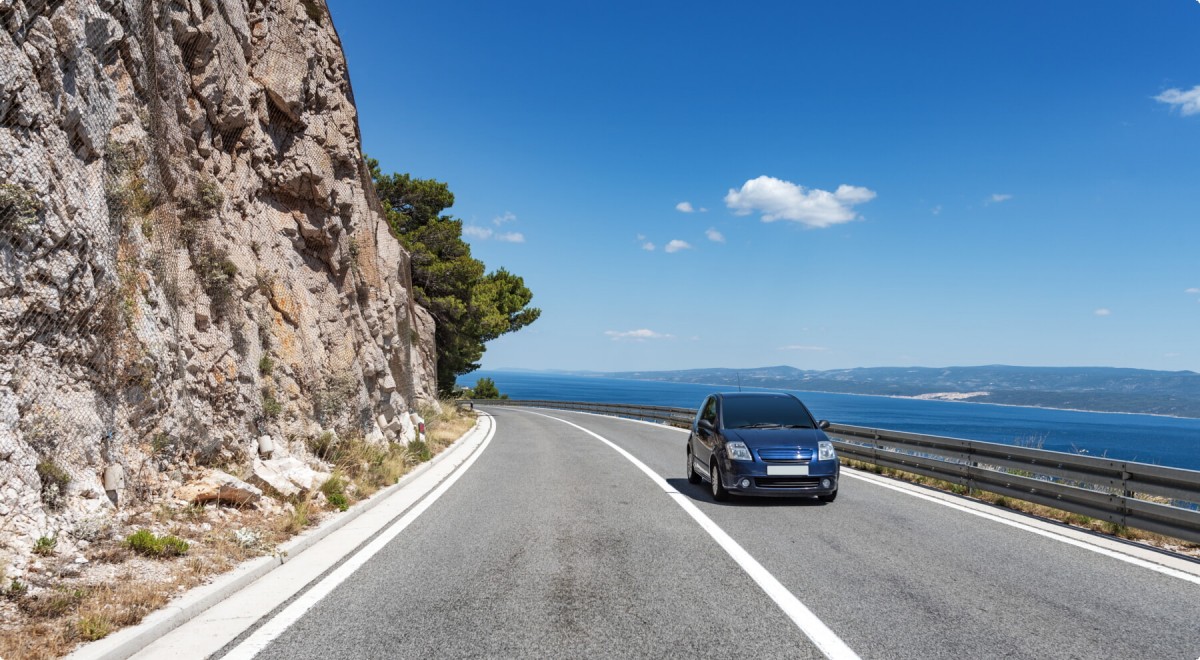
Croatian roads are friendly to careful drivers. The A1 is toll-based and quick, while the D8 - the historic Jadranska Magistrala - is the showstopper. Expect roundabouts near towns, speed cameras on approaches, and occasional scooters that appear like sparrows out of nowhere. Keep headlights on at all times, and never park on white lines by the water, even if local cars seem to dare it. Police are present and polite, but rules matter. If you forget sunscreen ,no problem; you’ll be reminded by the first thirty minutes of shoreline glare.

- Documents: Passport, driver’s license, IDP if required, rental agreement, and green card insurance if provided.
- Fuel: Both petrol and diesel are common; check your cap label twice. Station attendants often help without asking.
- Tolls: Collect a ticket entering the highway, pay when exiting. Keep small bills for quicker booths.
- Parking: Blue zones in towns usually allow paid parking via machines or apps; carry coins for old meters.
One thing to pack that many forget - a microfiber towel. It dries fast after a quick swim, doubles as a pillow on the ferry, and blots the sweat on late-August climbs to viewpoints.
Ask your host or the rental clerk for a “favorite swim spot on the way south.” Most will offer a cove or two not on TripAdvisor. The best ones aren’t secret, they’re just overlooked at 60 km/h.
Zadar to Šibenik - Salt, Stones, and the Sea

Before leaving, walk the waterfront and let the Zadar Old Town sea breeze erase your jet lag. The Sea Organ plays its low, honest notes as if the harbor itself were breathing. Grab a coffee. Another one. Then take the D8 south, the coast road that refuses to hurry.
Your first easy detour: Nin. It’s a pocket-sized town set in shallow blue water, protected by salt pans that sparkle like glass plates in the sun. The salt here is pale and delicate; the shop offers small canvas bags stamped with anchors. Hold the coarse grains in your palm and feel how they grip like desert sand. The beaches are sandy - a rarity - and the wind smells faintly of thyme.
Back on the D8, the landscape changes in small strokes. Figs, stone walls, fishing skiffs. You’ll pass islands braided into the horizon like a chain you want to wear. Pull over for a quick swim at a roadside lay-by - shoes recommended for pebbles. Drive past Pirovac and Vodice, both lively in summer, and glide into Šibenik with its cathedral that looks like it was folded from sheets of limestone.
Lunch here slows time. Dalmatian pašticada if you want something rich and noble; grilled sardines if you prefer the salt to speak softly. Try a glass of debit, the local white with a lemony edge. If you’re already thinking about waterfalls - and you will - keep going inland for an hour’s detour that will be worth every bend.
Krka, Konobas, and the Backroads
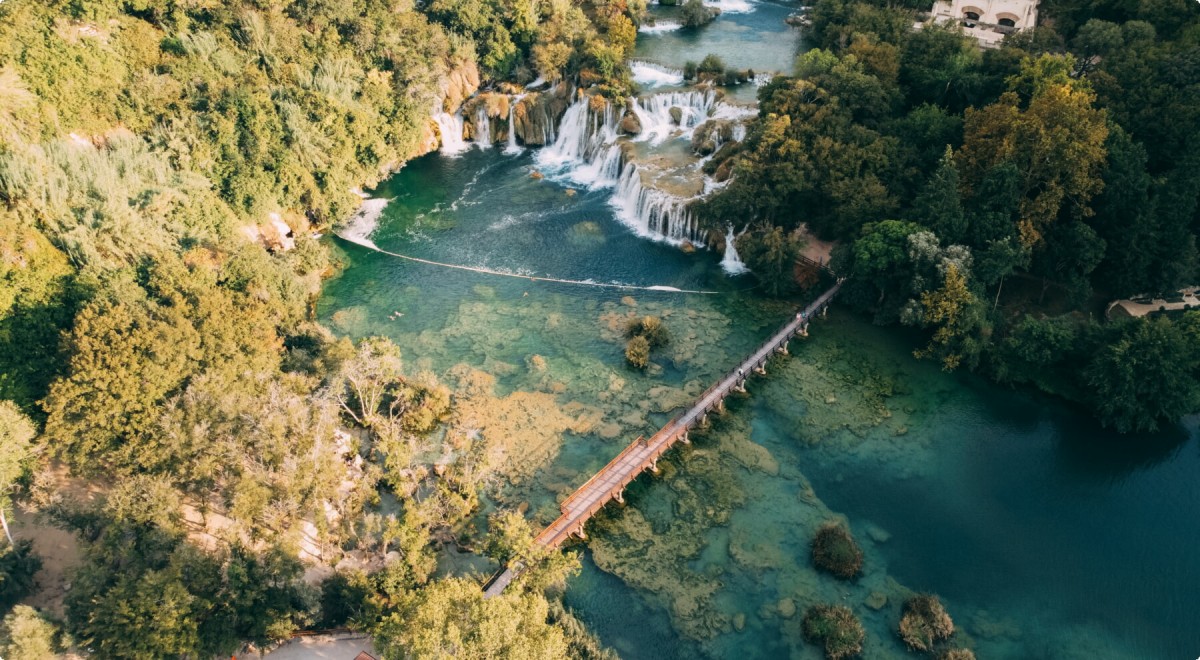
Krka is where river and stone dance. Go to the Lozovac entrance in the morning, before buses exhale their crowds. The paths echo underfoot, wood on water, and dragonflies hover like tiny helicopters. For details on trails, boat rides to Visovac, and updated entry rules, check the official site of Krka National Park. Bring your camera; bring patience. Leave rush at the gate, it won’t help here.
Afterward, veer off the main road and find a konoba - a family-run tavern - in the hinterland. You want wood smoke, a dog asleep under the fig tree, plastic chairs that have seen a hundred summers. Order peka if time allows, slow-cooked under an iron bell, or pršut with cheese if you need a quicker table. The bread will arrive warm, the olive oil a deep emerald. When the old man nods at your empty plate, it feels like a handshake.
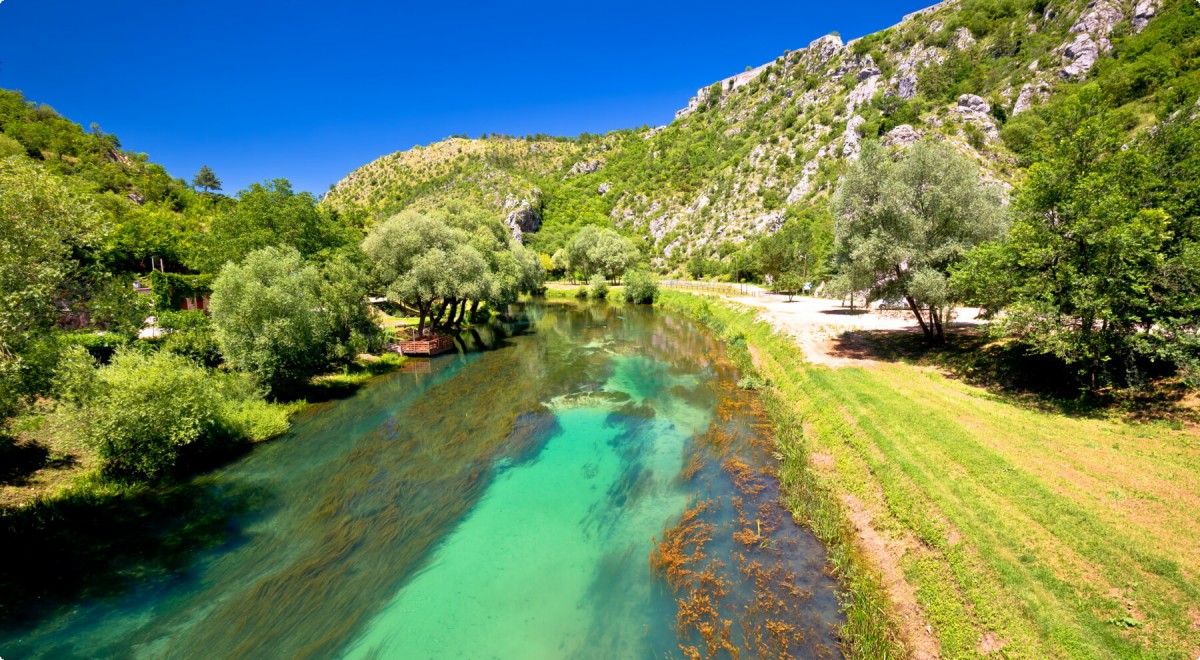
- Good stops between Šibenik and Split: Primošten for its photogenic peninsula and small coves.
- Trogir if you crave narrow lanes and carved Venetian balconies.
- Kaštela for sleepy seafront promenades with families out for gelato.
- Vineyards inland around Vrlika if you love quiet views over stone walls.
If you prefer the easier ferry, you’ll push for Split’s terminals and a calm crossing to Stari Grad. But for a more sinewy day, continue past Split and follow the coast to Makarska and beyond. The road narrows, the mountains grow closer, and the sea turns a bluer blue, as if it just found its confidence. There is a pulse here - you feel it in the wheel.
Split - Stari Grad ferries are larger and more frequent in high season, with gentler disembarkation into Hvar’s heart. Drvenik - Sućuraj is quicker on water, but adds a scenic, slower drive across the island’s spine.
The Makarska Curve and the Ferry to Hvar

Makarska is a swoop of bright promenade beneath the Biokovo massif. The mountain rises like a wall, high and moody, sometimes wearing a hat of cloud even on clean-sky days. If you have an hour, wander to a bakery and eat a still-warm burek on a bench, flakes of pastry drifting to your shirt like snow. Remember to look back. The mountain and the sea speak to each other here , softly.
From Makarska, the road tightens as you approach Drvenik. It’s not difficult, only curvier, and it makes you slow down enough to see the water flash between pines. In Drvenik, follow signs to the pier and queue for the short car ferry to Sućuraj. Check the day’s schedule at the kiosk and buy a ticket; lines move with a local rhythm. You can glance at the map on your phone, but the port is small and kind. If you prefer to set your pin beforehand, locate the Drvenik Ferry Port and plan around 30 minutes of buffer in summer.
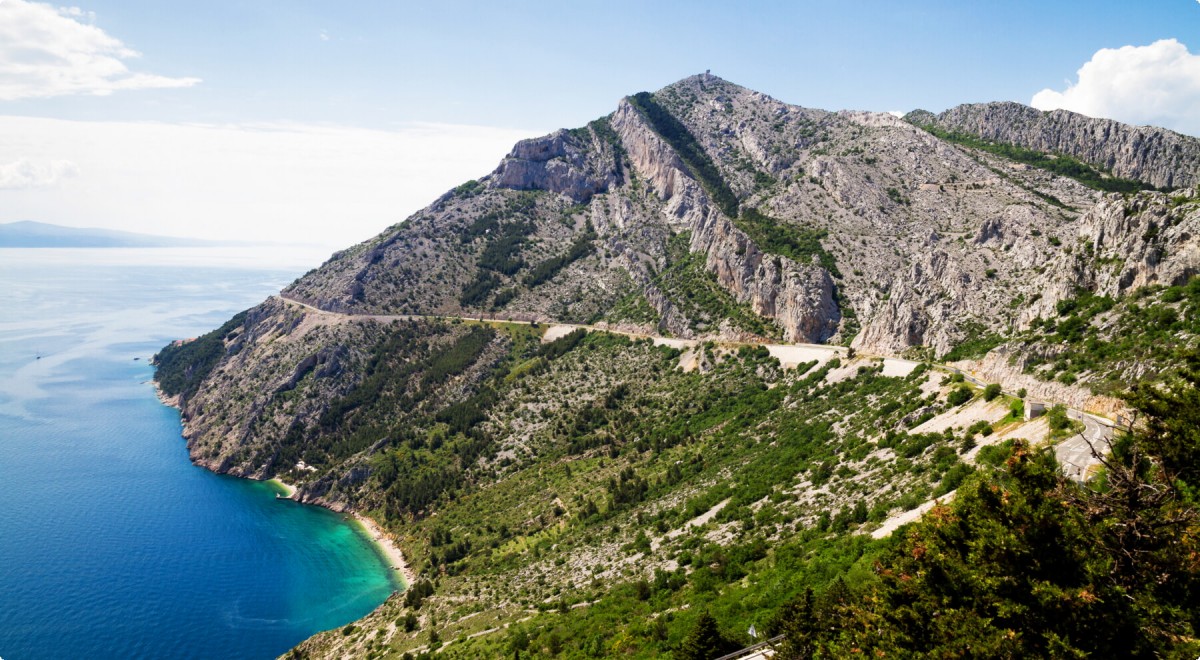
Boarding is quick. Park where you’re directed, handbrake up, first gear in, and windows cracked for sea air. The crossing is short - the water a handful of blue silk, gulls trailing in lazy arcs. You’ll disembark at Sućuraj on Hvar, a tiny town stitched with stone lanes and a lighthouse that looks like it’s always waiting for a story to happen.
Sućuraj to Jelsa or Stari Grad is an hour plus, sometimes more with scenic pauses. The first stretch is narrow, hugging hillside and sky. On bends, let the occasional bus take the center; you’ll feel like you’re sharing the road’s breath. Don’t rush. Let the island reveal itself - pines, lavender fields, dry-stone terraces that ripple like waves frozen by a hand gesture. This is the eastern Hvar that many miss, and maybe that’s the point.
Schedules for short ferries can shift with weather or demand, and online timetables are sometimes updated late morning. The calm way to travel is to arrive early, buy the next available sailing, and treat waiting as bonus beach time.
- Keep a small tote with water, hat, and towel within reach in the car.
- In queues, switch off your engine - shade matters more than inches gained.
- Cash is accepted, but cards are widely used; still carry coins for parking machines.
- On Hvar’s east road, honk lightly before blind bends after rain or dust.
Hvar, Unfolded: Towns, Trails, and Tiny Bays
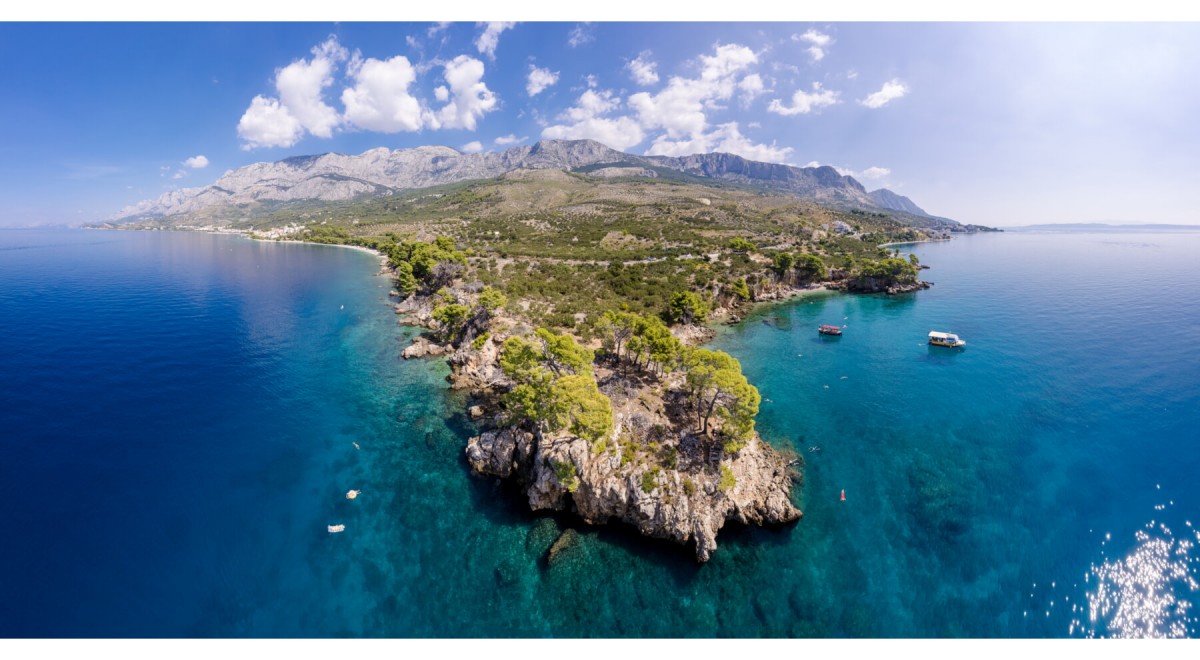
Stari Grad welcomes you with low light and long history. It’s one of the oldest towns in Europe, and it shows, gently. The streets are narrow, built for footsteps and whispers, and the harbor is ringed with palms. If you arrive via the larger Split ferry, you’ll roll into the Stari Grad Ferry Port and reach town in minutes. If you’ve come through Sućuraj, the final hour feels like the last chapter of a well-told story.
From Stari Grad, Hvar town glitters to the southwest, late-night energy pooling in its harbor bars and the smooth steps of the piazza. Jelsa and Vrboska to the east keep a quieter charm - stone bridges, vanilla ice cream at sunset, kids playing football with half the town cheering. And inland hamlets like Pitve offer stone houses with green-shuttered windows and views that make you breathe slower.
Take a morning for the Stari Grad Plain, a chessboard of ancient field divisions laid down by the Greeks. It’s not dramatic; it’s patient. Walk or cycle its lines and you’ll find rosemary brushing your calves and cicadas turning up the volume like a summer orchestra. For context that tightens your focus, read a bit about the Stari Grad Plain before you go - a few minutes is enough to make old stones talk.
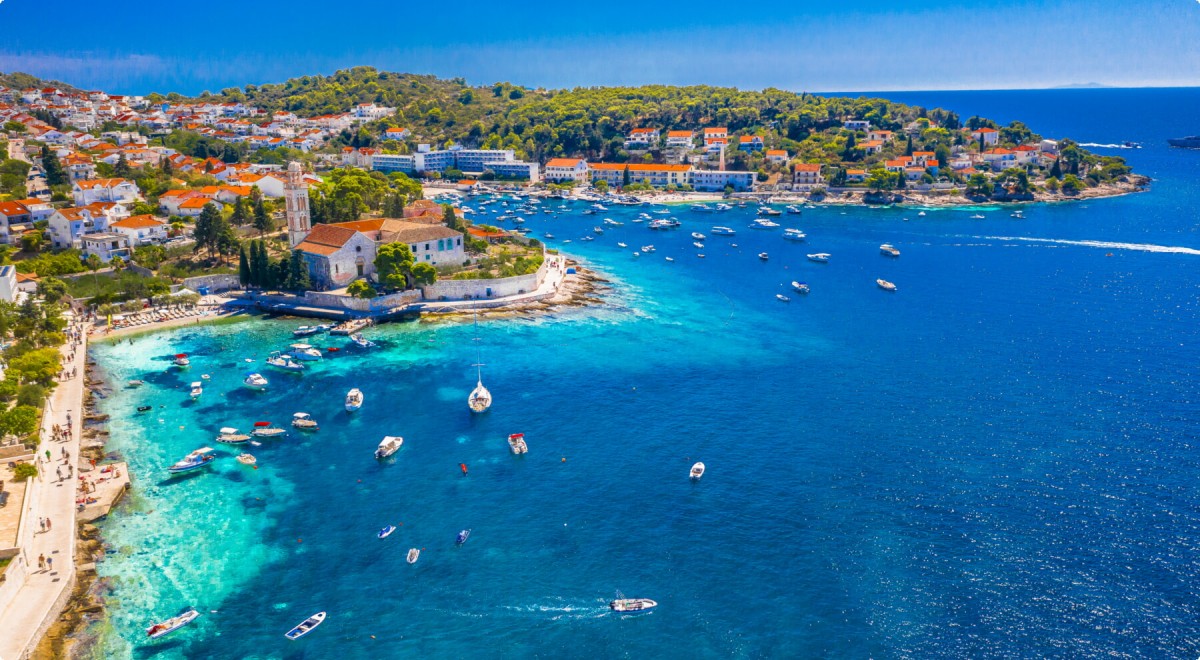
Afternoons belong to coves. Park just outside a village and wander down a footpath where pine needles soften your steps. The water has layers - jade near the shore, then turquoise, then deep ink. You’ll hear one sound above others: small waves rolling pebbles back and forth, that gentle hiss like paper being turned in a quiet library. Snorkel, or don’t. Sometimes it’s enough to float and think of nothing at all.
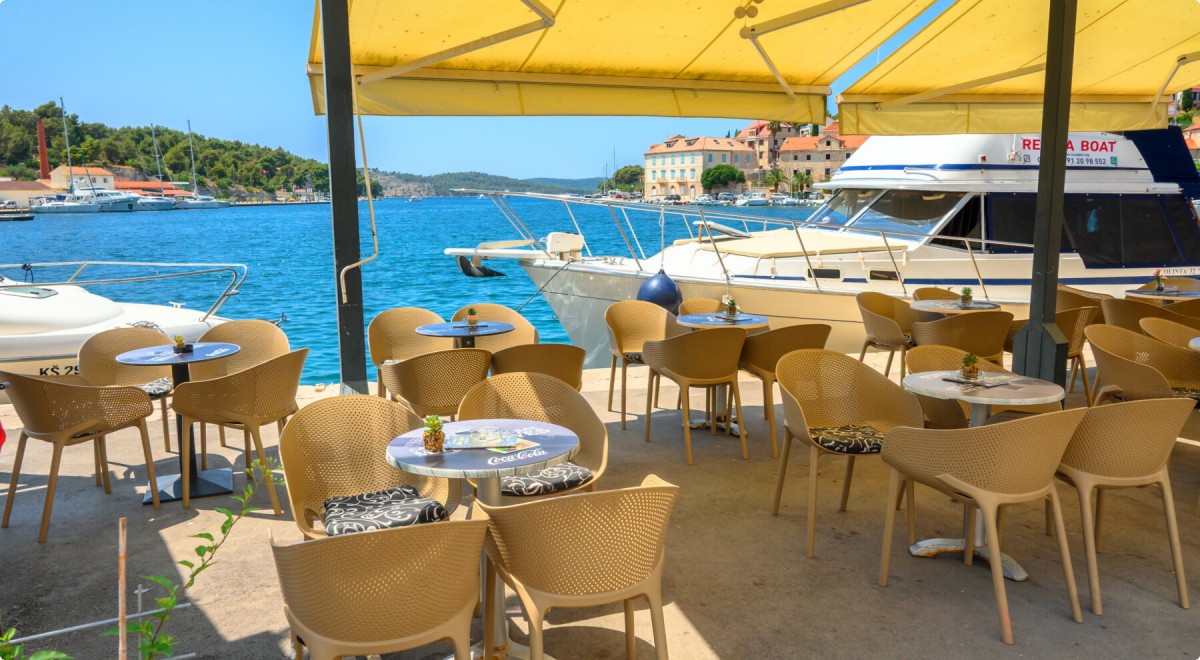
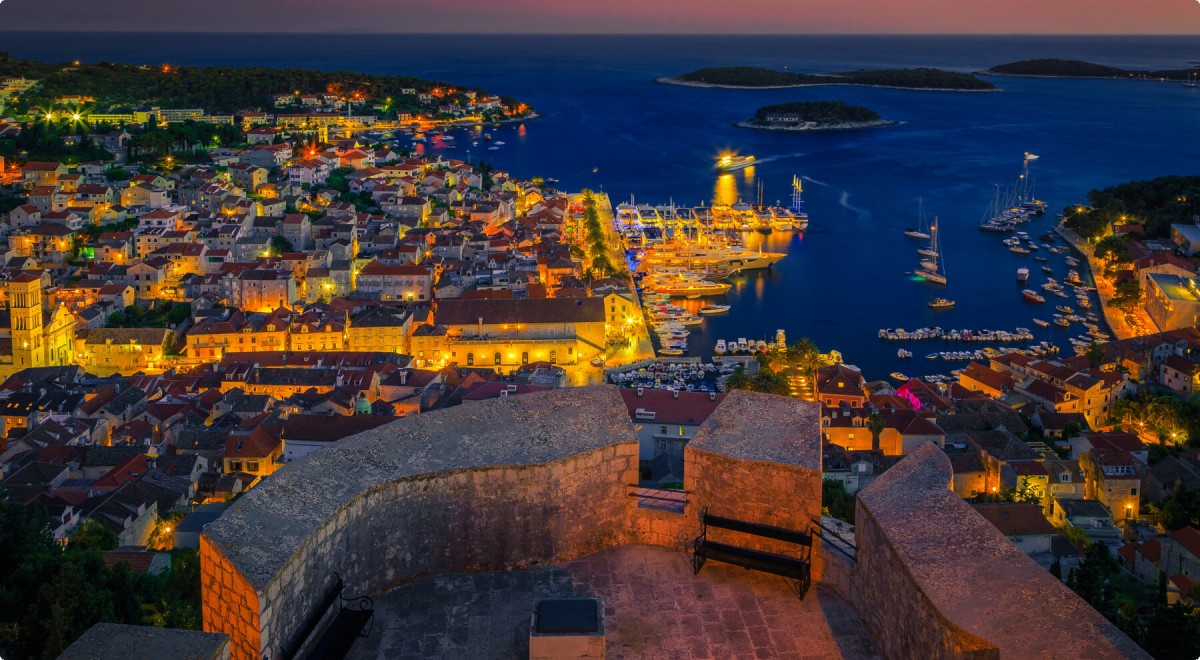
Hvar town is livelier in every sense. Climb to the Fortica for a view that stacks islands like skipping stones. The harbor swells with boats and laughter, and a summer smoothie feels just right even if you never order them at home. Yet walk four blocks in the alleys and the sound folds away. Hang laundry across a lane and you’d fit in by sunset. If you arrive by night, you might feel like you slipped into a postcard - one of those glossy ones your aunt used to collect.
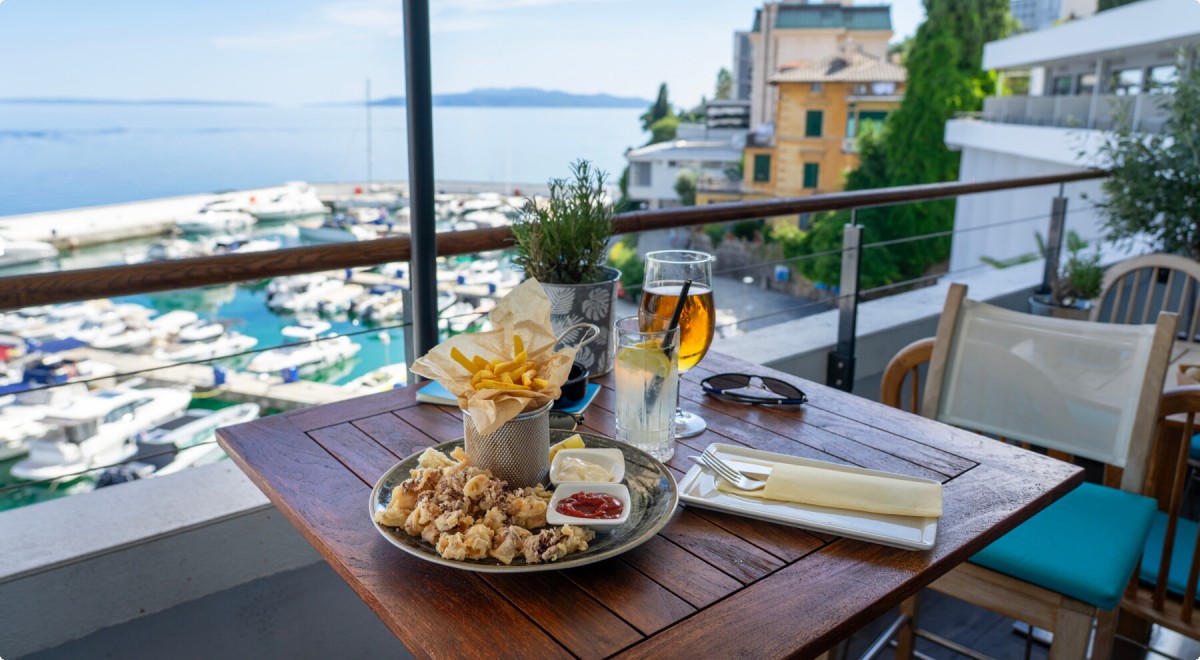
Food is the slow friend that keeps showing up, smiling. Grilled fish with blitva, octopus salad with lemon, pestled olive paste on warm bread. Lavender honey on pancakes for breakfast, if you’re lucky. If a menu lists gregada - a fish stew from Hvar - say yes and don’t look back. It tastes like the sea learned to tell stories. And when you find a small konoba with two specials chalked on a board and a cat asleep under a chair, you’ve landed exactly where you’re supposed to be.
Two Easy Day Plans from Stari Grad
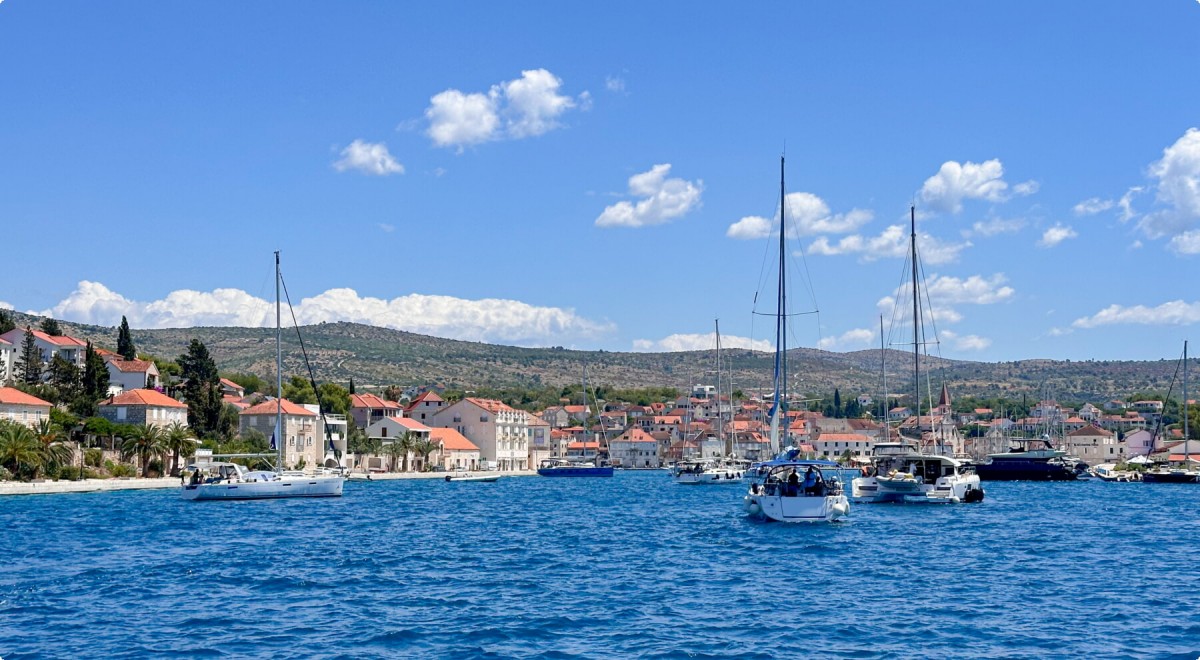
- The Bay Hopping Morning: Drive to Zavala through the Pitve tunnel, swim twice, eat once, nap on the third beach. Return via Jelsa for gelato.
- The Stone and View Loop: Head to Hvar town early, climb Fortica, coffee on the square, then Sveta Nedjelja for cliff views that push every other thought aside.
On any of these drives, remember the island rhythm. A tractor might lead for a kilometer. Dogs will sleep in the road then move at the last moment, politely. Pull over when safe and, never stop on blind bends. Be the driver you hope to meet around the curve.
Extend the Road - or Draw a Gentle Line
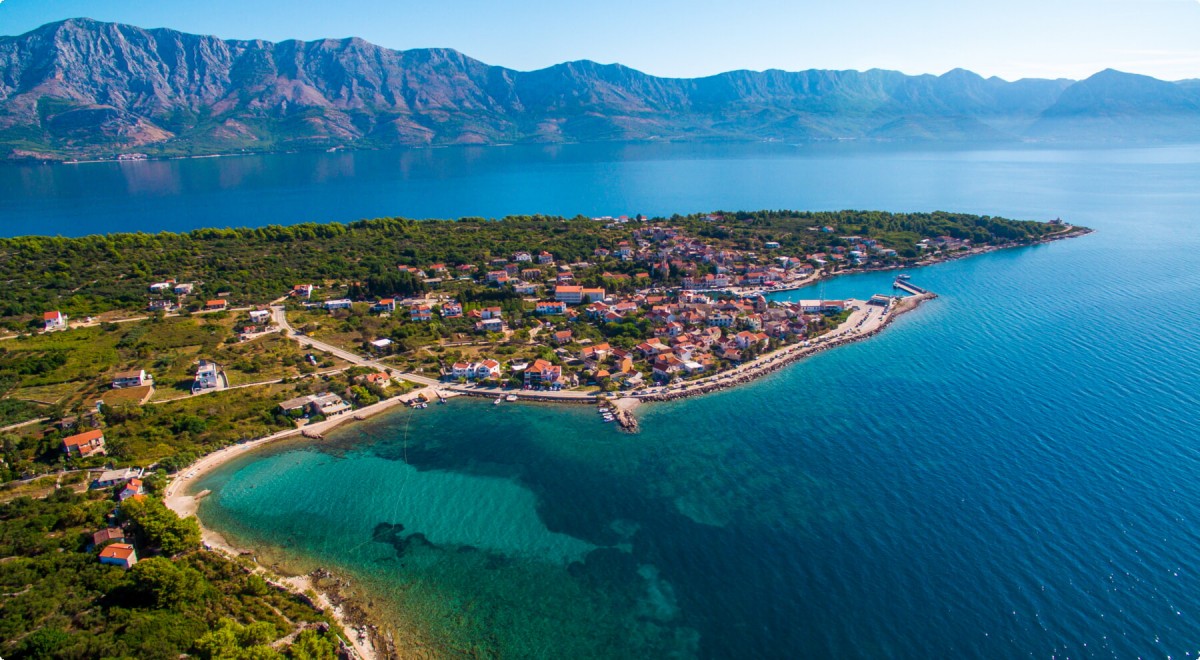
Some travelers end in Stari Grad and sail back to Split before a flight. Others loop south and continue to Dubrovnik, turning the road into a ribbon they can keep. If you’re tempted to push further, plan a couple of nights and consider a one-way rental. Start by browsing options for car rental in Dubrovnik and decide whether to drop on the island or on the mainland. One direction is enough for a week; both ways makes a memory that sticks like salt on skin.
Little Practicalities That Make It Smoother
Parking in Hvar town can be a puzzle in August. Arrive before 9 a.m., or later in the afternoon when the sun softens and day-trippers leave. In Stari Grad and Jelsa you’ll find easier lots close to the center. Keep coins ready for meters that haven’t met a card reader yet. On weekends after a bora wind, expect water to look impossibly clear - like someone polished every pebble - and the road views to feel extra sharp.
Navigation works well, but don’t give it all your trust. When a narrow alley looks like a “road,” park and walk the last few meters. Ask a shopkeeper where they would leave a car. Most will point and shrug in a way that means, right there, under the pine, it’s fine. Language is less a barrier than people think; gestures carry. A smile plus “hvala” is a door key.
Where to Pause, Just Because

On the mainland leg, Trogir’s stone gates draw you in like a breadcrumb trail. Primošten makes you think you’re in a painting of Adriatic blue. Kaštel Kambelovac has that just-right promenade for a coffee you don’t need, but want anyway. And in Hvar, a sunset on the west side of the island can look like the sky caught fire and decided to hold it for a minute. Try to remember the shade of that orange. You’ll think of it in winter, on a Tuesday, while waiting for a bus light to turn green.
If you like a tiny bit of formality, map your plan the way you would a weekend shop: one must-do, one strong maybe, one nothing. Let that last one be your buffer for a beach you discover or a vineyard with a handwritten sign. Croatia rewards that kind of listening. The sea speaks first, the stones second, and the rest is up to you.
Before you leave the island, give yourself a morning where you do nothing except stand at the lip of a cove and count the colors in the water. One, two, three, six maybe. You’ll miscount in the best way. Then drive away with damp hair and windows down, and when the ferry slides back to the mainland, watch the island recede like a friend waving from a doorway, not sad, just certain you’ll return.

One final practical grace note: on the way out or in, swing by the open edge of Stari Grad and let your feet dictate the next five minutes. The cobbles are warm, the air smells like pine and lemon, and a laundry line will flap like a flag above your head. That’s the sound of a place that keeps living even when you’ve left it. And that, if we’re honest, is why we travel.
For an easy, last short loop before departure, stroll the waterline and watch the fishermen tune their nets. The light here makes everything look honest, like someone took off the filters. It’s a good way to end a good road.
If you need coordinates for a final wander, search for Stari Grad and let the lanes tangle you gently. Take the long way to your car. You’ll thank yourself later, possibly in the middle of a crowded Tuesday, when the memory opens like a window.