Bali, the Island of the Gods, is a paradise for travelers seeking stunning beaches, lush landscapes, and rich cultural experiences. To fully explore this Indonesian gem, many visitors opt for car rental, providing the freedom to discover hidden treasures at their own pace. However, navigating the car rental process in Bali can be challenging for first-time visitors. This comprehensive guide will walk you through everything you need to know about renting a car in Bali, ensuring a smooth and enjoyable experience on the island's roads.

Understanding Bali's Driving Conditions
Before diving into the specifics of car rental, it's crucial to understand the unique driving conditions in Bali. The island's roads can be quite different from what you might be accustomed to in your home country.
- Traffic congestion: Bali's major tourist areas, such as Kuta, Seminyak, and Ubud, often experience heavy traffic, especially during peak seasons.
- Road quality: While main roads are generally well-maintained, smaller streets and rural areas may have potholes or uneven surfaces.
- Driving side: In Indonesia, including Bali, vehicles drive on the left side of the road.
- Local driving habits: Balinese drivers often have a more relaxed approach to traffic rules, which can be unsettling for visitors from countries with stricter regulations.
- Scooters and motorcycles: Two-wheeled vehicles are prevalent in Bali and often weave through traffic, requiring extra caution from car drivers.
Understanding these conditions will help you decide whether driving in Bali is right for you and prepare you for the challenges you may face on the road.

Legal Requirements for Renting a Car in Bali
To legally rent and drive a car in Bali, you'll need to meet certain requirements:
- Driver's license: You must have a valid driver's license from your home country.
- International Driving Permit (IDP): An IDP is required in addition to your regular license. Obtain this before leaving your home country.
- Age restrictions: Most rental companies require drivers to be at least 21 years old, with some setting the minimum age at 25 for certain vehicle types.
- Passport: You'll need to present a valid passport when renting a car.
- Credit card: A credit card is typically required for the security deposit.
Ensure you have all these documents and meet the age requirements before attempting to rent a car in Bali.

Choosing the Right Rental Company
Selecting a reputable car rental company is crucial for a hassle-free experience. Here are some factors to consider:
- Reviews and recommendations: Check online reviews and ask for recommendations from fellow travelers or expats living in Bali.
- Insurance coverage: Ensure the rental package includes comprehensive insurance coverage.
- Vehicle condition: Opt for companies that maintain their vehicles well and offer newer models.
- Customer service: Choose a company with responsive customer service, preferably available 24/7.
- Transparent pricing: Look for companies that provide clear, upfront pricing without hidden fees.
- Additional services: Some companies offer extras like GPS navigation, child seats, or even a driver, which can be beneficial.
Popular international car rental companies operate in Bali, but local providers can often offer more competitive rates. However, be cautious with extremely low-priced offers, as they may come with hidden costs or subpar vehicles.

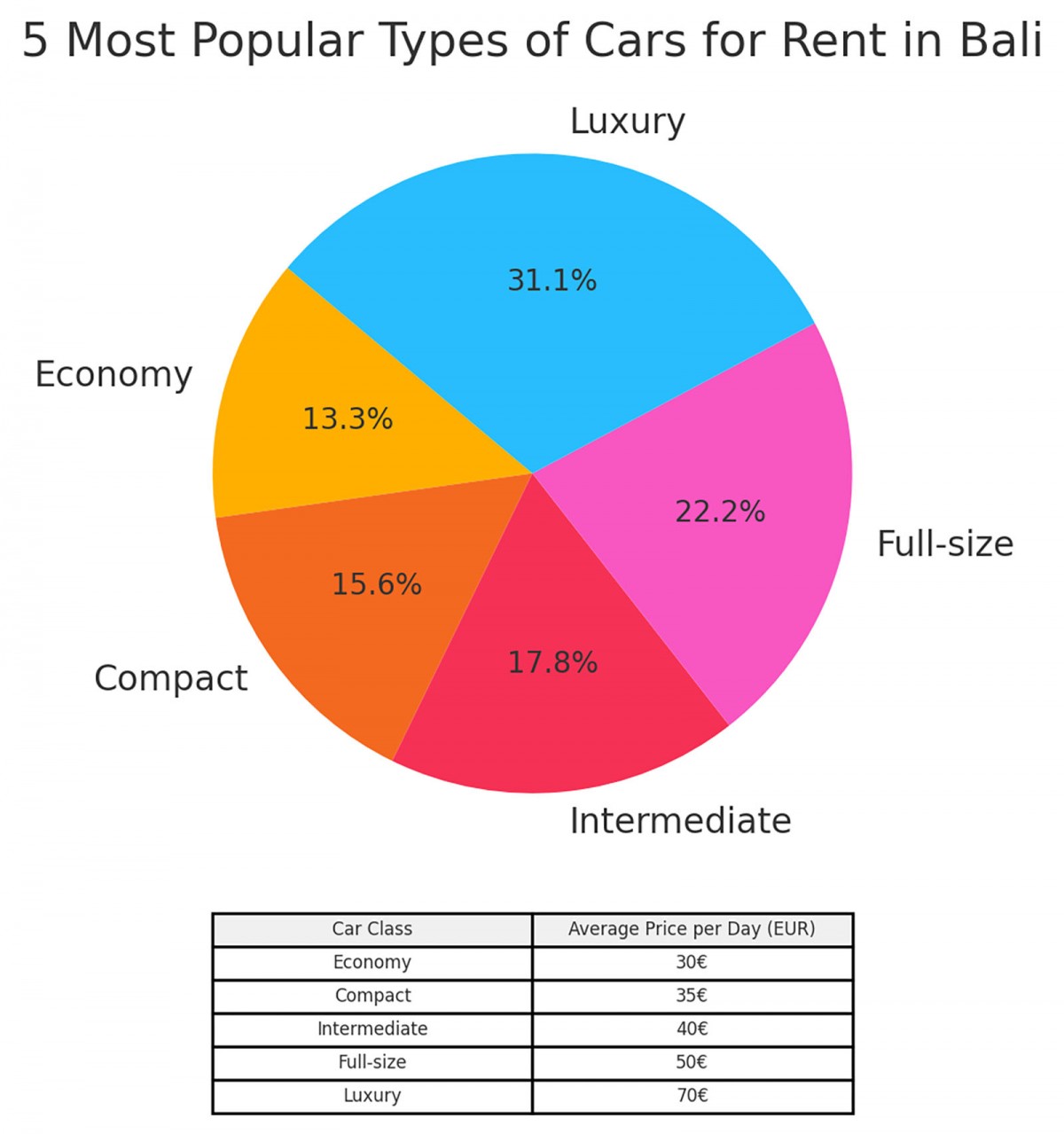
Types of Vehicles Available for Rent
Bali offers a variety of vehicles to suit different needs and preferences:
- Compact cars: Ideal for couples or solo travelers, these are easier to maneuver in tight spaces and traffic.
- SUVs: Perfect for families or groups, offering more space and comfort, especially for longer trips.
- Minivans: Suitable for larger groups or those carrying a lot of luggage.
- Luxury cars: Available for those seeking a more premium experience.
- 4x4 vehicles: Recommended for exploring rural areas or if you plan to visit more rugged terrains.
When choosing a vehicle, consider factors such as the number of passengers, amount of luggage, planned routes, and personal comfort preferences.
Understanding Rental Terms and Conditions
Before signing any rental agreement, carefully review the terms and conditions. Pay special attention to:
- Rental duration: Understand how the rental period is calculated (24-hour periods or calendar days).
- Mileage limits: Check if there are any restrictions on the distance you can drive.
- Fuel policy: Most rentals in Bali operate on a "full-to-full" basis, meaning you should return the car with a full tank.
- Additional driver fees: If multiple people will be driving, check if there are extra charges.
- Late return penalties: Be aware of the fees for returning the vehicle later than agreed.
- Breakdown assistance: Ensure the rental includes roadside assistance in case of mechanical issues.
- Cross-border restrictions: If you plan to take ferry trips to nearby islands, check if this is allowed under the rental agreement.
Don't hesitate to ask the rental company for clarification on any points you're unsure about. It's better to be fully informed before starting your journey.

Insurance Options for Car Rentals in Bali
Insurance is a critical aspect of car rental in Bali. The basic insurance typically included in your rental may not cover all potential risks. Consider the following options:
- Collision Damage Waiver (CDW): This reduces your liability in case of collision or damage to the rental car.
- Third-Party Liability: Covers damage or injury to other people or their property.
- Personal Accident Insurance: Provides coverage for personal injuries to the driver and passengers.
- Theft Protection: Covers the cost of the vehicle if it's stolen.
While additional insurance may increase your rental cost, it can provide peace of mind and potentially save you from significant expenses in case of an accident or theft.
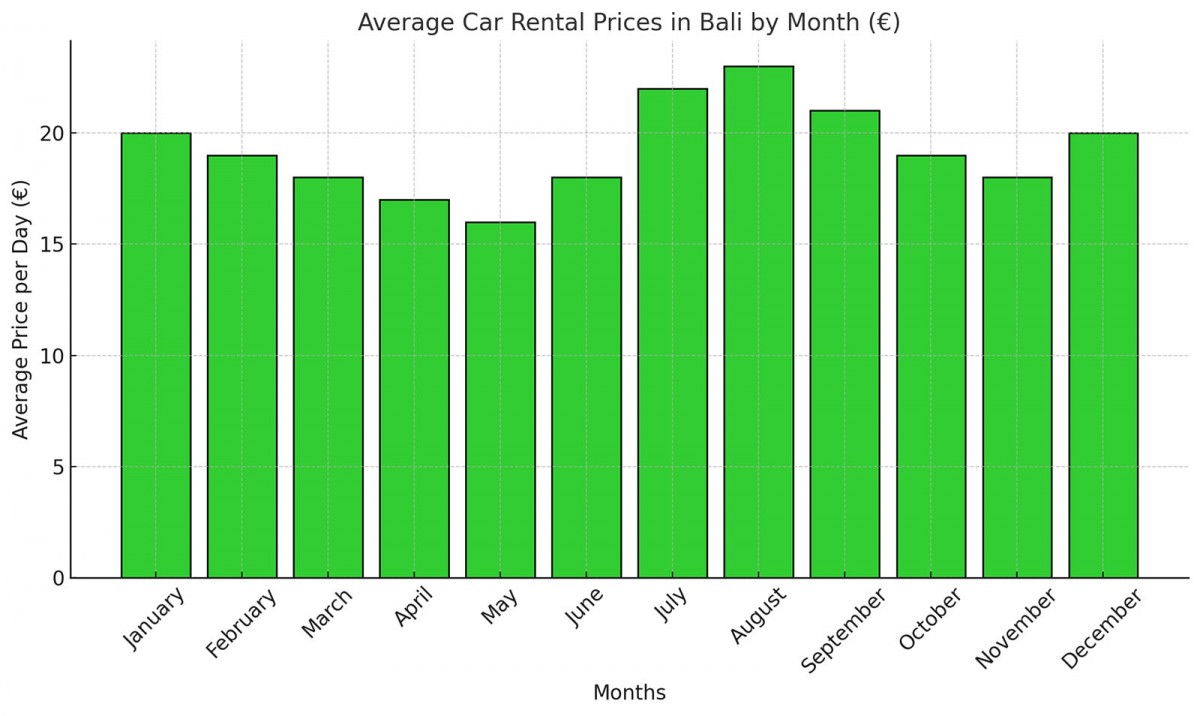
Average Car Rental Prices by Month
Car rental prices in Bali can vary significantly depending on the season. Here's a general overview of average daily rental rates for a standard car throughout the year:
- January: $30-$40 (post-holiday season, prices start to decrease)
- February: $25-$35 (low season, good deals available)
- March: $25-$35 (still low season)
- April: $30-$40 (prices start to increase as peak season approaches)
- May: $35-$45 (beginning of peak season)
- June: $40-$50 (peak season, higher demand)
- July: $45-$55 (peak season continues)
- August: $50-$60 (highest prices, busiest month)
- September: $40-$50 (prices begin to decrease)
- October: $35-$45 (shoulder season)
- November: $30-$40 (low season returns)
- December: $35-$45 (prices increase for holiday season)
These prices are approximate and can vary based on factors such as the specific rental company, type of vehicle, and any ongoing promotions. Booking in advance, especially for peak season rentals, can often secure better rates.
Tips for a Smooth Car Rental Experience in Bali
To ensure your car rental experience in Bali is as smooth as possible, consider the following tips:
- Book in advance: Especially during peak season, booking early can guarantee availability and better rates.
- Inspect the vehicle: Before accepting the car, thoroughly check for existing damage and ensure it's documented.
- Familiarize yourself with the vehicle: Take a few minutes to understand the car's controls and features before setting off.
- Use GPS or offline maps: Bali's roads can be confusing, so reliable navigation is essential.
- Park safely: Always try to park in designated areas or secure locations to avoid theft or damage.
- Keep important numbers handy: Save the rental company's contact information and emergency services numbers.
- Respect local customs: Be aware of cultural events or ceremonies that may affect traffic, especially in rural areas.
- Stay calm in traffic: Bali's traffic can be chaotic; maintain patience and drive defensively.
- Avoid driving at night: If possible, plan your trips during daylight hours when visibility is better.

Alternatives to Car Rental in Bali
While renting a car offers great flexibility, it's not the only option for getting around Bali. Consider these alternatives:
- Scooter rental: More affordable and easier to navigate through traffic, but requires extra caution.
- Private driver: Hire a local driver who knows the roads well, allowing you to relax and enjoy the scenery.
- Ride-hailing apps: Services like Grab are available in Bali and can be convenient for shorter trips.
- Organized tours: Many tour operators offer day trips to popular destinations around the island.
- Public transportation: While limited, public buses can be an option for budget travelers on certain routes.
Each option has its pros and cons, so consider your itinerary, budget, and comfort level when deciding how to get around Bali.
Renting a car in Bali can greatly enhance your travel experience, allowing you to explore the island's diverse landscapes and hidden gems at your own pace. By understanding the local driving conditions, choosing the right rental company, and being aware of the legal requirements and insurance options, you can ensure a safe and enjoyable journey through this tropical paradise. Remember to respect local traffic laws and customs, and always prioritize safety on the road. With proper preparation and a sense of adventure, your self-drive experience in Bali is sure to create lasting memories.
The statistics is provided by Cars-Scanner and you can check the actual car rental prices in Bali here https://cars-scanner.com/en/airport/bali_airport_denpasar_car_rental.htm.