Berlin, the vibrant capital of Germany, is a city that begs to be explored. While public transportation is efficient, renting a car can provide you with the freedom to discover the city and its surroundings at your own pace. This comprehensive guide will walk you through everything you need to know about renting a car in Berlin, ensuring a smooth and enjoyable experience.

Understanding the Car Rental Process in Berlin
Renting a car in Berlin is a straightforward process, but it's essential to understand the basics to avoid any surprises. Most major international car rental companies operate in Berlin, alongside local providers. You can typically rent a car at the airport, train stations, or various locations throughout the city.
To rent a car in Berlin, you'll need:
- A valid driver's license from your home country
- An International Driving Permit (IDP) if your license is not in English or German
- A credit card in the main driver's name for the security deposit
- Proof of identity (passport for international visitors)
- To be at least 21 years old (some companies require drivers to be 25 or older)
It's advisable to book your rental car in advance, especially during peak tourist seasons, to ensure availability and potentially secure better rates.
Choosing the Right Car for Your Needs
Berlin offers a wide range of vehicles to suit different needs and preferences. Consider the following factors when selecting your rental car:
- Size of your group and amount of luggage
- Type of trips you plan to take (city driving vs. long-distance travel)
- Fuel efficiency and environmental impact
- Comfort and features
- Budget constraints
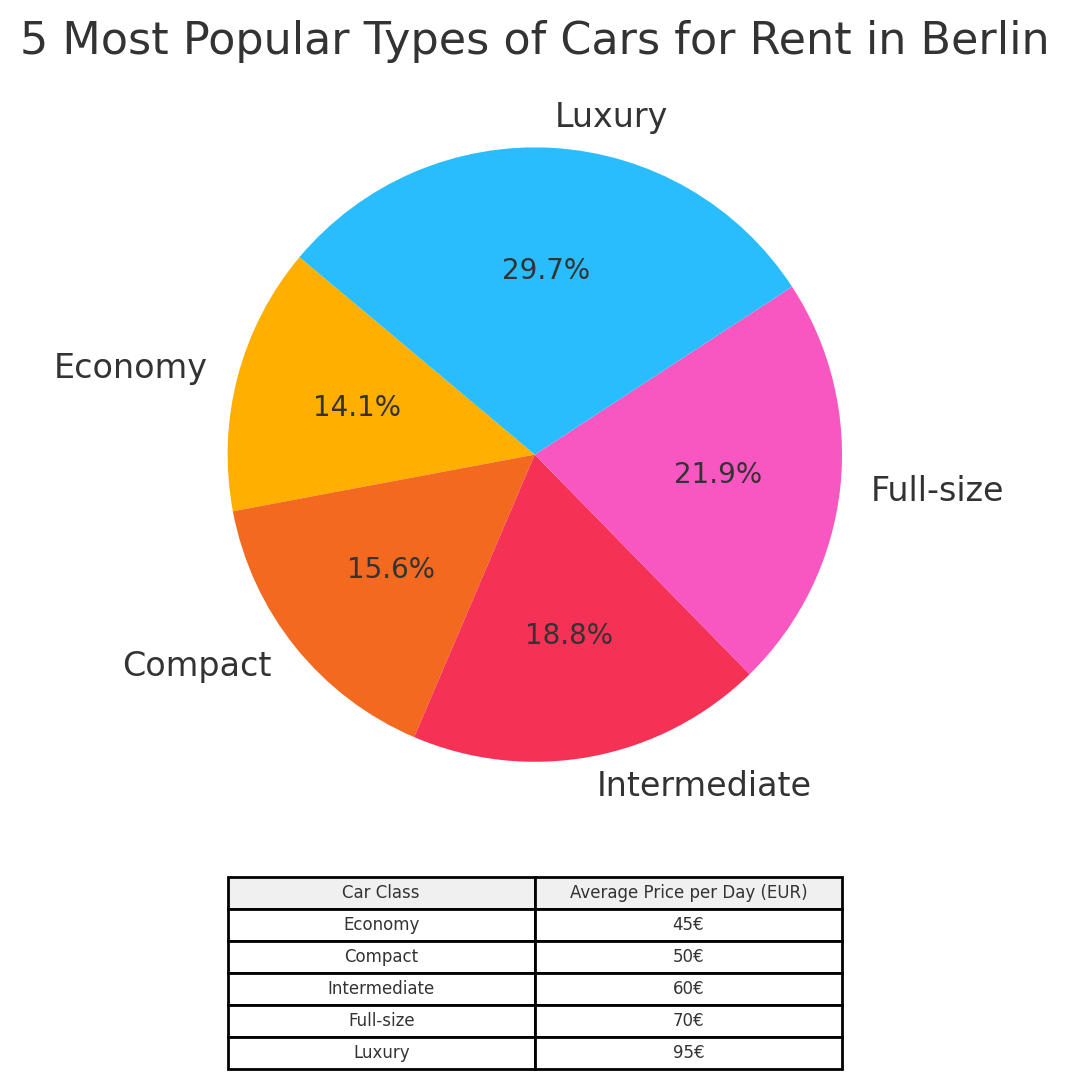
Popular car categories in Berlin include:
- Economy: Ideal for solo travelers or couples, perfect for city driving
- Compact: Suitable for small families or groups, offering a balance of space and fuel efficiency
- Mid-size: Comfortable for longer trips and larger groups
- SUV: Great for exploring the countryside or traveling with lots of luggage
- Luxury: For those seeking a premium driving experience
Remember that manual transmission cars are more common in Europe, including Germany. If you prefer an automatic, be sure to specify this when booking.

Navigating Berlin's Traffic and Parking
Driving in Berlin can be challenging, especially for those unfamiliar with European traffic rules. Here are some key points to keep in mind:
- Drive on the right side of the road
- Seatbelts are mandatory for all passengers
- It's illegal to use a handheld mobile phone while driving
- The speed limit is typically 50 km/h in urban areas, unless otherwise indicated
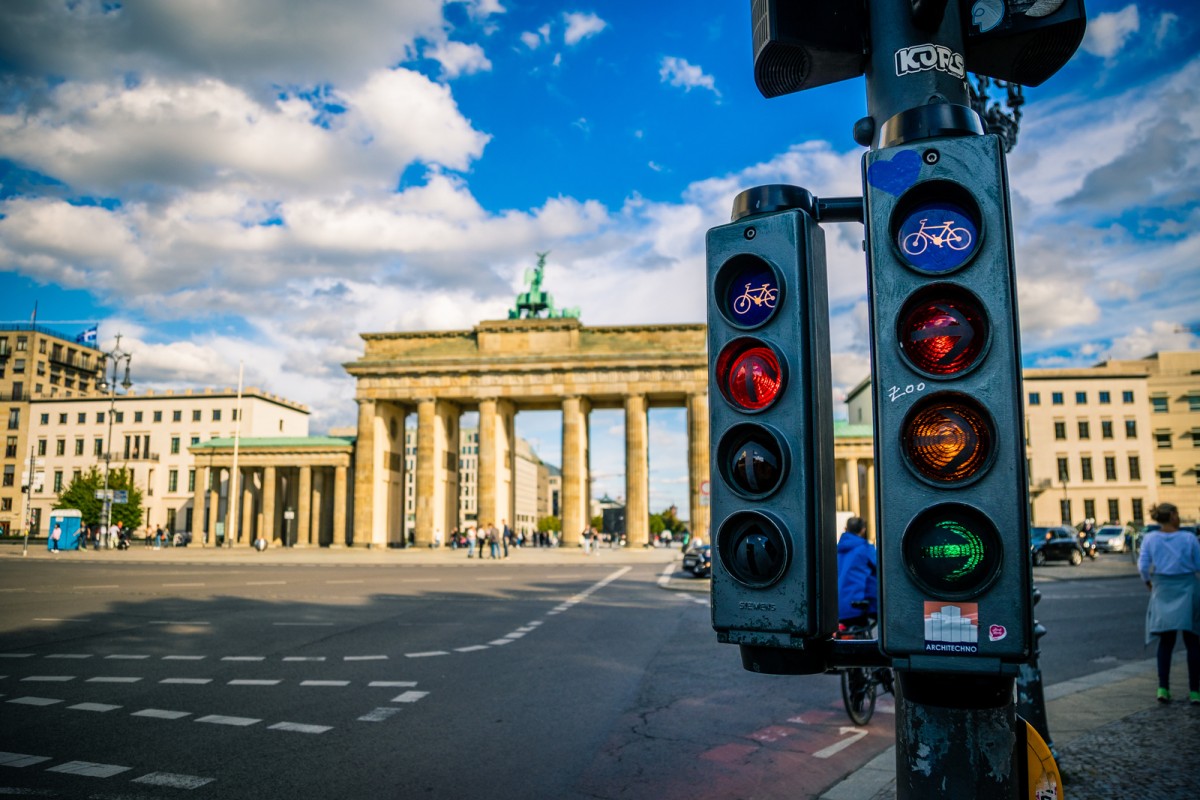
- Many intersections use the "right before left" rule, where vehicles coming from the right have the right of way
Parking in Berlin can be tricky, especially in the city center. Look for these parking zones:
- Blue zones: Short-term parking, requires a parking disc
- White zones: Free parking, but often time-limited
- Yellow zones: No parking allowed
Consider using parking garages or park-and-ride facilities on the outskirts of the city to avoid the stress of finding street parking.
Insurance and Additional Coverage Options
When renting a car in Berlin, basic insurance is typically included in the rental price. This usually covers:
- Third-party liability insurance
- Collision Damage Waiver (CDW)
- Theft Protection (TP)
However, these basic coverages often come with a high excess (deductible). To reduce your financial risk, consider purchasing additional coverage options:
- Super CDW: Reduces or eliminates the excess for damage to the rental car
- Personal Accident Insurance (PAI): Covers medical expenses for the driver and passengers
- Roadside Assistance: Provides help in case of breakdowns or accidents
Remember to read the terms and conditions carefully and ask the rental company about any uncertainties regarding insurance coverage.

Fuel Policies and Refueling Options
Understanding the fuel policy of your rental car is crucial to avoid unexpected charges. Common fuel policies in Berlin include:
- Full-to-Full: You receive the car with a full tank and must return it full
- Full-to-Empty: You pay for a full tank upfront and can return the car empty
- Pre-purchase with Partial Refund: You buy a full tank and get refunded for unused fuel
The Full-to-Full policy is often the most economical option, provided you remember to refuel before returning the car. When refueling, be aware that German gas stations typically offer:
- Benzin (gasoline): Available in 95 and 98 octane
- Diesel: Commonly used in many European cars
Always double-check which fuel type your rental car requires to avoid costly mistakes.
Exploring Beyond Berlin: Road Trip Ideas
One of the great advantages of renting a car in Berlin is the ability to explore the surrounding regions. Here are some popular road trip destinations from Berlin:
- Potsdam: Just 35 km southwest of Berlin, known for its palaces and gardens
- Saxon Switzerland National Park: About 230 km south, offering stunning sandstone formations and hiking trails
- Baltic Sea Coast: Approximately 250 km north, with beautiful beaches and seaside resorts
- Dresden: Around 190 km south, famous for its baroque architecture and cultural attractions
- Spreewald: About 100 km southeast, a unique biosphere reserve with a network of canals
When planning your road trip, consider factors such as driving time, road conditions, and potential tolls. While Germany's autobahns are famous for their lack of speed limits in some sections, always prioritize safety and adhere to posted speed limits where applicable.
Average Car Rental Prices by Month
Car rental prices in Berlin can vary significantly depending on the time of year. Understanding these fluctuations can help you budget and potentially save money on your rental. Here's a general overview of average car rental prices by month:
- January and February: These winter months typically offer the lowest prices, with average daily rates ranging from €25 to €40 for economy cars.
- March and April: Prices begin to rise as spring approaches, with daily rates averaging €30 to €50.
- May and June: The start of the tourist season sees further increases, with prices ranging from €40 to €60 per day.
- July and August: Peak summer season brings the highest prices, often €50 to €80 or more per day.
- September and October: Prices start to decrease but remain relatively high, averaging €40 to €60 daily.
- November and December: Rates drop again, except for the period around Christmas and New Year's, with average prices between €30 and €50 per day.
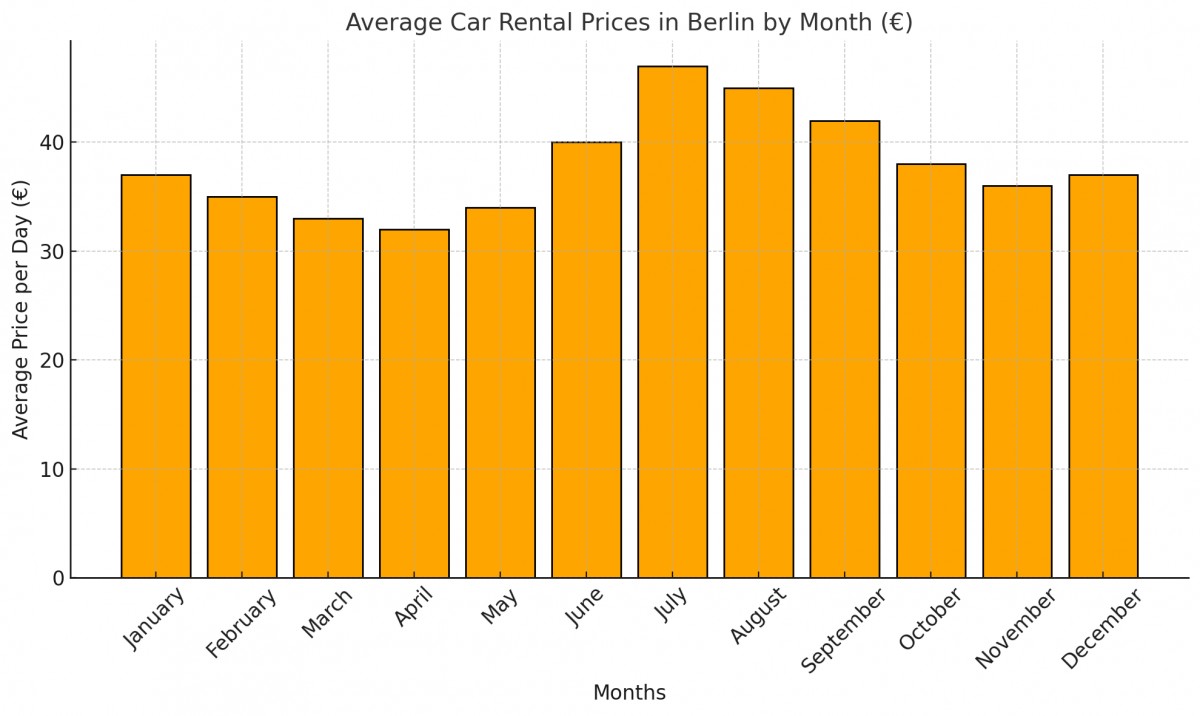
Keep in mind that these are general trends, and actual prices can vary based on factors such as car type, rental duration, and demand. Booking in advance and comparing prices across different providers can often lead to better deals.
Tips for a Smooth Car Rental Experience in Berlin
To ensure your car rental experience in Berlin is hassle-free, consider these additional tips:
- Book early: Especially during peak seasons, to secure better rates and ensure availability
- Read the contract carefully: Pay attention to terms, conditions, and any potential extra fees
- Inspect the car thoroughly: Before driving off, check for existing damage and ensure it's documented
- Familiarize yourself with the car: Take a few minutes to understand the controls and features
- Keep important numbers handy: Save the rental company's contact information and emergency services numbers
- Plan your routes: Use a GPS or smartphone app to navigate Berlin's streets efficiently
- Be aware of environmental zones: Some areas of Berlin require vehicles to have a special emissions sticker
Returning Your Rental Car
When it's time to return your rental car in Berlin, keep these points in mind:
- Allow enough time for the return process, especially if you need to catch a flight
- Refuel the car if required by your rental agreement
- Remove all personal belongings from the vehicle
- Perform a final inspection of the car with a rental company representative
- Keep your rental agreement and return receipt until any pending charges are resolved
Many rental companies offer after-hours return options, but be sure to understand the procedure and any associated risks or fees.
Conclusion
Renting a car in Berlin can greatly enhance your travel experience, offering flexibility and the opportunity to explore beyond the city limits. By understanding the rental process, choosing the right vehicle, and being aware of local driving conditions and regulations, you can ensure a smooth and enjoyable journey. Whether you're navigating the streets of Berlin or venturing into the beautiful German countryside, a rental car provides the freedom to create your own adventure at your own pace.
Remember to compare prices, read reviews, and book in advance to secure the best deals. With proper planning and these essential guidelines in mind, your car rental experience in Berlin is sure to be a positive part of your German adventure.
The statistics on average car rental prices are provided by Cars-Scanner. You can check the actual car rental prices in Berlin here.