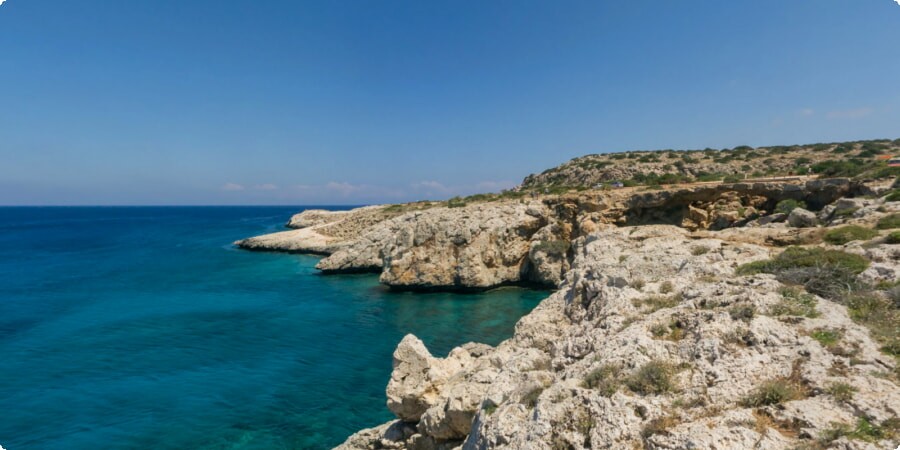
Oslo is a good city for coffee, galleries, and the kind of evenings where the light refuses to leave. But it’s also a starting line. Give it a morning and it will hand you roads that tilt toward water, cliffs, fruit orchards, and ferries that feel like small moving balconies. If you’re craving a fjord escape, the question isn’t “can I?” - it’s “which direction first?”
- Section 1: Before You Leave - Choose a Fjord Mood, Not a Checklist
- Section 2: The “Near Fjord” Escape - Drøbak and the Oslofjord Islands
- Section 3: Hardangerfjord - Orchards, Waterfalls, and Roads That Smell Like Apples
- Section 4: Sognefjord and Flåm - The Classic Route, Done in a More Personal Way
- Section 5: Telemark - Canal Water, Forest Roads, and a Fjord Feeling Without the Fjord Crowds
- Section 6: A Different Starting Point - Fjords from Trondheim
Section 1: Before You Leave - Choose a Fjord Mood, Not a Checklist
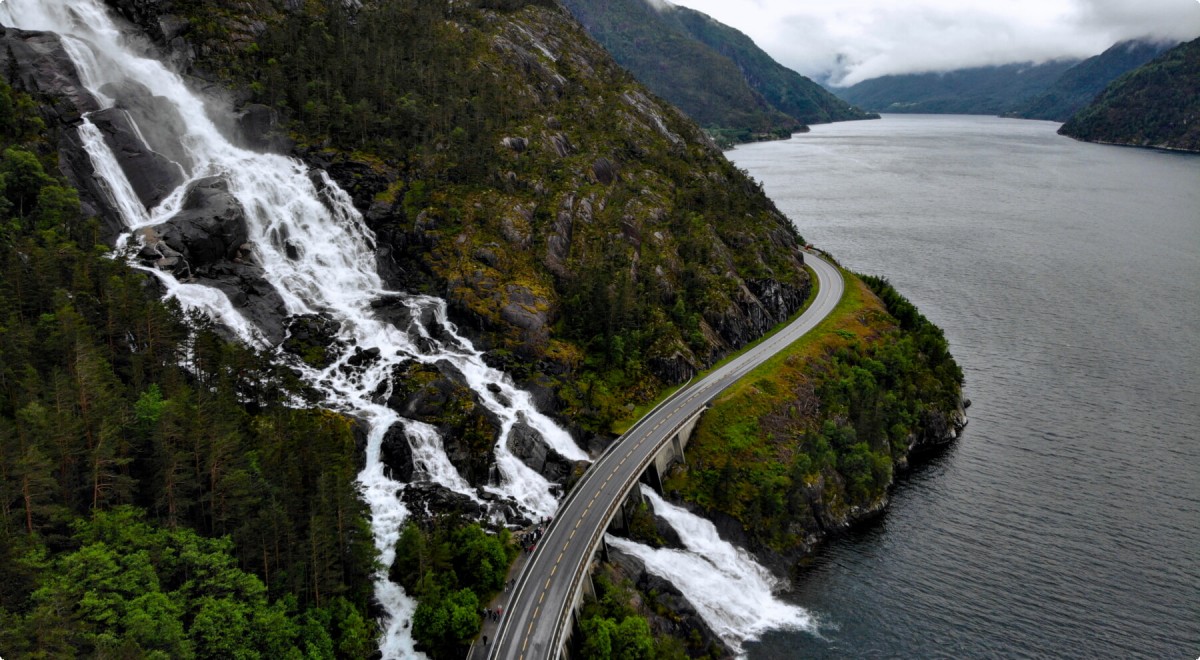
Fjords are often sold like a single product: “dramatic.” But that’s like saying bread is “carby.” There are gentle fjords where the water looks poured from a bottle, and there are sharp ones where the mountains rise like a row of teeth. From Oslo, you can chase either. The trick is to decide what you want to feel when you arrive: calm, awe, or that slightly dizzy mix of both.
One practical thing helps more than any itinerary: freedom to stop when the landscape suddenly changes its mind. The best viewpoint is sometimes not a platform - it’s the lay-by where you hear sheep bells and your engine ticks itself cool. If you want that kind of day, consider renting a car in Oslo and treating the first hour out of the city as a slow exhale.
A small packing list that isn’t obvious

- A thin wool layer even in summer - fjord air can feel like someone opened a fridge door.
- A thermos for coffee or tea; sitting by water is nicer when your hands are warm.
- Snacks that don’t crumble (you’ll eat them one-handed at scenic stops).
- Offline maps - some valleys keep their signal like a secret.
Also, don’t overbook yourself. In Norway, a “two-hour drive” has a habit of becoming four, because you keep pulling over. And because ferries run on their own logic, not yours. This is not a problem, it’s the point.
Plan only three “musts” for the day, and let everything else be optional. It keeps you relaxed but still gives your trip a backbone when the weather shifts or you linger too long by the water.
- Pick one main fjord or valley as your anchor.
- Choose one viewpoint you’d regret missing.
- Decide on one meal stop (or grocery run) so you don’t end up hungry and grumpy.
- Leave the rest to chance - detours are Norway’s best feature.
Now, where do you actually go? Let’s start close, where the sea breeze is mild and the distances don’t ask much of you.
Section 2: The “Near Fjord” Escape - Drøbak and the Oslofjord Islands
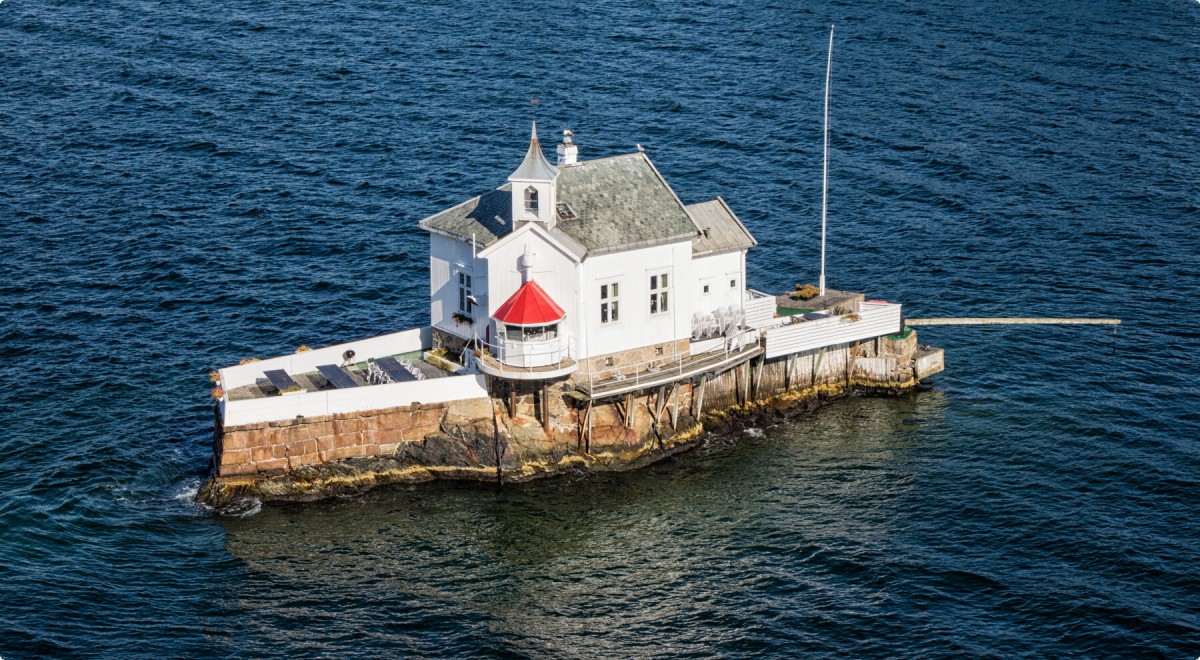
You don’t have to cross half the country to get that water-and-rock feeling. The Oslofjord is not the giant, postcard-famous fjord, but it has a quieter charm - like a local bakery compared to a touristy cake shop. Drive south and you’ll reach Drøbak, a small town that smells faintly of salt and waffles, with wooden houses that look politely cared for.
Drøbak works when you want a fjord day without the long-haul commitment. You can sit by the harbor and watch boats move like slow punctuation marks across the water. Or you can take a ferry out toward the islands and feel the temperature drop a notch as soon as you leave the mainland.
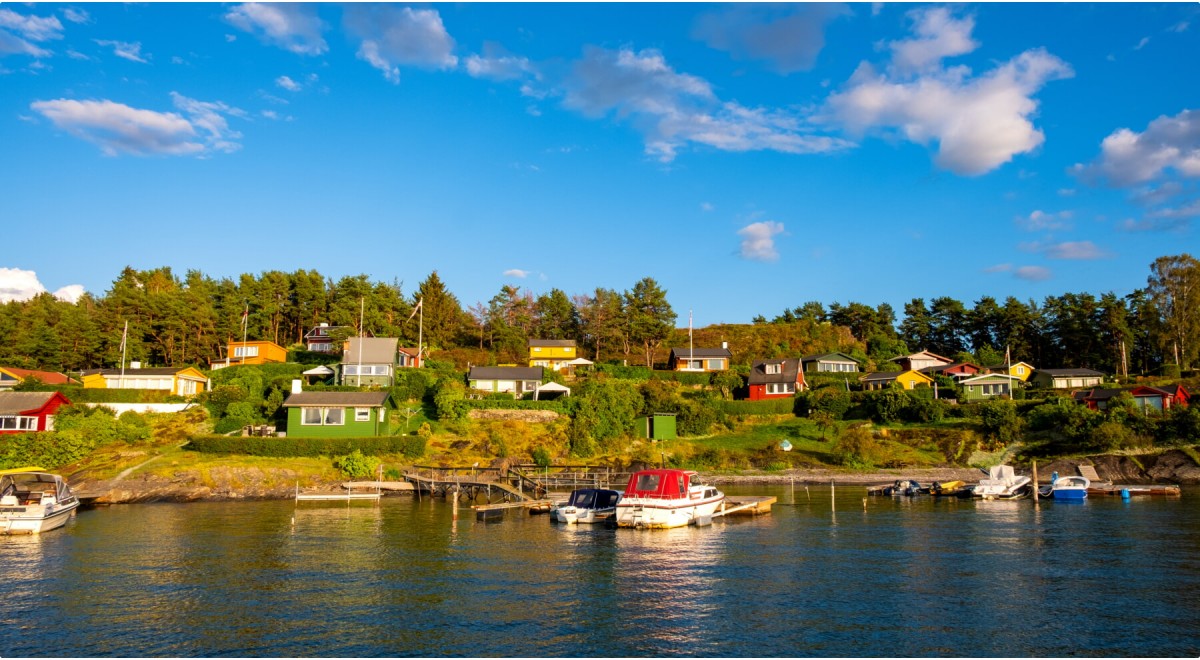
If you want a simple navigation point, use Drøbak, Norway and let yourself arrive without rushing. The town is walkable, and the best moments are small: kids jumping off a pier, gulls arguing above the fish stalls, someone cycling past with groceries in a basket like it’s 1958.
In the morning the Oslofjord can look silvery and thin, like a sheet pulled tight. By evening it turns darker and softer, and the whole place feels more private - even on weekends.
From here, you’ll understand something important: fjord time is different. It’s less about “seeing everything” and more about letting the water reset your head. And once you’ve tasted that, the bigger fjords start calling.
Section 3: Hardangerfjord - Orchards, Waterfalls, and Roads That Smell Like Apples
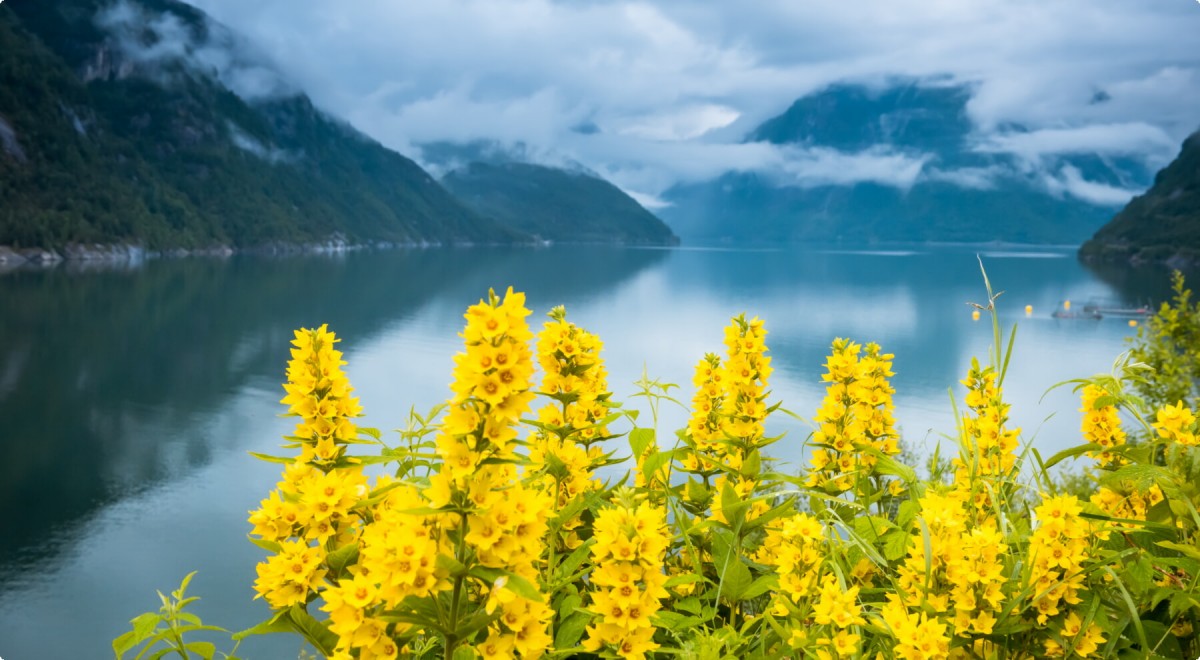
Hardangerfjord is the fjord you reach when you want nature with a human touch. It’s not just cliffs and water; it’s also farms, fruit trees, and small villages where the rhythm is slow but not sleepy. In spring, blossoms scatter across the hillsides like confetti. In late summer, the air can literally smell of apples, especially after a warm day when the orchards hold onto heat.
From Oslo, many travelers head west via the mountains toward Voss and then down to the fjord branches. The drive changes character in stages: city to forest, forest to high plateau, plateau to a sudden drop where waterfalls start showing off. It’s the kind of shift that makes you turn the music down without thinking.
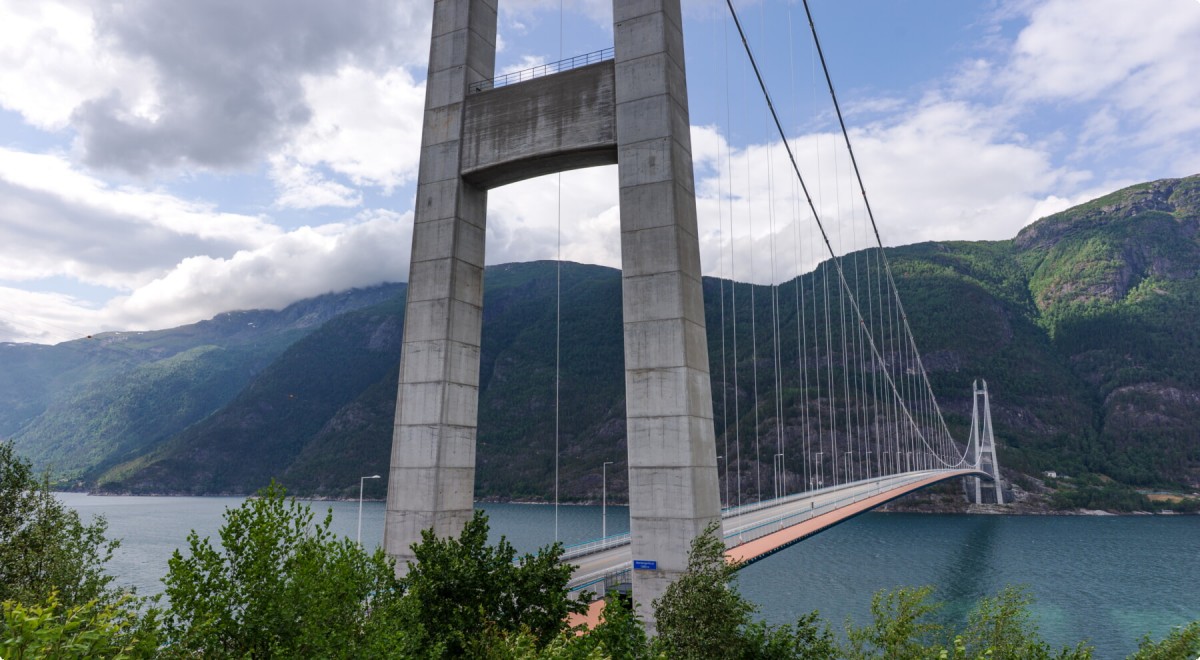
Hardanger is also forgiving. You can build a trip that’s a simple loop, or you can meander. You can spend a night near the water and wake up to a surface so still it reflects the mountains with annoying perfection. Or you can treat it as a long day out - ambitious, yes, but doable if you start early and don’t fight the pace.
Somewhere along these roads, you’ll pass old churches, tunnels that feel like short films, and maybe a roadside stand with strawberries that taste like they were engineered. If you’re the kind of traveler who likes history that you can touch, consider a detour to Borgund Stave Church. It’s not in Hardanger itself, but it’s the sort of place that changes how you see the landscape - suddenly the mountains look older, and so do you, in a good way.
Hardangerfjord doesn’t demand drama. It offers it anyway, then gives you a bench, a quiet bay, and time to breathe. It’s a fjord escape for people who like their beauty with a side of everyday life: farm dogs, ferry commuters, and rain that comes and goes like mood lighting.
Section 4: Sognefjord and Flåm - The Classic Route, Done in a More Personal Way
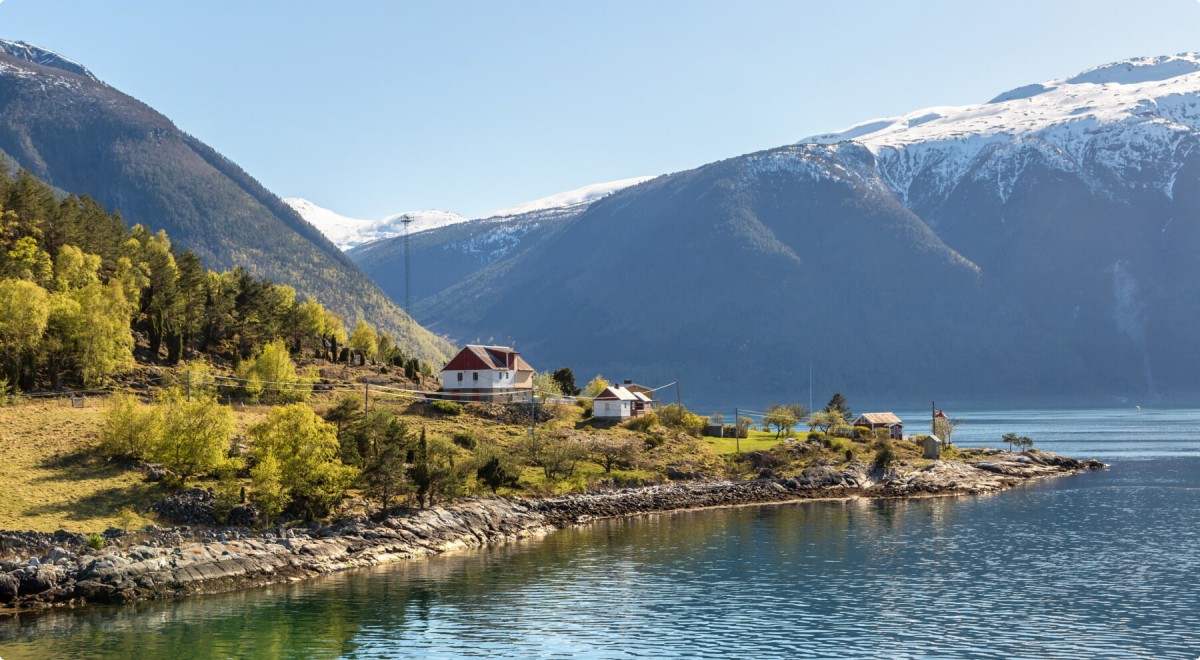
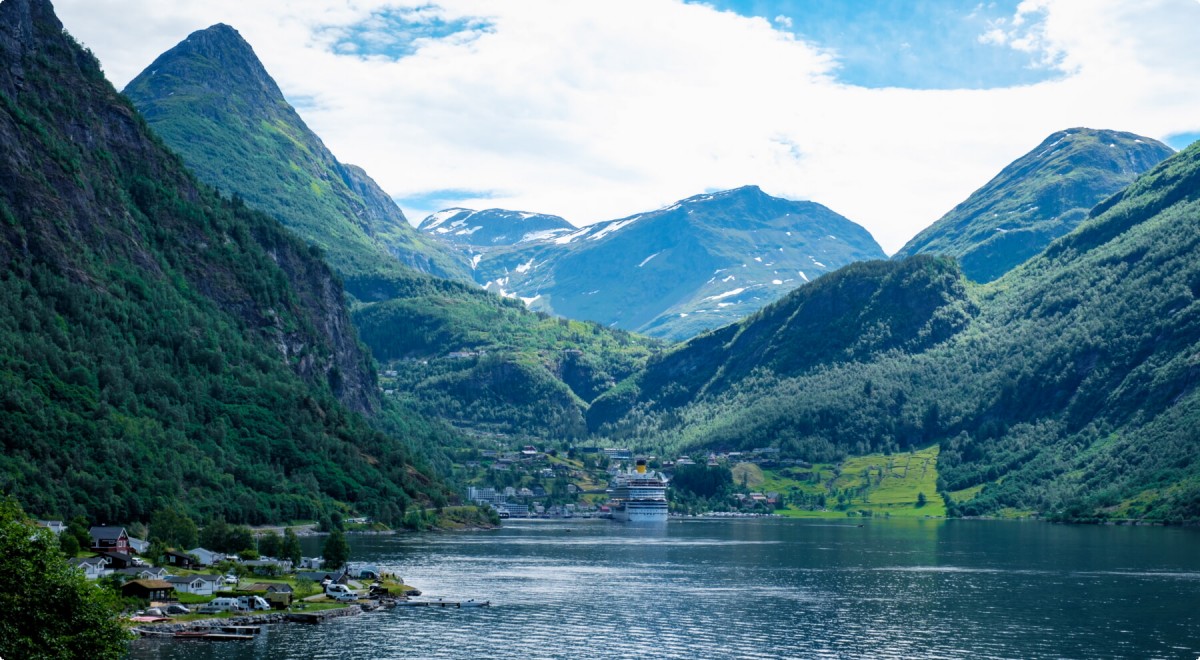
Sognefjord is the heavyweight. It’s Norway’s longest and deepest fjord system, and it has that “how is this real?” energy that makes even confident adults go quiet. Most people aim for Flåm, and yes - it can be busy. But it doesn’t have to feel packaged, not if you approach it sideways.
First, think in layers. Flåm itself is a small place where cruise crowds can appear like a weather event, then vanish. But the surrounding area - Aurland, the smaller roads above the fjord, the farms tucked into folds of land - is where the trip becomes yours. The best moments might happen when you’re not “doing” anything at all: you’re just standing still, listening to water lap against stones, hearing distant birds and an occasional car door closing somewhere far off.
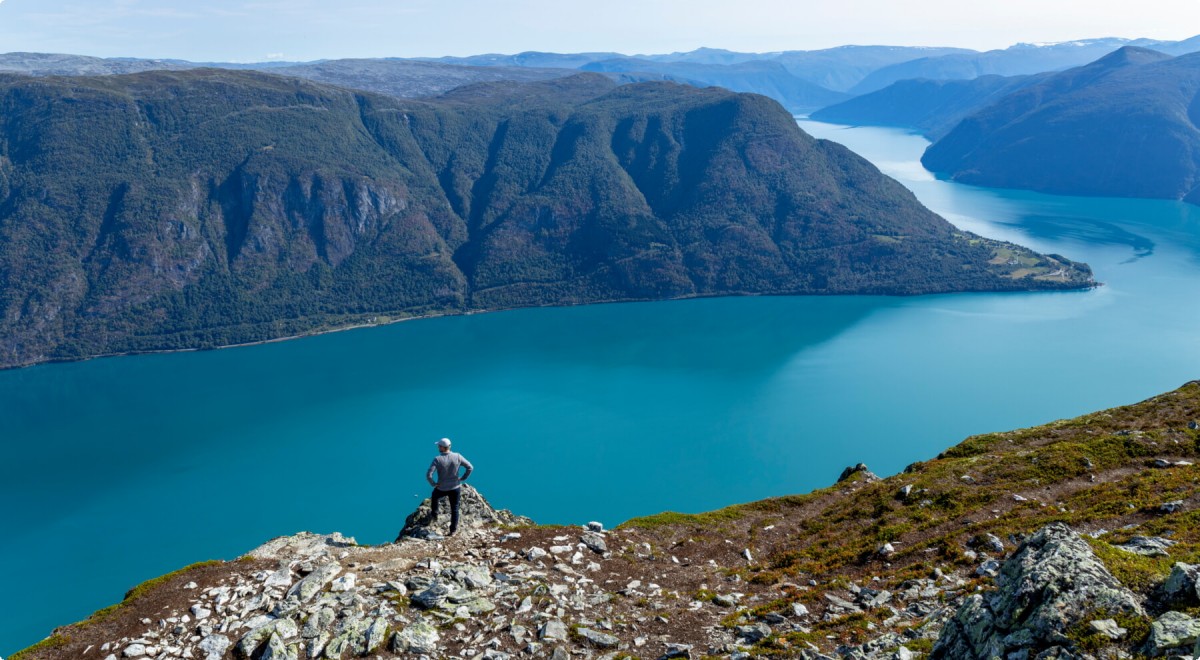
Three ways to make Flåm feel less like a postcard queue
- Go upward: take the steep roads to viewpoints and let the crowds stay near the waterline.
- Go sideways: base yourself in a nearby village and visit Flåm briefly, not as a full-day commitment.
- Go slow: arrive early or late, when the fjord feels like it’s exhaling.
Between those approaches, you’ll find your own version of Sognefjord. Maybe it’s a picnic that tastes better because you’re slightly cold. Maybe it’s the way the mountains throw shadows across the water like curtains.
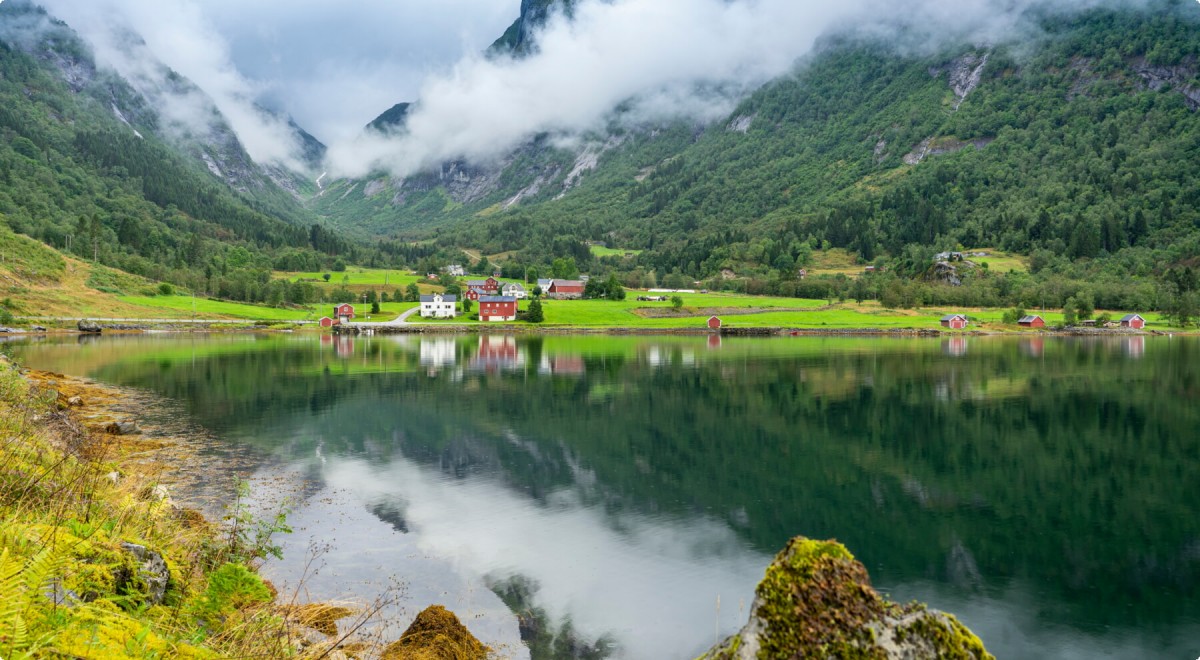
Sognefjord is so intense that after a while your brain stops processing it properly. Build in ordinary breaks - a grocery stop, a short walk, a quiet coffee - so the big views keep their impact.
If you want a headline experience that still feels surprisingly intimate, the Flåm Railway is worth it. Not because it’s “famous,” but because it compresses a lot of Norway into a single ride: waterfalls, steep valleys, tiny farms that look glued to the hillsides. You’ll watch the landscape change the way you watch a kettle begin to boil - slowly, then all at once.
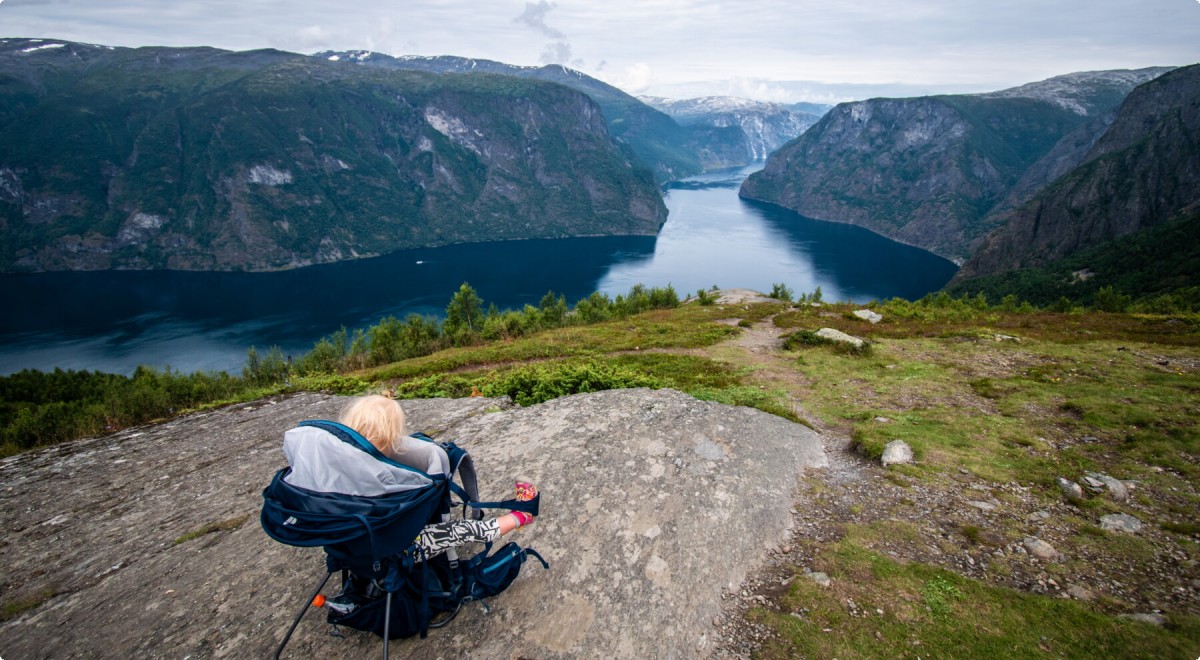
For one of the most talked-about panoramas in the region, point your map to Stegastein Viewpoint, Aurland. The platform floats above the fjord like a diving board for your eyes. Stand there long enough and you’ll notice a small thing: the fjord isn’t one color. It shifts between green, slate, and a deep blue that looks almost inked in.
And if you’re worrying about making the “perfect route” - don’t. Do the obvious road once, then take a smaller one the next day. Stop for cinnamon buns. Watch the way rain slides down the windshield in thin, vertical lines, and how the mountains still look sharp through it. Norway is generous like that.
Section 5: Telemark - Canal Water, Forest Roads, and a Fjord Feeling Without the Fjord Crowds
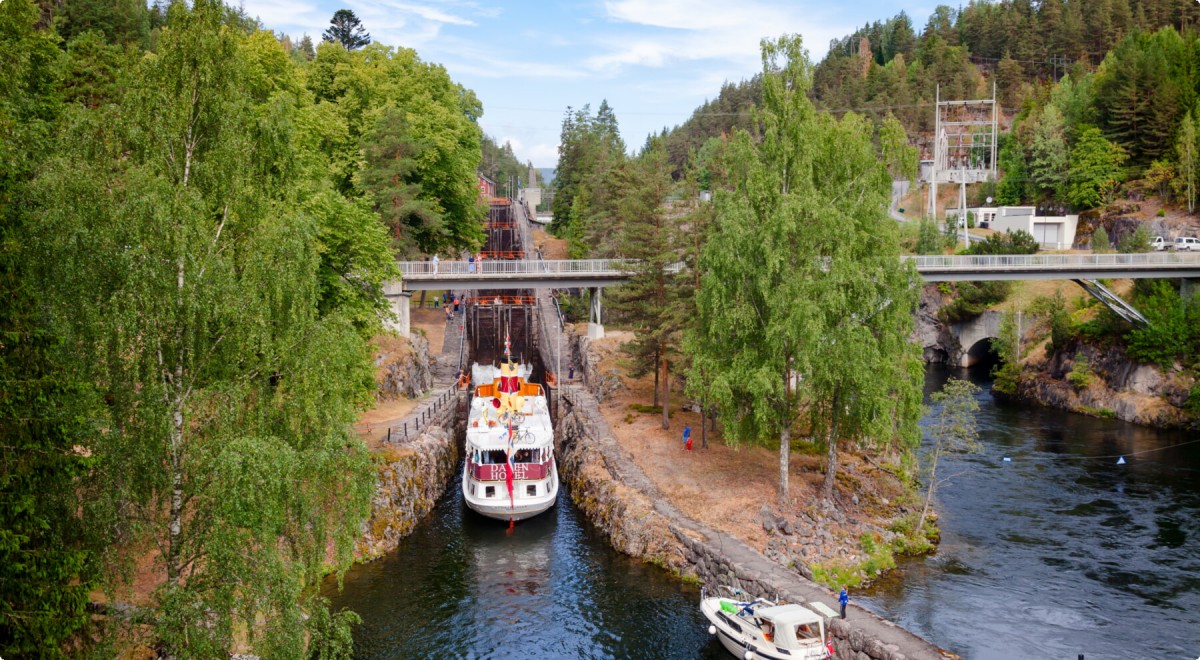
Here’s a left-field idea: if you want water scenery and calm, but you’re not in the mood for the classic west-coast pilgrimage, go toward Telemark. It’s not a fjord region in the strict sense, but it scratches a similar itch. You still get dark water, steep green slopes, and that sense of being held inside a landscape rather than looking at it from the outside.
Telemark’s charm is quieter, almost domestic. You pass lakes where the surface is dotted with small ripples like someone brushed it with a fingertip. Forests that smell of damp pine. Little towns where people aren’t performing “tourism,” they’re just living. It can feel like stepping into someone’s calm weekend - and borrowing it for a day.
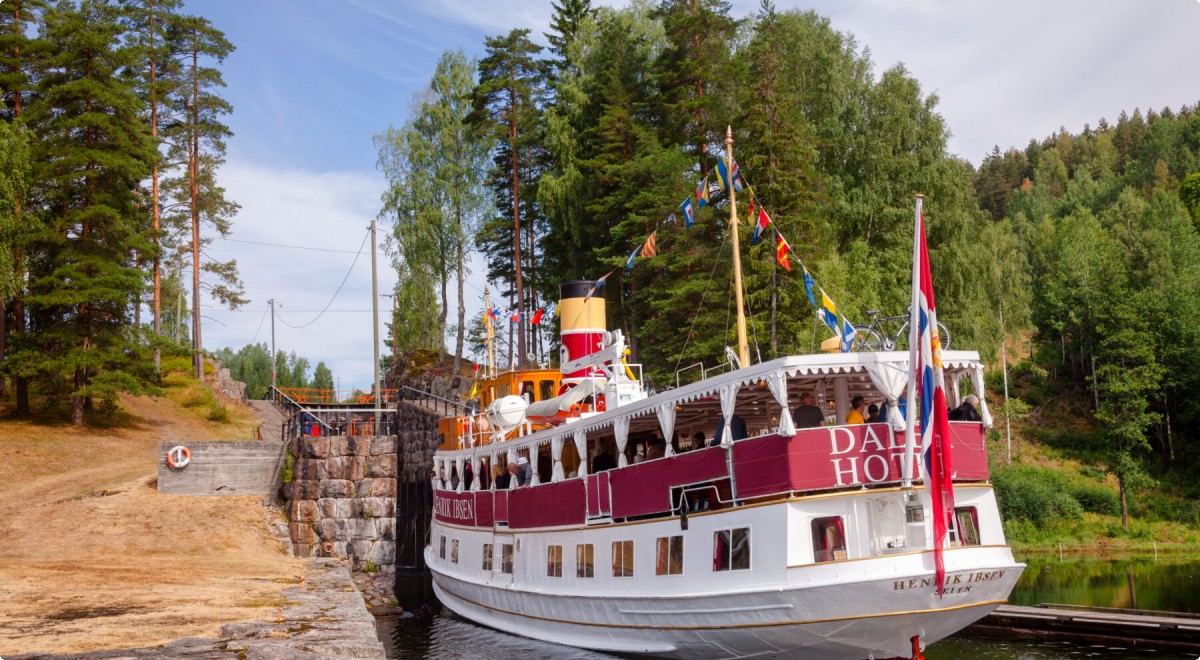
The canal is the spine of the area, and it gives the trip a gentle structure. Even if you don’t take a boat, just being near the locks and waterworks is strangely soothing. It’s practical beauty: water doing a job, but still looking poetic. If you want a clear landmark to aim at, try Telemark Canal, Skien and build your day around wandering rather than “ticking off” sights .
Choose Telemark if you want space. The views are softer, yes, but you’ll often have them to yourself, and that changes everything - you hear more, you notice more, you relax faster.
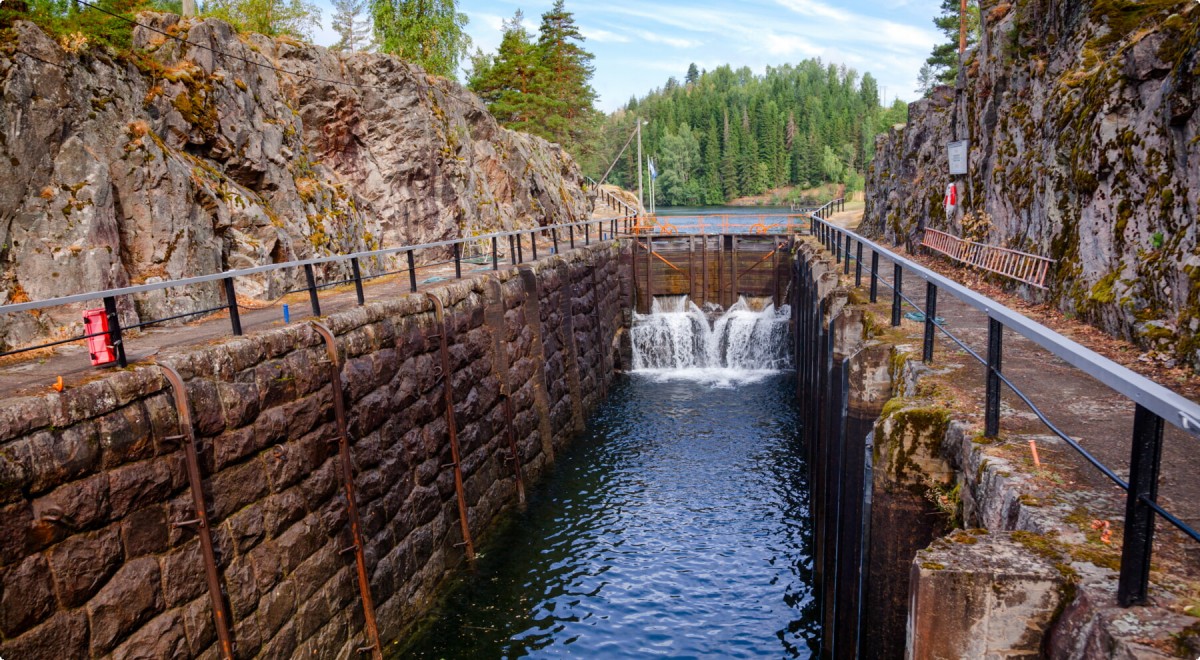
Telemark is also kind to travelers who like simple pleasures. A bakery stop, a lakeside bench, a short walk that doesn’t need hiking boots. It’s fjord-adjacent joy - less spectacle, more atmosphere, like turning down harsh lighting and letting the room feel warm.
Section 6: A Different Starting Point - Fjords from Trondheim (and the Roads Between)
Sometimes your Norway trip doesn’t begin in Oslo at all, or maybe you’re stitching together regions and want a second fjord chapter. Trondheim is a smart pivot. It sits far enough north that the light and the weather feel slightly different - a bit sharper, a bit cooler. From there, you can chase coastal roads, fjord inlets, and mountain passes without always following the most famous crowd currents.
If you’re flying in or repositioning your journey, arranging car rental at Trondheim Airport makes it easier to move on your own rhythm. That matters up here, where a “quick stop” can turn into an hour because the sky suddenly opens and the water turns metallic.
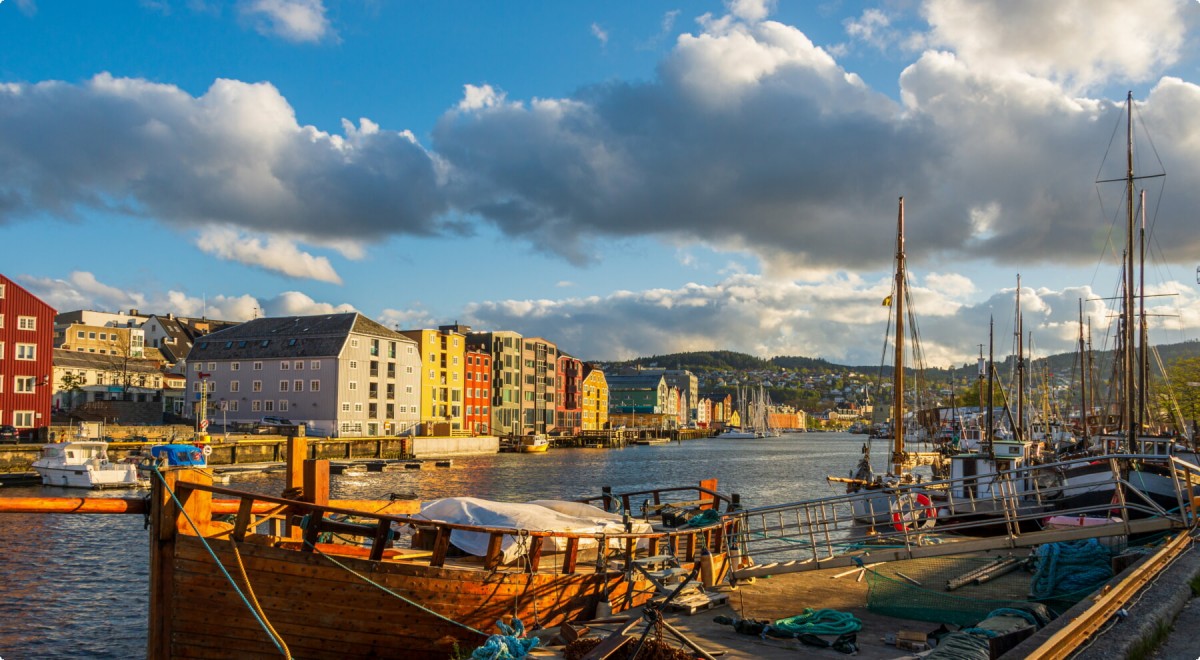
From Trondheim you can aim for fjord-like landscapes in several directions: west toward the coast where the sea behaves like a restless fjord cousin, or south-west into valleys that funnel you toward water. The scenery feels less curated, more lived-in. You’ll see fishing harbors, barns painted red against gray stone, and stretches of road where the only company is wind and a few stubborn birch trees.
And there’s something else: the human scale changes. In the west, famous fjord villages can feel like everyone arrived at the same time. In Trøndelag and nearby regions, you more often feel like a guest passing through someone’s everyday world. The grocery store is just a grocery store. The café is full of locals. The landscape, though - it still hits you in the chest when the road swings and suddenly, there’s water again.
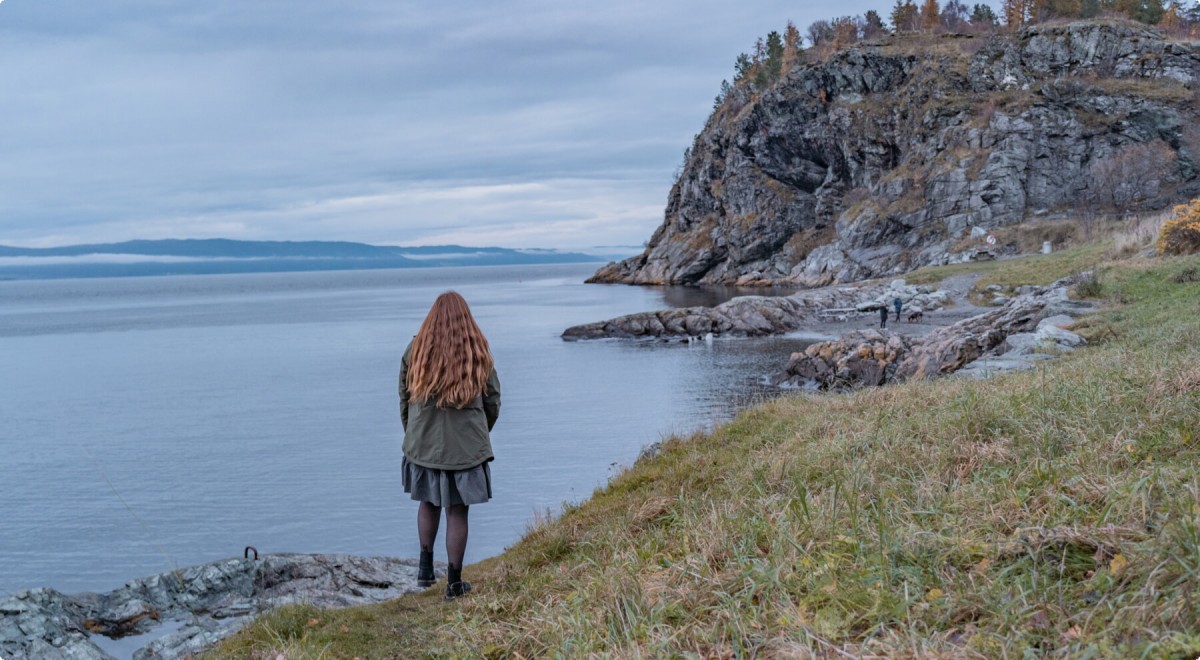
Don’t chase a perfect loop. Pick a direction, drive until you feel that “yes, this is it” moment, then turn back when you’re satisfied. It’s a surprisingly grown-up way to travel.
If you’re reading all this and thinking, “But which fjord is the best?” - you’re asking the wrong question. The best one is the one that matches your current state of mind. Some days you want the famous cliffs and the cinematic angles. Other days you want quiet water, a simple road, and the feeling that you could keep going without anyone telling you to stop.