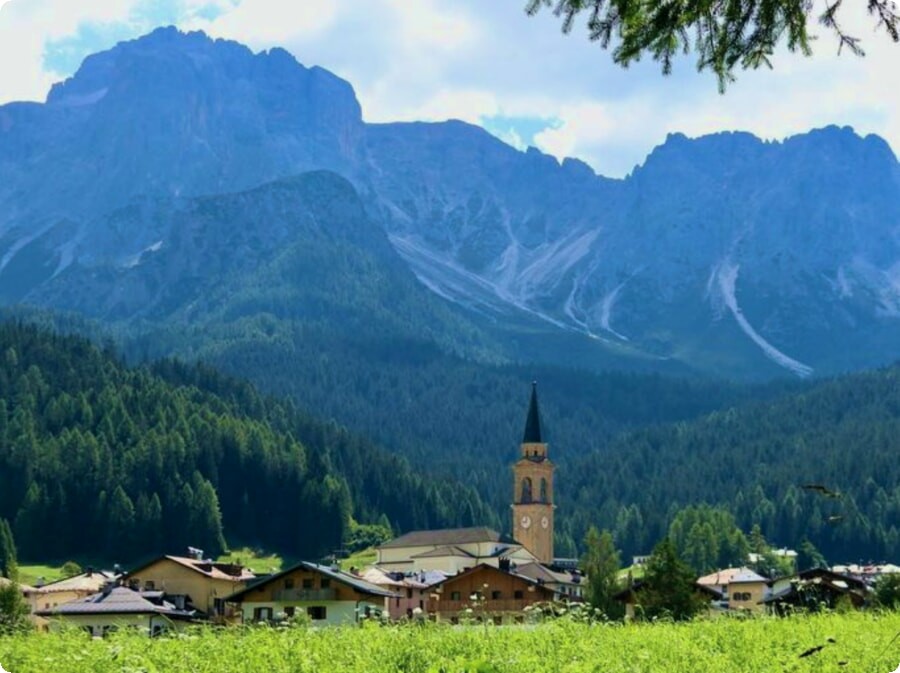
Lyon has a way of making you linger - a last espresso, a final look at the rivers folding around the city, the soft clink of a pastry fork. And then, almost without warning, the horizon starts to lift. This drive to the Alps isn’t just “getting there”. It’s a slow change of temperature, accent, and light, like turning a dial from silk to stone.
- Lyon, before the mountains
- Picking your road: three drives that feel like different movies
- The Annecy pause: water, light, and a gentle ascent
- When the road turns alpine: passes, weather, and quiet rules
- Stops that taste like the region: markets, cheese, and fuel
- Finish lines (or starting points): Chamonix, Tarentaise, Oisans
Lyon, before the mountains
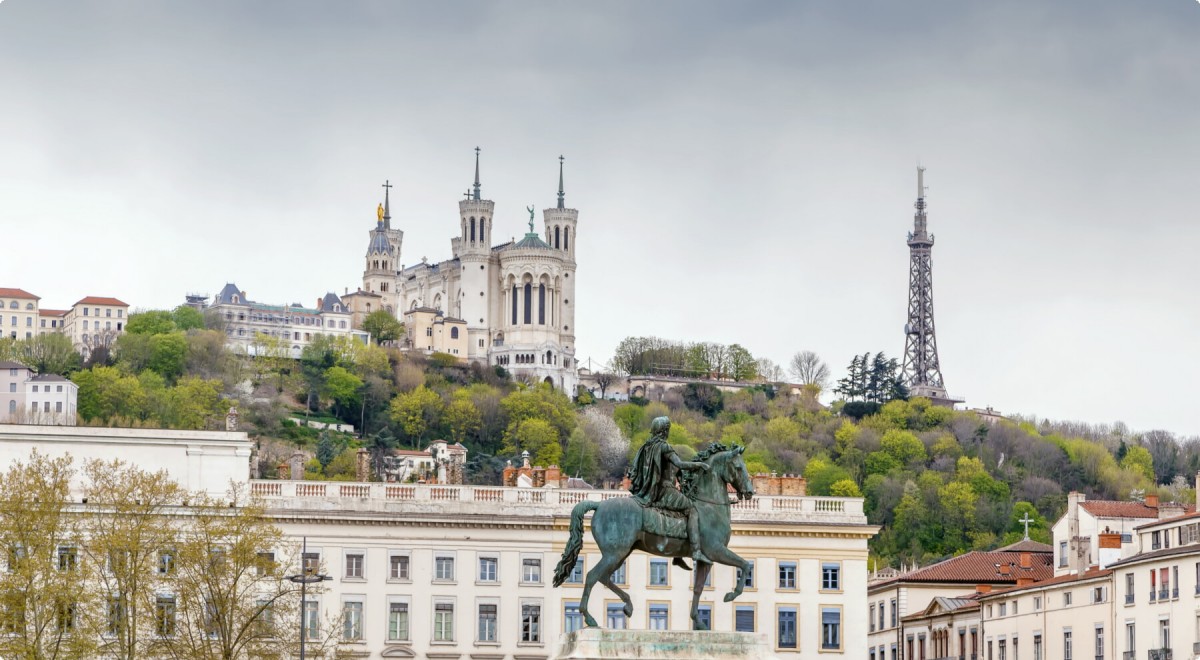
The best drive from Lyon to the Alps begins before you even touch the ignition. Give yourself ten calm minutes in the city - not for “sightseeing”, just to set the pace. Lyon is a practical place, but it’s also sensual: warm bread smell drifting out of a boulangerie, scooters zipping between lanes, the faint cold coming off the Saône when you cross a bridge early.
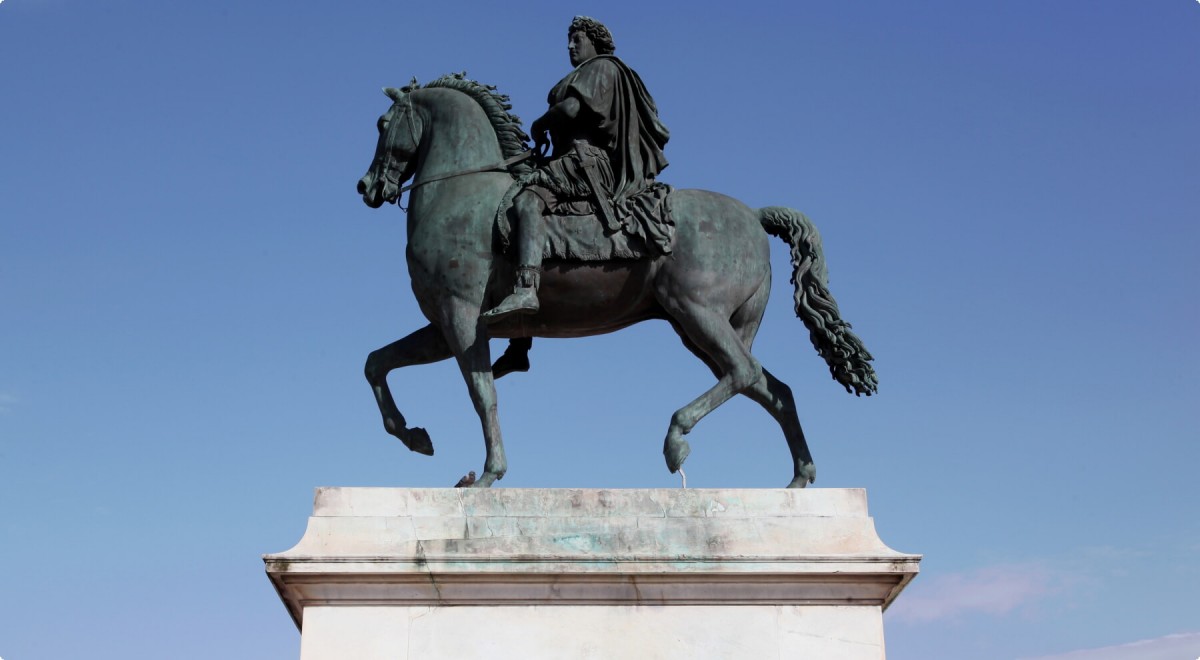
If you want a simple landmark to anchor the start, aim for Place Bellecour. It’s not the only beginning, obviously, but it feels like a clean starting line: wide, open, and easy to navigate out of.
Logistics matter, and they affect your mood more than people admit. If you’re collecting keys in town, browsing options for rent a car in Lyon in advance means you’re not doing paperwork with a queue behind you and a mountain day slipping away. If you’re arriving on a flight and planning to head straight for the peaks, keep it even cleaner and sort Lyon Airport car rental so the first “stop” is just adjusting mirrors and setting your playlist.
One small human trick: pack the front of the car like you’re going on a long picnic. Water, a light jacket, sunglasses, a small bag for trash. The Alps are close, but the drive has chapters - and each chapter feels better when you’re not rummaging for a cable at 110 km/h.
Leaving Lyon, you’ll notice the air changing first. The city’s warmth thins out. Fields begin. The skyline drops. It’s like walking from a kitchen into a cellar: same house, different temperature.
Picking your road: three drives that feel like different movies
Ask five locals for “the best” drive and you’ll get five different answers - and they’ll all be right. The trick is to pick the route that matches your day. Are you rushing to a check-in time, or do you want your drive to feel like the trip itself?

Here are three personalities of the Lyon-to-Alps journey:
- The efficient glide: motorways toward Chambéry, then on toward your chosen valley. Fast, predictable, good in bad weather, but a little anonymous.
- The lake-and-light version: swing toward Annecy for water views, café stops, and that first real “Alps are coming” feeling without any drama.
- The backroad flirt: smaller roads through villages and rolling land, where you can stop because the view is suddenly right there, like someone unfolded it.
No matter which one you pick, remember that French motorways are a different rhythm than mountain roads. On the autoroute you’re managing distance. In the foothills you’re managing attention - cyclists, tractors, a roundabout that appears like a coin dropped in the road.
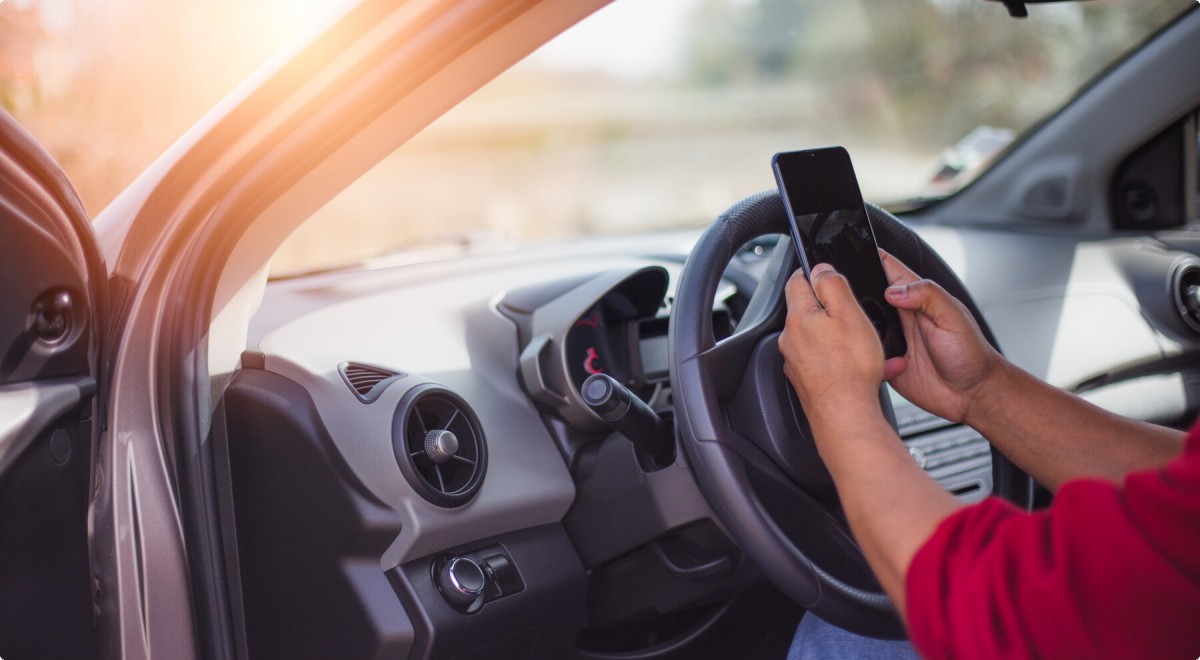
If you keep switching between “save money” and “save minutes” every twenty kilometers, the drive feels longer. Pick a rule early: either commit to toll roads for calm speed, or commit to scenic roads for stops and slower pacing.
If you can leave early you should. Not because the roads are empty (they can be), but because the light is nicer. Mountain scenery in midday glare can look flat; in morning, it has depth, like a relief map.
One more question worth asking yourself: are you driving to ski, hike, or just to breathe colder air? Your answer changes what “best” means. A skier may want the most direct approach to a resort valley; a summer traveler might prefer a route that lets the landscape arrive gradually, the way a song builds.
The Annecy pause: water, light, and a gentle ascent
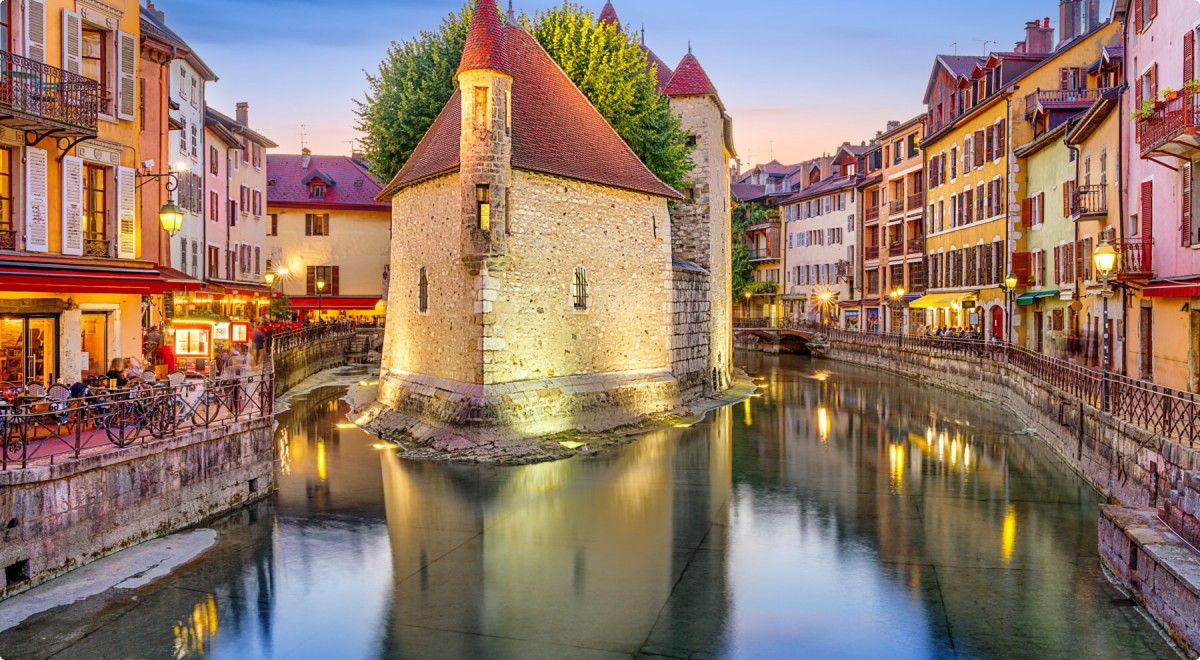
Annecy is the kind of stop that makes you feel clever even when it was obvious. The lake sits there like a piece of polished glass, and when the wind lifts, it turns into hammered silver. You’re still not “in the high Alps” yet - but you can sense them gathering behind the town, patient and enormous.
Set your navigation to Annecy and treat it as a deliberate intermission. Park, walk ten minutes, buy something small. A coffee. A sandwich. A fruit tart that you eat too quickly, standing near water because it tastes better there, somehow.
The beautiful thing about this detour is that it softens the transition. Lyon to a deep resort valley can feel like a jump cut: city, motorway, tunnel, suddenly snowbanks. Annecy makes it a fade-in. After the lake, the roads begin to roll, and the first real climbs feel friendly rather than demanding.
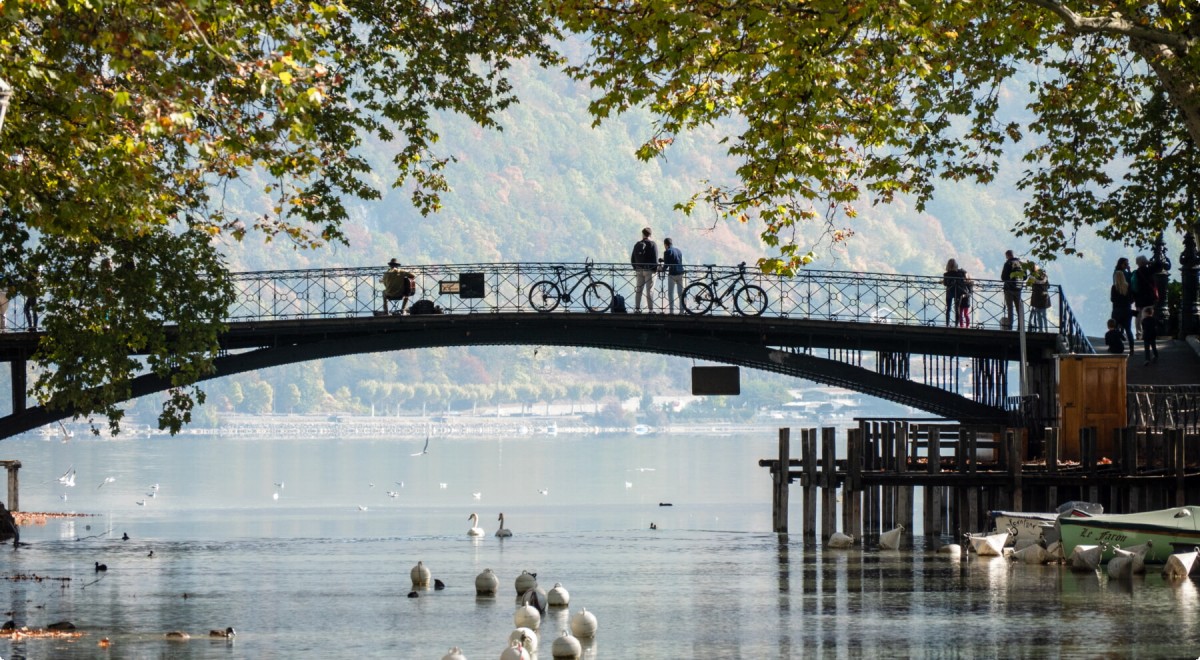
Driving out of Annecy, watch how the color palette shifts. The greens get darker. The shadows sharpen. Even the smell at rest areas changes - less hot asphalt, more pine and wet earth. You’ll also notice the “texture” of traffic changing: more roof boxes, more bikes on racks, more people with that half-alert holiday look.
And yes, it’s touristy. But so is bread, and you still want it fresh. If you time it outside peak lunch hours, Annecy can feel almost calm. Even when it’s busy, it’s the kind of busy that has room for you.
When the road turns alpine: passes, weather, and quiet rules
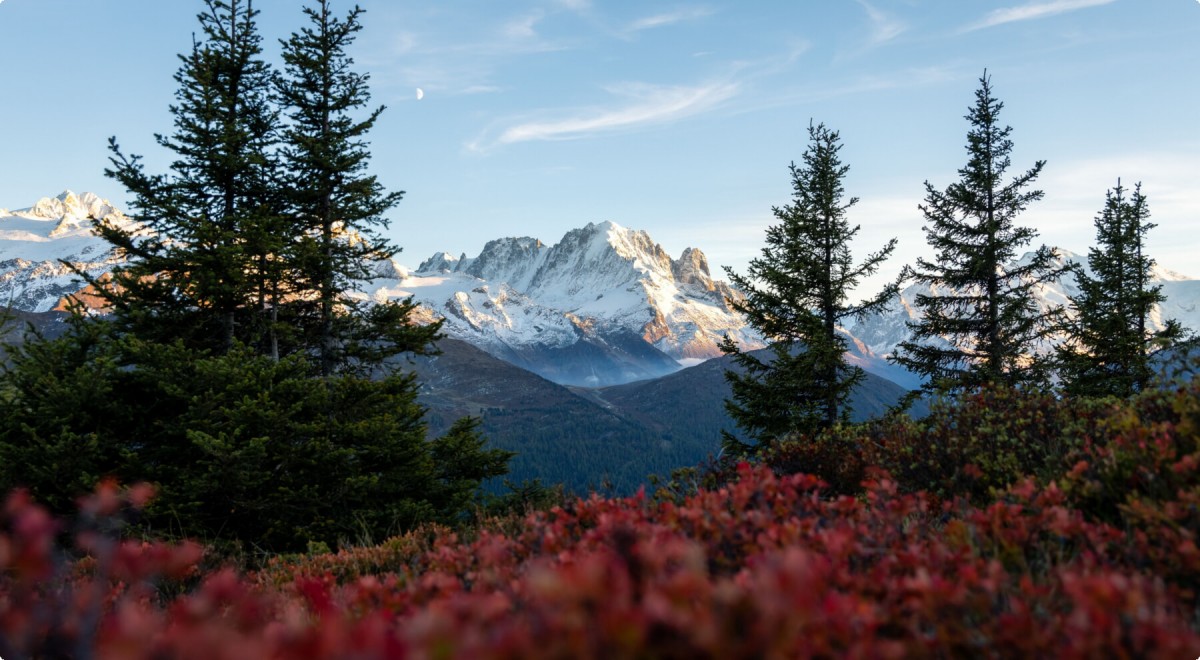
At some point the drive stops being about distance and becomes about terrain. The valleys narrow. The mountains stop being “ahead” and start being “around”. Road signs mention cols and stations, and you begin to see the real faces of the Alps: rock strata like stacked books, waterfalls stitched into the cliffs, clouds snagging on ridgelines as if the mountains had hooks.
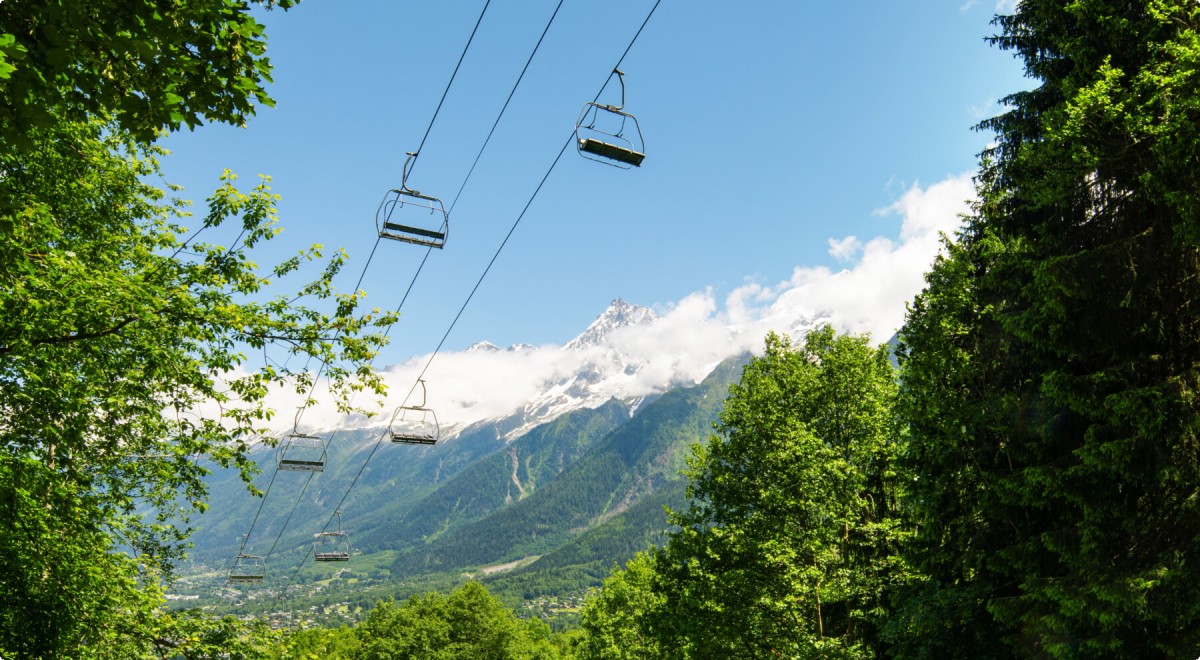
It helps to know what you’re aiming for, even loosely. If your dream is the big-name drama of Mont Blanc, you’ll likely end up angling toward the northern Alps. If you want higher, wilder passes, you may be tempted deeper into the Savoie or toward routes that feel like they were designed by a painter with a slight obsession.
For pure “I drove in the Alps” satisfaction, there are few names that carry the same weight as Col du Galibier. It’s not always the most practical pass for your exact plan, and in winter it can be closed - but the idea of it is useful: the Alps reward patience, and they punish assumptions.
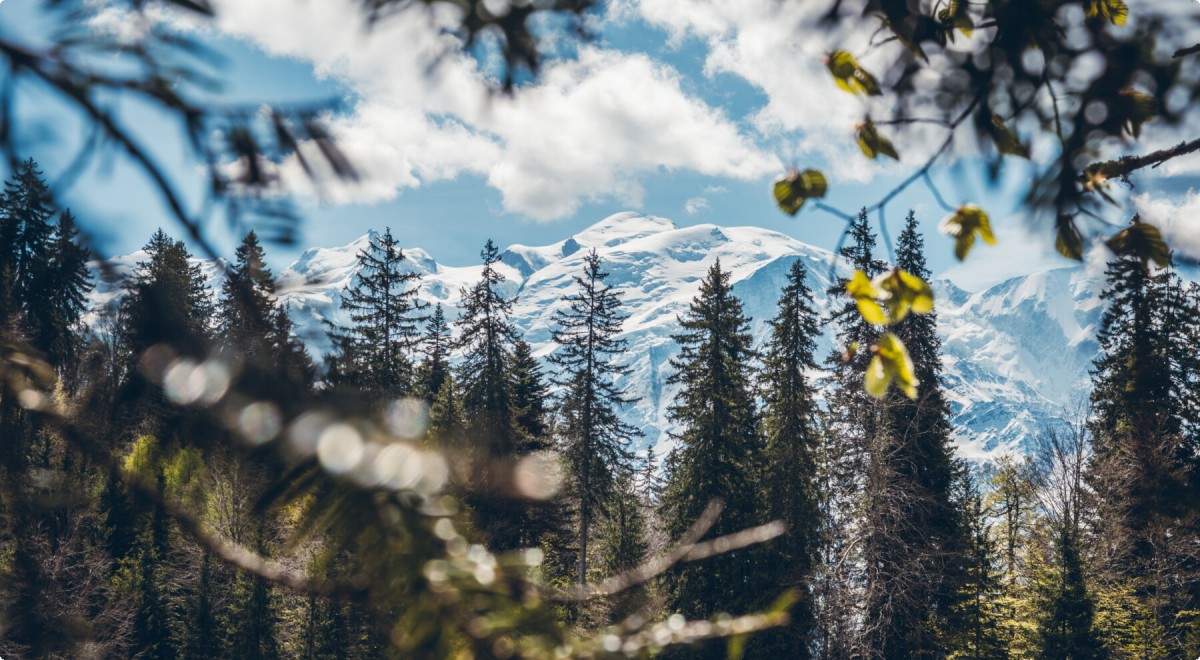
Here are a few subtle signs that you’ve crossed from normal driving into mountain driving:
- The road starts to curve for reasons that aren’t obvious from the map.
- Your ears “pop” slightly in tunnels, and your water bottle looks like it’s been squeezed.
- You begin using engine braking without thinking about it.
- Every village has a bakery that seems too good to be real.
Now for the part people forget: the Alps aren’t hard because they’re steep. They’re hard because they’re changeable. Sun can turn to fog in a few minutes, and fog can turn to bright glare after one bend. The road climbs, and you feel, the temperature change like someone opened a fridge door.
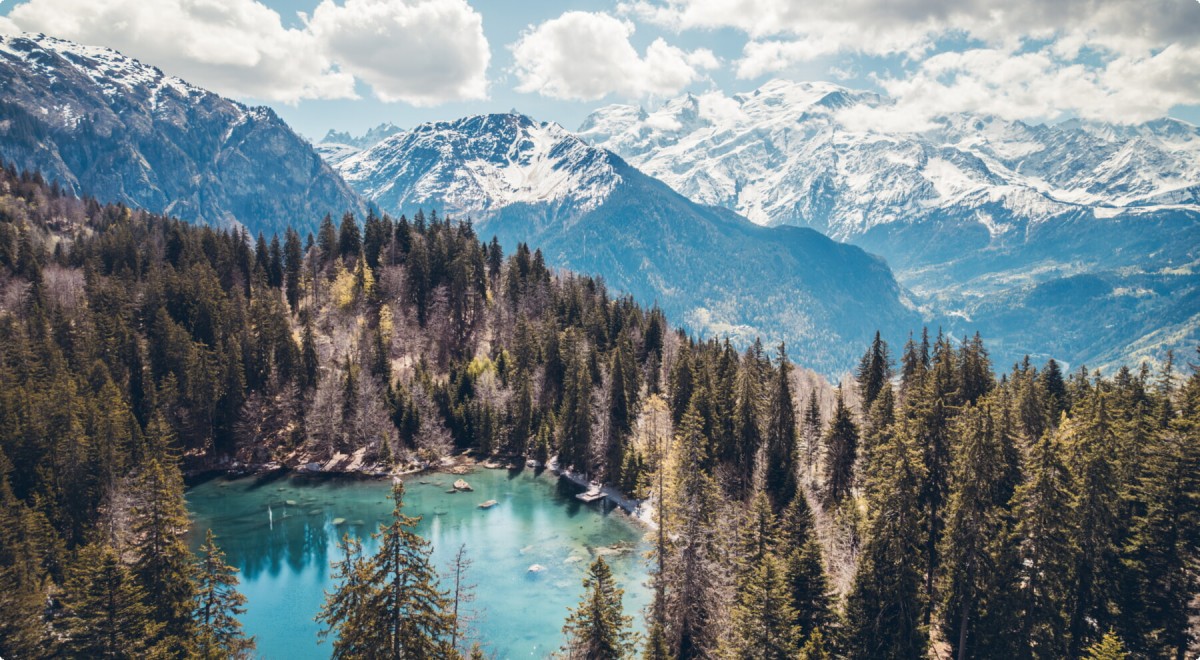
Before the serious climbs, pull into a lay-by and do a quick reset. It’s not paranoia - it’s the same way you’d tighten your shoelaces before a hike.
- Top up washer fluid and check wipers (spray + sun glare can be nasty).
- Switch mindset: use lower gears on descents, save your brakes.
- Keep a warm layer reachable, not buried under luggage.
- In colder months, confirm you have the required winter equipment for the region.
One underrated pleasure: tunnels. You dive into darkness, radio crackling, and then you burst out into a completely new world - a hanging valley, a slate-blue river, a wall of fir trees. It feels cinematic, even if you’re just following a navigation voice that sounds bored by the whole thing.
Stops that taste like the region: markets, cheese, and fuel
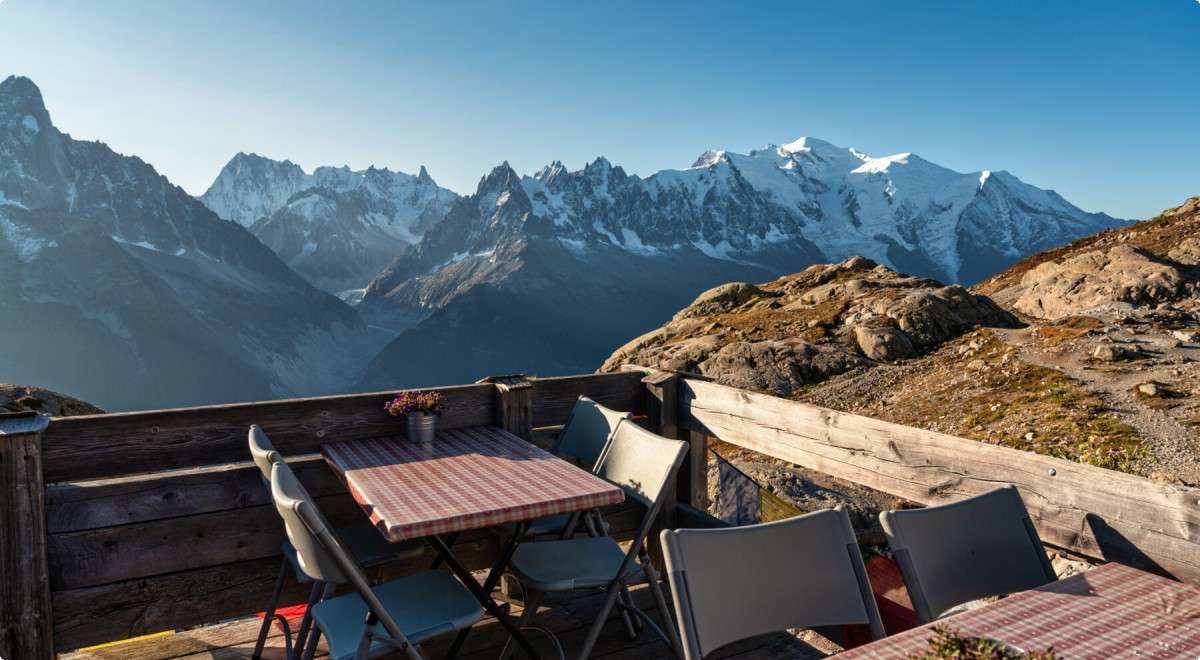
People talk about viewpoints, but the stops you’ll remember are often ordinary. A petrol station with a clean bathroom and a ridiculous mountain panorama. A tiny bakery where the cashier calls everyone “madame” and “monsieur” like it still matters (it does). A supermarket that sells ski wax next to tomatoes.
If you build in two or three intentional stops, the drive stops feeling like a task. It becomes a moving day out. And because this is France, your “fuel plan” can include actual food. The Alps are not a place to discover you get grumpy when hungry.
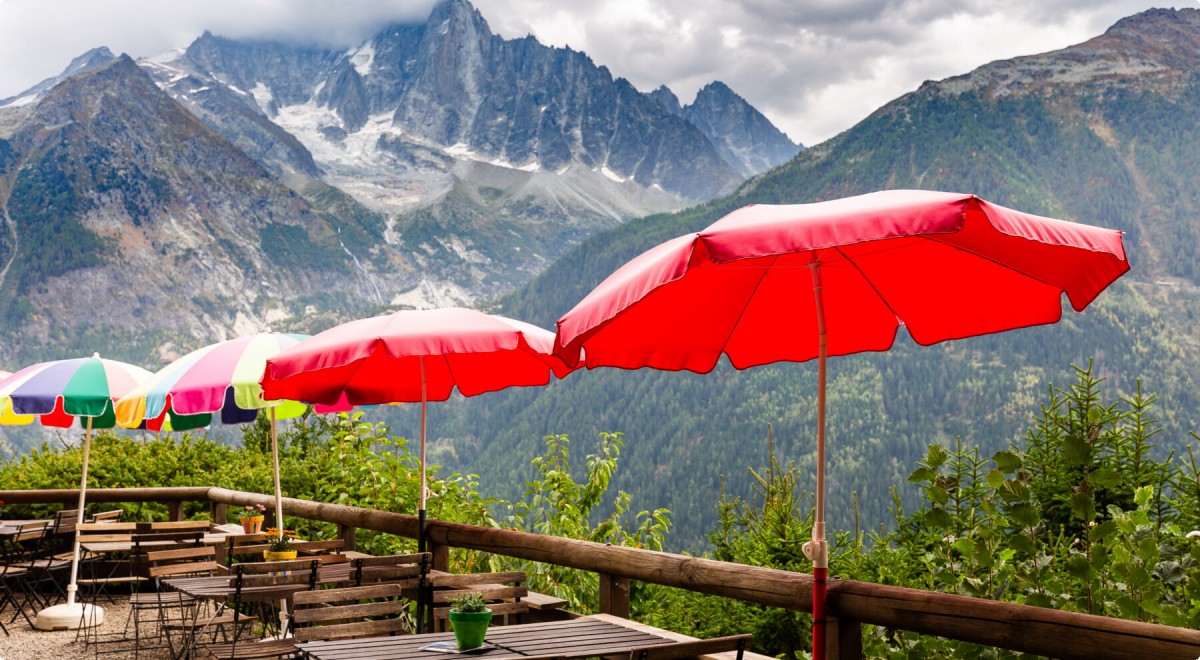
Try this simple stop strategy - it works in winter and summer:
- Stop 1 (near the outskirts): buy water, fruit, and something salty. Don’t overthink it.
- Stop 2 (foothills): coffee + a pastry, stretch legs, clean windshield.
- Stop 3 (valley town): real lunch, even if it’s quick - soup, sandwich, anything warm.
Between those, keep your eyes open for regional specialties. In Savoie, cheese isn’t a souvenir - it’s part of the landscape. Beaufort tastes like grass and butter had a conversation. Reblochon is softer, more intimate. If you’ve never tried crozets (little square pasta), this is where you do it, ideally in a dish that arrives still bubbling.
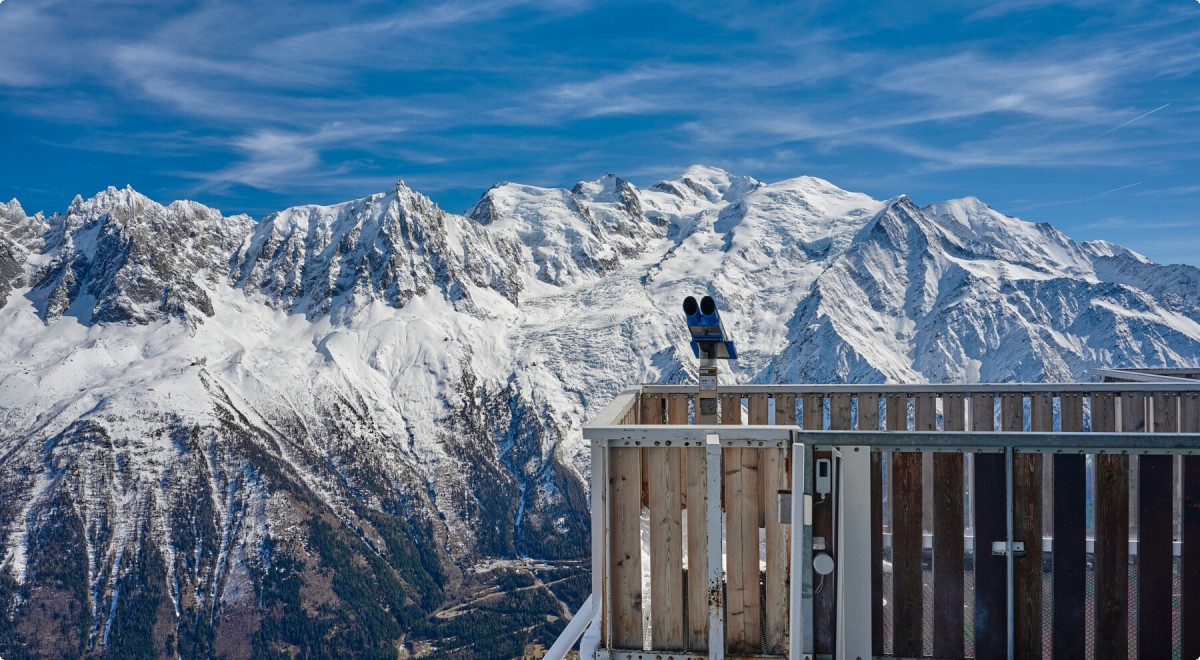
Also, give yourself permission to stop for things that aren’t “top-rated”. A roadside stall selling walnuts. A small market where the produce is a little muddy. The Alps are full of places that don’t have an Instagram strategy, and that’s exactly the point.
Practical note, because it matters: fuel up before you’re desperate. Mountain stations can be spaced out, and some close earlier than you’d expect. The same goes for charging if you’re in an EV - plan your charge the way you’d plan a bathroom break, not the way you’d plan a miracle.
And if you’re traveling with someone who gets carsick on winding roads, don’t wait until the first hairpins to deal with it. Stop early, buy ginger candy, swap drivers. It sounds small, but it can save the mood of the whole day.
Finish lines (or starting points): Chamonix, Tarentaise, Oisans
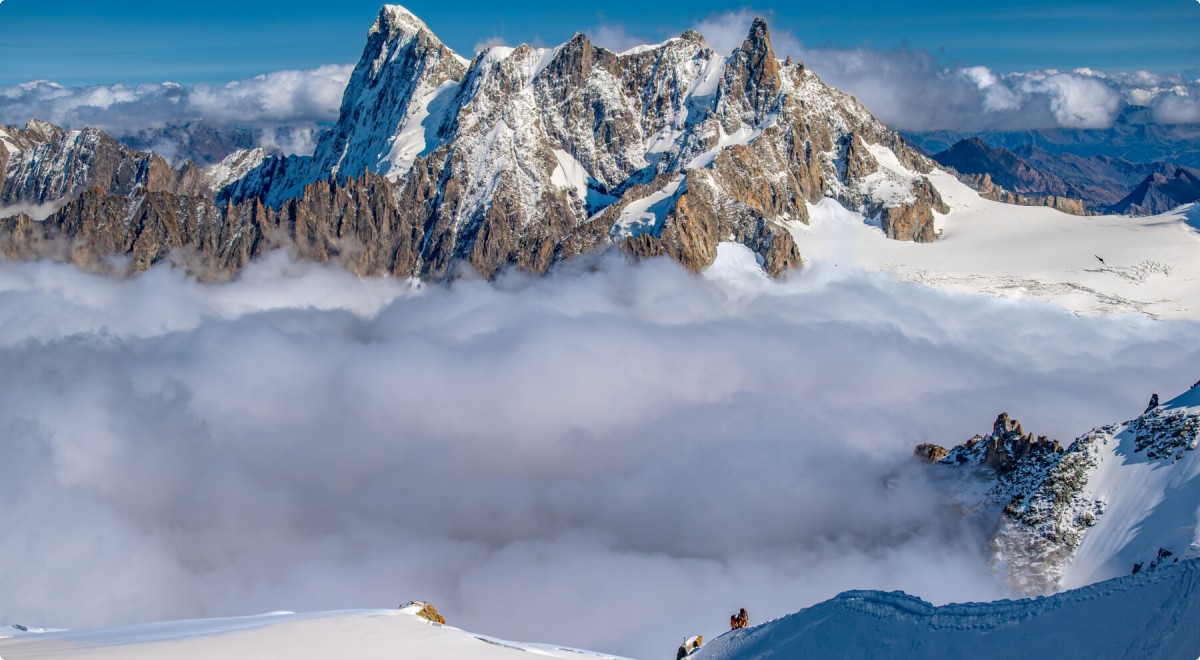
The funny thing about “the Alps” is that they aren’t one place. They’re a long, folded world with dozens of gateways. Your best drive from Lyon depends on where you want to step into that world - into glaciers, into ski resorts, into quieter villages where the church bell is the loudest sound.
Chamonix is the headline act, and it earns it. The valley has a restless energy: climbers with rope bags, families in rental boots, people staring upward as if they’ve misplaced something in the sky. If you want one iconic, high-altitude experience without pretending you’re a mountaineer, take the cable car up to Aiguille du Midi and feel your brain briefly complain about the height. The view is so sharp it almost looks fake.
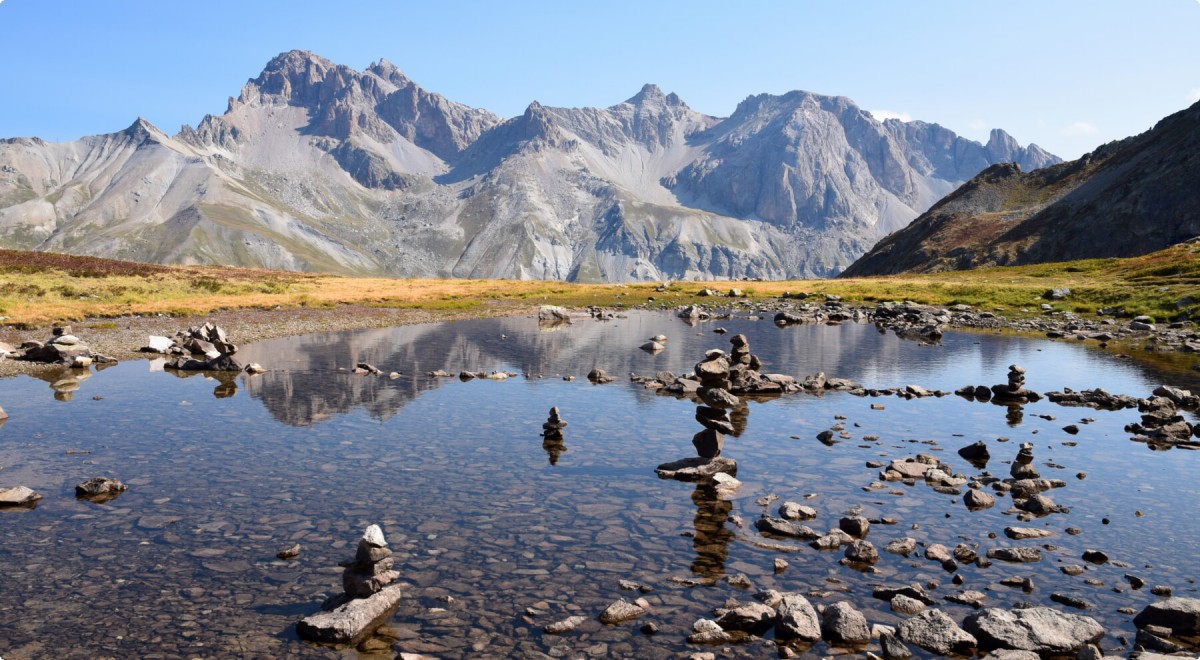
Tarentaise (Val d’Isère, Tignes, Les Arcs) feels like a long corridor carved by water and ambition. It’s efficient, built for winter crowds, but still capable of surprising you - a sudden chapel on a hill, a herd of cows wearing bells that sound like slow applause. Driving here, you learn to respect roundabouts and patience.
Oisans (Alpe d’Huez, Les Deux Alpes) has a different vibe: bolder road shapes, bigger switchbacks, a sense of “we’re really climbing now”. On certain stretches, you’ll find yourself talking less. Not because you’re tense, but because the landscape asks for quiet, like a museum room with an enormous painting.
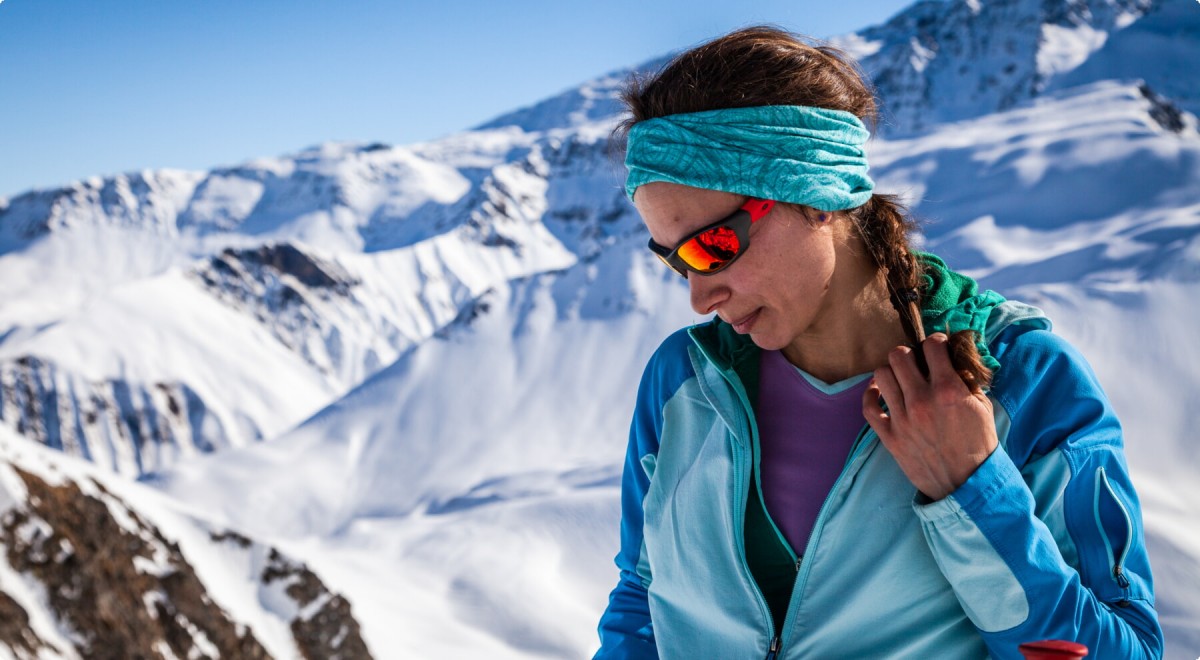
Wherever you end up, remember that arrival in the Alps is rarely a clean moment. It’s gradual - the last supermarket, the last flat stretch, the first chalet roofline, the first sign for a col. And then you park, step out, and the air is cooler on your face. Your ears catch a river somewhere nearby. You realize you’ve been gripping the steering wheel a bit too tightly and now your hands can finally relax.
Some people treat this drive like a necessary bridge. But if you let it breathe, it becomes part of the holiday - a ribbon of road that teaches you the Alps before you ever lace a boot or clip a ski.