Florida feels bigger when you’re behind the wheel. Sun-bleached highways spool past palms and water, and the air tastes faintly of salt even miles from the coast. But those effortless drives can snag on one thing - tolls. If you’re renting a car, the rules, fees, and tiny details matter. Here’s a no-nonsense guide that still leaves space for wonder, so you can cruise from airport runway to coastal sunset without a hiccup.
- Why driving Florida just works (and what tolls change)
- Toll roads decoded: SunPass, Toll-By-Plate, express lanes
- Rental car playbook: fees, transponders, and smart choices
- Real routes: Miami to Keys, Orlando parks, Gulf Coast arcs
- City driving, parking, and tiny habits that save dollars
- Budgets, common missteps, and a five-minute checklist
Why driving Florida just works (and what tolls change)

Florida is a state of edges and bridges. Atlantic to the east, Gulf to the west, wetlands in the middle, and highways threading everything together like kite string. You can surf at sunrise and eat stone crab at dusk if you’ve got a set of keys. A car turns a scattered map into one continuous experience: oranges at a roadside stand, a sudden heron lifting off a drainage ditch, the hush of a morning causeway when the bay looks like glass.
Tolls enter the picture quickly. In South Florida especially - Miami, Fort Lauderdale, Palm Beach - many major arteries are either fully cashless or riddled with electronic portals. Orlando wraps its theme-park orbit in loops of tollways too. The good news? When you understand the toll tech, you glide. When you don’t, you can pay more than you planned.

If you’re landing at MIA, FLL, MCO, or TPA, your rental agency will gladly hand you a car that snaps into Florida’s toll system. That can be a blessing. It can also be an easy way to add a per-day program fee on top of each toll. Knowing when to enroll, when to opt out, and how to skirt tolls if you want to linger on surface roads - that’s the trick.
Toll roads decoded: SunPass, Toll-By-Plate, express lanes
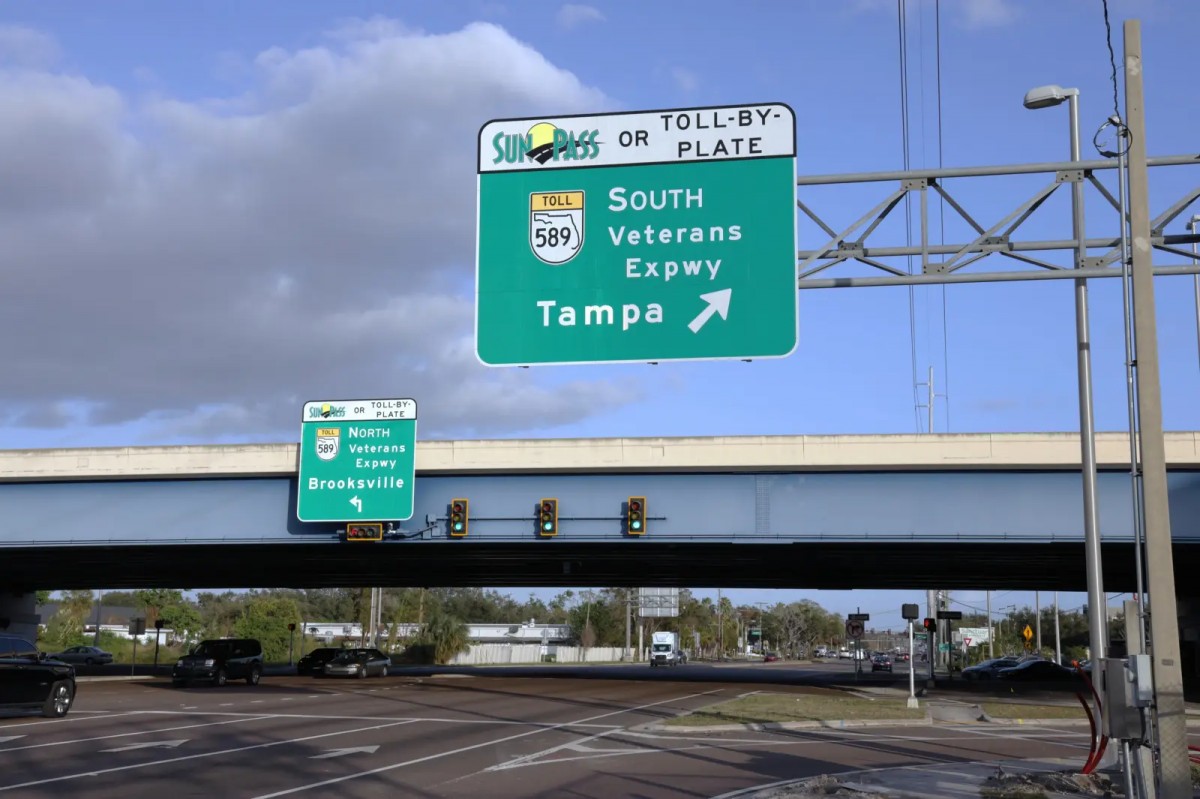
Florida’s toll ecosystem runs on a few ideas that, once learned, make the whole network feel logical:
- SunPass: Florida’s native transponder system. It talks to sensors on toll roads and deducts payment automatically.
- Toll-By-Plate: If you don’t have SunPass, high-speed cameras snap your plate and mail the toll to the vehicle’s registered owner (your rental company), which later bills you.
- Regional partners: E-PASS (Orlando), LeeWay (Fort Myers), and other local tags are interoperable with SunPass roads.
- Cashless plazas: Many roads no longer accept cash. You can’t pull over to pay a person. You just drive through.
- Express lanes vs regular toll roads: Miami’s I-95 has dynamically priced express lanes. They are separate from general lanes and can spike in price at rush hour.
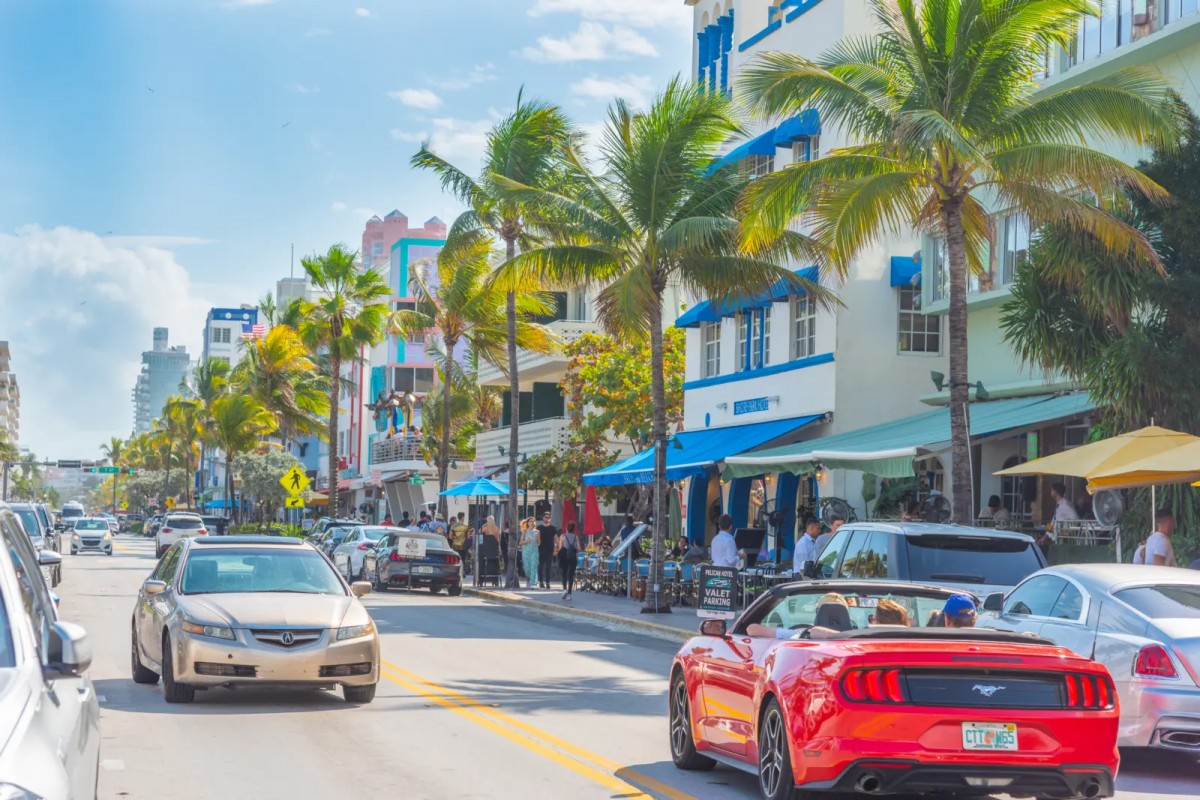
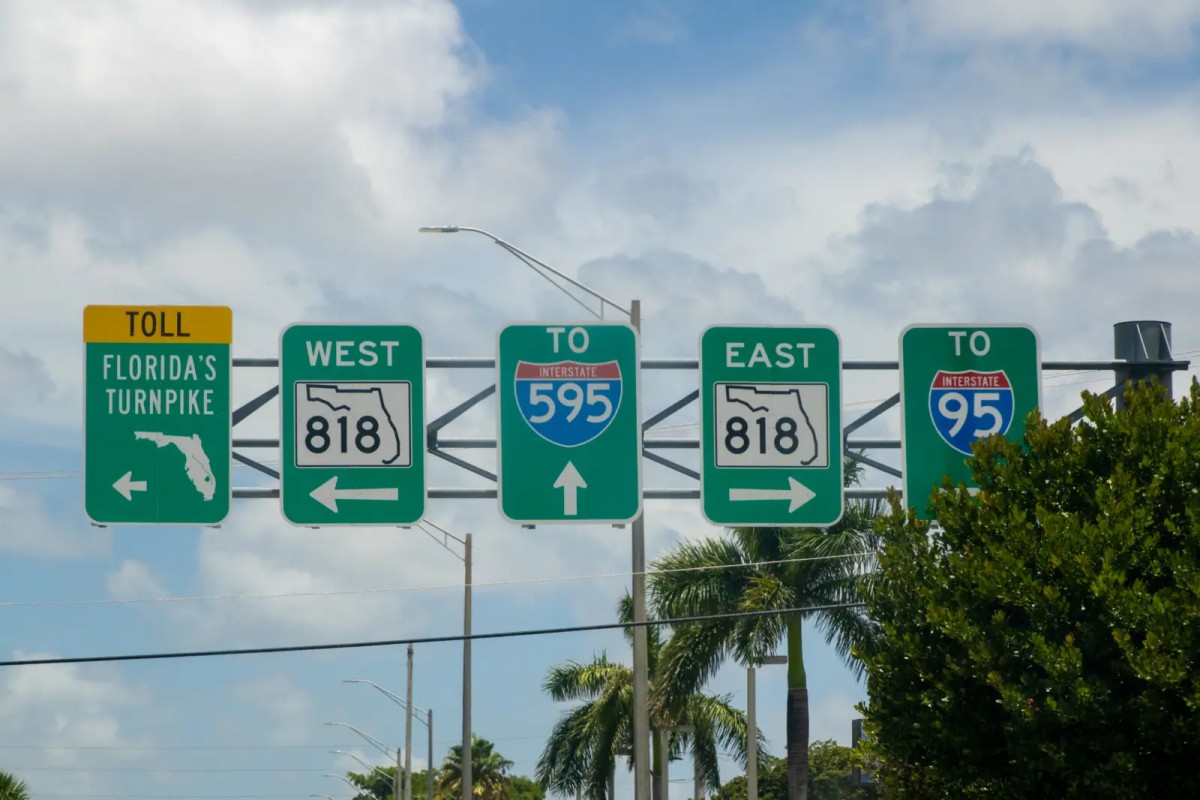
Where do you see tolls most? South Florida’s SR-836 (Dolphin Expressway), SR-112 (Airport Expressway), SR-874 and 878 (Don Shula and Snapper Creek), and the Florida Turnpike that climbs toward Orlando. In Central Florida, SR-528, SR-417, and SR-429 form graceful loops that are wonderfully fast - and almost all tolled. West Coast drivers meet I-75’s tolled segment called Alligator Alley between Naples and Fort Lauderdale, a hypnotic ribbon across the Everglades that looks straight as a daydream.
SunPass itself comes in a few flavors: the Mini sticker for a single windshield, and portable transponders that work across more states. But with a rental, you often inherit a built-in tag or plate-registered billing. If you bring your own SunPass Portable, you might try to use it in the rental - just be sure the car’s built-in transponder is switched off or shielded. Some windshields with metallic coatings can block a sticker tag, too.
How much are we really talking? Toll segments can be modest, $1 to $4 each, yet a day of skipping across Miami or Orlando might stack $6 to $15 in tolls without effort. Add a rental-company program fee and your per-day total changes character. No one loves paying for air, and fees feel like that. But time is real currency on a short trip, and toll roads buy you hours when traffic swells.
Rental car playbook: fees, transponders, and smart choices
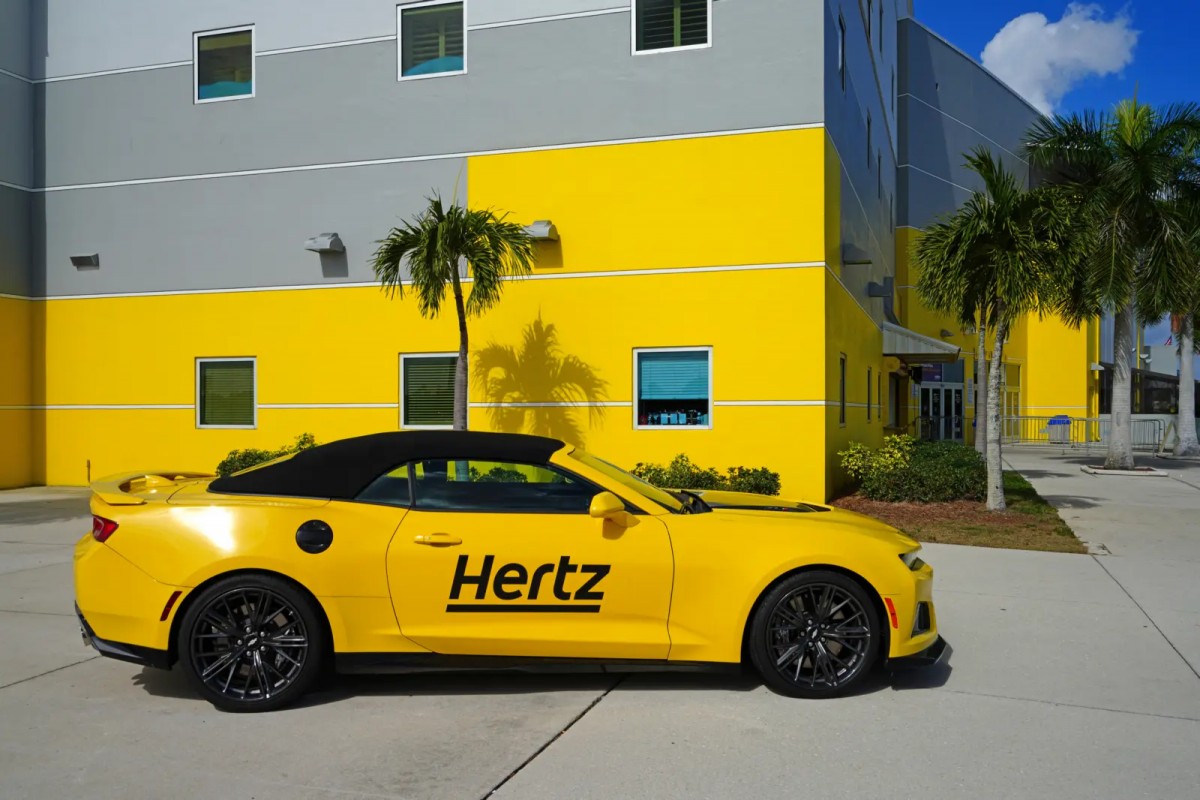
At the counter, you’ll be offered a toll program. Read the tiny line where it states the per-day fee and whether there’s a cap. Some companies charge around $3.95 to $12 per day for the duration of your rental (even days you don’t pass a toll reader), plus the tolls themselves. Some cap fees at, say, $20 or $30 per rental; others don’t. Ask them to speak plainly, then decide based on your route.
If you plan to bounce across Miami for business or beach with little time to spare, the program can be worth it. If you’re exploring slowly on US-1 and local roads, it might not. You can decline and let the car bill you Toll-By-Plate only on days you actually hit a plaza. Just know that some agencies add a separate administrative fee for each Toll-By-Plate hit. Sneaky, yes, but disclosed if you dig.

Two fast-path booking options, if you already know South Florida is your target:
- If you want the widest pick-up options and neighborhood locations, compare choices for car rental in Miami and filter for clear toll policies.
- If you’re landing at MIA and want to roll straight out, look at Miami International Airport car rental options that list SunPass coverage upfront.
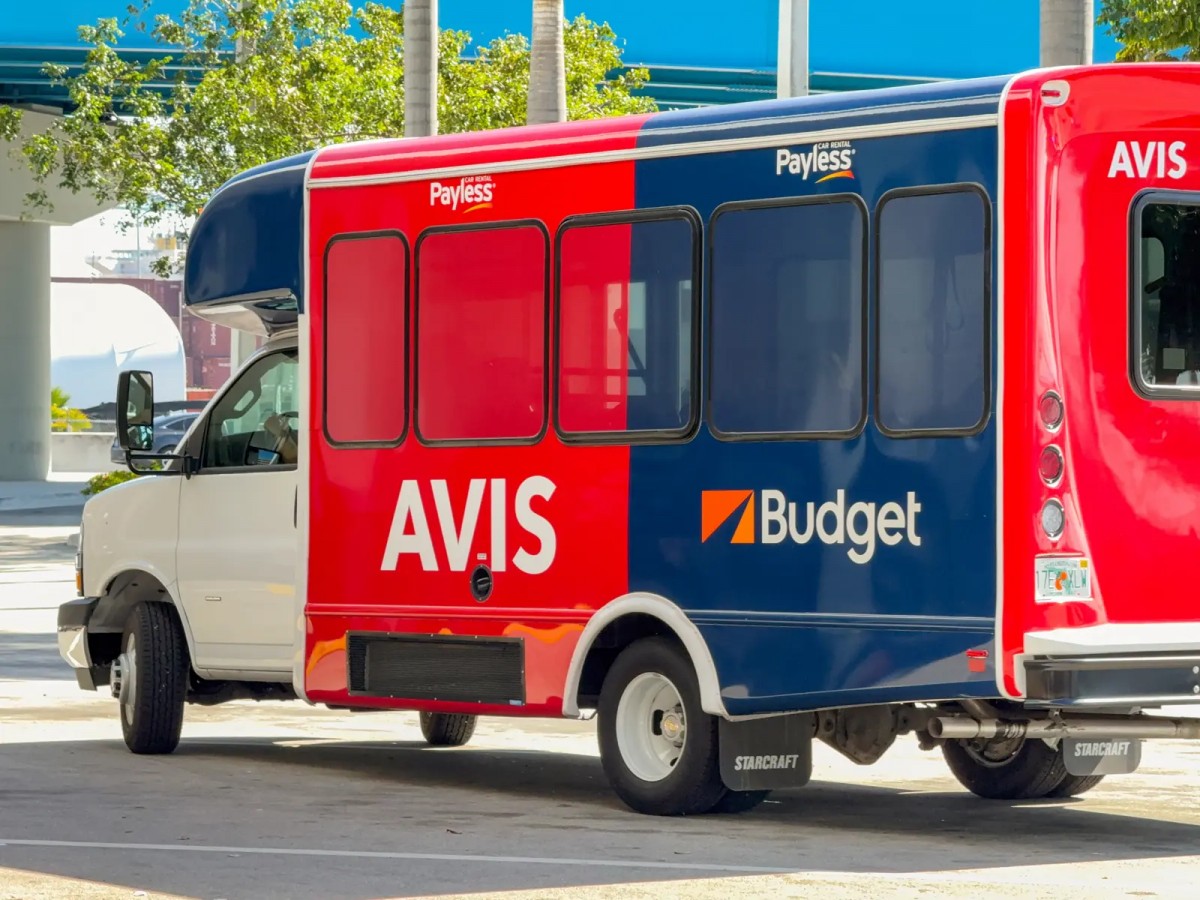
Can you bring your own transponder? Yes, especially a portable SunPass or a multi-state tag that includes Florida. Register your rental car’s plate number in your account the minute you pick it up, remove it when you return, and keep a photo of the confirmation screen. Ask the agent if the car’s built-in toll box can be disabled; some flips are physical (a little door on the device), others are account-level and only the company can switch it off. If they say no, choose one method only to avoid double charges.
Pro tip on receipts: check your rental agreement for how tolls will be billed and how long after return they may appear. It’s common to see toll charges trickle in a week or two later. Screenshots of your routes help if you need to dispute anything small. Also, verify the license plate noted on your contract matches the car you actually drive. That’s how the system knows who to charge, and yes mistakes happen.
Real routes: Miami to Keys, Orlando parks, Gulf Coast arcs
Big picture: Florida’s famous routes are made for daydreamers with a plan. Below are three classic itineraries, each with a slightly different toll personality.
Miami to Key West on US-1
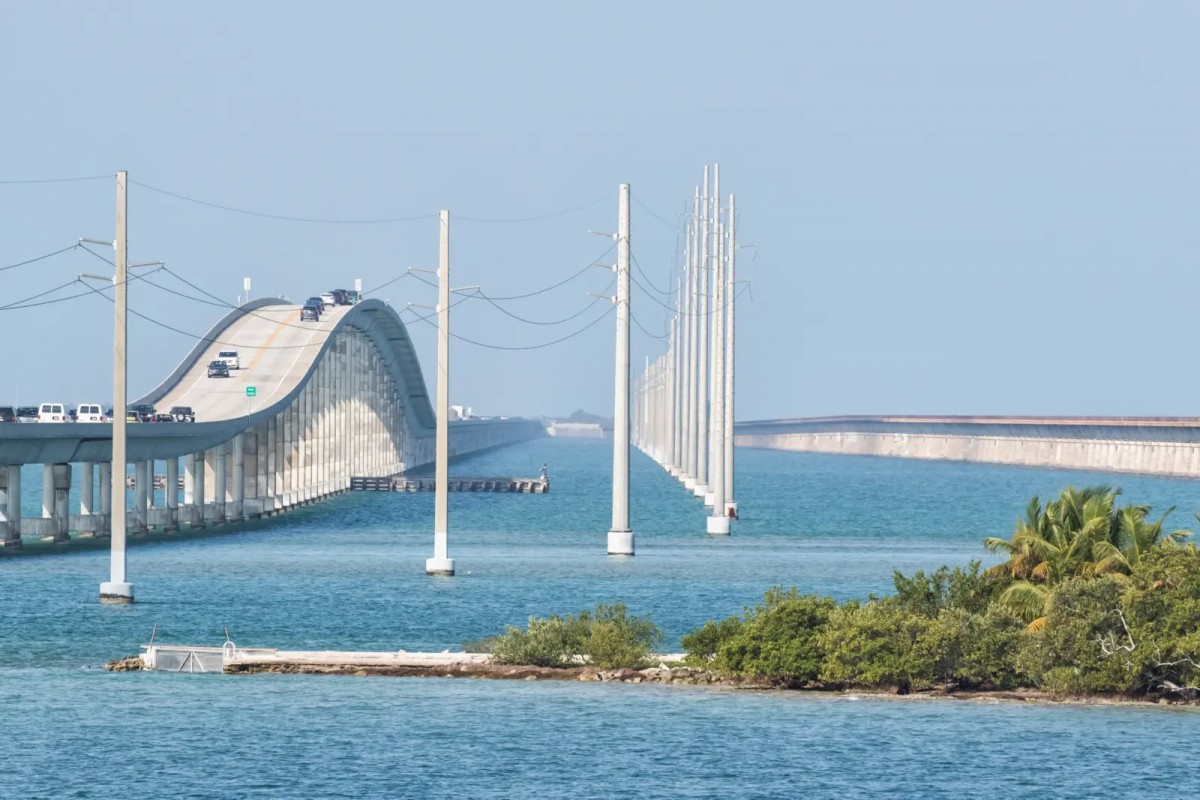
From the flat sprawl of Miami, US-1 slides into the Keys with a gentle shift in mood. After Florida City, the road hums over a hundred miles of bridges, small towns, bait shops, and salty breezes that stick on your skin. It’s mostly non-tolled once you’re past the mainland, with the magic crescendo at the Seven Mile Bridge, Marathon. Roll down the windows and listen - the wind is constant, and seabirds angle alongside you like you’re moving together.
The route can be slow because it’s just one lane each direction, so start early. If you find yourself detouring in Miami, you may touch tolled connectors like SR-836 or SR-874 to bypass surface traffic on your way south to US-1. Little nudges on the map make a big difference in morning rush hour.
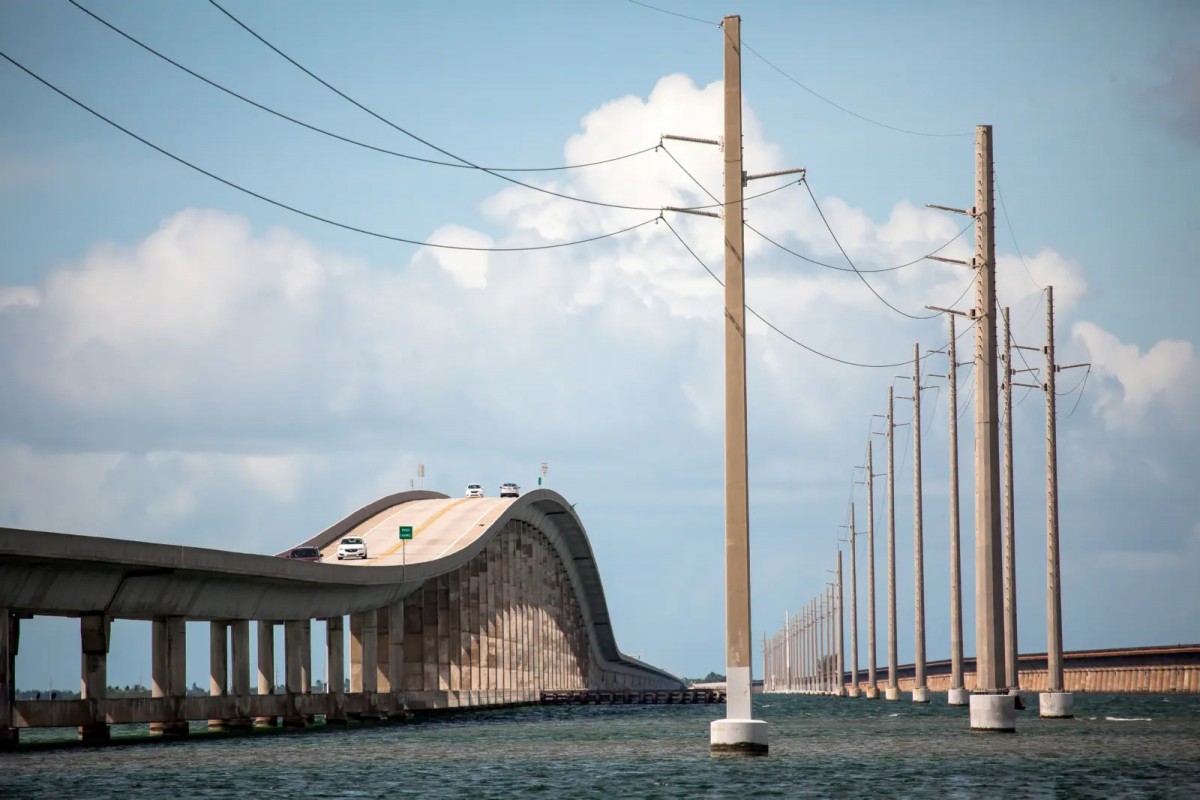
Key West stargazing? Try night drive-backs with care. Oncoming headlights can smear across the windshield after a salty day. Keep a microfiber cloth handy. The road’s shoulders are narrow, the water dark, and time seems elastic out here.
Orlando and the loops of speed
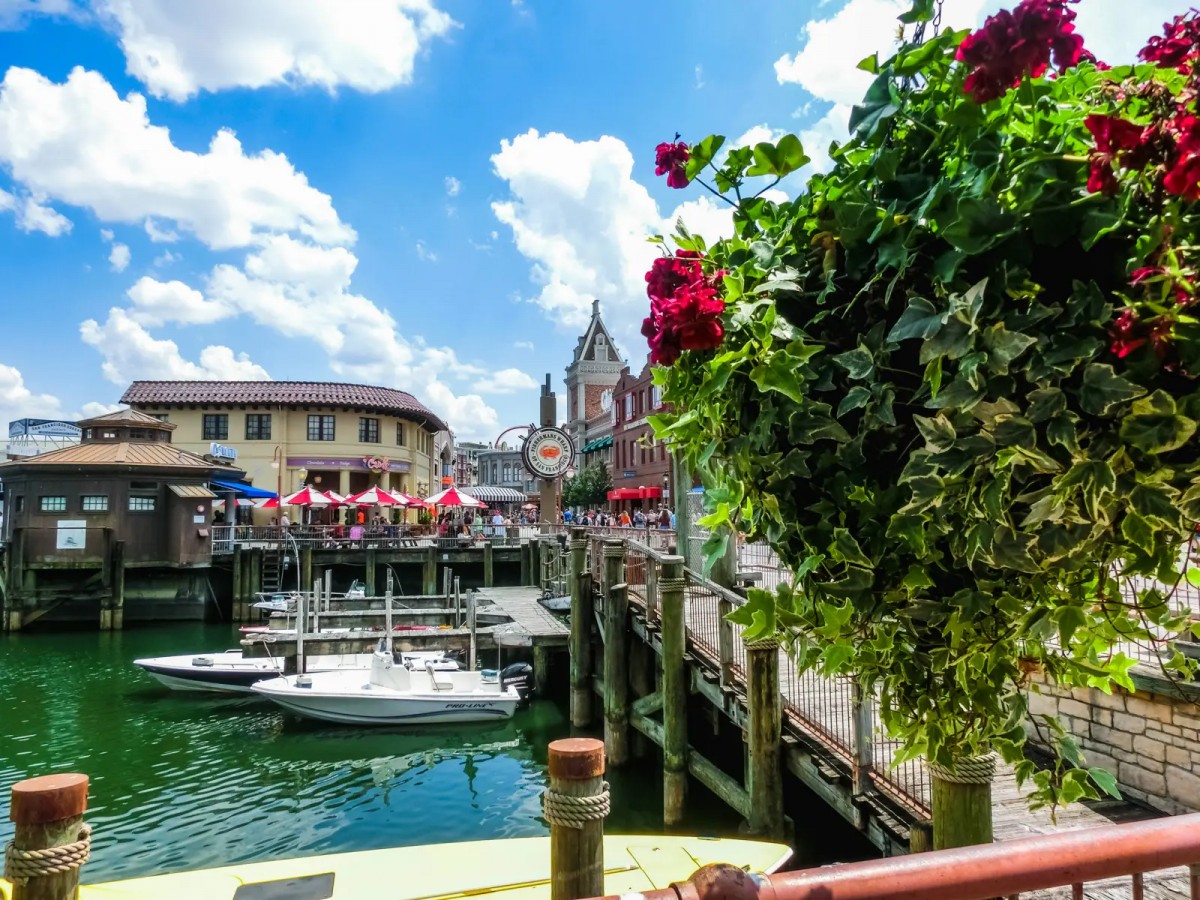
Orlando’s theme park galaxy orbits tollways that feel sensibly engineered. The SR-417, SR-528, and SR-429 sweep around the metro with wide lanes and predictable exits. If you’re park-hopping, the miles vanish. Consider the official park pages for hours and special events; the Walt Disney World Resort site is a great baseline for timing your mornings and your parking strategy.
On mapping apps, compare routes that alternate between SR-417 and I-4. I-4 is free but can clog unpredictably especially at peak commute times. SR-417 costs a few dollars and gives you a cleaner arc, the kind you can sip coffee to without white-knuckling your steering wheel.

Staying off tolls entirely? You can, though it turns 25 minutes into 45. Sometimes that’s the point. You wind past neighborhoods where bougainvillea drops pink petals onto lawns and kids chase iguanas the way you might remember chasing fireflies. If time is tight, embrace the tolls. If not, savor the slow lanes.
Gulf Coast to Atlantic: Everglades crossing

Between Naples and Fort Lauderdale, I-75 becomes Alligator Alley, Florida, a tolled trance line across sawgrass. The sky here is huge, thunderheads puff up like ships, and the light changes minute by minute. You feel small in a good way. There’s an eastbound and westbound toll, so account for that if you’re doing a round trip. Watch for sudden downpours; a squall can drench your windshield, then clear like someone flipped open a sunroof in the clouds.
On the Miami side of the crossing you meet the Turnpike or SR-595/SR-826, both well-signed. Stick to the right if you’re not sure where to exit - Florida likes to announce exits generously, and you’ll get another chance.

If city browsing calls, slide into Wynwood. Park once, then walk. The Wynwood Walls, Miami mural complex feels like stepping into a sketchbook that learned to breathe. Paint drips, colors bleed, people wander quietly even while the bass from a nearby cafe thumps. Later, hop back onto SR-836 for a quick link toward the airport, a gentle nod to the practicality of tolls when your feet are tired.
Curious about the iconic Keys roadway itself? The history of the Overseas Highway reads like an engineering dare mixed with stubborn romance. Understanding its past adds a strange kind of warmth to the drive, as if each bridge carries a whisper.
City driving, parking, and tiny habits that save dollars
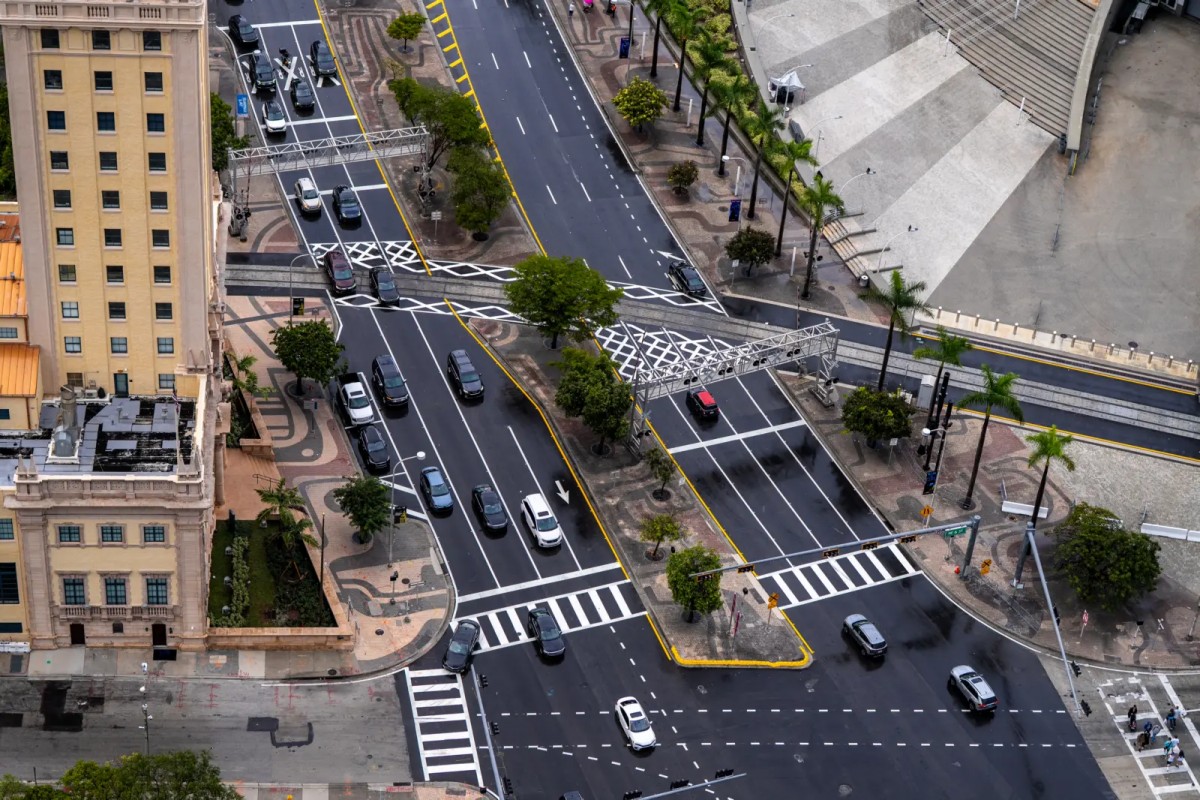
Florida’s cities have their own rhythm. Miami moves fast and speaks in horns, Orlando slides, Tampa hums. With a rental car, little behaviors compound into money saved and stress lowered.
- Fuel up away from airports. Gas stations nearest terminals often price fuel much higher.
- In Miami Beach, residential zones mean what they say. Read the curb signs like you’d read a recipe.
- Use garages when you can. Afternoon storms roll in, and a covered spot can save you time and a soaked seat.
- Mind the express lanes. If you drift into I-95 express without a tag, you’ll still get billed. Don’t cross the double lines to exit.
- Keep quarters? Not really necessary anymore. Most meters take cards or apps, but a backup is never a bad idea.
Downtown surfaces change texture by block. Brick pavers, sleek asphalt, patched concrete that sings a different note under your tires. These micro details aren’t just charm; they hint at drainage, potholes, standing water after a flash storm. Slow down when the road looks darker than the blocks before it - it might be holding water.
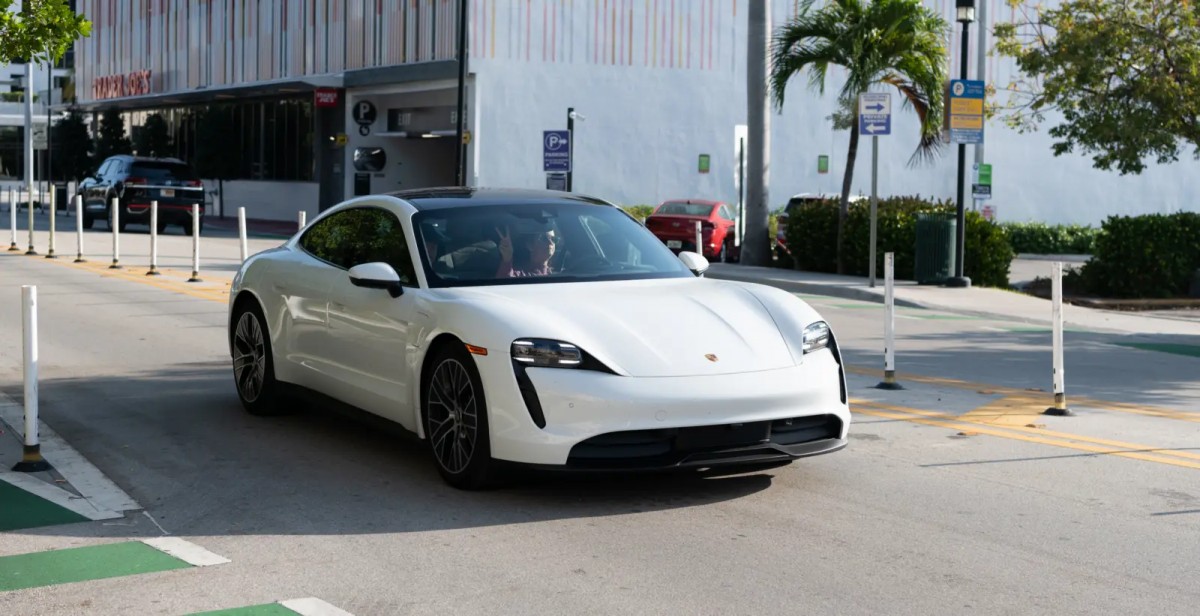
On I-95 in Miami, express lanes use dynamic pricing and plastic poles to separate traffic. If you enter by accident, the system still bills the vehicle. Keep an eye on overhead signs and lane markings as you approach, especially at dusk when glare can wash out arrows.
Parking apps are your friend. PayByPhone and ParkMobile cover large swaths of Florida’s metro areas and beaches. Create accounts before you fly, so you’re not standing in the sun juggling a suitcase, a rental key fob, and a four-minute countdown on a new login screen. Also, screenshot your parking zone and time - meters sometimes lose network and you’ll want proof, just in case.

Airports have their own mini-ecology. The pickup lanes can feel like a pinball machine, with taxis, ride shares, hotel shuttles, and private cars sliding in and out. Take a beat at the rental garage to adjust mirrors, pair your phone, and find the headlight settings. That 60 seconds of prep can save you a wrong turn onto a restricted ramp or a sudden swerve into a bus-only lane.
Budgets, common missteps, and a five-minute checklist

Let’s stress-test a day in Miami with tolls. Say you use SR-836 twice and SR-112 once, plus a short hop on SR-874. Tolls might total $7 to $10. Add a rental company toll program fee - maybe $5.95 per day - and your daily cost for speed could sit around $13 to $16. Multiply by a 5-day trip, and there’s your decision framework: is $65 to $80 worth the saved time and lower friction? For many, yes. If you only plan two tolls all week, the math flips.
Missteps happen, though most are harmless:
- Trusting a navigation app’s "avoid tolls" toggle blindly, then landing in a dead-end construction detour that forces you through a toll anyway.
- Assuming cash works everywhere. It doesn’t - cashless has spread rapidly, especially in Miami-Dade.
- Forgetting the agency’s daily fee applies even on days you didn’t hit a toll reader.
- Using both a personal SunPass and the car’s tag, then getting duplicate transactions. Hard to unwind, annoying to fix.
- Parking under a royal poinciana tree in bloom. Beautiful, yes, but those blossoms glue to paint and glass after rain. Rinse the car if you can.
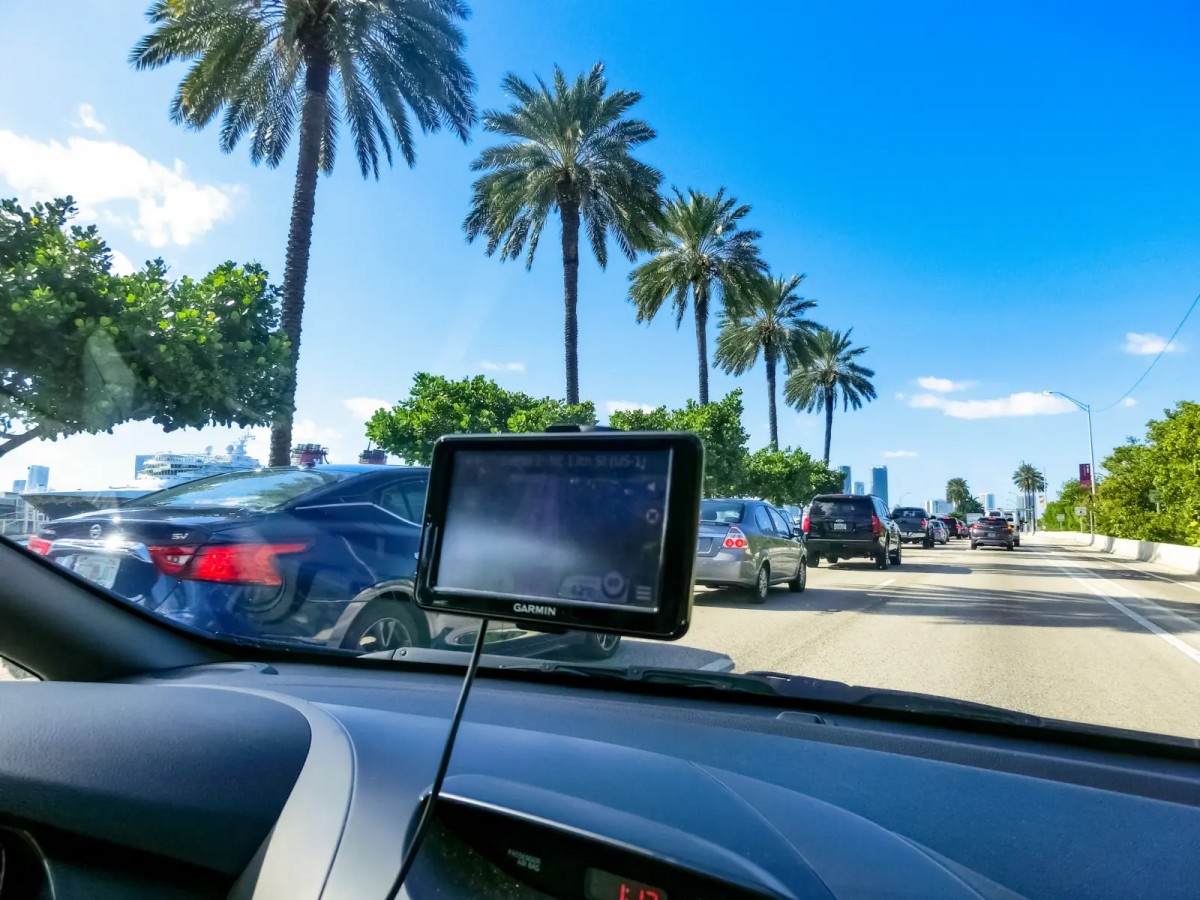
When weather shifts, Florida can turn from postcard to watercolor in a minute. The first fat raindrops, that warm smell from the pavement, wipers squeaking until they settle into rhythm - it’s oddly soothing if you let it be. Ease off the gas, leave space, and watch how the lane markers shimmer. It passes quick.
Five minutes of setup saves hours of headache later. Do this in the rental garage before you hit your first ramp, while everything is calm and your coffee’s still warm.
- Decide: use the agency’s program or your own SunPass Portable - not both.
- If using your own tag, add the rental’s license plate to your account and take a quick photo.
- Ask how the built-in transponder is disabled, and confirm the agent’s answer on the spot.
- Toggle "avoid tolls" in your map app to compare time and distance with toll routes.

Consider a tiny budget template for a 3-day weekend that mixes tolls and city parking:
Day 1: MIA pickup, SR-112 into Miami Beach, parking garage near Collins Ave for 4 hours, SR-836 to Little Havana, then back to hotel. Tolls: about $5 to $8. Parking: $12 to $20.
Day 2: Wynwood wander and Biscayne Bay loop, maybe a late-afternoon causeway drive when shadows lengthen. Tolls: $2 to $6. Parking: $10 to $18 depending on neighborhood and timing.
Day 3: Everglades detour or down toward Homestead for fruit stands and a sun-warm mango. Tolls: $0 to $6 if you avoid expressways. Gas: one top-up near departure.

Notice how the costs breathe - the same drive at a different hour can cost more or less based on express lane pricing or garage rates. What doesn’t change is the sanity saved by choosing a method and sticking to it.
A 10-minute downpour can feel like a carwash you didn’t ask for, then the sky cracks open to bright blue. If standing water spooks you, move to the right lane and trail a truck lightly to let it "part the puddles." Keep your lights on, and resist the urge to rush. It passes.
One last idea for the road - mix destinations with pauses. Pull over at a rest area on Alligator Alley and just listen. Wind over grass, a distant splash, maybe a frog that sounds like a wooden drum. Then you get back on the highway, the car a small capsule of cool air and music, and Florida widens ahead of you, ready again.