Colorado doesn’t reveal itself all at once. It opens like a map, folding out in crinkled layers of prairie, red rock, alpine lakes and sky-high passes that steal your breath before you know it. This road trip guide isn’t a checklist; it’s a conversation with the landscape. Bring curiosity, patience, and a good pair of sunglasses. The rest - Colorado tends to handle beautifully.
- Setting Out From Denver: First Miles, Big Sky
- Rocky Mountain National Park and Trail Ridge Road
- South to the Dunes: Sand, Stars, Silence
- The San Juans: Durango, Mesa Verde, and the Million Dollar Highway
- Western Slope Detours: Canyons, Hot Springs, and Orchards
- Colorado Springs: Pikes Peak, Sandstone, and Springs
Setting Out From Denver: First Miles, Big Sky
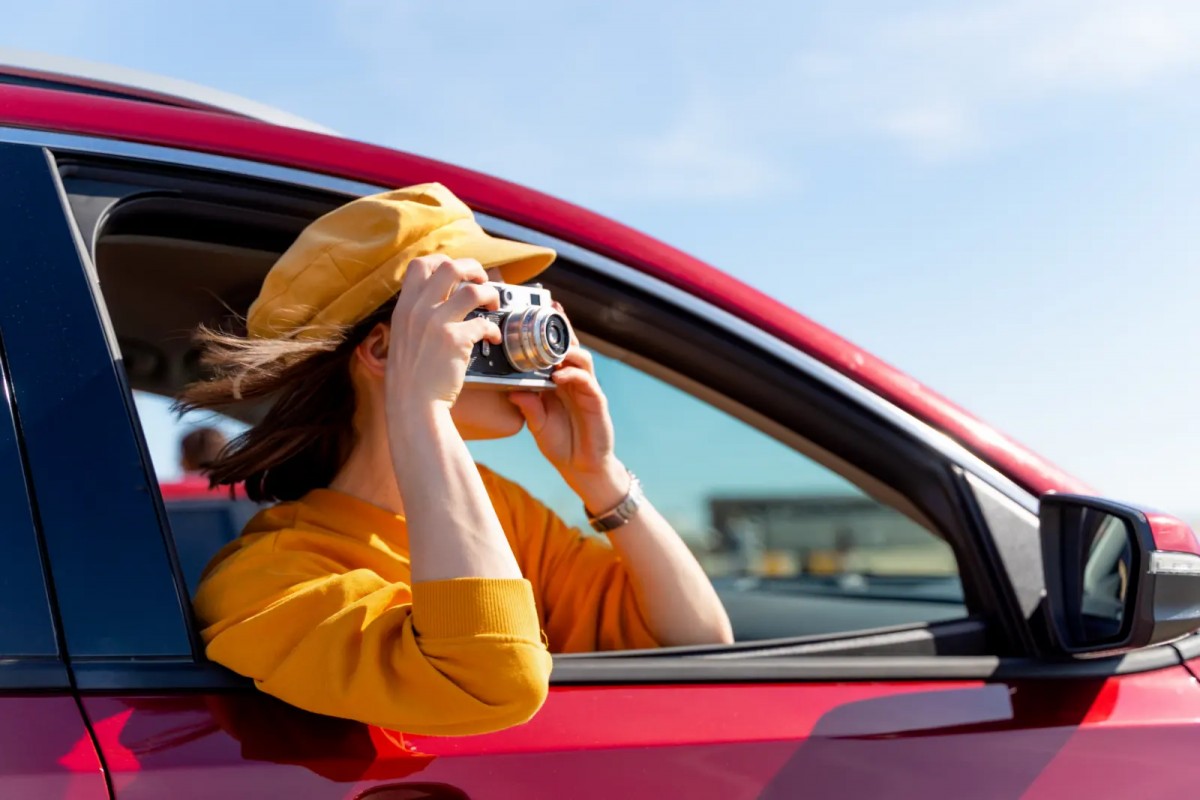
Every great Colorado loop starts with a moment outside the terminal, when that high-elevation light feels extra crisp and the peaks tease you from a distance. If you’re landing at DIA, it’s easy to make the transition from runway to road. Pick up wheels at a convenient Denver International Airport car rental location and point your hood toward the Front Range. You’ll find that Denver, despite its city grid and trendy corners, is geared for movement - quick freeway spurs, mountain corridors, and scenic byways within an hour’s reach.
Some travelers prefer to decompress a night in the city before hitting altitude, and that’s smart. If you’re staying in town first, you can rent a car in Denver the next morning and roll west with fresh coffee still warm in the cupholder. The first miles are friendly: I-70 carves into the foothills, red rock cuts flash by, and the radio picks up local weather with a no-nonsense honesty you’ll learn to love.

Before you pass the last exit, set your road-travel tone. A Colorado drive often means fast shifts - prairie to granite, canyon to summit in a single afternoon. That’s part of the magic. It’s also why a little preparation pays off, not because this is survivalist travel, just because it’s nice to feel steady when the unexpected happens.
- A water bottle that actually keeps water cold. Fill it at hotel lobbies, visitor centers, anywhere you see a tap.
- Layers - a light shell and a warm fleece are the dynamic duo of any mountain day.
- Snacks you’ll be happy to rediscover at 11,000 feet: nuts, dried fruit, chocolate, something salty.
- A paper map for the glove box. Yes, really; service blinks out in canyons.
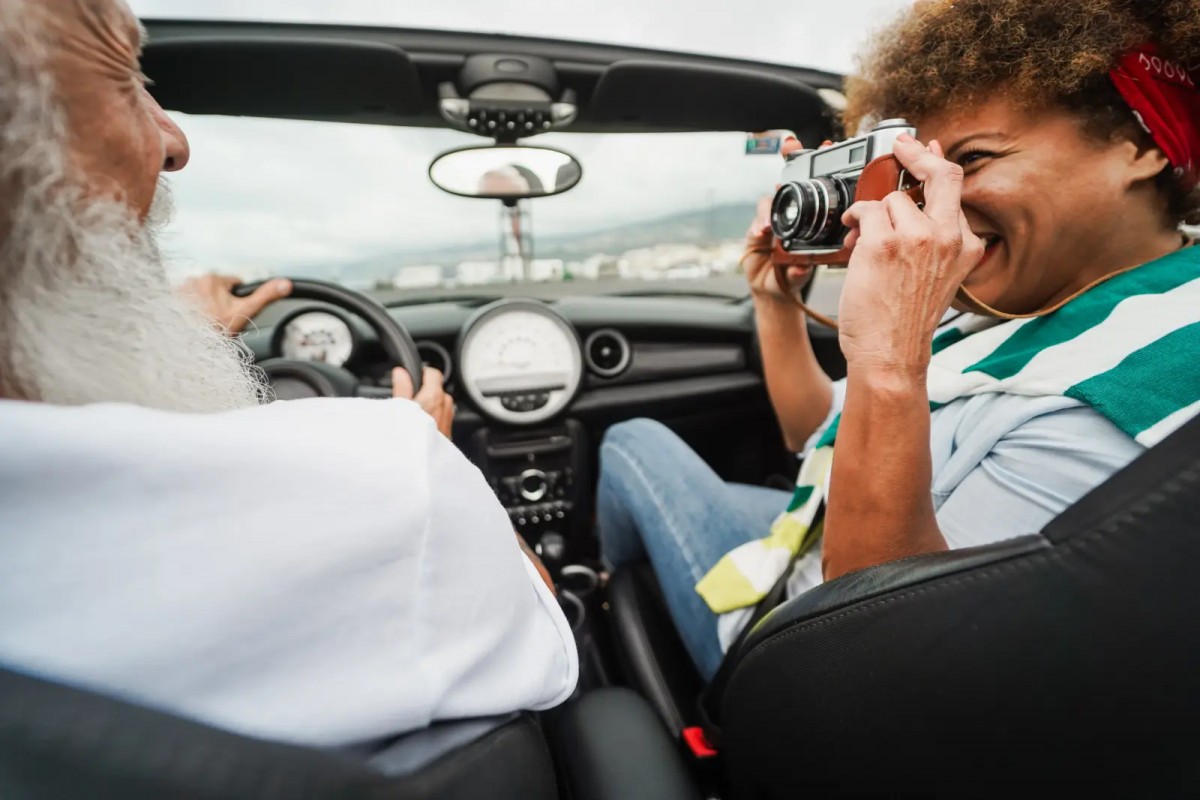
The scent here has a way of changing with the mile marker: rain lifting off hot pavement in the lowlands, resin from a stand of ponderosa pines, a quiet hint of snow when you climb higher than you meant to. It’s as if the road itself is a storyteller and you’re catching up mid-chapter.
Rocky Mountain National Park and Trail Ridge Road
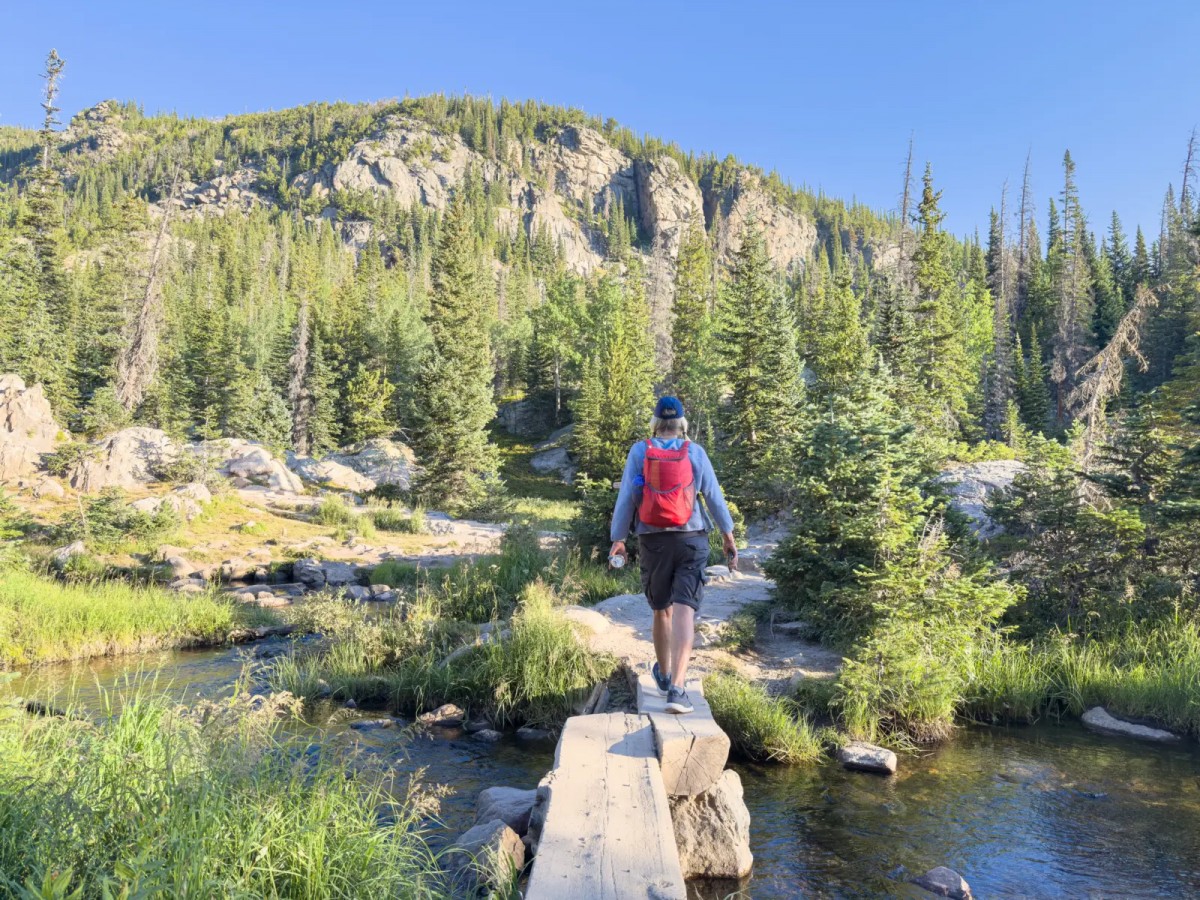
Mountains don’t always announce themselves. In Rocky Mountain National Park, they simply surround you until your shoulders relax and your breathing syncs up with the treeline. From Denver, head northwest through Boulder and Lyons toward Estes Park, then up Trail Ridge Road, the iconic alpine highway that sneaks above 12,000 feet. It’s often said the road is the destination - and here that feels true.
On the way, pullouts invite you to linger. Elk graze like old souls. The light drifts across cirques and talus fields in a slow, theatrical sweep. On a bluebird day, tundra grasses shine like tiny mirrors, and on a moody afternoon the clouds sit low enough to taste. If the map in your head needs a pin, set it on Trail Ridge Road, Rocky Mountain National Park and let your odometer do the narrating.
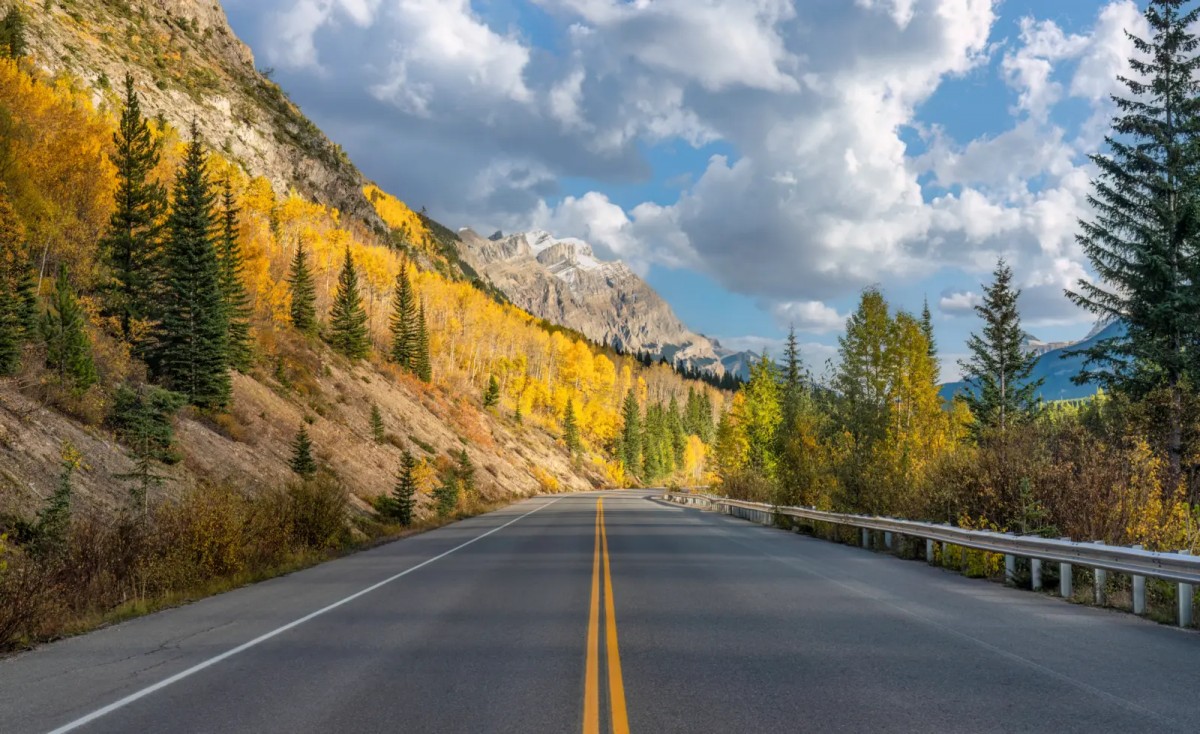
Hikes here don’t have to be heroic to be meaningful. A half-mile walk to an alpine lake can feel like a summit if you let yourself calibrate to the altitude. Listen for the wind - it hums around you, taps your jacket zipper, and then disappears like a thought you almost had.
Trail Ridge, Independence, Loveland - Colorado’s passes are exquisite and exposed. They’re not difficult so much as honest. Give them your attention and they give you views to last a decade.
- Start early; storms build like clockwork after lunch in summer.
- Use engine braking on descents. Tap your brakes, don’t ride them.
- Drink water even if you don’t feel thirsty - altitude sneaks up.
- Pull over if you catch yourself staring at the scenery instead of the road.

Estes Park makes an easy base if you want to slow the cadence. The town wakes up with coffee and cinnamon, the kind that spills warm from open doors, and it sleeps with the hush of river water under bridges. Whenever you leave, do it on your own terms. The park isn’t going anywhere and neither are the mountains, though they look like they might get up and walk if you turn your back.
South to the Dunes: Sand, Stars, Silence
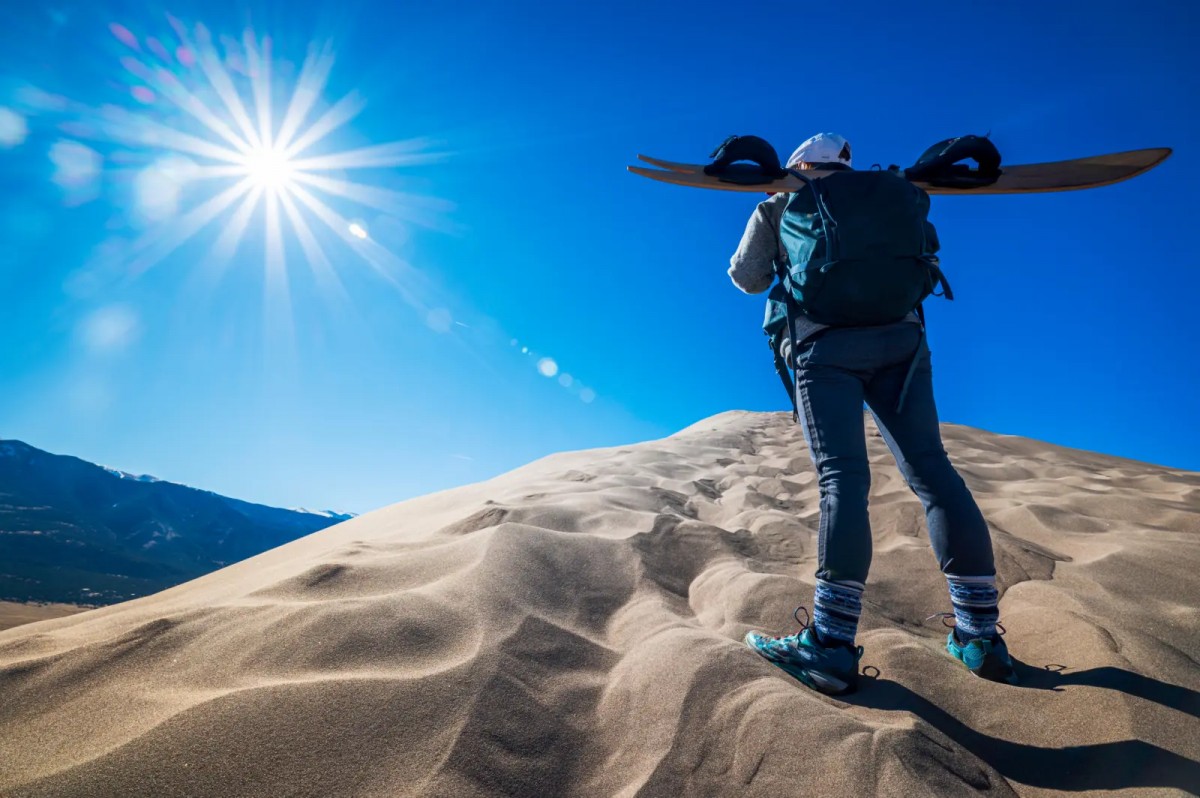
Drop south through the Wet Mountains and into the San Luis Valley, where everything feels simultaneously older and newer. The earth is flat as a plate here, then - out of nowhere - a pile of sculpted sand appears at the foot of high, jagged peaks. Great Sand Dunes is a contradiction that makes perfect sense once you’re on it. The sand squeaks underfoot, a strange little song you’ll want to repeat.
Even if you’ve seen dunes elsewhere, these are different. Snowmelt-fed Medano Creek runs seasonally along the base, creating miniature waves that slap your ankles with a child’s sense of mischief. At sunset the sky burns pink to indigo while the sand turns velvet gray. On clear nights, every star you’ve ever heard of shows up.
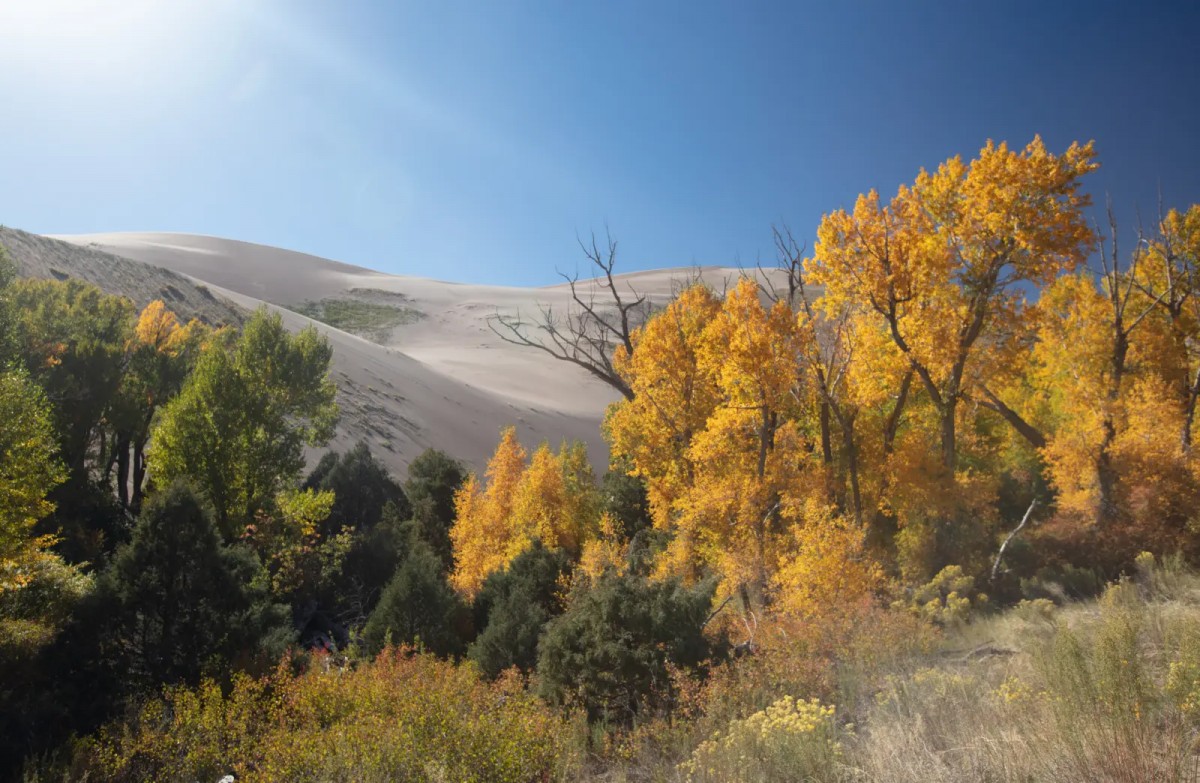
Before you go, give your brain a little context. The high, windswept basin and its dunes are deeply storied - geologically, culturally, spiritually. The entry on Great Sand Dunes National Park and Preserve will swing the door open on the details without stealing the magic.
Climbing sand is like walking a moving sidewalk that forgot which way it’s going. Rest often; celebrate small ridgelines. If you stick around after dark, the Milky Way can look close enough to touch.
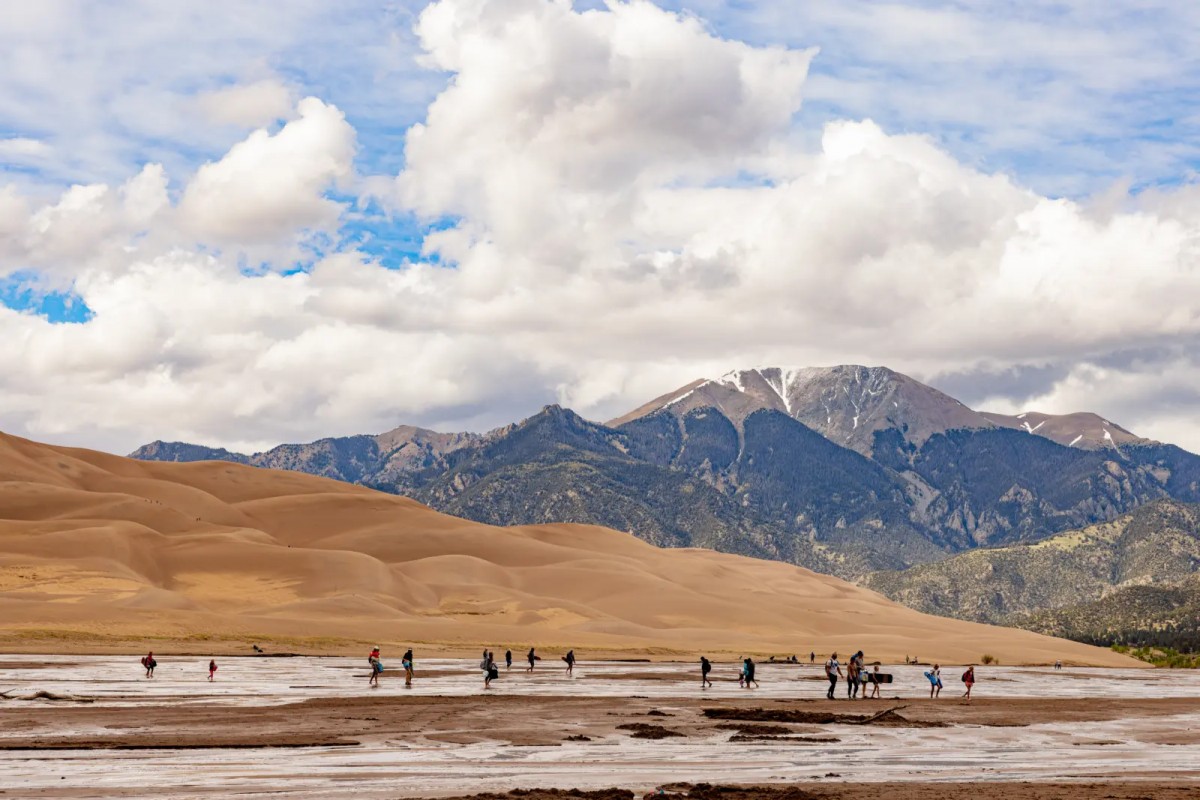
Logistically, it’s a mellow detour from Alamosa. The last miles into the park feel like approaching a mirage; then the asphalt ends and the sand begins, and you’re a kid again, deciding which slope looks the most fun. Bring a board or rent one nearby to surf the dunes. Carry extra water, a wide-brim hat, and a patient pace. The valley has its own clock and it doesn’t mind if you borrow it for a day.
The San Juans: Durango, Mesa Verde, and the Million Dollar Highway
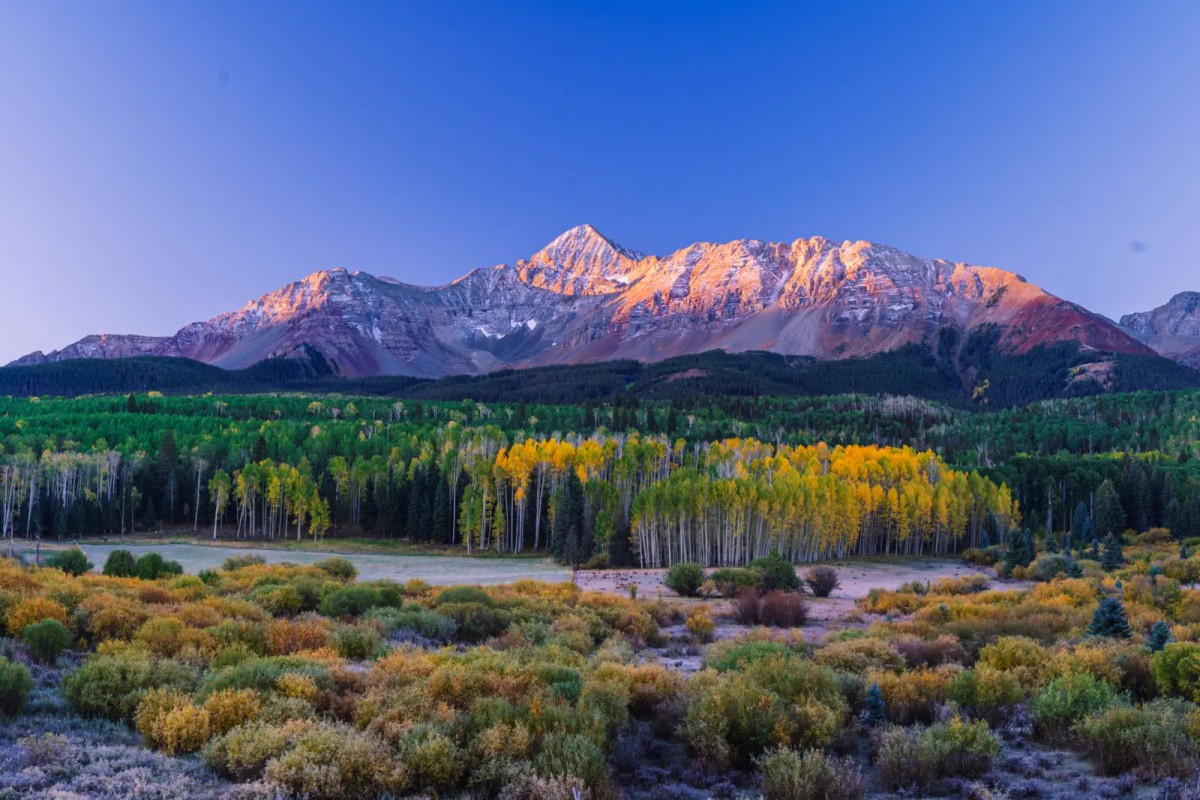
From the dunes, swing west and then southwest to Durango, where the mountains stack like giant blue-green books and train whistles thread the air. It’s a gateway town without pretense - riverfront patios, bikes leaned against wooden rails, and a rhythm that makes you forget you have a calendar. If the mountains are your true north, you’re close now. The San Juans rise rugged and dramatic, mineral-rich and stubborn.
Before you climb, give time to Mesa Verde’s living history. Even a short visit can shake loose your sense of scale. Cliff dwellings perch in alcoves like purposeful swallows’ nests, architectural and intimate all at once. Rangers speak clearly here, and quietly; it’s the kind of place where your voice drops without asking. If by chance you want a different angle on the past, the museum exhibits connect timelines to hands, tools, fire.
- Durango: breakfast burritos that set you right for the day and river walks that settle you after.
- Silverton: a mining town that wears its history on its sleeve - dusty, colorful, irresistible.
- Ouray: hot springs, box canyons, and streets that look drawn by a careful hand.
- Mesa Verde overlooks: sun on stone, shadows like clock hands moving across sandstone walls.
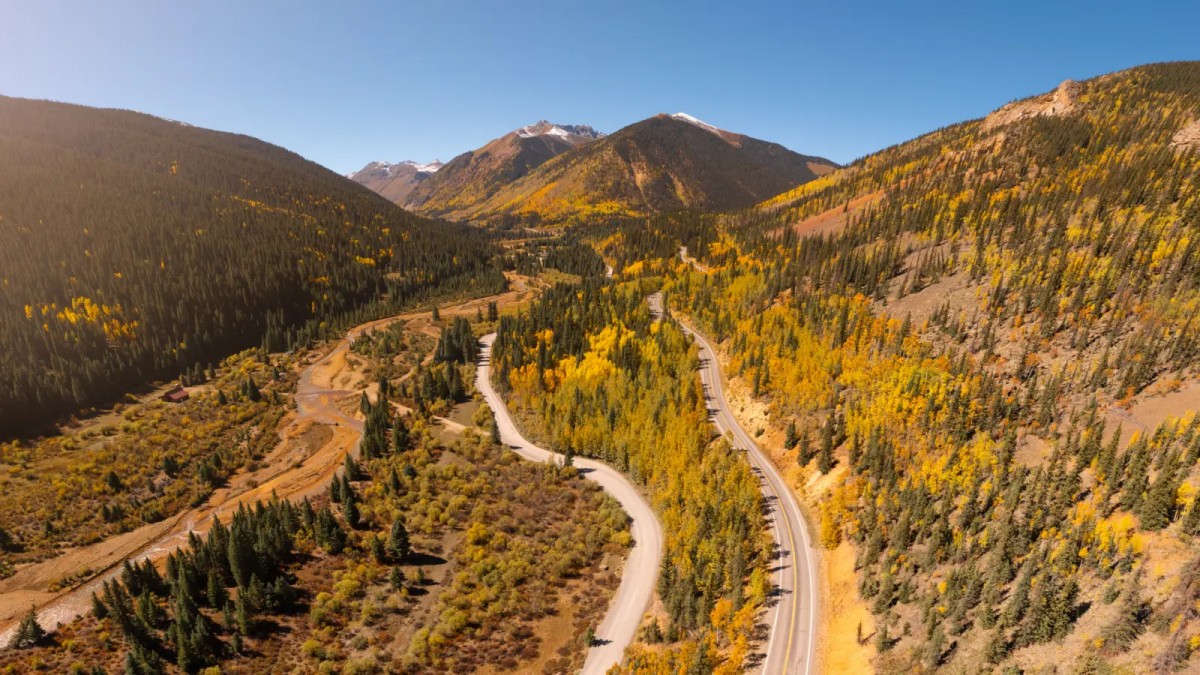
Between Ouray and Silverton, the famed roadway locals call the Million Dollar Highway refuses to be boring. The curves are handsome and a little cocky, shoulders drop away into tight valleys, and the scenery keeps daring you not to look. Mark it on your map as Million Dollar Highway, Ouray and keep your wits about you - pull over often because the views really do keep getting better, which hardly seems fair.
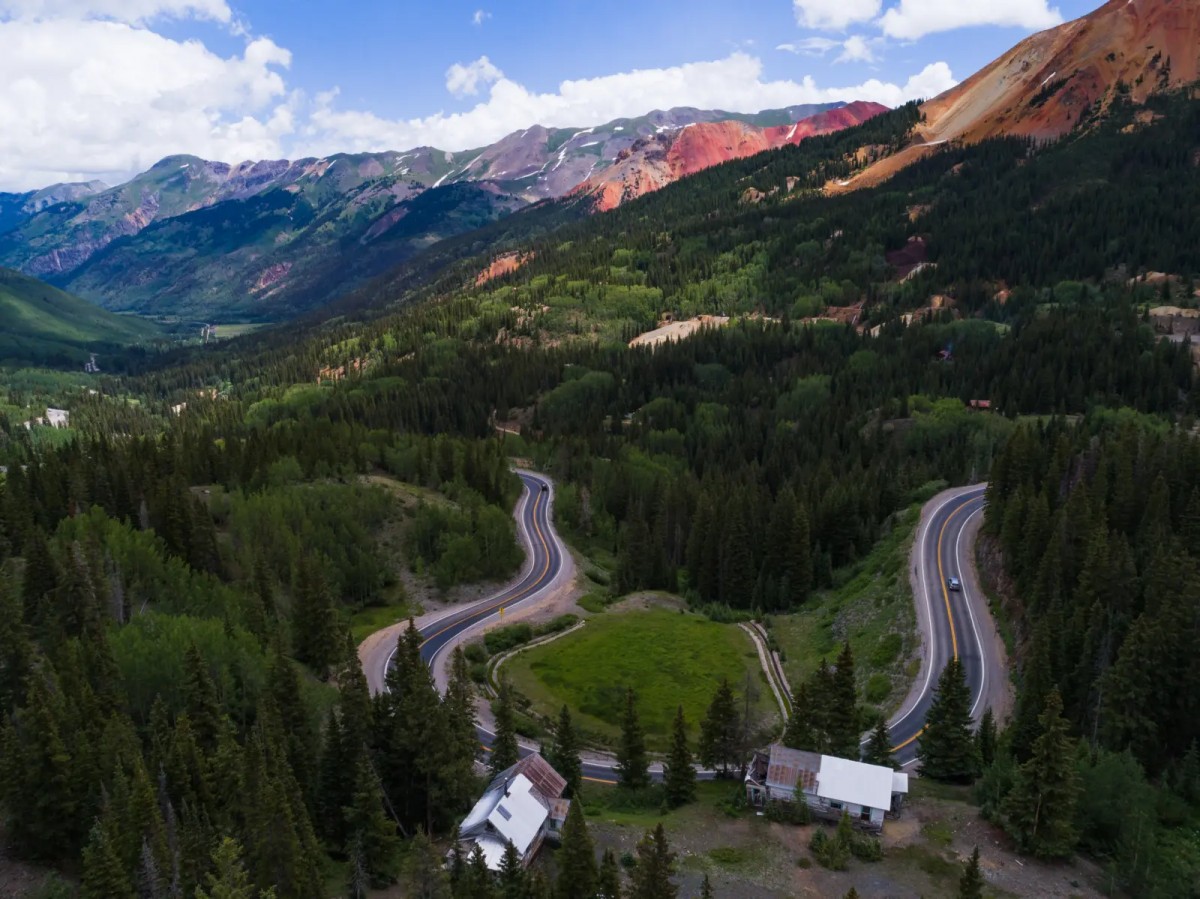
On gray days, the peaks brood and you breathe deeper. On blue days, the world gets sharp at the edges; grass blades, creek foam, thin clouds that seem tilted by wind. This is a good stretch to remember the simple comfort of a thermos. Coffee, tea, broth - whatever warms your hands will warm the miles too.
Western Slope Detours: Canyons, Hot Springs, and Orchards
From the San Juans you can sweep north toward the Western Slope, a landscape that flips the script from jagged granite to sandstone cathedrals and fertile river valleys. The palette warms - ochre, cinnamon, umber - and the scent shifts to sagebrush and irrigated earth. It’s the kind of contrast that makes your photos look like you changed countries, not counties.
Colorado National Monument near Grand Junction is a quiet showstopper. Monoliths stand like watchmen above the Colorado River corridor, and the Rim Rock Drive feels like a gentle ribbon placed perfectly across the top. Mule deer step through juniper shadows with their measured, precise attention. Ravens wheel and comment on everything like the neighborhood poets they are.
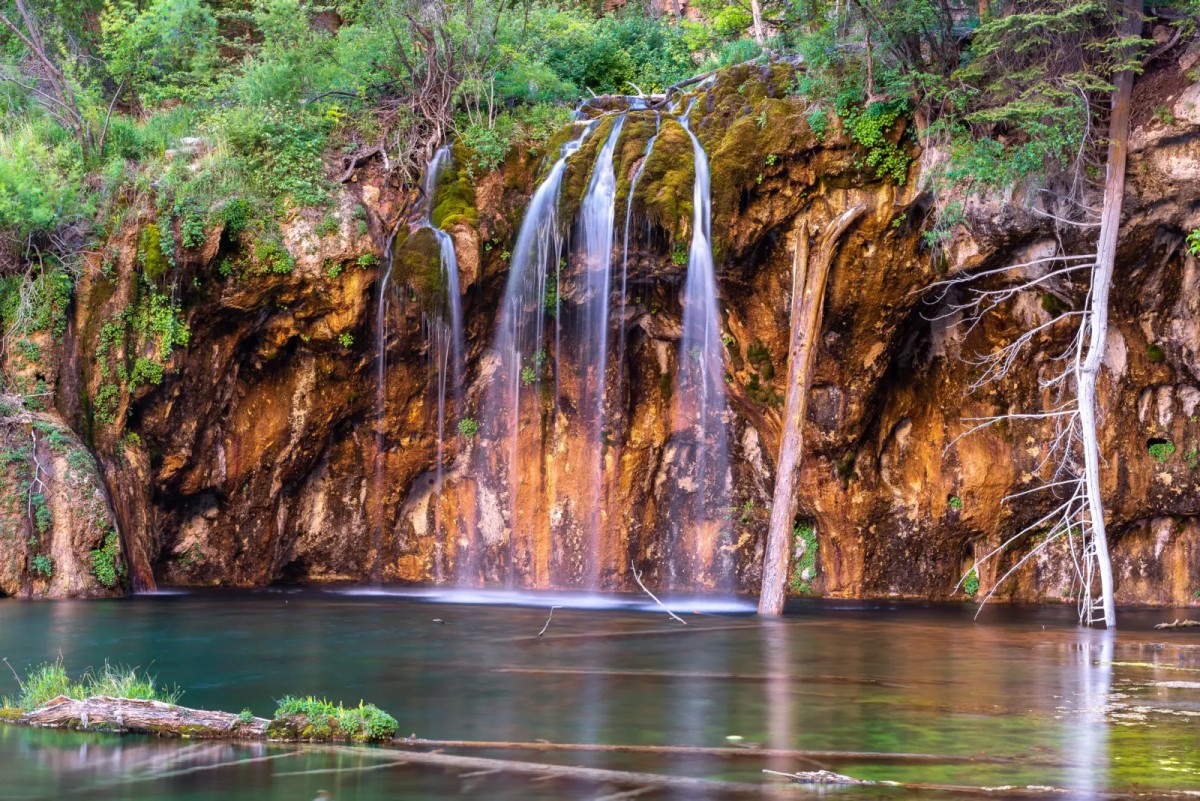
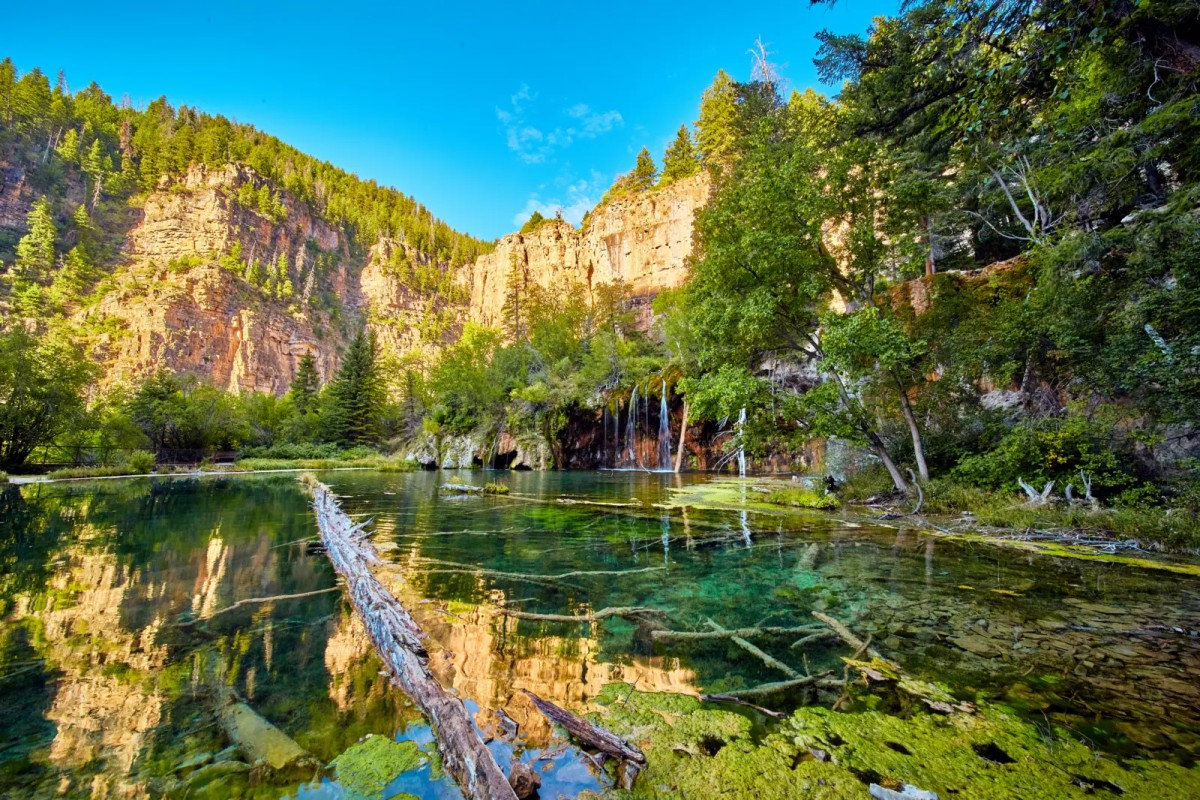
East a ways, Glenwood Springs offers a choice you can’t really make wrong: soak in steaming pools or hike to water that glows glacier-green. If your legs are feeling lively, set your sights on Hanging Lake, Glenwood Springs. The trail clings and climbs through canyon shade before delivering you to a pool that looks invented by a painter. Or tuck into the hot springs and let the steam erase the mile markers from your mind for a minute or two.
Late summer brings a different kind of pilgrimage: peaches from Palisade. The fruit is tender and fragrant, the bite sun-warm and messy in exactly the right way. Road trips earn their reputations off small pleasures like this - juice on your knuckles, a folded paper bag rolling around the passenger footwell, a roadside stand that becomes, unexpectedly, a memory you’ll trot out years later.
Colorado Springs: Pikes Peak, Sandstone, and Springs
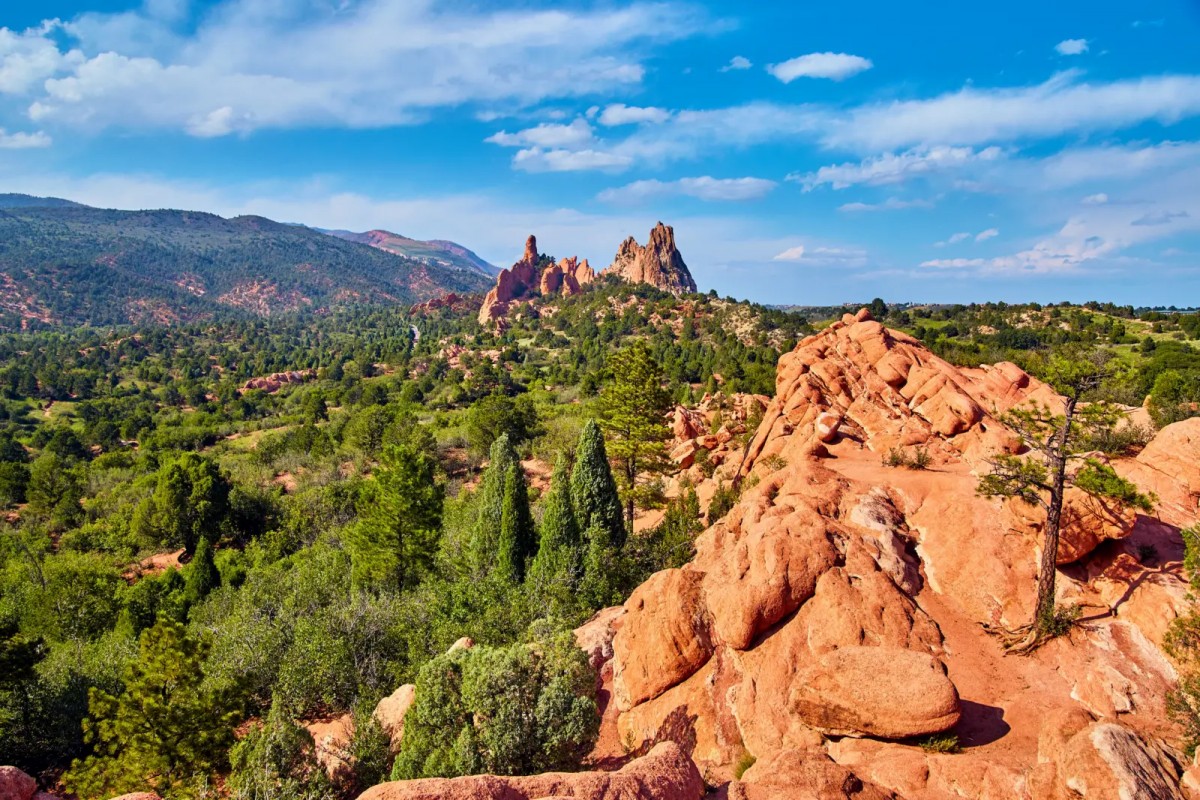
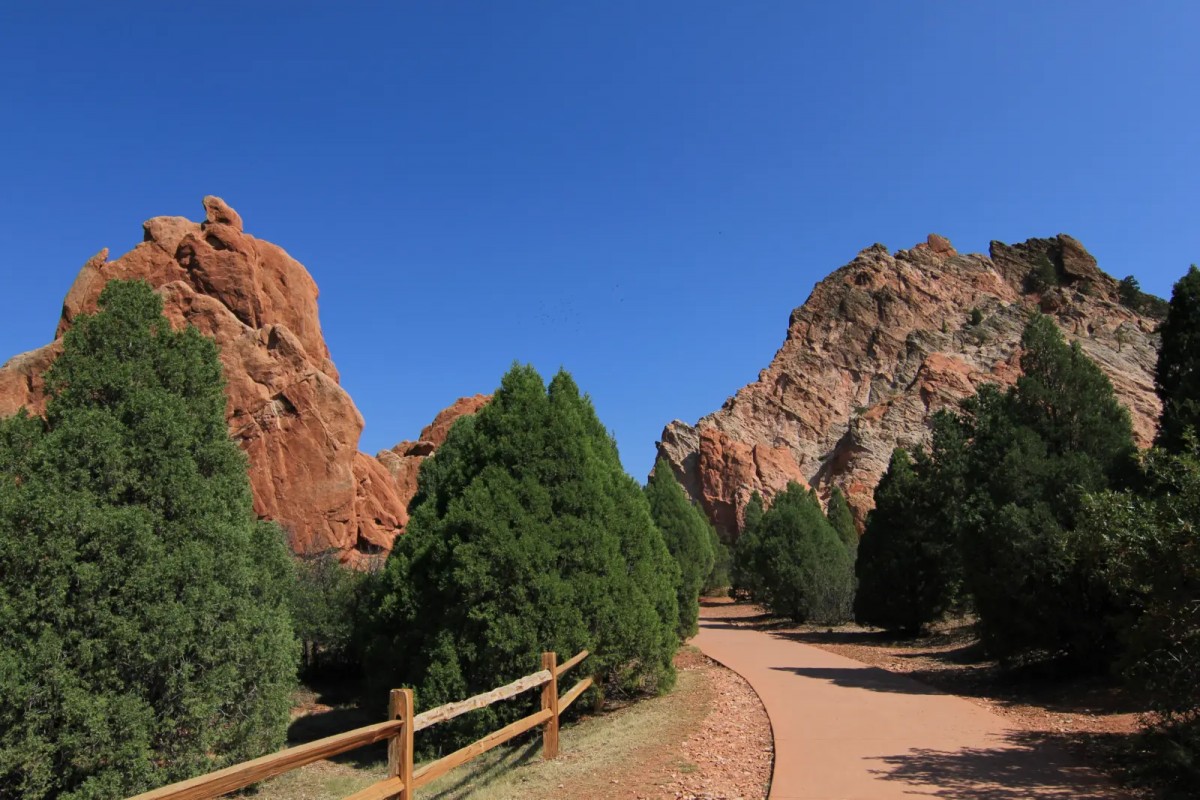
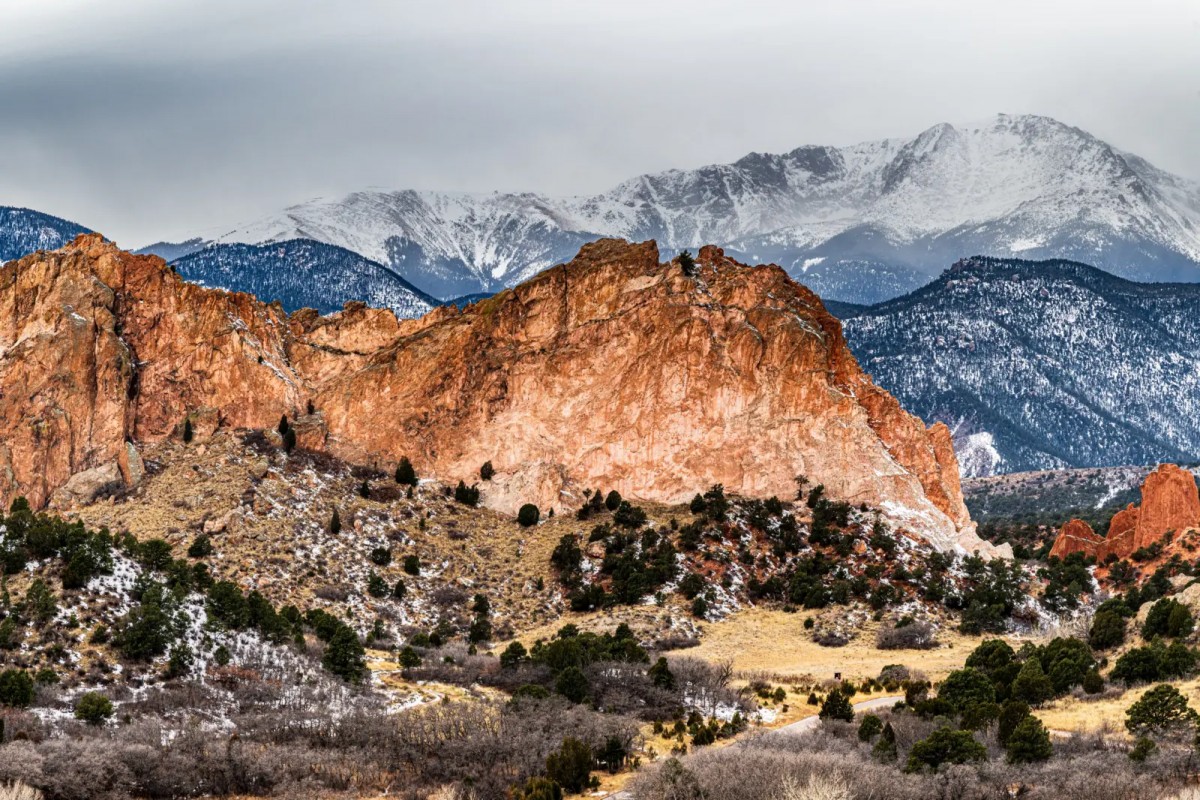
End your loop or begin it in Colorado Springs, where a different drama plays out between red rock spires and the broad shoulder of Pikes Peak. The city has long served as a threshold between plains and mountains, buttoned up and wild in the same breath. You feel that combination in your chest when you wander the trails threading between sandstone fins.
One of Colorado’s most photogenic parks sits on the city’s edge: Garden of the Gods. The name is lofty; the place lives up to it. The rock rises at crisp angles like a fleet of silent ships, bright as embers, while Pikes Peak anchors the skyline like an old friend. Walk the paved loops or duck into the narrower dirt tracks; either way you’ll keep turning to look back.
When the day stretches into gold, consider a drive up the Pikes Peak Highway. It’s a steady climb that feels like a long exhale. At the summit you’ll step out into air that tastes like clean glass and doughnuts that make no sense at altitude yet somehow taste perfect. On the way down remember, gently, that your brakes prefer to be tapped not held. Easy does it.
Sandstone is grippy but fragile. Stay on marked trails and slickrock slabs, and the park will stay as lovely for the next visitor as it was for you. It’s simple courtesy that makes a place feel well loved.
Hungry? The Springs does breakfast like a promise - huevos with a green-chile kick, pancakes that taste faintly of vanilla and butter. Then it does coffee like it’s a vocation. Stroll, sip, browse, repeat. If you’ve got a soft spot for old railroad stations, explore the depot area; if you’re more about the quiet, find a bench in a small neighborhood park and listen for the evening’s first cricket. Everyday life is a fine travel companion.
As your trip winds down, you might catch yourself planning the next lap before you’re even home. A different season, a different slice of the map, a familiar road made new by light and weather and the simple act of returning. Colorado rewards the repeat visitor. It rewards the unhurried driver, the person who carries a sweater in July, the traveler who rolls down the window just to smell the rain. And if that’s you - it probably is by now , you’ll understand why leaving always feels temporary.