Vienna has a way of making nearby towns feel closer than they look on a map - as if the city quietly lends them its rhythm, then lets them keep their own voice. Within an hour or so, spa steam replaces traffic noise, vineyards take over from ring-road façades, and small squares become the stage for everyday Austria. With a flexible schedule, these places are best visited on impulse, not on a stopwatch.
- Baden bei Wien - spa rituals and quiet elegance
- Krems an der Donau - an old town with a contemporary pulse
- Dürnstein - Wachau drama in miniature
- Melk - baroque brilliance above the Danube
- Eisenstadt - music, wine, and courtly corners
- Bratislava - a border-city with a light step
- Sopron - Hungarian charm with a Viennese aftertaste
Baden bei Wien - spa rituals and quiet elegance
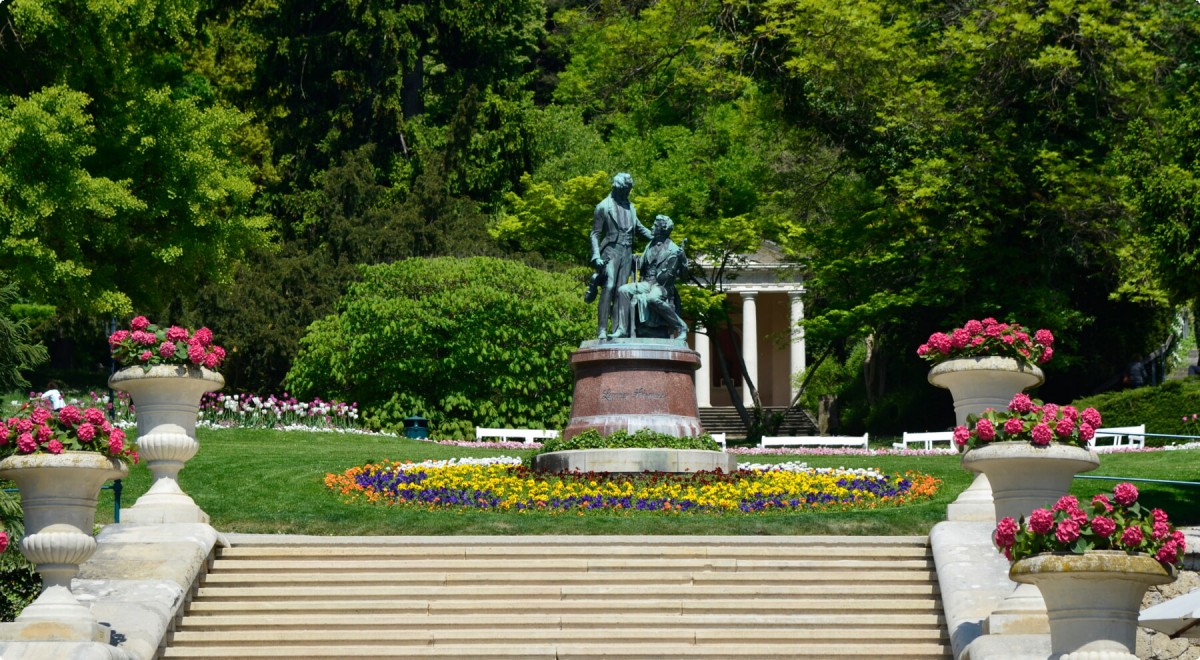
Baden bei Wien is the kind of town that seems to speak in lower volume. The streets are tidy without feeling staged, and the air smells faintly of sulfur , then suddenly of pastry from a bakery that looks as if it has been there since umbrellas were invented. This is where Vienna has long gone to “reset” - not with wilderness, but with warm water, park shade, and a polite distance from hurry.
The center is walkable in the satisfying way: a few minutes of strolling produces a casino façade, a bandstand, a courtyard café, then a leafy path that leads almost accidentally into the spa district. A visit to Therme Baden is often the anchor of the day, especially when the weather is undecided and the sky can’t commit. The bathing culture here is orderly and unpretentious - it is less “wellness theatre,” more “Sunday routine.”
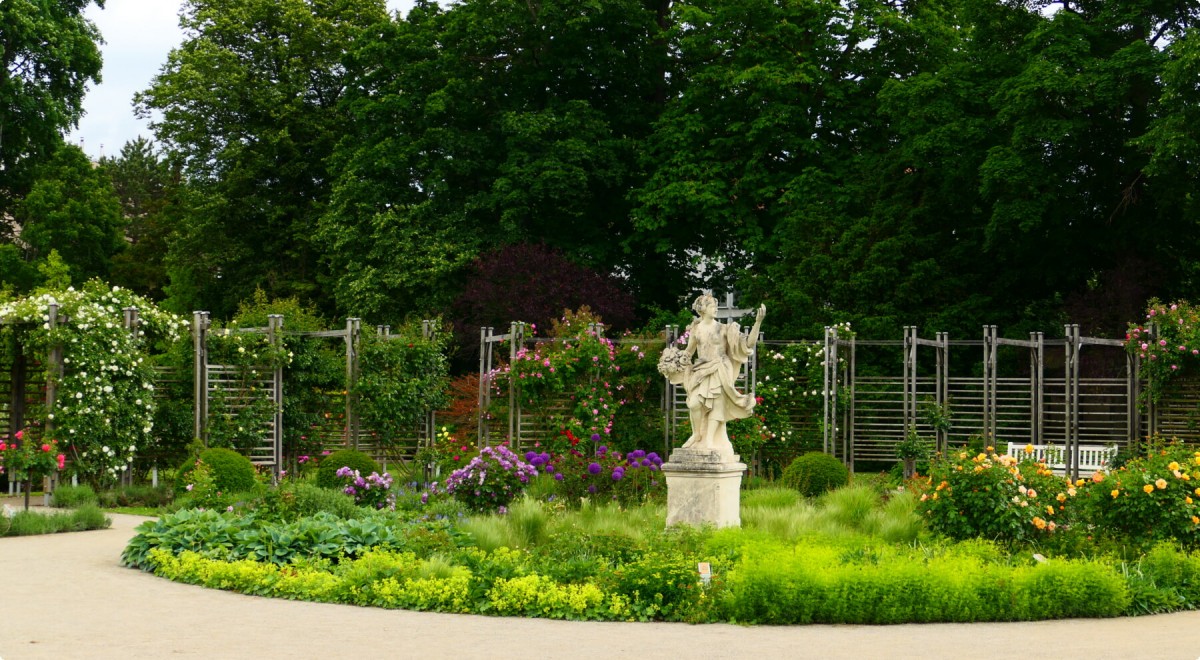
Outside, Baden’s parks do a lot of heavy lifting. The greenery around the town feels curated but not artificial, like a living room that is cleaned often yet still lived in. And then there’s the edge of the Vienna Woods, ready for a short climb that turns the town into a small model below.
- For an early start: coffee and a pastry in the center, before the day-trippers arrive.
- For a middle pause: a slow loop through the Kurpark, where benches are placed like thoughtful punctuation.
- For a late note: a glass of local wine, where conversations sound softer than in Vienna.
Getting out of the city can be as simple as picking up a vehicle and letting the day decide its own shape; options for car rental in Vienna make Baden feel like an easy extension of the capital rather than a separate plan.
Krems an der Donau - an old town with a contemporary pulse
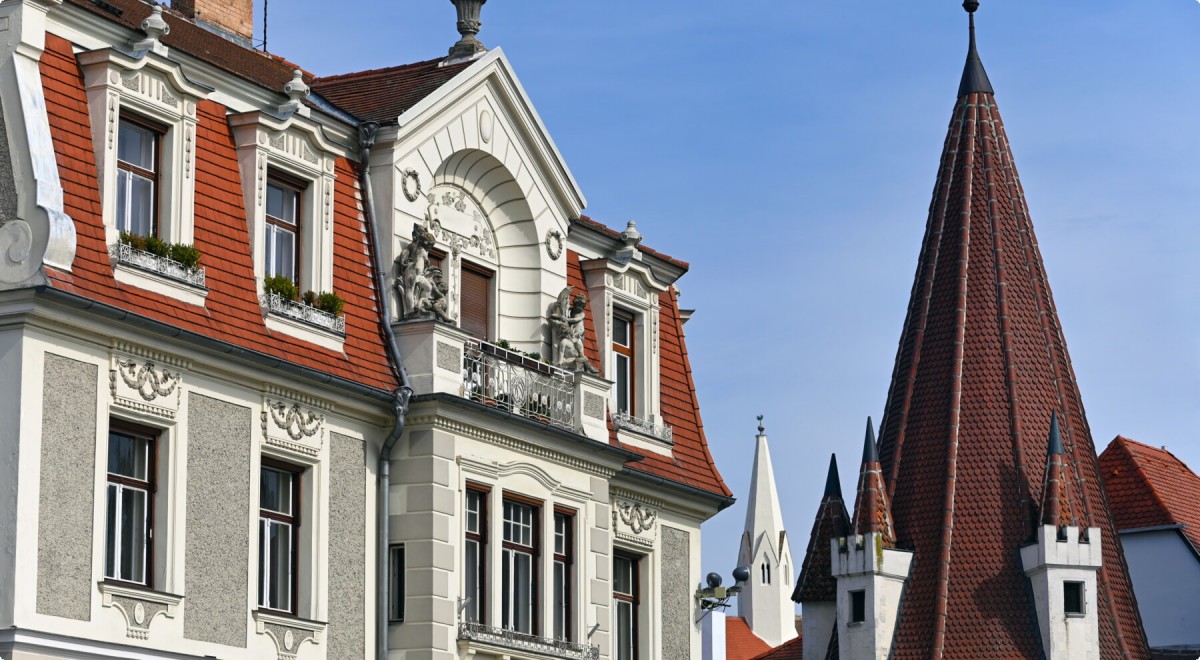
Krems is sometimes treated as a gateway - to vineyards, to the river valley, to postcard villages downstream. But the town itself deserves unhurried attention. Its lanes have the classic Austrian rhythm: a narrow medieval core, a few sudden squares, then the Danube opening the scene like a curtain being pulled back. The light here can feel different, slightly sharper, as if the river reflects more than it should.
What makes Krems quietly addictive is its mix of inherited beauty and present-day life. Students pass under old stone arches, small galleries appear where storage rooms probably used to be, and cafés feel local rather than designed for the “perfect break.” It is the sort of place where a quick errand becomes a two-hour drift, because the streets keep offering small detours.
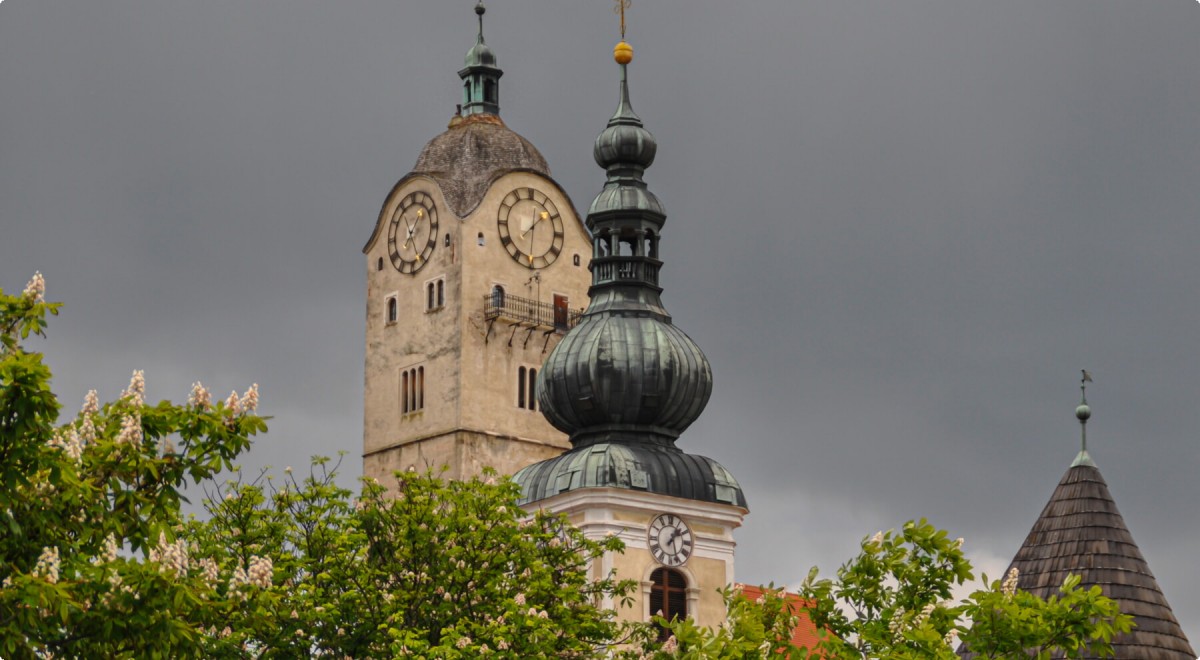
It also sits at the threshold of the Wachau Valley, a stretch that makes the Danube look deliberately scenic. But Krems doesn’t insist on being romantic - it just happens to have a skyline that looks good in late afternoon, when the sun hits church towers and the roofs turn coppery.
One practical pleasure: Krems works well in any season. In summer, the town feels open and airy; in colder months, it becomes more inward, more about warm interiors and good bread. The river stays, of course, and acts like a long, steady presence, even when the rest changes.
Dürnstein - Wachau drama in miniature
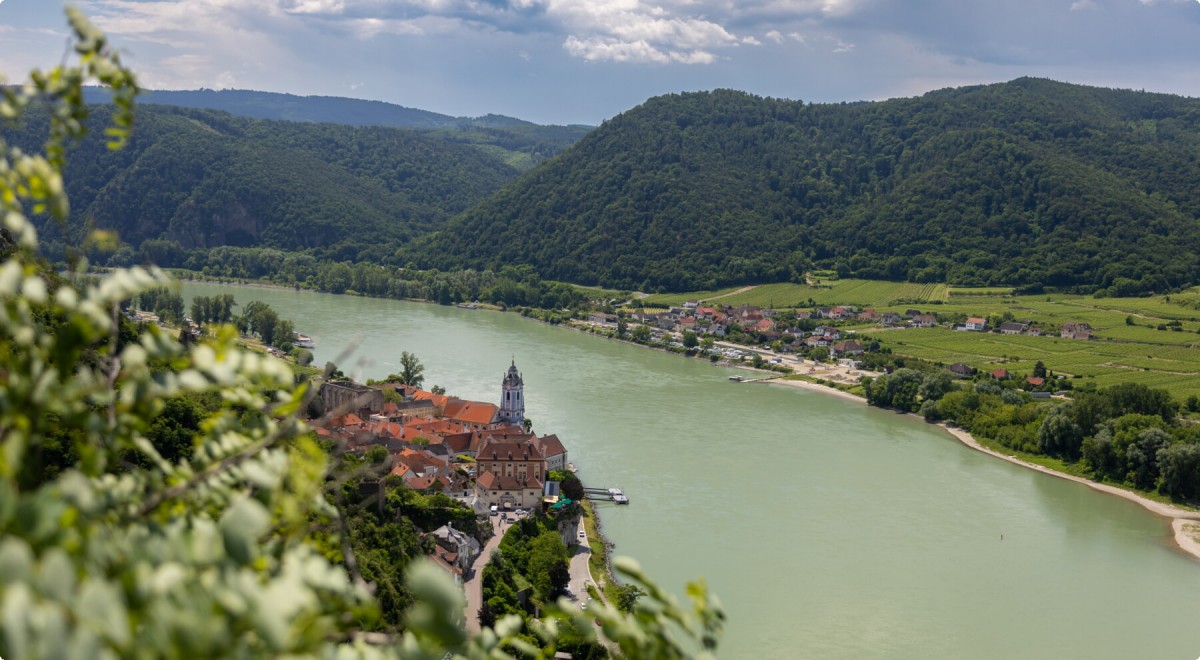
Dürnstein is small enough to be crossed in minutes, yet it manages to fit in a surprising amount of theater. There is the blue-and-white tower that appears on camera rolls everywhere, the tight streets that funnel people toward the river, and above it all the castle ruins - a rocky silhouette that makes the village feel guarded. The climb up is not complicated, but it is persuasive: with each switchback the Danube widens, and the boats below begin to look like slow-moving toys.
It’s a place where time feels compressed. One moment is spent in a wine tavern with a wooden table that carries the marks of a thousand glasses; the next is spent looking at stone walls that have survived everything except modern patience. The village has a way of making even a short visit feel “complete,” which is rare.
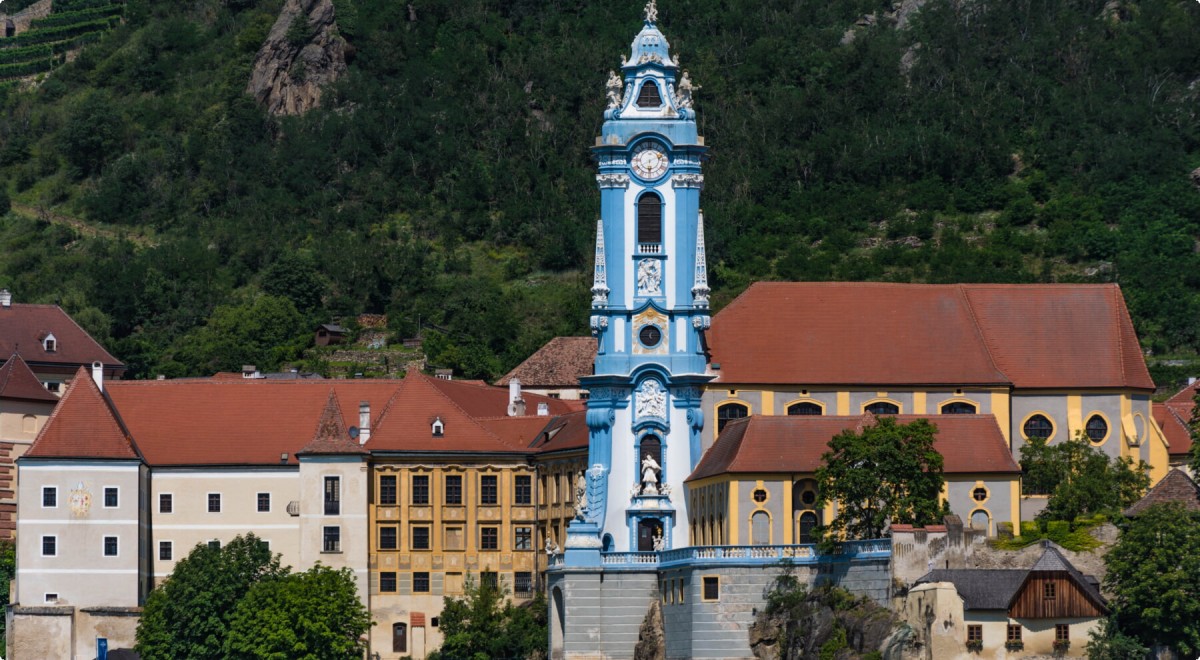
Dürnstein can feel crowded in the middle of the day, then strangely calm again an hour later. A small shift in timing changes the whole tone - like visiting a bakery before the queue forms.
- Arrive earlier or later than “lunch o’clock” to get the river promenade mostly to yourself.
- Do the ruin climb first, then let the descent end in a glass of Grüner; legs will thank it.
- Consider parking outside the tight center and walking in - the village is better approached slowly.
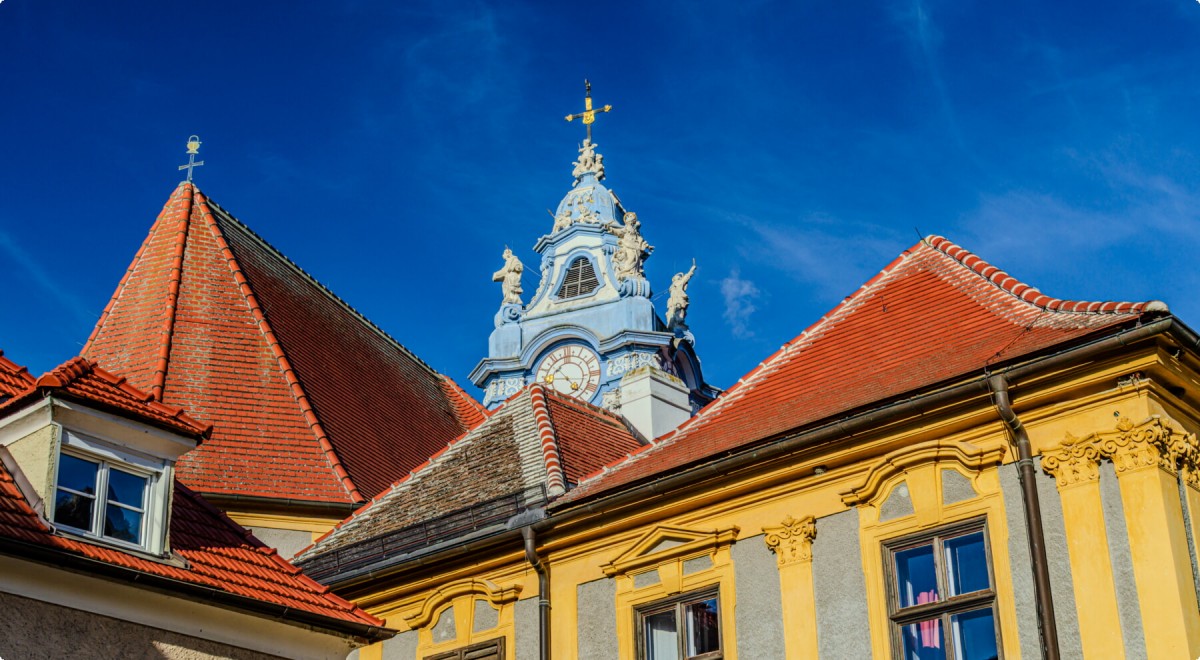
The best moments often happen between the “main sights.” A door is left open to a courtyard, a church bell interrupts conversation, and the river breeze cools the skin after the uphill walk. Dürnstein doesn’t need much narration - it simply gets under the day’s skin.
Melk - baroque brilliance above the Danube
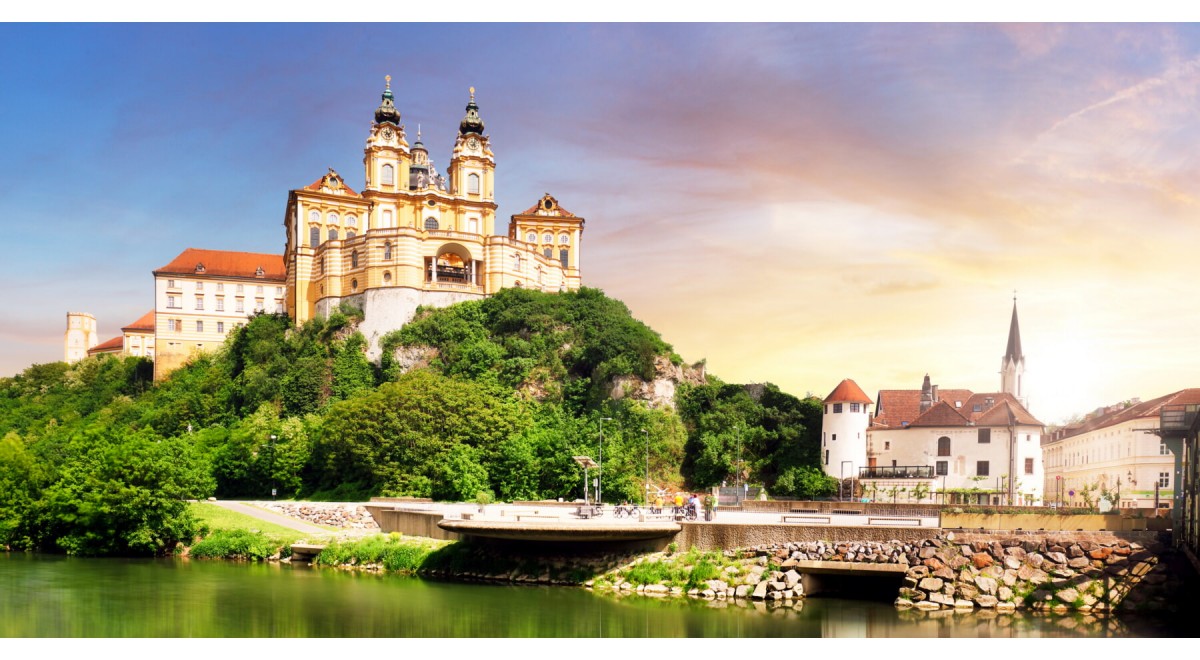
Melk announces itself from a distance. The abbey sits high above the town like an architectural verdict, and even from the road it looks slightly unreal - too large, too confident, too golden when the sun hits it. But the effect is not cold. It feels welcoming in the way big landmarks sometimes do, when they become part of local orientation rather than distant grandeur.
A visit is usually shaped around the abbey complex, and it’s easy to see why. Standing near Stift Melk, the Danube looks composed, as if it has been asked to behave for the view. Inside, the baroque interiors can be almost overwhelming - not because they are loud, but because they are relentless in detail. The eye keeps finding one more carved edge, one more painted ceiling trick, one more corridor that seems to go on just a little too long.
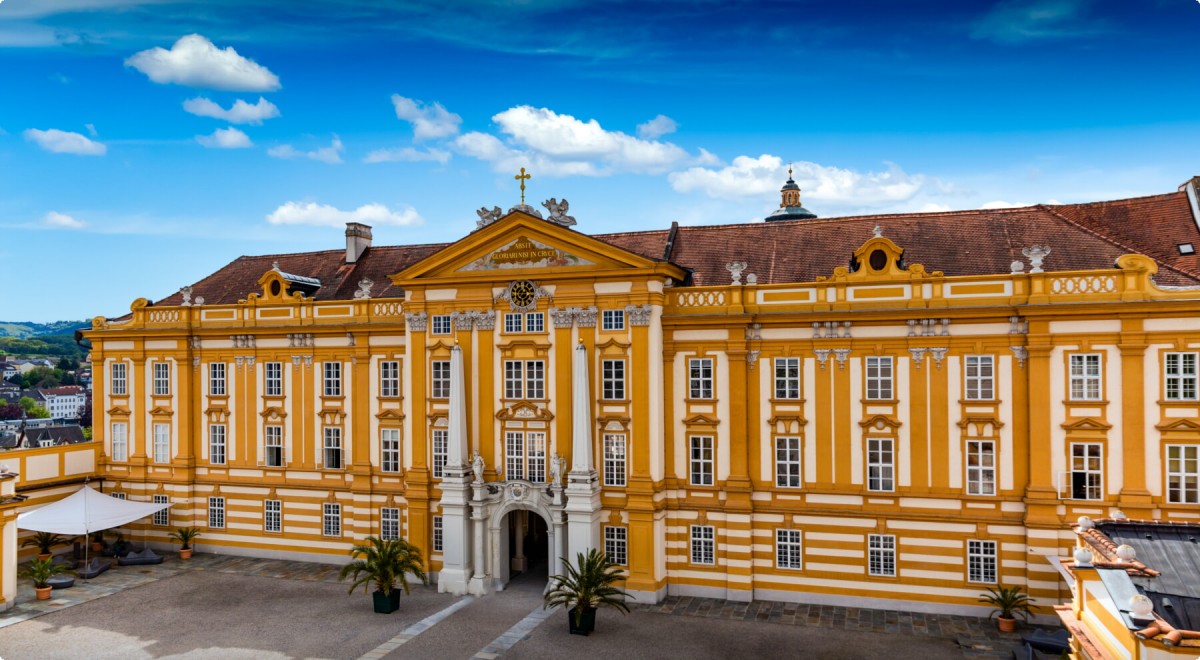
Down in town, Melk is more modest, and that contrast is part of the pleasure. A few streets away from the monumental, daily life returns: grocery bags, school groups, a café with a simple lunch menu and someone reading the newspaper as if it were a long novel. The day can be paced gently here.
- A short, satisfying circuit: abbey viewpoint, old town streets, riverbank walk.
- A calmer alternative: skip the busiest interior hours and linger outside, watching the light shift on the façade.
- A local habit: treat the Danube as a companion, not a backdrop - walking beside it makes the town feel larger.

In late afternoon, as tour buses thin out, Melk becomes almost intimate. The same spaces that felt crowded an hour earlier begin to feel like rooms again, and the town settles into a quieter frequency.
Eisenstadt - music, wine, and courtly corners
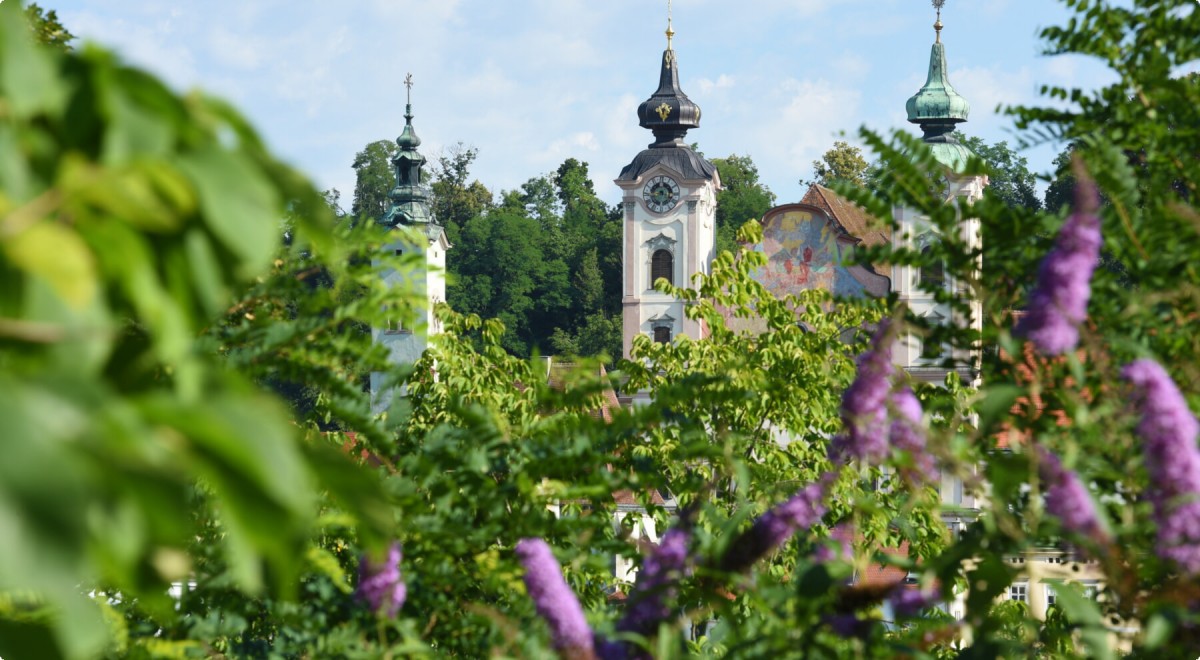
Eisenstadt has a composed, almost “well-behaved” beauty. It doesn’t try to impress with size; instead, it offers proportion, history, and a steady cultural hum. The town is closely tied to Joseph Haydn, and his presence lingers not as a museum label but as a continuing habit - concerts, plaques, small references that appear like familiar street signs.
The main draw is the former Esterházy seat, and the complex has an elegant authority without feeling severe. A tour through Esterházy Palace often reveals the town’s character: aristocratic, yes, but also practical, with rooms that were meant to be used rather than merely admired. Outside, the gardens feel like a softer continuation of the same idea.
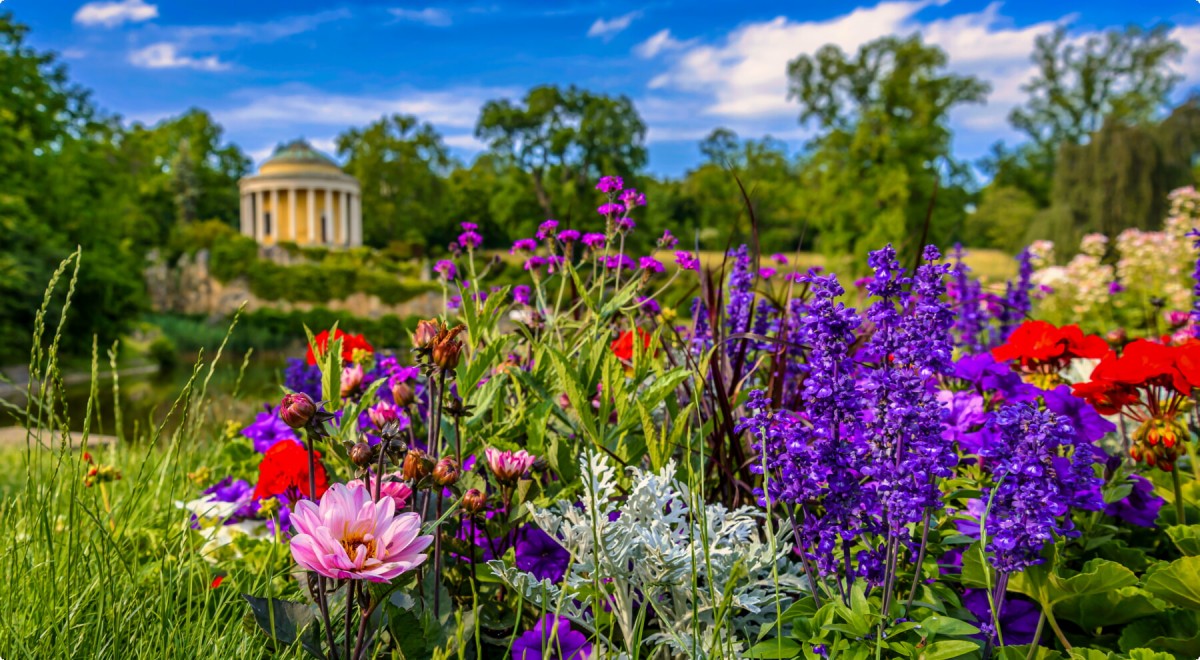
Eisenstadt also sits in wine country, and this matters. A glass poured here tastes connected to the landscape - not in a mystical way, but in the simple sense that vineyards are visible, and the people serving the wine might also be the ones tending it. In the evening, wine cellars, are open in nearby villages, and the atmosphere becomes less “day trip” and more “local night out.”
It’s a strong choice when Vienna feels too busy, but another big-ticket sight feels like work. Eisenstadt offers culture in a human scale, and the day ends without the sensation of having been pushed through anything.
Bratislava - a border-city with a light step
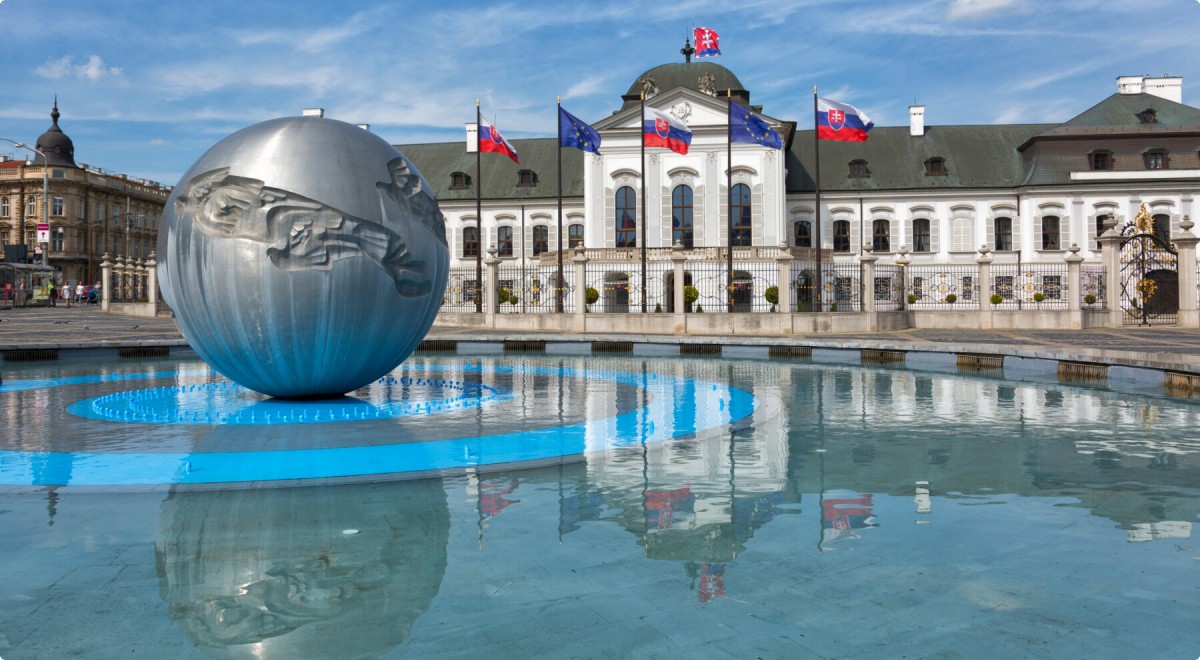
Bratislava sits so close to Vienna that it can feel like a neighborhood that drifted across a border and kept its own language. The city is not a miniature Vienna, and that’s the point. It feels lighter on its feet - less formal, more casual, with a center that can be enjoyed in a single day without feeling rushed or underfed.
The old town is compact, social, and full of small temptations: a bakery window, a side street that looks promising, a courtyard that turns into a café. A walk through Bratislava Old Town often becomes a sequence of small decisions rather than a fixed route. One minute is spent looking at baroque details, the next at street art, then suddenly the Danube appears again, reminding everyone how connected these places are.
Bratislava is easy, but it rewards a little planning around timing and parking. The difference between “smooth” and “fiddly” is often just one small decision made earlier.
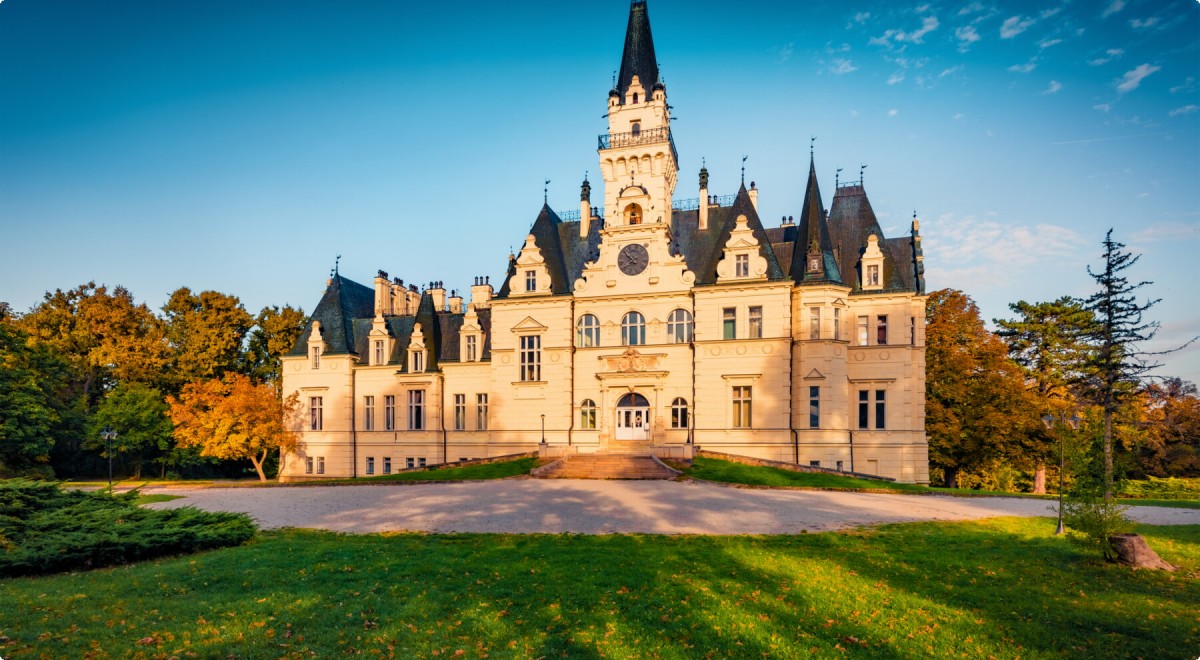
For those arriving by air and heading straight out of Vienna, picking up a vehicle at the airport keeps the schedule clean; Vienna Airport car rental can be the simplest way to avoid backtracking through the city first. Bratislava then becomes a natural first stop - close enough to feel spontaneous, different enough to feel like a real change of scene.
It’s worth lingering until dusk. The city’s evening mood is one of its best features: terraces fill, lights soften the streets, and the day ends without ceremony, just a slow drift back across the river.
Sopron - Hungarian charm with a Viennese aftertaste
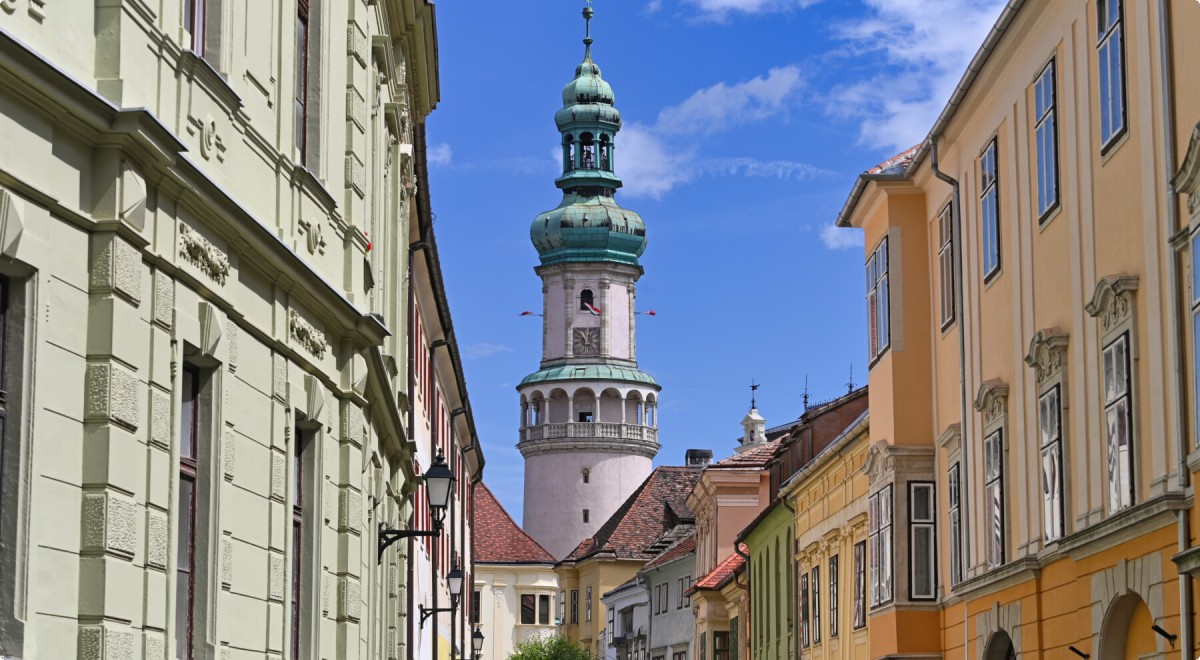
Sopron sits just over the Hungarian border, and it carries that special mix found in border towns - familiar structures, unfamiliar rhythms. The town center is richly preserved, with medieval streets that curl rather than run straight, and façades that look gently worn instead of aggressively restored. It feels lived-in, and that matters more than perfection.
There is a pleasant density to Sopron. Cafés are close together, small shops feel personal, and churches appear unexpectedly, like someone kept placing them wherever there was space. The town is also framed by the Lővérek hills, which lend a green, slightly cooler edge in summer. On warm days, Sopron can feel like a shaded room compared to Vienna’s heat.
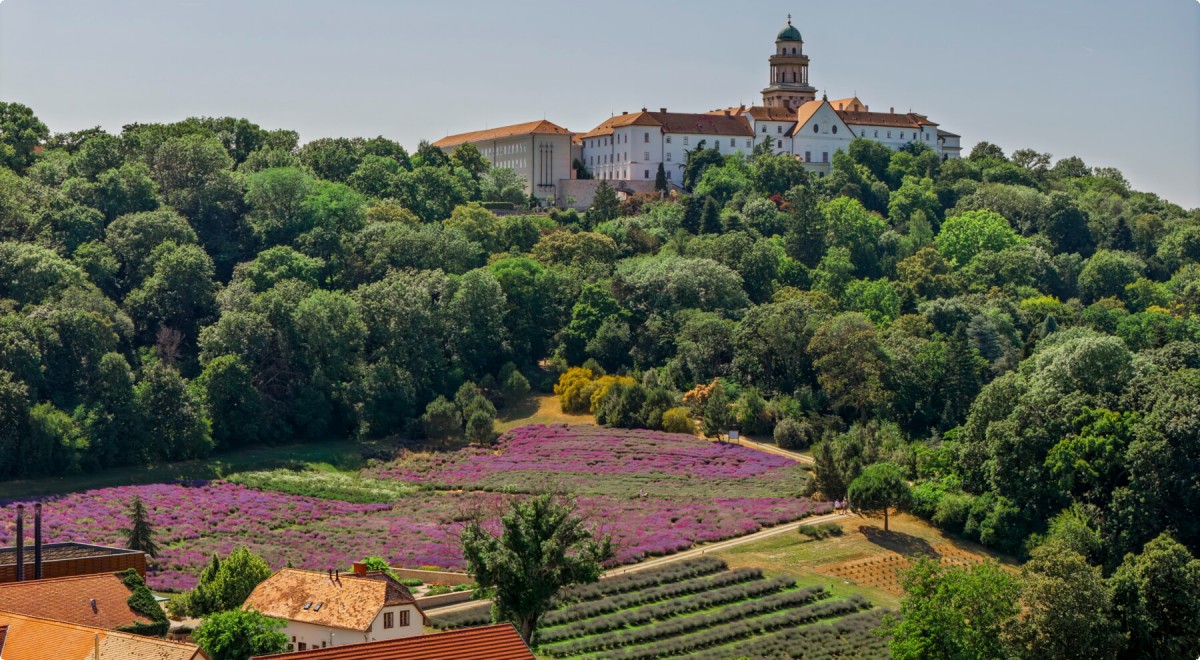
- Old town wandering: the best route is the one that keeps changing, because Sopron’s small streets reward wrong turns.
- Wine culture: local reds are taken seriously, and tasting often feels like conversation rather than “service.”
- Day-trip pacing: a slow morning in town pairs well with a quieter afternoon in the surrounding hills.
What makes Sopron memorable is its everyday texture. It doesn’t demand admiration; it collects it. A doorframe detail, a courtyard tree, a simple lunch that tastes better than it has any right to - these are the things that stick. And while it’s close to Vienna, it refuses to be an annex. It remains itself, calmly, and that is exactly why it works.