Transylvania often arrives in the imagination as fog, wolves, and stitched-up legends. On the ground it behaves differently - it is sunlight on pastel plaster, church bells that keep imperfect time, and long roads curving through orchards. The “fairytale” part is not a marketing trick; it comes from places that still look built for horses, lanterns, and quiet conversations at stone corners.
Many routes into Transylvania begin in the capital, then slip north until the scenery turns Saxon and mountainous. For flexible timing between towns (and for detours that happen on instinct), car rental in Bucharest is often the simplest start. Flights arriving late still work fine too, because car rental at Bucharest Otopeni Airport keeps the first night from becoming a logistical puzzle.
1) Sibiu - a city that watches back
Sibiu has an odd talent: it looks composed, but not polished. The roofs have dormers shaped like half-closed eyes, and the effect is mildly theatrical - as if the city is pretending to nap while listening to footsteps. In the old center, streets fold into each other with the confidence of an old neighborhood, the kind where every corner has been argued about and then forgiven.
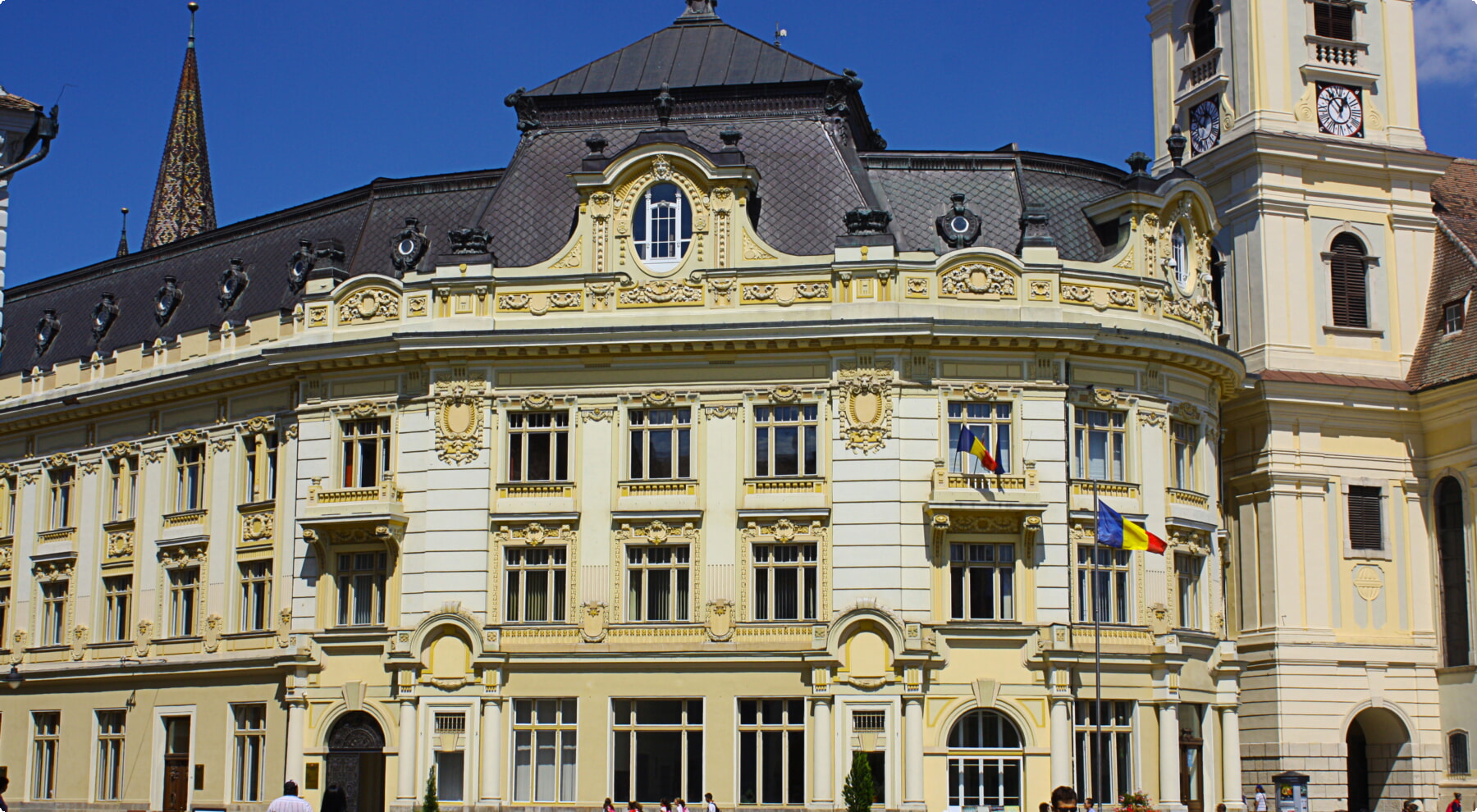
The main squares feel like open-air living rooms, and the grand one, Piața Mare, Sibiu, shows how “fairytale” can be practical. There is room for festivals, slow strolls, and the small daily choreography of locals weaving around visitors without drama. In Sibiu the light changes quickly it feels staged, like someone keeps adjusting a dimmer switch behind the clouds.
Where the magic hides in plain sight
It is tempting to treat Sibiu as a checklist - bridges, towers, museums - but the town is better when approached like a favorite café: returning to the same spot and noticing a new detail each time. A stone passage that smells faintly of damp lime. A brass door handle worn to a satin shine. A courtyard that suddenly turns quiet, as if sound has been politely asked to wait outside.
- Walk the center early, when delivery vans are still negotiating narrow streets and the city feels “backstage”.
- Look up more than seems normal - the roof “eyes” change mood depending on the weather.
- Pause in one square long enough to notice the tempo: footsteps, bicycle bells, cups placed on saucers.
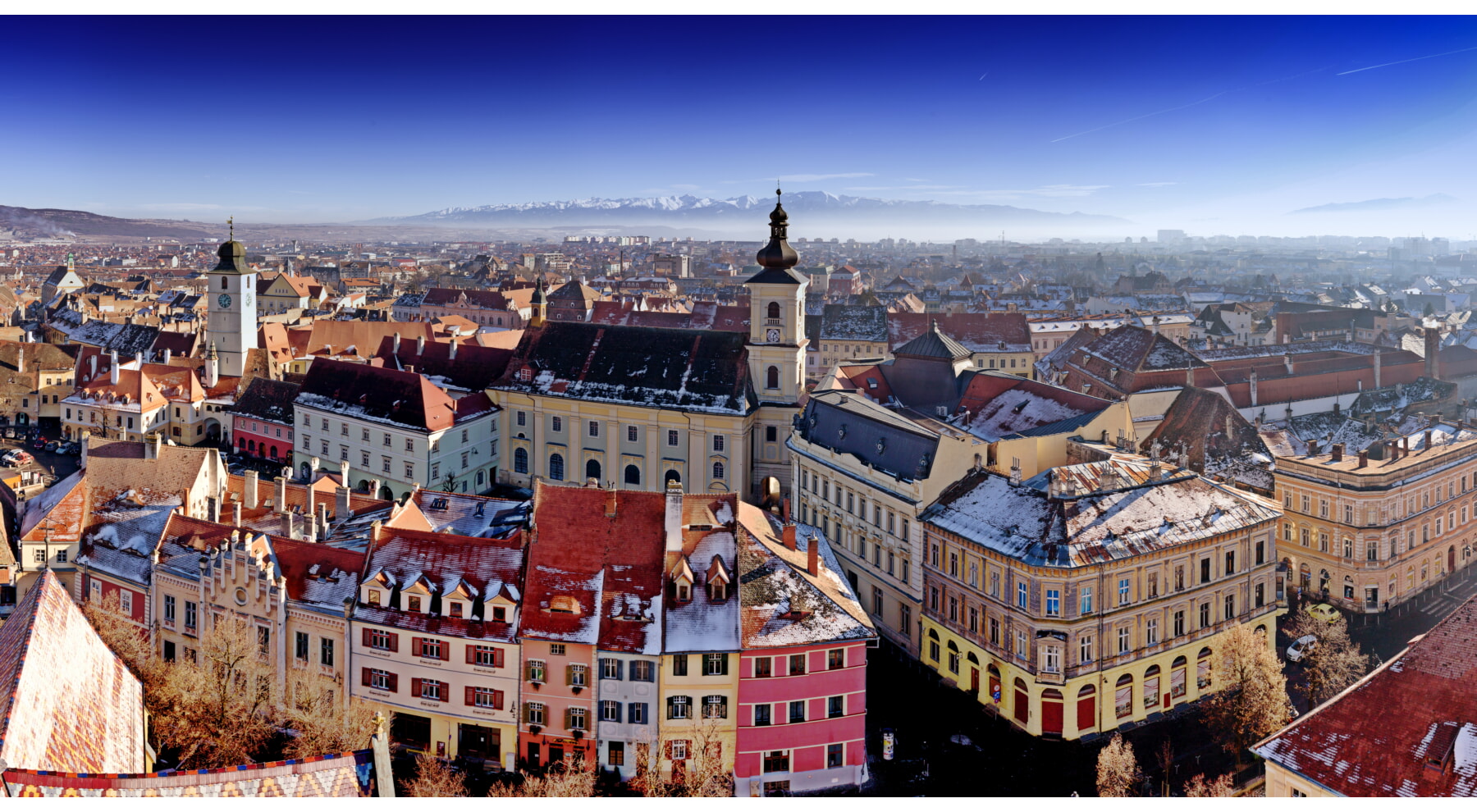
Outside the most photographed areas, Sibiu stays confident rather than showy. Little groceries sit beside art spaces; laundry lines share walls with decorative ironwork. The fairytale effect comes from that coexistence - nothing is sealed behind glass. There is also an understated culinary charm: soups that taste like somebody’s careful afternoon, and pastries that aren’t competing for attention yet somehow win it.
Sibiu also plays a useful role in a Transylvanian route: it is a gentle “calibration” town. After an hour here, expectations shift. Less Dracula, more human-scale medieval Europe with Romanian warmth and Saxon geometry living side by side.
2) Sighișoara - the citadel that still breathes
Sighișoara is not a museum pretending to be a town. It is a town that happens to have walls, towers, and slanted cobblestones that tug slightly at the ankles. The hilltop citadel has that rare quality of being inhabited without being domesticated; it still looks ready for a messenger on horseback, while also hosting schoolchildren and laundry baskets.
At its core stands the clock tower, and it performs a kind of daily theatre. People gather, glance up, drift away, return again - the way one keeps checking a stove at home even after knowing it’s off. The surrounding lanes are tight and colorful, but the palette isn’t sugary; it’s softened by age. Plaster fades, paint thins, and the result is more storybook than postcard.
A particularly satisfying anchor point is Clock Tower, Sighișoara, where the town’s layers become visible at once: defenses, trade, pride, and everyday life moving through the same gate. The climb is short but insistent, and it rewards patience rather than speed.
As day-trippers thin out, Sighișoara becomes quieter and more believable. Lantern-like streetlights flatten shadows onto the cobbles, and even ordinary doorways start to look like entrances to a different chapter.

The fairytale quality here is slightly darker than in Sibiu - not scary, just moody. Wooden shutters close with a soft finality. Cats treat steps like personal property. In small courtyards, vines climb walls with no sense of hurry. And in a few places, modern life peeks out: a Wi‑Fi sticker, a scooter helmet, a child’s bright backpack. Somehow that contrast makes the medieval bits feel more, not less, real.
Food and drink in Sighișoara tends to be hearty. It suits the vertical town: a climb, a pause, something warm. The idea of lingering is built into the stone, and there is no need to rush. A traveler who stays long enough will notice the soundscape change from chatter to footsteps to wind brushing old timber.
3) Brașov - mountains at the doorstep, stories in the squares
Brașov arrives with a different energy: more bustle, more cafés, more winter-jacket practicality. Yet it still lands firmly in fairytale territory, mostly because the mountains press so close they feel like stage scenery. The town doesn’t simply “have a view”; it lives under one. When clouds snag on the slopes, the whole center takes on a miniature, toy-town charm.
The old square is a good starting compass, and Piața Sfatului, Brașov keeps the city’s rhythm visible: people meeting, drifting, circling back. Nearby, streets narrow into surprising corridors, and the famous skinny lane is less a landmark than a quick sensory jolt - walls close in, voices bounce, and the world becomes briefly two-dimensional.
How Brașov tells its fairytale
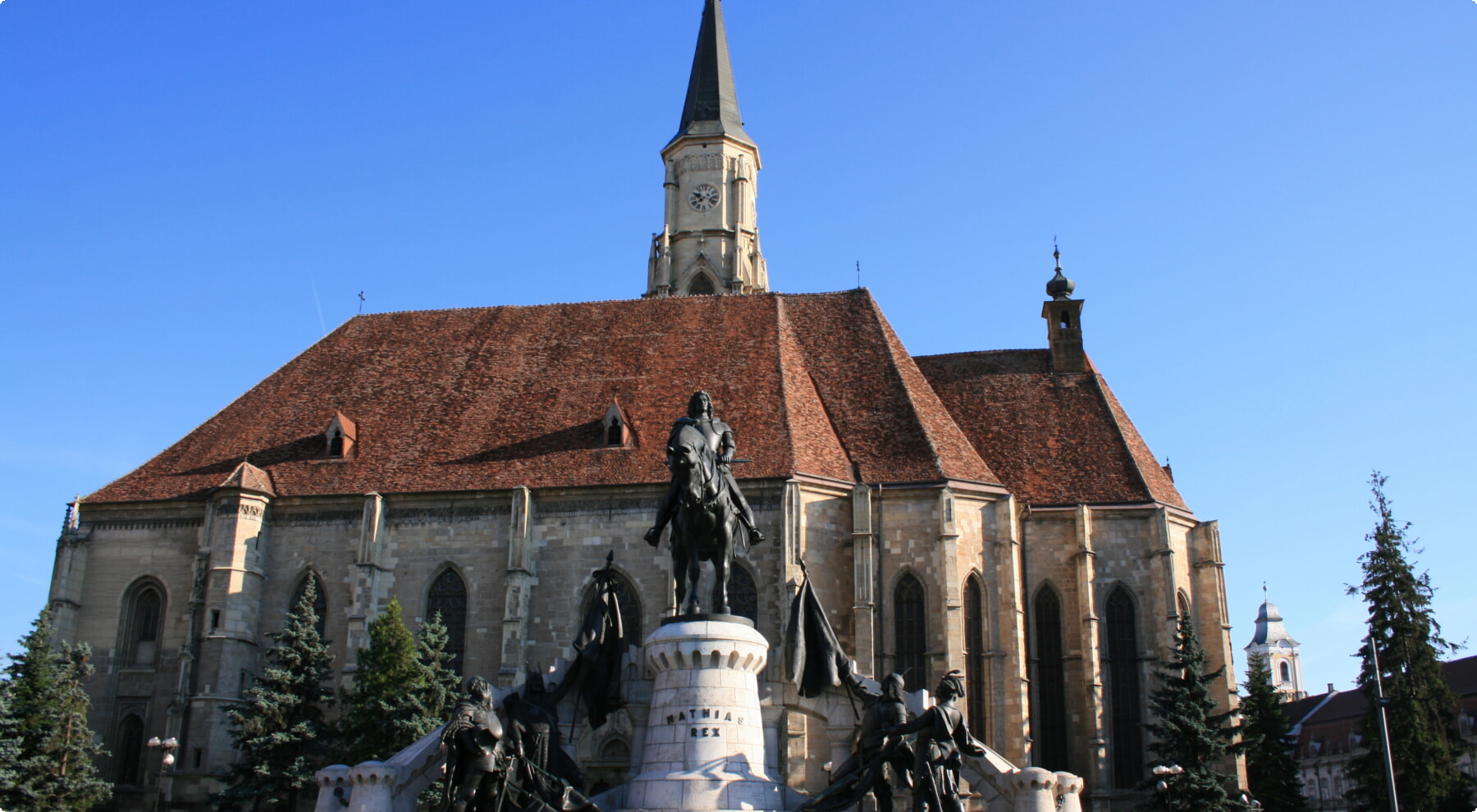
Here, “fairytale” isn’t only medieval ornament. It is the way the city shifts between grand and domestic within a minute: a heavy church façade, then a small bakery window; a serious historical plaque, then a child dragging a sled across a patch of snow that refuses to melt. Cobbles, and balconies, and steep little staircases keep interrupting straight lines.
- A short walk up toward the hillside viewpoints reframes the town as a compact storybook illustration.
- Evening in the center often feels like a community event rather than nightlife - slow, conversational, unforced.
- Side streets reveal older Brașov: courtyards, patched plaster, gates that look older than the houses behind them.
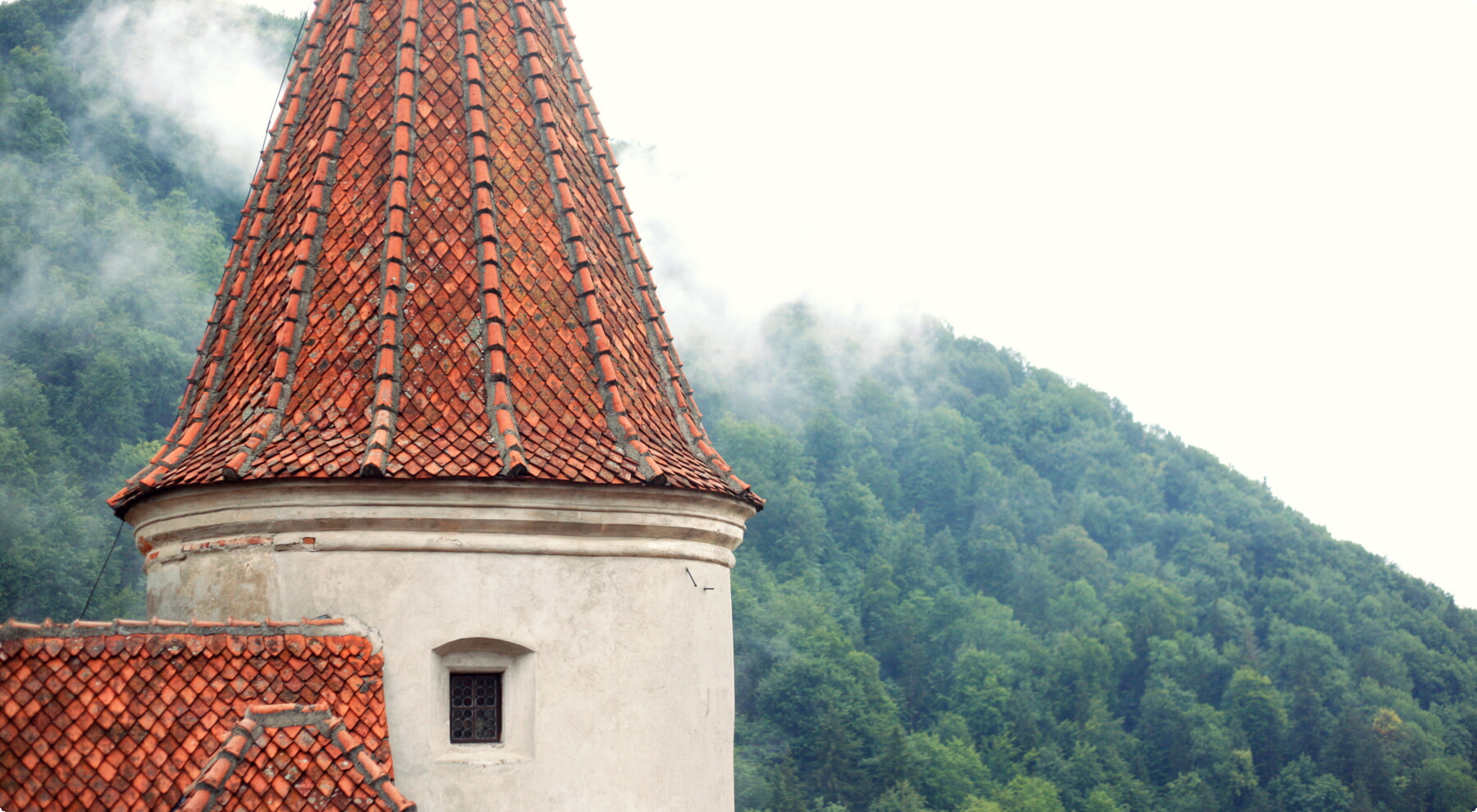
Brașov also works as a springboard for the region’s most famous castle mythos. The drive toward Bran Castle passes landscapes that look designed for legends: forests that thicken quickly, meadows where the horizon doesn’t feel hurried. The castle itself is not a secret, of course, but the road experience matters - it supplies the atmosphere that photos cannot.
Despite its popularity, Brașov still offers quiet pockets. A few minutes away from the square, the sound softens, and it becomes possible to hear the city’s older materials: wooden gates closing, boots scuffing stone, a tramline hum far off. It’s a place where an ordinary morning coffee can feel cinematic, without anyone trying too hard.
4) Viscri - a village that refuses to hurry
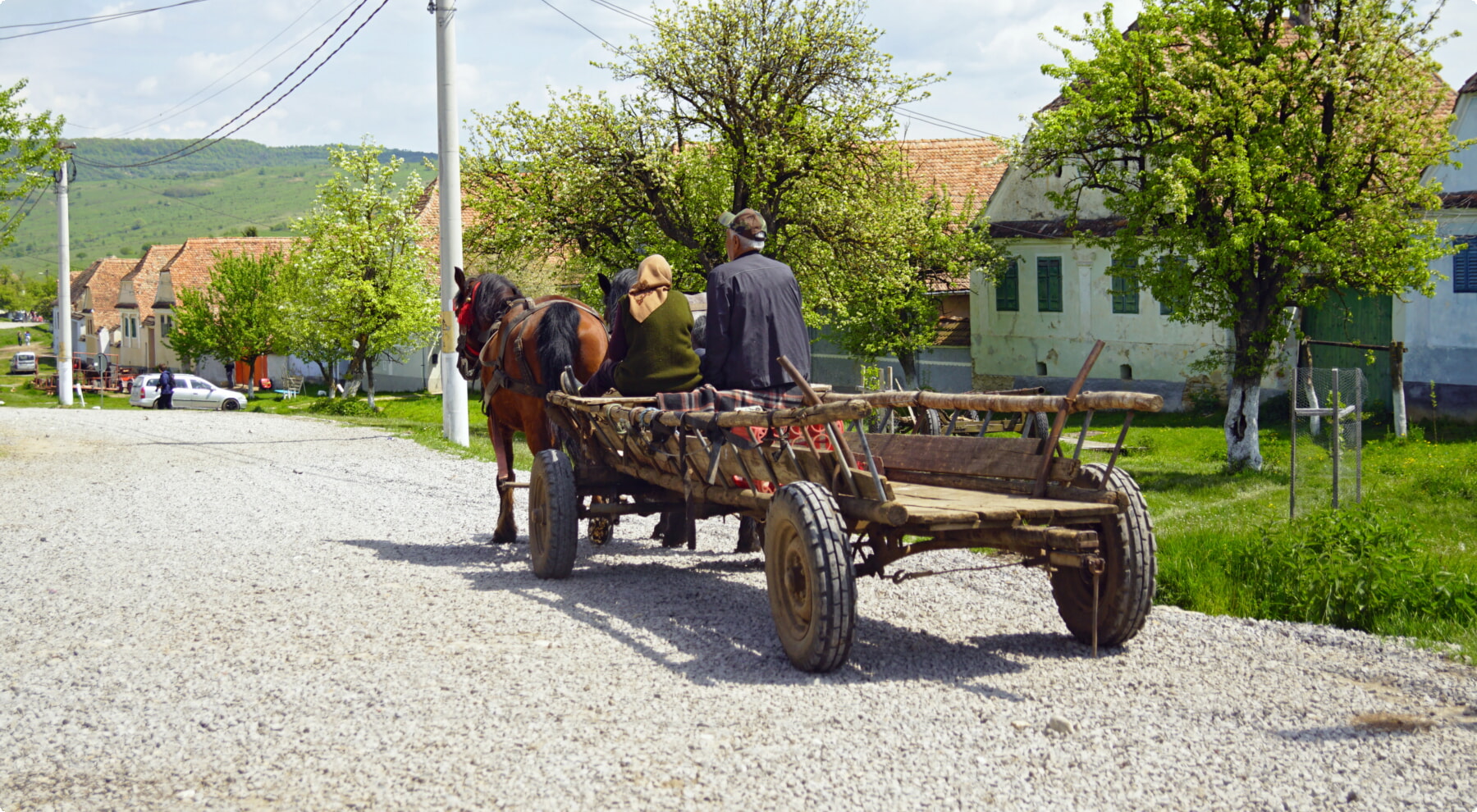
Viscri feels like a word spoken more softly than the towns before it. The road into the village is part of the experience: open fields, haystacks that look hand-negotiated with gravity, and a sense that time is being measured differently. Houses line the street with a calm consistency - painted facades, deep gates, shadows that sit still at midday. Even the air feels slower, as if it has fewer appointments.
What makes Viscri fairytale-like is not drama but restraint. There is an almost childlike clarity to the village layout, the way a drawing of “home” might be made with a ruler and then colored in carefully. Chickens cross the road without apology. Dogs nap in shade, occasionally lifting an eye in a gesture that looks like mild curiosity rather than guarding.
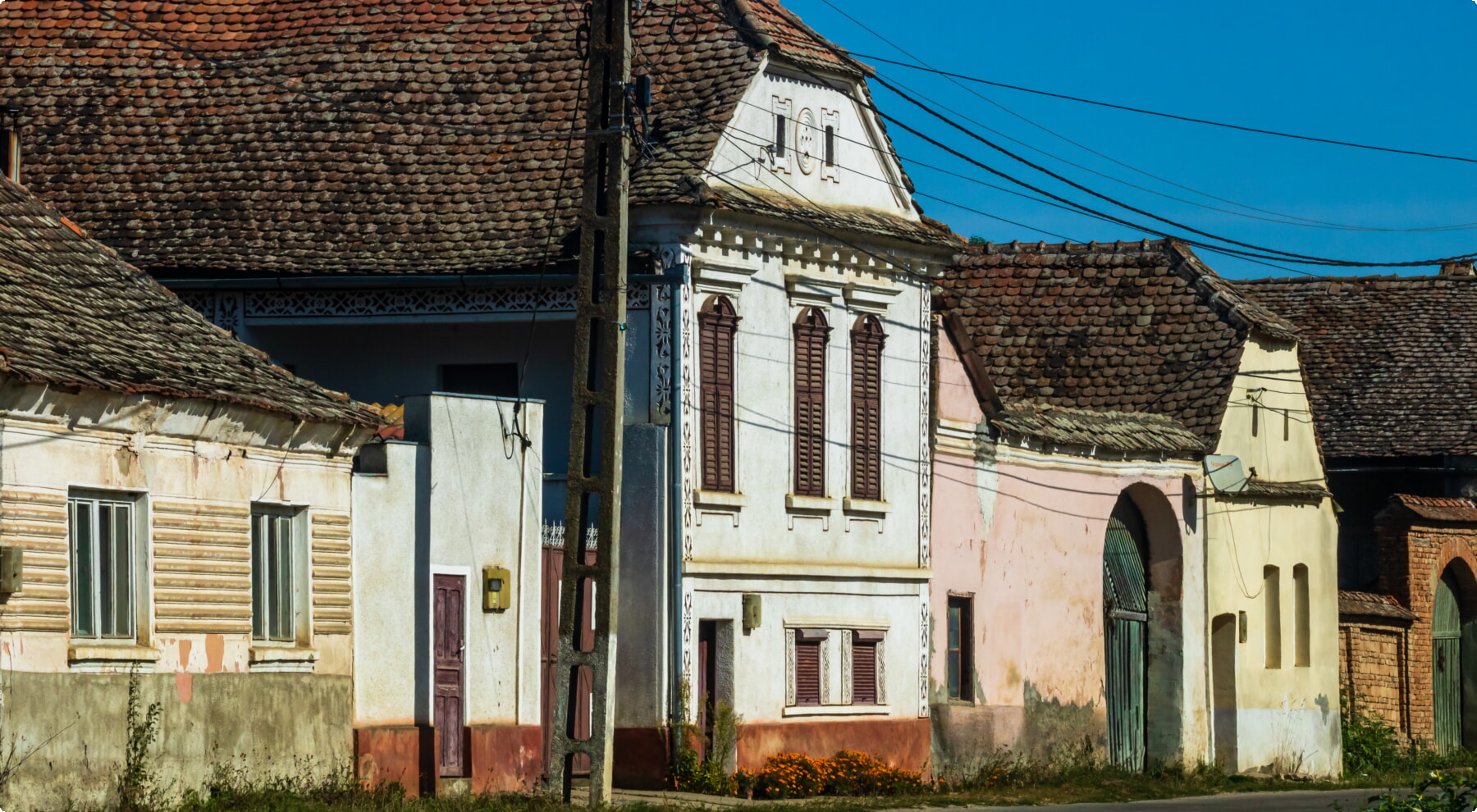
The last kilometers can be bumpy and narrow, and the village itself rewards a lighter footprint. Viscri is at its best when the engine noise is replaced by footsteps and gate hinges.
- Approach with extra time in the schedule, because the road invites slower speeds and occasional farm traffic.
- Park where locals indicate and keep lanes clear - tractors and carts still use the same routes.
- Plan for a long linger, not a quick loop: the village reveals itself in small details, not big “moments”.
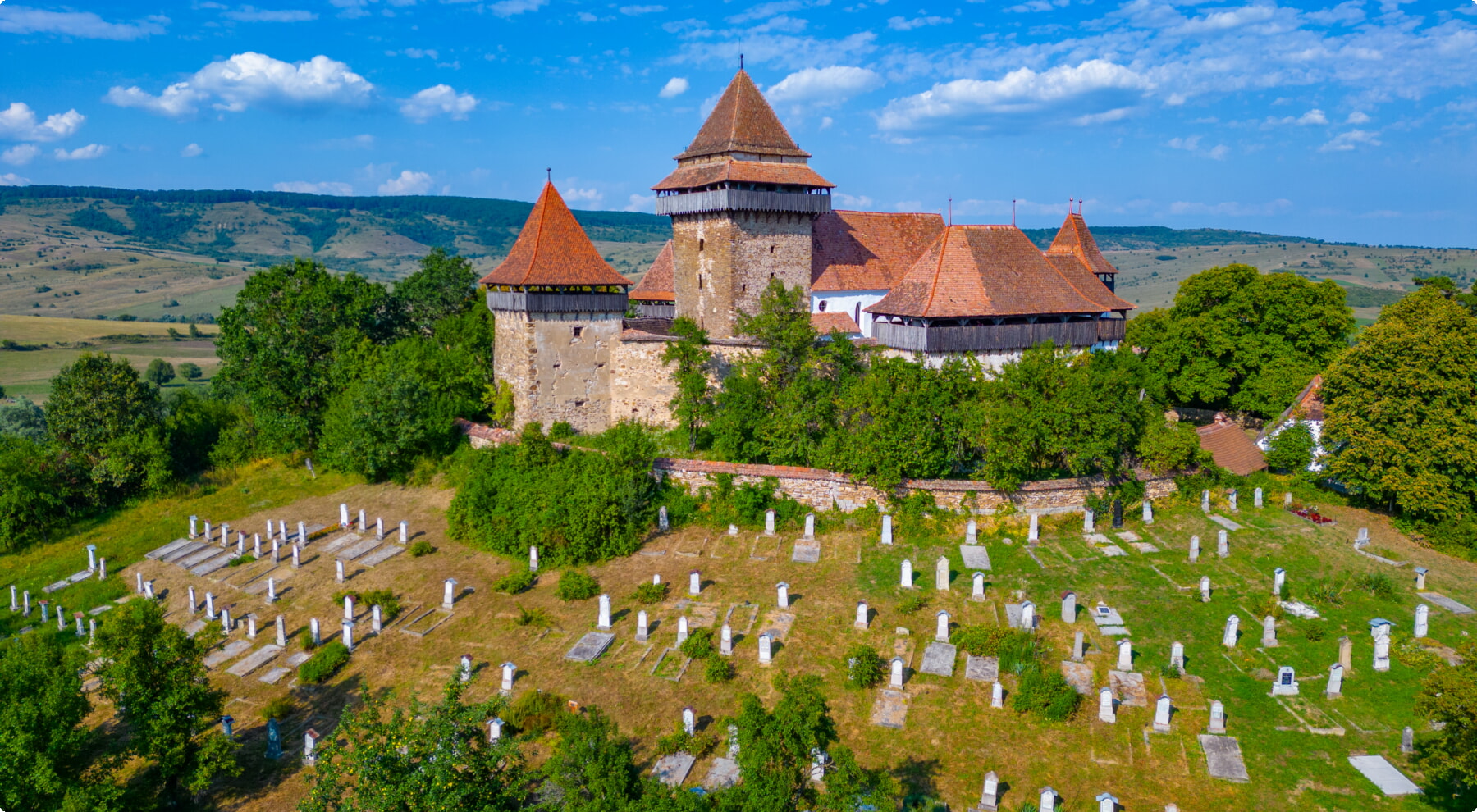
The fortified church on the hill provides a classic silhouette, but the village story is equally strong at ground level: workshop doors ajar, handwoven textiles, small signs that are painted rather than printed. It’s the kind of place where a simple bench becomes a viewpoint, and where an hour can pass the way it does on a quiet Sunday at home - slowly, then suddenly.
Viscri’s charm also comes from its honesty. It does not pretend to be untouched; it simply continues in its own scale. Renovations happen, but they respect the village’s proportions. Tourism exists, but it hasn’t fully drowned the everyday. That balance is fragile, and it’s precisely what makes Viscri feel like a fairytale that somehow survived into ordinary life ,without becoming a theme park.
5) Biertan - fortified patience, carved in stone and wood
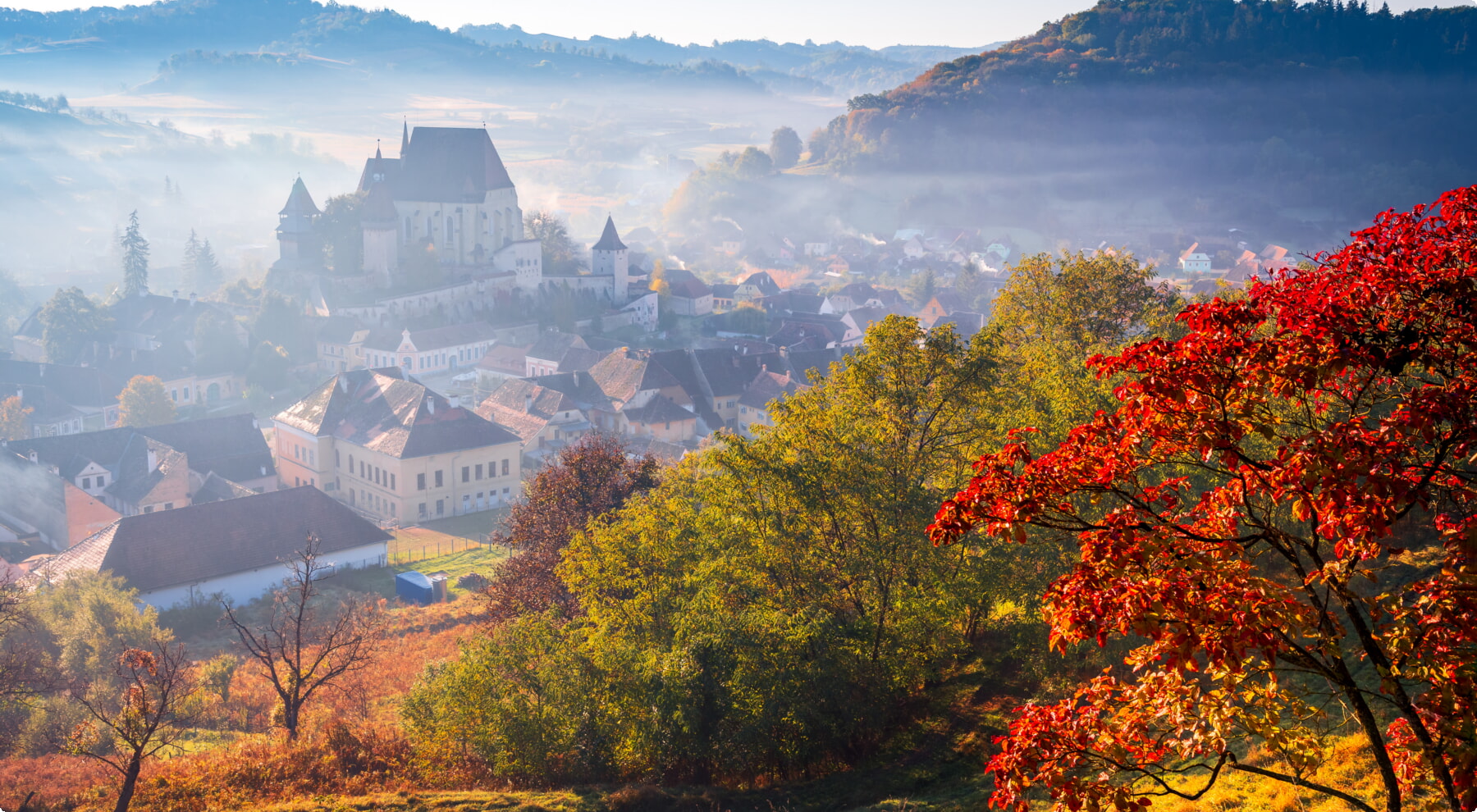
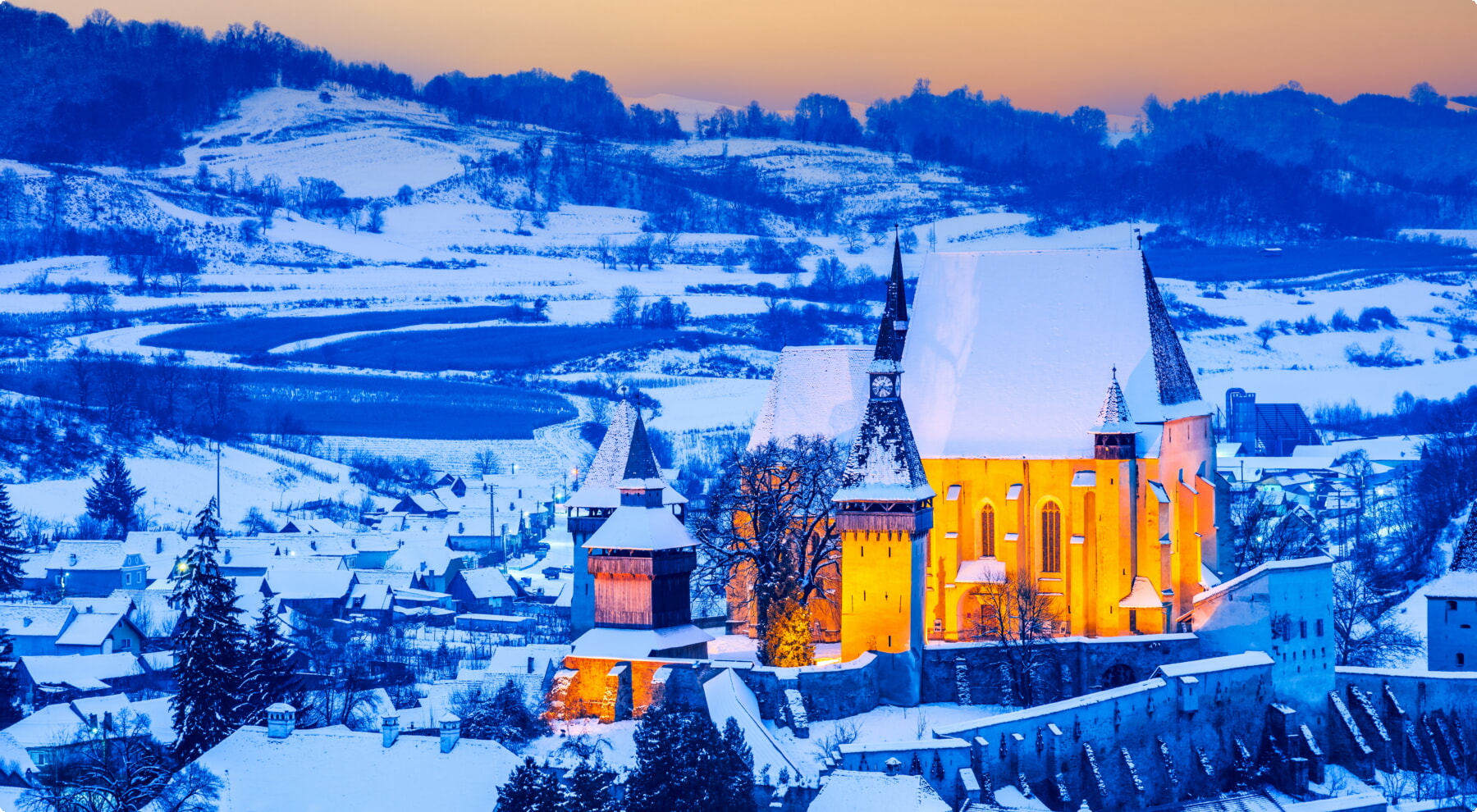
Biertan sits among gentle hills, and from a distance it looks like a ship anchored on land: church towers rising, walls layered like protective decks. The village is small, but it carries a heavyweight historical presence. Much of that gravity comes from the fortified church complex, famous enough to have its own long trail of footnotes, including the Biertan Fortified Church page that reads like a compact lesson in Transylvanian resilience.
The approach uphill builds anticipation. Stone underfoot, grass pressing through edges, and gates that narrow the view until the interior opens suddenly. Inside, the atmosphere is not spooky, just concentrated. Walls are thick, doors are heavy, and the silence has a physical quality - as if it could be leaned against.
Details that make the place feel “written”
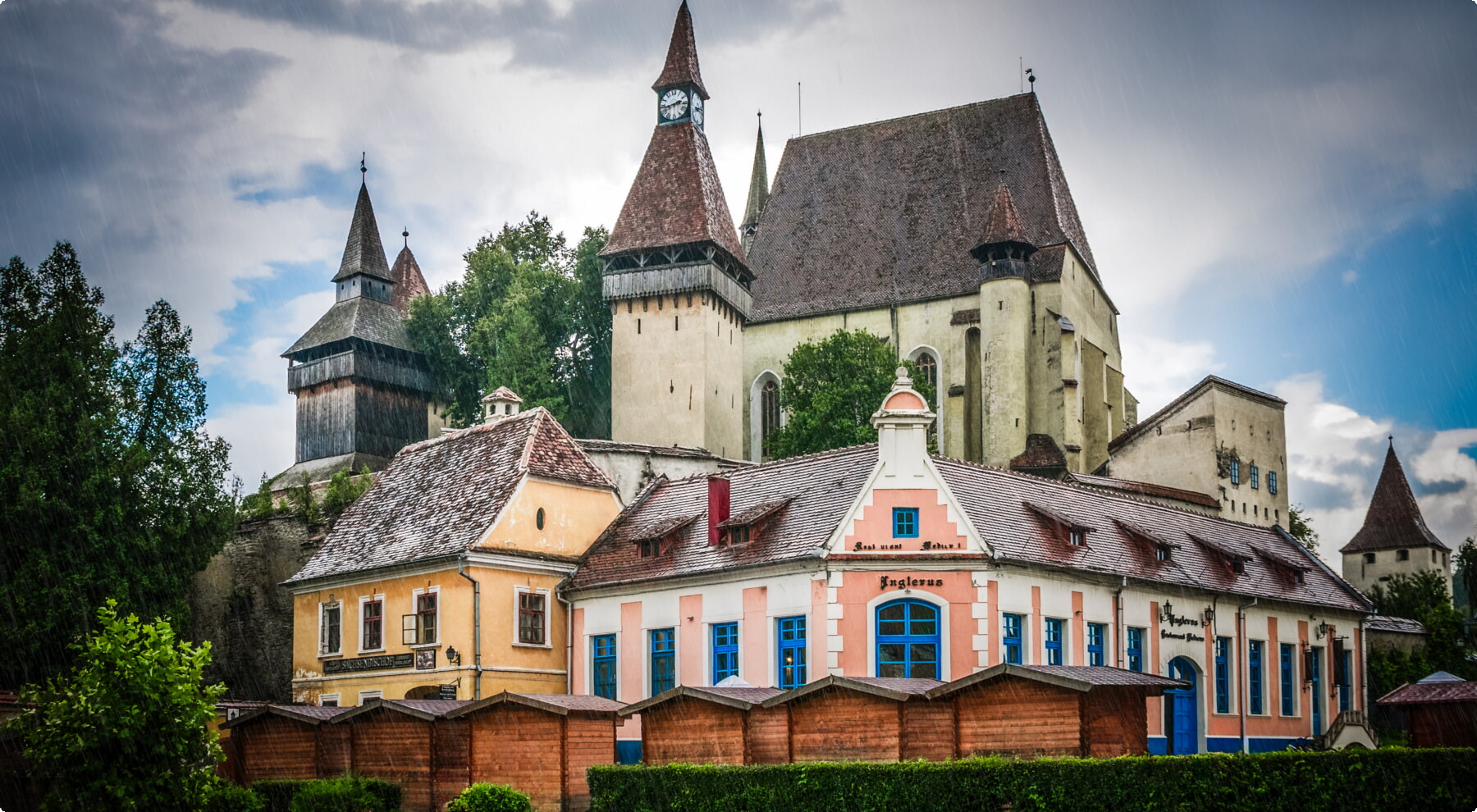
In Biertan, the fairytale mood comes from craftsmanship, not decoration. Woodwork shows the kind of patience that feels almost extinct in modern life, like someone choosing to repair a chair properly instead of buying a new one because the shop is closer. Carvings don’t shout; they persist.
- Notice how the fortification layers frame the landscape, turning hills into a backdrop like painted scenery.
- Watch how doors and locks are engineered - security here was once a daily concern, not a concept.
- Look for small traces of wear: polished steps, smoothed thresholds, the shine of touched metal.
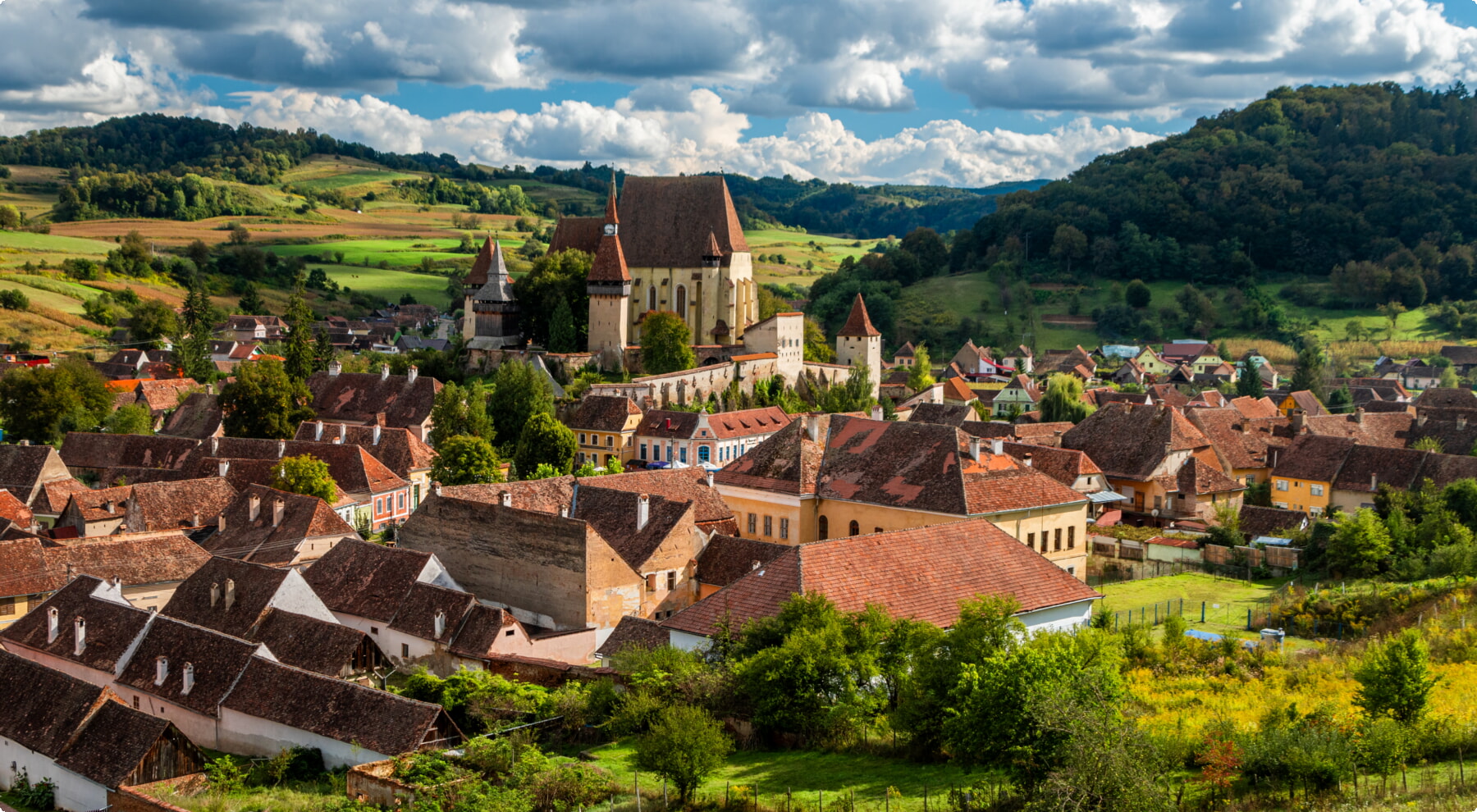
After spending time inside, the village outside appears even softer. The shift is part of the story: defense and domesticity coexisting in one place. Biertan doesn’t try to entertain; it insists on being understood at its own pace. And when the wind moves through trees below the walls, the sound seems to underline the lesson: centuries pass, but the hill stays, and the church keeps watching.
The road between Biertan and nearby villages offers some of the most quietly beautiful driving in the region. It is not a “scenic route” in the loud sense; it’s more like background music that turns out to be the reason the scene works.
6) Alba Iulia - a star-shaped fortress with a living promenade
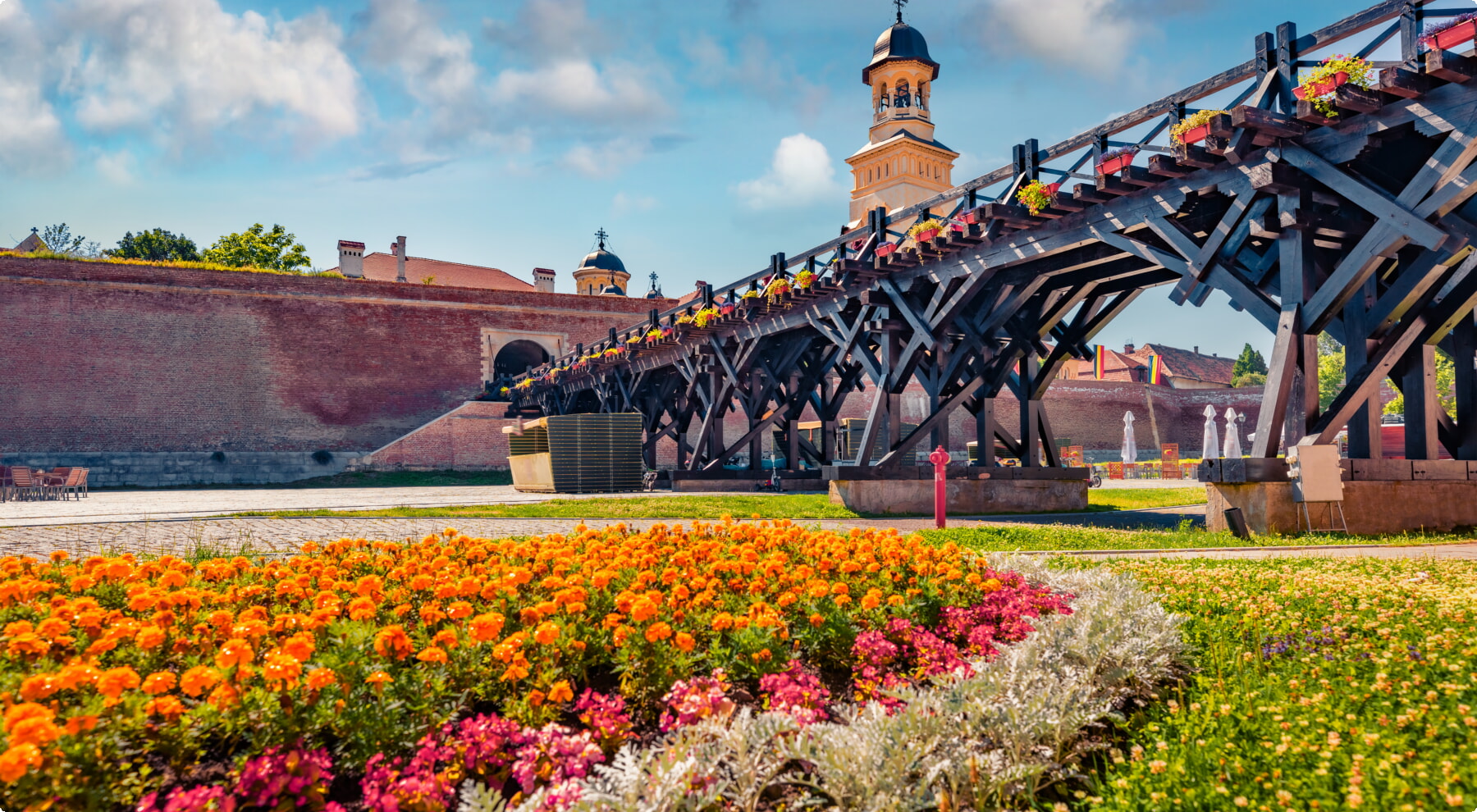
Alba Iulia changes the fairytale register again. Instead of medieval lanes folding inward, there is geometry - a fortress laid out like a star, with gates that feel ceremonial even on a random weekday. The place has the clean clarity of a well-drawn map, and walking its ramparts can feel oddly modern: wide paths, open sky, and a sense that the city has decided to make space for people to wander.
The citadel’s scale is best appreciated slowly. The gates arrive in sequences, each more ornate than expected, like turning pages and realizing the illustrations keep getting richer. There’s a certain pleasure in how the fortress absorbs crowds: it can be lively without feeling cramped, and it can feel quiet even when it isn’t empty.
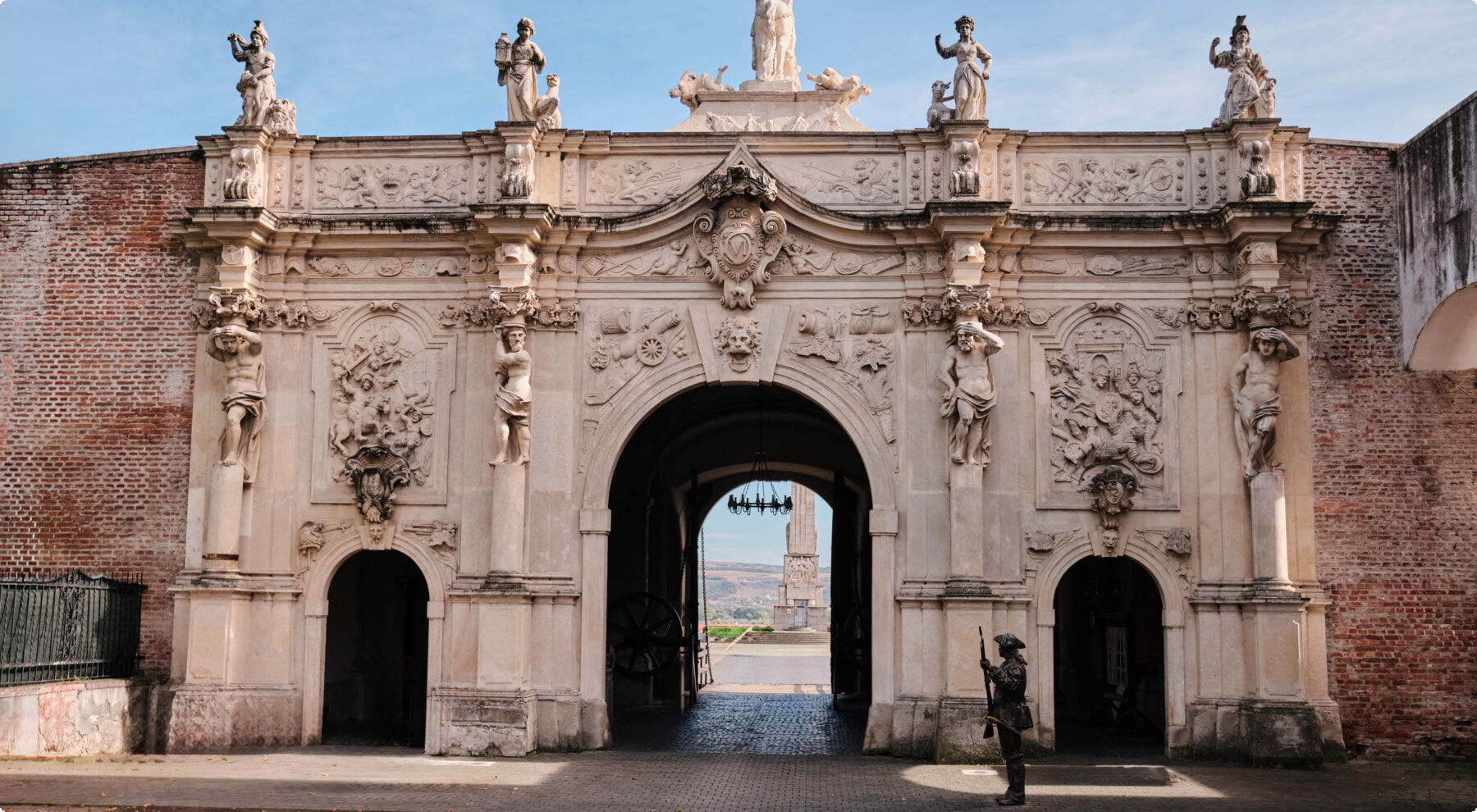
Alba Iulia’s charm often appears after the first lap, when the mind stops “touring” and starts wandering. The ramparts invite a second and third pass, because angles change and the city keeps re-framing itself.
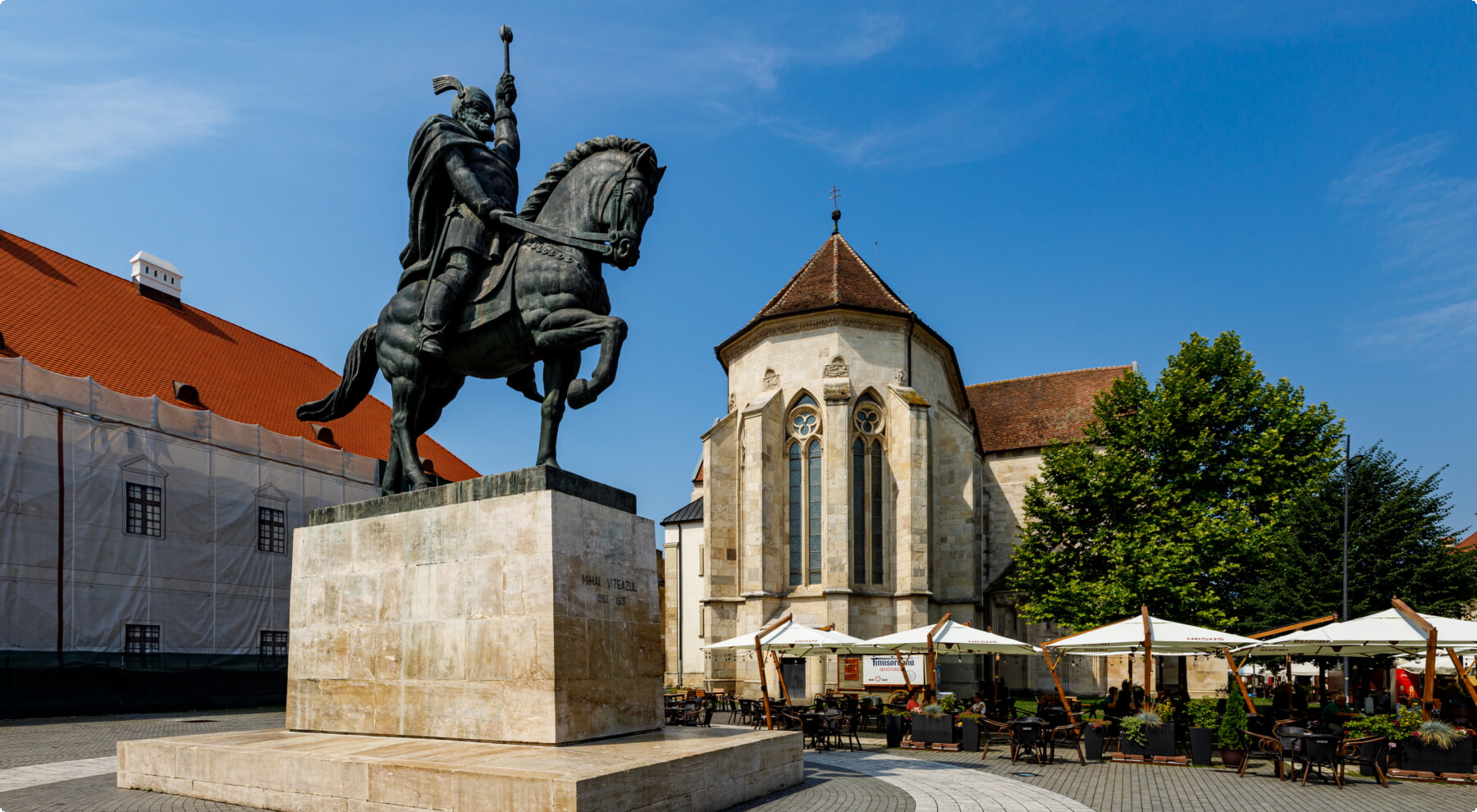
Alba Iulia can feel like a fairytale written in a different century - more Enlightenment than medieval, more parade ground than hidden alley. Yet the magic is still there: couples strolling at dusk, kids running ahead through archways, street musicians testing acoustics under stone ceilings. The fortress becomes a public living room, the kind a city rarely gets right.
There is also a satisfying contrast between the structured citadel and the softer landscapes beyond it. A short drive out brings fields and gentle hills back into view, and the mind gets that pleasant “two worlds in one day” feeling. Alba Iulia doesn’t need a dramatic storyline to enchant; it relies on space, symmetry and the simple human habit of taking an evening walk just because the air feels good.