There is something almost magical about a city that refuses to let concrete dominate its skyline. Olsztyn sits in the heart of the Warmian-Masurian Voivodeship like a carefully guarded secret - one that locals have kept close to their chests for decades. But secrets have a way of spilling out eventually, and this year's festival celebration promises to showcase exactly why this Polish gem deserves global attention.
Where Water Meets Wilderness

Picture this: you wake up in a city where morning fog rises from not one but eleven lakes within the administrative boundaries alone. The surrounding region holds over two thousand more. That's not a marketing exaggeration - it's geography doing what geography does best in this corner of Europe. The Great Masurian Lakes district stretches endlessly, creating a landscape that photographers dream about and painters struggle to capture accurately.
Olsztyn has earned its moniker honestly. The city didn't just brand itself as a lakeside destination for tourism purposes. These bodies of water have shaped local culture, traditions and daily routines for centuries. Fishermen still cast their nets at dawn. Families gather for weekend picnics along shores that haven't changed much since their grandparents' time. Sailboats dot the horizon from May through September.
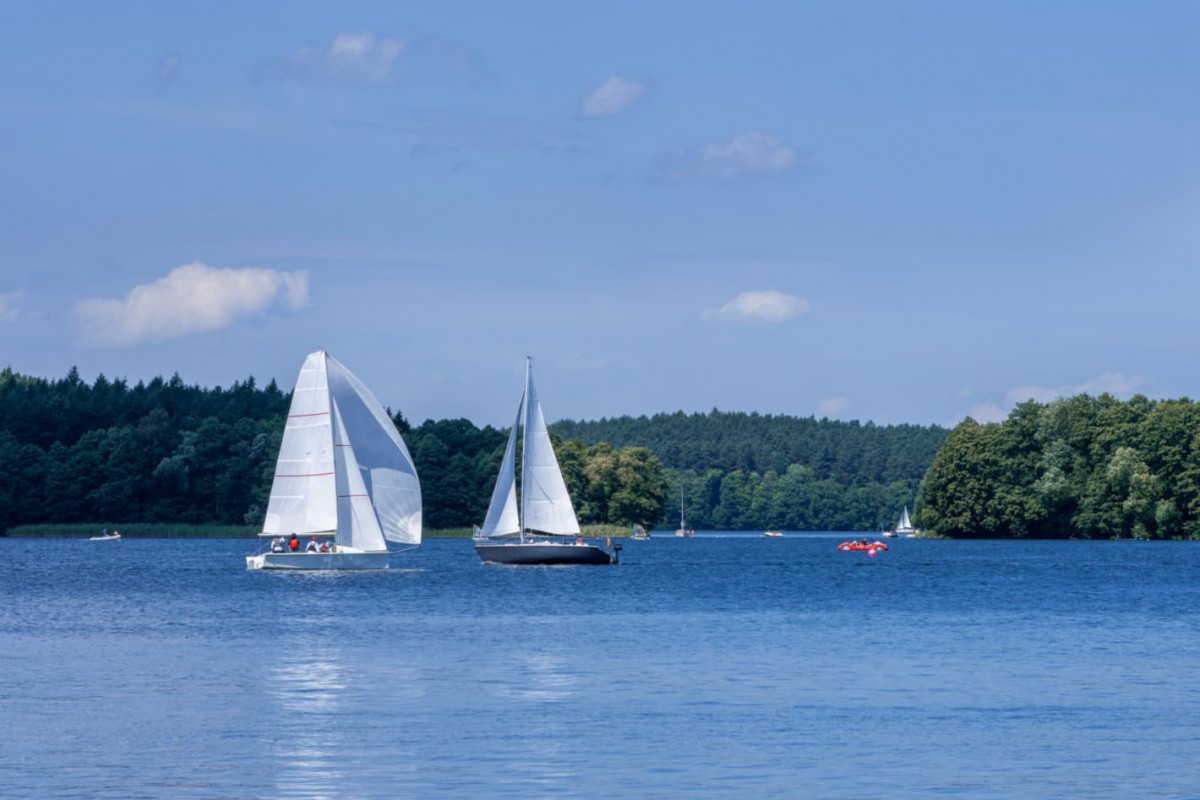
The festival organizers understand this deep connection between residents and their aquatic surroundings. That's precisely why water-based activities form the backbone of this year's program. Kayak races through interconnected lake systems will challenge both professionals and enthusiastic amateurs. Night swimming events under carefully positioned lighting create an atmosphere that feels almost theatrical.
Forest Trails and Hidden Stories
But let's not forget the second half of that title. Green forests blanket approximately 35% of the Warmian-Masurian region making it one of the most heavily wooded areas in Poland. These aren't manicured parks designed for Sunday strolls. We're talking about genuine woodland - places where wild boar roam freely and ancient oaks have witnessed more history than any textbook could contain.
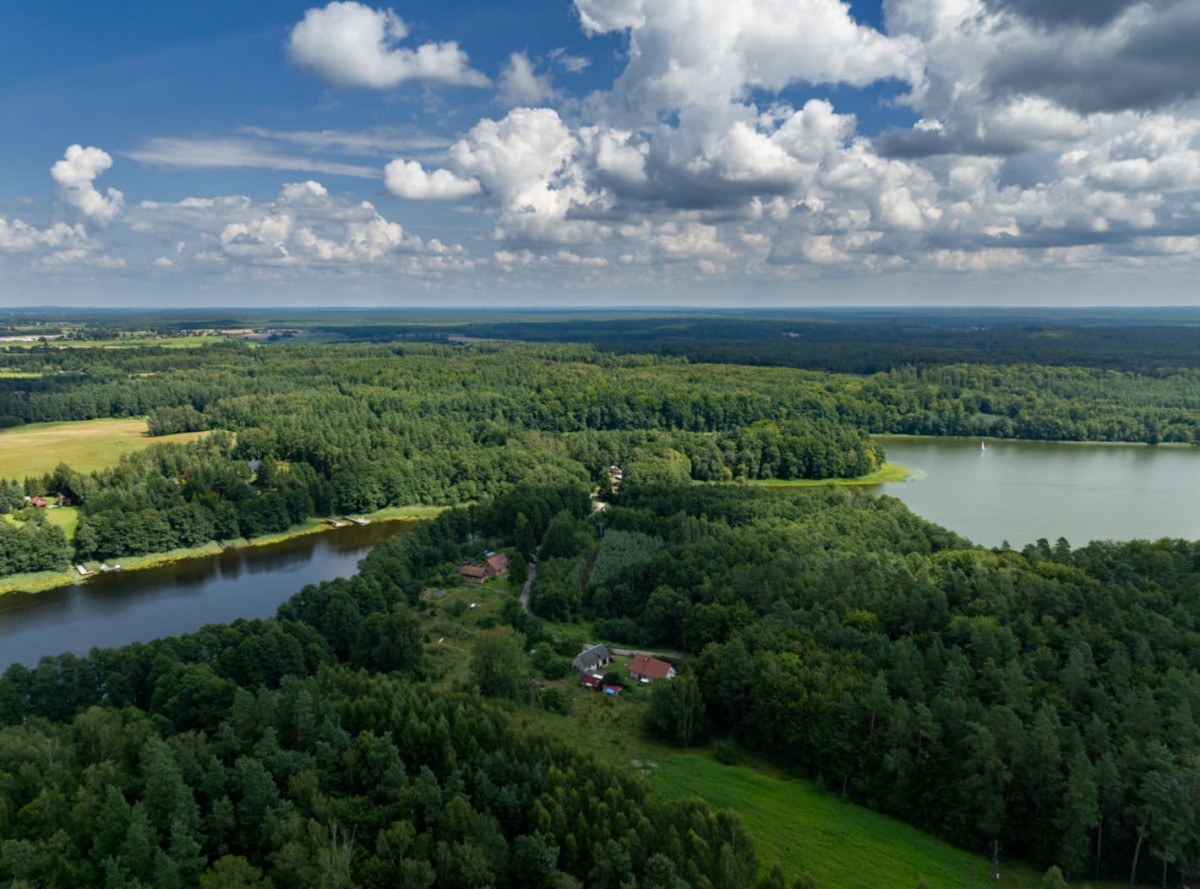
The Łyna River winds through the city, bordered by protected forest zones that seem almost impossible for an urban center this size. Walking trails disappear into thickets where modern noise fades remarkably fast. Festival participants will have access to guided forest bathing sessions - a practice borrowed from Japanese tradition but perfectly suited to Polish woodlands.
Local rangers have prepared special nighttime excursions focusing on nocturnal wildlife observation. Beavers have made a spectacular comeback in recent years ,and their engineering projects along smaller streams never fail to impress visitors. Owls call through the darkness. Deer move silently between trees that were saplings when Copernicus walked these very paths.
The Copernicus Connection

Speaking of which - yes, that Copernicus. Nicolaus Copernicus served as administrator of Olsztyn Castle between 1516 and 1521. The astronomer who fundamentally changed humanity's understanding of our place in the universe spent years in this very city. His astronomical table, carved into a castle wall, remains visible to this day. The festival includes special tours examining his legacy and the scientific environment that allowed such revolutionary thinking to flourish.
History buffs will find plenty to explore beyond the Copernicus sites. Gothic architecture punctuates the old town district. The High Gate stands as a reminder of medieval fortifications. St. James's Cathedral holds artistic treasures spanning several centuries. Bombed during World War II and painstakingly restored afterward, the city carries its scars with dignity rather than shame.
What the Festival Actually Offers
Enough context - let's discuss the practical details that potential visitors actually need. The festival runs for ten days this summer, transforming multiple venues across the city into celebration spaces. Main stages will occupy the amphitheater near Lake Ukiel, which locals affectionately call the city beach area.
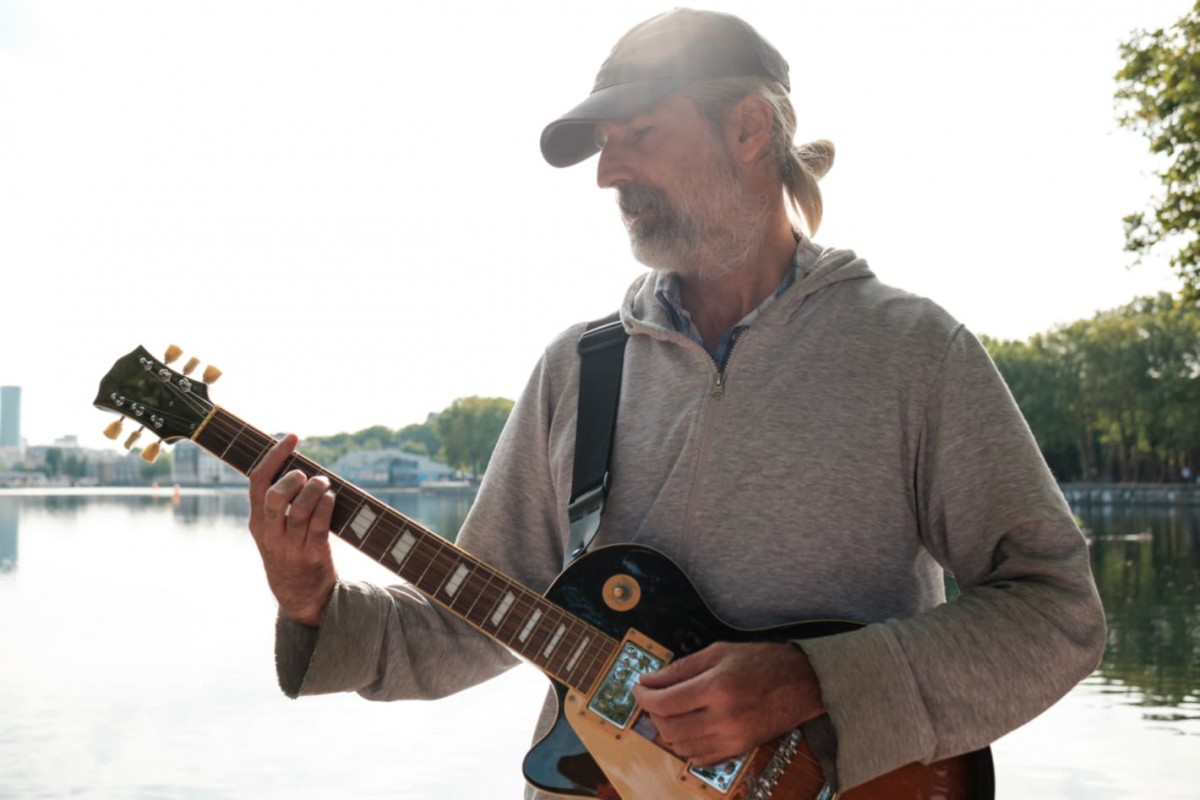
Musical performances span genres deliberately. Polish folk ensembles share billing with electronic acts from across Europe. Jazz quartets play intimate evening sets in courtyard venues. Regional choirs perform traditional songs that haven't changed in generations. The organizers specifically avoided creating a single-genre event because Olsztyn itself defies easy categorization.
Food stalls deserve their own paragraph. Warmian cuisine differs notably from what most visitors expect from Poland. Dzyndzałki - small dumplings filled with meat or cheese - represent the region's signature dish. Smoked fish preparations reflect that lake-centric lifestyle we mentioned earlier. Local breweries have prepared special batches for the occasion ,and mead producers from nearby villages will offer tastings throughout the event.
Planning to explore the Masurian Lake District beyond the festival grounds? The region rewards those who travel independently. Consider renting a vehicle through us to discover remote lakeside villages and forest trails that public transportation simply cannot reach.
Beyond the Official Program
Smart festival-goers know that official schedules only tell half the story. Olsztyn's real character emerges in spaces between programmed events. Morning markets in the old town square sell produce from farms that haven't industrialized. Coffee shops tucked into side streets serve better espresso than many major European capitals. Second-hand bookstores contain treasures for those willing to browse patiently.
The city's street art scene has exploded quietly over recent years. Large-scale murals now decorate formerly blank walls throughout various neighborhoods. Some reference local history directly while others offer abstract interpretations of lake and forest themes. A dedicated walking map available at the tourist information center guides visitors through the most impressive examples.
Cycling infrastructure deserves special mention. Olsztyn has invested heavily in dedicated bike paths connecting lakes, forests and urban areas into one continuous network. Rental stations operate throughout the city at reasonable rates. Serious cyclists can easily spend entire days exploring without repeating any route segment. The terrain varies enough to keep things interesting - gentle hills rather than flat monotony.
Accommodation Realities
Let's be direct about lodging: book early. The festival coincides with peak summer season when the entire lake district attracts visitors regardless of special events. Hotels in the city center fill quickly. However, alternatives exist for those willing to look slightly beyond obvious options.
Agritourism properties surrounding Olsztyn offer authentic experiences that chain hotels cannot match. Families running these small operations typically serve homemade breakfasts featuring their own produce. Some include access to private lake frontage. Prices remain surprisingly reasonable compared to similar accommodations in Western European destinations.
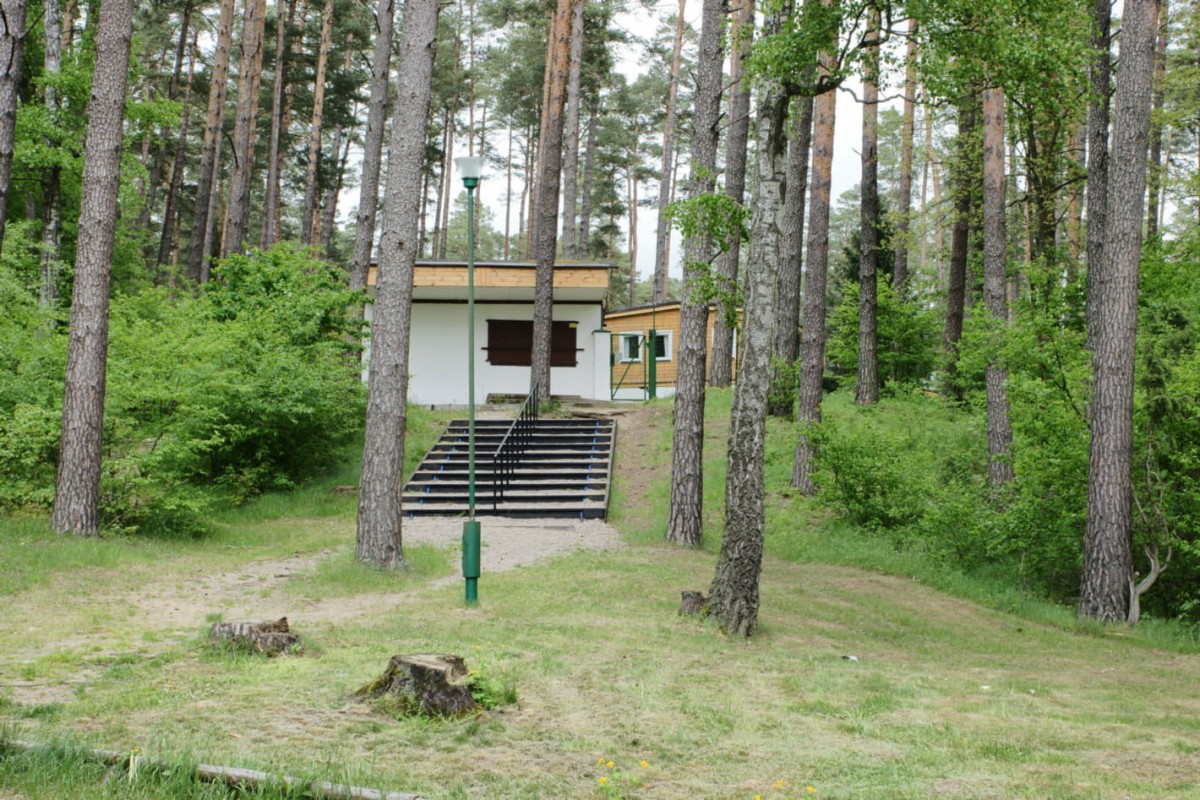
Camping options abound for adventure-oriented visitors. Designated sites along major lakes provide basic facilities while preserving that back-to-nature atmosphere. Wild camping technically requires landowner permission but rarely causes problems if practiced responsibly and discreetly.
Getting There and Moving Around
Olsztyn sits roughly 230 kilometers north of Warsaw making day trips from the capital theoretically possible but practically inadvisable. This destination deserves proper time investment - at minimum three or four days to appreciate both festival programming and natural surroundings.
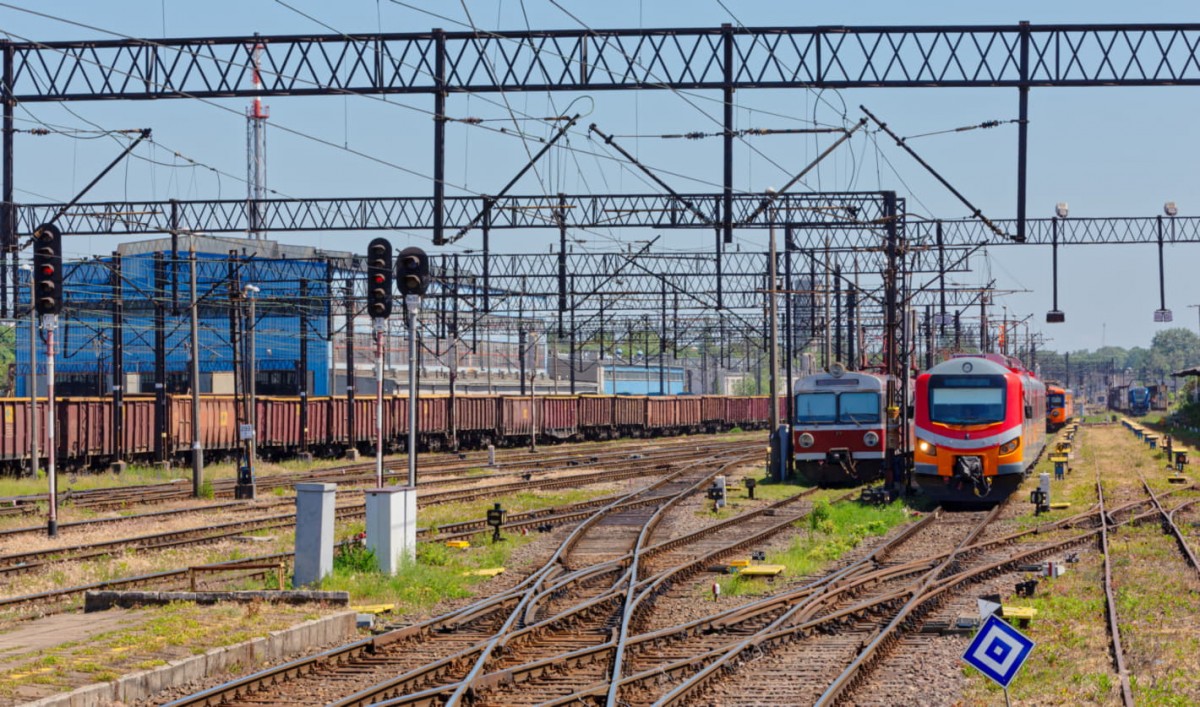
Train connections from Warsaw operate regularly, taking approximately two and a half hours for express services. The journey itself passes through increasingly rural scenery as urban sprawl gives way to fields, forests and glimpses of water. Bus services offer cheaper alternatives with slightly longer travel times.
The nearest international airport sits in Gdańsk, approximately 170 kilometers northwest. Connections from there involve either rental vehicles or combination transport using trains and regional buses. Some visitors fly into Warsaw Chopin Airport and make their way north from there.
Weather Expectations
Polish summers rarely guarantee perfect weather and this region proves no exception. Temperatures typically range between 18 and 25 degrees Celsius during July, though heat waves occasionally push readings higher. Rain arrives without warning sometimes so packing layers and waterproof options remains advisable.
The upside of occasional clouds? Dramatic skies over lake surfaces create photographic opportunities that clear blue days simply cannot provide. Locals joke that bad weather days reveal who truly loves the region versus who came only for sunshine. The forests smell particularly wonderful after summer rainfall.
Environmental Considerations
Festival organizers have implemented comprehensive sustainability measures reflecting growing environmental consciousness among younger attendees. Single-use plastics are banned from all official vendor operations. Waste sorting stations appear throughout event areas with volunteers helping confused visitors navigate Polish recycling categories.
Water quality in local lakes remains a source of regional pride. Swimming is permitted and encouraged in designated areas where monitoring confirms safety. The clarity of water in some locations allows visibility extending several meters downward - remarkable for bodies of water surrounded by significant human activity.

Forest conservation programs operate year-round, and festival timing deliberately avoids disrupting sensitive wildlife breeding periods. Educational displays throughout the event explain ongoing environmental protection efforts and invite visitors to consider how their own regions might benefit from similar approaches.
Local Perspectives
Conversations with Olsztyn residents reveal genuine enthusiasm for sharing their home with visitors. There's little of the resentment that over-tourism generates in some European destinations. The city remains genuinely functional - a place where real people live real lives rather than a stage set designed purely for visitor consumption.

Young professionals mention quality of life as a primary reason for staying rather than migrating to larger Polish cities. Cost of living remains lower than Warsaw or Kraków while cultural amenities have improved dramatically over recent decades. The university brings international students who add diversity to local social scenes.
Older residents remember when environmental degradation threatened the region's lakes during industrial periods. Their pride in current water quality reflects genuine achievement rather than marketing spin. Cleanup efforts spanning decades have restored what previous generations nearly destroyed through carelessness.