In the heart of Latvia, cradled within the embrace of verdant landscapes and flowing rivers, lies the Gauja National Park—a natural wonderland teeming with ecological treasures. Stretching over 900 square kilometers, this expanse of raw beauty is a haven for nature enthusiasts, offering an unparalleled escape into Latvia's untamed wilderness.
Google Maps - Gauja National Park
Natural Landscapes
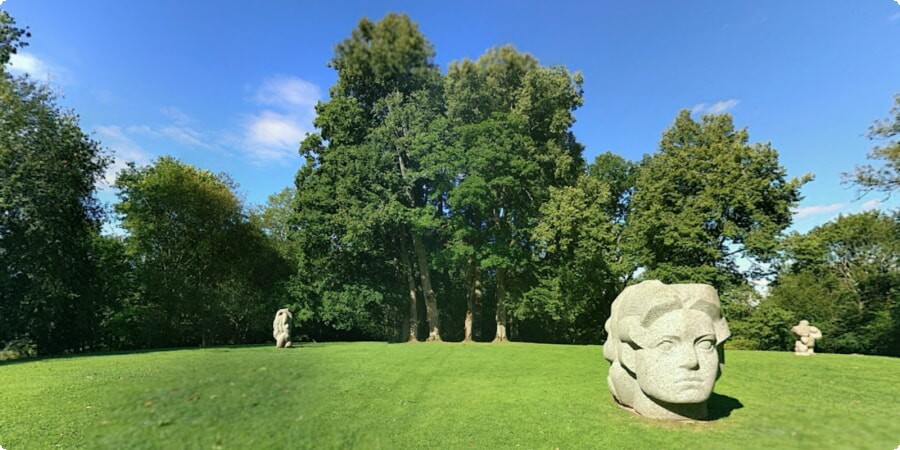
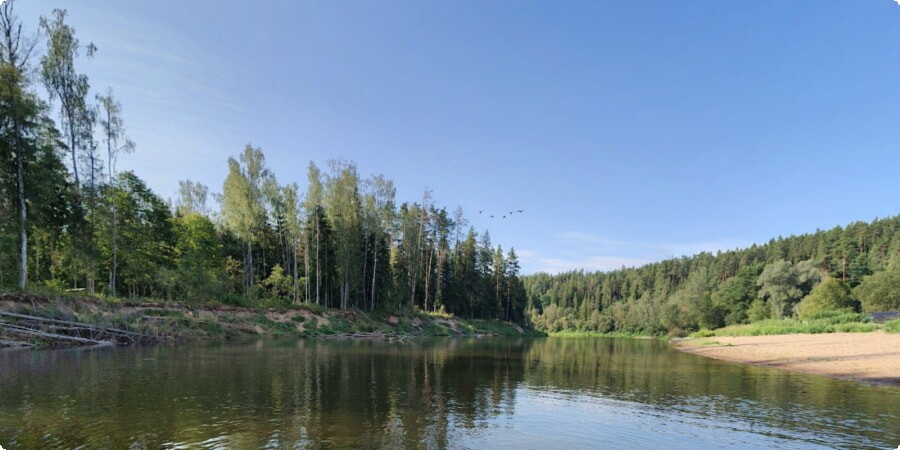
The breathtaking vistas of Gauja National Park encapsulate the essence of Latvia's diverse ecosystems. Verdant forests cloak the undulating terrain, while the Gauja River, weaving like a silver ribbon, meanders through ancient valleys. The picturesque landscapes, with their limestone cliffs and meadows painted in vibrant hues, create an enchanting canvas that draws travelers seeking solace in nature's embrace.
Wikipedia - Gauja National Park
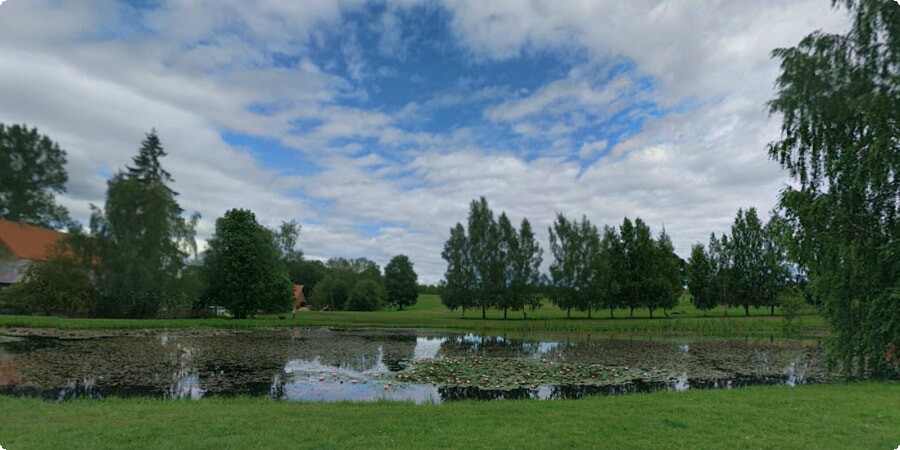
Cultural Heritage
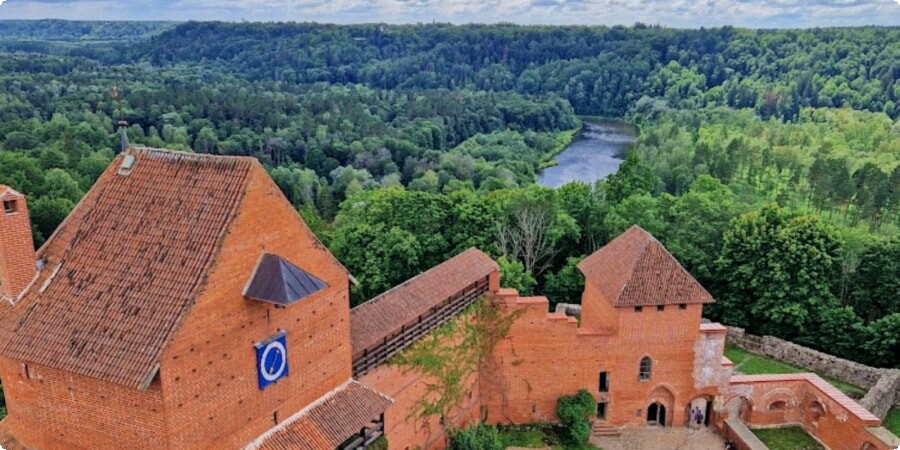
Enriched by centuries of history, the park boasts a tapestry woven with the threads of ancient castles, medieval fortresses, and archaeological sites. Echoes of medieval times resonate from the Turaida Castle and the Sigulda Castle ruins, transporting visitors back to a bygone era. The park's trails not only lead to breathtaking views but also to remnants of civilizations past, deeply entwined with the natural surroundings.
For travelers keen on traversing Latvia's natural beauty, securing a convenient mode of transport via Car Scanner in Riga offers the liberty to explore Gauja National Park's wonders at their own pace.
Outdoor Activities and Adventures
Gauja National Park is an adventurer's paradise, offering an array of outdoor pursuits amid its captivating landscapes. Trails crisscross the park, catering to hiking enthusiasts seeking panoramic vistas. Cyclists pedal along winding paths, while adrenaline seekers take to the Gauja River for thrilling canoeing or kayaking experiences. Wildlife enthusiasts are in for a treat as the park is home to diverse fauna, from elusive lynxes to soaring eagles, inviting birdwatchers and wildlife photographers.
Flora and Fauna
Within this natural sanctuary resides an intricate tapestry of flora and fauna. The park's forests harbor a diverse array of plant species, from mighty oaks to delicate wildflowers, painting the landscape in vibrant hues. Meanwhile, the wildlife thrives in harmony; rare species like the European pine marten and the capercaillie find refuge here, affirming Gauja's significance as a protected haven for biodiversity.
Preservation Efforts and Sustainability
Preserving this ecological gem stands at the core of Gauja National Park's ethos. Conservation initiatives and sustainable practices are pivotal in safeguarding the park's delicate ecosystems. From educational programs nurturing environmental awareness to initiatives aimed at preserving habitats, the park endeavors to maintain its pristine natural balance for generations to come.
For those inspired to traverse the scenic landscapes of Latvia, arranging car rentals through Car Scanner opens the doors to a personalized exploration of Gauja National Park and beyond.
Visitor Facilities and Attractions
The park is equipped with visitor centers providing valuable insights into its biodiversity and cultural significance. Trails, marked for varying difficulty levels, offer hikers and cyclists the chance to explore the park's diverse landscapes. Attractions like Gutmanis Cave, steeped in folklore and adorned with ancient inscriptions, add an enigmatic allure to the park's offerings.
Local Communities and Engagement
The park thrives in harmony with neighboring communities, where traditions and cultural heritage intertwine with the park's landscapes. Local artisans showcase their crafts, while traditional events and festivals celebrate Latvia's rich cultural tapestry, offering visitors a glimpse into authentic Latvian life.
Future Prospects and Recommendations
As Gauja National Park continues to evolve, there are opportunities for further eco-friendly tourism initiatives and sustainable practices. Recommendations for responsible exploration, such as following marked trails and respecting wildlife habitats, pave the way for visitors to contribute to the park's conservation while indulging in its natural splendor.