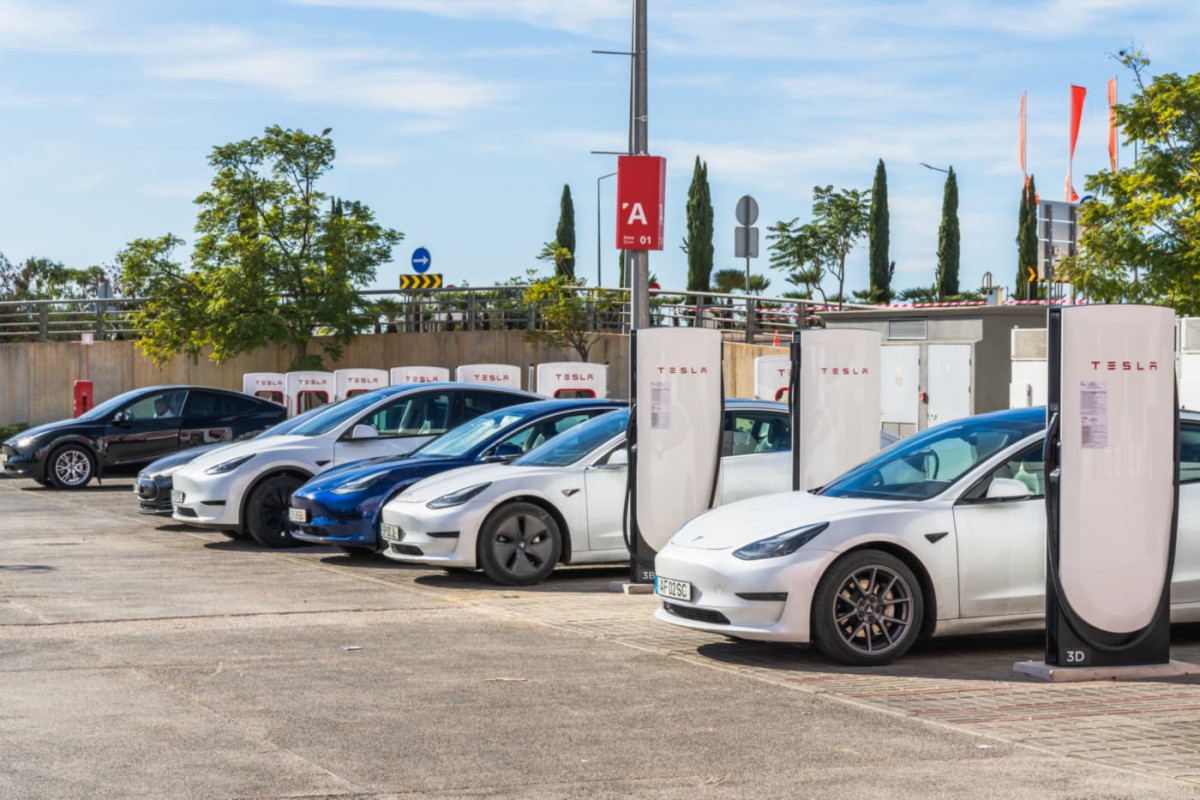
Italy's electric vehicle revolution is accelerating at an unprecedented pace , transforming urban landscapes and reshaping the automotive industry. Despite remaining Europe's underperformer with just 5.16% market share in early 2025, the country registered a remarkable 75% year-over-year growth in battery electric vehicle sales, signaling a pivotal shift in consumer preferences and market dynamics. As the nation navigates complex technological transitions, regulatory pressures, and evolving infrastructure networks, understanding the trajectory of electric mobility becomes essential for consumers, businesses and policymakers alike.
- The Current State of Italy's Electric Vehicle Market
- Technological Evolution Driving Adoption
- Charging Infrastructure: Building the Foundation
- Commercial Fleets and the Rental Market Transformation
- Policy Framework and Incentive Mechanisms for 2026
- Market Outlook: Projections Through 2026 and Beyond
The Current State of Italy's Electric Vehicle Market
The Italian automotive landscape presents a fascinating paradox. While the country boasts one of Europe's largest vehicle fleets, it simultaneously lags behind its continental neighbors in electric vehicle adoption. As of March 2025, approximately 300,000 battery electric vehicles circulate on Italian roads - representing an impressive 830% growth over the past five years, yet constituting a mere fraction of the 40-million-vehicle national fleet.
Recent market dynamics reveal encouraging signs of momentum. The first quarter of 2025 witnessed 25,161 BEV registrations , achieving a 5.16% market share compared to 3.82% during the same period in 2024. This 75% year-over-year surge occurred despite the absence of direct purchase incentives, suggesting that market forces and improved vehicle offerings are beginning to overcome traditional barriers. The broader automotive market contracted by 1.6% during this period, making the electric segment's growth even more remarkable.
Distribution channels tell an interesting story about evolving buyer preferences. Private consumers account for 43% of BEV purchases, while long-term rental arrangements capture 30% - the latter experiencing 89.6% growth fueled partly by corporate fringe benefit modifications in recent fiscal legislation. Dealership registrations and zero-kilometer vehicles surged by 146.3% , reflecting substantial inventory expansion as manufacturers introduce more affordable models priced around €25,000.
Understanding which vehicle categories drive Italian electric adoption provides crucial context for market development. Segment analysis reveals shifting consumer priorities and price sensitivity patterns across different buyer demographics.
- B-segment vehicles experienced 142% growth, capturing 17% of total BEV sales as affordable models enter the market at competitive price points around €25,000
- C-segment SUVs maintain strong positioning, consolidating their appeal among families and premium buyers seeking versatility and range
- A-segment microcars show modest penetration , hindered by limited model availability despite strong urban demand for compact electric solutions
- D-segment and executive vehicles attract corporate fleets and early adopters willing to invest in premium electric technology and extended autonomy
Italian BEV Market Share by Quarter (2022-2025)
Technological Evolution Driving Adoption
The technological maturation of electric vehicles has fundamentally altered the value proposition for Italian consumers. Range anxiety - once the primary obstacle to adoption - has largely dissipated as average homologated range for models available in the European market now exceeds 500 kilometers. Over the past decade, average range has more than tripled while battery capacity has nearly doubled , demonstrating remarkable progress in energy density and power management electronics.
Perhaps even more transformative is the evolution of charging technology. Early BEV models supported only slow charging with limited power acceptance; today's architectures accommodate up to 350 kW and beyond. The market now features 14 vehicles with 800-volt architecture , substantially improving efficiency and reducing heat losses while enabling ultra-rapid charging sessions. A modern electric vehicle can recover 100-150 kilometers of range in approximately 10 minutes under optimal conditions - roughly equivalent to a traditional coffee break during highway travel.
Price competitiveness represents another critical advancement. While electric vehicles traditionally commanded premium pricing, the gap narrows considerably across multiple segments. The B-segment, crucial for markets like Italy and France, initiated sustained price reduction in 2024 that continues into 2025. When considering total cost of ownership - encompassing fuel savings, reduced maintenance, fiscal advantages, and potential soft incentives like restricted traffic zone access or free parking - electric vehicles already present economically rational choices for numerous user profiles.
Average BEV Price Evolution by Segment (€ thousands)
| Segment | 2021 | 2022 | 2023 | 2024 | Change |
|---|---|---|---|---|---|
| B-Segment | €31.2 | €32.8 | €30.5 | €27.4 | -12% |
| C-Segment | €42.1 | €43.6 | €41.8 | €39.2 | -7% |
| C-SUV | €48.7 | €49.9 | €47.3 | €44.8 | -8% |
| D-Segment | €56.3 | €57.8 | €55.1 | €52.6 | -7% |
Battery Longevity: Dispelling Myths with Data
One persistent misconception surrounding electric vehicles concerns battery degradation and lifespan. Empirical analysis of 5,000 vehicles across multiple brands and a ten-year timeframe reveals surprisingly positive results. Average annual battery capacity degradation measures just 1.5% , more pronounced during the initial two years before stabilizing. After nine years of operation, capacity loss remains below 15% - meaning a vehicle initially offering 400 kilometers of range would still provide approximately 340 kilometers nearly a decade later.
This remarkable durability has prompted manufacturers to revise warranty coverage upward. Many automakers now guarantee battery performance for eight years or 160,000 kilometers, with some extending coverage based on diagnostic data collected during regular servicing. Certified pre-owned programs increasingly include specific battery health certifications, providing transparency that actually exceeds what's possible with internal combustion vehicles. The State of Health (SoH) metric offers prospective used EV buyers clear, quantifiable assurance about remaining battery capacity - a level of certainty unattainable when evaluating worn engines and transmissions.
Charging Infrastructure: Building the Foundation
Infrastructure development constitutes the essential foundation enabling mass electric vehicle adoption. Italy's charging network has expanded dramatically, reaching 65,992 publicly accessible charging points as of March 2025 - a 40% year-over-year increase. The network now includes 4,230 ultra-fast charging stations (≥150 kW) , strategically positioned along major transportation corridors and in urban centers. Italy ranks fourth globally in the ratio of charging points to electric vehicles, demonstrating that infrastructure deployment has actually outpaced fleet growth.
Geographic distribution shows improving coverage , with 93.7% of Italian territory now served by at least one charging point within a 10-kilometer radius. This represents substantial progress, though significant regional disparities persist. Northern regions enjoy dense charging networks concentrated around major cities and arterial roads, while southern Italy continues experiencing infrastructure deficits. Approximately 30% of national territory has over 10 charging points within 5 kilometers, predominantly in metropolitan areas and along major highways.
The regulatory landscape provides clear targets for continued expansion. European AFIR (Alternative Fuels Infrastructure Regulation) requirements mandate that by end-2025, Italy must equip 15% of its road network with high-power charging stations dedicated to heavy vehicles , featuring cluster capacities of at least 1,400 kW total with individual charging points of 350 kW minimum. For light vehicles, the central TEN-T network must offer charging hubs with 400 kW minimum capacity at intervals not exceeding 60 kilometers. Current compliance stands at approximately 75-80% , with nine months remaining to bridge the remaining gap.
Despite impressive growth, Italy's charging ecosystem faces several structural challenges that could impede continued development and user satisfaction if left unaddressed through coordinated policy intervention.
Charging Infrastructure Distribution by Power Category
Private charging infrastructure represents an equally critical component, though precise quantification remains challenging. Home and workplace charging constitute the primary use case for most electric vehicle owners, dramatically reducing operating costs especially when coupled with residential solar installations. The ability to charge privately serves as the strongest predictor of BEV purchase decisions. However, condominium installations face regulatory and logistical complexities that discourage adoption among apartment dwellers - a significant barrier in a country where multi-family housing predominates in urban centers.
Commercial Fleets and the Rental Market Transformation
Corporate fleets emerge as crucial accelerators of Italy's electric transition. With one in two vehicles destined for business use, fleet electrification decisions ripple far beyond individual companies. Fleet vehicles typically accumulate higher annual mileage, amplifying their environmental impact when converted to zero-emission technology. Moreover , these vehicles enter the used market relatively quickly, making advanced electric models accessible to broader consumer segments at lower price points while simultaneously refreshing the aging national fleet.
The rental car industry demonstrates particularly robust electrification momentum. According to data from Cars Scanner Noleggio auto, demand for electric vehicle rentals shows sustained growth patterns, reflecting both tourist interest and consumer experimentation before purchase. Rental experiences provide valuable exposure for potential buyers, allowing hands-on familiarity with electric driving dynamics, charging procedures, and range capabilities without long-term commitment. This "try before you buy" pathway substantially reduces psychological barriers to adoption.
Long-term corporate leasing expanded 89.6% year-over-year in early 2025, partly driven by fiscal modifications affecting fringe benefit treatment for company cars. However, Italian tax policy still disadvantages electric fleet adoption compared to other European markets. Current deductibility percentages and maximum fiscally recognized costs remain anchored to values established in 1997 , failing to reflect contemporary vehicle economics or environmental priorities. Proposed reforms would increase deductibility for zero-emission company vehicles to 80% across all usage categories, aligning with rates currently reserved for sales agents while raising maximum recognized costs to more realistic levels.
Light Commercial Vehicles Leading Commercial Electrification
Light commercial vehicle (LCV) electrification shows particularly promising dynamics. First quarter 2025 registrations reached 1,429 battery-electric units - a 41% increase despite a 16.5% contraction in the overall LCV market. Urban logistics and last-mile delivery operations drive this adoption, benefiting from total cost of ownership parity already achieved for many urban mission profiles. Electric vans offer operational advantages including restricted traffic zone access, reduced noise enabling nighttime deliveries, and substantially lower fuel and maintenance costs that offset higher purchase prices within 18-24 months for high-utilization fleets.
Commercial Vehicle BEV Registrations Growth (Units)
Heavy commercial vehicle electrification lags considerably but shows acceleration. Other freight transport vehicles (N2/N3 categories) registered 145 battery-electric units in Q1 2025 - representing 137% growth and approaching the entire 2024 total of 208 vehicles. Long-haul trucking faces distinct challenges including higher upfront costs, infrastructure requirements for megawatt charging, and weight/payload considerations. However , technological advances in LFP (lithium iron phosphate) batteries, 800-volt architectures, and emerging megawatt charging systems progressively overcome range and charging time limitations.
Policy Framework and Incentive Mechanisms for 2026
Italy's policy environment for electric vehicles remains fragmented and inconsistent compared to leading European markets. The absence of sustained, predictable incentive programs creates uncertainty that dampens both consumer demand and manufacturer investment. While sporadic bonus schemes have appeared, their limited funding and short duration prevent the market stabilization necessary for achieving European emissions reduction mandates and supporting industrial transformation.
The EU's Climate Social Fund presents opportunities for more equitable mobility transition. Proposed "social long-term rental" programs would provide low-income households (annual income below €25,000 ISEE) access to new or used electric vehicles through subsidized leasing at approximately €200 monthly , including insurance, maintenance, and taxes. Targeting residents of air quality non-compliance zones who drive at least 8,000 kilometers annually would maximize environmental impact while addressing mobility inequality. Proper implementation could increase market share by 10-15 percentage points within three years.
CAFE (Corporate Average Fuel Economy) regulations impose progressively stringent CO₂ targets on manufacturers: 93.6 g/km for passenger cars and 153.9 g/km for light commercial vehicles in 2025 , decreasing further through 2027. These targets require annual CO₂ reductions of approximately 7 g/km for passenger cars and 17 g/km for LCVs - achievable primarily through increased BEV mix rather than internal combustion efficiency improvements. The revised three-year averaging period (2025-2027) provides manufacturers flexibility but necessitates rapid market share growth to avoid substantial penalties.
Motus-E has developed comprehensive policy recommendations addressing multiple stakeholder needs and market segments. Implementation would require coordinated action across ministries and governance levels but could dramatically accelerate Italy's lagging electrification trajectory.
- Increase corporate fleet tax deductibility for zero-emission vehicles to 80% across all usage categories, raising maximum fiscally recognized acquisition costs from €18,075 to €25,822 and leasing costs from €3,615 to €5,164 annually
- Extend energy-intensive industry electricity subsidies to public transport and logistics companies, reducing operational cost disparities with fossil fuel alternatives and supporting decarbonization investments
- Establish multi-year freight transport renewal fund with stable, predictable financing to replace discontinuous programs, prioritizing zero-emission vehicles with comprehensive support covering both purchase and long-term rental arrangements
- Simplify condominium charging installation procedures through standardized approval processes and default opt-out frameworks that presume permission unless specific technical obstacles exist
Market Outlook: Projections Through 2026 and Beyond
Italy's electric vehicle market stands at an inflection point. Current trajectory suggests continued growth, though the pace depends heavily on policy decisions made during 2025-2026. Motus-E projections estimate 3.5-4.3 million electric vehicles circulating by 2030 - substantially below the 6.6 million target established in the National Integrated Energy and Climate Plan (PNIEC) , reflecting realistic assessment of current market dynamics and policy inadequacies.
Near-term milestones appear achievable with appropriate support. Reaching 400,000 circulating vehicles by end-2025 seems probable given Q1 momentum. The 2026 outlook depends on several variables: continuation of European CAFE pressure driving manufacturer incentives, potential Italian fiscal support programs, further price reductions as economies of scale improve, and charging network expansion particularly in underserved southern regions. Market share could realistically reach 8-10% if conditions align favorably.
The technology adoption curve places Italy in the "early adopter" to "early majority" transition phase - the critical juncture where mass market acceptance either accelerates or stalls. Breaking through requires addressing practical barriers: expanding affordable model availability below €25,000, ensuring charging access for apartment dwellers, improving used vehicle market transparency through standardized battery health reporting, and stabilizing total cost of ownership advantages through predictable energy pricing and tax treatment.
European market context provides both pressure and opportunity. While Germany achieved 17% BEV market share in Q1 2025 and France maintained 18%, Italy's 5.16% positions it among continental laggards alongside Spain and Poland. However, the UK's remarkable recovery to 20% market share under clear policy direction demonstrates that rapid acceleration remains possible with appropriate governmental commitment. The Netherlands' surge from 1.6% in 2022 to 11.6% in 2025 similarly illustrates how targeted corporate fleet incentives can transform markets within short timeframes.
Looking toward 2035 - the European deadline for zero-emission urban vehicle sales - Motus-E estimates 10 million electric vehicles will circulate in Italy, representing approximately 25% of the passenger vehicle fleet. Achieving this requires approximately 800,000-1,000,000 annual BEV registrations during the 2030-2035 period , vastly exceeding current volumes. This ambitious target necessitates not merely incremental improvements but systemic transformation of incentive structures, infrastructure deployment, industrial policy, and consumer education.
Public transport electrification follows a more predictable trajectory given procurement cycles and regulatory mandates. By 2050, an estimated 97% of urban buses will achieve zero emissions - 88% battery electric and 9% hydrogen fuel cell. This transition requires approximately 2,000 annual bus replacements to maintain fleet average age below critical thresholds. The 2023 tender pipeline already includes 2,326 electric buses worth €1.8 billion , demonstrating institutional commitment despite operational challenges around depot charging infrastructure and grid capacity management.
Commercial vehicle projections show divergent paths. Light commercial vehicle electrification could accelerate rapidly given achieved TCO parity for urban operations and tightening low-emission zone regulations. Electric LCV market share might reach 15-20% by 2026 and 40-50% by 2030 with sustained policy support. Heavy freight electrification progresses more slowly, requiring technological maturation of megawatt charging, battery cost reductions, and regulatory flexibility on vehicle weights to accommodate battery mass without sacrificing payload capacity. Meaningful heavy truck electrification likely concentrates post-2028.
The broader industrial ecosystem faces transformation challenges and opportunities. The OTEA (Osservatorio Trasformazioni Ecosistema Automotive) study reveals approximately 167,000 automotive sector employees in Italy, with 62% of programmed 2024-2027 investments concentrated in powertrain-agnostic products and services. Companies investing in electric vehicle components demonstrate superior employment and revenue growth compared to those focused exclusively on internal combustion technology. However, smaller suppliers dependent on traditional powertrains and lacking innovation capacity face existential threats without targeted support for workforce retraining and product portfolio diversification.
The ultimate question is whether Italy embraces electric transition as industrial opportunity or approaches it defensively as imposed burden. Countries and companies viewing electrification as catalyst for innovation, value chain development, and competitive repositioning will emerge as winners. Those clinging to legacy business models and delaying inevitable transitions risk marginalization. Italy's automotive heritage and engineering capabilities position it for leadership - but only if policy makers, industry, and consumers collectively commit to the transformation's accelerated execution during the critical 2025-2026 window now opening.