Berlin hums, the U-Bahn rattles, the coffee is strong. But within an hour or three of the city limits, silence returns - reeds flicker, boulders glow, and lakes lie flat as glass. This guide points you toward the best nature escapes near the capital, the ones that feel fresh and real. Take a train, or better yet, unlock the freedom of a road trip with a quick car rental in Berlin, and see how quickly the city noise dissolves.
Spreewald - Paddling through a green labyrinth
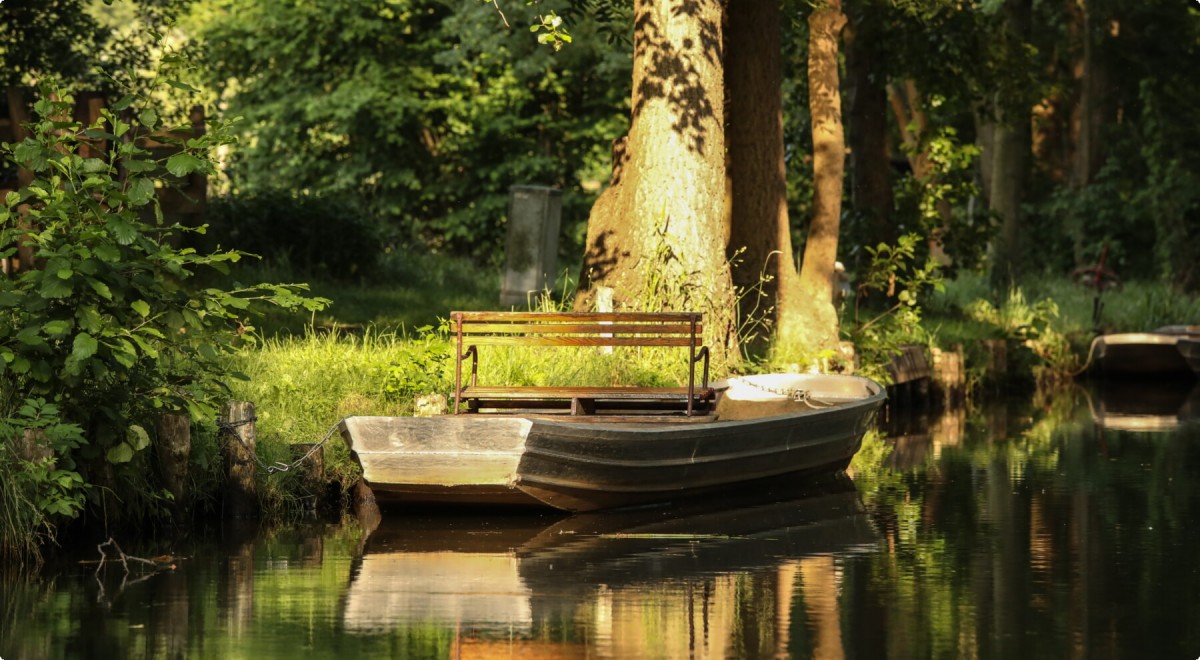
South of Berlin, the Spree splits into a maze of channels and whispering reeds. The Spreewald feels like someone flattened the Amazon into a European meadow: willows trailing their fingers, cottages with steep roofs, storks stepping like careful waiters. It is slow travel in its purest form. You paddle and the water sounds like silk pulled across glass. Even the light seems to move more gently here.
Base yourself around Lübbenau or Burg, where boat rentals and traditional punt tours get you into the heart of the biosphere. Lübbenau’s harbor, busy on summer mornings, smells faintly of pickled cucumbers - the local obsession - and damp wood. Rent a kayak and trace the channels past gardens that float on peat islands. If you prefer a guided glide, hop on a Spreewaldkahn punt and watch the boatman nudge you along with a wooden pole, no engine to spoil the quiet.
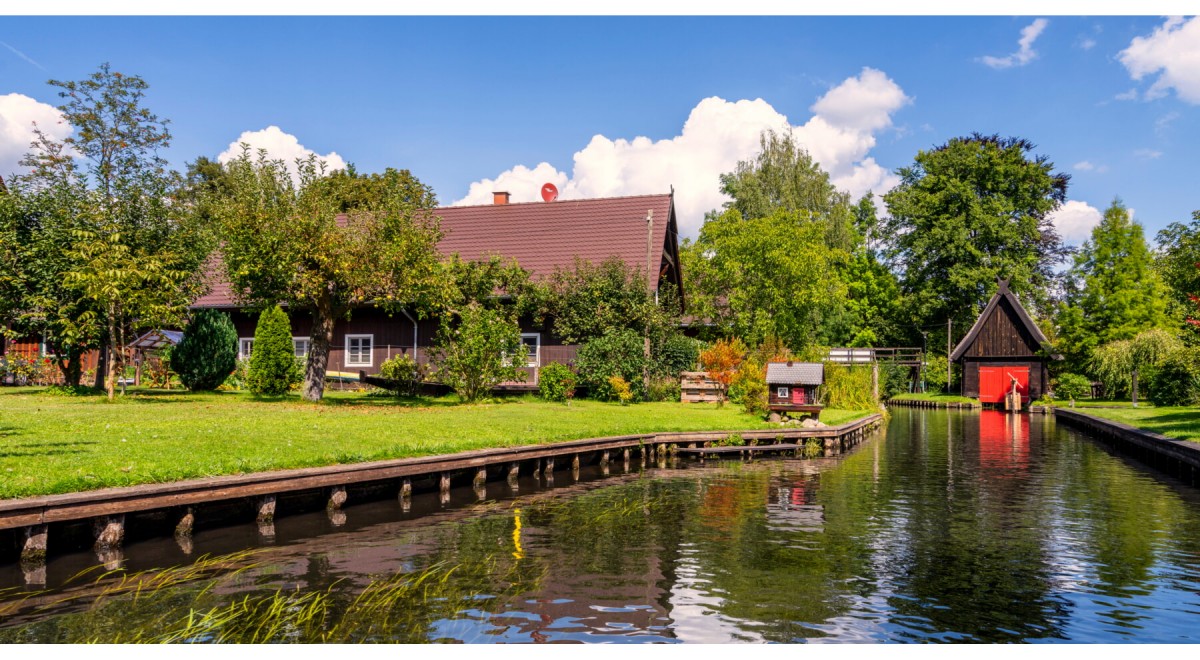
For a quick overview, set your pin to Spreewald Biosphere Reserve, Lübbenau. To learn about conservation projects, the Sorbian/Wendish culture, and where the cranes gather in autumn, check out the official page of the Spreewald Biosphere Reserve. It explains why the mosaic of peat, meadow, and alder forest looks the way it does - and how to wander without leaving scars.
Spreewald works in all seasons. Spring is a spill of greens; summer warms the channels to bathwater; autumn brings low fog that turns every reed into a silhouette; winter can lock the waterways into silver ice, and you’ll sometimes see skaters tracing old cargo routes. Food tends to be cozy and honest: fish, dill, potatoes, cucumbers done a dozen ways. After a day on the water, it tastes twice as good.
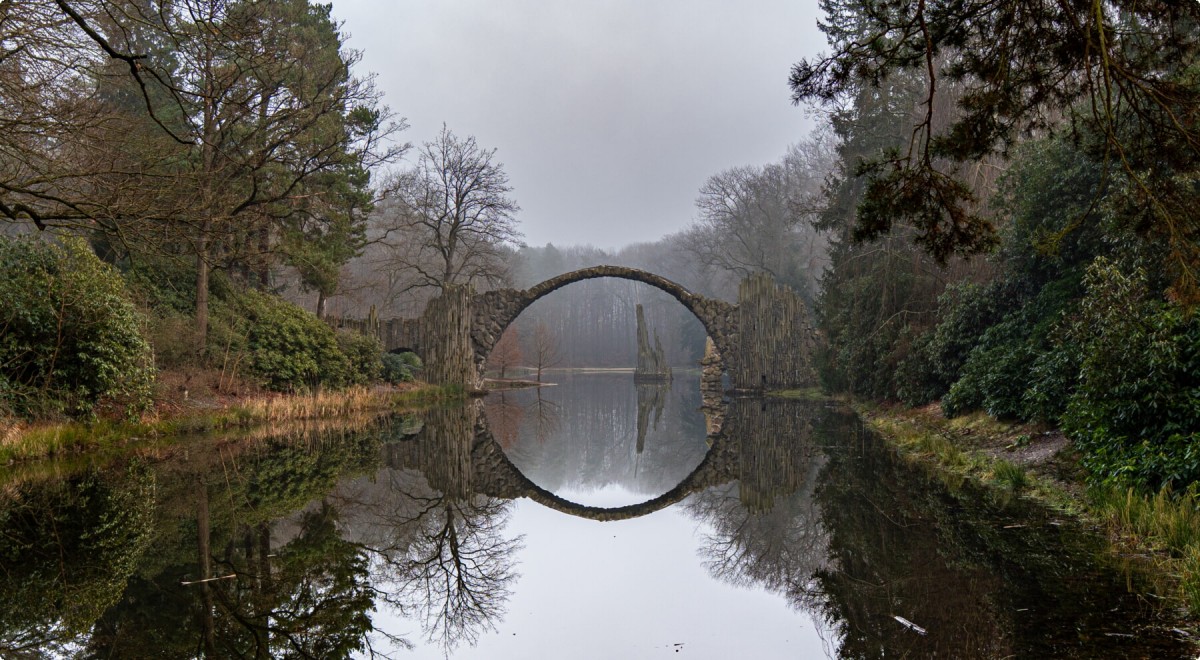
Channels can feel like a leafy maze the first time. Plan a simple loop, respect the slow current, and leave time for unplanned stops - a café deck here, a quiet landing there. The water rewards unhurried choices.
- Start early to avoid traffic on narrow channels.
- Bring cash for waterside kiosks and boat rental deposits.
- Carry a dry bag; phones and maps meet water quickly.
- Follow marked routes; some canals are wildlife sanctuaries.
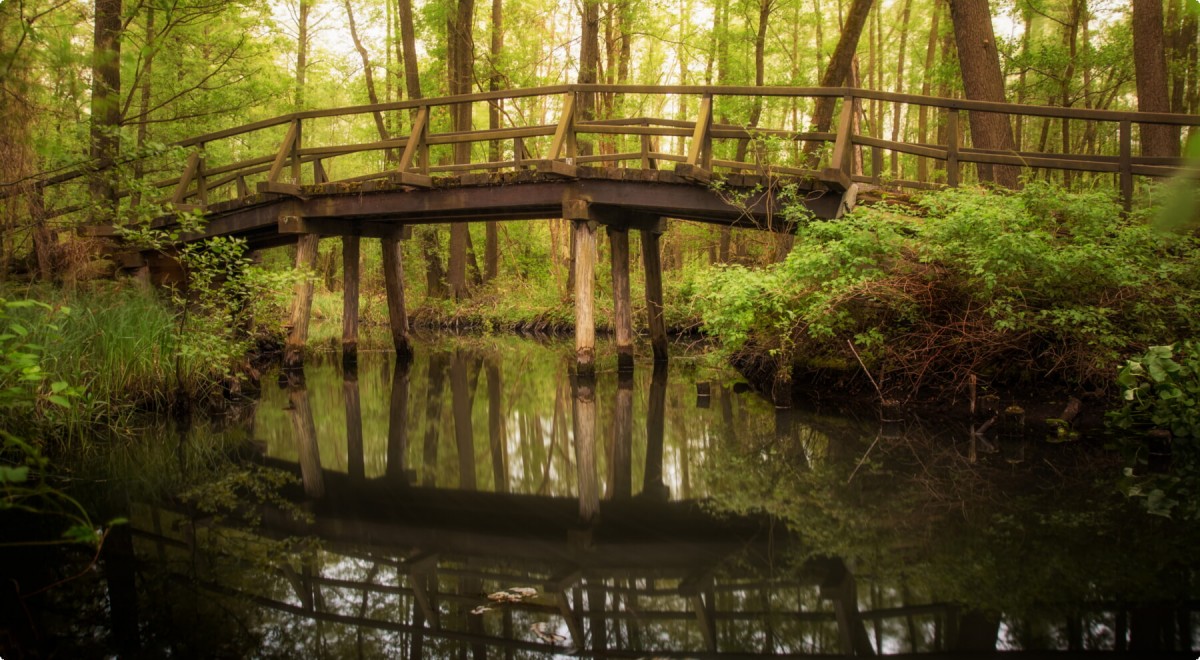
If you’re coming by car, the drive is less than 90 minutes. You’ll pass flat fields and rows of poplars that throw quick, zebra-like shadows across the road. Trains from Berlin run to Lübben or Lübbenau, and a short bus hop completes the trip. But honestly, with wheels you can drift between villages, stop for smoked fish, and chase an extra sunset from a tiny bridge no one else noticed.
Saxon Switzerland - Sandstone cathedrals over the Elbe
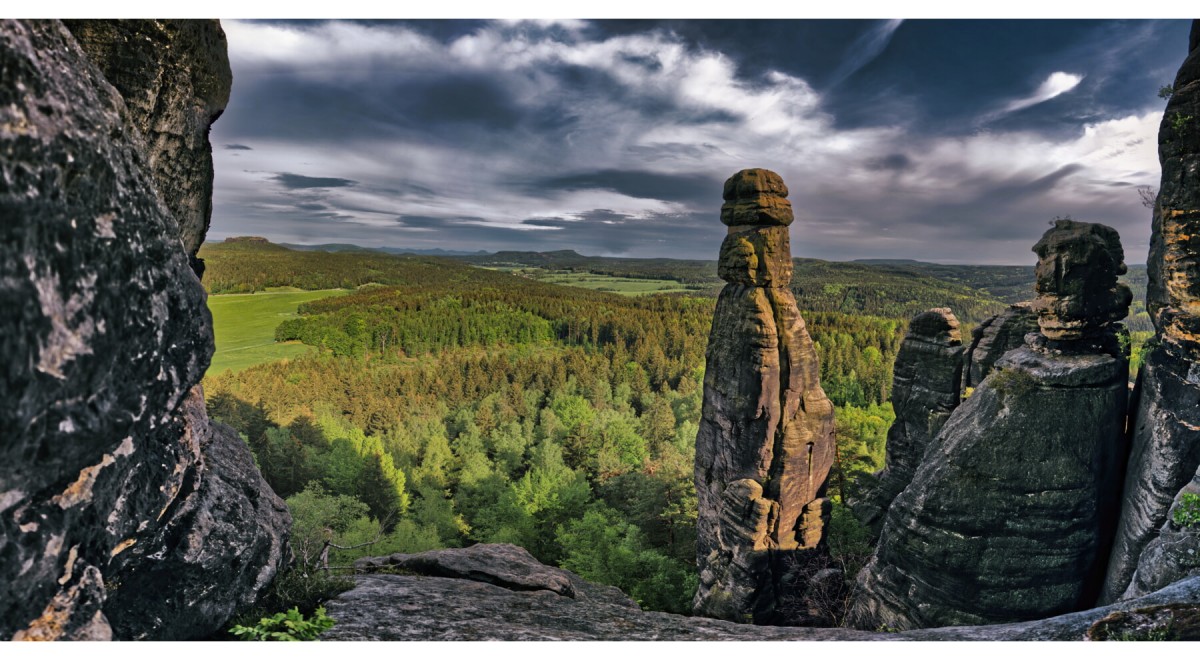
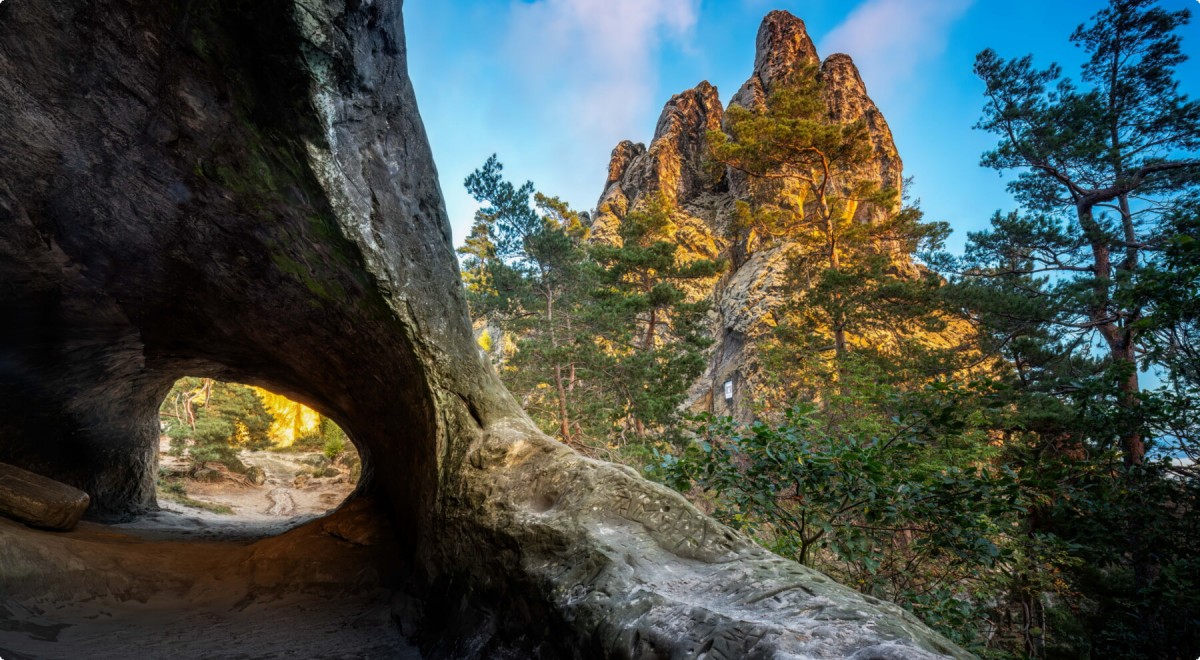
Head southeast past Dresden and the land begins to wrinkle. Then come the cliffs - pale sandstone rising in turrets and fins, like a broken castle wall that forgot to fall. Saxon Switzerland isn’t Switzerland, of course, but the romantic painters who named it weren’t wrong about the drama. The Elbe snakes through this gorge, and hiking paths cling to ledges with thrilling drops and views that punch a little joy into your lungs.
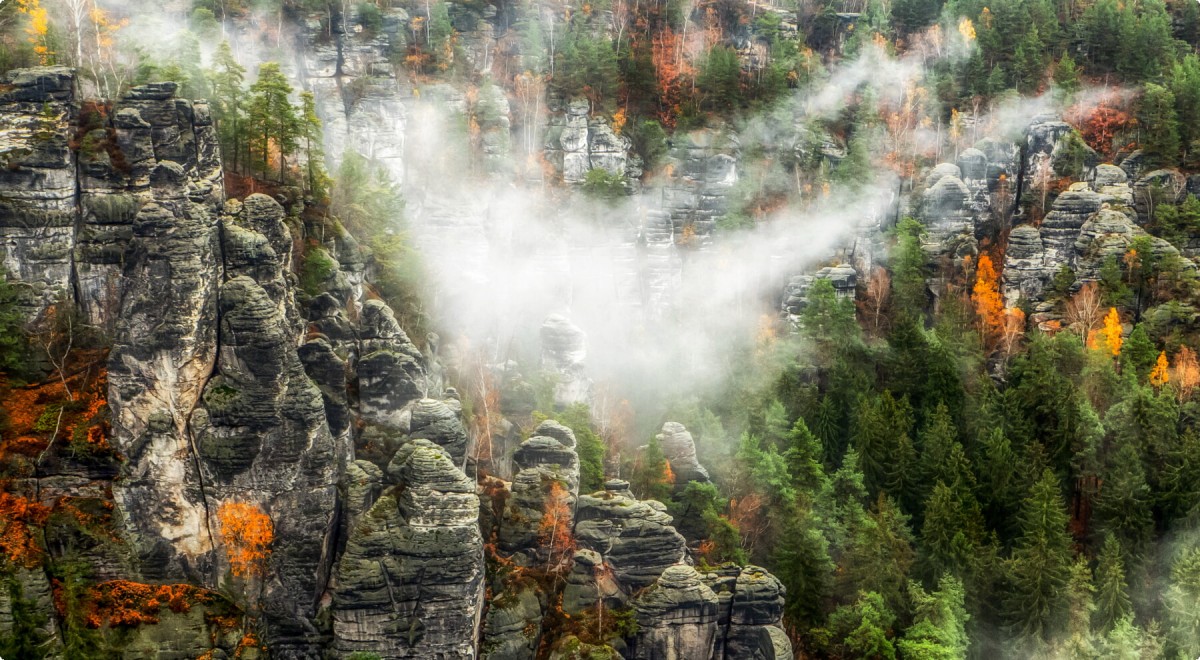
Classic walks lead to the Bastei Bridge, that dreamlike arch pinned between columns of rock. It looks like fantasy art come true, especially when the morning mist whorls in the valley and the first trains whistle along the river. Read a bit about its history and odd, delicate geology via Bastei, then set off on one of the mid-length circuits.
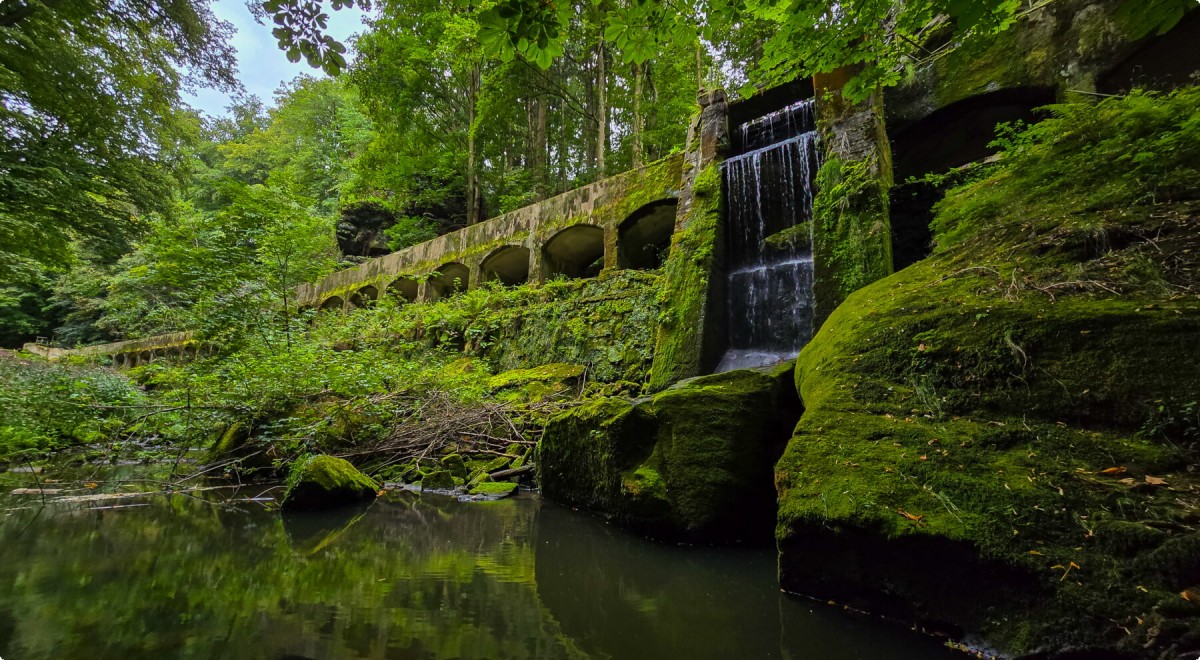
- Schwedenlöcher path - steps and narrow clefts slicing through cool rock.
- From Rathen to Amselsee - an easier loop with water reflections and cave echoes.
- Schrammsteine ridge - exposed, laddered, and worth the heart-thump.
After walking, cross the Elbe by ferry, sit with a coffee in Bad Schandau, and watch climbers dusted with chalk spill their stories. If you feel like adding a fortress to the mix, plot a detour to Königstein Fortress, Königstein, which keeps a stony eye on the river from a high table of rock. In late afternoon, sun grazes the walls and paints them a warm apricot.
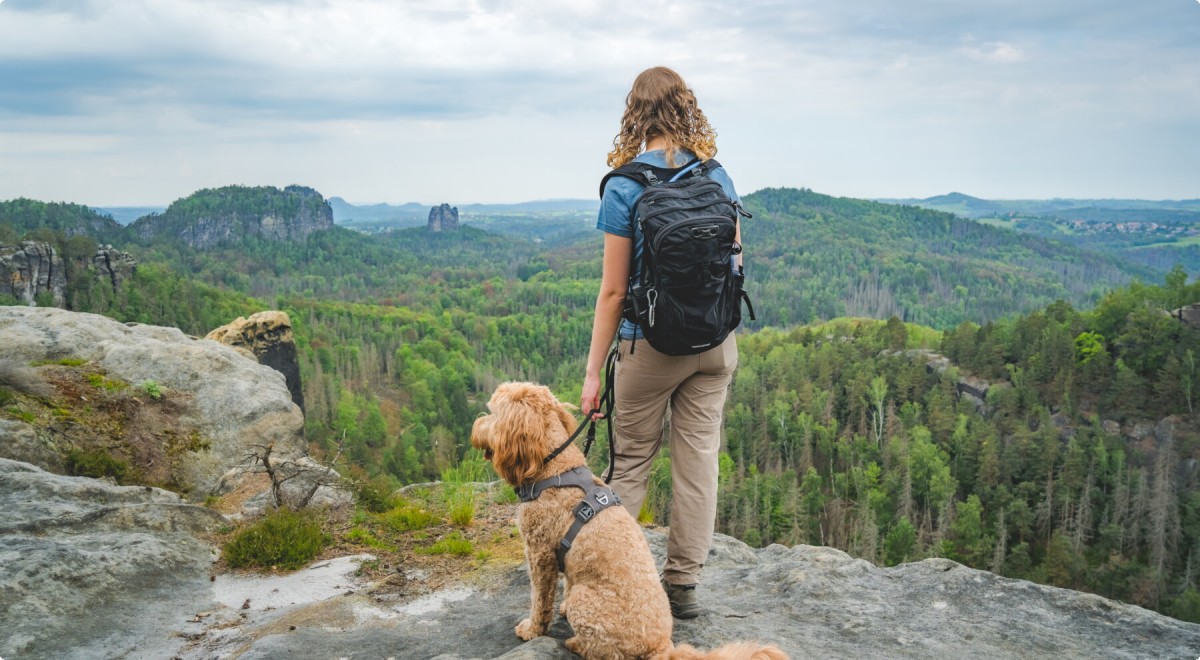
Driving from Berlin takes about 3 hours, a manageable arc of Autobahn and rolling countryside. The reward is a landscape that somehow feels ancient and newborn, like it was sculpted last night while the Elbe shushed along below. Bring layers - wind skims the ridges and the temperature slides quickly in shade. And if you catch a rain squall? The cliffs darken and shine; shapes pop out that weren’t there a minute ago.
Baltic Coast - Wild beaches and wind-carved sky
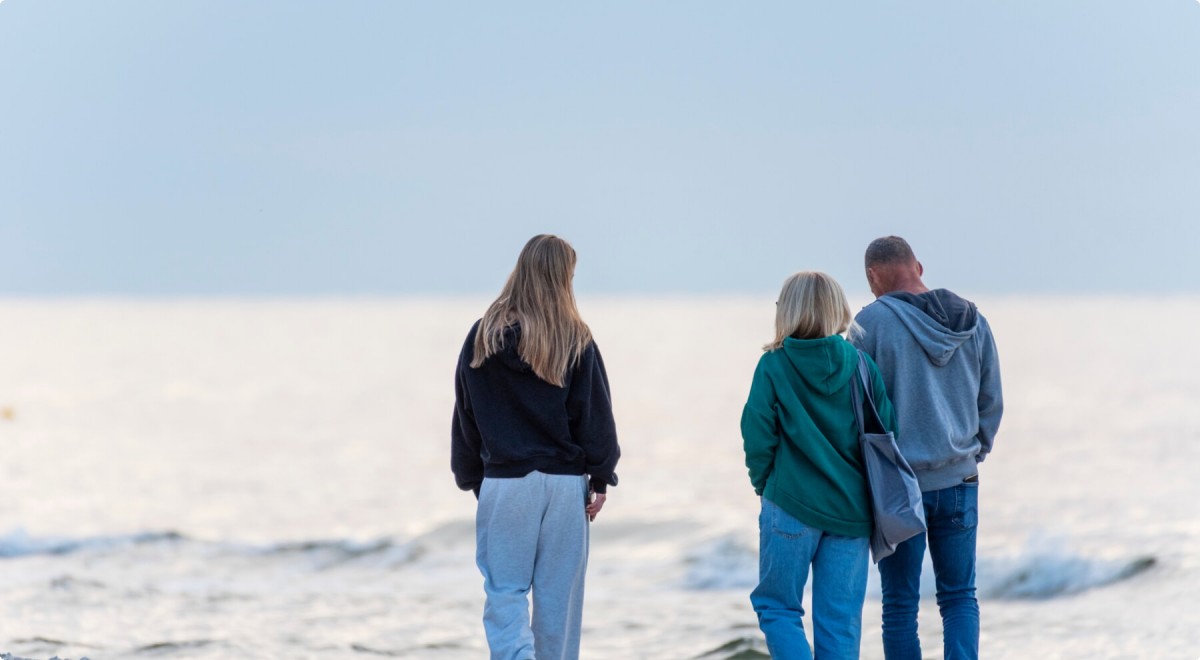
Northbound, the land flattens into wheat and wind turbines, then gives up suddenly to the Baltic. The coast is a different kind of wild: wide beaches that hum with dune grass, the salt taste of the air, gulls arrowing in crosswinds. Forget neat postcards - the Baltic is better when it’s a little unruly. Pack a jacket, even in July, and let the sky do its restless theater.
For a weekend, you could aim for Usedom, where the sand is fine and the seaside architecture wears frilly balconies from another age. Or push to the Fischland-Darß-Zingst peninsula, where the Weststrand beach feels like the edge of a continent - crooked pines, bleached driftwood, footprints quickly erased. Artists still gather in Ahrenshoop, content with a pot of tea and a window that catches a slanted light no city can fake. Map it quickly here: Ahrenshoop.
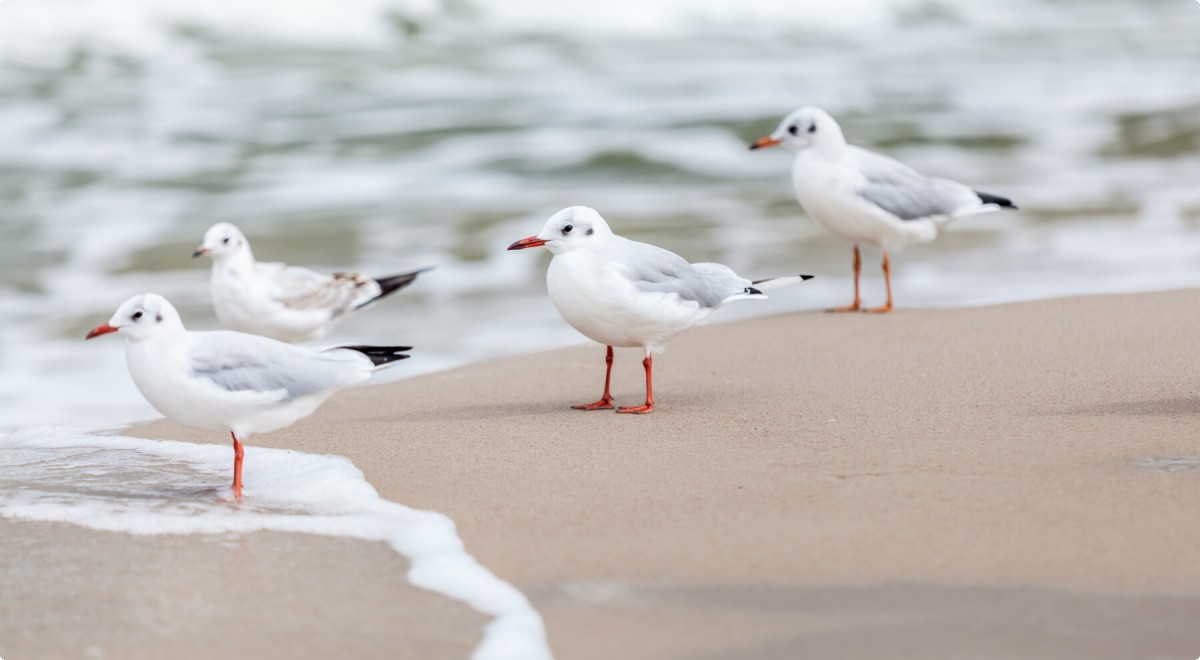
Beach life here is uncomplicated. Morning swims taste of tin and freedom. Midday walks sink your heels into cool sand under a warm top layer. In the evening, a dune becomes a seat, the wind lowers its voice, and ferries blink threads of light out at the horizon. If clouds scud low, even better. They build and break like slow fireworks.
Food is the joy of simple things done right: smoked fish in paper, potatoes with herb quark, a cherry cake that stains your fingertips. Bring a bike if you can. The coastal cycle paths are gently rolling and let you cut between forest and sea in minutes. And for birdwatchers, autumn cranes stitch a ragged V across the sky - their calls are ancient and a little eerie, in the best way.
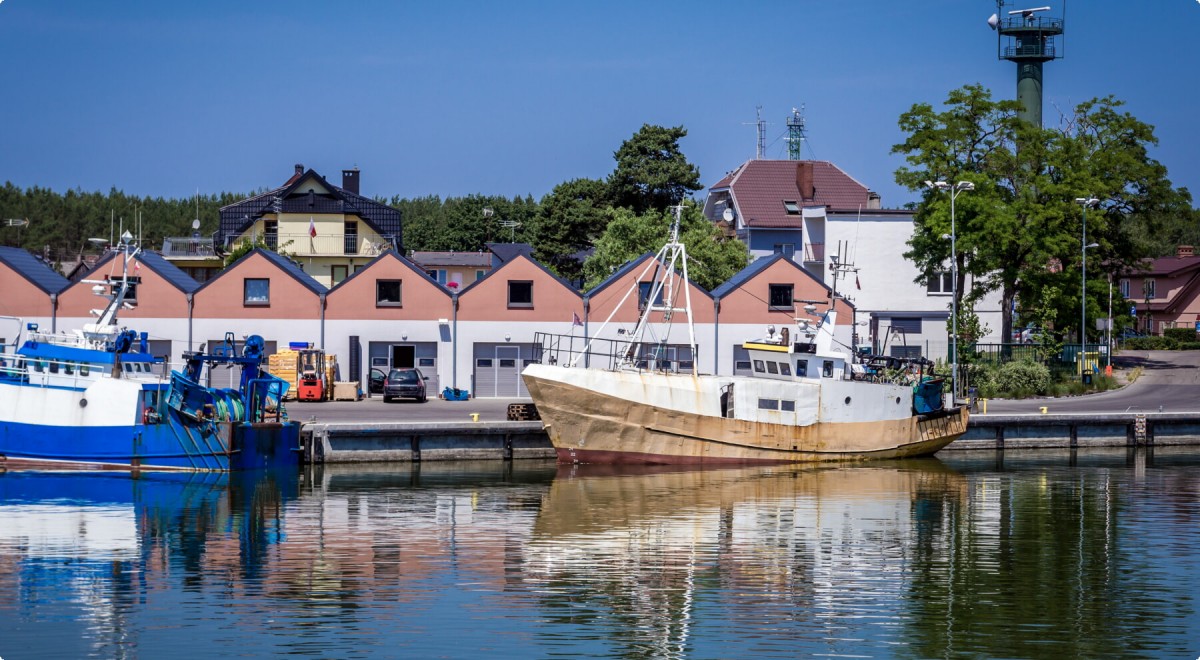
If you crave lakes instead of surf, swing inland toward the Müritz lake district. Müritz National Park is all reed beds, silent bays, and pine scent - a place where a beaver might write a small story across the water at dusk. It’s a calm counterpoint to the coast, especially after a blustery beach day.
Harz Mountains - Steam, spruce, and deep valleys
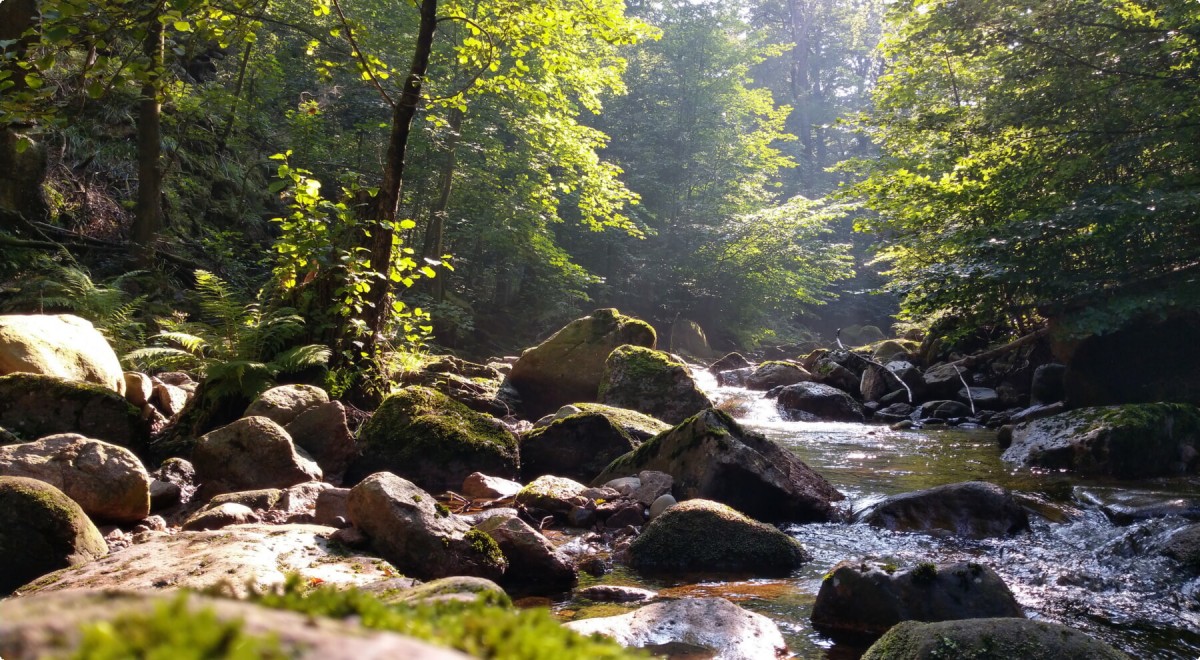
Central Germany’s Harz range rises in rolling, forested tiers. It’s not Alpine high, but the mood is unmistakably mountain. Villages tuck into valleys with crooked half-timbered houses, and the narrow-gauge steam trains sound their way uphill toward the Brocken like a remembered childhood. On misty mornings you may see the Brocken swim in and out of cloud as if it’s making up its mind to be real.
Hiking here is a pleasure that doesn’t demand heroics. Trails weave through spruce and beech, cross black-amber streams, and spill out onto views where the ridges lie like folded blankets. In winter, snow dusts everything into a friendly fairy tale; in summer, the shade is a gift. Consider these highlights:
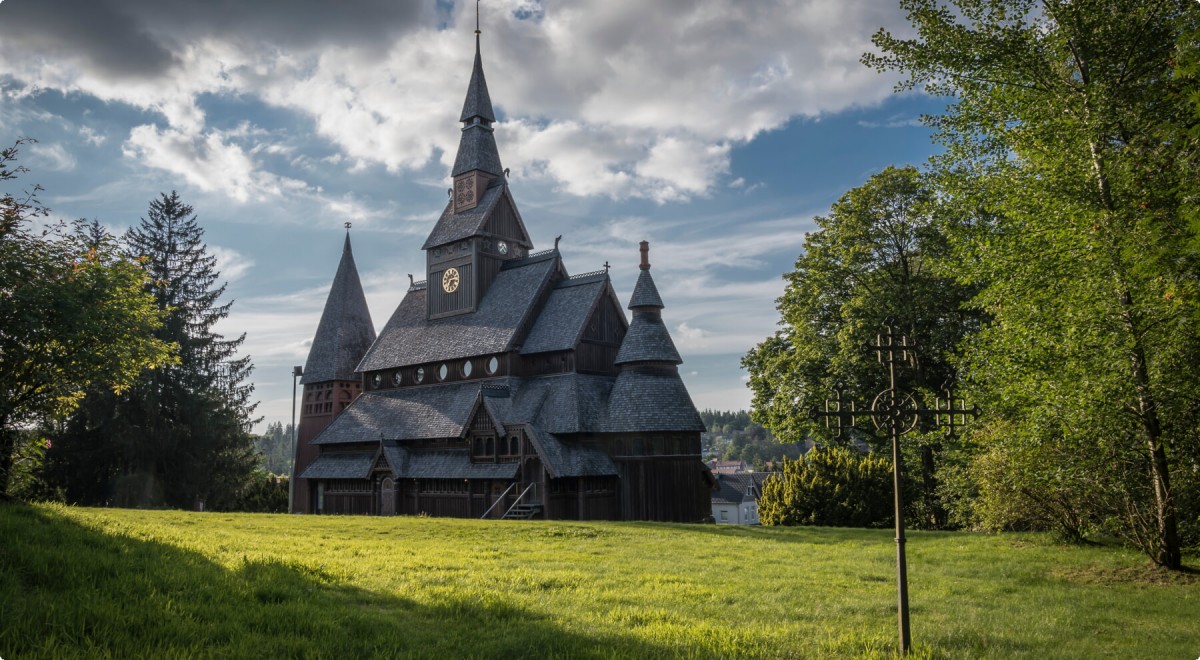
- Brocken summit via Torfhaus - a classic with big sky and a wander across the high moor.
- Bode Gorge from Thale - dramatic cliffs tightening into a walking corridor.
- Goslar and the Rammelsberg mine - culture and geology layered together.
Make time for Wernigerode, whose neon-bright town hall looks almost edible, and for Quedlinburg, where cobbles and timbered façades crackle with history. It’s easy to mix walking with café loafing here, to balance green hours and pastry minutes without thinking too hard.
The Harz narrow-gauge network climbs with real drama, curling around shoulders of forest before stepping out onto high views. Even if you’re not a rail fan, it’s worth the ticket for the smell of coal and the way time slows to the speed of landscape.
Distances from Berlin look longer on the map than they feel under the wheels. The Autobahn gets you there, then the final approach becomes a story of valleys and meadows, barns that lean a little, and church spires that stand straight. Take your time on those last kilometers. Stop in a village bakery for a slice of streuselkuchen, warm if you’re lucky. Hike, ride, sit, repeat - the rhythm isn’t complicated.
Schorfheide-Chorin - Lakes that mirror the clouds
Close enough for a half-day escape, Schorfheide-Chorin spreads northeast of Berlin in a quilt of forest, lake, and meadow. The water is the point: long blue fingers like Werbellinsee, shallow bays ringed with rushes, evening reflections so crisp you feel you could fall into the sky. It’s a place that rewards those who carry a swimsuit in the trunk and who don’t mind a sandy towel tossed over the back seat.
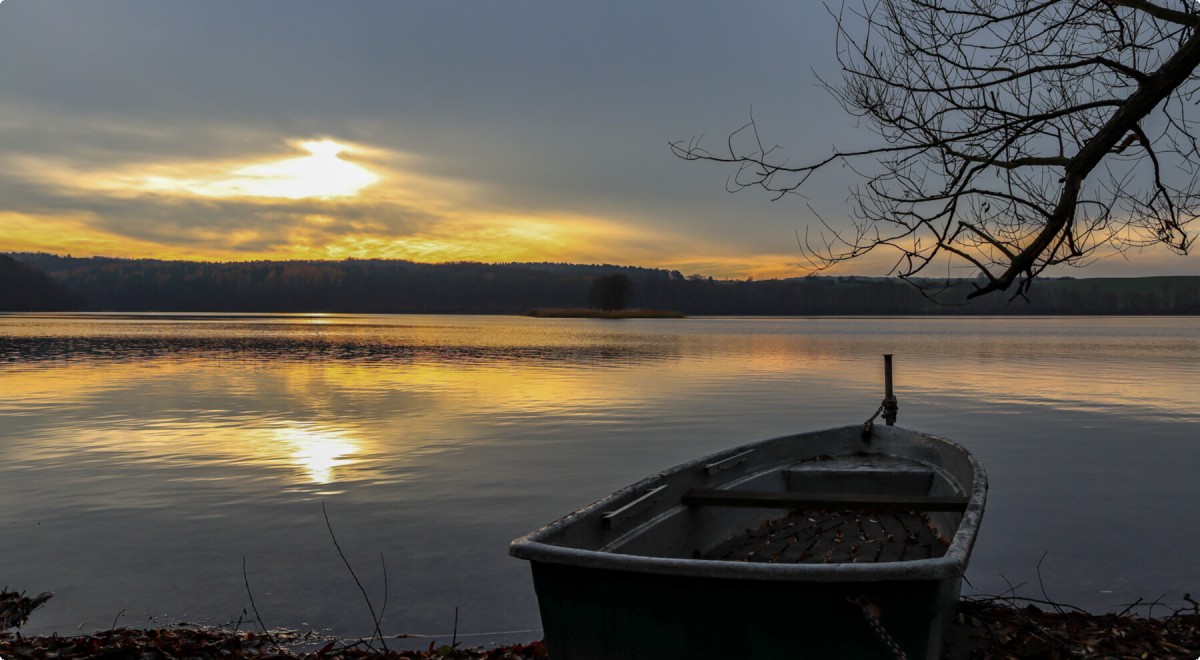
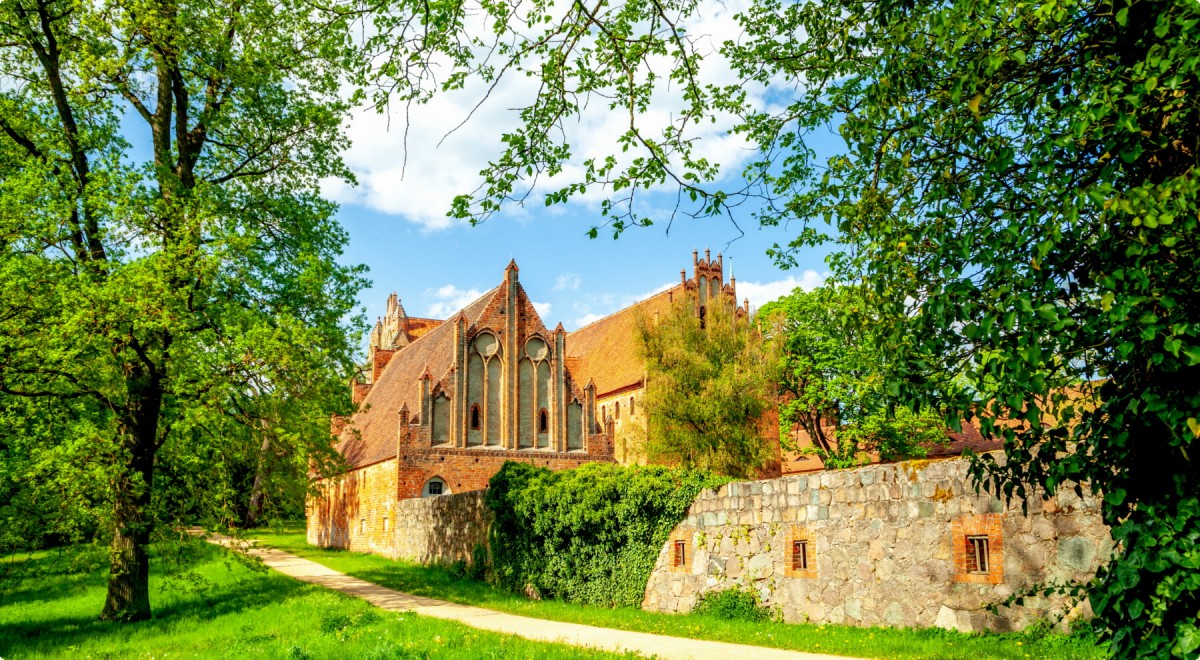
Werbellinsee is the local star - astonishingly clear, and on quiet mornings it goes mirror-flat, a silver sheet with dragonflies scribbling across the edges. Walk parts of the shore, plunge in at one of the public bathing spots, then let your hair dry on a gentle drive to Chorin Abbey. The brick arches there, weathered and spacious, create a pocket of peace that feels almost acoustic. On some weekends, music lifts the whole space like glass.
The region has a scattered feel, which is exactly the charm. Instead of a single center, you hop from a beach to a bakery, from a damp path under beech leaves to a sunny field full of hay bales. Wildlife is not shy. You might see a fox cross a track at noon, or a white-tailed eagle turning lazy circles over the lake. Stay patient - the forest always yields something if you look softly.
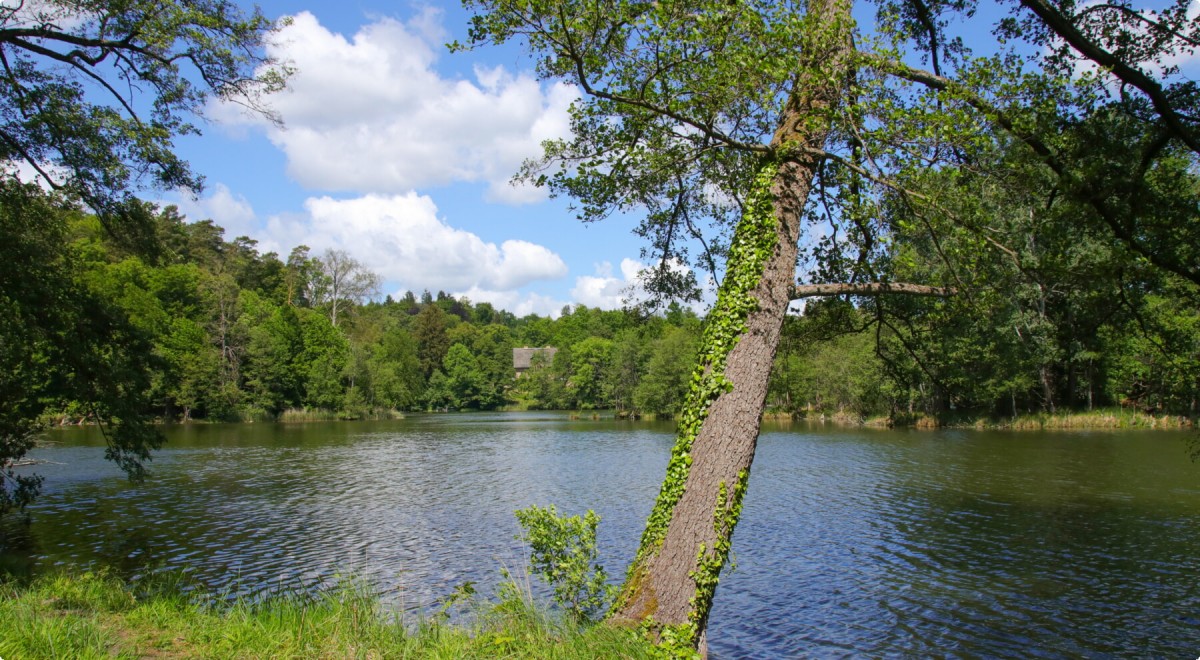
If you’re landing or departing and want a quick nature fix, lining up a vehicle right away helps. There’s convenient Berlin Tegel Airport car rental for those who prefer to point the hood north and glide to the lakes within an hour. Pack a picnic, a book you won’t read, and park somewhere with shade and silence. It’s that kind of day.
Havelland - Night skies and slow water
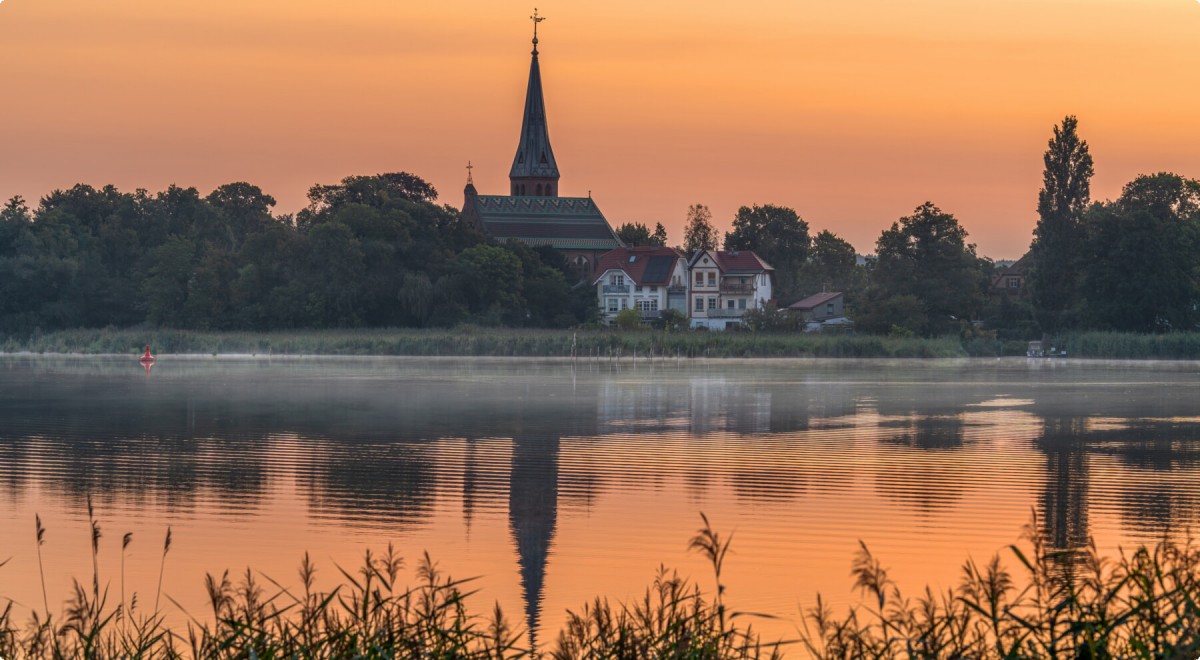
West of Berlin, the Havel river relaxes into loops and lakes. Boats slide so quietly you hear only the small slaps of wake against reed. Villages hang laundry out in generous breezes. Fields make their long statements, and the light across the water is a very specific kind of kind. Havelland is for people who don’t need a headline view to feel moved, who understand that small ripples tell big stories.
Westhavelland is also one of Europe’s darkest spots, which means the stars are truly stars, not a smudge against orange glow. Pitch your gaze upward and the Milky Way becomes a ragged, glowing band - not imagined, not wished for, there. On moonless nights, your own breath sounds too loud. And in autumn, cranes gather by the tens of thousands to roost, drawing uneven stitch marks across the dusk. It’s rare, in modern life, to feel this ancient rhythm so near a capital.
Bring a bike for the flat routes that kiss the river. You’ll pass anglers sitting in the kind of patient silence even time respects, and meadows where yellowhammers whistle like they’ve been practicing all day. Stop in a small café that does cake by the generous slice. Or go liquid - rent a canoe in Brandenburg an der Havel, push off, and let the current turn you into someone unhurried. Navigate by church spires and skylines of willow.
To catch the sky at its best, watch the moon phase, avoid hazy nights, and arrive before full dark to let your eyes adjust. It’s not just the stars - the silence becomes a kind of map you can read, slowly.
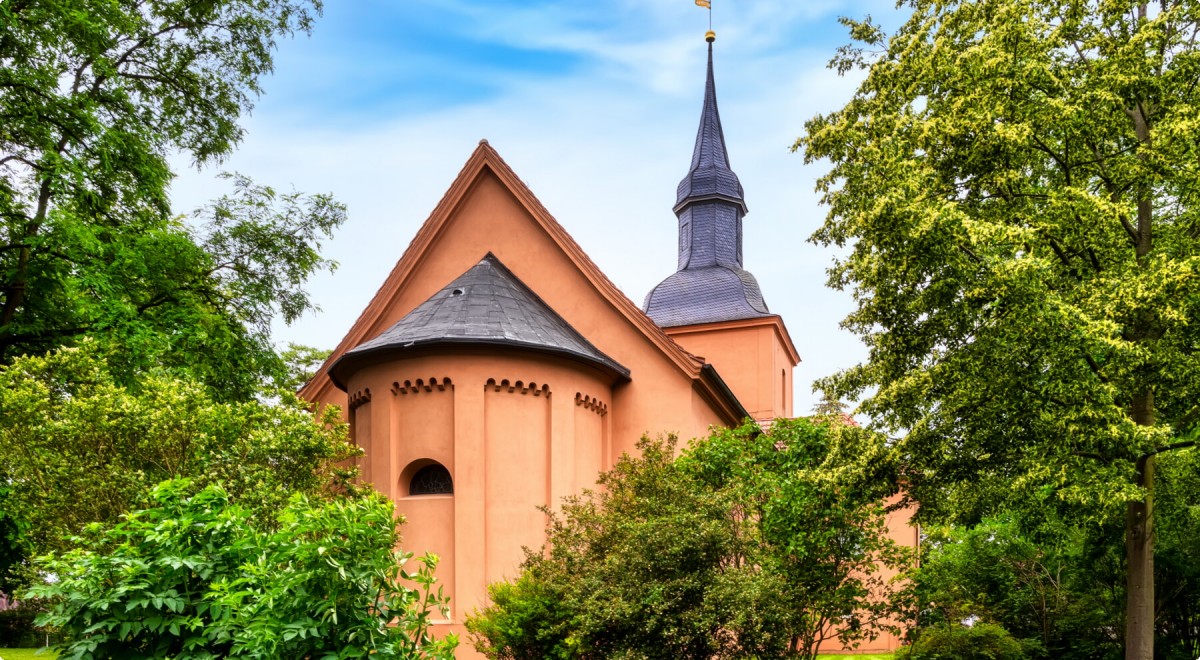
If you want a tiny bit more structure, start in the town of Rathenow, which calls itself the city of optics and takes sunsets seriously. From there, branch along the Havel to find you-shaped quiet. Even the wrong turn ends up feeling right here, a detour past a hay barn or a swan that seems carved out of the morning. The drive back to Berlin is short, the shift back to city life softer than you expect , almost polite.
Road tip - the beauty of Berlins backyard is that much of it is linked by fast roads. But don’t rush the final approach into these landscapes. The last kilometers are where the scent changes: pine forests, wet grass, woodsmoke, lake breath. Pull over once just to listen, no playlist needed.