Nestled in the heart of northern France, Lille is a city that often flies under the radar of international tourists. Yet, this charming provincial capital of the Hauts-de-France region holds a wealth of hidden treasures and intriguing mysteries waiting to be discovered. From its rich history and stunning architecture to its vibrant cultural scene and delectable cuisine, Lille offers visitors a unique blend of old-world charm and modern sophistication.
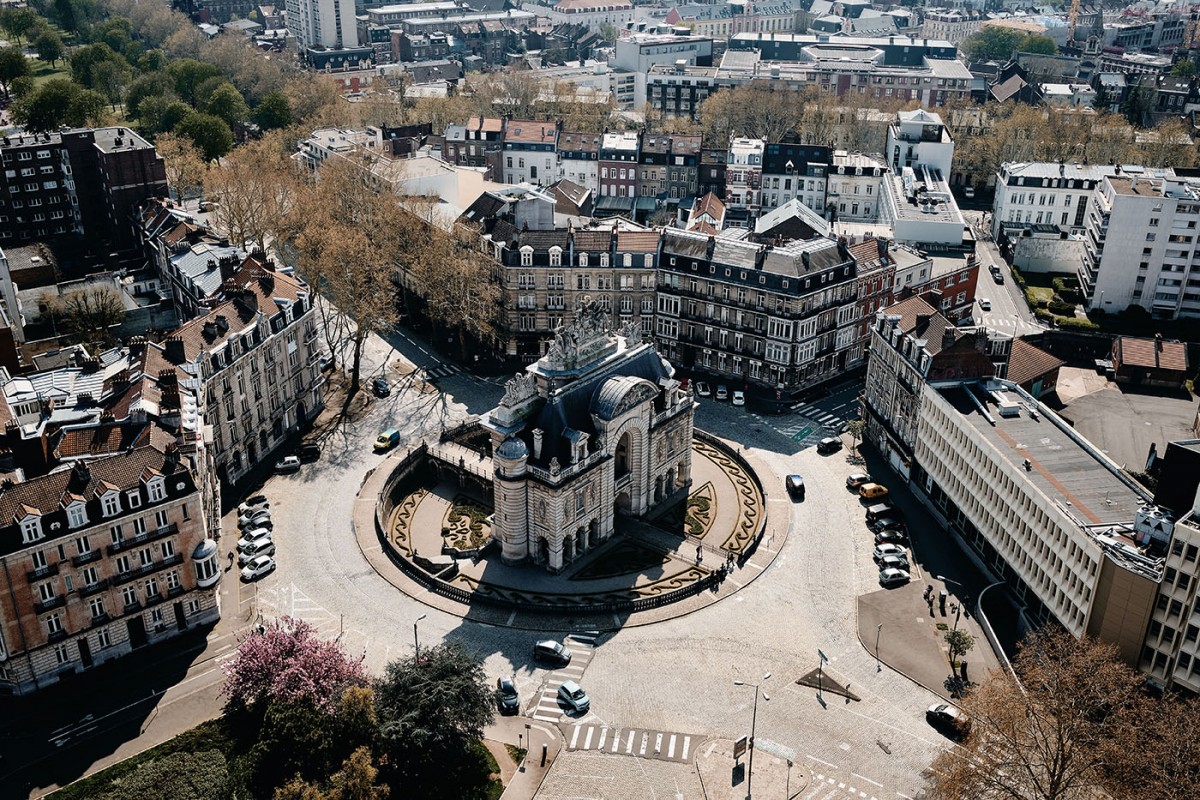
A City Steeped in History
Lille's history dates back to the Middle Ages when it was founded as a castle town in the 11th century. Over the centuries, the city has been shaped by various influences, including Flemish, Spanish, and French rule. This diverse heritage is reflected in Lille's architecture, culture, and even its local dialect, known as Ch'ti.
One of the most prominent reminders of Lille's past is the imposing Citadel, designed by the famous military engineer Vauban in the 17th century. This star-shaped fortress, surrounded by lush parklands, stands as a testament to the city's strategic importance throughout history.
Architectural Marvels
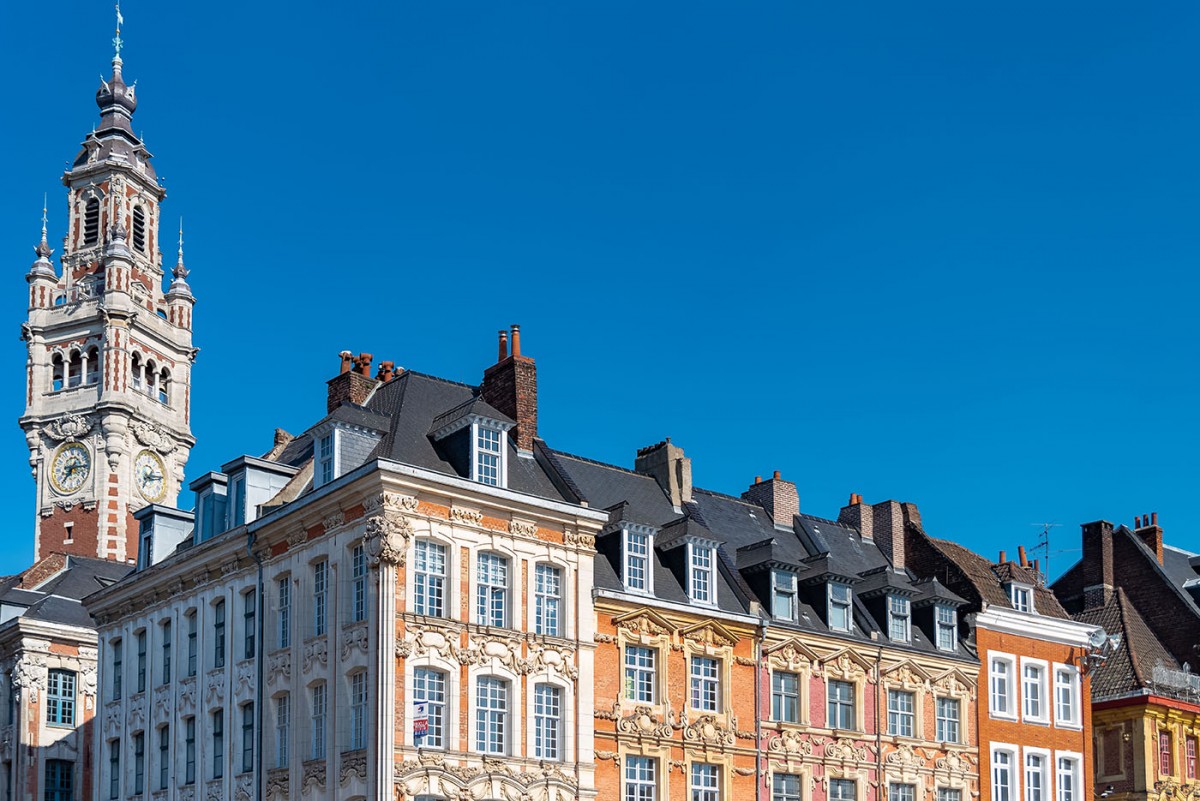
Lille's cityscape is a captivating mix of architectural styles, ranging from medieval to contemporary. The historic city center, known as Vieux Lille, is a maze of cobblestone streets lined with elegant Flemish-style buildings, many of which date back to the 17th and 18th centuries.
Some of the must-see architectural highlights include:
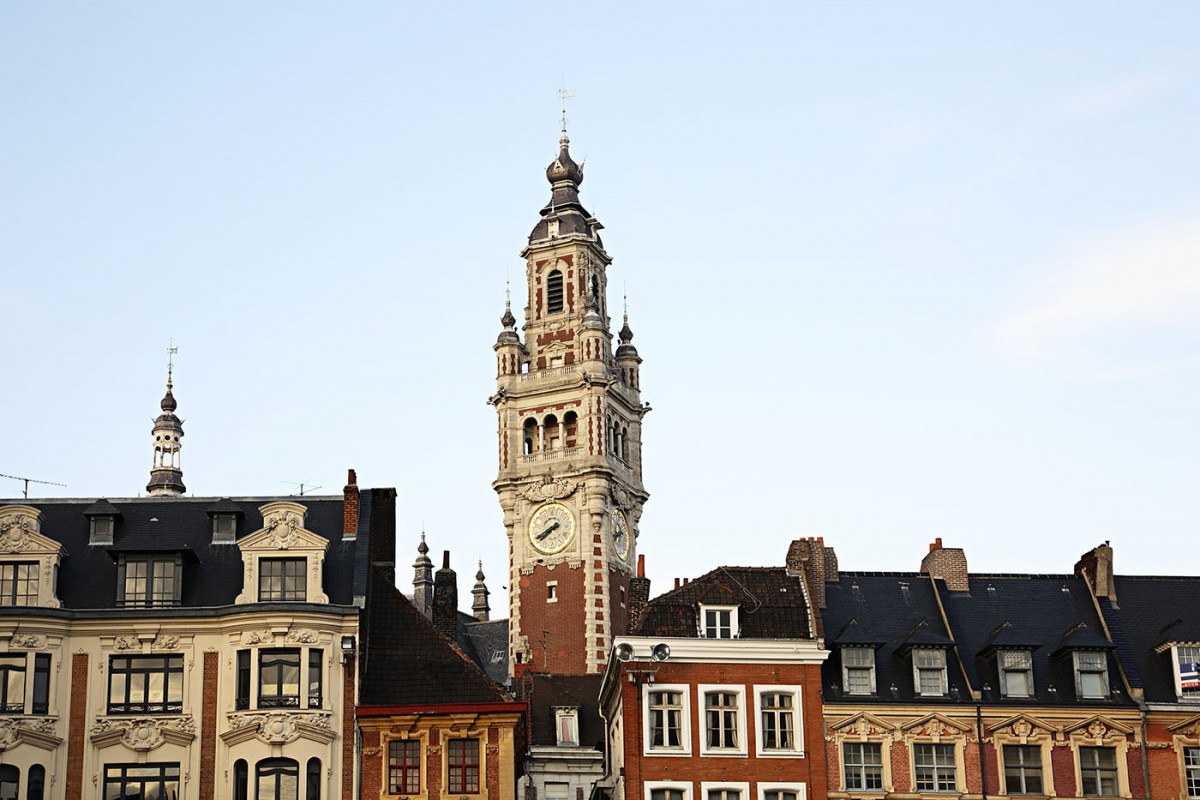
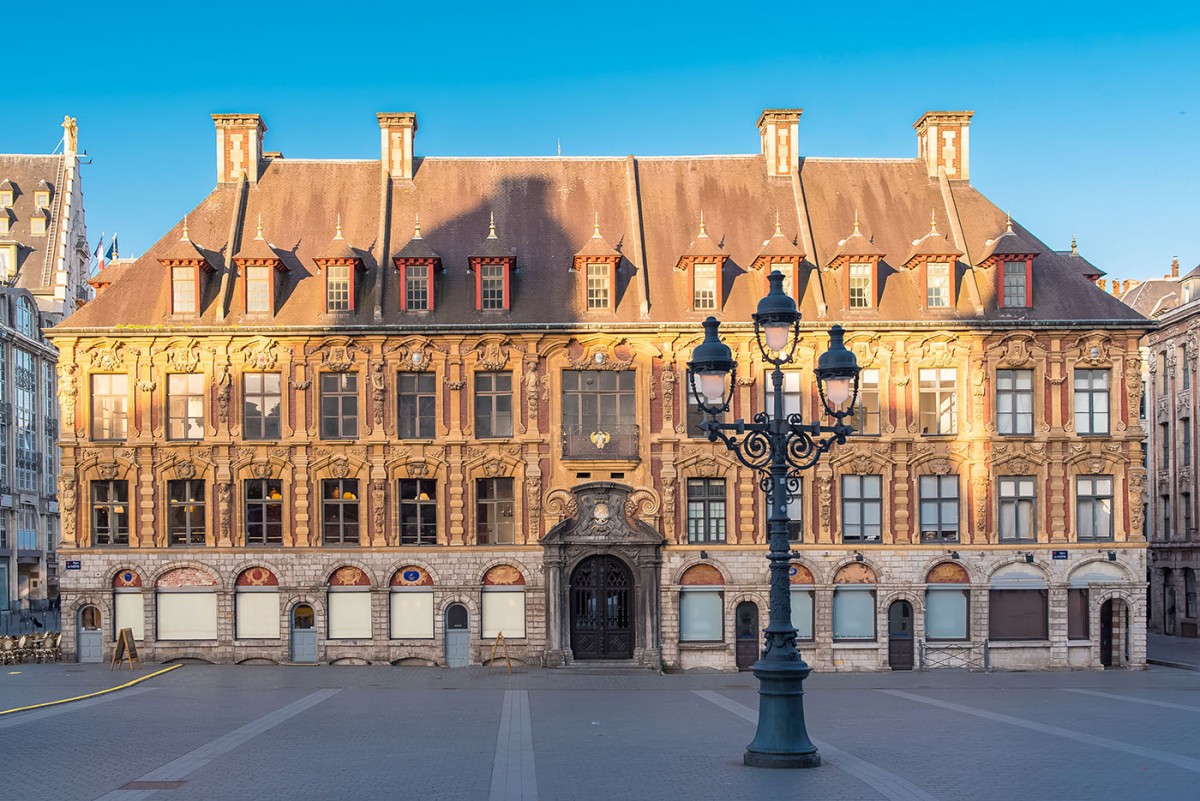
- The Grand Place: The city's main square, dominated by the ornate Vieille Bourse (Old Stock Exchange) building
- Palais des Beaux-Arts: One of the largest fine arts museums in France, housed in a magnificent 19th-century building
- Lille Cathedral: A striking example of Gothic revival architecture
- La Piscine Museum: A former Art Deco swimming pool transformed into a unique art museum
Cultural Hub of Northern France
Despite its provincial status, Lille boasts a thriving cultural scene that rivals many larger cities. The city was named the European Capital of Culture in 2004, which sparked a renaissance of sorts, breathing new life into its artistic and cultural offerings.
Lille is home to numerous museums, galleries, and performance venues, including the avant-garde Gare Saint Sauveur, a former freight station turned cultural center. The city also hosts various festivals throughout the year, such as the Lille Piano Festival and the quirky La Braderie de Lille, Europe's largest flea market.
Culinary Delights and Local Specialties
No visit to Lille would be complete without indulging in its gastronomic offerings. The city's cuisine is a delightful fusion of French and Flemish influences, resulting in hearty, flavorful dishes that are perfect for the region's cooler climate.
Some local specialties to try include:
- Carbonnade Flamande: A rich beef stew cooked in beer
- Welsh: A hearty dish of melted cheese, beer, and ham served over toast
- Maroilles: A pungent local cheese often used in tarts and other dishes
- Merveilleux: A light meringue-based dessert covered in whipped cream and chocolate shavings
To truly experience Lille's culinary scene, visitors should explore the city's many estaminets (traditional Flemish taverns) and bustling markets, such as the Wazemmes Market.
Hidden Gems and Mysterious Corners
While Lille's main attractions are certainly worth visiting, the city's true charm lies in its lesser-known spots and hidden corners. Exploring these off-the-beaten-path locations can reveal fascinating insights into Lille's history and character.
One such mysterious place is the Hospice Comtesse Museum, a former hospital founded in the 13th century. This beautifully preserved building offers a glimpse into medieval life and healthcare practices, with its period-furnished rooms and intriguing medical exhibits.
Another hidden gem is the Maison Folie Wazemmes, a former textile factory transformed into a vibrant cultural center. This eclectic space hosts exhibitions, performances, and workshops, showcasing Lille's creative spirit and industrial heritage.
Exploring Beyond Lille
While Lille itself offers plenty to see and do, its location makes it an excellent base for exploring the surrounding region. The city's proximity to Belgium and the English Channel opens up a world of possibilities for day trips and extended excursions.
For those looking to venture beyond the city limits, securing a reliable vehicle for your French adventure can be a great way to explore the region at your own pace. From the historic battlefields of Flanders to the picturesque coastal towns of the Opal Coast, there's no shortage of fascinating destinations within easy reach of Lille.
Day Trip Ideas
- Bruges, Belgium: Often called the "Venice of the North," this medieval city is just a short drive from Lille
- Dunkirk: Explore the beaches and museums dedicated to the famous World War II evacuation
- Arras: Visit the Wellington Quarry, a network of underground tunnels used during World War I
- Roubaix: Home to La Piscine Museum and the famous Paris-Roubaix cycling race
Lille's Modern Face
While Lille's historic charm is undeniable, the city has also embraced modernity and innovation. The Euralille district, designed by renowned architect Rem Koolhaas, showcases bold contemporary architecture and houses a major business center and shopping complex.
Lille is also home to one of France's largest student populations, giving the city a youthful energy and vibrant nightlife scene. The Rue Masséna and Rue Solférino are popular areas for bars and clubs, where locals and visitors alike can experience Lille's lively after-dark atmosphere.
Planning Your Visit
The best time to visit Lille largely depends on your preferences. Summer months offer warmer weather and numerous outdoor events, while autumn brings the famous Braderie flea market. Winter can be chilly but magical, with festive markets and illuminations adding to the city's charm.
Getting to Lille is easy, thanks to its excellent transport links. The city is well-connected by high-speed trains to Paris, Brussels, and London, making it a convenient stop on a European tour. For those flying in, Lille-Lesquin International Airport serves the region.
Once in Lille, the compact city center is easily explored on foot or by using the efficient public transport system. However, if you're planning to explore the wider region, arranging a vehicle for your French journey can provide the flexibility to discover hidden gems at your own pace.

Conclusion: Lille's Enduring Appeal
Lille may not have the international renown of Paris or the glamour of the French Riviera, but its unique blend of history, culture, and mystery makes it a destination worthy of exploration. From its Flemish-influenced architecture and rich culinary traditions to its vibrant arts scene and hidden corners, Lille offers visitors a chance to experience a different side of France.
Whether you're drawn to its historic charm, cultural offerings, or simply the opportunity to discover a lesser-known French gem, Lille promises an unforgettable experience. As you wander its cobblestone streets, indulge in local delicacies, and uncover its secrets, you'll find that this provincial city has a magic all its own – one that lingers long after you've returned home.