Normandy is often reduced to a few famous names , yet the region opens properly on the road. A short drive can move from old harbors to windswept sand , from cider country to some of the most studied landscapes of the twentieth century. By car , the transitions become part of the story - not just the stops themselves , but the fields, estuaries , villages, and sudden views in between.
Why Normandy makes sense by car
Normandy is not difficult to reach by train , but it is difficult to understand by train alone. The region’s pleasures are scattered rather than stacked. A fishing harbor sits near a polished resort ; a memorial cliff rises beyond ordinary farm fields ; a quiet village appears after a long fold of orchard land. Rail can deliver the headline stops , but the connective tissue - the part that gives Normandy its actual texture - belongs to the road.
That does not mean high-speed driving or ambitious daily mileage. In fact , the opposite rhythm works better. The fast approach from Paris ends quickly , and then secondary roads take over. Signage is generally clear , villages arrive often enough to keep the drive varied , and the scenery keeps changing in a way that feels almost edited. One hour may bring estuary light and slate roofs , the next low green pastures and apple trees , and then suddenly the coast opens in a broad , flat strip of sand.
A car also restores scale to places that are often consumed as isolated icons. Honfleur is more revealing when approached across the modern sweep of the Pont de Normandie. Bayeux makes more sense after passing through the agricultural interior that surrounded the 1944 campaign. Even the D-Day beaches gain force when the route between them is visible - not as lines on a museum panel , but as hedgerows, villages, sea walls, and open fields that still shape movement today.
For that reason , Normandy rewards a route with a little patience built into it. Three days can cover the essentials , but four to six days allow the coast and the inland country to speak to one another. The region is rarely about a single knockout moment. Its charm comes from accumulation - a harbor reflection , a church square, a bunker on a bluff, the smell of damp stone after rain , a café terrace unexpectedly full in a town that looked sleepy five minutes earlier.
Towns with real character
Normandy’s towns are not interchangeable postcard sets. Some are elegant and sea-facing , some feel more practical and lived in , and some are so small that they work almost like punctuation marks between larger stops. The best road trip avoids collecting “pretty places” in bulk and instead lets each town play a different role.
- Honfleur - compact harbor drama , narrow houses, old maritime wealth, and that painterly light for which the estuary is famous.
- Bayeux - a medieval core with substance , not just charm, plus one of the most useful bases for the D-Day coast.
- Beuvron-en-Auge - half-timbered calm in the middle of cider country , small enough to absorb in an hour but distinct enough to remember for days.
- Rouen - a denser, more urban chapter with Gothic verticality , historic facades, and a far stronger city pulse than most visitors expect.
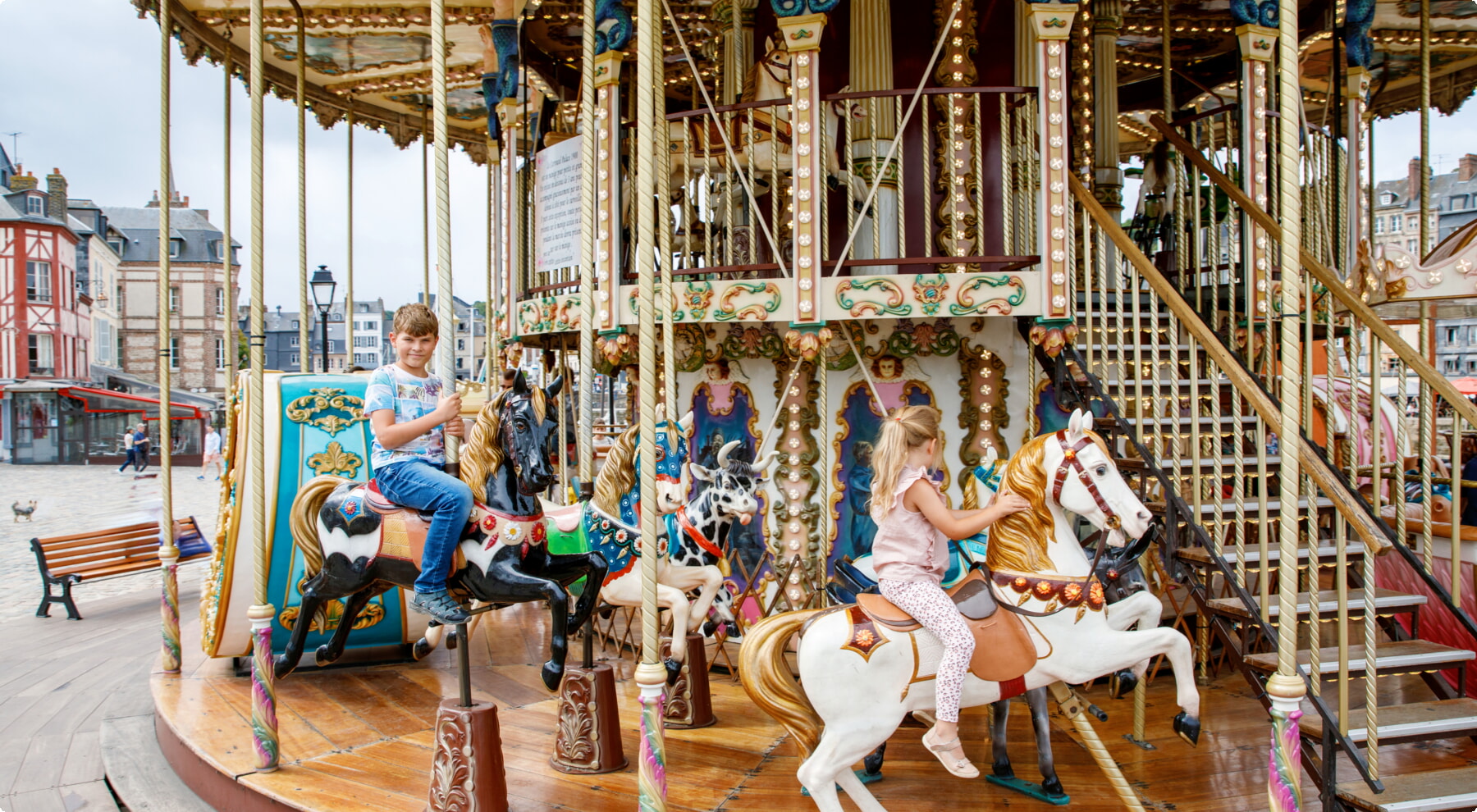
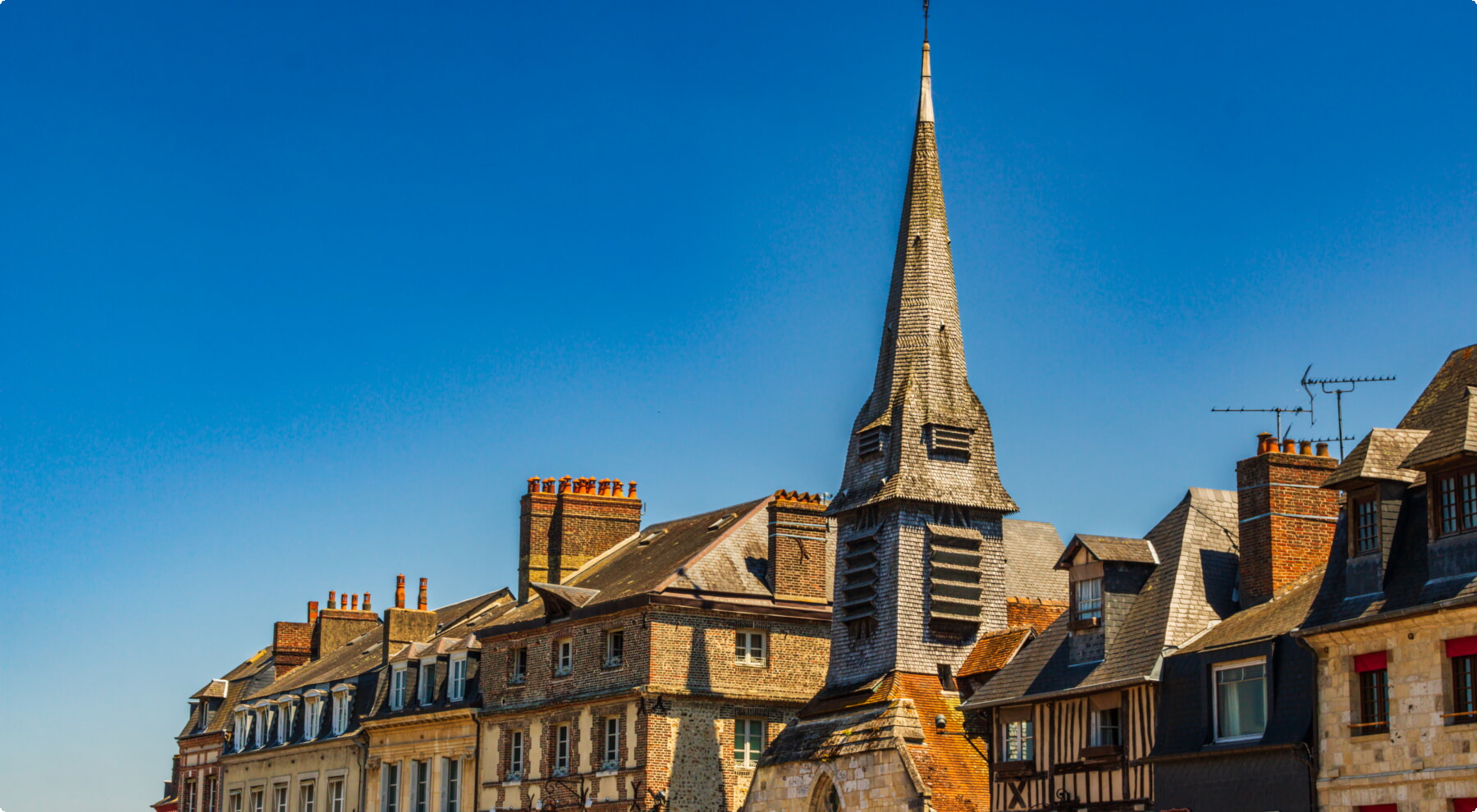
Honfleur is the classic opening act for a reason. The Vieux Bassin is theatrical without becoming false ; masts and facades seem arranged by a set designer, yet the town still smells faintly of salt and old wood. It can be busy in the middle of the day , especially in warmer months , but mornings and evenings soften the performance. The best part is not necessarily the harbor itself. It is the way the lanes behind it keep twisting into smaller, quieter spaces where the commercial gloss falls away and the old port town returns.
Bayeux has a different quality. Instead of glittering first impressions , it unfolds slowly. The cathedral dominates without crushing the surrounding streets , and the town center still feels proportioned for daily life rather than only for visitors. That balance matters. Bayeux can carry history without turning stiff. It is also strategically excellent - close enough to key WWII sites for short day drives, yet calm enough in the evening to recover from the emotional weight of the coast.
Then there are the places that work almost as tonal adjustments. Beuvron-en-Auge is one of them. It is undeniably pretty , but the prettiness comes with agricultural context ; it sits naturally inside the apple-growing landscape rather than floating above it. A stop here makes more sense after a drive through the Pays d’Auge than as a stand-alone destination. Rouen , by contrast , provides urban depth. Timbered streets and major ecclesiastical architecture bring scale and intensity , and the city can sharpen a route that might otherwise become too pastoral.
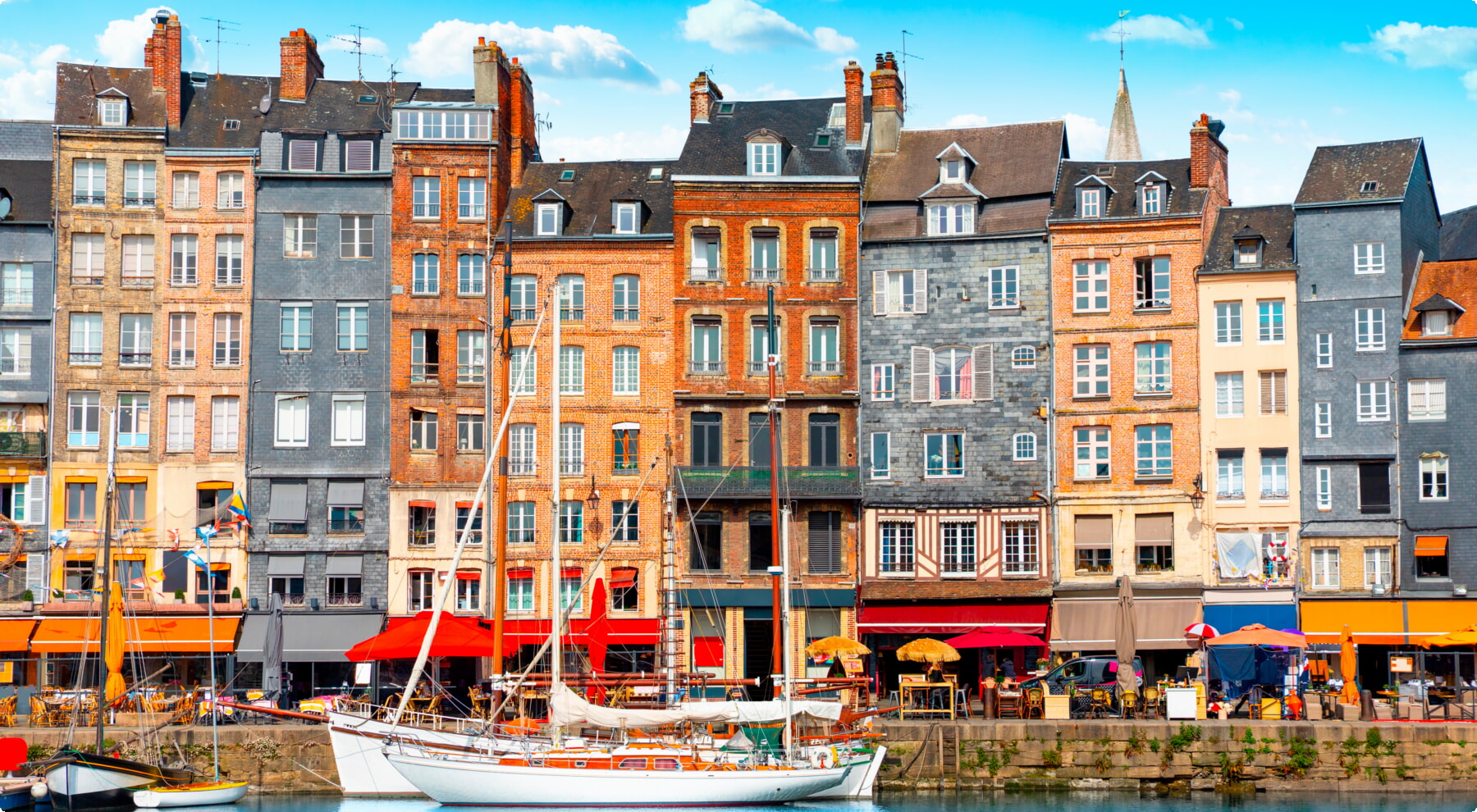
The most satisfying town-hopping in Normandy comes from contrast. A harbor town , one inland village, and one stronger historic city usually create a fuller picture than five similar stops. That contrast keeps the road trip alert ; each arrival resets the eye instead of repeating the last square, the last church, the last row of shutters painted in the same soft color.
Beaches that keep changing mood
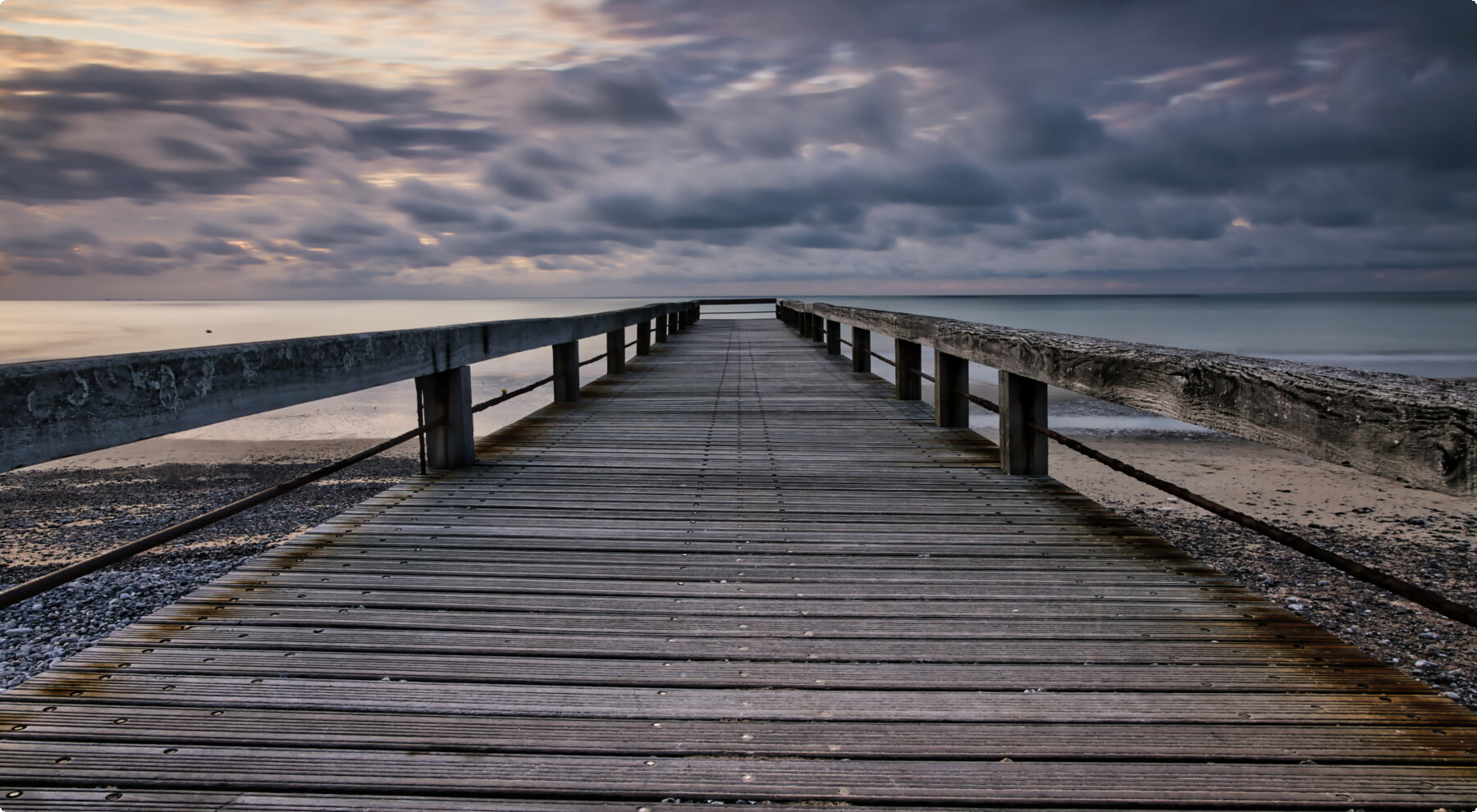
Normandy’s shoreline is often treated as one continuous coastal idea , but it is anything but uniform. The beaches change character with surprising speed. Fashionable resort strips give way to wide tidal emptiness ; fishing activity sits next to Belle Époque villas ; cliff scenery interrupts long bands of sand. Driving makes these shifts obvious in a way that a single beach stop never can.
Deauville and Trouville form one of the clearest contrasts. They face the same sea , yet the atmosphere is different on each side. Deauville is broad, composed, and slightly mannered - boardwalks, parasols, a sense of inherited polish. Trouville feels more textured and a little less arranged. There is more sense of work near the harbor , more irregularity, and often more life in the streets. Taken together , the pair shows how close two versions of Normandy can sit to one another without blending into sameness.
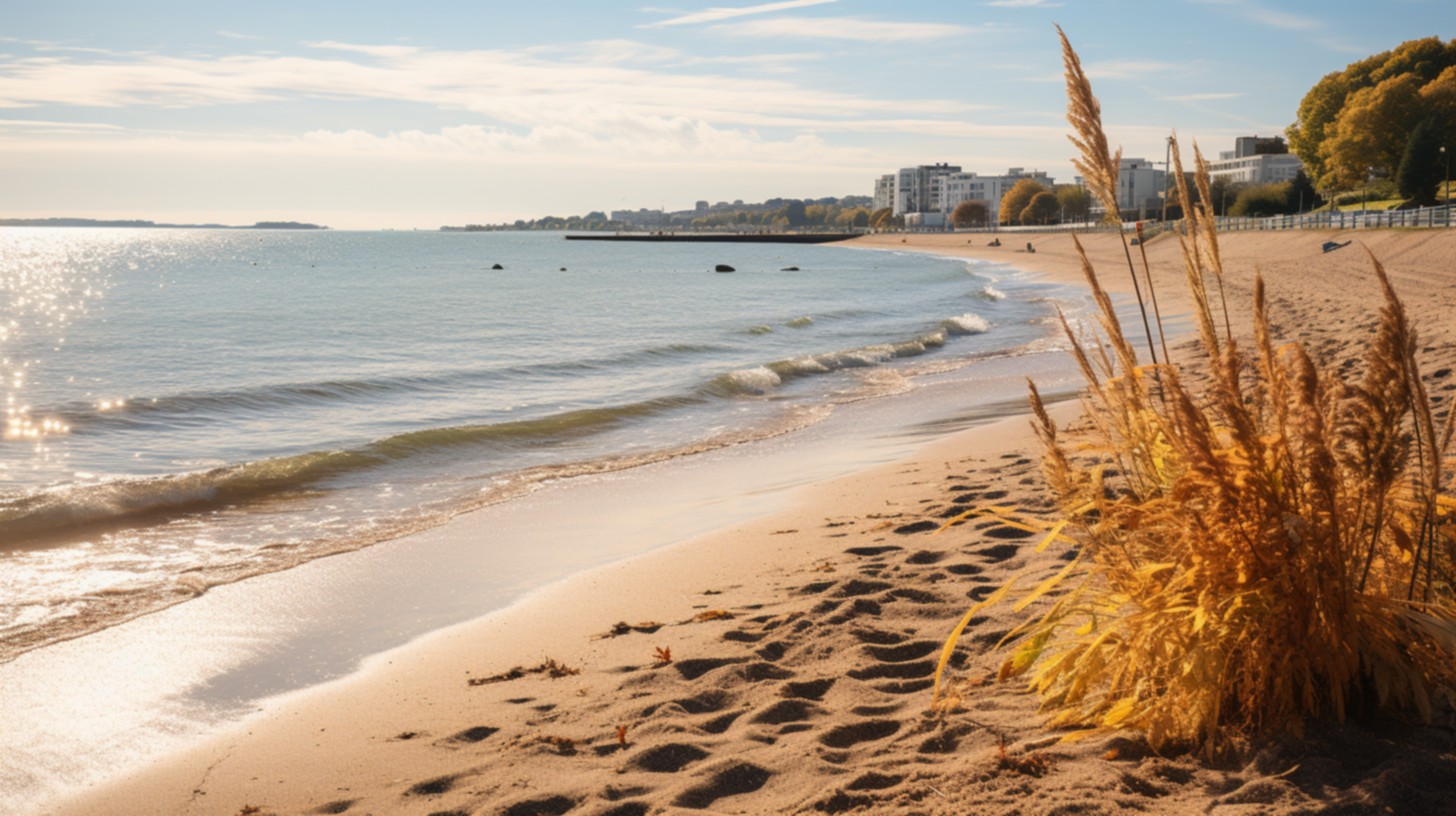
Farther along the Côte Fleurie , places like Cabourg and Houlgate open into long elegant curves of sand where the tide becomes part of the architecture. At low water , the beach can look almost oversized , as if the sea has stepped back to reveal a second landscape. That is one of Normandy’s recurring coastal tricks. Distances on the map may look modest , yet the beach itself can suddenly feel immense. Light matters here too. Afternoon can make the shoreline seem theatrical , while early morning flattens it into quiet geometry.
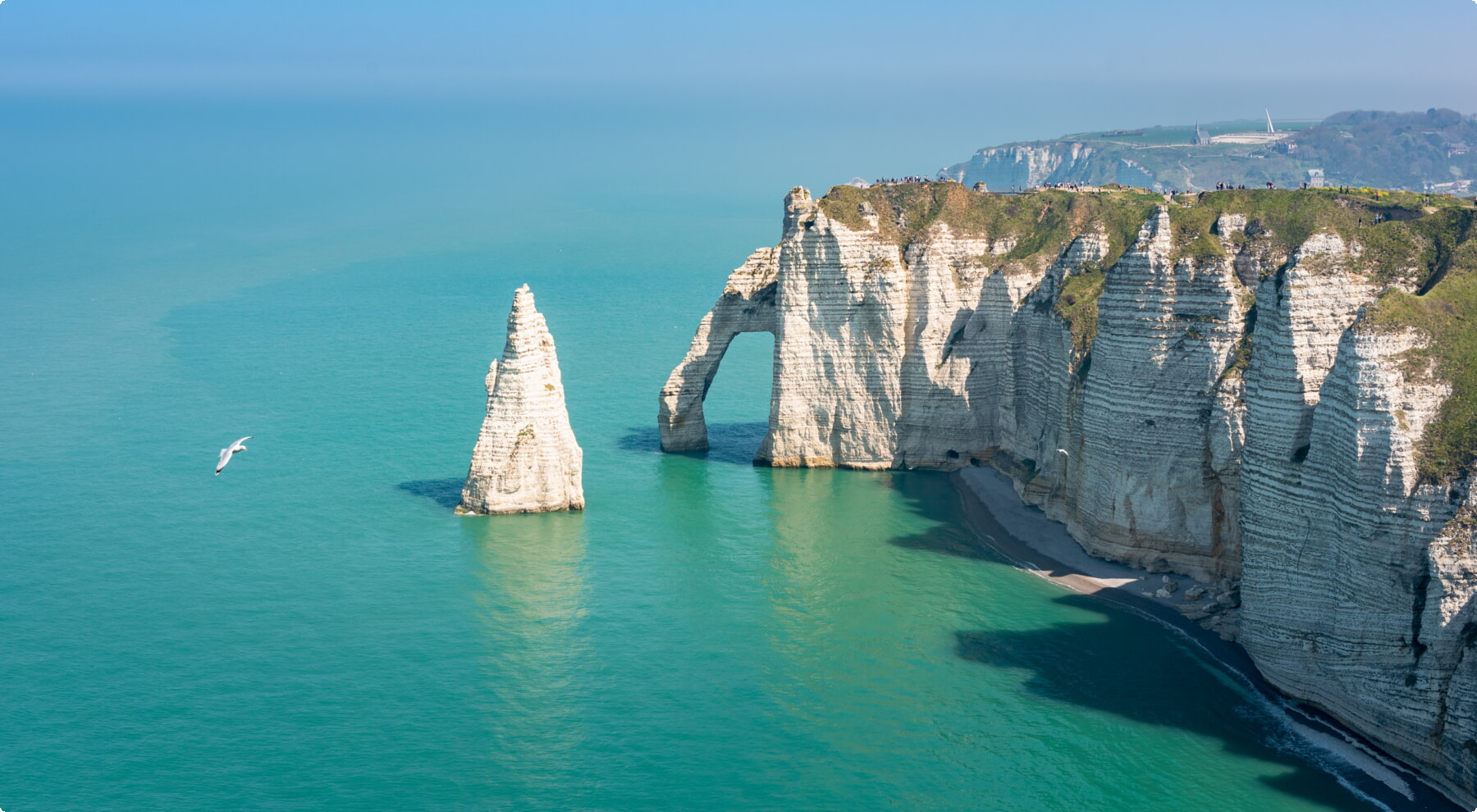
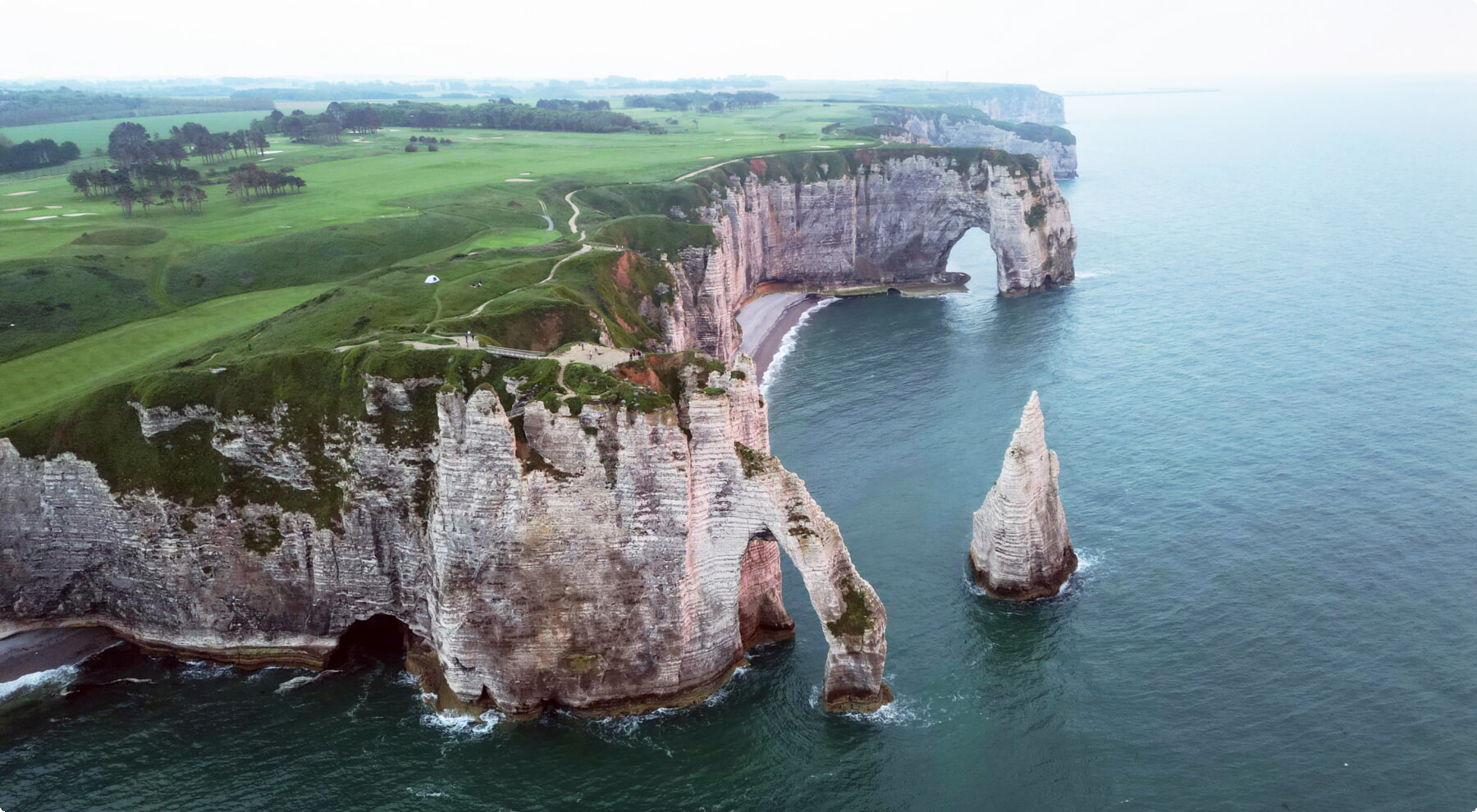
If the route bends eastward , Étretat introduces another coastal language altogether. The cliffs are not subtle. They rise with a kind of exaggerated certainty , all white chalk and sea-carved forms , and the village beneath them feels half-resort, half-stage entrance. It is best treated as a focused detour rather than folded casually into a busy itinerary. The roads around it are easy enough , but the visual impact deserves time to settle.
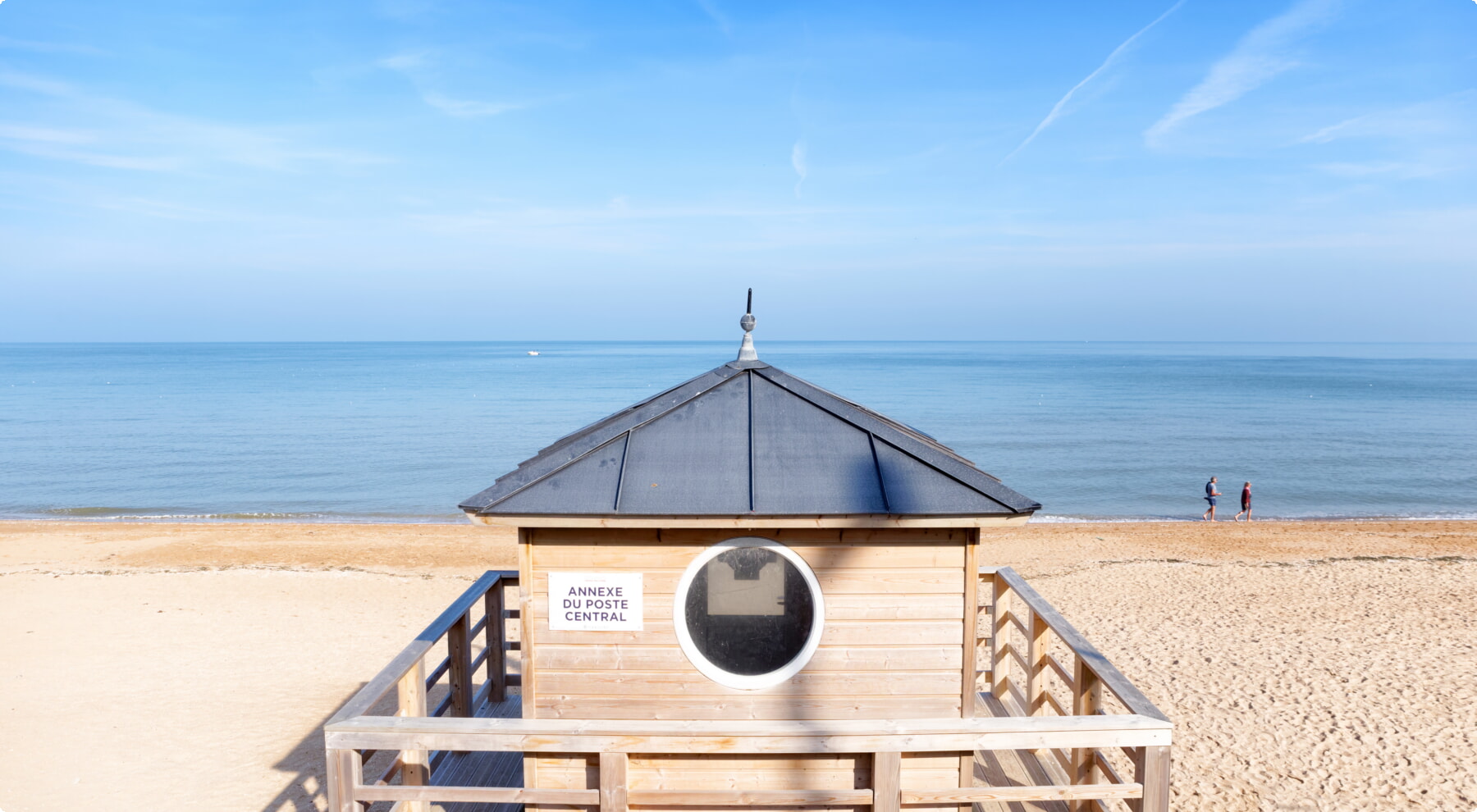
On the western side of Normandy , the coast grows quieter and more elemental. Dunes, grass, and huge skies begin to dominate. The beaches become less associated with promenades and more with weather, tide lines, and open space. This broader, barer shoreline also prepares the eye for the emotional shift of the D-Day coast. Normandy does not announce that transition loudly ; it lets the sea stay beautiful , and that is partly what makes the next section of the journey so affecting.
Driving the WWII coast thoughtfully
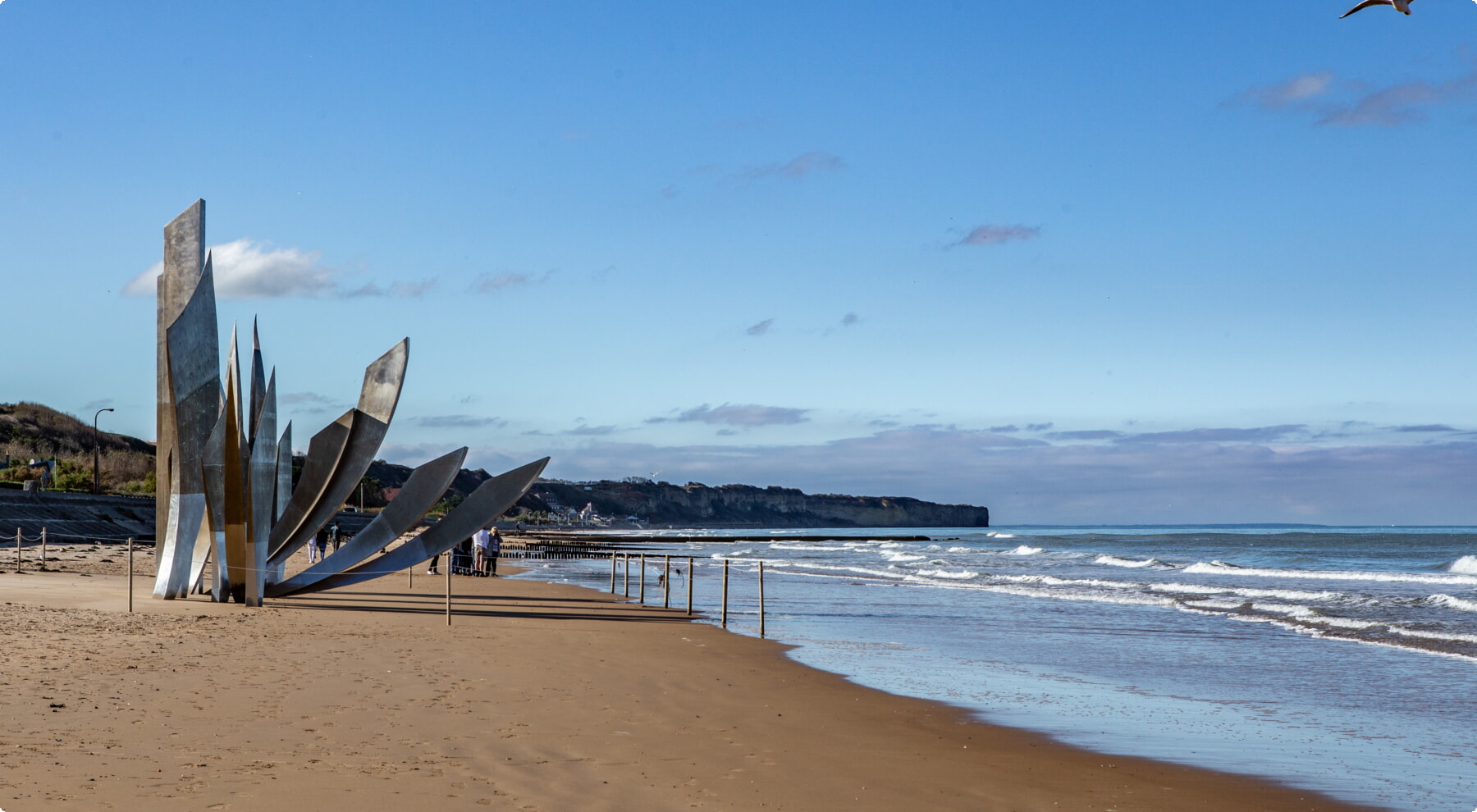
The D-Day landscape is often presented as a list of names to “cover” , but it resists that kind of consumption. On the ground , the distances are manageable and the roads are straightforward , yet the coast asks for a slower kind of attention. It is not just about visiting museums or ticking off beaches. It is about understanding how ordinary these places look now - fields, villages, cafes, traffic circles, grazing land - and how extraordinary the events were that unfolded across them.
- Sainte-Mère-Église for the airborne story and the inland dimension of the invasion.
- Utah Beach for space, exposure, and a clearer sense of how broad the operation really was.
- Omaha Beach and the cemetery above it for the starkest emotional contrast between landscape and memory.
- Arromanches-les-Bains for the remnants of the Mulberry Harbour and the logistical intelligence behind the landings.
- Gold, Juno, and Sword for the wider multinational picture that goes beyond one national narrative.
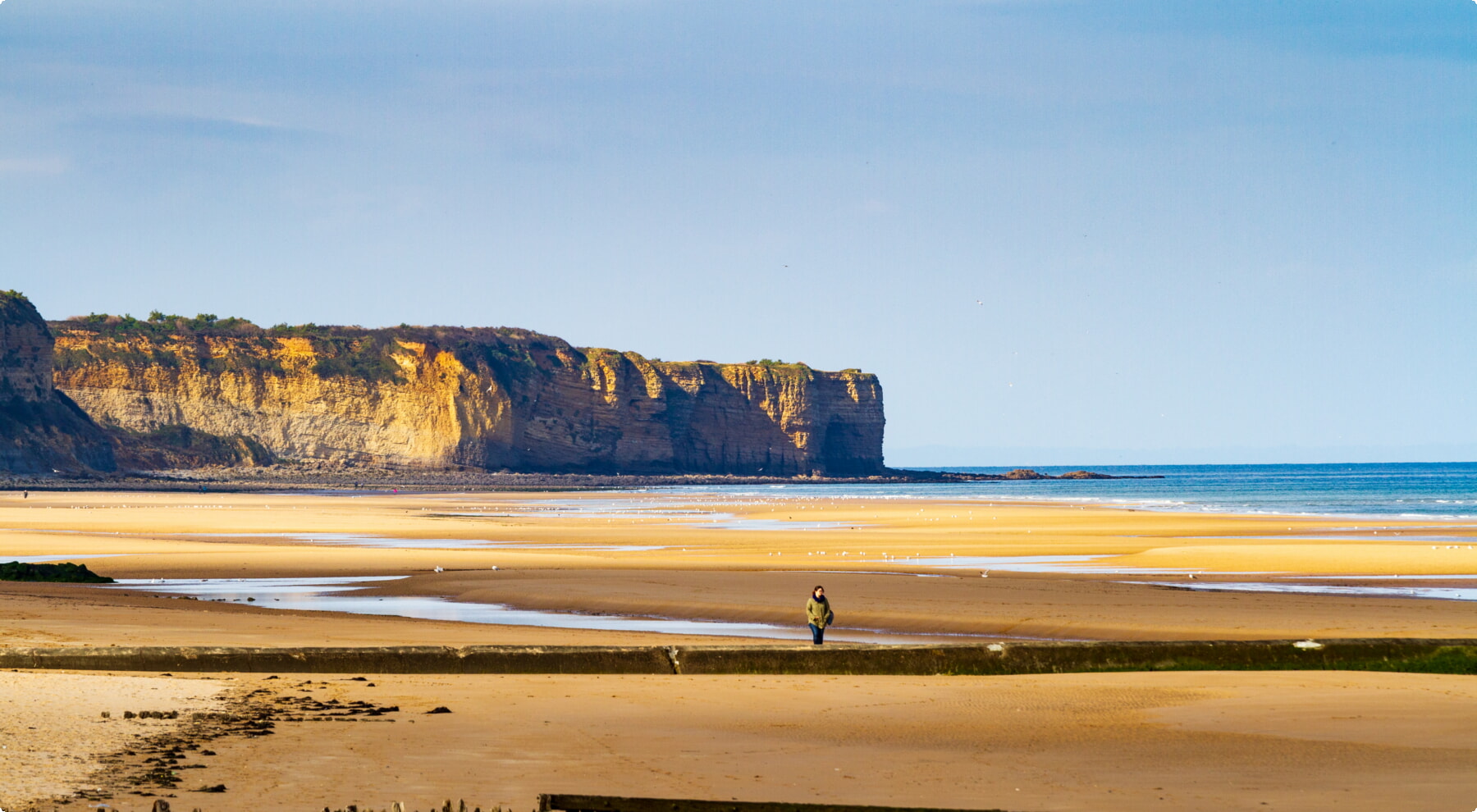
- Pointe du Hoc for terrain that still carries physical scars.

Bayeux makes an especially practical base for this section of Normandy because it sits close enough to several major sites without forcing constant hotel changes. From there , the coast can be read almost as a sequence of perspectives. Arromanches is essential not because it is the most emotional stop , but because it explains the scale of preparation and engineering. Omaha then alters the tone completely. The beach is broad and visually beautiful , which only deepens the sense of dissonance. Above it , the cemetery imposes order and silence over a shoreline that remains open to wind and surf.
The western sector adds another kind of clarity. Utah Beach often feels less crowded in the imagination than Omaha , but that can be precisely why it lands so strongly in person. Sainte-Mère-Église reminds the route that D-Day was never only a beach story. Villages, crossroads, church towers, and hedgerows mattered. The cratered ground at Pointe du Hoc still carries a rawness that many memorialized sites have lost. Concrete positions remain in place , but it is the shape of the damaged earth that unsettles most.
The D-Day sites are close enough to rush , but rushing flattens them. A short pause between locations - even just a quiet drive along the seafront or inland lane - helps the geography make sense and keeps the visit from turning into a sequence of emotional jolts.
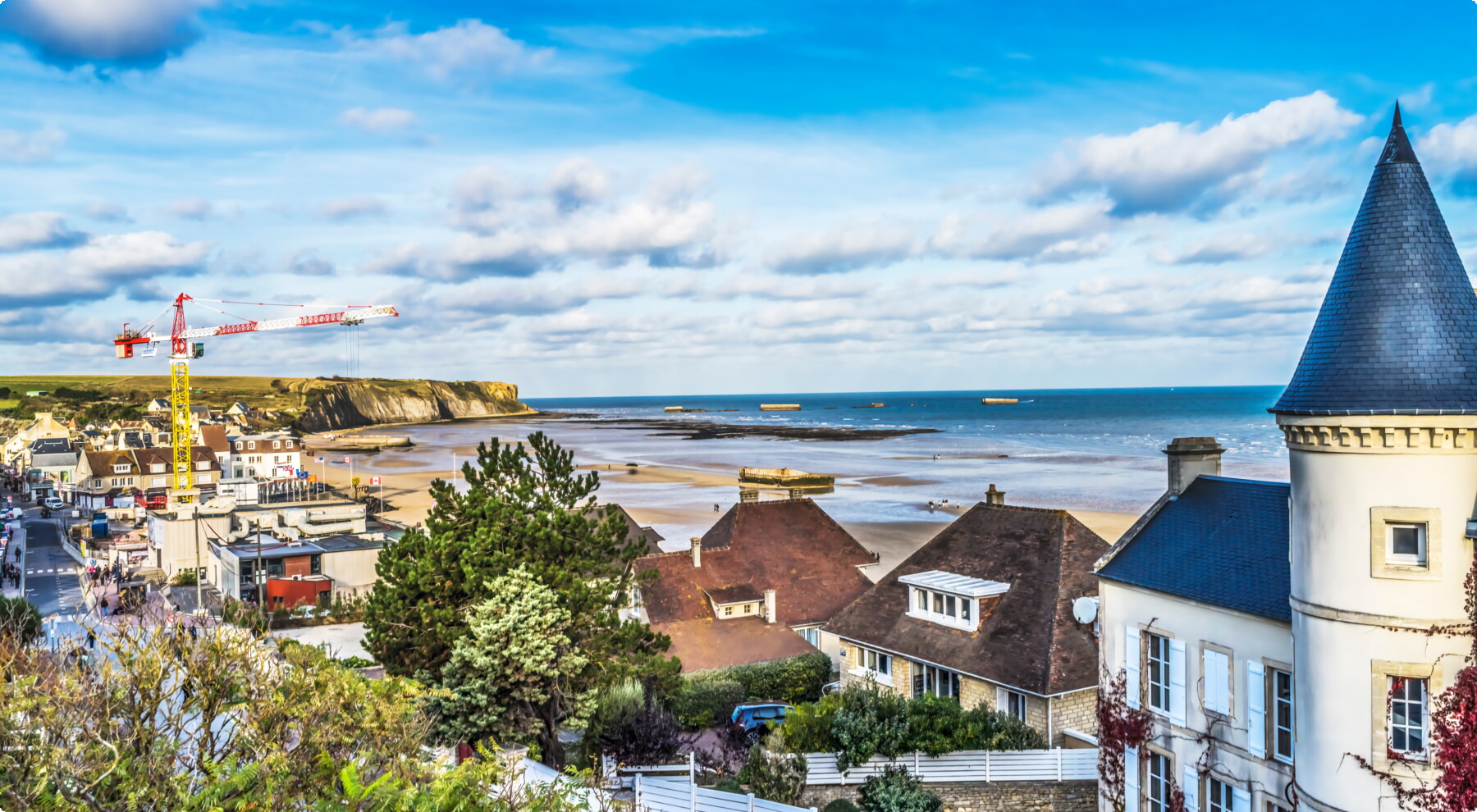
There is also a practical reason not to overpack this day. Museums here are informative, often excellent , but the landscape itself is the primary document. The line of a bluff , the width of a beach at low tide, the distance between a road and a seawall - these details are best grasped outside. Even those with deep prior knowledge tend to find that the terrain changes understanding. Names that once existed only in books begin to relate to one another physically.
What lingers most in Normandy’s WWII sites is the coexistence of memory and normal life. A memorial stands near a field of cattle. A church square associated with airborne troops fills with ordinary afternoon traffic. Children play on beaches whose names are taught worldwide in military history. That coexistence is not a contradiction ; it is part of the reality of the place. Driving the coast makes that reality impossible to miss.
Inland detours worth the mileage
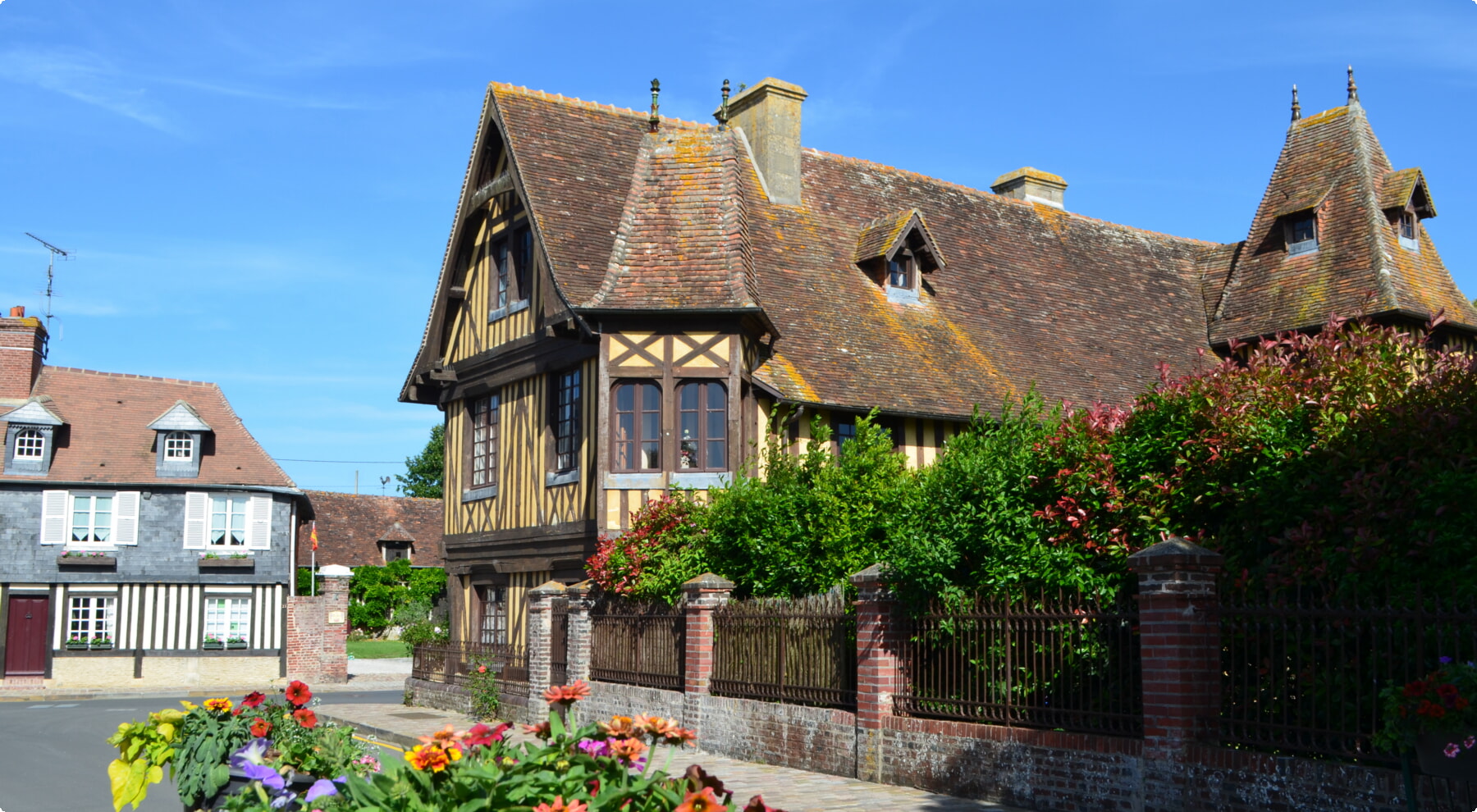
It would be easy to let the coast dominate a Normandy itinerary , but the inland roads are not filler. They provide contrast , and contrast is what keeps the region interesting over several days. Leave the shore for an hour and the atmosphere changes. Sea light gives way to orchard shade, church spires, dairy farms, and villages that seem to operate at a lower volume.
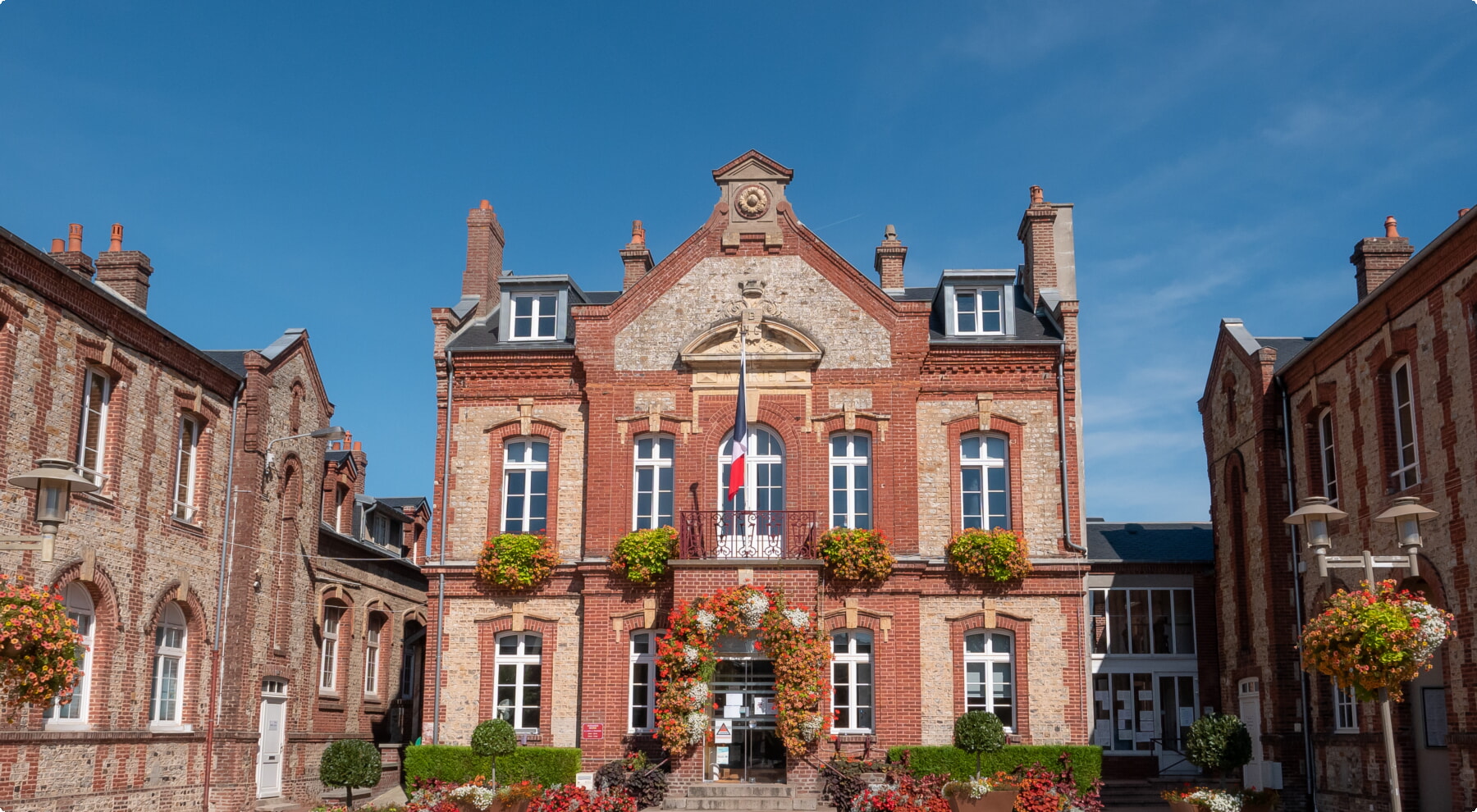
The Pays d’Auge is especially good for this slower register. Roads bend through apple country , passing manor houses, half-timbered farms, and market towns that still feel connected to local production rather than only to tourism. The appeal here is cumulative rather than spectacular. One distillery sign , one washed-stone church, one stretch of hedged lane might not mean much on its own. String them together over a half-day drive, though , and inland Normandy starts to reveal its own authority.

Small places such as Le Bec-Hellouin or the villages around Cambremer work well precisely because they do not demand a grand narrative. They simply deepen the route. A morning on the coast followed by an afternoon inland can feel like crossing into a different region , even when the odometer says otherwise. This is where driving in Normandy becomes more than transport. The road itself begins to act as an editor, arranging shifts in mood with remarkable efficiency.
For an eastern return toward Paris , Monet's House and Gardens in Giverny offers a final change of register. After war memorials, beaches, and market towns, the precision of the garden feels almost unreal - all controlled color and compositional calm. It also fits the larger Norman story more naturally than it first appears. The region’s unstable light, wide skies, and reflective water shaped far more than military history. They shaped a whole visual culture.
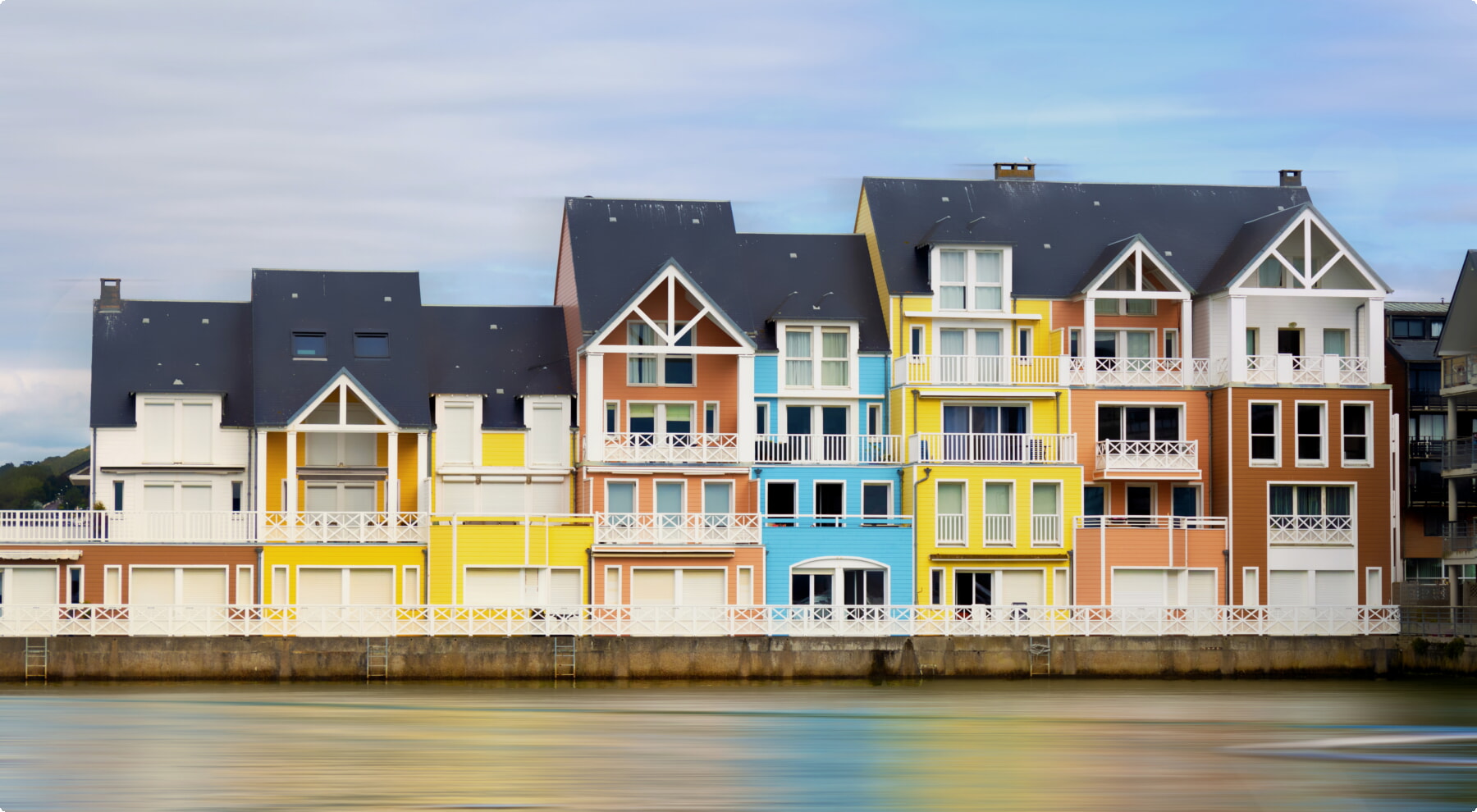
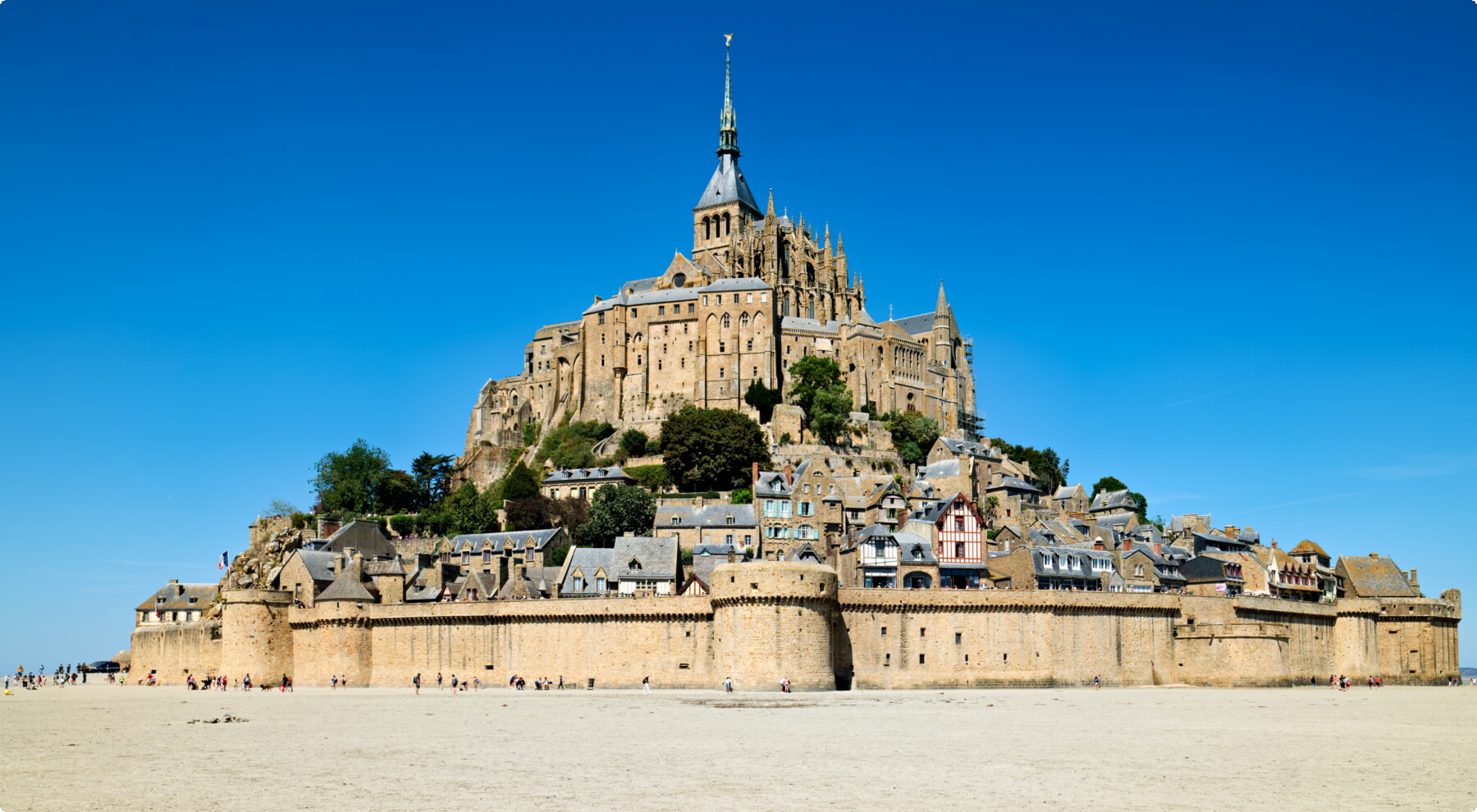
A western extension works differently. Mont-Saint-Michel can be folded into a longer trip , but it should be treated as a major move rather than a casual add-on. Its magnetism is real ; so is the mileage. That is the recurring lesson of inland Normandy. The best detours are not the ones that add the most pins to a map. They are the ones that change the tone of the trip at exactly the right moment.
How to shape the route from Paris or CDG

Most Normandy road trips begin with a practical question rather than a scenic one - where to pick up the car. For departures from the capital itself , car rental in Paris makes sense when a city stay comes first and the road starts the next morning. For international arrivals on tighter schedules , CDG airport car rental can save a transfer and put the route westbound almost immediately.
From there , the strongest itineraries usually rely on a small number of overnight bases rather than constant movement. Honfleur works well for the estuary and the Côte Fleurie. Bayeux is the most balanced choice for the D-Day coast. A third base farther west or inland can then absorb either Mont-Saint-Michel mileage or a slower village-and-orchard segment. Even on a four-day loop , this structure keeps the trip from turning into luggage management disguised as travel.

Normandy rewards short driving days and well-chosen bases more than heroic mileage. The region looks compact on a map , but its real pleasure comes from transitions - arriving early, parking once, and letting a place breathe for several hours.
- Use Bayeux for two nights if the WWII coast is a priority ; it cuts repetition and keeps mornings flexible.
- Place resort towns and harbors in the same day only when they offer contrast, not when they duplicate each other.
- Return inland after heavy historical visits - orchard roads and village stops reset the pace without feeling trivial.
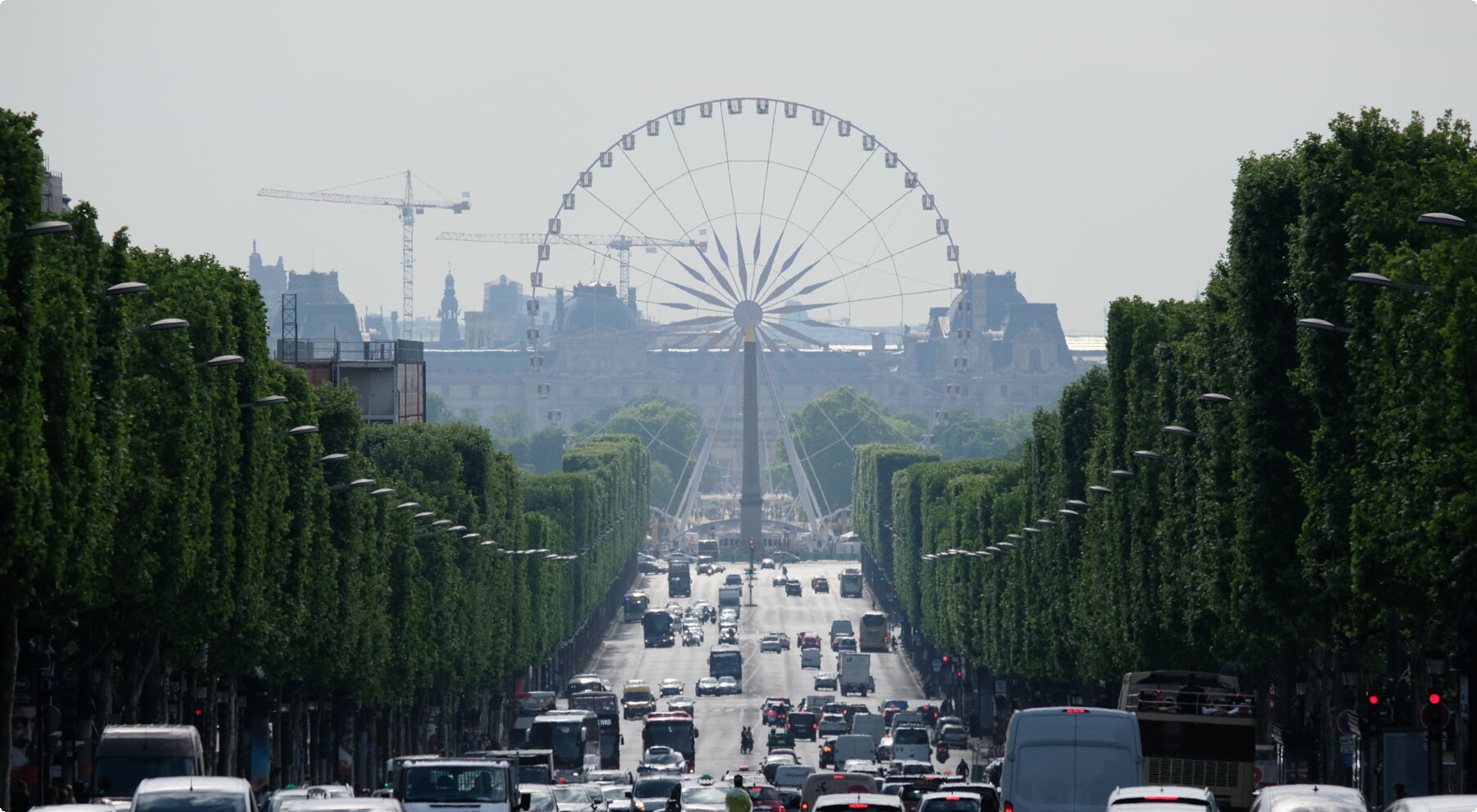
A compact version of the route might look like this : Paris to Honfleur on day one , coastal towns and beaches on day two , Bayeux and the D-Day coast on day three , then either an inland detour or a return through Rouen or Giverny on day four. A longer version can push west, slow down around the Cotentin, or build in more time for inland Normandy. The essential principle stays the same - let each day have one dominant mood.
That is often the difference between a trip that feels rich and one that feels merely efficient. Normandy can absorb ambition , but it responds better to sequencing. Harbor first, then beach. Beach first, then memorial coast. A grave historical day followed by orchard roads and a village market. Once that rhythm is in place , the route starts to feel less like a checklist and more like a coherent passage through one of France’s most layered regions.