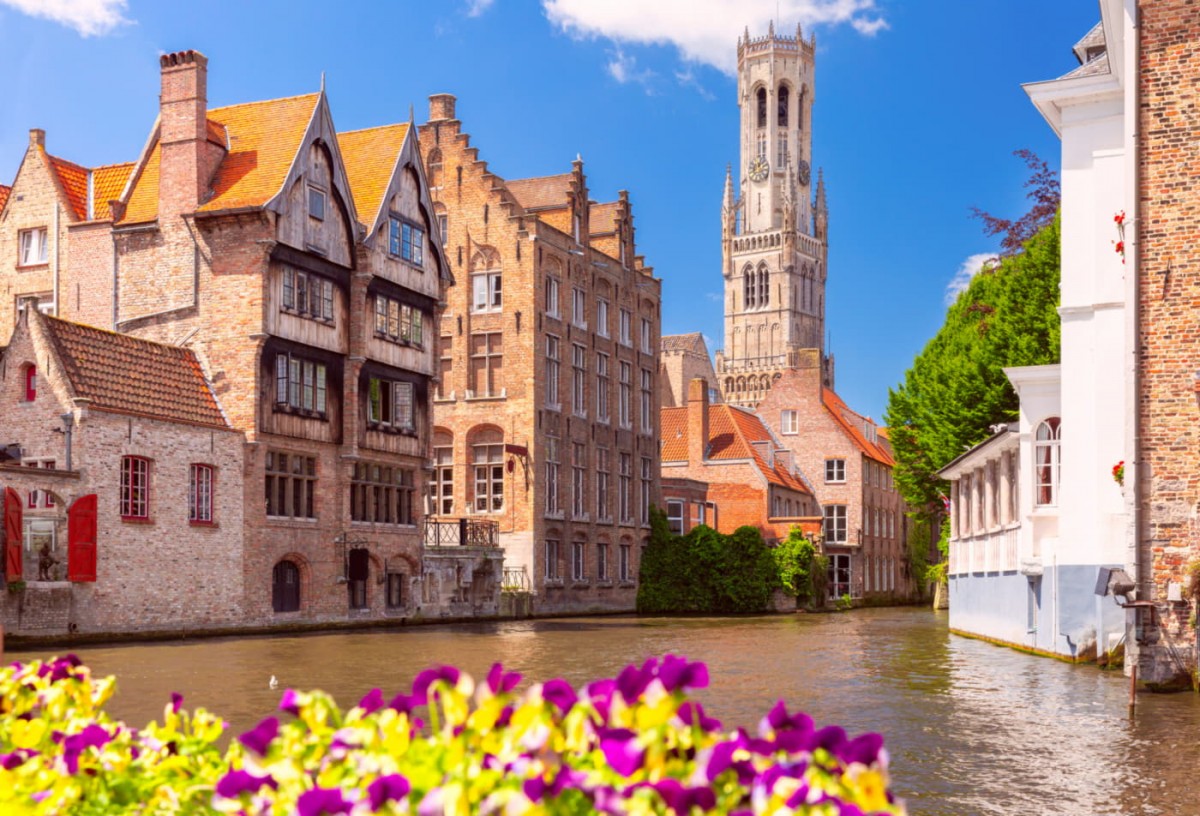
Bruges has that rare talent for making you slow down without asking permission. The streets narrow, the brick turns warmer in the afternoon light, and the canal water sits so still it looks like someone paused the city with a fingertip. You can come for the fairy-tale facades, sure, but the real spell often happens indoors - behind heavy doors, on quiet staircases, in galleries where your footsteps suddenly feel too loud.
This is a city that remembers. Not in a dusty, academic way, but like an old family home that keeps little clues in every room. Museums in Bruges are not just boxes for objects; they’re mood machines. One will press the scent of chocolate into your day, another will hand you a centuries-old gaze from a panel painting and you’ll find yourself staring back, slightly embarrassed, like you’ve been caught thinking out loud.
Below are the museums that feel essential - not because you “should” see them, but because they reveal Bruges from angles the canal photos never can. Take them in any order. Mix them with waffle breaks, a slow walk, and the small pleasure of getting a bit lost and then finding your way again.
Groeningemuseum - where Bruges learns to paint with light
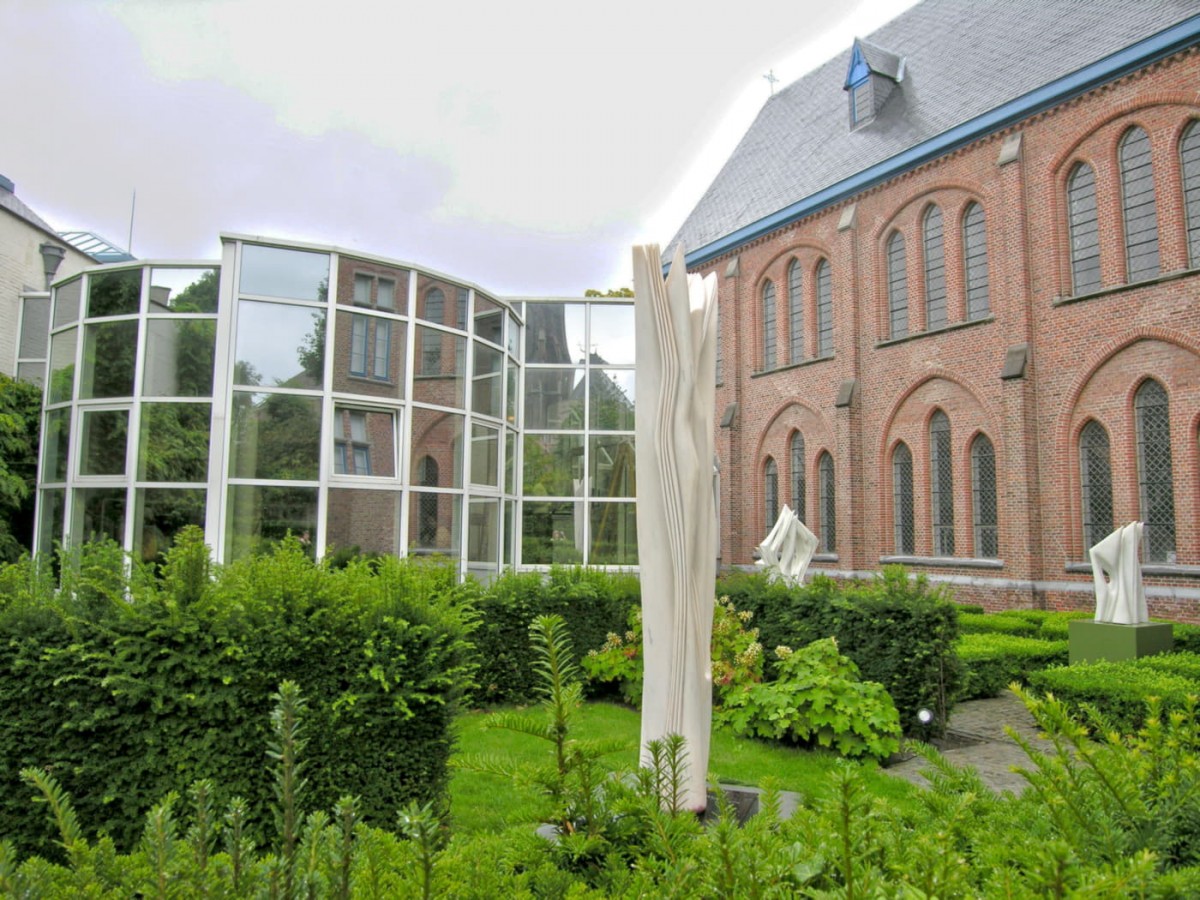
The best way to meet Bruges is to meet its artists. The city’s most famous faces aren’t celebrities; they’re saints, patrons, merchants, and mysterious figures painted with such precision you can almost count the eyelashes. At the Groeningemuseum, the story of Flemish art unfolds like a slow, elegant conversation. You don’t need to know names or schools to enjoy it - just give your eyes time to adjust.
Start with the Flemish Primitives and notice how everything feels both intimate and monumental. The colors have that deep, clean clarity you only get after rain, and the details are so careful they seem slightly unreal: a bead of moisture on a lip, the soft fur edge of a collar, the tiny glint on a ring. It’s like looking at a world that refuses to be blurry.
If you’re approaching from the canals, the walk to Dijver, Bruges feels like a gentle warm-up: stone bridges, reflected windows, the occasional bicycle bell that sounds far away. Inside, the pace changes. People tend to whisper, not because they’re told to, but because the paintings set the volume for you.
What makes this museum special is the way it connects Bruges to broader European art without ever losing the local accent. You’ll see how the city influenced texture, realism, devotion, and even the idea that everyday objects can be sacred when painted with enough care. Stay long enough and you might catch yourself leaning closer, as if the paint were a fabric you could touch.
St John’s Hospital and the Memling Museum - tenderness, medicine, and a little awe
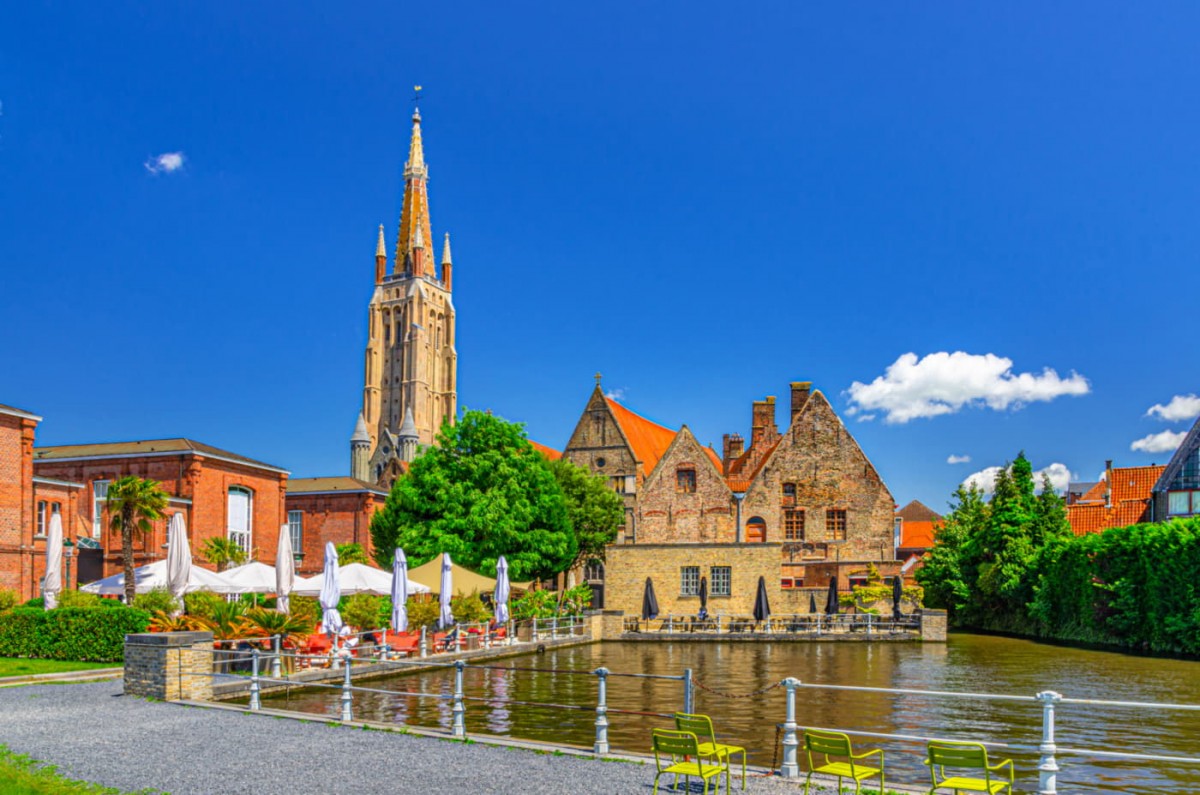
There’s something quietly moving about museums that were not built as museums. St John’s Hospital has centuries of human stories baked into its walls: worry, relief, patience, and the kind of routine bravery that never makes it into paintings. Today, the site includes the Memling Museum, and it’s one of those places where the atmosphere does half the work for you.
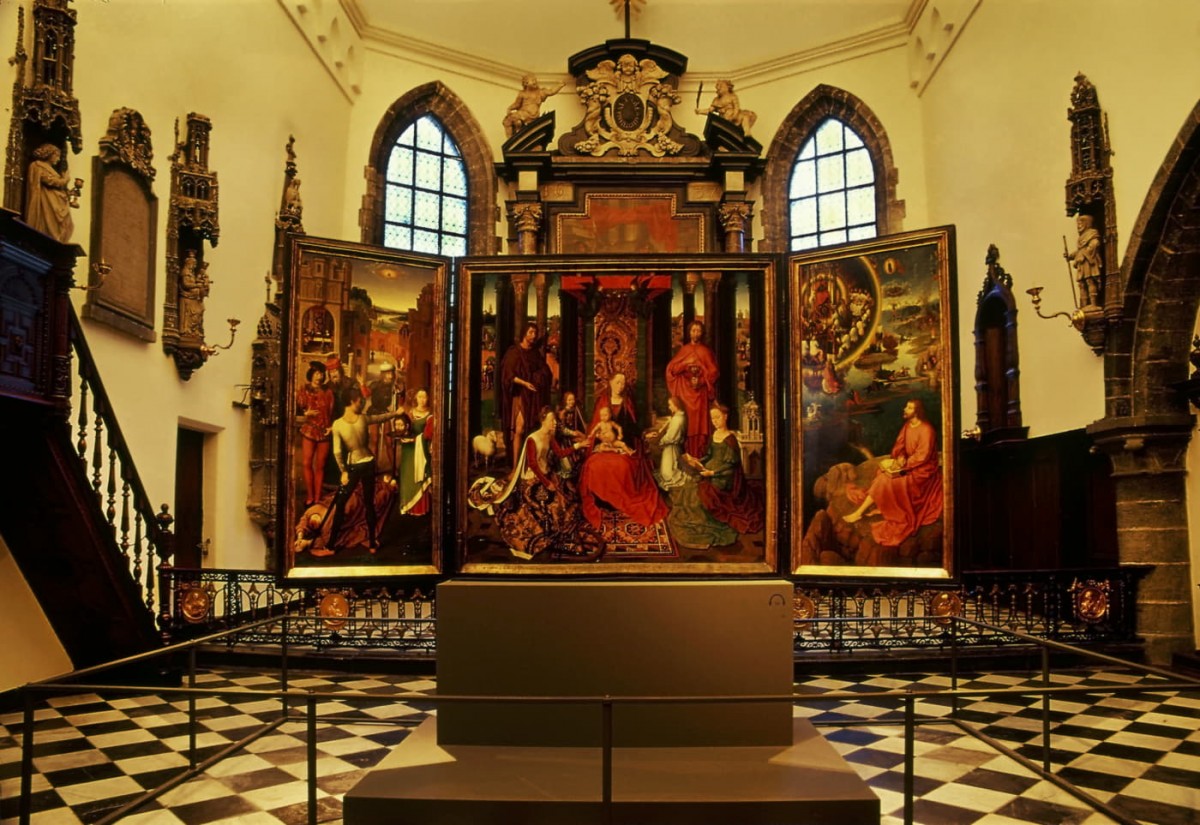
The building itself feels like a calm presence - timbered ceilings, old corridors, rooms that seem to hold echoes. You’ll find it at Sint-Janshospitaal, Bruges, not far from the canal belt, and it’s easy to step in without a plan. That’s often the best approach here.
Hans Memling’s work sits in this setting with an almost unsettling appropriateness. His saints and donors don’t just pose; they seem to exist, quietly, as if they have somewhere else to be but decided to stay for a moment. The religious themes can feel surprisingly personal. Even if you’re not drawn to sacred art, the emotional temperature is readable - tenderness, seriousness, the weight of time.
This is a museum where silence isn’t empty - it’s part of the collection. Give yourself two slow rooms before you decide how you feel; the place takes a minute to “land” in your body.
It’s also a reminder that Bruges was never just pretty. It was practical, hard-working, sometimes harsh. People came here for care, and the art grew alongside that reality. When you step back outside, the canal looks different. Not worse, not better - just more honest.
Gruuthuse Museum - a mansion that still has opinions
Some museums feel like textbooks. The Gruuthuse Museum feels like a house that got dressed up and decided to tell you everything. It’s set in a former palace of a wealthy family, and it doesn’t hide that fact. Rooms are lined with objects that once signaled status: furniture, textiles, decorative art, and the sort of craftsmanship that makes you squint because you can’t believe someone did that by hand.
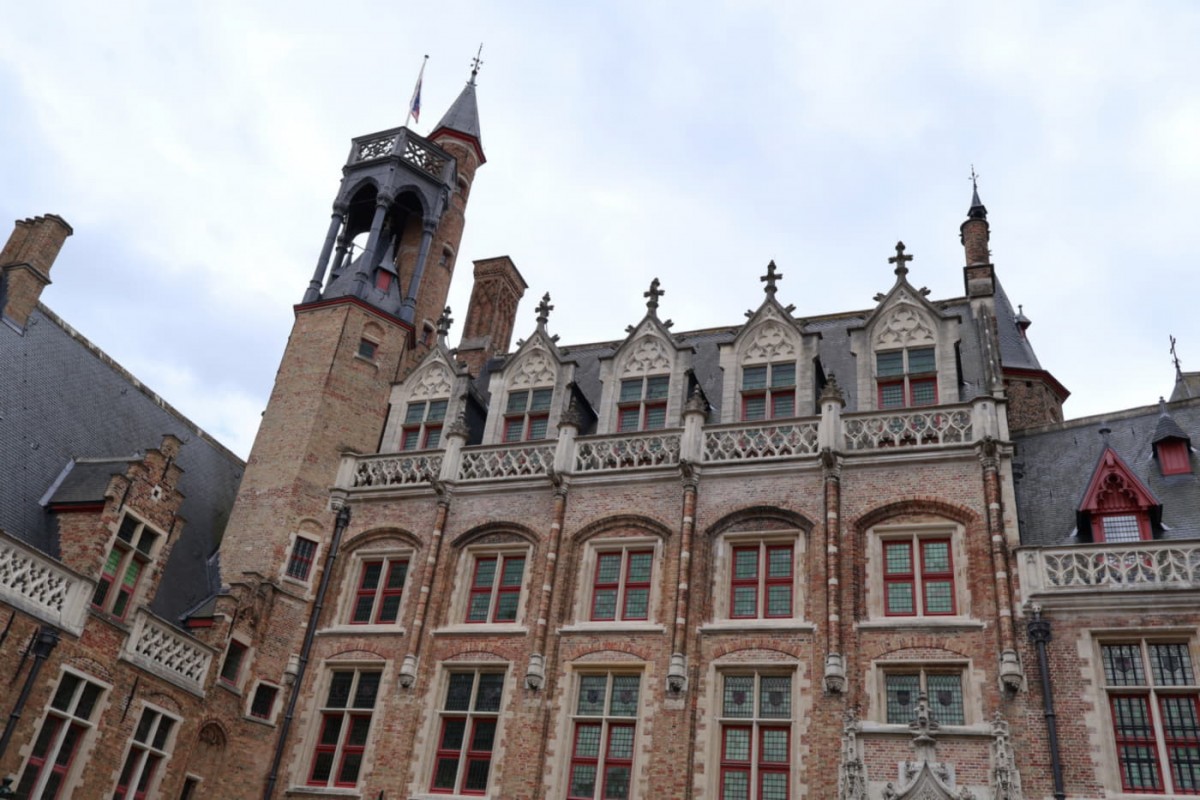
What’s enjoyable here is the domestic scale. Instead of endless halls, you move through spaces that feel human. A chair looks like it has been sat on a thousand times. A carved detail makes you think of a modern hobbyist losing a weekend to a project, except this was a livelihood and a language. You may come in expecting “history,” and then suddenly you’re imagining how cold the floors must have been in winter, or how a candle would flicker against embroidered fabric.
It’s also a museum of small surprises. One display might pull you into medieval Bruges, and the next nudges you forward into later centuries. The city’s wealth, its trade, its taste for luxury - it’s all there, but not as a lecture. More like a set of rooms that won’t stop offering details if you keep looking.
And yes, you’ll probably think about how people lived. Not just the rich, but everyone orbiting them: craftspeople, servants, merchants. The museum doesn’t need to spell it out. The objects do that work, quietly, and you leave feeling like you’ve walked through a private world you weren’t exactly invited into.
Choco-Story - Bruges, but make it cocoa
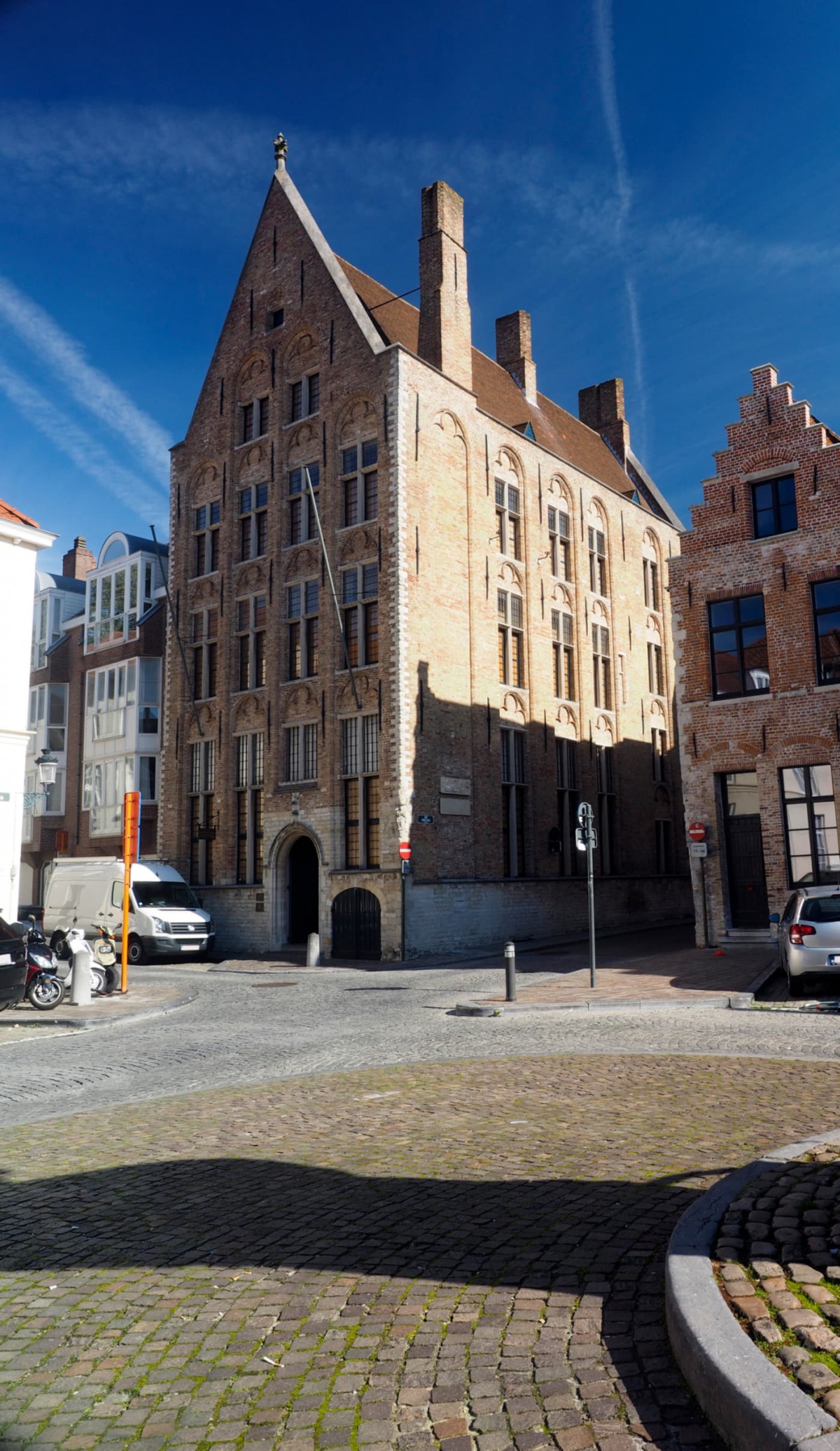
Let’s be honest: sometimes you want a museum that doesn’t ask you to be profound. You want one that makes you smile, gives you something to taste, and smells so good you’d forgive it almost anything. That’s where Choco-Story Bruges fits in, like a warm scarf on a windy day.
Chocolate in Belgium is serious, but it’s also playful. Here you’ll learn how cacao traveled, how recipes shifted, how sugar and technique changed the world one bite at a time. Yet the best moments are sensory: the aroma in the air, the glossy look of freshly worked chocolate, the way your brain instantly associates it with comfort.
It’s a great museum to slot between heavier visits. After a stretch of sacred art and medieval interiors, the simple joy of chocolate history feels like resetting your palate. And if you’re traveling with someone who claims museums “aren’t their thing,” this place has a decent chance of converting them, or at least distracting them long enough for you to enjoy yourself.
It sounds obvious, but it matters. When you arrive slightly peckish, your senses wake up - the smell hits harder, the tastings feel more vivid, and you’ll actually remember what you learned.
One small warning: this museum can make you buy chocolate afterward. Not because it’s a trick, but because the city outside suddenly feels like one long invitation. If you’re the type who collects souvenirs you can eat, you’ll be very happy, if not your suitcase might complain.
The Lace Center - patience you can almost hear
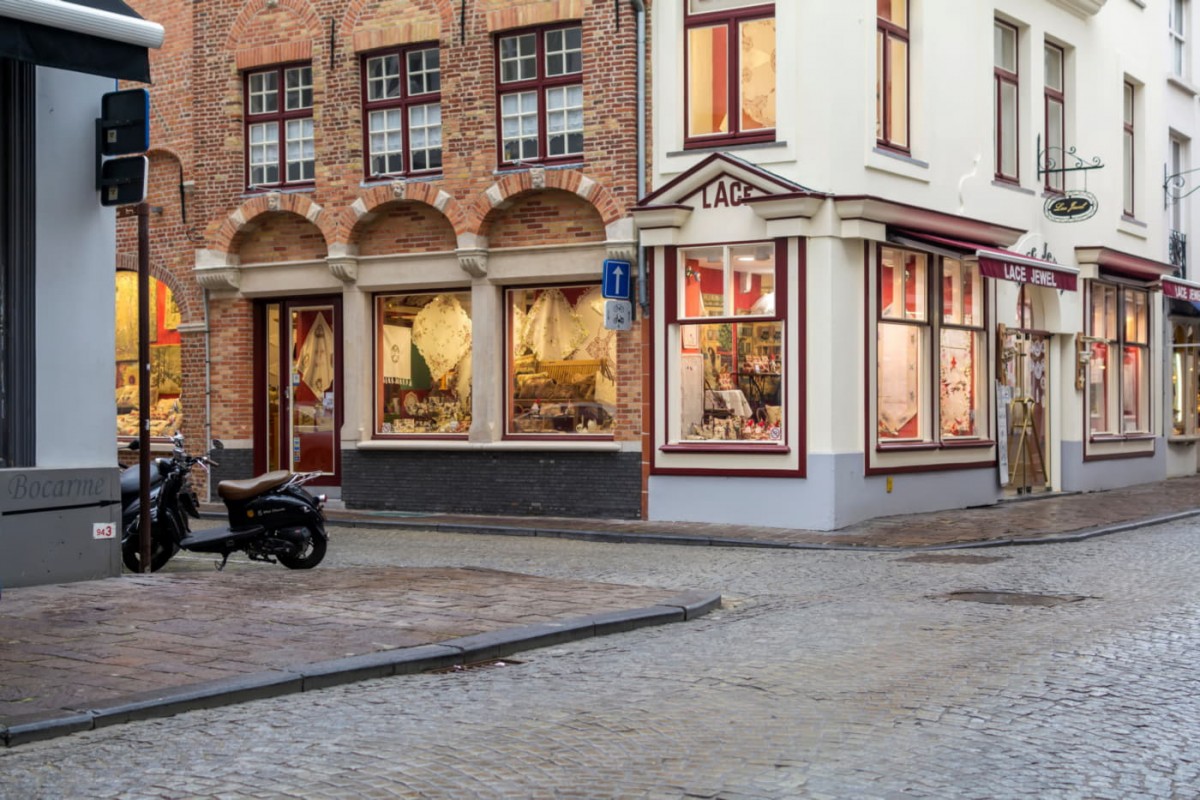
Lace is easy to underestimate until you watch it being made. Then it becomes impossible. The Lace Center in Bruges is the kind of place that changes how you look at small things: threads, knots, repetition. You realize that what seems delicate is actually stubborn - it survives only because someone refused to rush.
Inside, the mood is focused. The work has a rhythm, like rain tapping a window. If you’ve ever tried to learn a new skill and felt clumsy for the first hour, you’ll recognize the quiet discipline here. Lace-making is precise, but it’s also strangely soothing to watch, like watching someone write a beautiful sentence by hand, slowly, without deleting anything.
This is a museum for anyone who likes the human side of craft. Not “craft” as a trend, but as a long tradition of hands doing the same movements day after day, year after year. You leave with a bit more respect for the unseen labor behind elegance.
A quick “mix-and-match” list for different moods
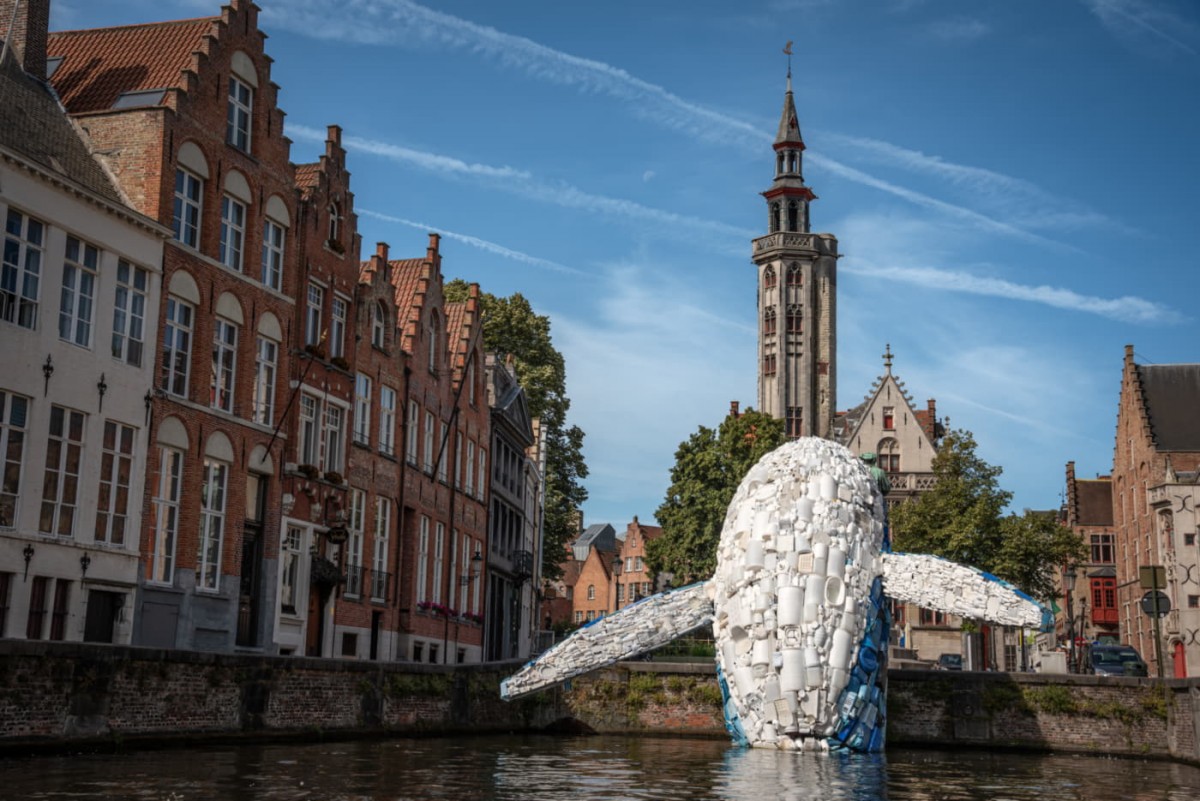
Not every day in Bruges feels the same. Some mornings you wake up ready to absorb centuries; other times you just want something light, odd, or unexpectedly charming. If you’re building your own museum route, here are a few easy combinations to steal:
- For art-first travelers: Groeningemuseum, then a slow canal walk, then St John’s Hospital for Memling.
- For families or friends with mixed attention spans: Choco-Story, a waffle break, then a shorter museum like the Lace Center.
- For rainy afternoons: Gruuthuse Museum for interiors and atmosphere, then coffee and people-watching near the old town.
- For the “I want stories” crowd: Historic interiors, then a city walk where the streets become the exhibit.
And here’s a little secret: the best plan is usually a loose one. Pick one museum you care about most, add one “curiosity” stop, and leave space for wandering, because Bruges has a habit of rewarding detours.\
Historium and the city as an exhibit - when history feels close enough to touch
Some places teach history by putting objects behind glass. Others try to bring you inside the story. Historium leans into the second approach, offering a more immersive way to imagine Bruges at the height of its medieval power. It can feel theatrical - and that’s not a criticism. Sometimes a little drama helps the past stick.
If you’ve spent the morning with panel paintings and carved oak, this kind of experience can be a fun pivot. Think of it like switching from reading a novel to watching a film adaptation. You might prefer the book, but the film gives you faces, sounds, a sense of movement. And for travelers who feel intimidated by “serious” museums, it’s an easy entry point.
Even if you don’t spend long here, the idea matters: Bruges isn’t a frozen postcard. It was a loud trading city once, full of ambition and risk. When you step back outside, the quiet seems like an after-image - the calm that arrives after the story has already happened.
Bruges rewards short, focused visits more than marathon sessions. Build your day like a good meal - one rich course, one playful bite, and a long walk in between to reset your senses.
- Visit one “quiet” museum early, when your attention is fresh and the rooms are calmer.
- Schedule a food stop in the middle, even a simple sandwich - your brain processes art better when you’re not hungry.
- End with something atmospheric (historic interiors or an immersive exhibit) rather than another dense gallery.
Burg Square, the Belfry, and stepping outside - Bruges is bigger than its walls
After a few museums, you might notice something funny: the city itself starts to feel like another collection. The stonework, the coats of arms, the carved doorframes - they all carry meaning. If you want to let the indoor impressions breathe, drift toward Burg Square, Bruges. It’s one of those places where you can stand still and watch centuries stack up in the buildings around you.
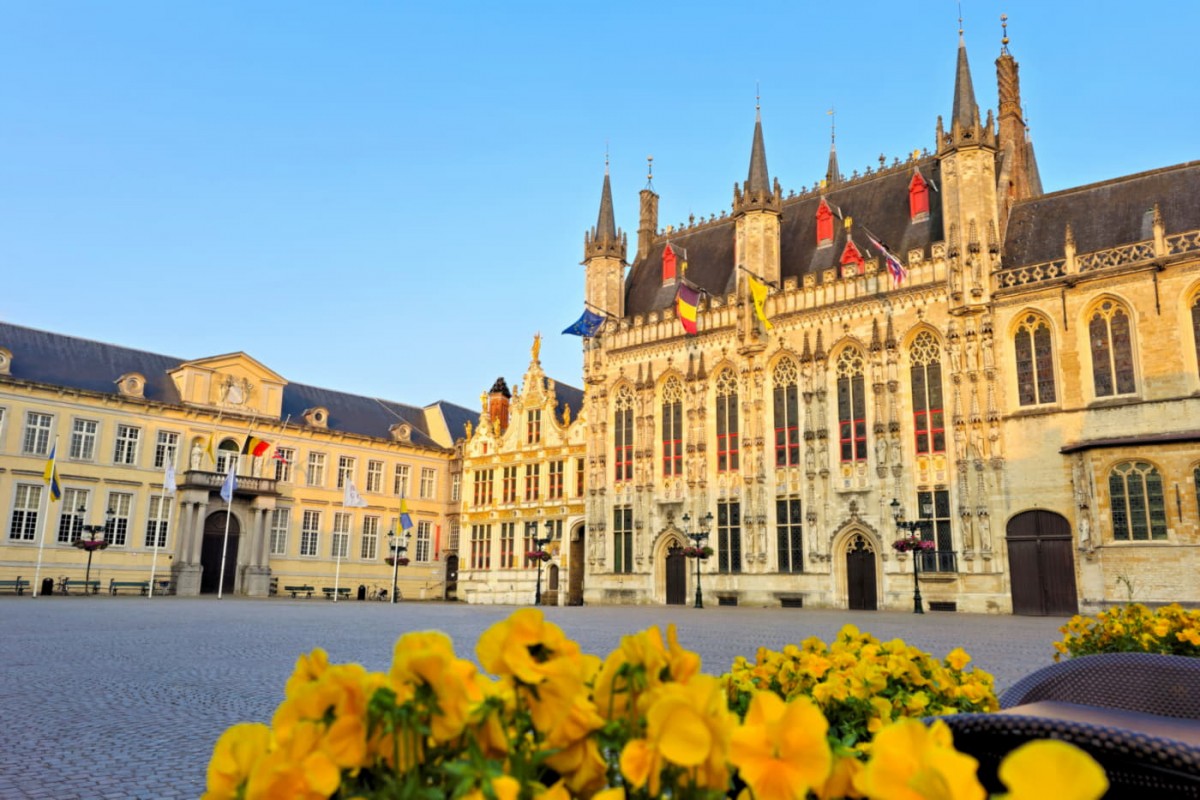
And then, of course, there’s the tower that keeps calling from the skyline. The Belfry of Bruges is more than a landmark - it’s a reminder that medieval cities had their own kind of pride, loud and vertical. Whether you climb it or just look up at it, it changes your sense of scale. You suddenly realize how much of Bruges is built to last.
By this point you may have museum fatigue, or you might feel oddly energized, like your mind got scrubbed clean. Either way, give yourself permission to end the day gently. Sit somewhere with a view of passing bicycles. Let the paintings and objects settle into memory. The city is good at that, it tucks experiences away neatly, like letters in a drawer.
If you’re staying longer than a day, consider using Bruges as a base. Belgium is small enough that “a short drive” can mean a whole new city - Ghent for grit and art, Antwerp for fashion and attitude, even the coast when you want salty air. That’s when having your own wheels makes life easier, especially if you like choosing your pace rather than chasing train times. For planning those extra loops, you can rent a car in Belgium and keep your Bruges museum days as relaxed (or spontaneous) as you want.