Pull up to a blue-and-gold kiosk at the airport and you may wonder who’s actually behind Dollar Car Rental today. The sign feels familiar, almost nostalgic. But the ownership story includes a few twists - auto giants, a spinoff, a bidding war, and a modern portfolio strategy. If you like corporate plots with a clear payoff for travelers, buckle up. This one drives straight to the point.
The short answer: who owns Dollar now

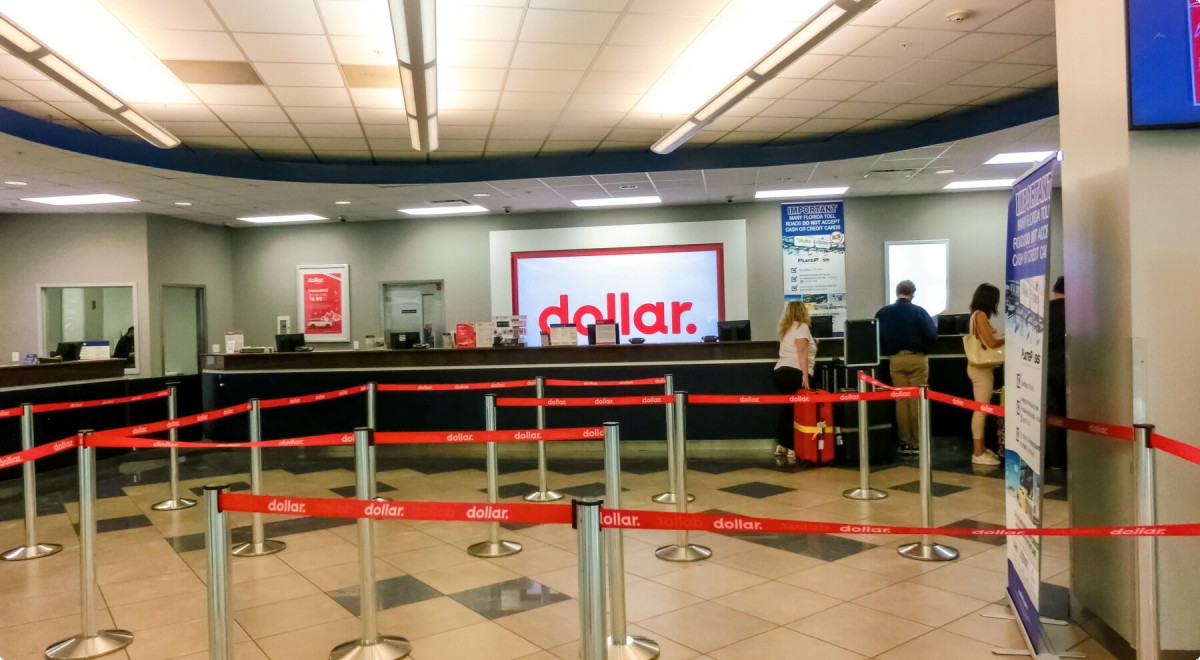
Dollar Car Rental is owned by The Hertz Corporation, an operating subsidiary of Hertz Global Holdings, Inc. Put simply: Dollar is one of the rental brands in the Hertz family, alongside Thrifty and the flagship Hertz brand. The key moment that locked this in was 2012, when Hertz acquired Dollar Thrifty Automotive Group after a long, closely watched bidding process. Since then, Dollar has been operated as a sister brand under the larger Hertz umbrella.
Ownership isn’t just a stamp on letterhead. It shapes everything from fleet choices to loyalty perks, airport presence to pricing philosophies. If you book a Dollar car tomorrow, you’re tapping into Hertz’s supply chain, its systems, and its negotiated airport leases. You might not see the Hertz name on the counter - on purpose - but that’s the network underneath your keys.
From a single counter to a global brand: the backstory
Dollar’s story begins in 1965, Southern California, a place where freeways braid like silver rivers and a car represents possibility. The company was started by Henry Caruso, who had a simple proposition: fair rates and fast service for travelers who didn’t need velvet ropes, just a reliable set of wheels. Dollar grew steadily throughout the 70s and 80s, hugging airport corridors, aiming at leisure travelers and budget-conscious families.
Then came a series of corporate chapters, each one tightening Dollar’s integration into the broader auto and travel ecosystem.
- 1990: Chrysler acquires Dollar and Thrifty and combines them into the Pentastar Transportation Group.
- 1997: Chrysler spins off the rental arm as Dollar Thrifty Automotive Group, a public company trading under ticker DTG.
- 2000s: Dollar expands internationally, keeping its focus on value-seeking leisure renters, often headlining airport counters in vacation hubs.
- 2012: Hertz acquires Dollar Thrifty after a highly publicized bidding war, folding both Dollar and Thrifty into The Hertz Corporation’s brand portfolio.
- 2020-2021: Hertz, hit hard by the pandemic, enters and exits bankruptcy; Dollar remains part of the reorganized company as demand returns.
It’s easy to think of this as a sterile timeline, but it wasn’t. Imagine a laminated map behind a counter, pins moving across cities; staff learning new systems, new uniforms; pricing strategies adjusted to fight for weekend travelers and family road-trippers. The brand survived because it stayed useful and recognizable, the way a trusty carry-on becomes your default bag.
The part many travelers still miss is that Dollar’s identity - value-forward, simple, unpretentious - is not accidental. It was cultivated long before Hertz arrived, then preserved precisely because it filled a slot in Hertz’s lineup. If a suite needs a good tenor, you don’t make him sing soprano. You let him belt the notes he owns.
Corporate news cycles fade, but brand memory lingers. Dollar’s name still signals an approachable price and a no-fuss counter, which is precisely why it stayed intact after big mergers. That continuity matters when you’re tired, the kids are hungry, and you just need a car that starts.
Where Dollar fits inside Hertz’s portfolio
Think of Hertz’s lineup like a well-organized garage. At one end you have premium and corporate-friendly offerings - the kind that pitch status, upgraded classes, loyalty tiers that sing to frequent renters. At the other end you have brands that lean into value, where the central promise is a fair total cost and straightforward experience. Dollar sits squarely in that value lane, paired with its sibling Thrifty.
Here’s the rough segmentation most travelers see when comparing within the same family:
- Hertz: broad coverage across airports and neighborhoods, stronger emphasis on premium classes, business travel, and status benefits.
- Dollar: value-forward pricing, heavy airport presence, popular with leisure travelers and families, streamlined choices without extra frills.
- Thrifty: very similar to Dollar, often sharing operational backbones; positioned for price-conscious renters who still want reliability.
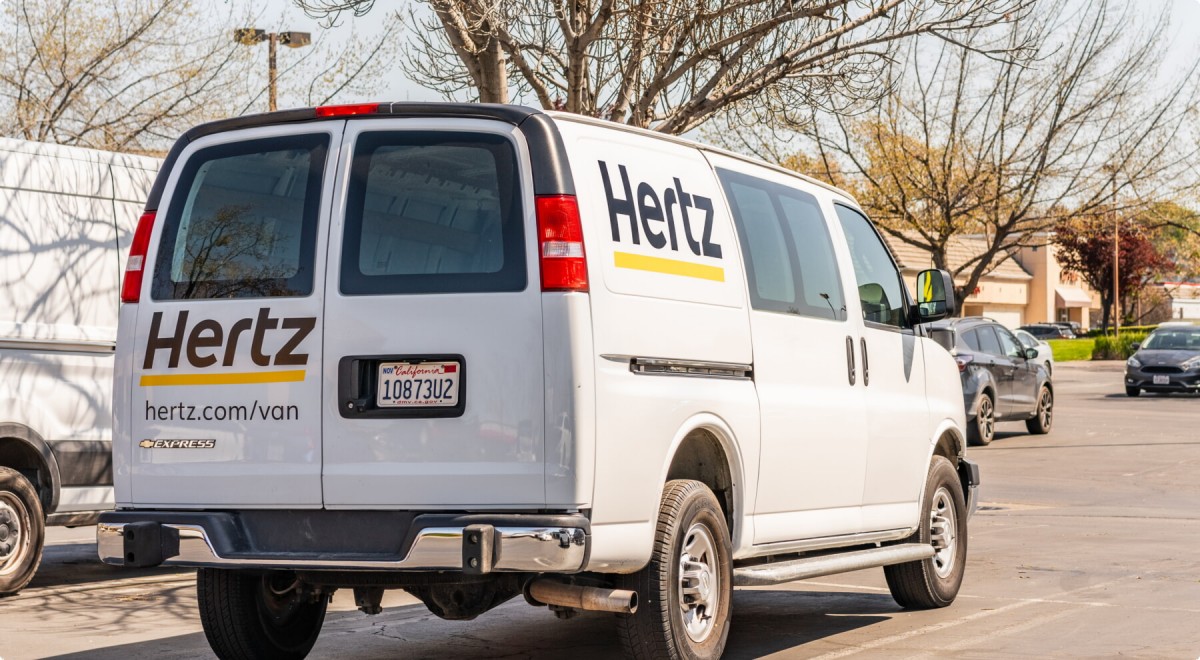
Behind the curtain, many systems are shared - fleet purchasing, maintenance cycles, technology platforms, and even some staffing. But at the counter, each brand keeps its own voice. That separation helps shoppers make quick decisions: do you want the streamlined deal or the more polished, perk-heavy experience? Different days call for different keys.
It’s also worth noting how fleet strategy plays out. Hertz has spent the last few years rebalancing its mix - adding, then trimming, then right-sizing EVs; refreshing core models; managing mileage thresholds. Dollar benefits directly from these decisions because the fleet is a pooled asset. When the broader company invests in safety checks, new tires, software updates, and refreshed models, everyone in the family - including Dollar renters - feels the lift.
What this ownership means for your trip (and your bill)
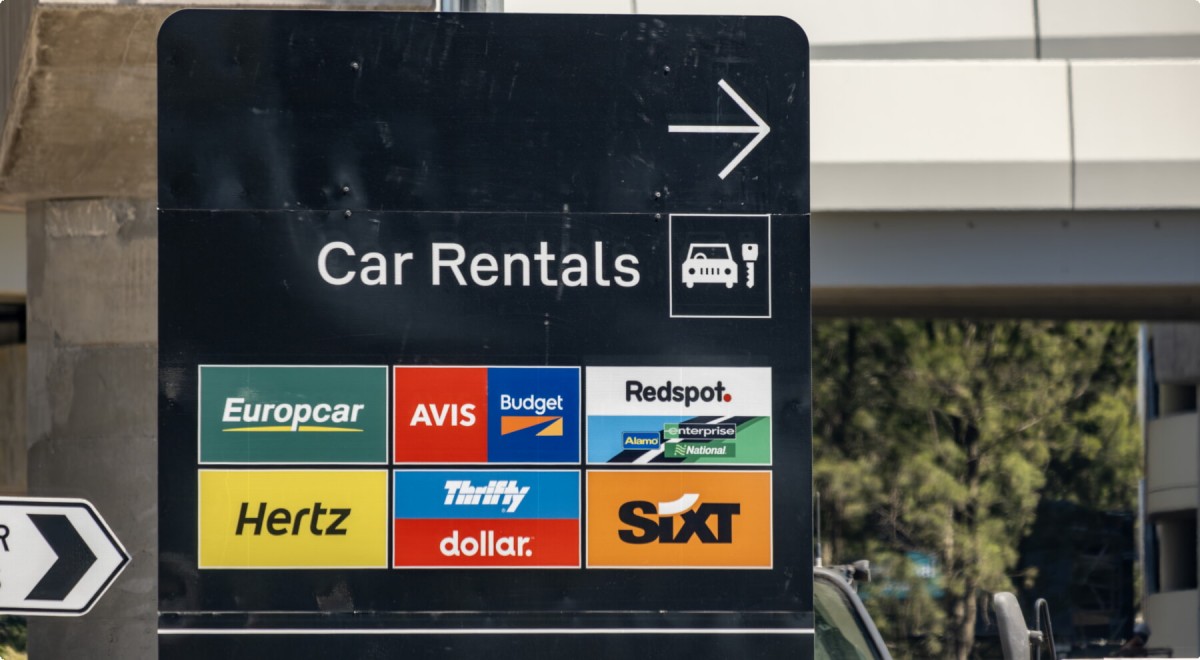
Ownership isn’t an abstract concept when you’re at a rental counter. It dictates what’s available, how quickly cars turn over, how issues get resolved, and which airport stalls carry the brand. Under Hertz, Dollar gets a powerful backbone and bargaining power - the kind that shows up as smoother logistics and, often, better availability at peak times.
Let’s talk practical effects you can actually feel:
- Availability at airports: Dollar inherits access to prime, high-traffic locations where the Hertz family signs leases and builds long-standing relationships.
- Fleet consistency: although not identical to Hertz’s premium tiers, Dollar draws from the same procurement pipeline - which means modern safety tech and predictable models.
- Pricing pressure: being part of a large network allows aggressive price matching and promotions, especially in leisure-heavy markets.
- Service escalation: if something goes sideways, the big-network machine behind the desk matters; Door 2 unlocks when Door 1 sticks.
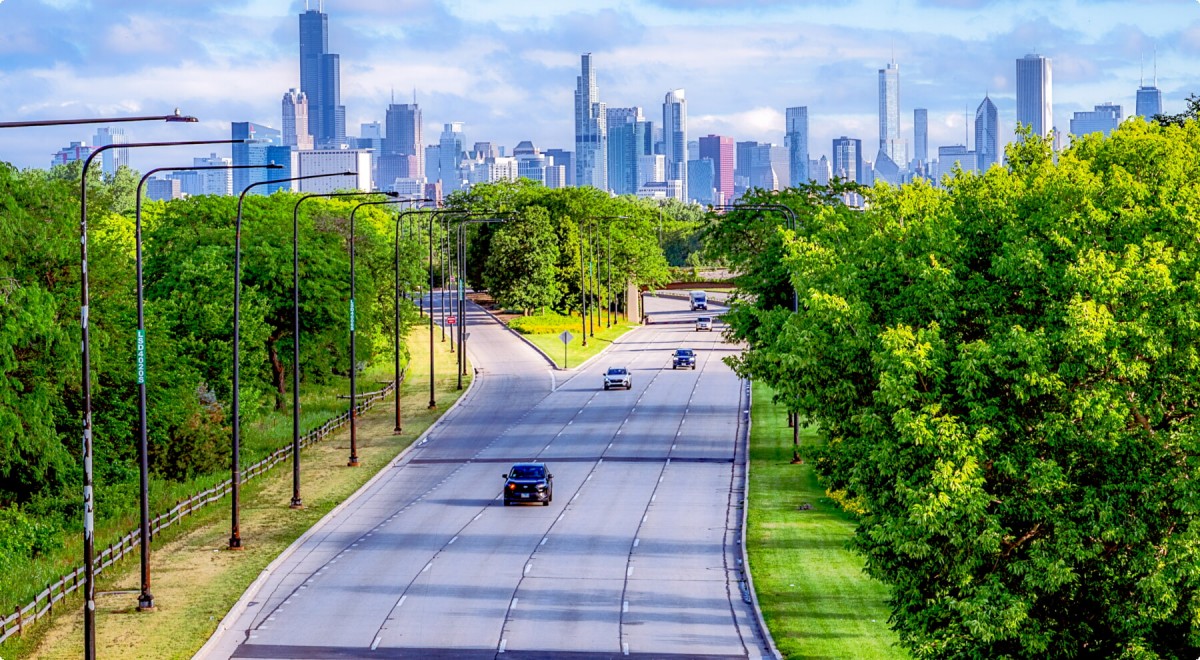
For travelers comparing LA neighborhoods and attractions, ownership is also a map problem: airport vs. city pickup, timing, and traffic. If your flight lands late and you want the fastest escape onto the freeway, booking near the terminal can save your evening. If your itinerary starts mid-city, a neighborhood pickup tomorrow morning might be more sensible, and possibly cheaper.
Dollar’s pricing sweet spot gets even sweeter when you plan around airport rushes and weekend demand. A little timing trick, a smarter pickup, and you’ll feel the advantage of Hertz-scale operations without paying for gilded perks.
- Book early for holiday weeks; fleet compression happens fast in leisure markets.
- Compare airport vs. city pickups - taxes and surcharges can swing the total cost.
- Check fuel and toll policies; small fees can nibble at your budget.
- Photograph the car at pickup and return. It’s 30 seconds that silence disputes.
Not traveling via the airport? Sometimes the vibe of a neighborhood pickup wins - especially in Los Angeles. If you know you’re starting your day in Tinseltown, it can be just as convenient to rent a car in Hollywood and dodge that post-flight congestion. The city is sprawling; your plans should be, too.
Los Angeles, airports, and why Dollar still feels local
Los Angeles is where Dollar’s story began, and the city still tells the brand’s tale with more color than any press release. Step out into the mild evening air at the terminal - jet fuel in the breeze, palm fronds flicking in the marine layer - and all those rental signs are lined up like candy bars at checkout. Your choices feel immediate and tactile here.
If you’re arriving by plane, it’s often smartest to book right at the airport. Here’s an easy jumping-off point for car rental at Los Angeles Airport, with enough options to match your budget and schedule. Still on the fence? Picture your first hour in town. Do you want to negotiate a rideshare queue or step onto a shuttle and leave? The airport model exists because it’s efficient, not because it’s glamorous.
For bearings, tap a map and orient your inner compass: Los Angeles International Airport (LAX) sits at the city’s southwest edge, a short arc from the coast and a freeway or two away from most of your plans. Many Dollar locations, whether on-airport or nearby, plug you straight into those lifelines.
Once you’ve been handed the keys, the city opens like a fold-out fan. Cruise to the lookout terraces and star-watchers at the Griffith Observatory, or skim west to the popcorn lights of Santa Monica Pier. If the long horizon calls, trace a stretch of Route 66 in your mind and let the mythology seep into your evening drive. That’s the promise of a rental, really - a pocket of freedom shaped like a steering wheel.

Dollar feels local in LA for another reason: familiarity. The brand grew up here, learned to serve families with strollers and deal-seekers with fatigue in their eyes, road-trippers lugging too many tote bags. Because Dollar is part of Hertz, you’re also getting the benefits of a huge back-end network - faster turnaround, steady maintenance, better odds of the class you booked actually waiting for you when you arrive.
If your itinerary heads east after LAX, consider a short first stop for snacks and water. Keeping the cabin calm - and caffeinated - can turn an hour of traffic into a rolling decompression chamber. The car becomes home before the hotel does.
One more map cue for trip planning: families who tack on a theme-park day might fly into Orange County or swing through Central Florida another time. The calculus is similar. Right at the field, cars wait like chess pieces arranged for your opening move. If your travels take you to Florida, the sprawl of Orlando International Airport shows how airport rentals are designed around predictable flows - planes touch down, shuttles cycle, vehicles rotate on schedule. Not glamorous, just smooth.
FAQ and myths: straightening the road

Ownership in the car-rental world gets clouded by brand names and old assumptions. Let’s clear the windshield.
Is Dollar Car Rental an independent company?
No. Dollar is a brand owned by The Hertz Corporation, which is part of Hertz Global Holdings, Inc. Since 2012, Dollar and Thrifty have been operated as sibling value brands within the Hertz portfolio. The companies share back-end operations while keeping distinct branding and pricing strategies.
Didn’t Dollar used to be connected to Chrysler?
Yes - in the 1990s. Chrysler acquired Dollar and Thrifty and combined them into the Pentastar Transportation Group. Later, Chrysler spun off the rental division as Dollar Thrifty Automotive Group, which became a public company. That entity was eventually acquired by Hertz in 2012. Corporate family trees can be knotty, but that’s the branch-line summary.

Does Dollar share its fleet with Hertz?
Fleet procurement and maintenance are centralized across the Hertz family, which means Dollar vehicles benefit from the same safety standards and refresh cycles as the rest of the portfolio. However, the exact makes, models, and trim levels available under Dollar may differ to reflect its value positioning. Translation: practical choices first, with occasional surprises depending on location.
Will I get the same loyalty benefits as Hertz?
Dollar historically ran its own loyalty programs, and some benefits differ from Hertz’s premium tiers. Because these programs evolve, the best move is to check the current policy at booking. The steady truth is this: being part of a big operator means any loyalty structure works inside a larger system that prioritizes repeat renters, speed, and predictability.

Are airport locations always more expensive?
Not always, but airport taxes and facility fees can bump your total. On the other hand, airports often have the best availability and speed. If you’re landing at night, balancing a few extra dollars against an easy pickup might be well worth it. For the archetypal LA arrival, use an airport-focused search like the one for car rental at Los Angeles Airport to see the difference in real time. Sometimes it’s smaller than you think.
Is Dollar only in the U.S.?
No. Dollar operates internationally, often in popular vacation destinations and tourist-heavy cities. Availability varies by region, but the same value-forward DNA applies, backed by Hertz’s global infrastructure.

What happened during the pandemic?
Hertz, the parent of Dollar, faced extraordinary demand drops in 2020 and underwent a restructuring before emerging as a leaner operation. Dollar remained in the portfolio the entire time. Since then, the group has adjusted its fleet strategy, navigated the EV learning curve, and focused on reliability and cost control. The upshot for renters is stability: cars where you need them, when you need them.
Why is Dollar still relevant in 2025?
Because travel is personal, budgets are real, and not everyone wants a gold-trim counter. Dollar threads the needle between affordability and dependability. When it’s Friday night, your suitcase squeaks, your phone is at 14% battery, and the only thing you need is a car that starts - the brand’s promise is simple and comforting.

In a way, knowing who owns Dollar is like knowing what kind of engine sits under the hood. You don’t stare at it for long, but when you press the pedal and merge into the evening traffic on the 405, you can feel the effect. The Hertz backbone gives Dollar reach and resilience, while the Dollar name tells you what it cares about: price, convenience, and a cleanly swept trunk. Small things, until they aren’t.
And if you prefer to begin inside the city’s glitter instead of the terminal shuffle, don’t forget you can simply rent a car in Hollywood and let the skyline be your welcome sign. The neon reflections on your windshield will feel like your own opening credits.

As you plan any coastal-to-canyon loop in LA, this is the quiet power of being part of a big family. Dollar’s logo might be modest, but the machine behind it is anything but. You notice it in the time saved, in the easy swap when you need a different class, in the way someone at 7 a.m. finds a solution because the system has options. Ownership, in practice, tastes like a coffee you didn’t have to wait for.
One last image: the city at dusk, lavender sky thinning to indigo. Brake lights like embers. You crest a hill above the basin and spot that planetarium dome glowing - the Griffith Observatory again - and below, the soft grid of streets. Somewhere in that glow, a line of travelers is rolling their suitcases through a rental lot. They won’t say “I’m choosing a particular corporate structure.” They’ll say “Dollar works.” And that’s the handoff from ownership to experience, from boardroom to boulevard.