You book a room, grab a rental car key, tap your card - and suddenly your “available” balance looks like it got the flu. That dip isn’t always a real charge. Often it’s a budget hold: money temporarily ring-fenced by the merchant and your bank. It can feel like someone quietly moved your cash into a drawer. Let’s open that drawer and see what’s actually inside.
What a budget hold really is (and why it feels like a charge)

A budget hold is a temporary authorization - a “pre-approval” - that tells the merchant, “Yes, this card can cover the amount if we need it.” The money isn’t transferred to the merchant the way a normal purchase is. Instead, your bank marks part of your funds as unavailable. You still own it, but you can’t spend it.
Think of it like checking into a cozy apartment with a heavy old brass key. The owner doesn’t keep your suitcase, but they keep a photocopy of the key, just in case. A hold is the key copy: reassurance. For you, it’s the moment you open your banking app in a bright, echoing lobby and your available balance looks smaller than it should.
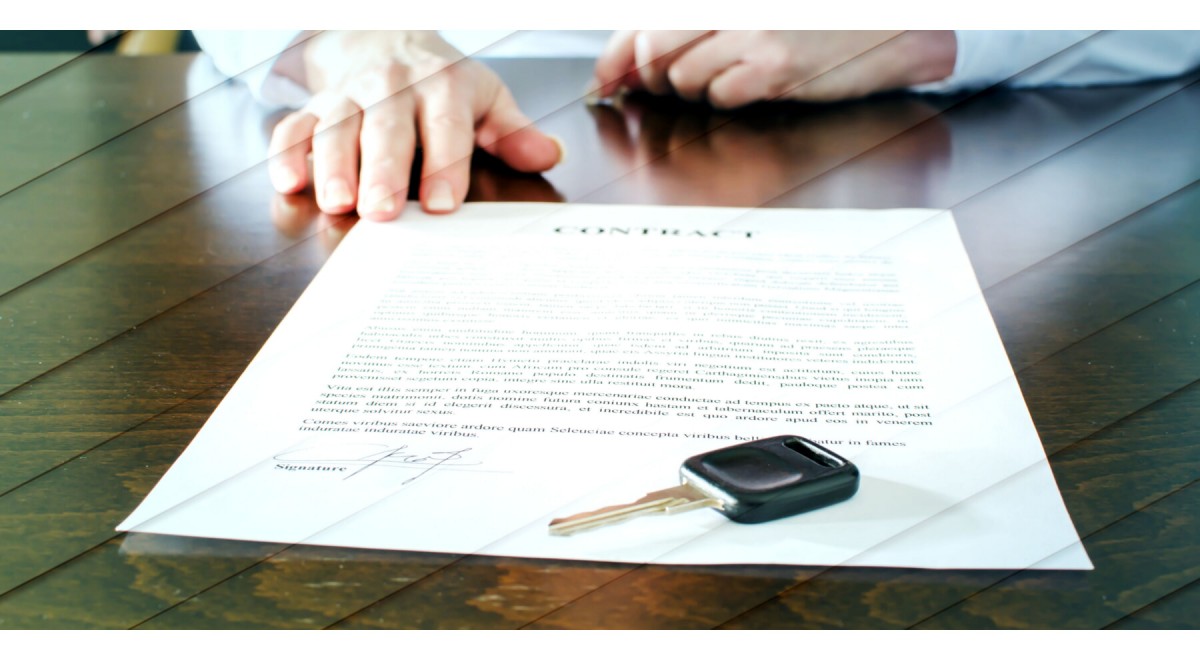
Why do businesses do this? Because some services are “unknown total” at the start. Hotels add minibar or damage; car rentals add fuel differences, late returns, tolls, fines. Even some restaurants pre-authorize more than your bill, especially if tips are common.
One important nuance: the hold amount is not always the amount you’ll actually pay. It’s a ceiling, not the final bill. If everything goes smoothly, the merchant completes a charge for the real amount and releases the rest, or they cancel the authorization entirely and your funds bounce back like a rubber ball.
And yes, a hold can stack. Two small holds can feel like a hand closing around your weekend budget - gently, but firmly.
Where the money “goes” during a hold, and how long it can last

During an authorization hold, the money doesn’t go to the merchant’s account. It sits in a kind of limbo between your bank and the payment network. You’ll see it labeled “pending,” “authorized,” “preauth,” or, annoyingly, you’ll see nothing except a lower available balance. The second version is the most unsettling, because your eyes look for a line item and find only silence.
How long does it last? That depends on three moving parts: the merchant’s system (do they release promptly?), the card network rules, and your bank’s processing habits. Some holds fall off in 24 hours. Others take 7-10 days. In travel scenarios, 14 days isn’t rare, and certain banks can stretch further when weekends and holidays pile up.
It helps to separate “merchant time” from “bank time.” The merchant may release the hold immediately after you check out, but your bank might not reflect it until the next batch update. That’s why you can get a cheerful email saying “All set!” while your app still looks grim.
If you see a pending authorization and then a completed charge, it can look like you paid twice. In most cases, the pending line simply expires and only the final posted amount remains. The overlap is confusing but temporary.
Debit cards deserve a special warning. With credit cards, a hold mostly affects your credit limit. With debit, it affects your actual spendable cash, which can pinch harder, especially if you’re traveling and need flexibility for fuel, snacks, and the unexpected “we should stop here” detour.
If you check your balance often, you’ll notice it , right away. If you don’t, the hold can ambush you later - like trying to pay for dinner and finding your card politely declined.
Why car rentals and hotels hold more than you expect

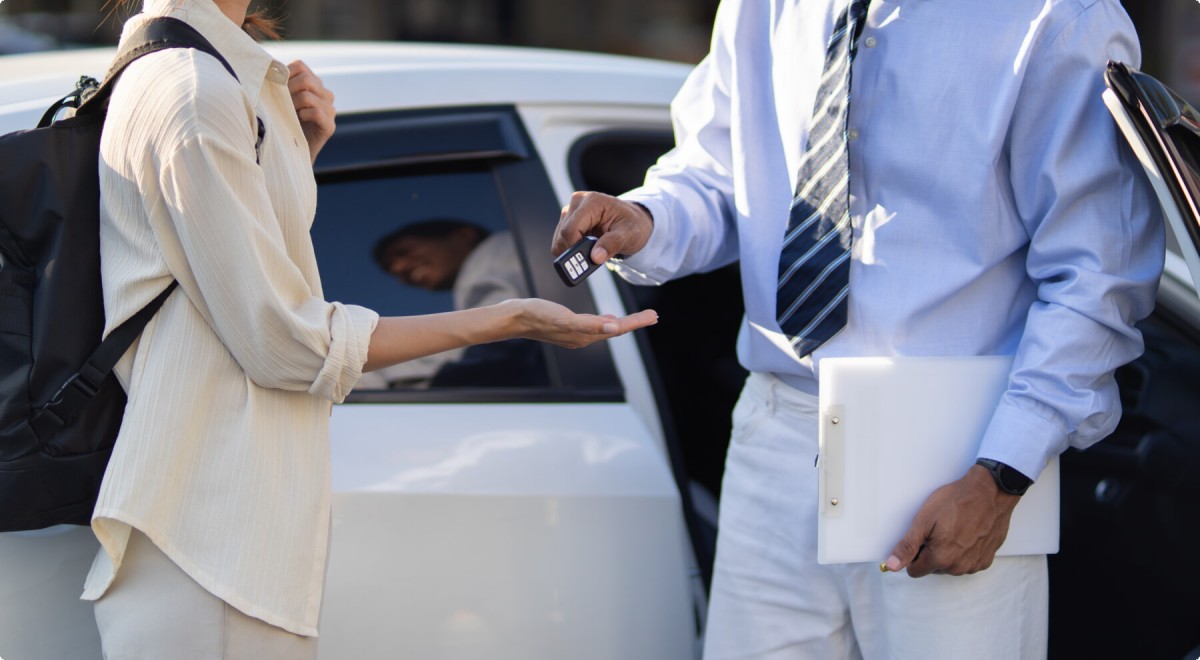
Some holds feel reasonable: a small buffer at check-in, a modest amount at a pump. Car rentals, though, are famous for larger holds. It’s not personal, it’s the math of risk. A rental company is handing you an expensive moving object and trusting you to bring it back intact, on time, and not smelling like someone transported a fish market.
Here are common reasons the hold can be higher than the base price you saw online:
- Security deposit: A set amount that covers potential damage or contract breaches.
- Fuel policy uncertainty: “Full-to-full” is clean, but if you return with less fuel, the final cost changes.
- Extra days or late return risk: Even one hour can trigger an additional day depending on rules.
- Cross-border or restricted-area concerns: Some regions, ferries, or islands alter risk calculations.
- Tolls and traffic fines: These can arrive later, so companies sometimes build procedures around delayed billing.

That list reads clinical, but the experience is not. You’re standing at a counter, the air smells like printer toner and sunscreen, and someone asks for a deposit that makes your eyebrows jump. This is why it pays to plan an extra buffer in your travel funds, even if you’re a careful driver.
If Sicily is on your route, a smart first step is to check terms while booking, not when you’re already juggling luggage. When you rent a car in Sicily, read the deposit and payment section like you’d read a recipe before turning on the stove. It’s not the fun part, but it prevents that “wait, how much?” moment.
Also watch the difference between “deposit,” “excess,” and “franchise.” They sound like cousins, but they behave differently. A deposit is what’s held. The excess is what you might owe if something goes wrong. Sometimes they match, sometimes they don’t - and that’s where misunderstandings start.
Real-world numbers, and why location can change the hold

People want a single number: “So how much will they hold?” But holds aren’t fixed like a postage stamp. They’re more like weather - patterns exist, yet the exact temperature shifts by place, provider, car class, insurance choice, and card type.
In many European destinations, typical hotel holds might be modest (covering incidentals), while car rental holds can be several hundred euros or more. Higher-category vehicles often mean larger deposits, and declining certain coverage can increase the hold because your liability is higher. In plain terms: less protection equals more money reserved.

Location matters in subtle ways. In busy tourist cities, companies may assume higher turnover and tighter timelines; they’ll protect themselves with stricter authorizations. At airports, the process is optimized but also standardized, and standardization often means “one-size-fits-many-deposits.” If you’re arriving late, tired, and thirsty, it’s worth knowing this beforehand.
Imagine landing in Catania, stepping outside into that warm evening air that smells faintly of sea salt and exhaust. You might pick up keys, then drive through Piazza del Duomo, Catania area traffic where scooters weave like quick silver. None of that changes your deposit directly, but your stress level rises and you want fewer surprises, not more.
If you’re plotting a day that includes history with a capital H, the Valley of the Temples is one of those places that makes you go quiet for a second. Ancient stone, dry wind, sun on your shoulders - it’s the kind of stop that’s worth an early morning drive. The practical point: if you plan long day trips, remember that holds can affect your remaining card limit for other bookings later that day.
And yes, popular destinations can tempt you into spontaneous add-ons: a nicer room, a longer rental, an extra excursion. A hold doesn’t stop you from doing that, but it can reduce your flexibility at the exact moment you feel impulsive. That’s the tricky part.
Your statement balance can look fine while your available balance is squeezed by holds. When planning travel days, trust the available number - it’s what decides whether the next tap goes through.
If you’re dreaming of a coastal stop, Taormina, Sicily can feel like a balcony hung over the sea. Beautiful, yes. Also full of little temptations: cafés, ceramics, “just one more” photo spot. Holds can quietly limit those choices if you didn’t leave room.
How to keep a hold from wrecking your trip budget

A budget hold is manageable when you treat it like a predictable travel expense, not a betrayal. The goal is not to “avoid holds” (you can’t always), but to keep them from choking your cashflow.
- Use a credit card when possible: it protects your spending money and usually handles holds more gracefully.
- Keep one card for deposits, another for daily life: it’s like separating your suitcase into “essentials” and “nice-to-haves.”
- Plan a cushion: don’t land with a card that’s maxed to the edge; leave space for authorizations.
- Ask for the exact hold amount before tapping: not after, not “later,” before.
- Take photos at pickup and return: clear, well-lit shots can prevent prolonged disputes.

Now, after that list, here’s the part people skip: timing. If you’re stacking reservations (hotel today, car tomorrow, another hotel next) the holds can overlap even when everything is “fine.” That overlap is what makes travelers feel broke while technically being solvent. And that’s why I like to think in layers: charge layer, hold layer, and “life happens” layer.
Build a tiny ritual around deposits so you don’t have to improvise under fluorescent counter lighting. Two minutes of structure saves a lot of anxious scrolling later.
- Before pickup, screenshot your available balance (and your credit limit if it’s a credit card).
- Ask staff to confirm the authorization amount and the expected release timeline.
- Keep receipts or emails that show “void” or “canceled” authorizations.
- If the hold is large, request a printed acknowledgment of the deposit and return condition.

One more practical trick: if your trip involves multiple drivers, double-check whose card is being used for the deposit. Couples and friends sometimes swap cards casually, then later can’t remember which bank to call. It sounds silly until you’re at a beach bar trying to untangle it with spotty reception and a melting drink in your hand.
Also consider currency. If your card is in USD and the hold is in EUR, the “locked” amount can fluctuate with exchange rates. It won’t usually change dramatically overnight, but it can shift enough to make your app look odd. Don’t panic unless the hold converts twice or posts as a final charge incorrectly.
When the hold won’t release - what to do (and what to say)

Most holds resolve on their own. But sometimes they linger, and that’s when you need a calm plan instead of angry refreshing. Start with the basics: note the date, merchant name, and authorization amount. Then check whether the merchant posted a final charge. If they did, the pending hold should drop off, but banks don’t always sync instantly.
If you picked up a vehicle after landing, airport rentals can be especially standardized about deposits. For example, if you’re arranging Comiso Airport (Vincenzo Magliocco) car rental, keep the rental agreement handy in your email. If a hold sticks around, the agreement gives you the language you need: dates, vehicle class, and the company’s own reference number.
Here’s what tends to work when you call your bank, in a human voice, without drama:

1) Ask whether the authorization is still active or already expired on the network. Banks can see codes that you can’t. If it’s expired, you can ask them to update your available balance.
2) Ask whether they can do a “force release” or “manual release.” Some banks can, some won’t. But asking costs nothing.
3) Ask the merchant for a “release letter” or proof of cancellation. Many hotels and rental desks can provide a note that says the authorization was canceled. That document can help a bank act faster.

Sometimes, the issue isn’t the hold itself - it’s a second hold created by a modified transaction. For instance, a rental desk might cancel one authorization and create another if you add coverage, a second driver, or extend by one day. In your app it can look like the deposit duplicated, when it’s really a replacement. That duplication usually clears, but the overlap can sting.
If you need a mental reset while dealing with logistics, it helps to remember you’re traveling on an island dominated by a living volcano. Mount Etna has been rewriting the landscape for centuries; your banking app is just being slow today ? Keep your timeline straight, save screenshots, and don’t throw away receipts too quickly - even if your pockets are already full of tiny paper squares.

If the hold has exceeded the typical release window your bank quotes (say, more than 10-14 days), escalate with specifics: “This is an authorization, not a posted transaction; the merchant confirms it was canceled on X date; I’m requesting an update to my available balance.” Clear words, calm tone. It works more often than you’d think.
One last sensory detail, because it’s real: the moment you finally see the funds return can feel like taking off a tight watch. Your wrist didn’t break, but you can breathe again. Until then, keep a written note of who you spoke to, when, and what they said. Names and timestamps are boring, but they’re powerful.