Leave the Wasatch Front behind and point your hood toward steam and starlight. The drive from Salt Lake City to Yellowstone isn’t just miles - it’s a slow gradient from sun‑baked basin to cool timber, from espresso lines to elk crossings. You’ll smell sage, taste alpine air, and watch the sky trade concrete gray for a big, uncomplicated blue. Ready to read the road like a story? Let’s turn the first page.
Choosing Your Route: Fast I‑15 or Scenic US‑89?
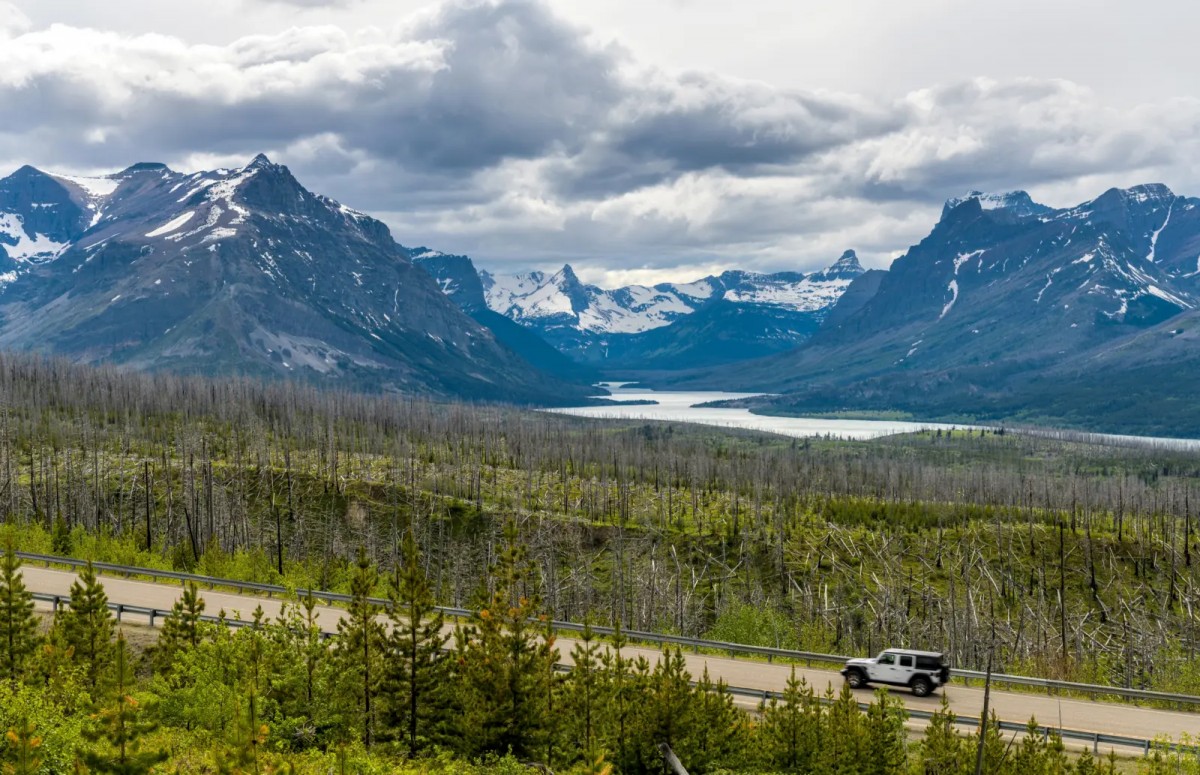
From Salt Lake City to Yellowstone you’ve got two classic lines on the map. The first is the express option: Interstate 15 north through northern Utah into Idaho, then US‑20 east to West Yellowstone. It’s straightforward, a wide‑shouldered path that trades views for velocity. Expect roughly 320 to 360 miles depending on your entrance, about 5.5 to 6.5 hours behind the wheel if you keep stops to a minimum. You’ll pass wind‑rippled fields, a patchwork of farm towns, and the broad sweep of the Snake River plain near Idaho Falls. This route is ideal if your priorities are daylight at Old Faithful and a quick motel check‑in.
The second route is for people who like the road to feel like a hand‑shake. US‑89 threads north through Logan Canyon, slides past the neon‑blue of Bear Lake, dances with the Snake River, and clips the valley floor below the Tetons before joining Yellowstone at the South Entrance. On paper it’s longer - 6.5 to 8 hours, depending on traffic and the number of times you pull over, stunned - but the payoff is wild drama: limestone cliffs, cottonwood shade, and mountain lakes the color of a robin’s egg.
Logan Canyon is a first act that sets the tone, with its cool turns and picnic pullouts that smell faintly of wet rock and pine sap. By the time you land at Garden City, Bear Lake opens like a secret door. A famous raspberry shake tastes better with the lake winking bright, almost tropical, though the water is mountain‑pure and brisk. Keep north through Afton’s elk antler arch, Alpine’s river braids, and into Jackson - a gateway town that can be bustling and buzzy in the best way. From there, the Tetons tower like teeth against the sky. It’s an entrance you feel in your ribcage.
Which should you choose? If you want reliable speed and easy refueling, pick I‑15 to US‑20. If your road trip is as much about the approach as the arrival, US‑89 via Jackson is a classic. Honestly, both are good, both are safe, both will get you to geysers by dusk if you start early enough. Some travelers go up one, down the other, letting the loop complete itself like a well told story.
Seasons, Timing, and Weather Along the Way
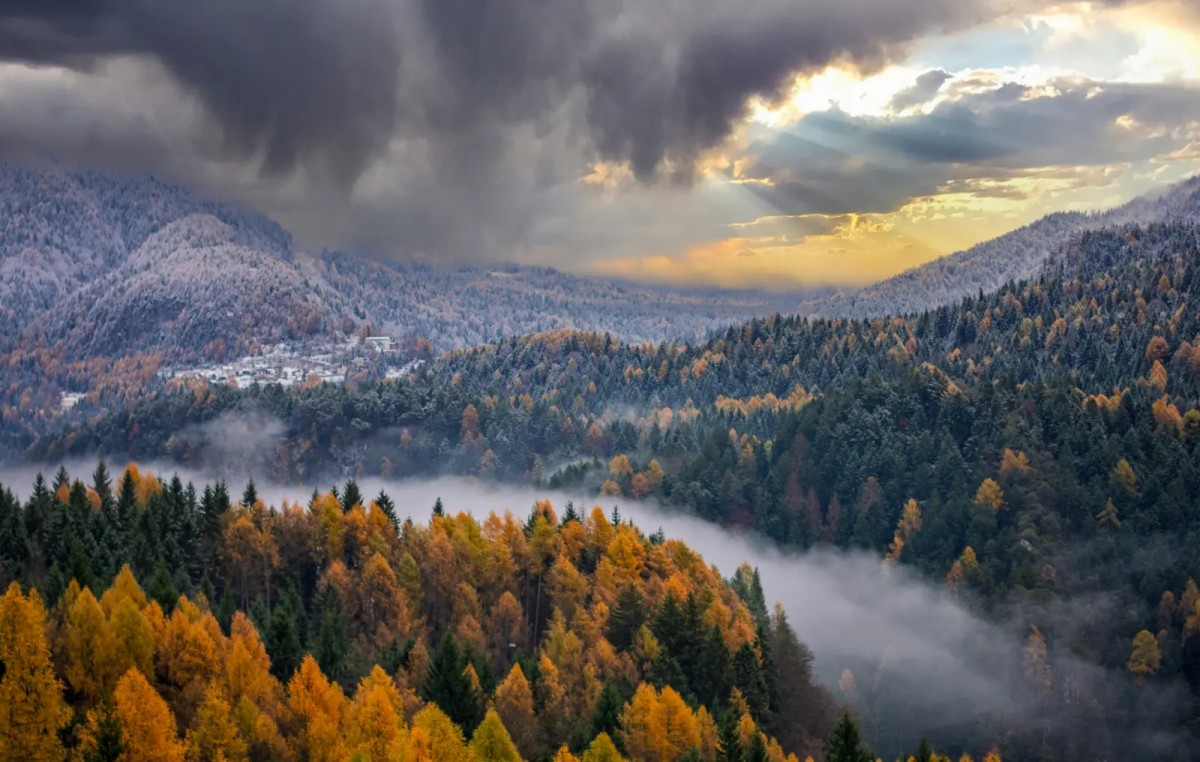
In spring, rivers run fat and the canyons smell alive. The tradeoff is mud in shaded pullouts and occasional construction. Summer is smooth sailing, long light, warm nights, and crowds at predictable bottlenecks. Autumn might be the secret best time: elk bugle, aspen leaves shake like coins, the angle of the sun gets cinematic, and traffic thins. Winter is a different book - some Yellowstone roads close, snow coaches replace personal cars inside the park, and the approach itself can be slick and icy, beautiful in a hushed way.
Leave at dawn if you can. Morning light makes the Cache Valley glow and puts a little gold on the Tetons if you go that way. If your timing lands you in Idaho Falls at lunch, the river walk is a short, mood‑fixing detour. Sunset arrivals at West Yellowstone can be cold in June, even colder in September; pack a beanie where you can reach it. The region is high, dry, and unpredictable. You’ll swear it’s a cool spring afternoon until the sun goes soft behind clouds and the temperature falls 15 degrees in 10 minutes.
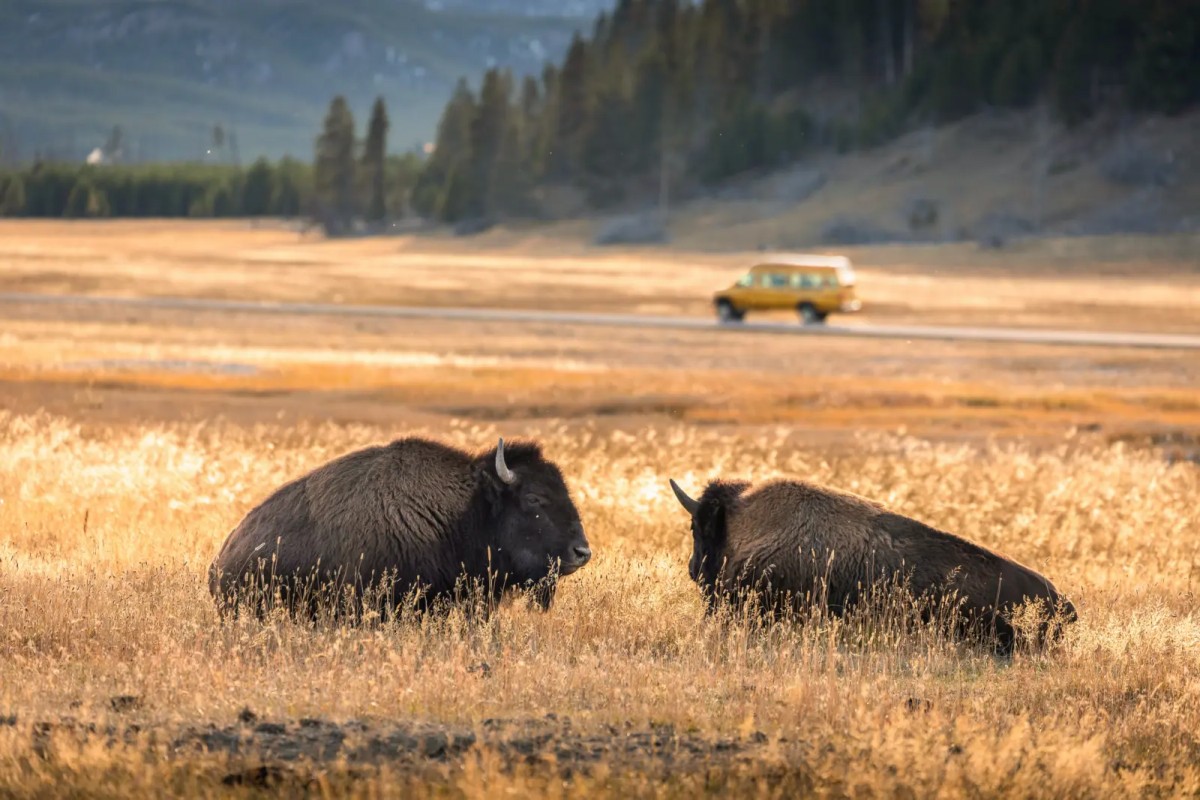
Yellowstone itself sits on a volcanic plateau with weather that doesn’t ask permission. Afternoon thunderstorms can pop like flashbulbs. Roads, even in July, can be closed for a few hours by a bison herd that prefers your lane. Build in slack. If you like rigid schedules, loosen them here - the park is not interested in our calendars.
Wildlife and weather drive the rhythm of this trip. Spring means calves and cubs, summer means traffic at popular spots, fall is crisp and photogenic, and winter pares the world down to quiet and white.
Salt Lake City Launchpad: Fuel Up and Roll
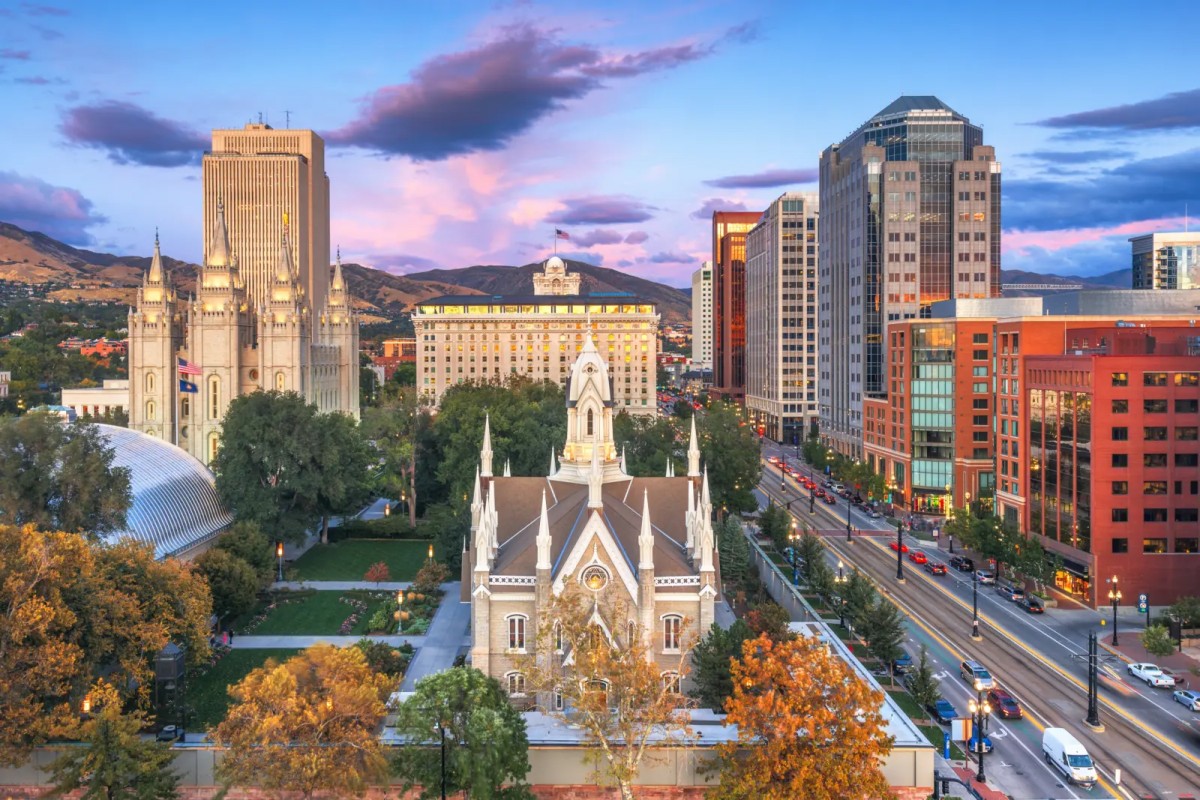
Salt Lake City is tidy and efficient when you want an early start. If you’re flying in, pick up wheels right at the terminal and hit the interstate in minutes. Book ahead and compare deals, then breeze through a streamlined pickup at Salt Lake City airport car rental - it’s the simplest way to start a day that’s going to be full of windshields and wide horizons.
Before you go, top off your tank, grab snacks that won’t melt or crumble into the seat rails, and snag a water bottle you actually like to use. A quick pass through a neighborhood bakery means your car smells like sugar for the first hour, which is never a bad thing. If you’ve got kids, download a couple of offline playlists and a map or two. Paper maps still have a magic that GPS can’t touch; there’s something reassuring about a folded rectangle that shows the whole West, flat and legible.
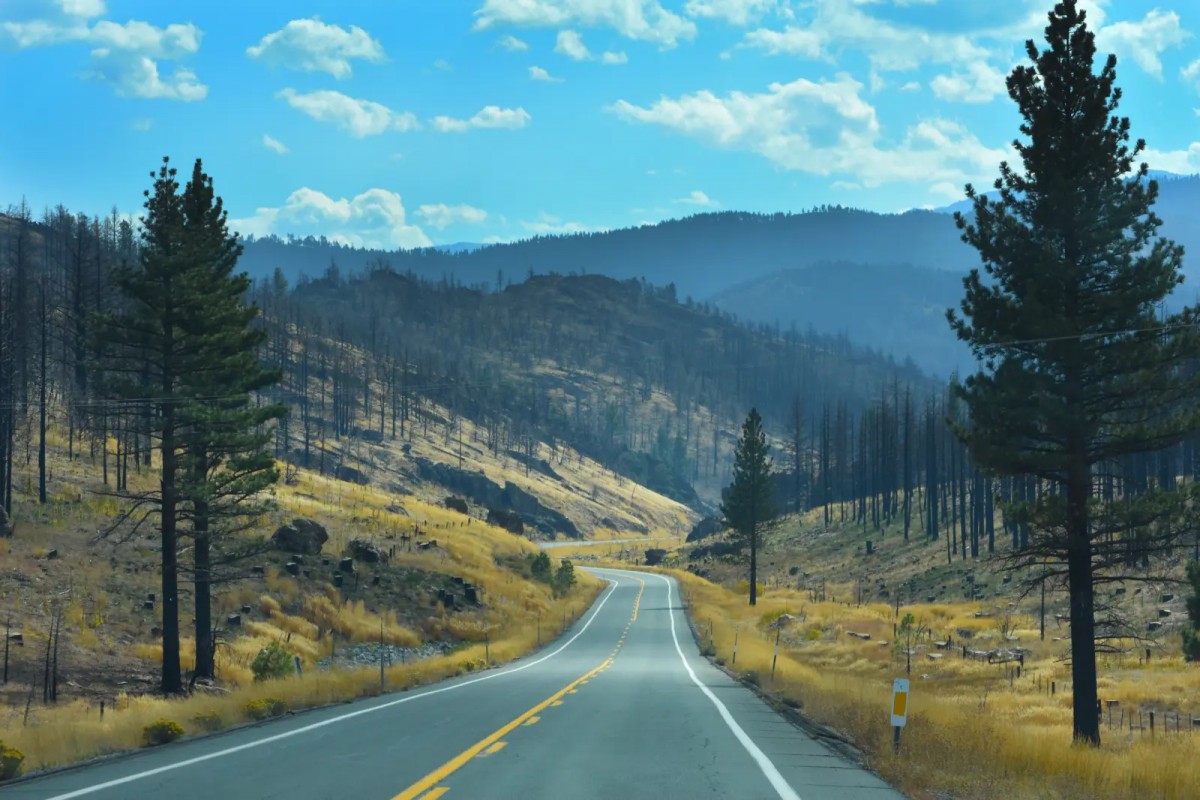
Leaving the city, the Wasatch Range stands to your right like a giant weather barometer. Snow clings to the high faces into May. Mirrored office windows flash a last bit of urban shimmer, then the freeway exhales north and the countryside steps in. Barns appear. Horse trailers. The sky pulls back its sleeves.
The Long Curve North: Stops Worth the Detour
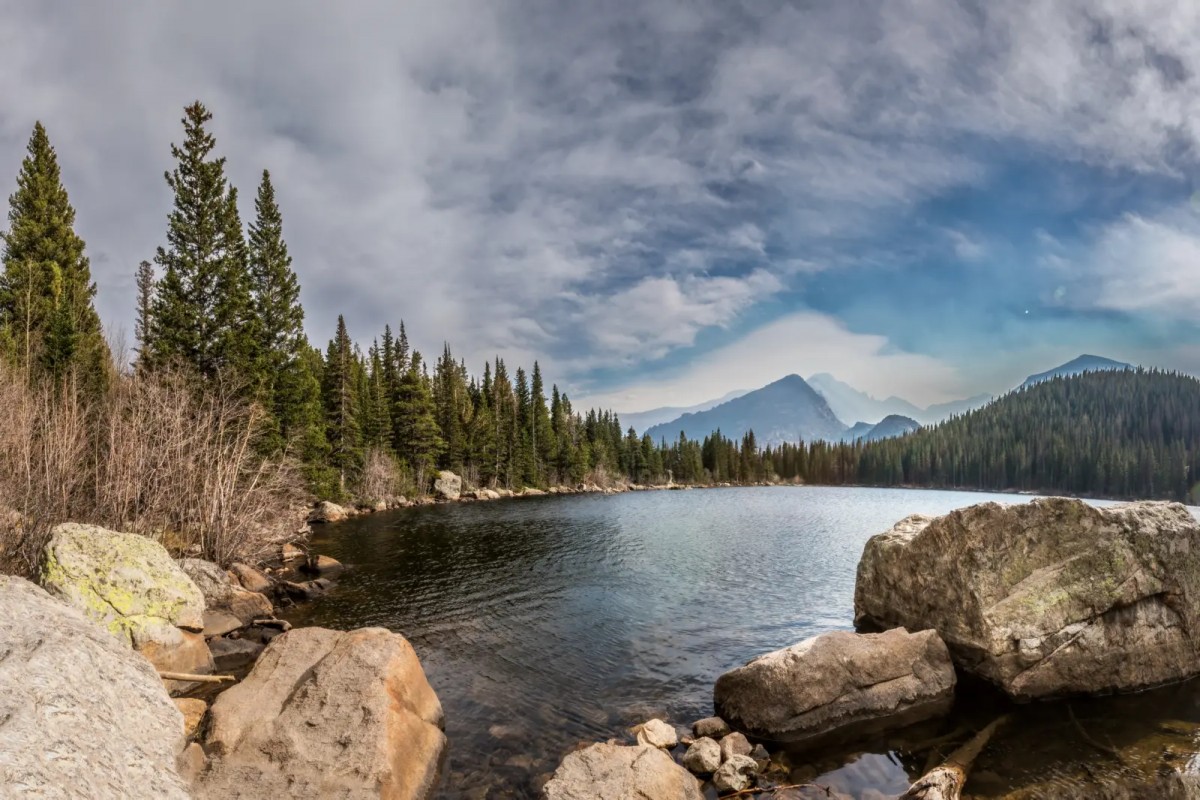
Whether you choose the express I‑15 route or the slower US‑89 ribbon, the best road trips breathe. Here are stops that can add color without stealing your day.
I‑15 and US‑20 Corridor
- Brigham City: A quick detour brings you to the wetlands of the Bear River Migratory Bird Refuge, where pelicans and herons pattern the air like loose calligraphy. Boardwalks make it easy.
- Pocatello: Stretch your legs on a small downtown loop. Coffee, thrift stores, a couple of murals that surprise you with their precision.
- Idaho Falls: The Snake River falls are not Niagara, but the river walk is leafy and pleasant, a free reset for road fog.
- Ashton to Island Park: Look for huckleberry stands in August. In the morning, meadows here exhale mist that lingers waist‑high.
US‑89 via Logan Canyon, Bear Lake, and Jackson
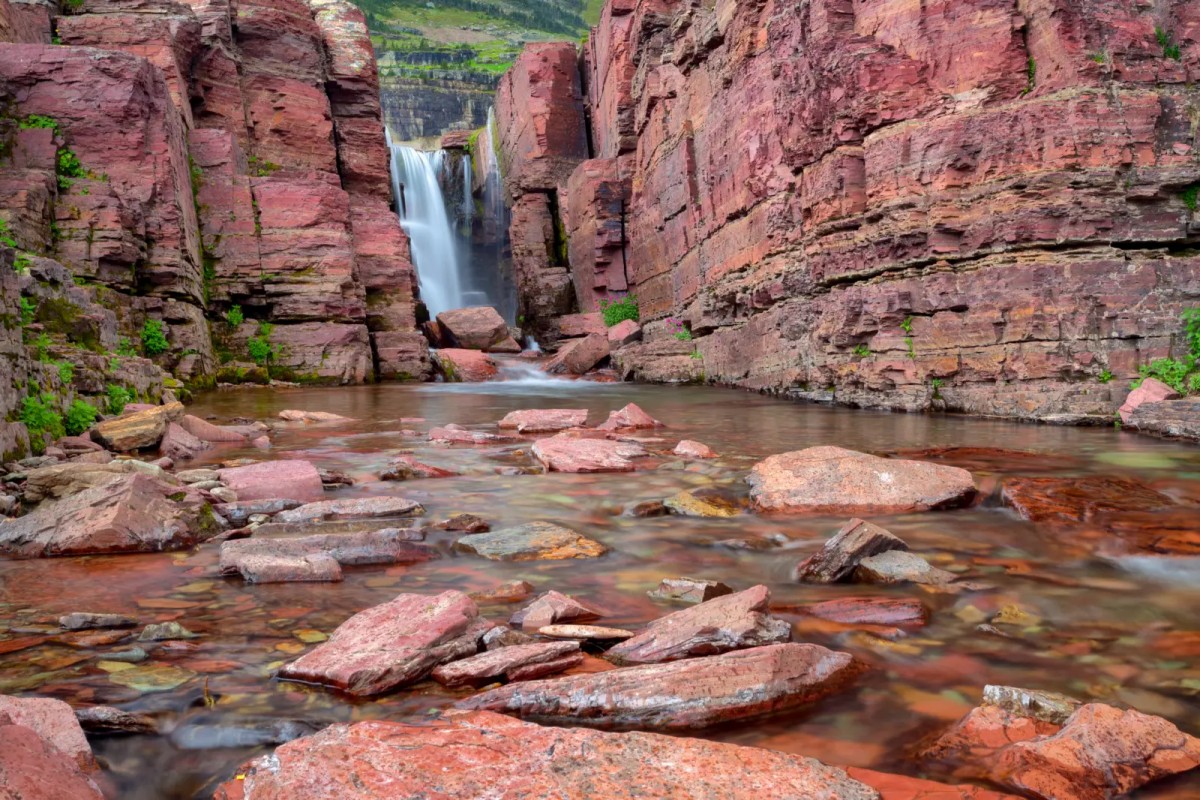
- Logan Canyon: Short hikes start right off the road. Even a 15‑minute walk tunes your brain to green.
- Bear Lake: Beyond the famous shakes, there are pebbly beaches where you can dip toes and feel your mood lighten immediately.
- Jackson: The wooden sidewalks, bronze statues, and galleries make a good midday pause. Swing by Jackson Town Square and watch the tangle of bikers, hikers, and families circulate like schools of fish.
- Teton Views: Sometimes you just pull over and stare. The mountains look like they were cut from dark paper and pinned to the sky.
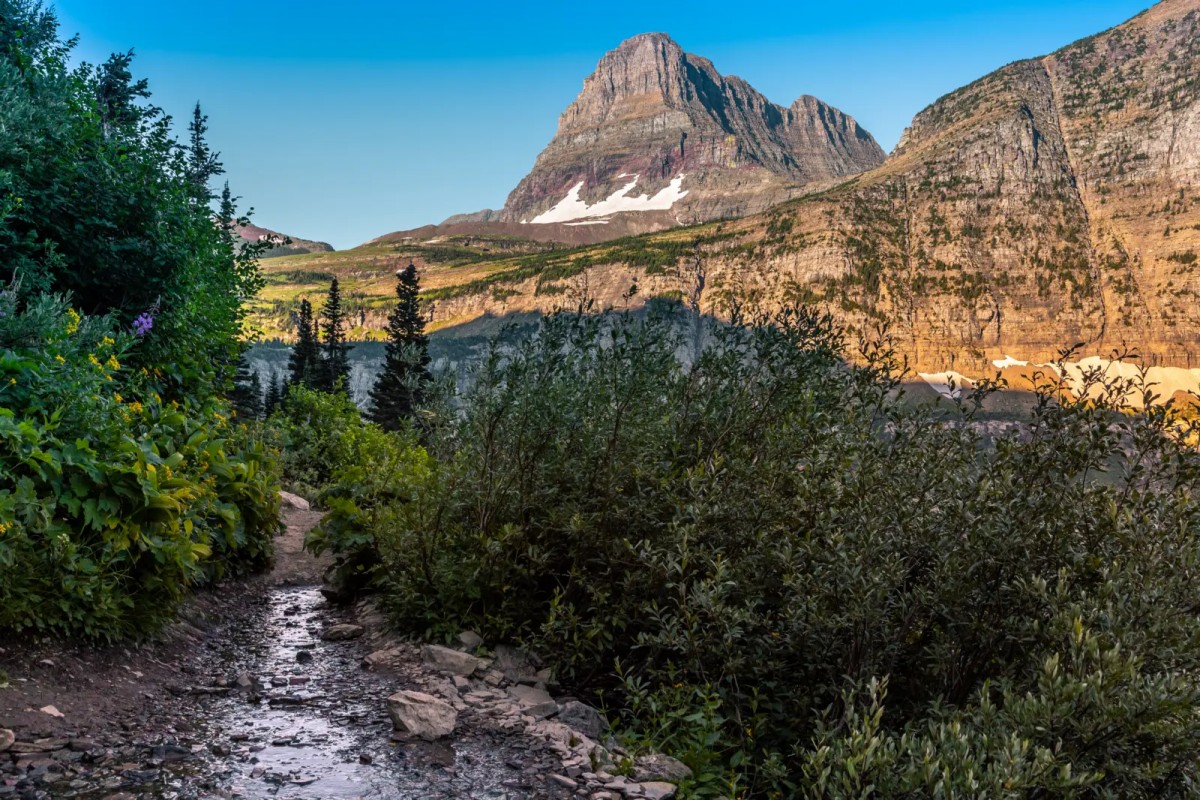
From Jackson, the road steps into the valley where the Tetons stand like a wall. It’s worth learning a little about the neighborhood - the geology is abrupt, a fault line that raised mountains almost rudely. If you want a short primer and a sense of why this valley feels different, spend ten minutes with Grand Teton National Park before you go. It frames what you’re seeing through the windshield.
When you enter the park systems, the pace shifts. You’ll slow for photo pullouts, for long curves around lakes, for that one bison who owns the median. Snacks matter. Patience becomes a tool you can feel in your pocket. If you grew up on rushed mornings, this is the antidote.
Inside Yellowstone: Loops, Geysers, Quiet Corners
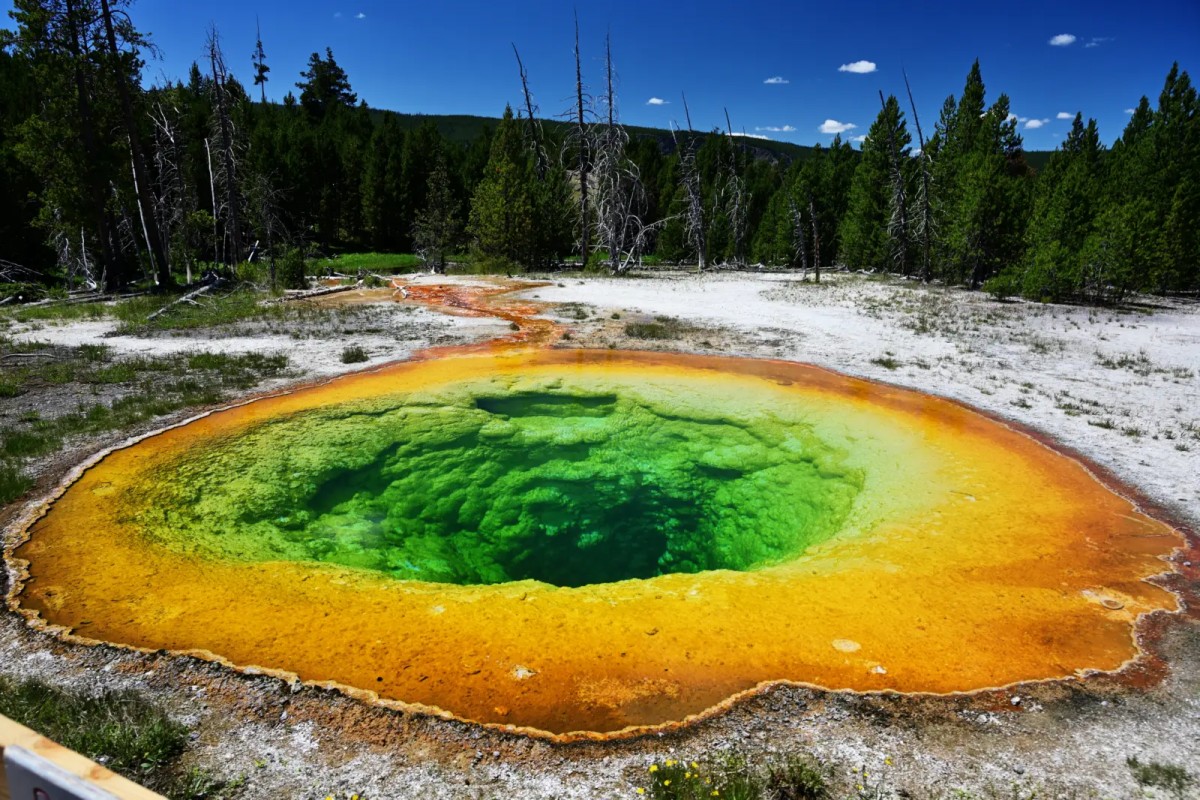
Yellowstone is a complex clock with more gears than you can see. Two main road loops - the Lower and Upper - knit together geyser basins, waterfalls, and animal‑rich valleys. Even with a full day you won’t see everything, but you can curate a set of moments that belong to you.
The Lower Loop
- West Thumb Geyser Basin: Boardwalks wind over hot springs the color of antique glass, right on the edge of Yellowstone Lake. Find it here: West Thumb Geyser Basin.
- Old Faithful Area: Famous for a reason. Schedule a pause to see the plume rise like a breathing dragon. If crowds crowd you, wander to lesser‑known pools nearby and listen to the earth whisper and hiss.
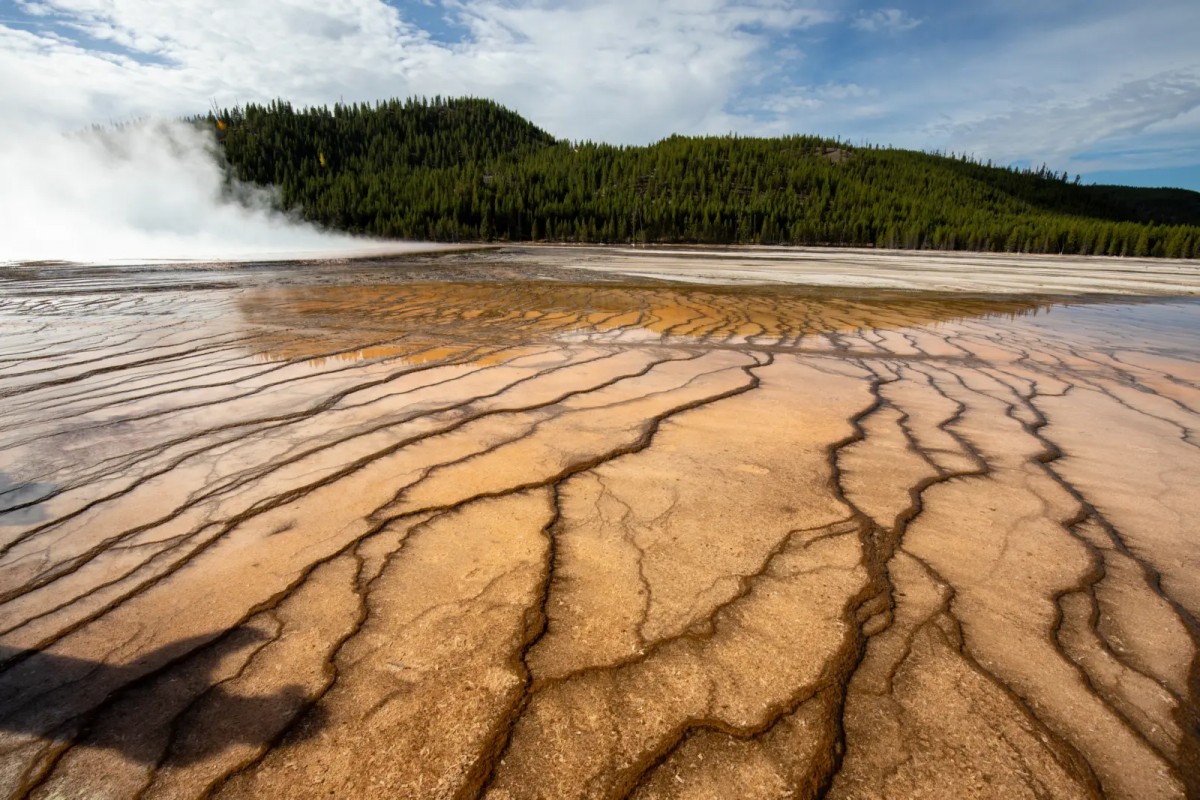
- Grand Prismatic Overlook: A short uphill trail gives you the postcard view, colors arranged like a painter losing patience with subtlety.
- Madison River: Evening shadows here stretch long. Fishermen stand like parentheses in the current.
The Upper Loop
- Norris Geyser Basin: The hottest, strangest neighborhood. It smells like burnt matches and possibility, a place where the earth makes its own rules.
- Mammoth Hot Springs: Terraces step down like frozen waterfalls, orange to white to cream. Elk sometimes graze in the lawns as if they belong, because they do.
- Lamar Valley: If you want wolves, this is the rumor mill. At dawn or dusk, scopes speckle the pullouts, and the chatter feels like a birders’ convention.
Give yourself permission to be small here. Watch steam drift and dissipate in crosswinds. Smell sulfur then spruce then lake water. A raven might eye you from a post, intelligent in a way that feels personal. If you want orientation, the official voice is clear and helpful - browse maps, alerts, and seasonal updates on the park’s hub for Yellowstone National Park.
You might find that your favorite moment is not the headline stop. Maybe it’s throwing a flat stone across a cold lake. Maybe it’s a quiet turnout where the only sound is wind worrying the grass. The park rewards stillness as much as checklists.
Crowds thin with distance from parking lots and by simply shifting your schedule. Dawn is soft and generous. Midday belongs to those who take the longer boardwalk or accept an extra mile on foot.
Practicalities: Permits, Packing, Fuel, Car Tips
Bring layers even in July. A puffy that compresses to a grapefruit. A rain shell. A hat. Sunscreen that doesn’t sting your eyes when you sweat. Bear spray is sold near the park, and you can rent it in some gateway towns if you don’t want to travel with it. You’ll need a park pass at the entrance station; if you’re hitting multiple parks this year, the America the Beautiful pass pays for itself quickly.
Fuel up before you pass the last big towns on your route. Prices inside and near the park can be higher, and lines form on busy weekends. It’s not just about saving a few dollars - it’s about not thinking about it at 7 p.m. when your gauge blinks low. Snacks that live in the glove box are a gift to your future self. Almonds, jerky, apples that roll around and refuse to bruise, dark chocolate for morale. Keep a small trash bag tucked by the door pocket because crumbs multiply faster than rabbits.
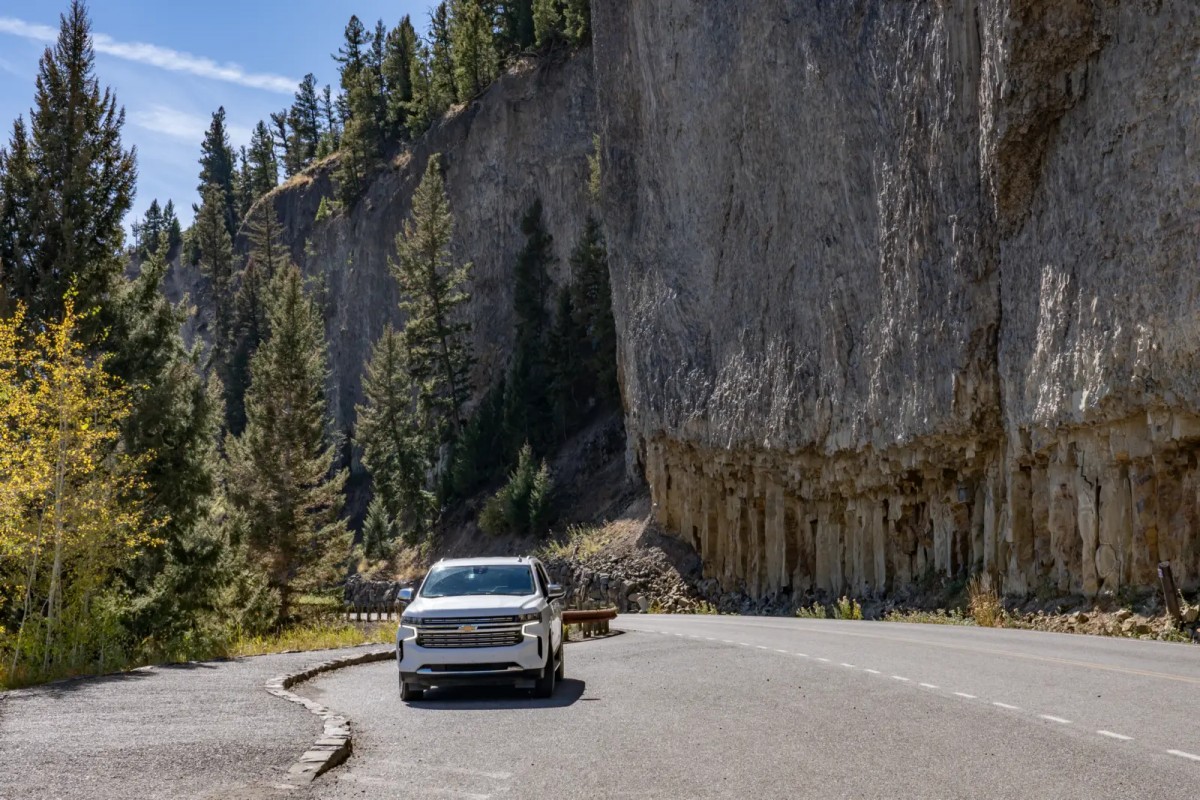
As for wheels, a mid‑size SUV is a sweet spot for clearance and cargo without committing to a tank. If your trip includes gravel forest roads outside the park, those extra inches matter. Any modern rental with decent tires will handle the main routes fine, but torque and traction are confidence - you feel it when a sudden downpour turns shoulders muddy. Planning an extended loop through the Rockies afterward, maybe swinging east to the Mile High City? It can be easier to switch cars there or start a fresh booking; if you do, it’s smart to compare rates and rent a car in Denver for the next leg.
Overnight style shifts your packing list. Lodging in gateway towns simplifies things but books fast in peak season. Campgrounds are their own universe: arrive early, expect competition, and respect quiet hours because everyone is listening to the same night.
A few small items make a big difference when the nearest store is 60 miles and you’d rather not turn around. Pack for comfort, for the unpredictable, and for a little bit of magic at camp.
- Headlamp with fresh batteries, plus a backup flashlight.
- Paper map in case your phone goes cranky in the cold.
- Compact first‑aid kit with blister care; hiking socks that actually fit.
- Microfiber towel, a tiny bottle of soap, and a bag for wet stuff.
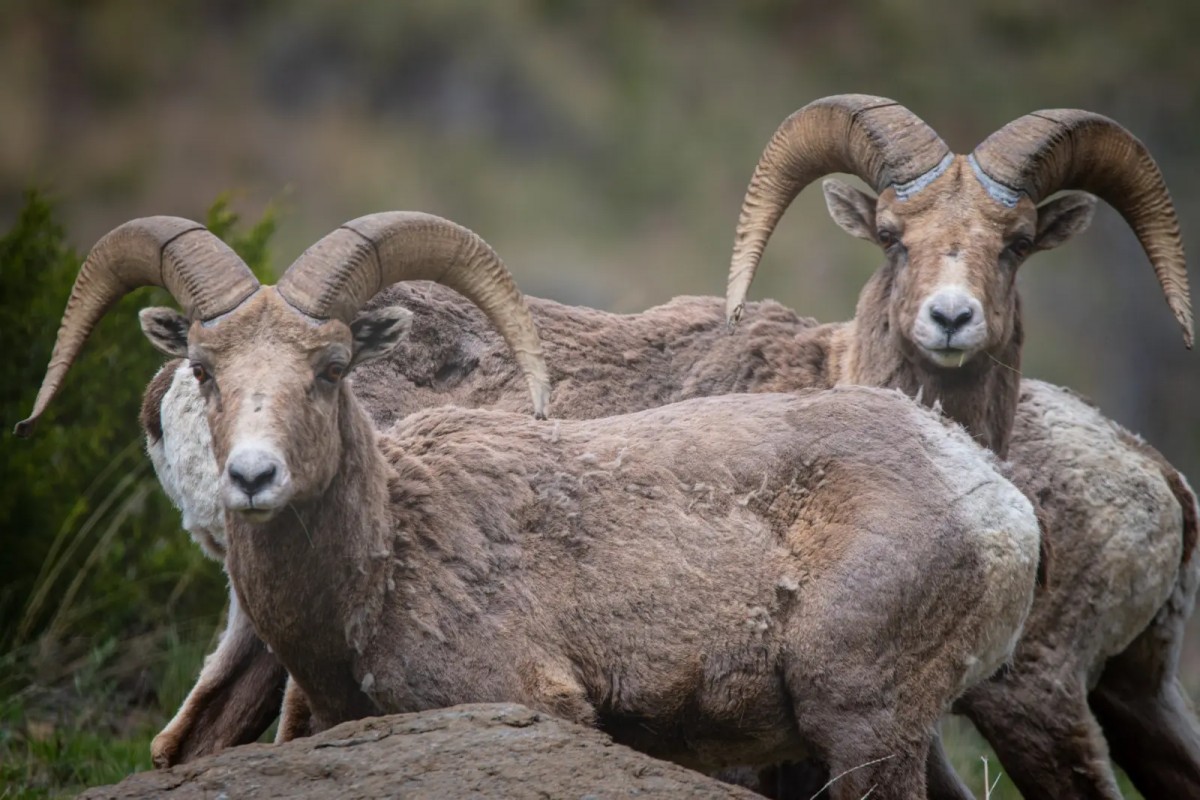
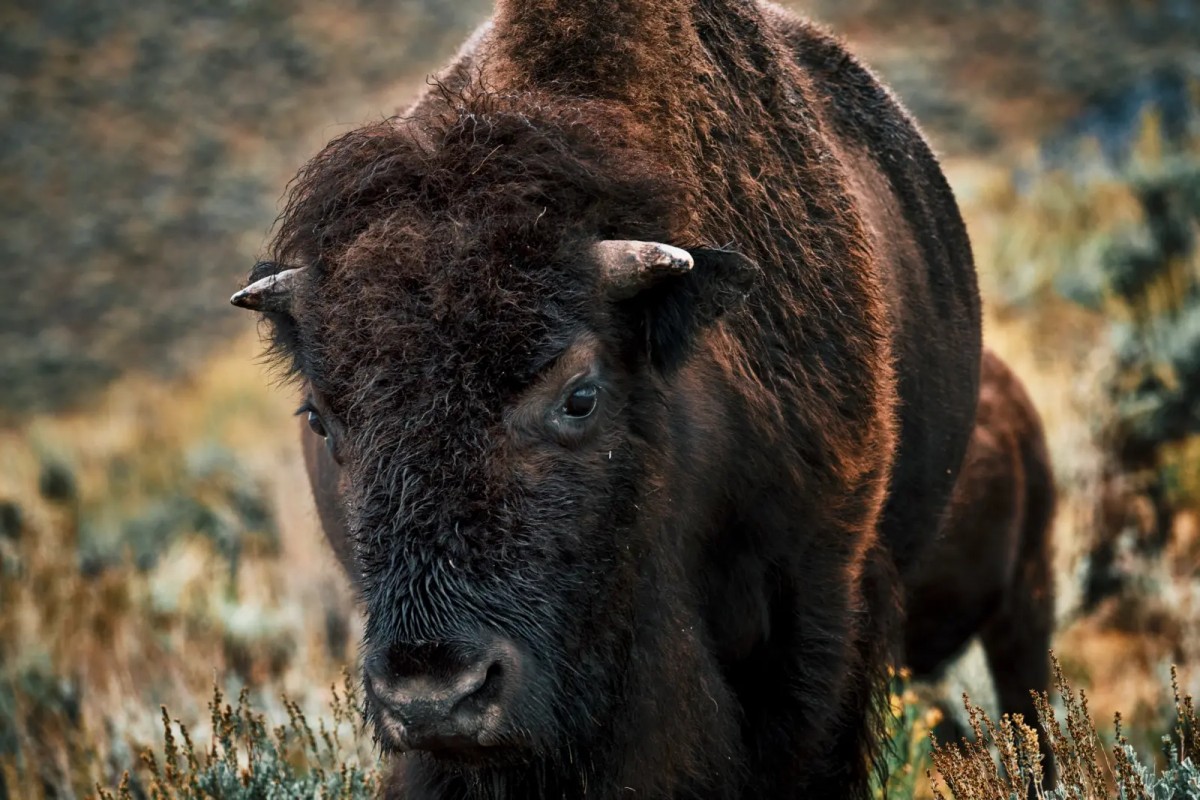
Cell signal is spotty in and around the park. Tell someone your plan, not just your destination. Think in windows of time instead of exact timestamps. If you see brake lights and silhouettes on a shoulder, it’s likely wildlife. Slow down. Use turnout etiquette and don’t block lanes for a photo. The animals here are not props, and that bison can pivot faster than you’d guess. Give big creatures big space - 25 yards for elk and deer, 100 yards for bears and wolves. That’s not fussy, it’s respectful.
Finally, the drive back. You’ll reverse it all, and it will feel different in an interesting way. Your eyes have learned the shapes of the land. You’ll recognize that barn, that bend, that one rolling meadow where the light goes weird and beautiful late in the day. Maybe you’ll stop somewhere you flew by on the way up - a diner with neon, a side road with a sign to a lake. These small decisions, they turn a trip into your trip.
Curious where to celebrate your return to civilization? West Yellowstone has microbrews and bison burgers, Jackson does mountain‑town glam with a grin, and Idaho Falls has the kind of diner pie that tastes like a secret recipe whispered across linoleum. Whether you came fast up the freeway or slow through the canyons, you’ll carry the same thing home - steam in your hair, sky in your pockets, and a sense that the map got a little larger while you weren’t looking .