From the mile-high skyline to steaming geysers, the drive from Denver to Yellowstone blends big Western skies, small-town cafes, and granite peaks that rise like a rumor. It’s a road trip for people who enjoy detours and daylight that stretches long. Pack layers, charge the camera, and give yourself permission to linger. The asphalt will carry you north, but the mountains will do the rest.
When to Go and How Far: Route Overview

The straight-shot drive from Denver , Colorado to Yellowstone’s South Entrance is around 500 to 550 miles depending on your line on the map. On paper that’s 9 to 10 hours. In reality, with scenic pullouts, coffee stops, and a few wow-moments that hijack your schedule, it stretches to a full day and then some. The most common route traces I-25 north out of Denver, hooks west toward Laramie and Rawlins on I-80, then cuts up US-191 through Pinedale and into Jackson - the gateway to Grand Teton and the southern doors of Yellowstone.
Summer is the crowd-pleaser: dry roads, long sunsets, campfire weather. Shoulder seasons - May to early June, and late September into October - often have fewer people and crisp light for photography, though mountain passes can throw a surprise snow squall. Winter is its own adventure with snow-packed roads and limited park access; many interior Yellowstone roads close to cars, transforming into a world of snowcoaches and ski tracks.

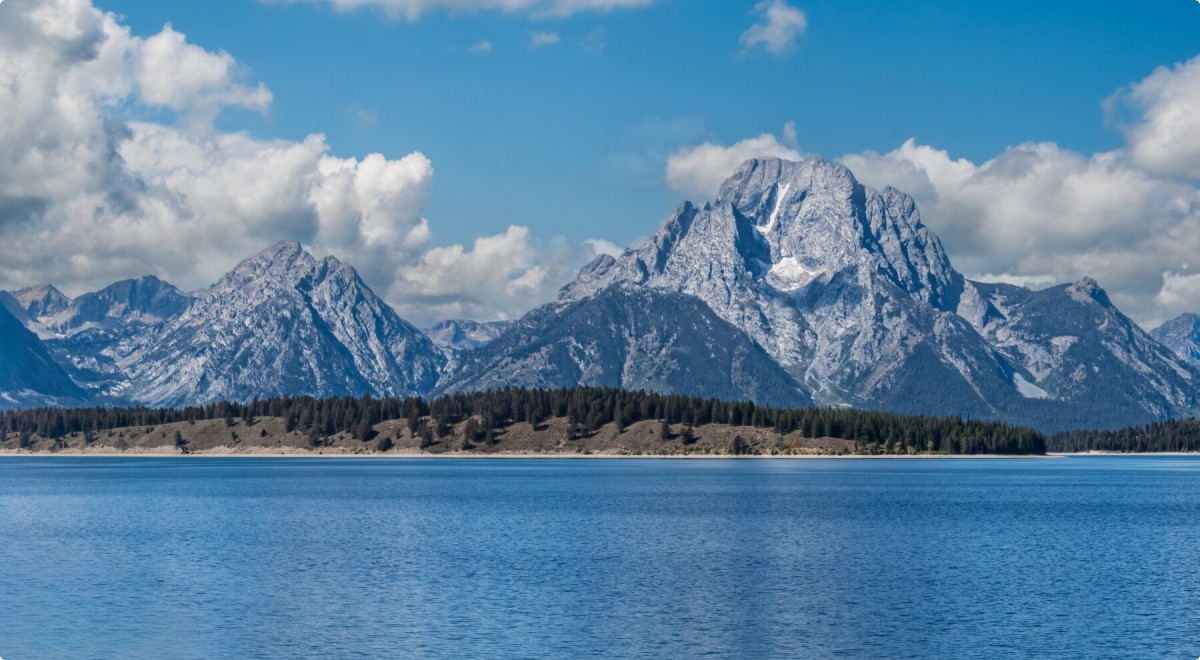
If you have time, let the Tetons be your scenic pause button. The granite skyline of Grand Teton National Park sits directly south of Yellowstone, and it is frankly too pretty to speed past. You can send a few hours on the Jenny Lake Loop and still make it north by early evening. If you’ve ever wanted to drive with mountains in your windshield like a movie poster, this is the stretch.
Core Route Options
- Front Range to I-80: Denver to Fort Collins to Laramie, then Rawlins and US-287/191 to Jackson. Good mix of interstate speed and scenic two-lanes.
- Northern Plains arc: Denver to Cheyenne to Casper, then Thermopolis and Cody to Yellowstone’s East Entrance. Adds history and hot springs, a bit longer but memorable.
Roads feel wide in Wyoming, two-lane ribbons where antelope outnumber traffic. It can be gusty in spots, especially between Rawlins and Pinedale, so keep both hands on the wheel. And while you can sprint it in a single day, consider halving the trip for sanity - a night in Laramie, Saratoga, or Jackson resets the brain and lets you arrive in the park ready to explore, not groggy.
Choosing Your Wheels and Planning Pickup
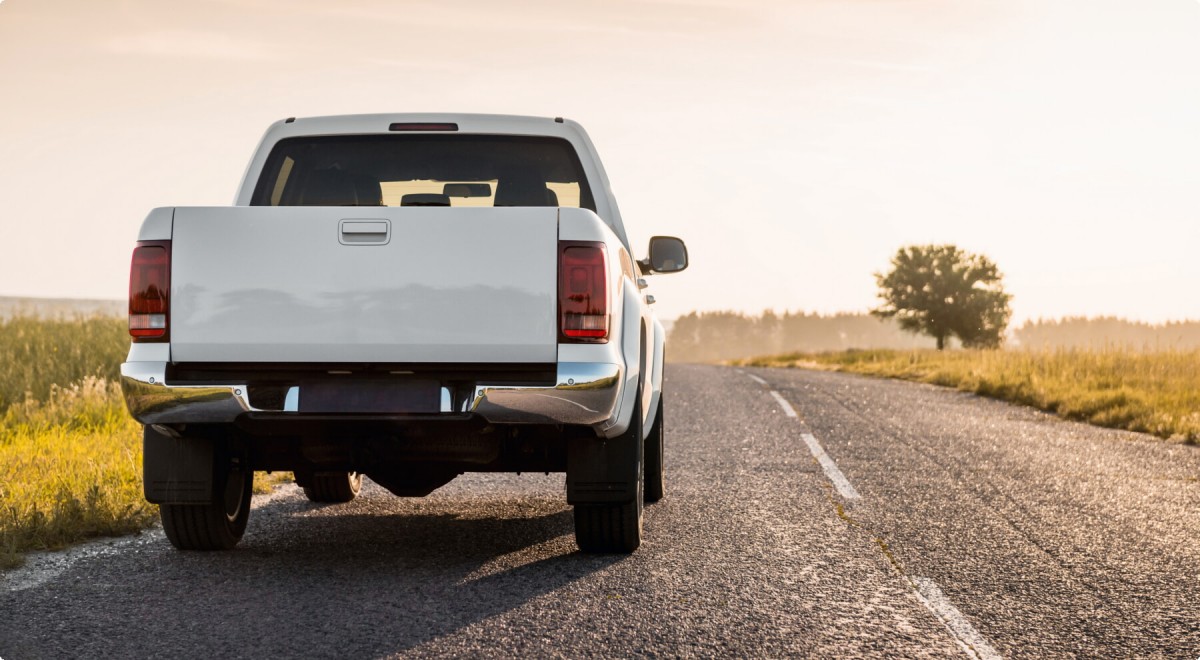
Your vehicle sets the tone for the whole ride. A compact car is efficient and fine for paved routes. An SUV with decent ground clearance adds comfort on frost-heaved sections and gives confidence if a late spring storm dusts the shoulders. You don’t need hardcore 4x4 for paved park roads, but AWD helps in shoulder seasons when roads glaze up at dawn.
Flying in? Grab a convenient pickup at the airport and roll straight onto the interstate. Booking early helps you snag better prices and your preferred class. For that, check current offers for Denver Airport car rental with flexible pickup hours and quick returns. Staying a night downtown first? You can also rent a car in Denver near your hotel and skip airport crowds.
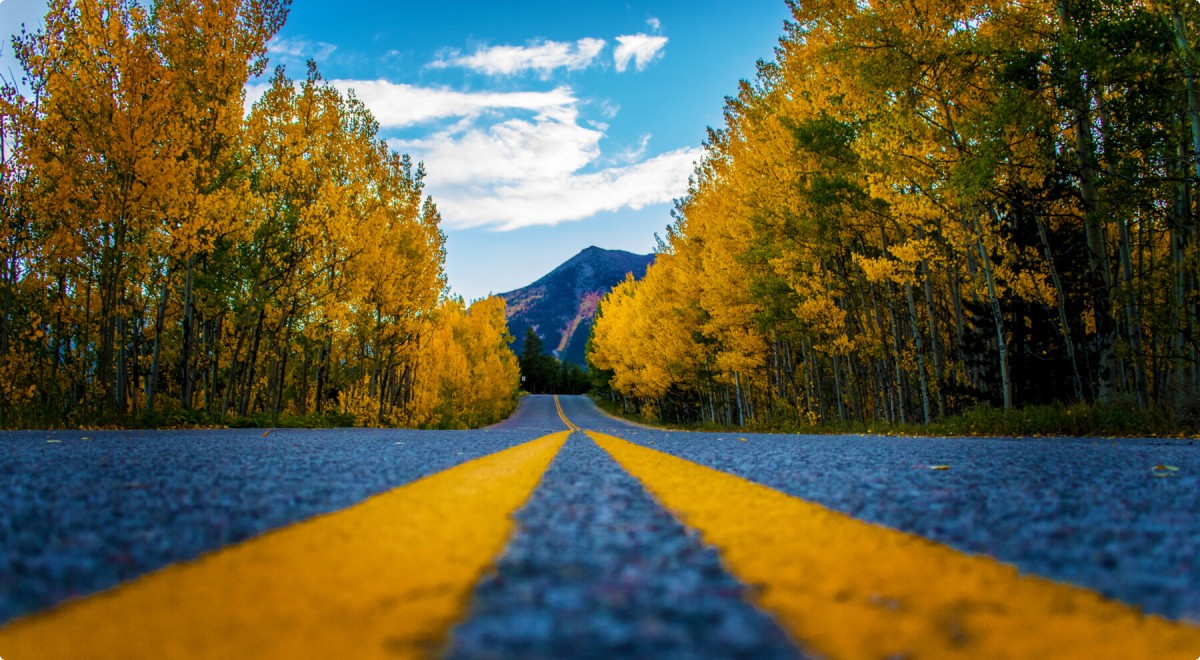
Think about the small things. A windshield sunshade makes high-altitude parking bearable. A small cooler keeps drinks cold from Denver , all the way to the geyser basins. If you’re traveling with kids, aim for a vehicle with rear-seat air vents - Wyoming summer sun is real. And ask the rental desk about toll policies; while you won’t see many toll roads in Wyoming, the Front Range has express lanes where the rules can be confusing to visitors.
Altitude is a sneaky travel companion. Denver sits at 5,280 feet and Yellowstone climbs above 8,000 in places. Take it slow on day one. Drink more water than you think you need, and build wiggle-room into your schedule.
- Carry printed directions in case your phone loses signal.
- Fuel up before half a tank in rural stretches.
- Keep a windbreaker handy - gusts and quick showers roll in fast.
- Check your spare tire; many rentals include inflator kits instead.
One more thought on comfort: bring a simple microfiber cloth. High-country dust builds up on windshields and camera lenses, the cloth keeps your view crisp. A phone mount reduces fumbles when you’re swapping podcasts or maps. Finally, budget time - not just money. Yellowstone rewards slow pacing; the most common regret I hear is trying to do too much too fast.
A Scenic Itinerary: Day-by-Day From Denver to Yellowstone
Day 0: Stretch Your Legs in Denver
If timing allows, arrive a day early and ease into altitude with a short hike at Red Rocks Park and Amphitheatre. Walk the stairs at sunset, listen for echoes bouncing off sandstone. Grab dinner in LoDo or a hearty green chile somewhere along Colfax, and pack the car before you sleep so the next morning is simple.
Day 1: Denver to Laramie or Saratoga
Head north on I-25 past Fort Collins then angle northwest to Laramie. It’s an easy half-day, on purpose. Visit the historic downtown, get coffee where the barista knows everyone by name, and let your lungs adjust. If hot springs sound like heaven, continue 90 minutes west to Saratoga for a soak and a quiet night. Short day, soft landing.
Day 2: Laramie/Saratoga to Jackson
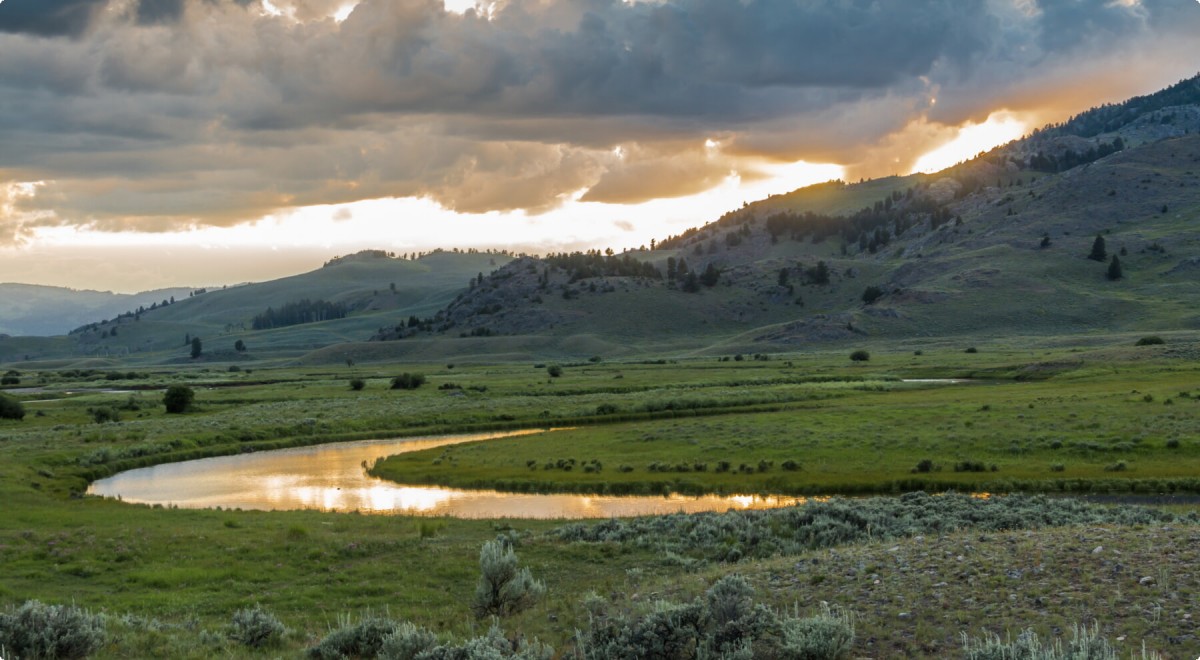
Pick up I-80 west to Rawlins, then US-287 and US-191 through the granite of the Wind River Range. Two-lane roads in Wyoming have their own cadence - long straights, quick curves, a hawk riding thermals over sagebrush. Grab lunch in Pinedale, where truck beds carry fly rods and the air smells like fresh timber. By late afternoon you’ll roll into Jackson, hemmed by cliffs and bright shopfronts. The evening light on the Tetons is a picture you won’t forget.
Day 3: Grand Teton National Park to Yellowstone South Entrance
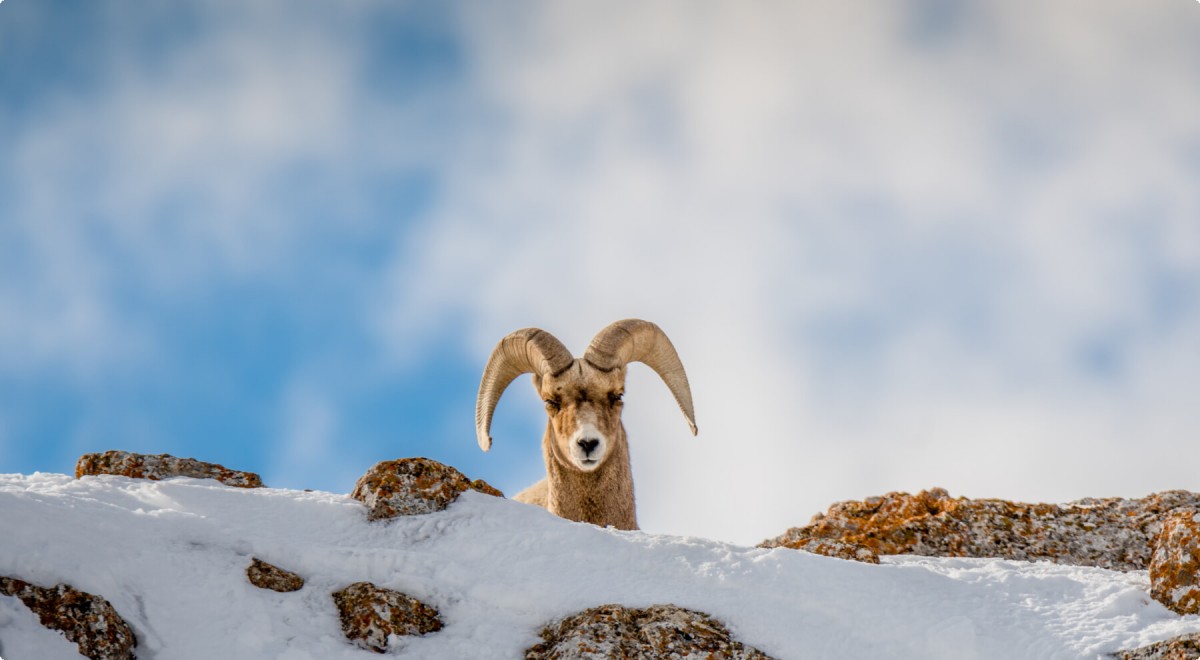
Sunrise in the Tetons is mandatory. If you want the classic barn-with-mountains shot, cruise out to Mormon Row Historic District. As the first light hits the Moulton Barns, swallows dart like commas in the cold air. After a late breakfast, explore the Jenny Lake area, then steer north on the John D. Rockefeller Jr. Memorial Parkway. In about an hour, the Yellowstone sign appears and the forest takes on that old volcanic energy.
Day 4: Geyser Day - Old Faithful, Biscuit Basin, and Grand Prismatic
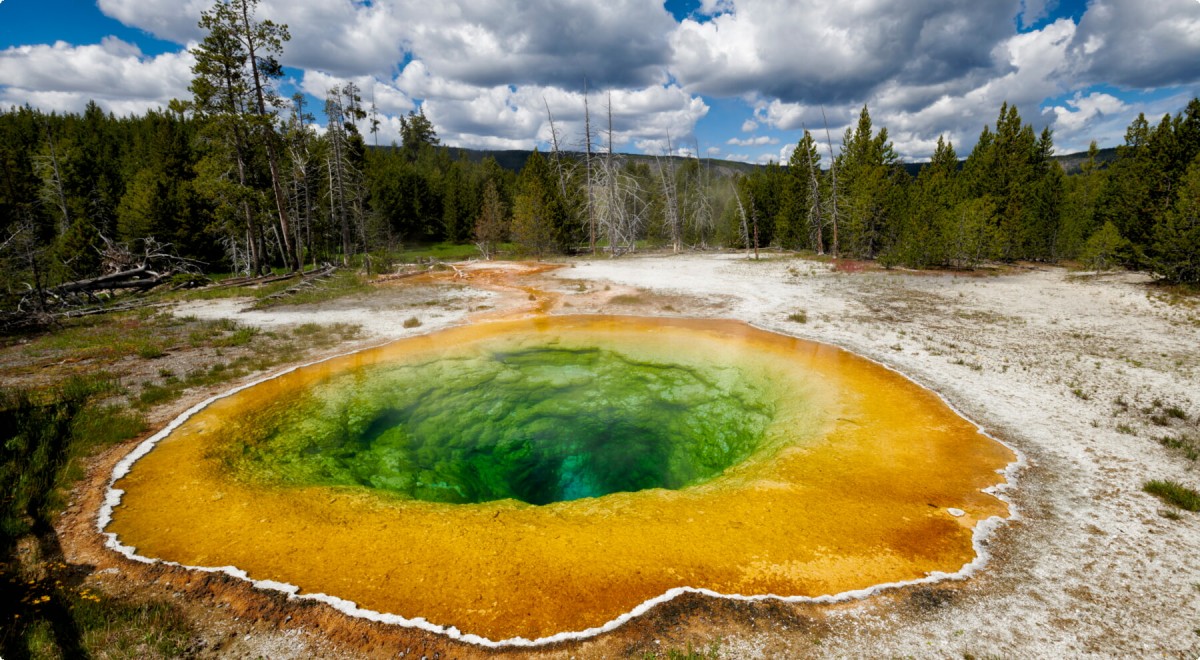
Base yourself near Old Faithful if possible, or hit the lot early to beat the mid-morning rush. Watch a scheduled eruption at Old Faithful, the plume roaring up like a boiling kettle. Then wander the boardwalks through Biscuit Basin and Midway Geyser Basin. The steam smells faintly of minerals and eggs, like the Earth brewing tea. Grand Prismatic’s colors are unreal - orange mats, turquoise water, a thin ribbon of blue that looks painted by a restless hand.
Day 5: Canyon and the Hayden/Lamar Valleys
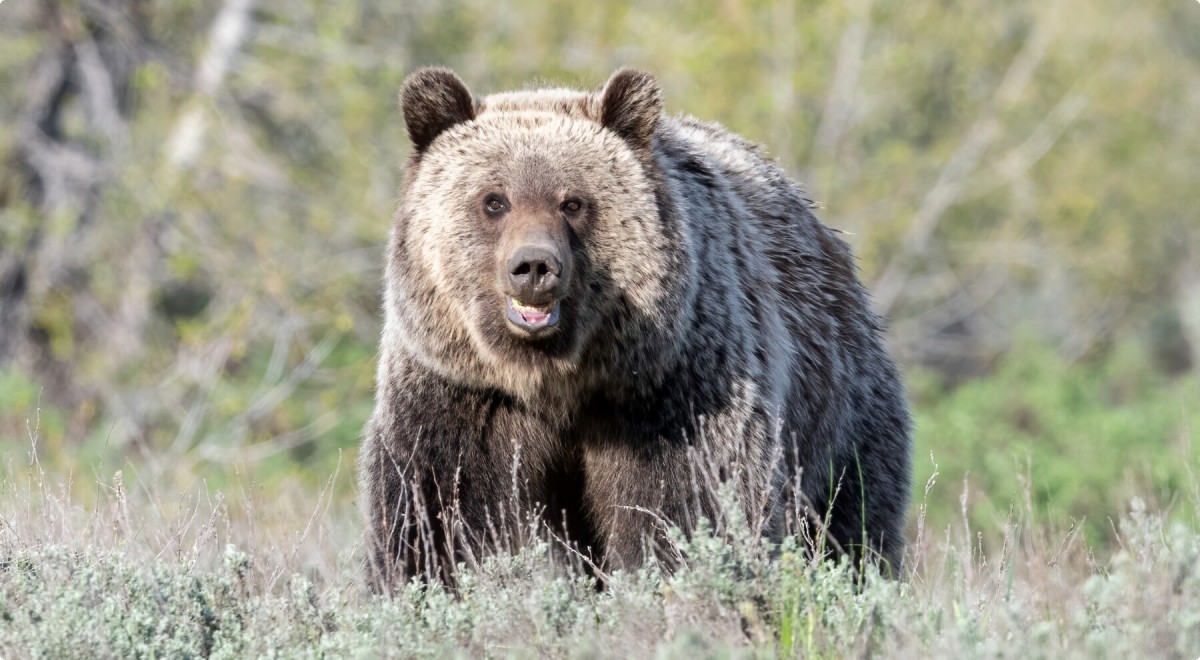
Drive east toward Canyon Village to see the Grand Canyon of the Yellowstone. The river plunges in a pastel gorge that glows like a watercolor when the sun hits just right. Later, point the hood toward Hayden or Lamar Valley. Bison graze like heavy sofas on legs, sometimes close enough that you hear them exhale. If wolves are on your wishlist, dawn and dusk are your best friends; patience is your second best friend.
Day 6: Mammoth Hot Springs and the Northern Range
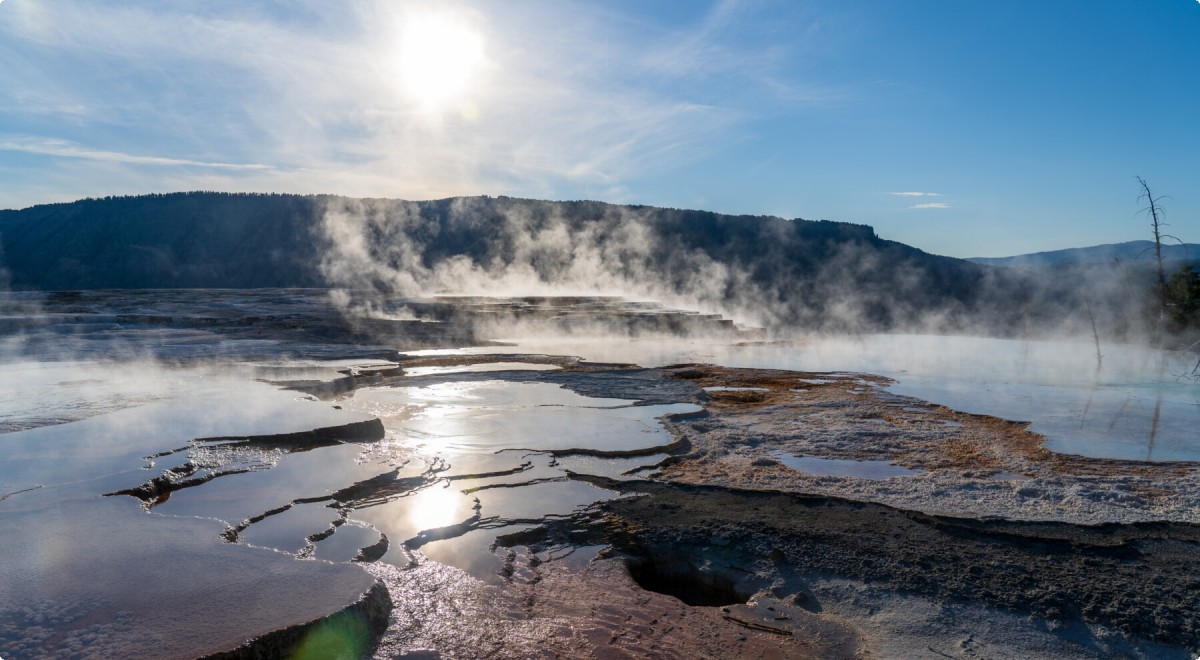
Loop north to the white terraces of Mammoth Hot Springs, where mineral-laden water sculpts steaming staircases. Elk often lounge on the hotel lawn as if they booked the place. From here, you can exit through Gardiner for a change of scenery, or circle back into the park and aim toward your next overnight.
Alternate Spur: Cody and the East Entrance
If your route angles through Thermopolis and Cody, take time for the Buffalo Bill Center of the West and an evening rodeo in midsummer. The road into Yellowstone’s East Entrance winds along the North Fork Shoshone River, canyon walls rising like a fortress. It’s a slower, story-rich approach that pairs well with history buffs and folks who like their coffee with a side of cowboy lore.
If you see bison blocking the road, do not honk, just wait. Keep at least 25 yards from bison and elk, 100 from bears and wolves. Use your zoom lens instead of your feet - the animals are bigger, faster, and very much at home.
In every version of this itinerary there’s room to breathe. Maybe you pull off for a picnic at a small lake that isn’t on any “top ten” list. Maybe a thunderstorm rips across the sage and you sit in the car, watching curtains of rain sweep the valley. Those unscripted pauses often become the memory - the sky feels bigger after.
Can’t-Miss Stops Along the Way

The connective tissue between Denver and Yellowstone is full of small delights. Some are five-minute views at a turnout; others are slow-wander afternoons. Here’s a sampler:
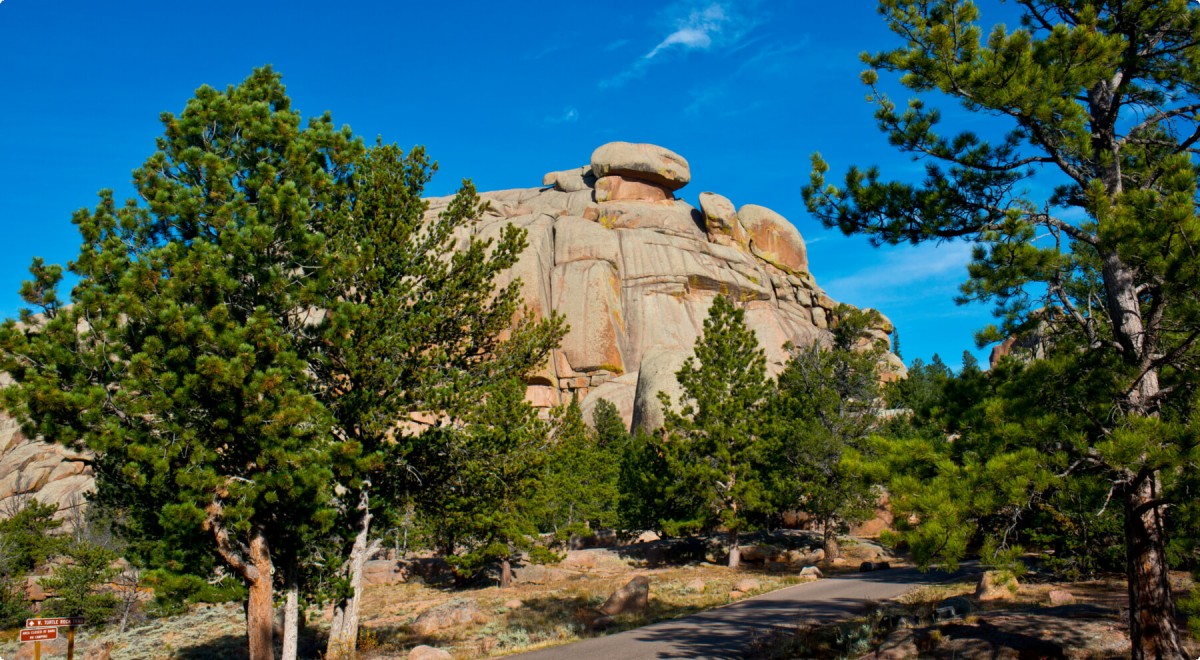
- Vedauwoo Recreation Area (near Laramie) - eroded granite formations that look like a child stacked boulders for fun.
- Saratoga Hobo Hot Springs - free community pools where locals swap fishing reports and the steam smells clean.
- Pinedale Museum of the Mountain Man - a quick history infusion before you point toward the high country.
- Jackson Town Square - antler arches and a swing-through for bison burgers or trout tacos.
- West Thumb Geyser Basin - a boardwalk along Yellowstone Lake, steam rising over blue water like a magic trick.
- Artist Point at the Grand Canyon of the Yellowstone - classic, because it’s earned it.
Beyond the headliners, leave one blank box in your day. A roadside pie shop. A gravel turnout where the wind smells like pine and rain. A short trail that wasn’t on your plan but is calling your name from the map. The road gives you these little gifts if you’re listening.
Construction ramps up in summer, and mountain passes can close temporarily in early spring or fall storms. Check park road status the morning you drive, and be comfortable pivoting your plan by a few hours, or a day.
Another worthy detour if your schedule allows is the scenic drive over Teton Pass from Jackson to Wilson and on toward Victor. On a clear evening, the light pools in the valleys and hawks sit on fenceposts like punctuation marks. Stop often, even if it’s just for a breath. That’s what the shoulder is for.
Lodging, Permits, and Park Logistics

Inside Yellowstone, lodging books out months ahead, especially around Old Faithful, Canyon, and Lake. If park rooms are full, look just outside the gates in West Yellowstone, Gardiner, or Cooke City. In peak season, plan dinners early - 5:30 p.m. reservations can be the difference between a table and a long wait. And don’t overlook the simple charm of picnic dinners; a loaf of bread, some cheese, a handful of cherries, the best view in the world.
Campers should snag reservations early or be ready for first-come-first-served strategies at more remote sites. Fire restrictions change with conditions; respect them. For park entry, consider the America the Beautiful pass if you’re hitting multiple national parks. Cell service varies: you’ll have signal near some hubs, none in bigger valleys. It’s quiet, on purpose.

If your route exits Yellowstone’s northeast side toward Red Lodge, the drive over the Beartooth Plateau is famous for a reason. Research the scenic byway on Beartooth Highway to see if it fits your timing and season. It’s a high, winding ribbon cut through summer snowfields - worth every mile when it’s open.
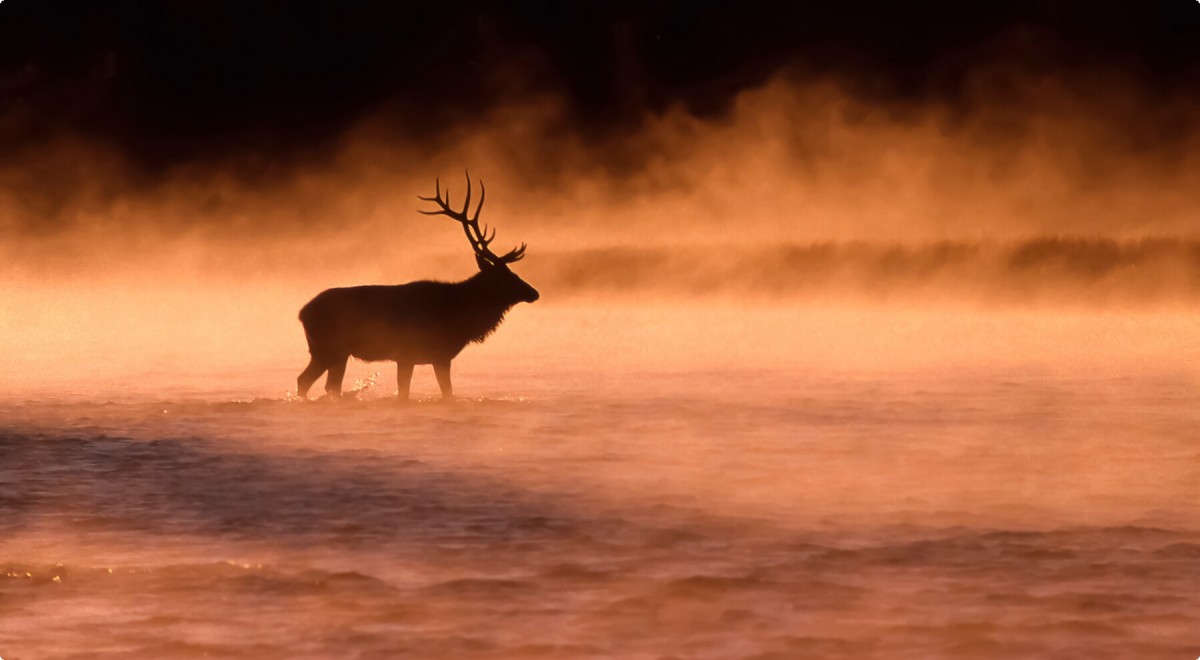
Yellowstone runs on early mornings. If you argue with the alarm clock, remember that wildlife, parking, and the angle of the sun all reward the dawn patrol. Slip into a hoodie, grab a thermos, and join the quiet hour when mist lingers over rivers and the park hasn’t fully woken up yet.
Practical Tips: Weather, Safety, and Packing

Mountain weather pivots quickly. In July you might drive through a sun-baked valley and meet a cold squall twenty minutes later. Pack layers: a light puffer, breathable base layers, a rain shell. Shoes that handle slick boardwalks matter - geyser spray makes surfaces slicker than they look. Also, bring a hat. High-altitude sun is sneaky, and it bites.
- Essentials: headlamp, reusable water bottles, snacks that don’t melt, basic first aid, sunscreen, and a map you can fold.
- Nice-to-haves: binoculars, a warm blanket for dawn wildlife watches, a compact tripod, and a car charger with multiple ports.
- Winter shoulder add-ons: traction devices for boots, insulated gloves, and windshield de-icer.
Drive with patience. If you hit “bison jams,” treat them as a front-row nature documentary. Roll down the window and listen - you’ll hear hooves on pavement, low rumbles, calves calling to their mothers. When the weather turns, roads get slick fast, so slow down and leave generous space. Gas stations can be far apart; top off in Jackson, West Yellowstone, or Gardiner before wandering into quiet corners of the map.
One more thing about pacing, because it matters. Your energy has limits, just like daylight, and trying to check off every sight snaps the thread. Instead, pick two priorities per day and overflow with anything extra. Pack layers because weather swings hard, you can have frost at dawn and T-shirt sun by noon. And don’t forget to simply sit at a turnout sometimes, no photos, five minutes of nothing. That tiny pause will make the next view brighter.
How long should you plan for the whole drive? Four days is the compressed version: one or two to reach Jackson, two to three inside Yellowstone. Six to eight days is ideal if you like room to wander. Could you do it in fewer? Sure. But why rush when the sky feels bigger every mile, and the steam over the river looks like story smoke rising from the earth.