Utah’s national parks don’t feel lined up on a checklist - they feel scattered like found objects across an enormous workbench of stone. One turn brings a field of arches, another a canyon that drops away as if the ground forgot to continue. This route from Arches to Zion follows that variety: glowing slickrock, quiet orchards, hoodoo amphitheaters, and a canyon where light behaves like water.
A road trip state in disguise: distances, gateways, rhythm
Utah’s “Big Five” are often introduced as separate icons, but on the ground they behave like chapters in one long geology story. The pages are turned by driving: empty basins, sudden cliffs, small towns that appear right when fuel and coffee start to matter. The route from Moab to Springdale can be done fast, yet it’s better treated like a slow dial - each park shifts the scenery and the pace.
For travelers arriving from the east, starting in Colorado can make practical sense, especially when flight options and one-way itineraries are being compared. A pickup in the city keeps the first day simple, then the landscape opens gradually on the way to Moab; booking through car rentals in Denver places the wheels under the trip before the red rock begins. Approaching from the north is equally natural - Salt Lake City functions like a hinge between urban life and open plateau, with the final approach southward turning steadily drier and brighter.
Driving times in Utah look friendly on a screen, but the state has a habit: viewpoints steal minutes, roadcuts invite quick stops, and small detours feel harmless until daylight tilts. Even gas stations become geographic markers. It helps to think in “windows” instead of hours - a morning window for tight canyon shadows, a midday window for higher elevations, an evening window for sandstone that suddenly looks lit from within.
Season matters less as a binary “good/bad” and more like a personality change. Spring brings cool air and occasional wind that tastes faintly of dust. Summer adds heat that can flatten plans. Autumn often feels tailored - clear skies and long light. Winter, when roads stay open, can be unexpectedly sharp and quiet , especially in higher parks where snow behaves like a color filter over orange stone.
Arches: sandstone that learned to bend
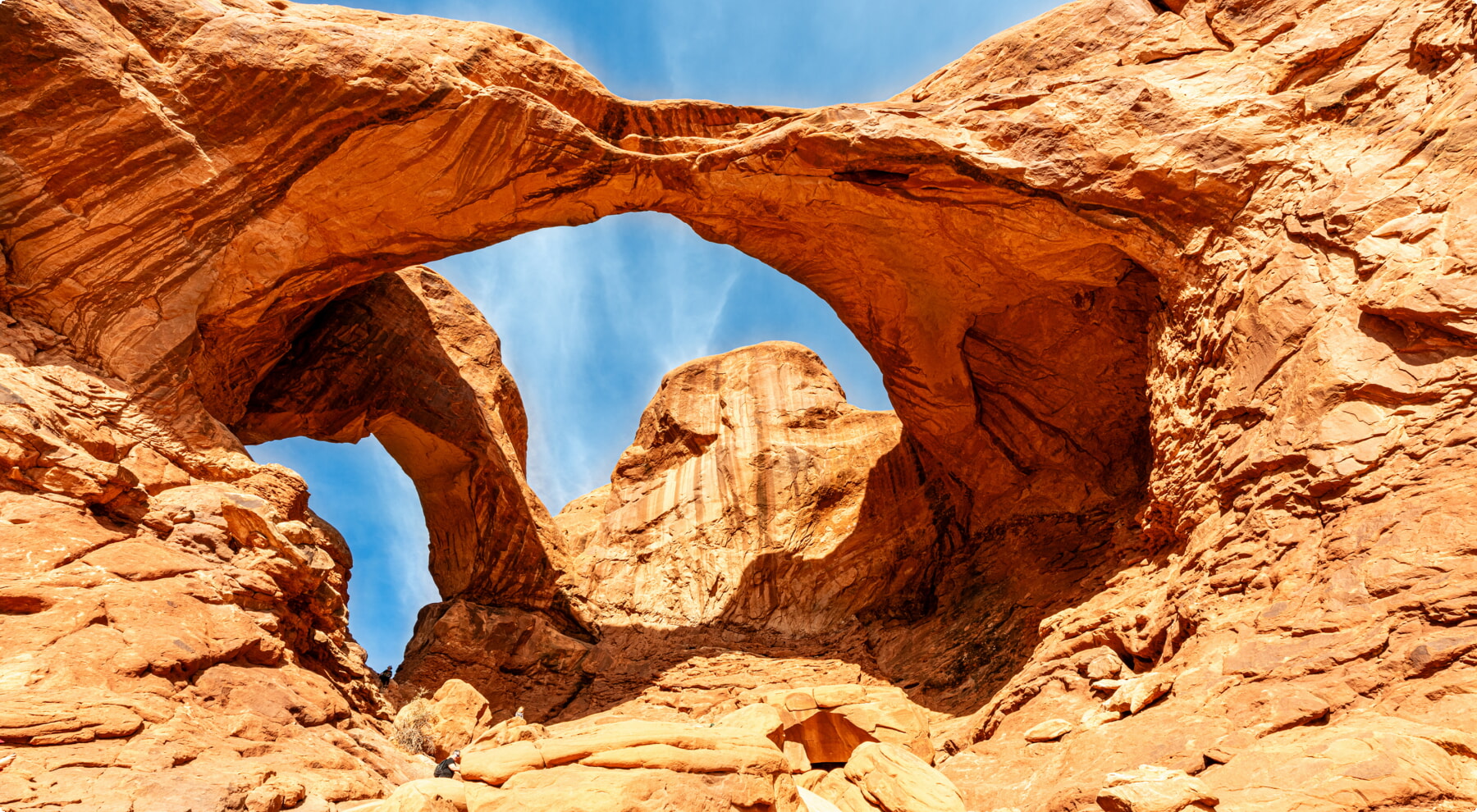
Arches National Park introduces Utah with a kind of visual confidence. The formations look impossible in a way that feels almost playful, as if the rock decided to try on new shapes and never changed back. What makes the park addictive is not only the famous icons, but the frequency of small surprises - fins that look like walls, alcoves that frame sky, boulders that appear balanced by a private physics.
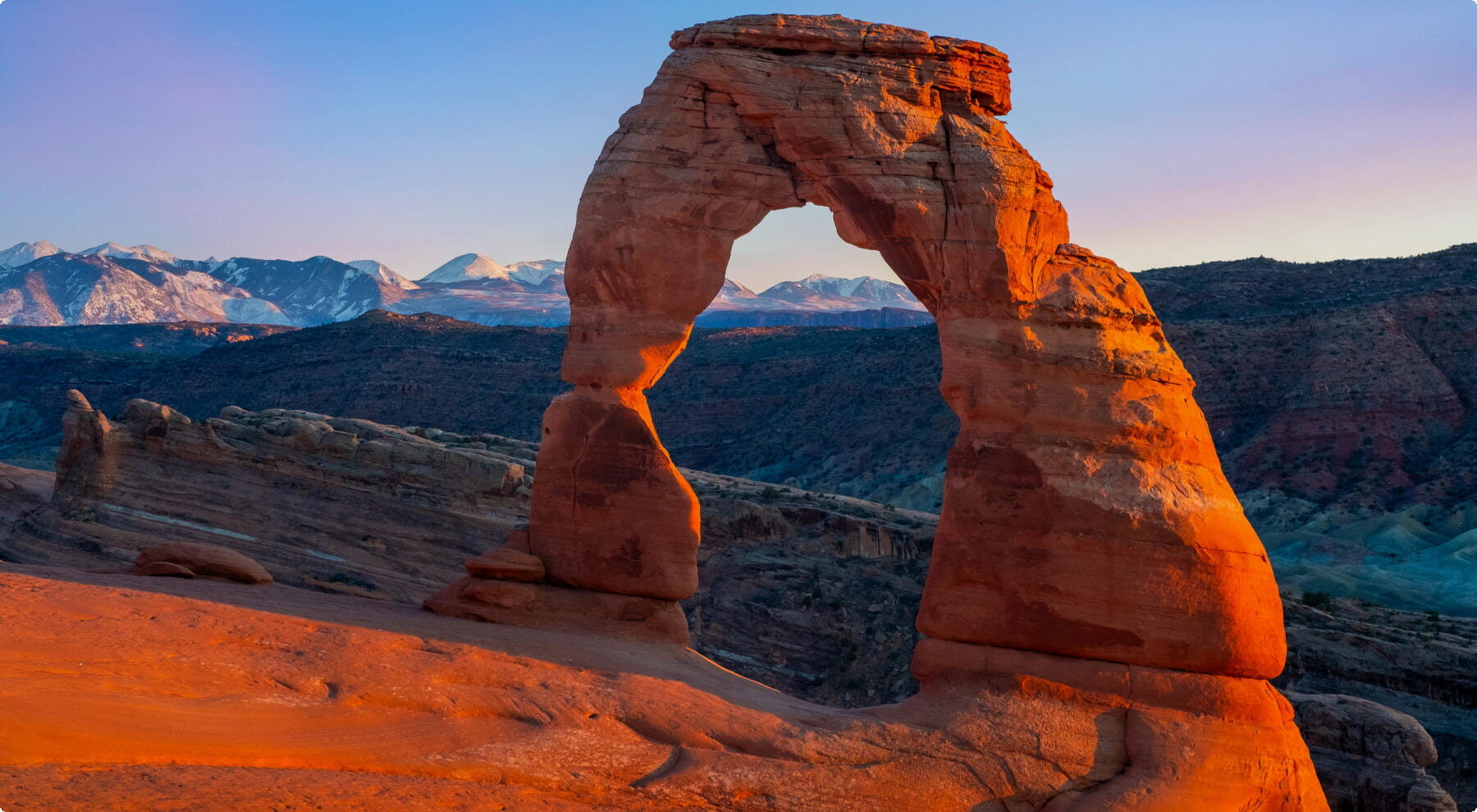
The park’s best-known landmark, Delicate Arch, earns its reputation not because it is the only beautiful arch, but because it is staged so well: a long walk, a sudden reveal, then that clean span standing alone like a signature. The hike also teaches a Utah lesson early - distances that seem modest can feel longer on slickrock, where the ground reflects sun and the horizon keeps moving.
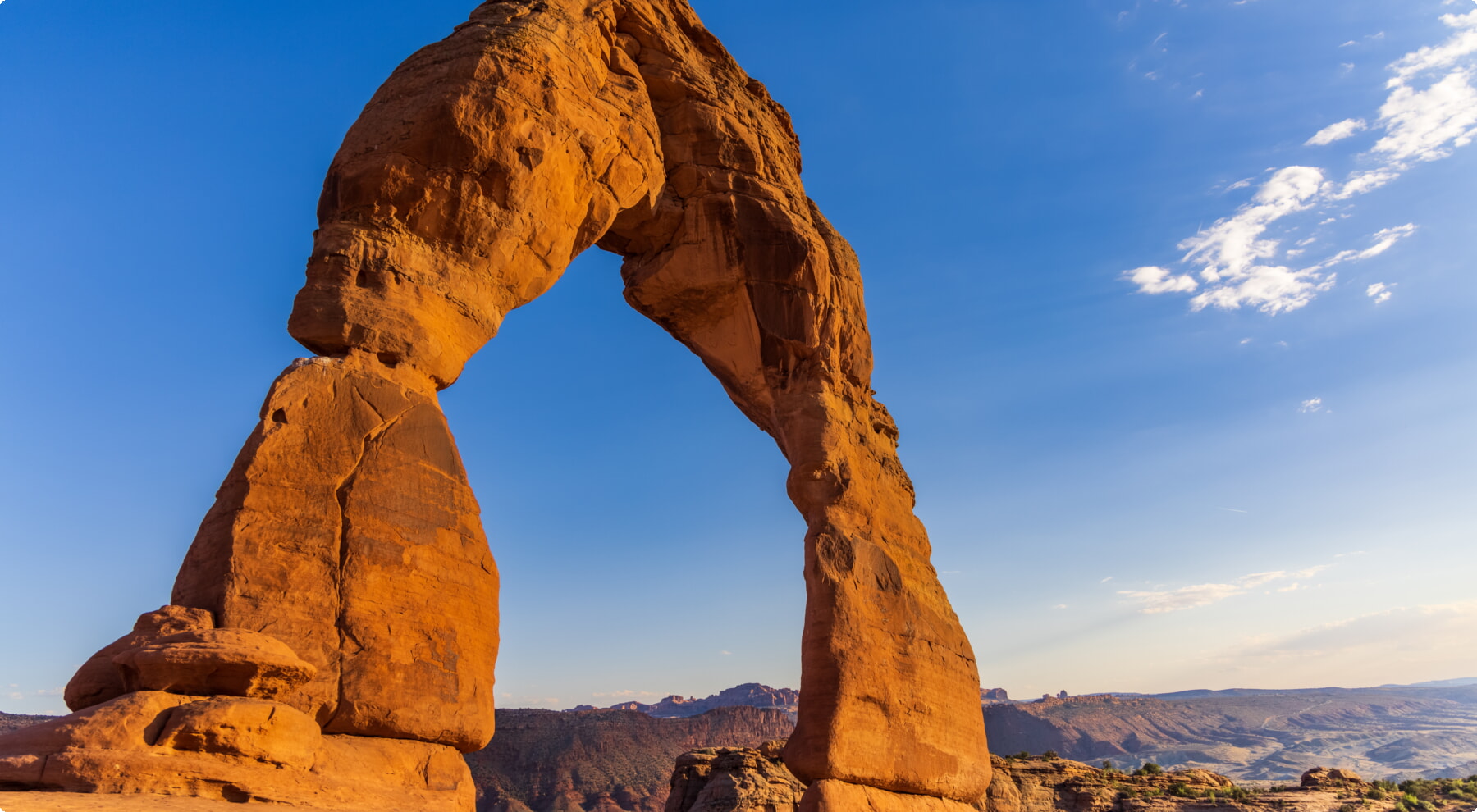
Timing in Arches is a quiet strategy. Early morning light can make the rock look peach, and late afternoon brings stronger contrast, with shadows that carve out texture. Midday works for narrow features and for anyone who enjoys the high, dry brightness of desert noon. Parking can become the real bottleneck in peak season, so short walks with flexible start times often deliver more than a single famous trail approached at the worst hour.
Small walks with big payoff
- Windows Section: an easy cluster where arches stack like punctuation marks, best when the sun is low enough to give them depth.
- Park Avenue: a canyon-like corridor that makes the visitor feel temporarily small, in a satisfying way.
- Sand Dune Arch: a brief wander into soft sand and shade - the temperature shift can feel like stepping into a different room.
Logistics start in Moab, which functions as the park’s porch. For a clean start, the visitor center is a practical first stop - and a good way to gauge conditions before committing to a long hike; Arches National Park Visitor Center, Moab is also a reliable navigation anchor when mobile coverage gets moody.
Arches can be photographed endlessly, yet the deeper memory is often tactile: warm stone under a palm, gritty wind, and the odd hush that happens when a group falls silent without planning to. In spring the days are gentle, the nights still drop fast and the rock seems to store the last of the sun like a heated bench.
Canyonlands: three districts, one huge silence
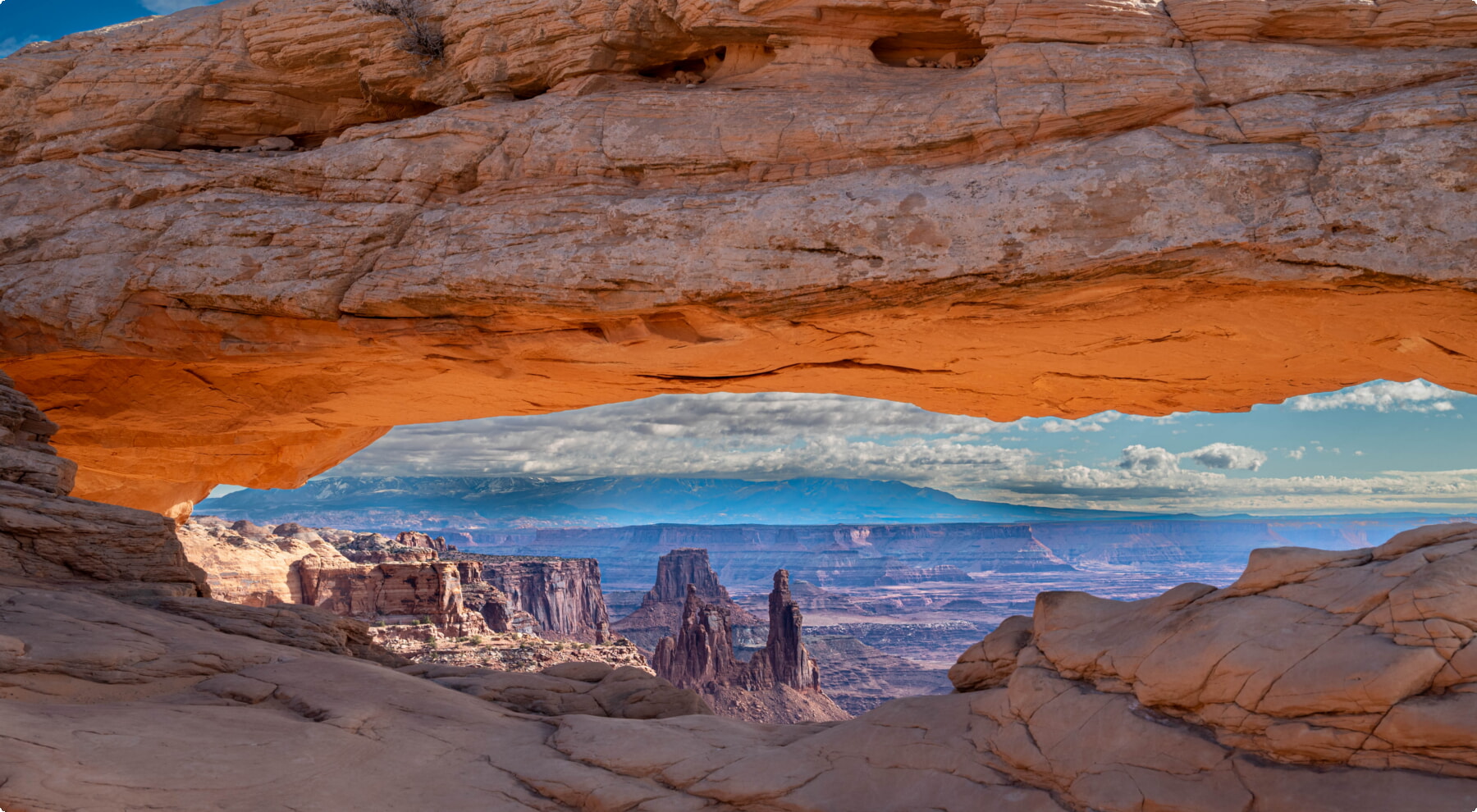
Canyonlands is less a single park than a broad idea with borders. It is divided into districts - Island in the Sky, The Needles, and The Maze - and each one feels like a separate world. The common thread is scale: rivers that look like threads from above, mesas that resemble ships, and distances that refuse to be fully understood until the body stands next to them.
Island in the Sky is the most accessible district, and it delivers immediate drama. Overlooks act like balconies above an enormous map. The experience is oddly domestic in the best way: a person can step out of a vehicle, walk a few minutes, and be confronted with a view that belongs to airplane windows. The light can make the canyon appear layered like a cake, but with shadows that taste sharper.
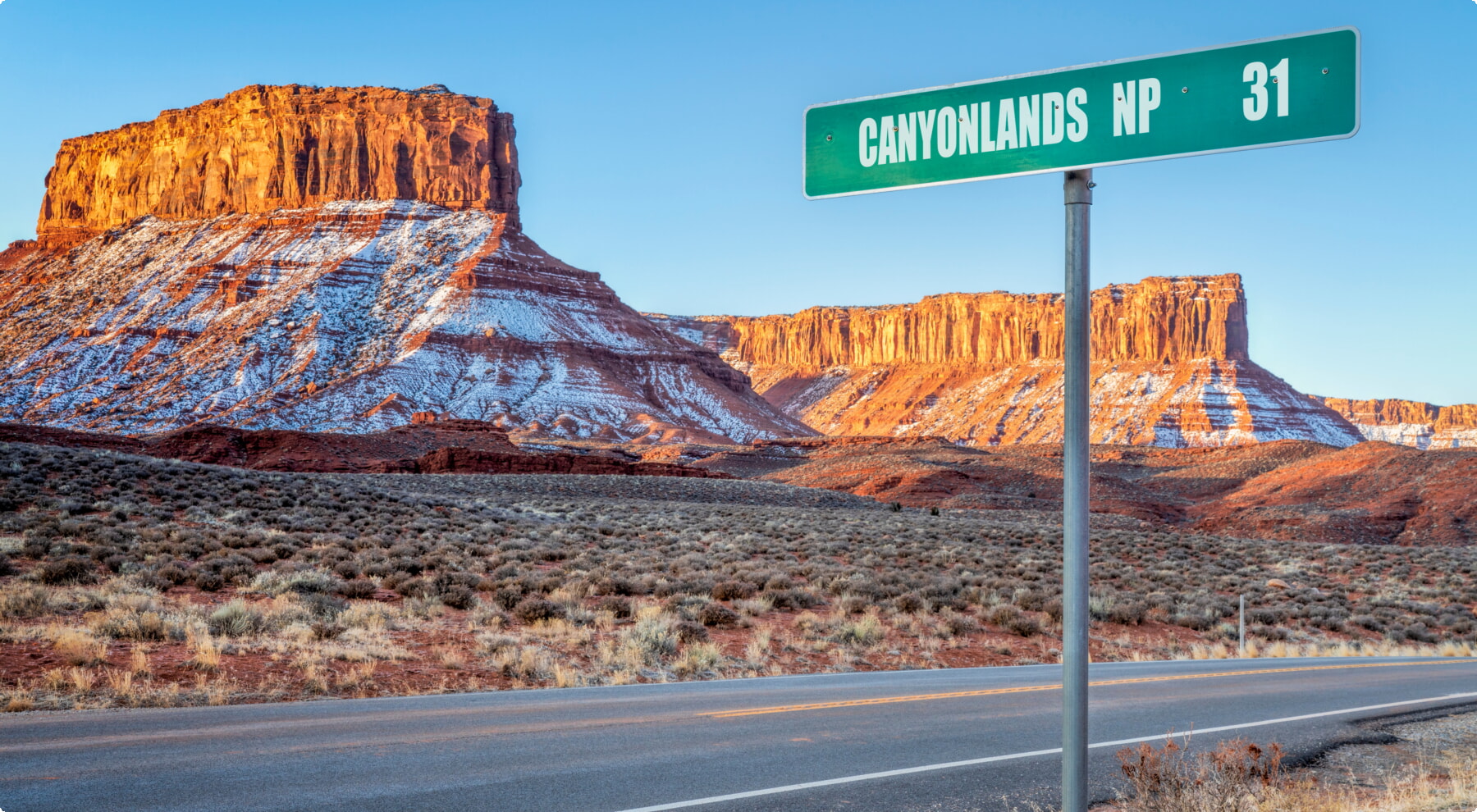
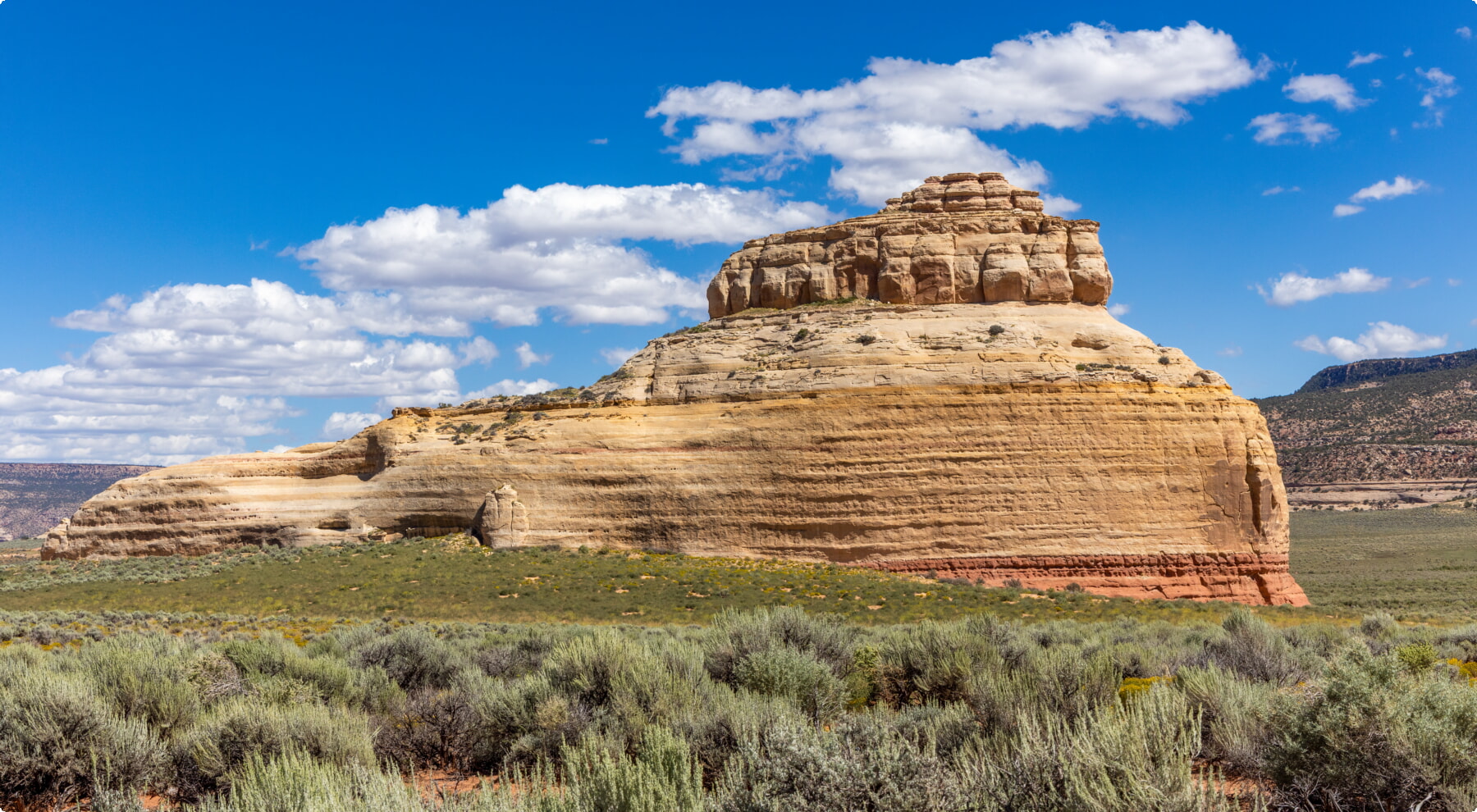
The Needles district trades some of that instant altitude for intimacy. Trails wander among striped spires and cryptobiotic soil, and the terrain asks for attention. It is the kind of place where a mile feels full because the eyes keep stopping - at patterns, at textures, at the way a juniper leans into a crack in rock. The Maze, meanwhile, is a commitment; it is remote enough that it feels like a private conversation with the desert, and it should stay that way for those prepared for it.
Canyonlands after dark can feel like the park has doubled in size. When the sky is clear, the “ceiling” becomes the main attraction, and the silence gets almost theatrical.
Canyonlands also teaches restraint. Not every viewpoint needs to be chased, and not every trail needs to be “completed.” Sometimes the best use of an afternoon is sitting at an overlook long enough for the canyon to stop looking like a postcard and start looking like a place with temperature, wind direction, and moving shade. The desert does not reward rushing, it rewards noticing.
Capitol Reef: the park that rewards curiosity
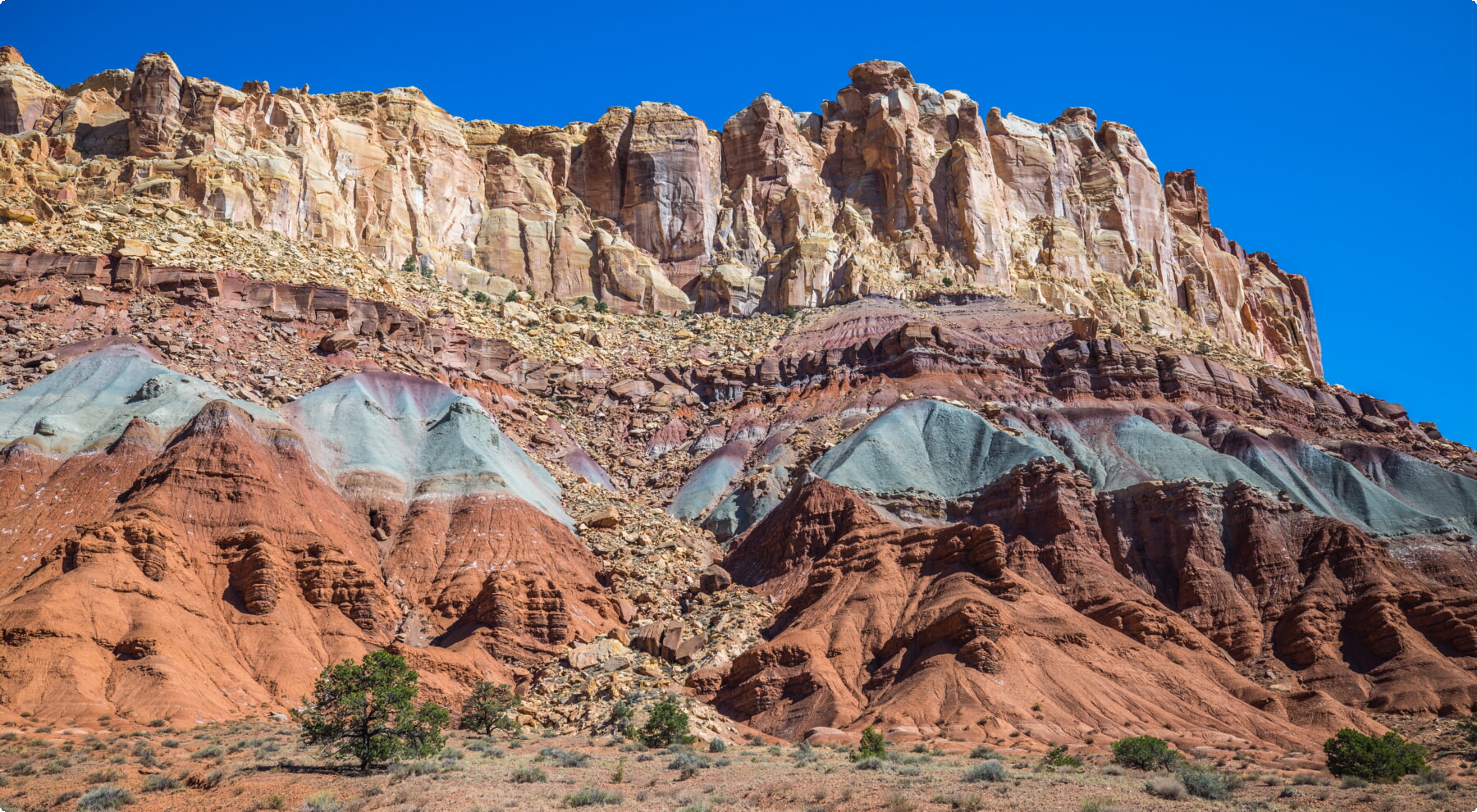
Capitol Reef often arrives quietly in the Big Five narrative, and then steals affection. It is not as instantly iconic as Arches, not as vertically dramatic as Zion, but it has a lived-in quality. The Fruita area, with its historic orchards, makes the desert feel briefly domesticated - like a small garden placed at the edge of something wild. Then the Waterpocket Fold rises, a wrinkled backbone of stone that runs for miles as if the earth had been nudged and never smoothed back out.
The park’s pleasures are layered. One layer is scenic driving: cliffs shifting color, narrow canyons cutting into the fold, sudden pockets of cottonwoods. Another layer is the short hikes that lead to surprise chambers or slot-like corridors. Capitol Reef has a way of presenting “just one more” trail that looks short on paper and then unfolds into something memorable.
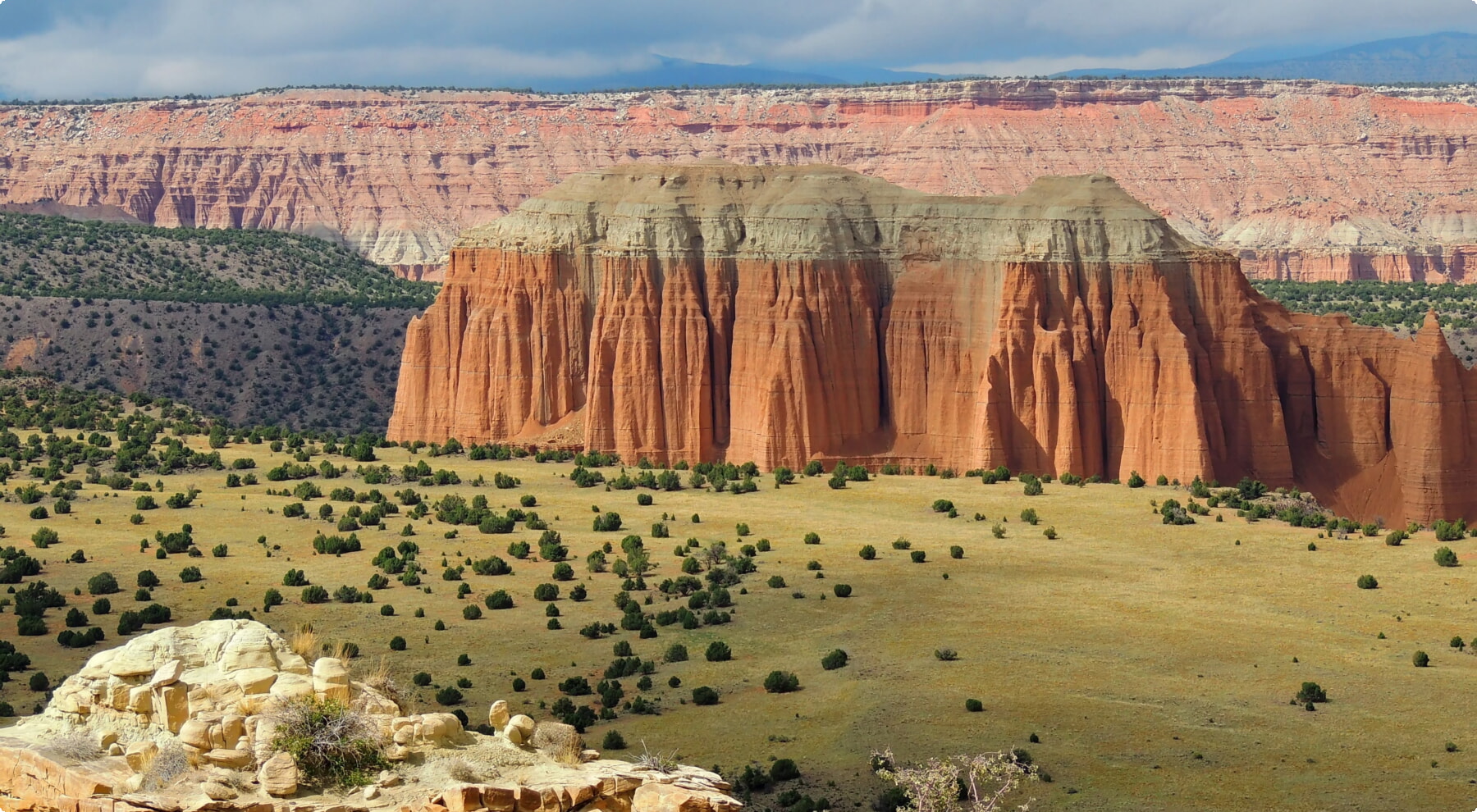
Fruita’s orchards - when in season - add a sensory twist: the smell of fruit and grass in a landscape usually defined by sage and stone. It can feel like finding a tiny farmers market in the middle of a sculpture garden. This odd contrast is part of the park’s charm; nothing is trying too hard to impress, and that’s precisely why it does.
Capitol Reef works best when treated like a series of short discoveries rather than one big push. A little structure keeps the day from turning into a blur of pullouts and repeated scenery.
- Start with one long-ish hike in the cooler part of the day, then switch to scenic stops and short trails when the sun turns sharp.
- Use Fruita as a “reset point” between adventures - it is easier to stay oriented when returning to a familiar hub.
- If a dirt road is on the plan, check recent conditions locally; a dry-looking track can change fast after storms.
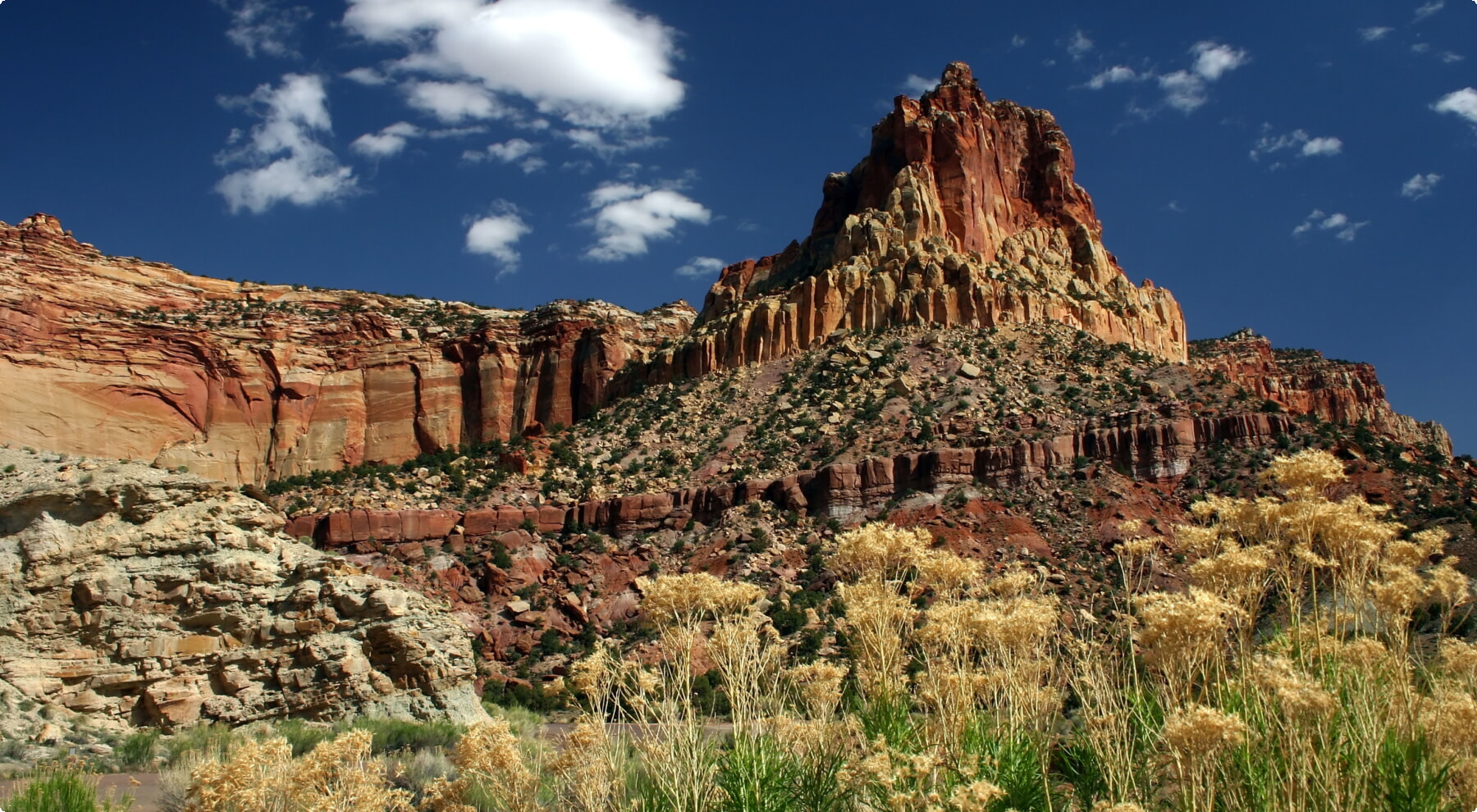
What lingers from Capitol Reef is often the feeling of having found something slightly off the main stage. There’s less of the “everyone is here” energy, more of the “this is between places” mood. The road through the region, especially when connecting toward Highway 12, becomes part of the attraction - long sightlines, sudden folds, and little pockets of shade that feel earned.
Bryce Canyon: a theater of stone and morning light
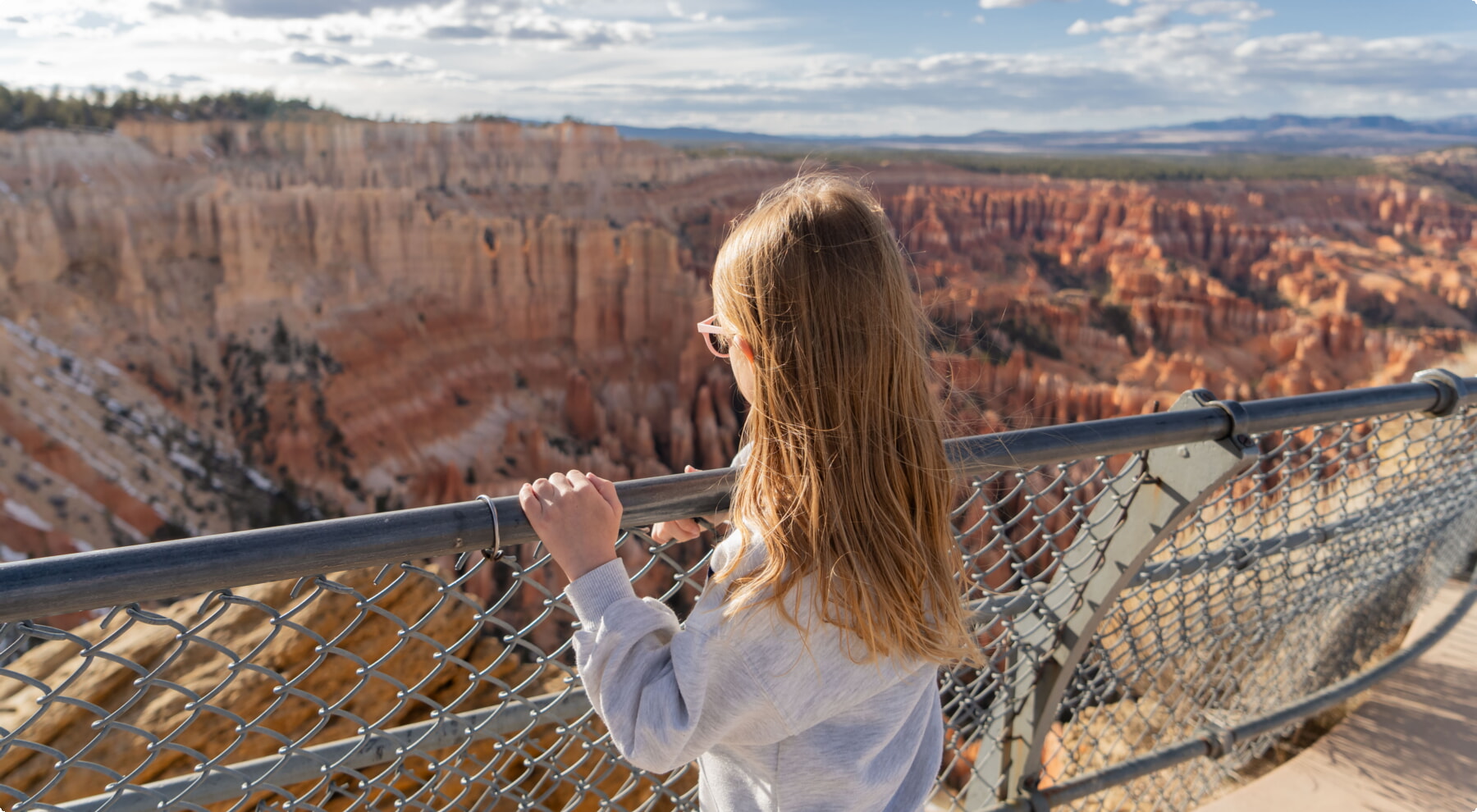
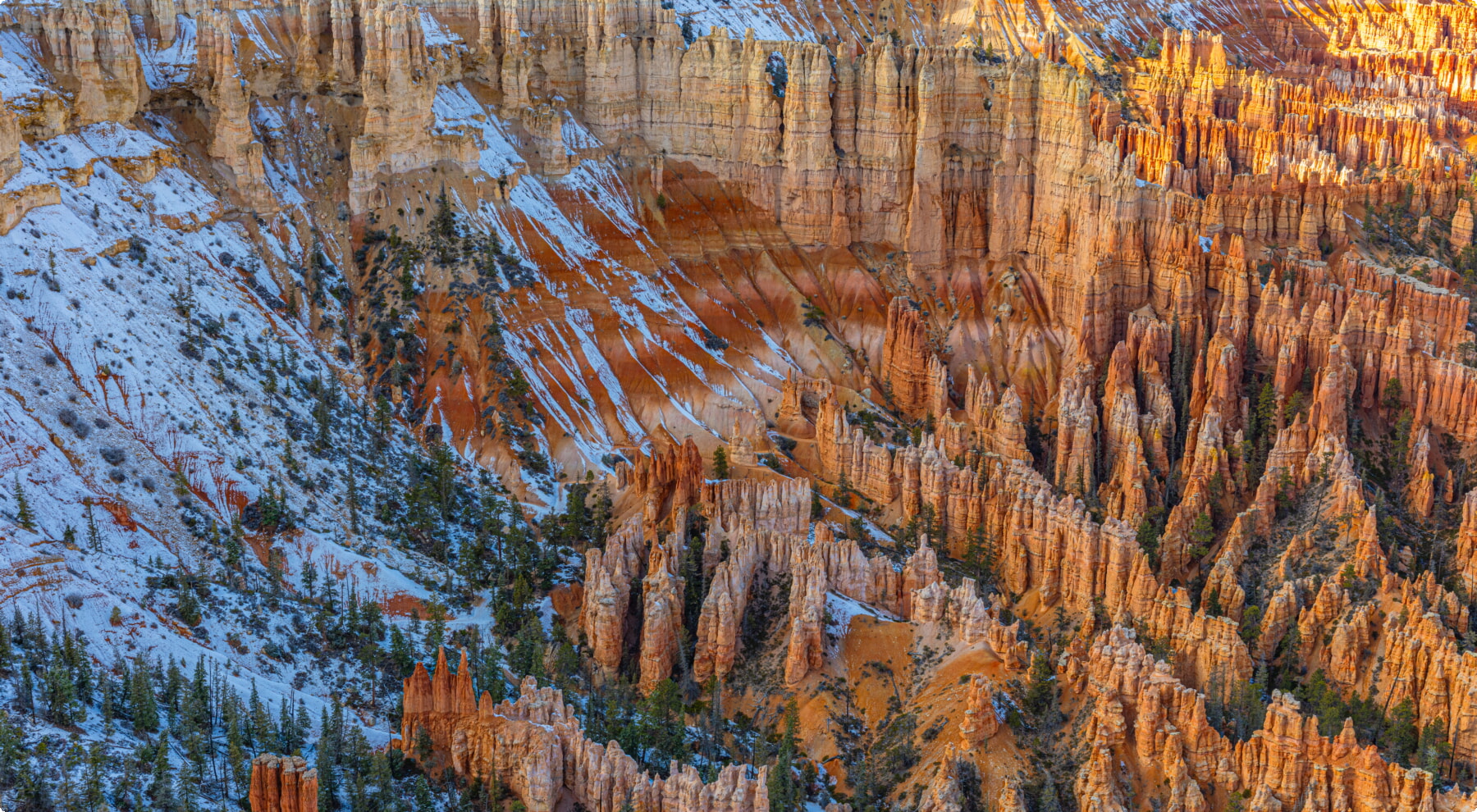
Bryce Canyon is not a canyon in the traditional sense; it is an amphitheater, a carved bowl filled with hoodoos that look like a crowd frozen mid-performance. The scale reads differently here. Where Canyonlands overwhelms with distance, Bryce overwhelms with density: thousands of spires, slots, and fins packed into a single sweeping view.
The park’s signature experience happens early. Sunrise can make the hoodoos look like they are lit from inside - pinks and creams on top, deeper oranges below. Even people who think of themselves as “not morning types” tend to understand the appeal once the first light hits the amphitheater. A reliable place to anchor that moment is Sunrise Point, Bryce Canyon City, where the view opens quickly and the landscape does the work.
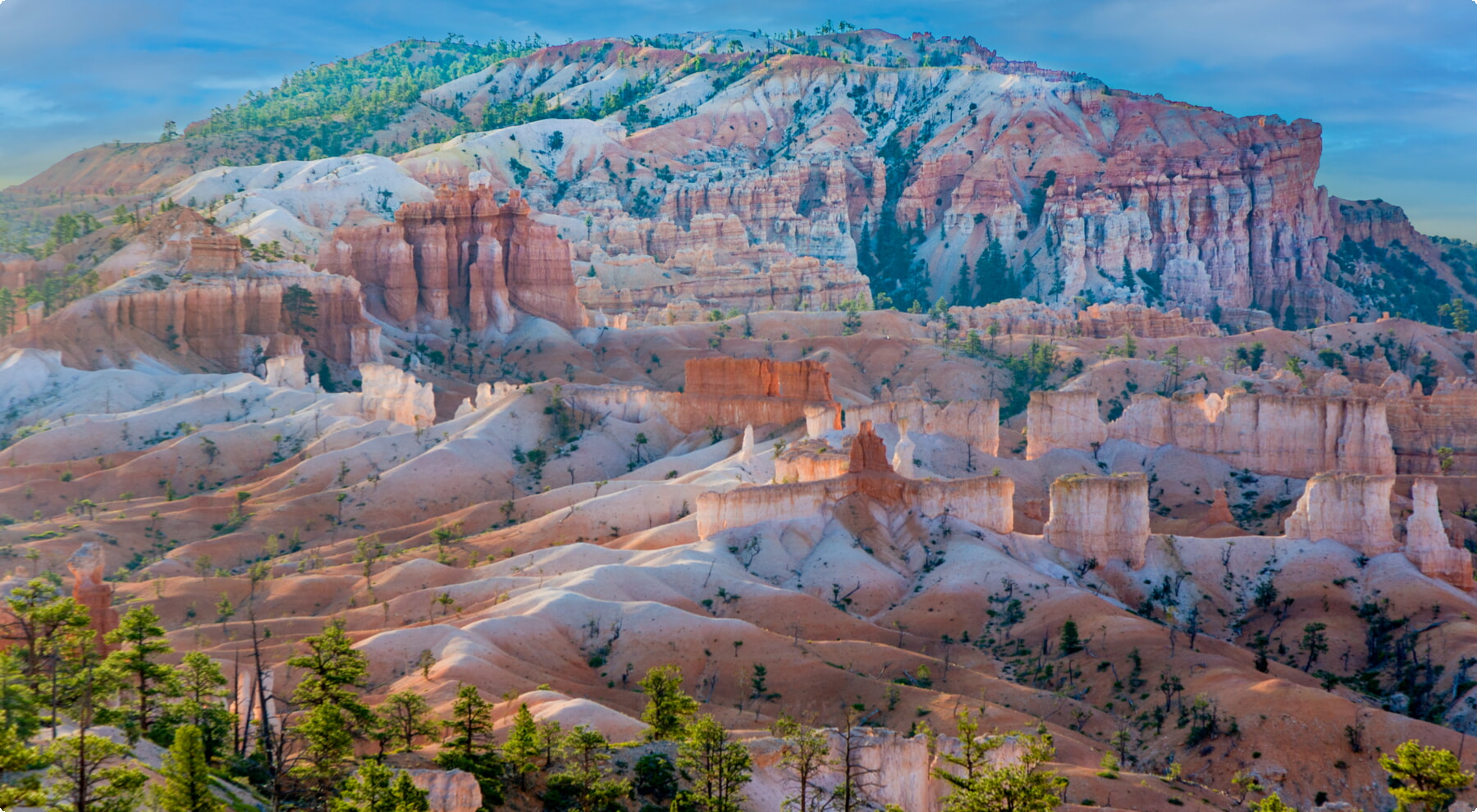
Bryce also plays tricks with temperature. Because of its higher elevation, it can feel cool when other Utah parks are already warm. That contrast becomes useful on an Arches-to-Zion itinerary: Bryce can act as a breathable pause, the place where air feels thinner and crisper, like stepping into a different season for a day.
Viewpoints and routes that change the perspective
- Rim walks: short, consistent, and surprisingly varied as angles shift along the amphitheater.
- Navajo Loop / Queen’s Garden combo: a classic descent into the hoodoos where scale becomes personal - the spires stop being scenery and become walls.
- Southern viewpoints: fewer crowds, broader horizons, and a sense of how the amphitheater fits into a bigger plateau.
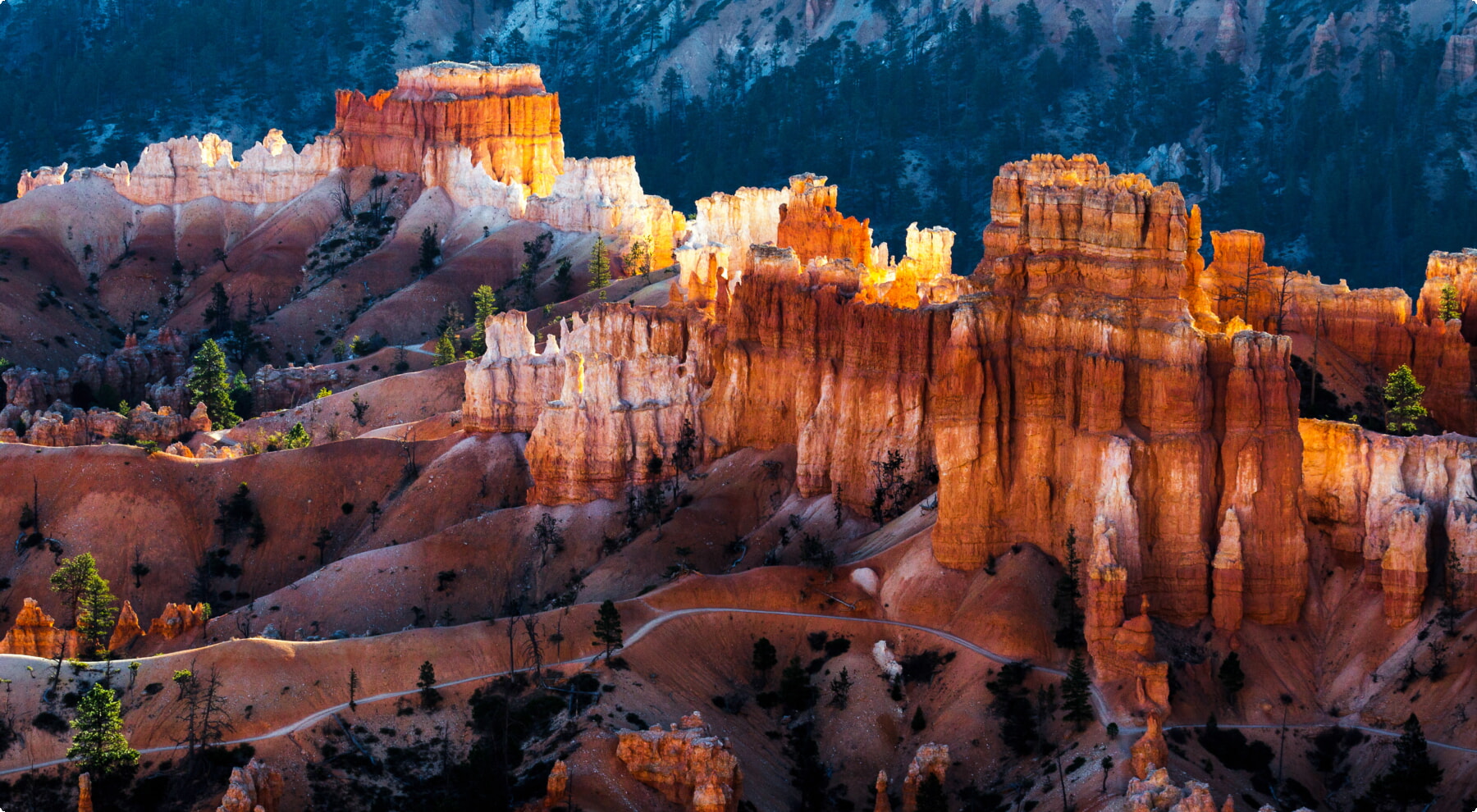
Once down among the hoodoos, the park feels like a city of stone with narrow streets. Sounds change too - voices bounce oddly, footsteps become more noticeable, wind seems to arrive from unexpected directions. The climb back up always feels longer than expected, and that’s fine; Bryce is a place where a little exertion makes the views land harder.
On some days, clouds drift in and the hoodoos lose their glow, becoming more monochrome and dramatic. It’s like watching a familiar room under different lightbulbs. The park doesn’t exactly “need” perfect weather, it simply changes its mood depending on what the sky decides.
Zion: the canyon that changes the volume of everything
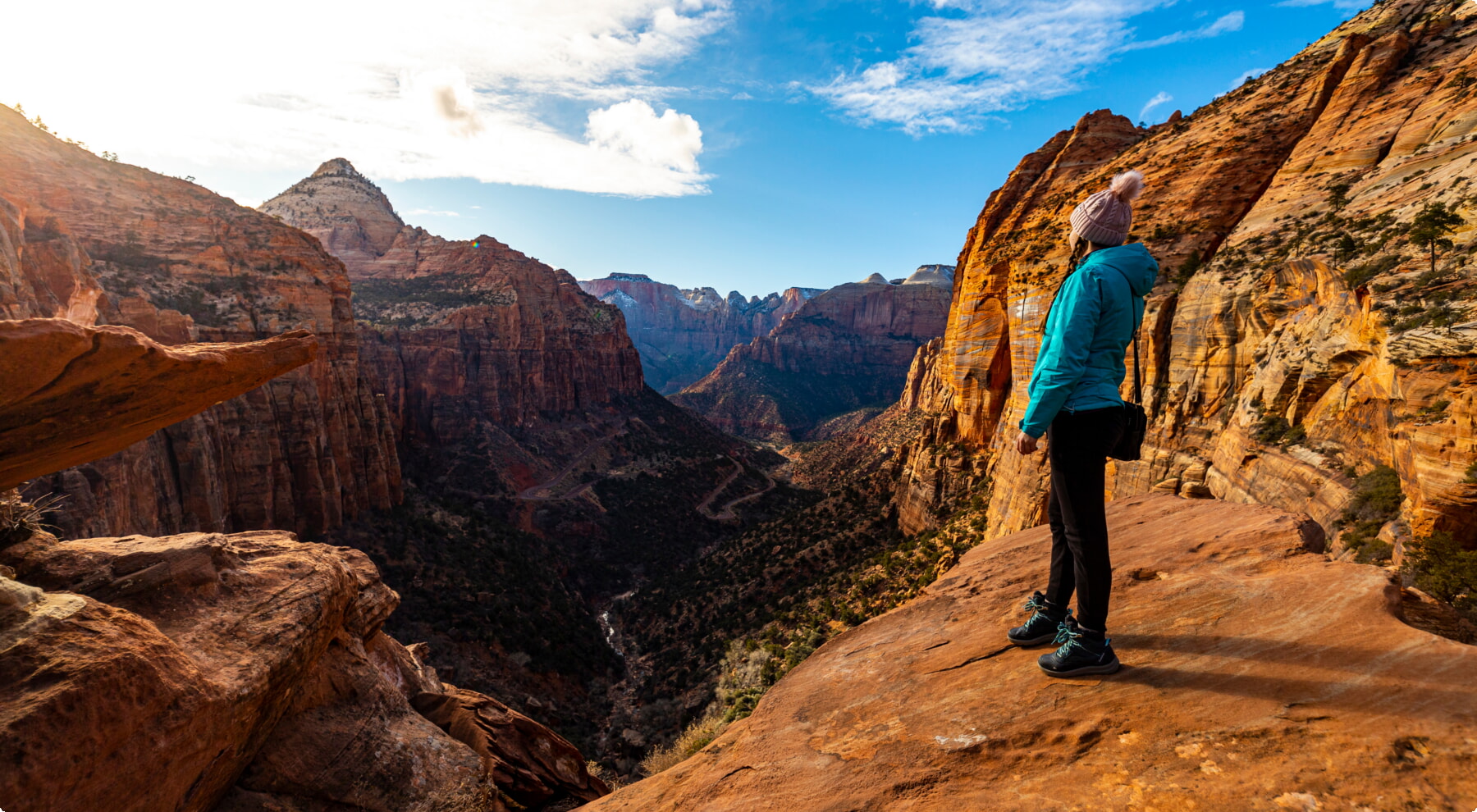
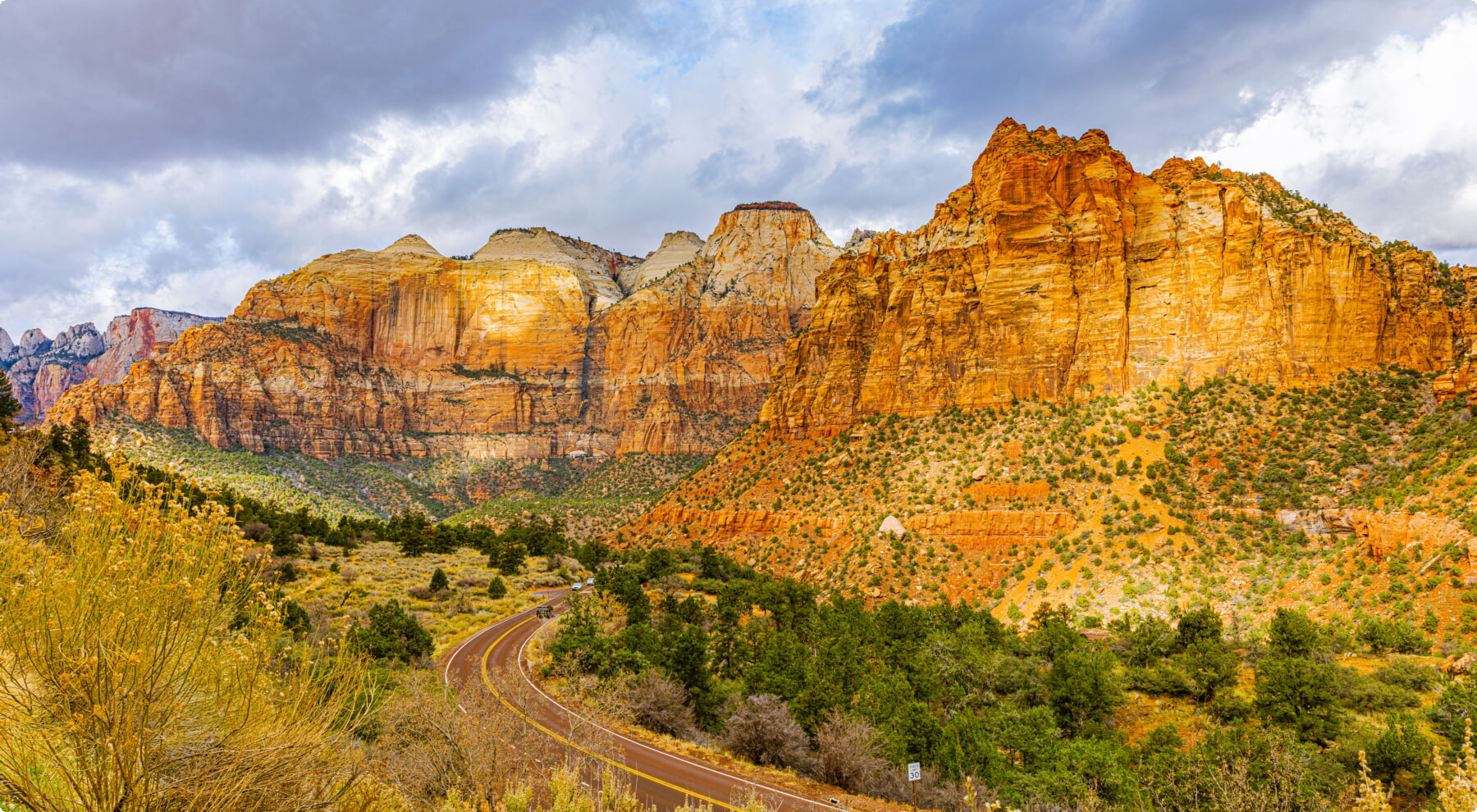
Zion is where many Utah itineraries peak in both popularity and intensity. The canyon walls rise close and vertical, and the scale becomes immediate - not distant mesas but towering stone right beside the road. Unlike the broad overlooks of Canyonlands, Zion’s drama is immersive; it wraps around the visitor like a hallway built by geology.
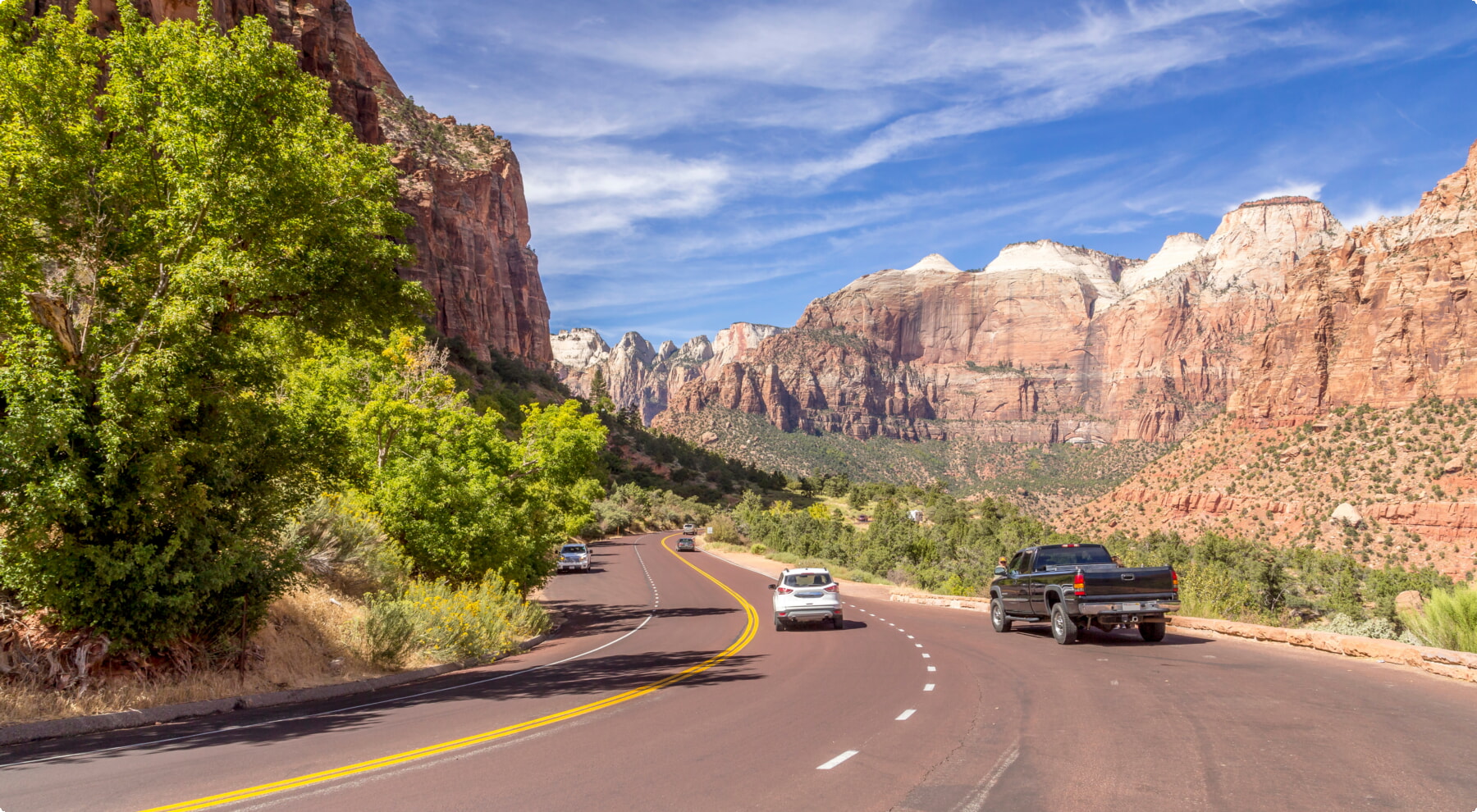
The park’s logistics are part of the experience. Shuttles, seasonal access rules, and trail permits shape the day whether anyone wants them to or not. This can feel restrictive at first, yet it creates a rhythm: hop off, walk into a side canyon, hop back on, watch the cliff faces shift in color as the bus turns. Detailed updates and current conditions are best checked directly through the official Zion National Park site before committing to a specific hike.
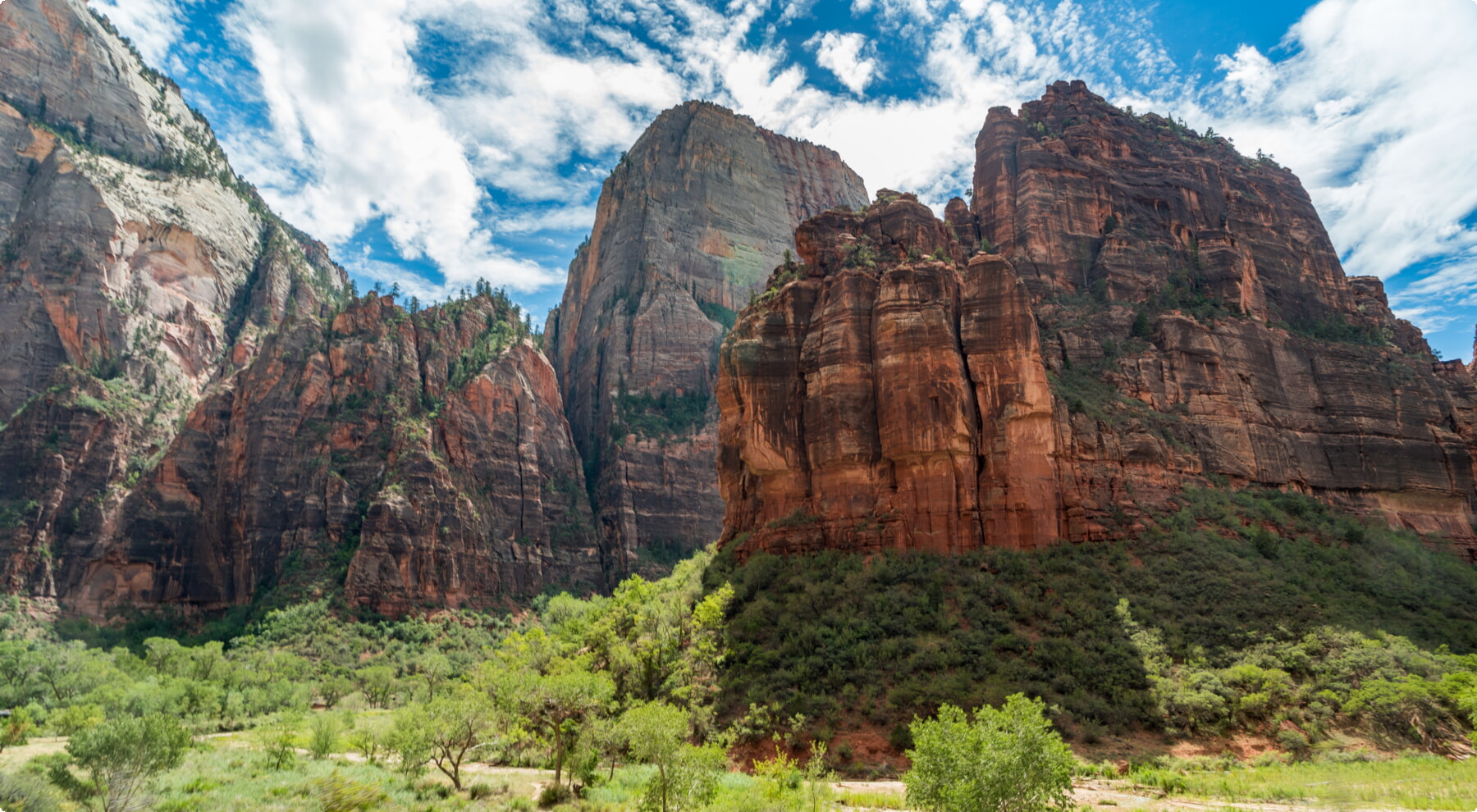
The classic Zion hikes have a way of becoming personal stories. The Narrows is less a trail than an agreement with a river - water pushes at ankles, then knees, and the canyon becomes narrower until it feels like the world has been edited down to stone and current. Angels Landing, when conditions and permits align, delivers exposure that some people adore and others quickly learn to respect. In both cases, the takeaway is not “achievement” so much as the sensation of being inside a moving landscape.
For navigation, a clear reference point keeps plans from dissolving in the park’s bustle. Zion Canyon Scenic Drive, Springdale is a useful map anchor, especially when coordinating shuttles, trailheads, and the timing of light in the canyon.
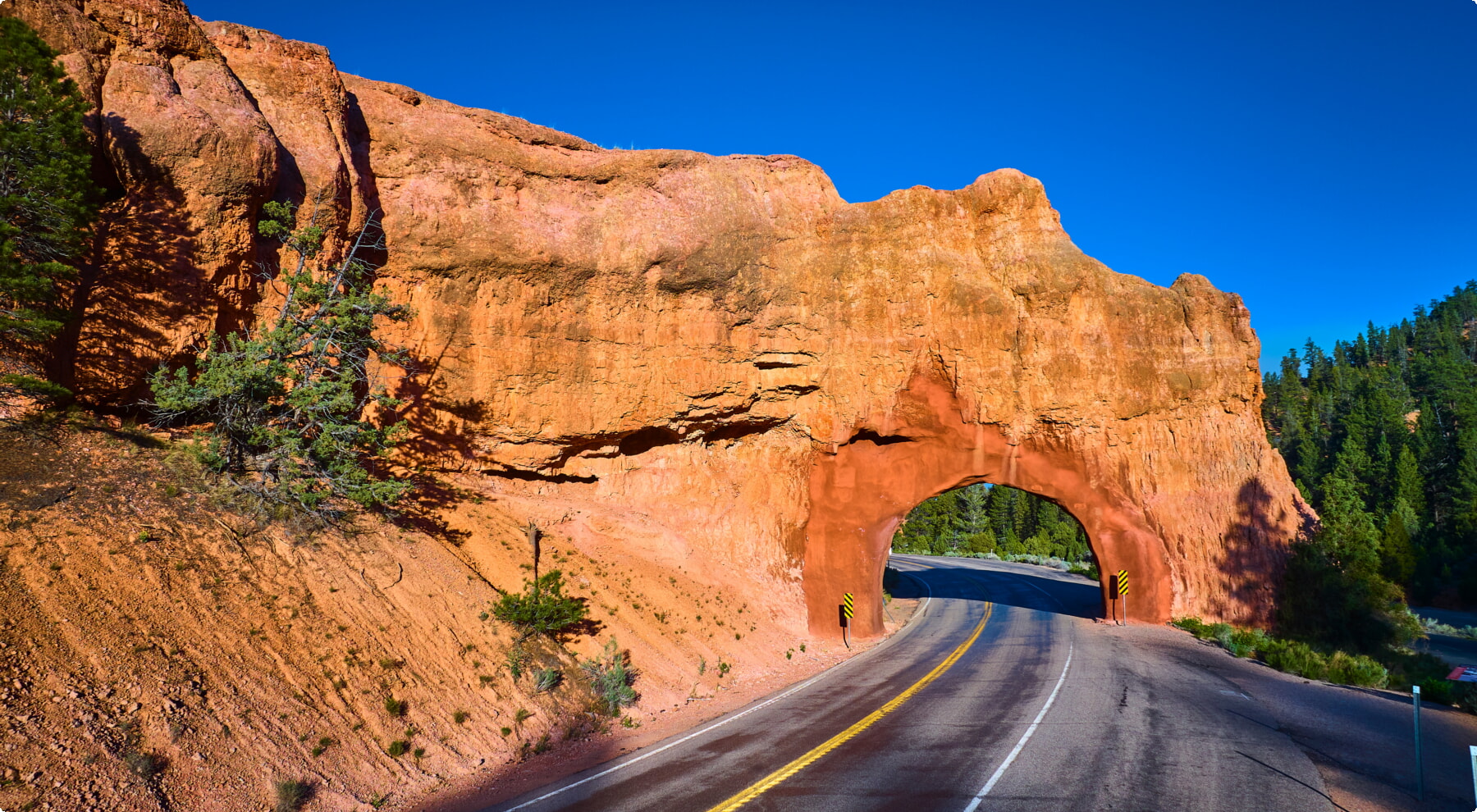
Zion also plays well with the idea of exits and entrances. The east side, with its tunnels and slickrock domes, can feel like a final gallery before the trip disperses. For those building a loop or flying out afterward, the northbound drive to the Wasatch Front returns gradually to city life; arranging a departure via Salt Lake City Airport car rental can keep the transition smooth when the last hike is still fresh in the legs.
The canyon behaves like a sundial. Early hours bring cool shade and quieter stops; by afternoon, light reaches deeper and crowds often thicken . Planning around shadow lines, not the clock, makes the day feel less like a queue.
In Zion, even small moments land strongly: a cottonwood leaf turning in the breeze, a cliff face shifting from beige to gold, the sound of water in places where a road exists only because someone insisted it should. Then the canyon opens, the walls fall away, and the mind keeps replaying the vertical space as if it were a song that refuses to end , even after the last bend.