One of Europe’s most satisfying road trips unfurls between Geneva’s crisp, watchmaker precision and Lake Como’s slow, silvery charm. In just a few hours you glide from glacier-shadowed valleys to terraced lemon trees, from alpine tunnels to pastel piazzas where espresso cups clink. This route rewards a detour, a pause, a second glance from a cliff overlook. And yes, the drive is easy - if you plan it right and leave space for a couple of irresistible stops.
The Character of the Drive: Alpine to Azure
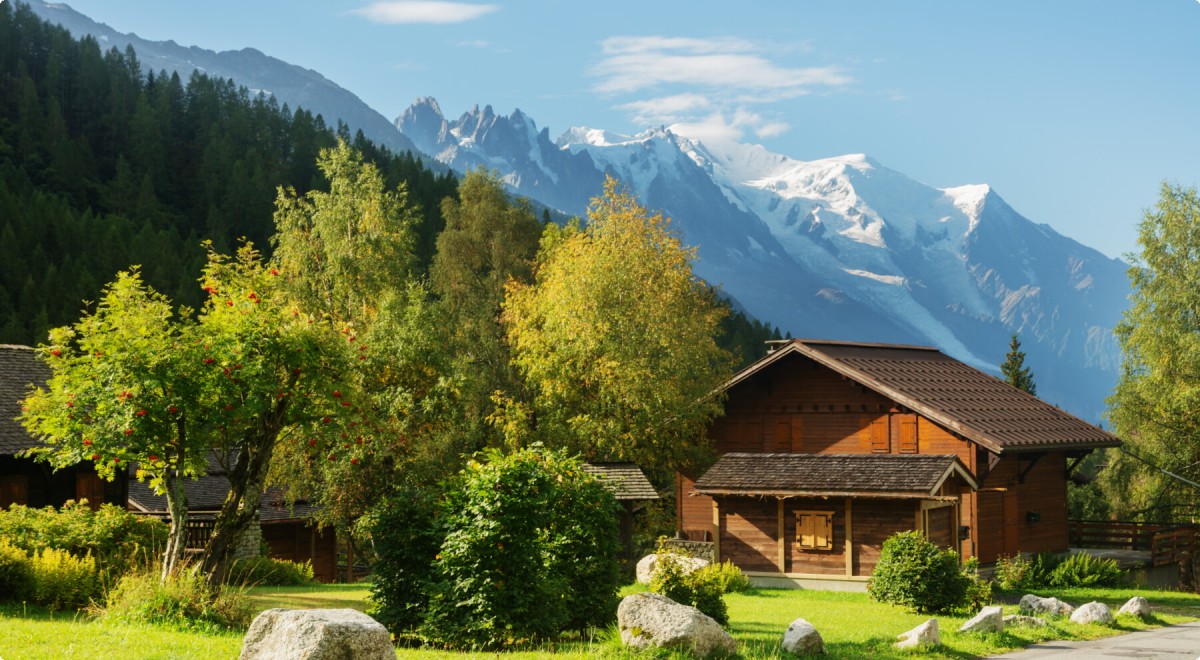
Driving from Geneva to Lake Como feels like flicking through European postcards while your own hands hold the wheel. Lake Geneva on your left glitters like cut glass, then the road narrows, mountains loom, and Alpine passes open like secret pages. Soon your view dissolves into Italian light: cypresses, tiled roofs, water the color of old silver. The best part? You decide the tempo - straight through in 4.5 to 6 hours, or stretched over two days with a handful of unforgettable pauses.
Think of it as a story with three acts. Act I: Switzerland, with its immaculate highways, firm speed limits and white-peaked horizons. Act II: crossing the spine of the Alps, either via direct tunnels or romantic, switchback passes that smell faintly of pine and cool stone. Act III: the long, soft exhale of northern Italy, where the language shifts, the coffee improves, and the gardens of Como step down to the water like theater seating.
To stay open to detours, give yourself permission to deviate. A five-minute swing to a viewpoint becomes twenty, and suddenly you’re late for nothing. Rest areas here are tidy, often framed by mountains like a postcard in the glovebox. Slip out, breathe, listen for cowbells, and notice how the air carries a trace of snow even in June.
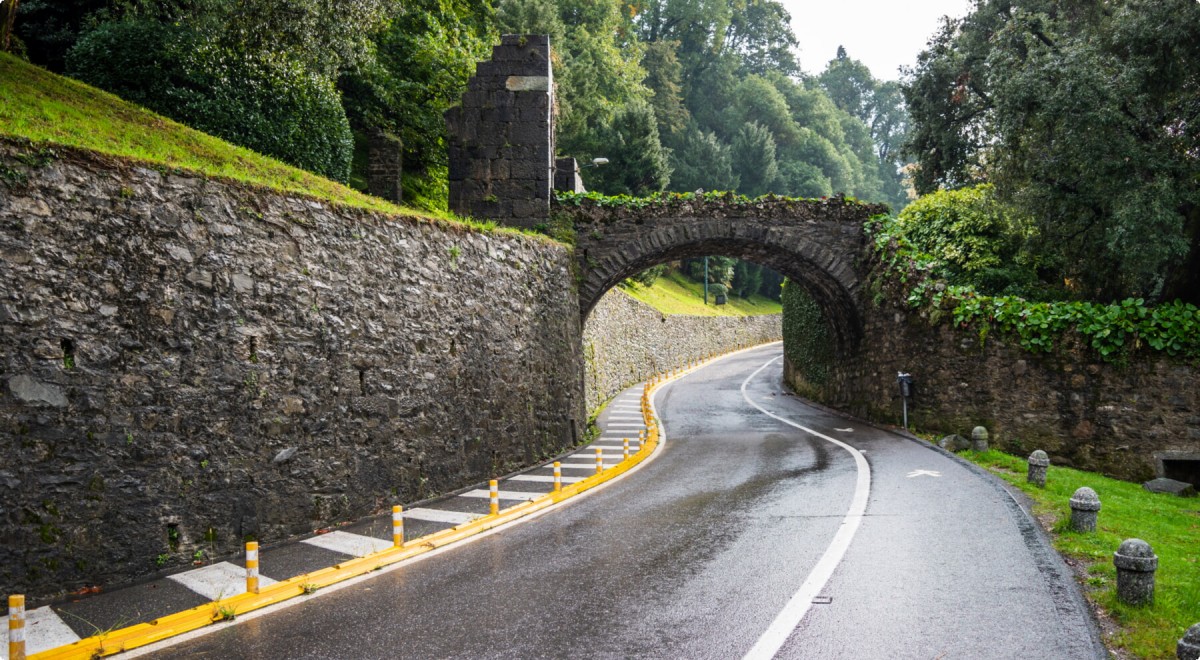
- Fastest corridor: via the A9 to the Mont Blanc Tunnel or Great St Bernard Tunnel, then A5/A4 in Italy toward Como.
- Most scenic: Great St Bernard Pass (summer only), or the Lakes Route via Brig - Locarno - Lugano to Como.
- Best food along the way: Aosta’s trattorie or a late lunch on a terrace near Varenna.
- Typical driving times: 4.5 - 6 hours, excluding stops and traffic.
Along the way, your senses slide through microclimates. Damp, resin-scented forests give way to milder breezes that smell faintly of olive oil and warm stone. Sunlight changes character too - harsher at altitude, then butter-soft near Como around late afternoon. If you’ve ever wanted a road to feel like a narrative arc, this is it.
Choosing Your Route: Speed, Scenery, or Both
There are several excellent ways to thread Geneva to Lake Como, and none of them are wrong. Your choice depends on the season, how much time you have, and how hard you want the road to make you grin. Below are the most tried-and-true options, from quickest to most dramatic.
1) The Mont Blanc Tunnel Line
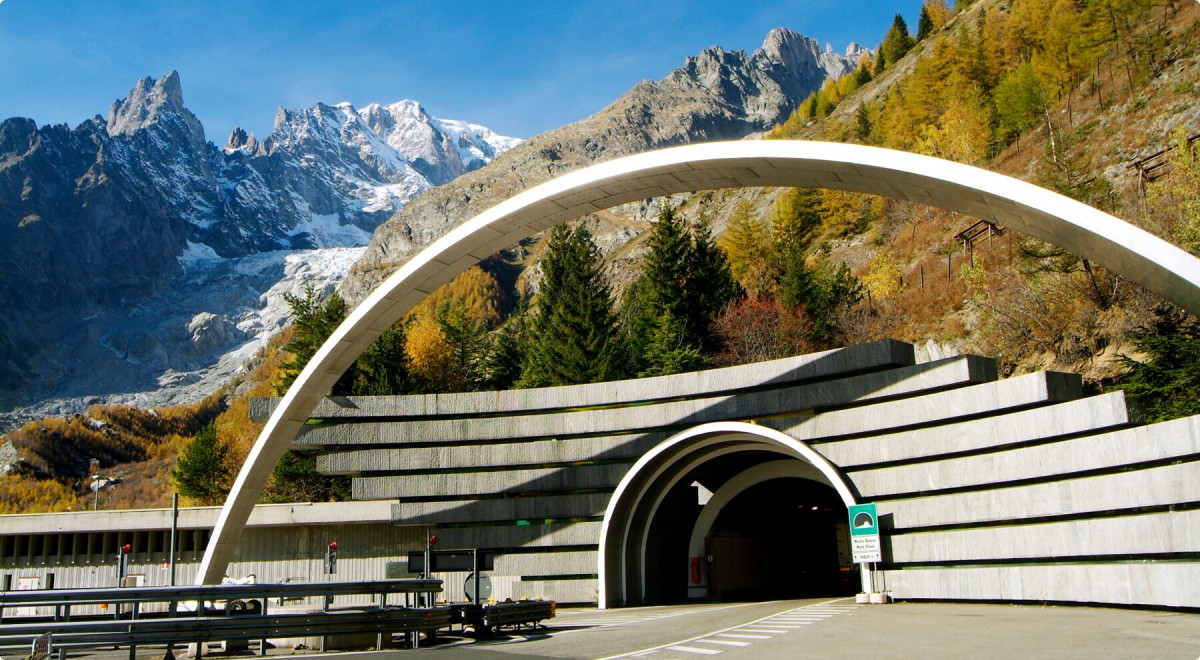
Route sketch: Geneva - A40 (Autoroute Blanche) to Chamonix - Mont Blanc Tunnel - Aosta - A4/A9 - Como. This is the straightforward path when you want a clean, well-signed motorway most of the way. The Mont Blanc Tunnel carries you under Europe’s highest peak and drops you neatly into Italy’s Aosta Valley - ripe for lunch or a quick espresso. The tunnel is a feat of engineering and history; if the story behind it intrigues you, skim the Mont Blanc Tunnel article for context and safety specifics.
Timing is typically 4.5 to 5.5 hours without exaggerated stops, but allow buffer for tunnel queues on summer weekends. Toll fees apply, predictable and posted. The drive into Como near sunset? It’s a painter’s palette of pink and slate blue, the lake catching the sky’s last color like brushed metal.
2) Great St Bernard: Tunnel or Pass
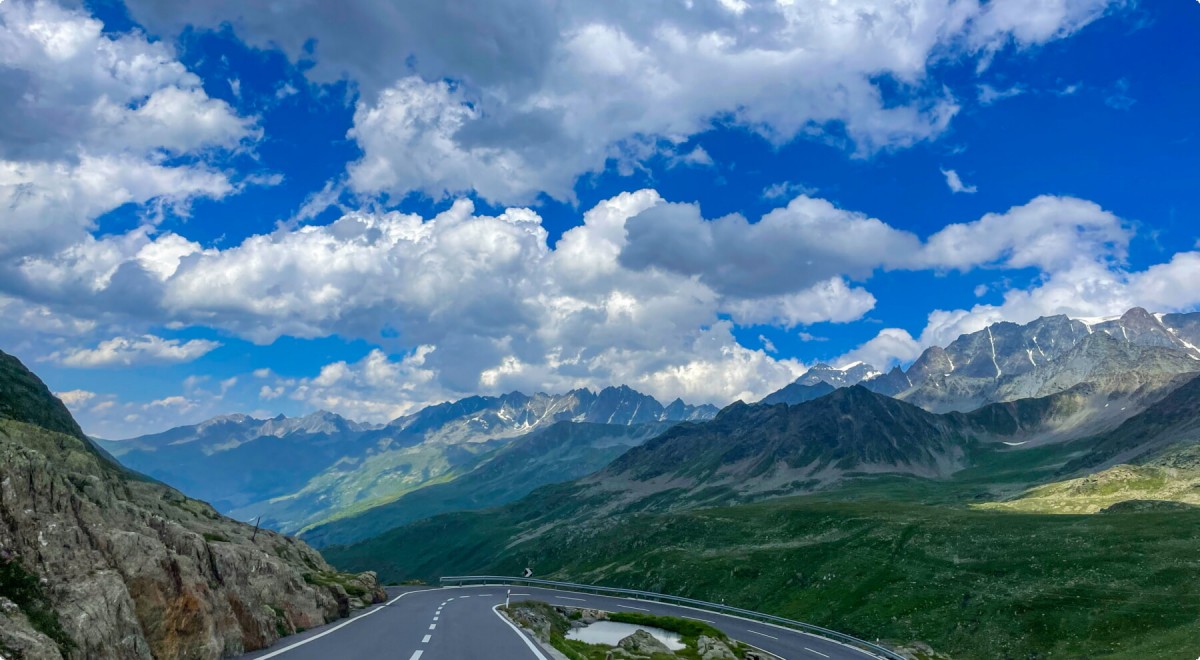
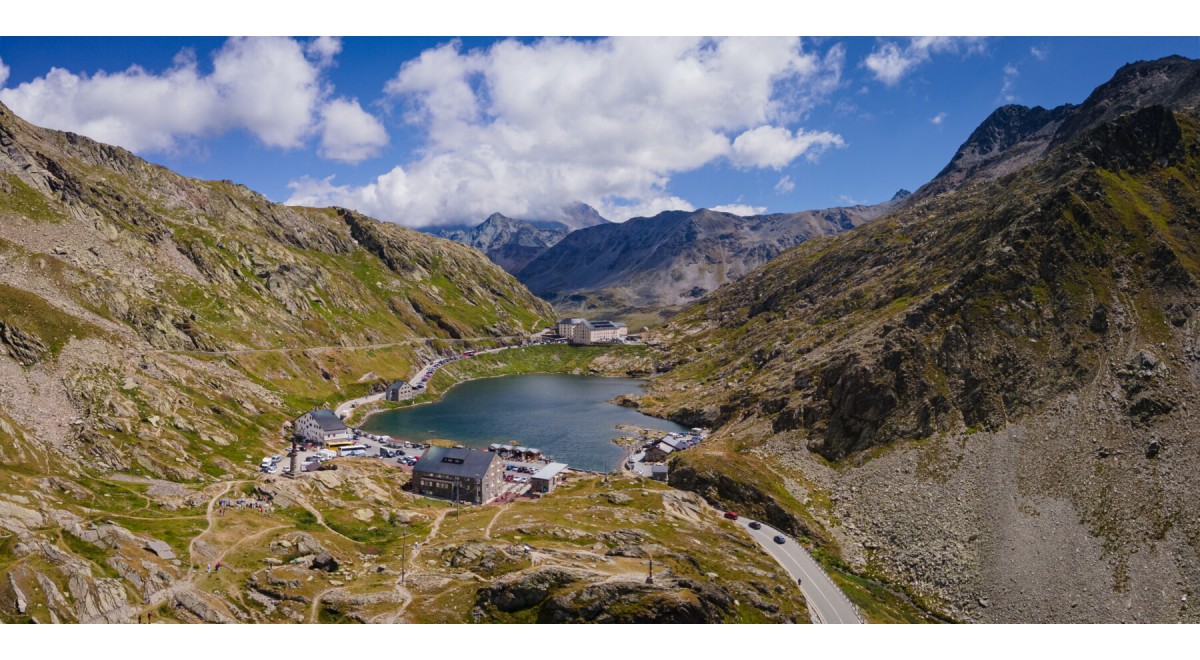
Route sketch: Geneva - Lausanne - Sion - Martigny - Great St Bernard Tunnel (year-round) or Great St Bernard Pass (roughly June to October, depending on snow) - Aosta - Como. This route is for people who enjoy a meaningful mountain crossing. The tunnel is simple and quick, but when the pass is open, it’s a gem: stone switchbacks, tiny lakes with floating ice shards even in early summer, and that feeling that the sky sits closer to the car roof than usual.
You won’t be going fast on the pass and nor should you. The reward is the journey itself - patches of wildflowers, marmots if you’re lucky, and the whisper of wind against your side mirrors.
3) The Lakes Thread via Ticino
Route sketch: Geneva - Lausanne - Brig - Simplon Pass (or Simplon Tunnel by train in winter if needed) - Locarno - Lugano - Como. This scenic string glides you along Switzerland’s Valais vineyards, over the wide Simplon Pass, then past the Italian-speaking lakes of Ticino where palms and alfresco gelato stands hint at what awaits in Como. It adds time compared to the direct tunnels, but if sunshine, lake light, and gentle curves are your thing, it’s a highly satisfying line.
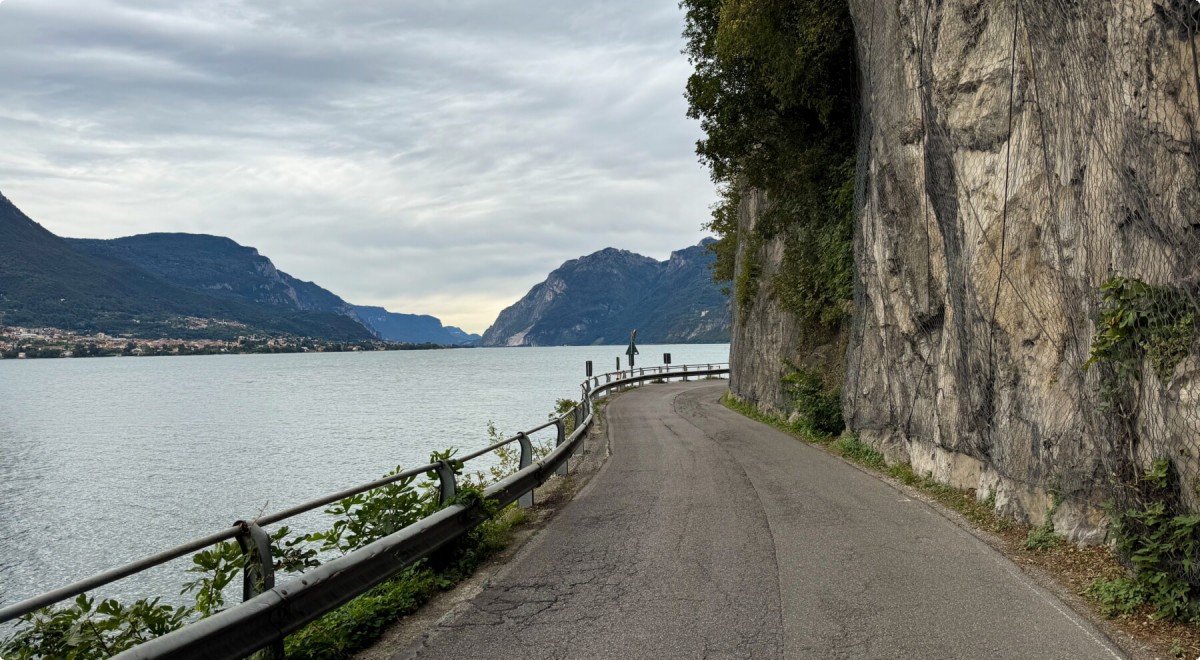
Traffic around Lugano can bunch, yet the payoff is a final approach to Como that feels like you’re drifting from one world to the next without a seam. The water on your right winks and the city names turn lyrical - Mendrisio, Chiasso, Cernobbio.
Late spring through early autumn offers the best combination of dry roads, open passes, and clear views. Winter can be beautifully stark, but you’ll likely stick to tunnels and need proper tires. Shoulder months - May and late September - give you sunlight, fewer queues, and cooler cabins without blasting the AC.
Stops Worth Making: Short Detours With Big Payoff
Even a minimalist itinerary improves with one or two stops that break the road into flavorful chapters. Two places, in particular, are hard to skip: Chamonix in France and Aosta in Italy. They’re en route, they’re compact, and they concentrate everything delicious about this region - mountains, food, and a sense of place that puts a hand on your shoulder.
Chamonix - A quick brush with the high Alps
As you approach the tunnel via the A40, Chamonix invites you with crisp air and tidy chalet roofs angled against the slopes. Walk five minutes down a side street and listen: the river Ric runs fast and cold, white noise against a backdrop of ice. For a marquee experience, ride the Skyway Monte Bianco when you’re on the Italian side, or simply detour to the base areas around Chamonix for a coffee under the peaks. To orient, here’s Chamonix on the map: Chamonix.
Even 40 minutes here can reset the senses. Grab an almond croissant, stretch your legs, and feel the sun bounce off snowfields onto your cheeks. On bright days it’s almost cinematic - everything in sharp focus, edges outlined in light.
Aosta - Roman stones, Aosta Valley flavors
Once you’re through the tunnel, Aosta arrives almost immediately with a different palette: terracotta, Roman arches, prosciutto hanging in cool shops. Park near the center and stroll to the old town walls, where children scooter past ancient stones like this is normal - and to them, it is. If you love a long lunch, Aosta rewards: polenta with wild mushrooms, a glass of Valle d’Aosta red, and a coffee that tastes like the road got shorter by itself. Map pin for easy navigation: Aosta.
For summer travelers using the Great St Bernard Pass, Aosta also works as an overnight base. Wake early the next day and the pass feels like it’s opening just for you.
Bellinzona or Locarno - if you take the Lakes Thread
On the Ticino route, consider a pause in Bellinzona to tour its triple castles or just snack on warm focaccia in a stone square. If you want a breath of lake life before Como, Locarno’s waterfront walks soothe travel nerves - palms flicker in the breeze and you can literally smell the water. This area tastes different too: more citrus, more basil, a whiff of summer even in April when shadows still feel cool.
If you’re traveling with kids, a short cable-car ride or a small fortress visit turns the day into an adventure day, not just a transit day. For some, that’s the difference between a good trip and a great one.
Practicalities: Rental Cars, Rules, Tolls, and Gear
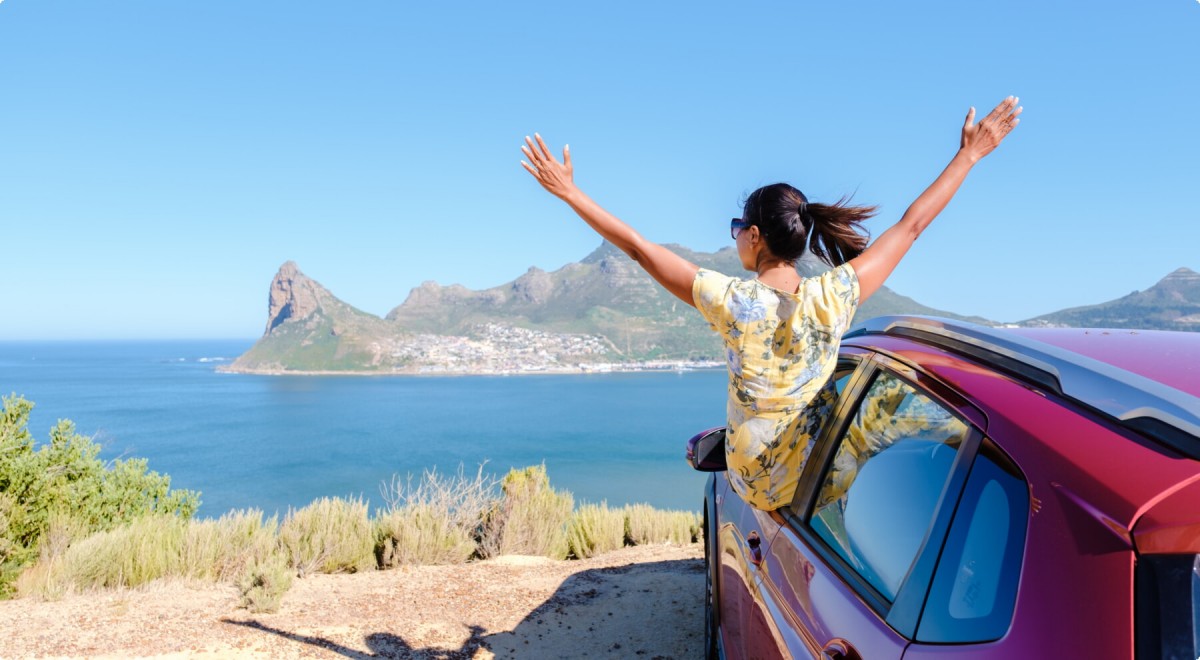
Most travelers begin in Geneva with a pick-up at the airport. The simplest way to ensure the right vehicle - and the right insurance for crossing into Italy - is to book in advance. If you haven’t yet, check rates and fleet options here for a streamlined start: car rental at Geneva Airport. Choose something with a bit of torque for mountain sections, and consider an automatic if you’re not used to hill starts.
Swiss vignettes and Italian tolls
Switzerland uses a vignette system for its highways. Rental cars picked up in Switzerland usually include the vignette already, stuck to the windshield; ask to be sure. In Italy, most autostrade are pay-as-you-go. Toll booths accept cards, but keep a few euros handy just in case - small conveniences make a big difference at gates.
Tunnels and passes
The Mont Blanc and Great St Bernard Tunnels have separate fees. They’re well lit, well managed, and obvious to follow. If a pastoral, winding climb is your dream, save it for Great St Bernard Pass (summer only) or Simplon Pass; otherwise, choose tunnels for speed and predictable conditions.
Speed limits and etiquette
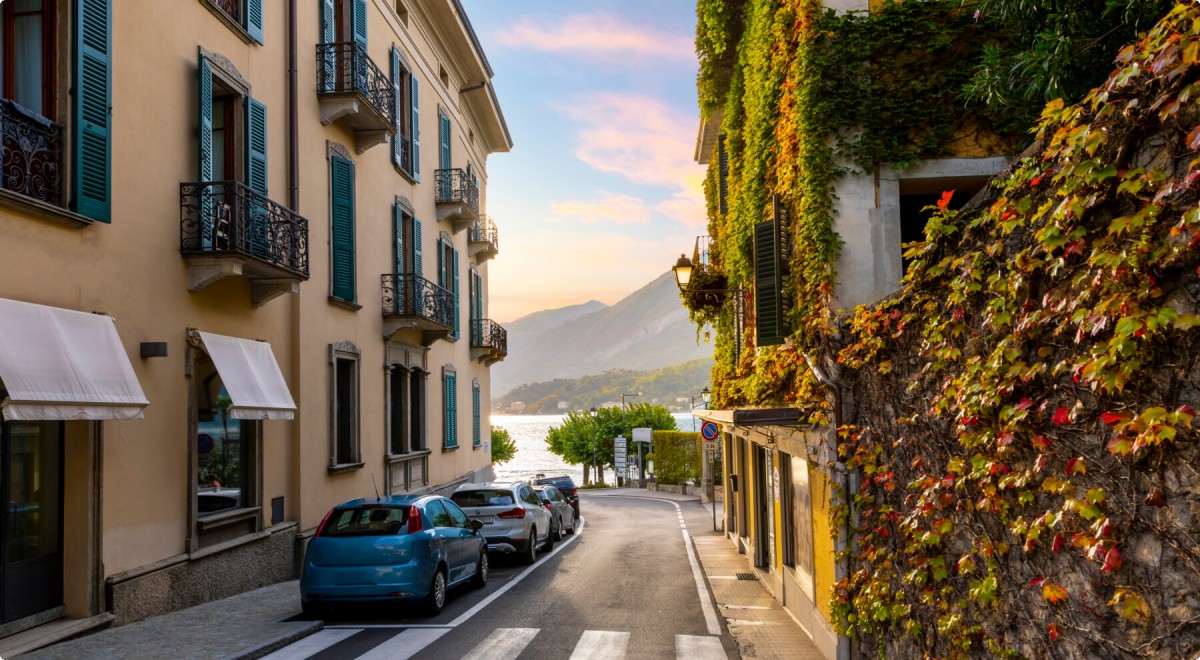
In Switzerland, speeds are strictly enforced: 120 km/h on motorways, 80 km/h on rural roads, 50 km/h in towns unless posted otherwise. In Italy, freeway limits hover around 130 km/h but vary. Flashing lights from behind usually means a faster vehicle approaching - keep right except to pass. Use signals, always. It’s one of those places where signaling is culture, not just law.
Winter readiness
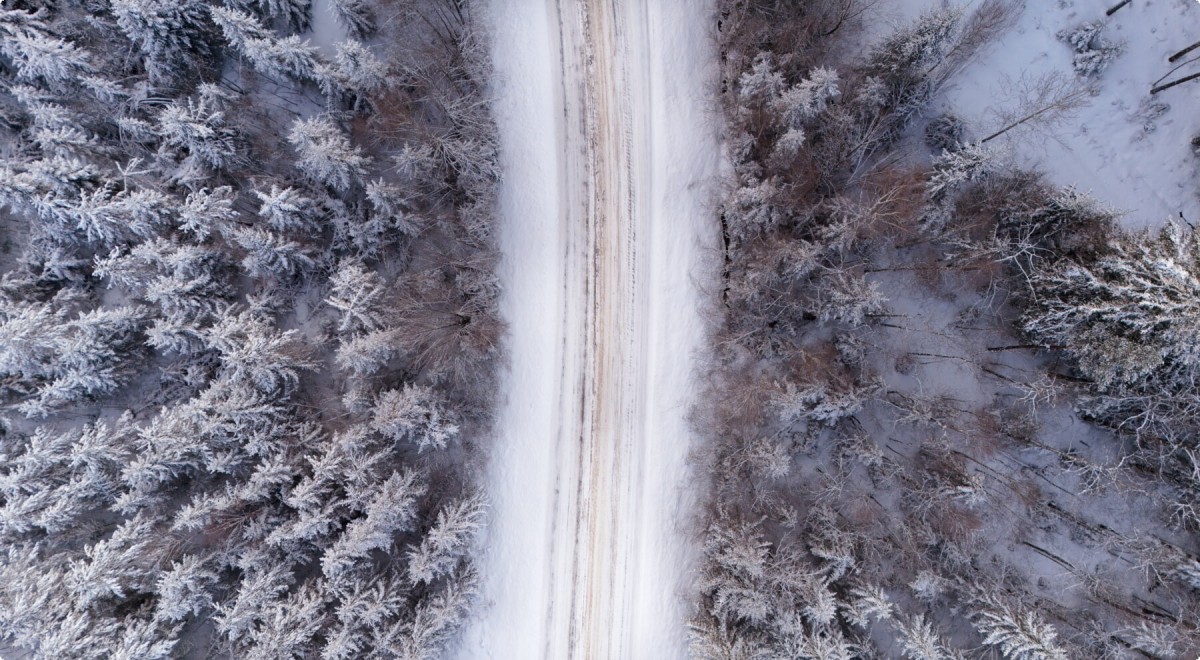
From November to March (and sometimes beyond at altitude), aim for winter tires, and ask about chains if you’re heading for high passes. The roads are cleared quickly, but mountain weather loves surprises. If it’s snowing, smooth inputs are your friends - easy brakes, gentle steering, and a little extra space to the car ahead.
- Carry sunglasses: low winter sun and high alpine glare are equally dazzling.
- Pack water, nuts and a light cardigan for tunnels and elevation changes.
- Keep your phone charger and offline maps handy; tunnels can break signal.
- Use rest areas; Swiss ones are clean, often scenic, and stress-reducing.
Parking in Swiss towns is usually well marked, pay-by-machine; in Italy, blue lines often mean paid parking, white can mean free, and yellow is typically reserved. Read local signs, even if you’re tired, because a 2-minute scan can save you a fine. And if a spot feels too good to be true right in a historic center, it might be a residents-only area or ZTL.
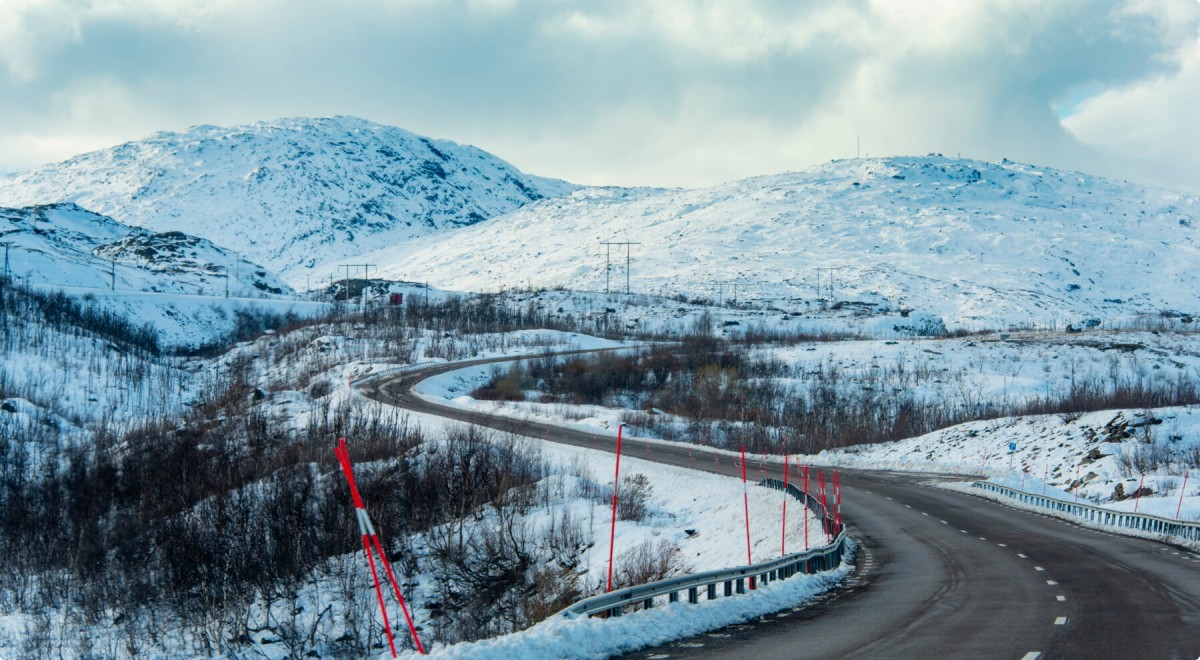
Fill up before crossing long tunnels where services can be pricier, and keep coins or a contactless card ready for local parking meters. In tourist peaks, leave earlier than you think you need - that extra 30 minutes becomes a cushion against queues or missable views.
- Check real-time tunnel wait times on your phone before committing.
- Save your hotel’s number - reception can often help with ZTL parking tips.
- In Italy, keep right except when passing; lane discipline reduces stress.
- Eat when you’re hungry, not “on schedule”; great food appears often here.
Itineraries: One Day, Two Days, or a Long Weekend
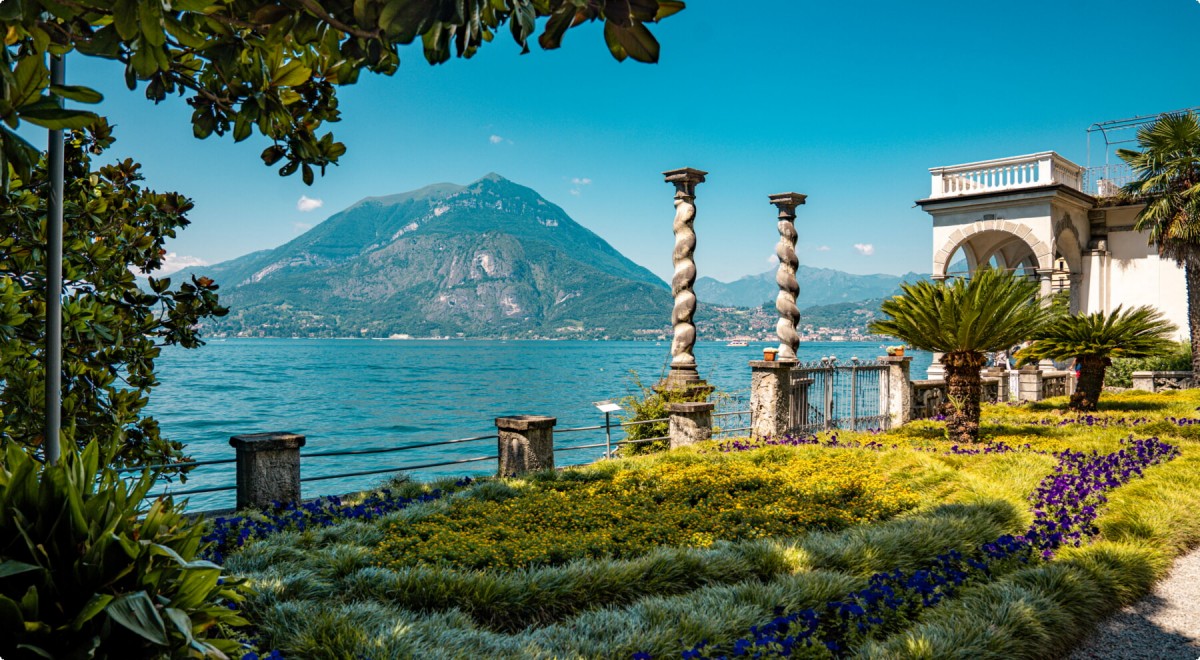
How much time do you have, truly? Be honest with your calendar and your energy. Below are three clean outlines to help you pick the right tempo and avoid the tired-and-grumpy version of yourself that appears when breaks are rushed.
One-Day Direct: Taste of Everything
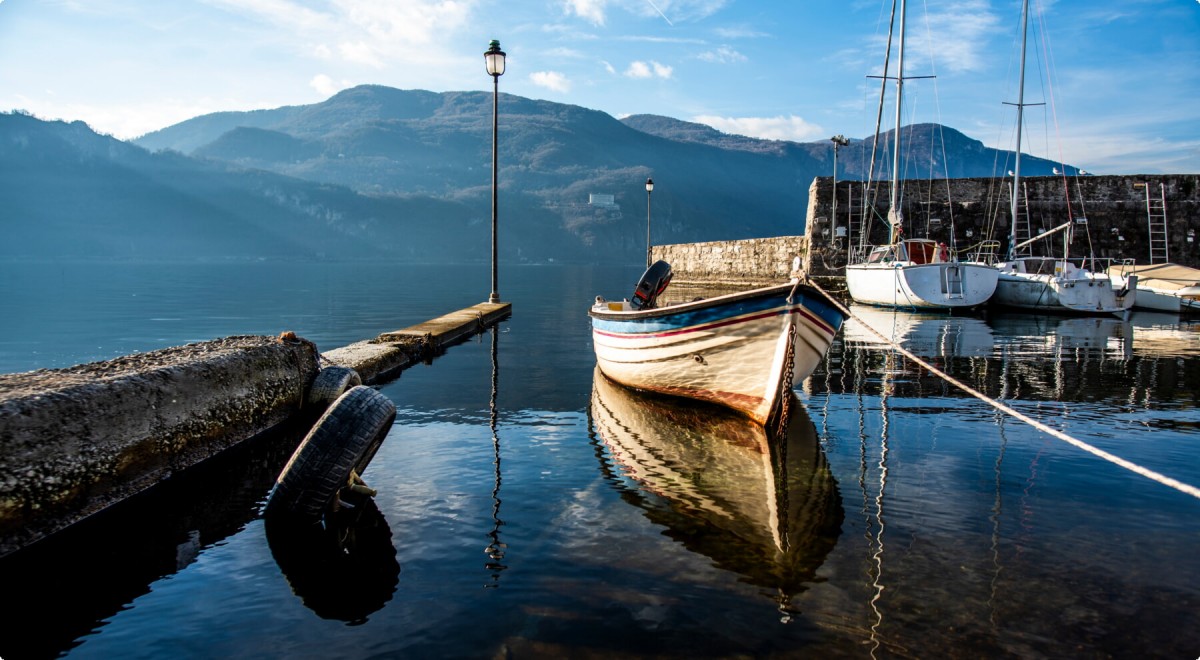
Morning departure from Geneva, coffee on the A40, pause in Chamonix for a 30-minute stroll, then push through the Mont Blanc or Great St Bernard Tunnel. Lunch in Aosta (late, unhurried), then glide toward Como by late afternoon. If the sky is clear, the lake’s surface does a trick at dusk: it holds reflections like polished steel, the mountains framed in near-silhouette. Park outside the historic center, walk in, and let the first gelato be your reason for the drive.
Two-Day Balanced: Alpine Night
Day 1: Geneva to Aosta with a long lunch and a late-afternoon castle visit nearby. Night in Aosta - quiet streets after dinner, mountain air, a bottle of red that smells like cherries and herbs. Day 2: Aosta to Como via Varese or via the lakes of Ticino if you want more water in your window. Arrive midafternoon, enough light for a ferry ride to Varenna or a stroll by Como’s duomo.
Long Weekend: The Lakes Thread

Day 1: Geneva to Brig; lunch among vineyards or a simple bakery stop. Cross Simplon Pass if weather is kind - wide curves, big sky - and descend to Locarno. Night by the water with a plate of lake fish. Day 2: Locarno to Lugano; slow morning, foamy cappuccino, and a mid-day swim if it’s warm. Slip south to Como by evening. Day 3: Explore Bellagio, Varenna, and maybe the green gardens of Cernobbio. Your photos will look like paintings someone forgot to finish because the light is still shifting.
- Pick one big “wow” each day (a pass, a castle, a cable car) and don’t overstuff.
- Book your first night in advance during summer weekends, the region fills fast.
- Carry a small tote for quick stops: water, sunblock, scarf, phone, snack.
- Check sunset times - arriving to Como at golden hour feels different, softer.
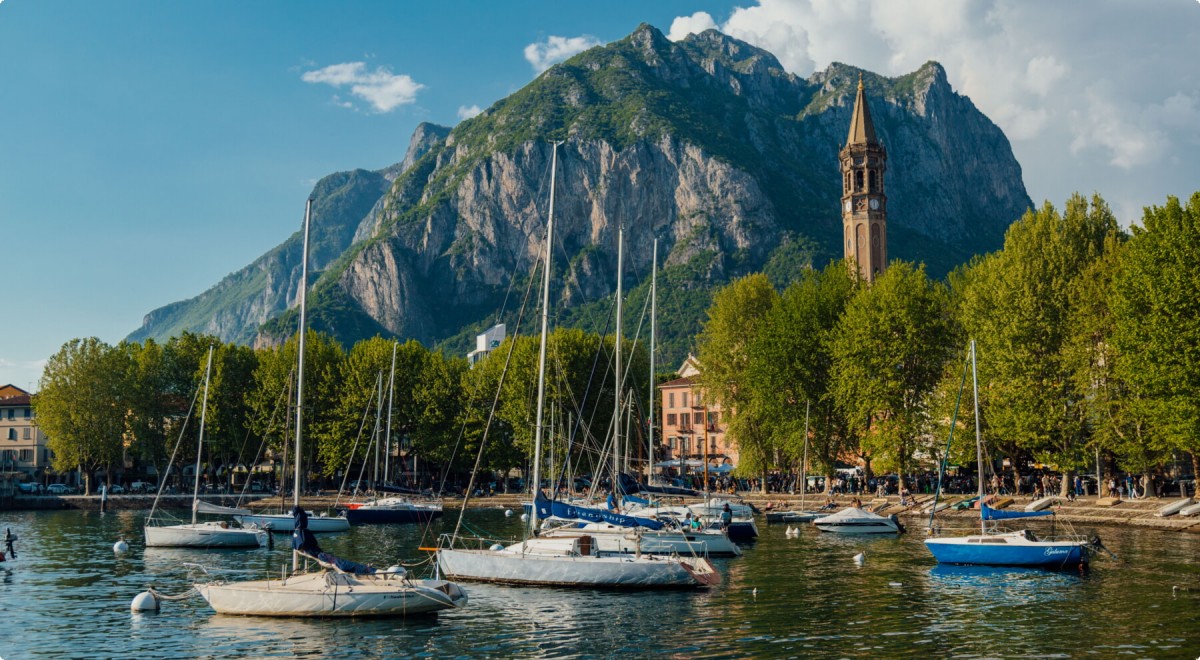
Each itinerary has a different mood. The one-day plan is crisp and satisfying, like a well-pulled espresso. Two days gives you a little music between the notes. The long weekend - that’s a small symphony, a chance to let the light, the water, and the road join up in memory. Sometimes the best trips leave room for improvisation. So let one afternoon float - you’ll thank yourself later.
Treat the car like a day room, not a closet. The less clutter, the more you can breathe, and the easier it feels to hop out at a viewpoint. A sweater on the seatback, water within reach, and a map in the door pocket - that’s plenty.
Arriving at Lake Como: Where to Go First and How to Park
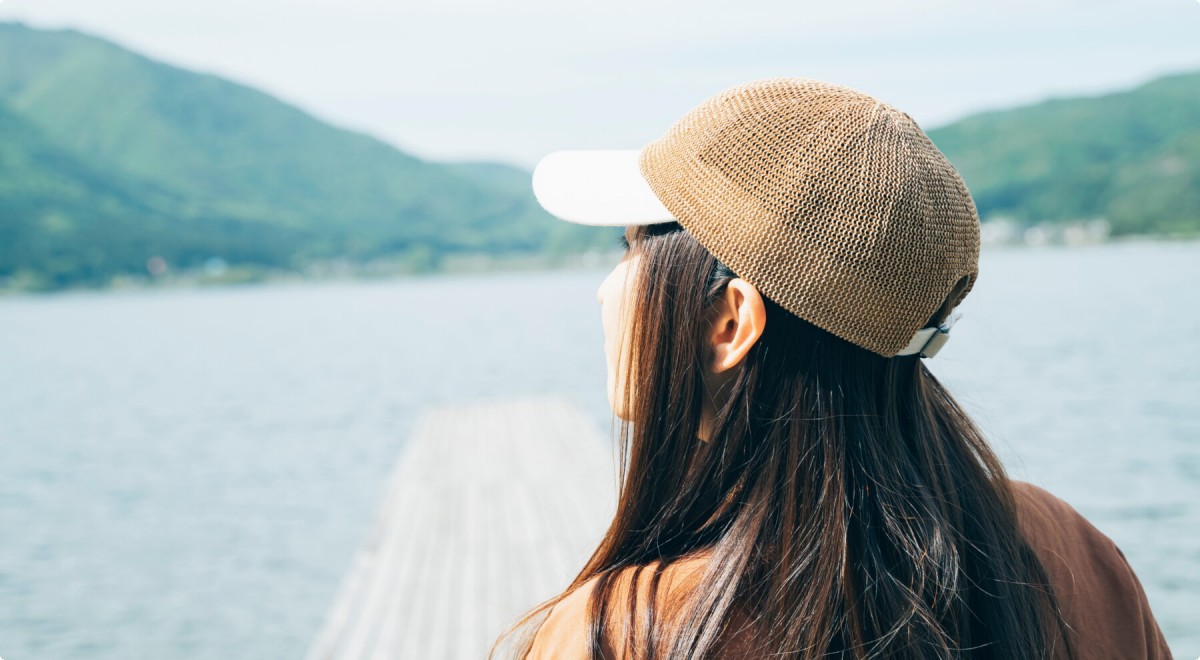
The first glimpse of Como is often from a hillside, the lake curling into view like a ribbon of tin foil, shining and then suddenly not, as the sun dips behind a ridge. The town of Como itself is a practical base with train links and ferries. Bellagio and Varenna are the classic jewels - pretty, well connected by boats, easy to love. If you only have one afternoon, consider dashing for the water immediately. Set your sights on Bellagio and let the ferry ride wash road dust away.
Parking near the lake requires patience. Look for blue-lined paid spaces and read the boards; many lots accept cards, but a pocketful of coins removes one more thing to think about. In Como town, several multi-storey garages keep you out of ZTL trouble. A small walk to the waterfront - five to ten minutes - is a fair trade for easy parking and a simpler exit later.
If you want to see a stately villa garden that translates the very essence of Como’s elegance into terraces, marble, and cypress alleys, line up your timing for a villa visit. Remember how the light gets syrupy in late afternoon? That’s your window. It warms the stone and makes bougainvillea pop in photos without filters.
Food and the first evening
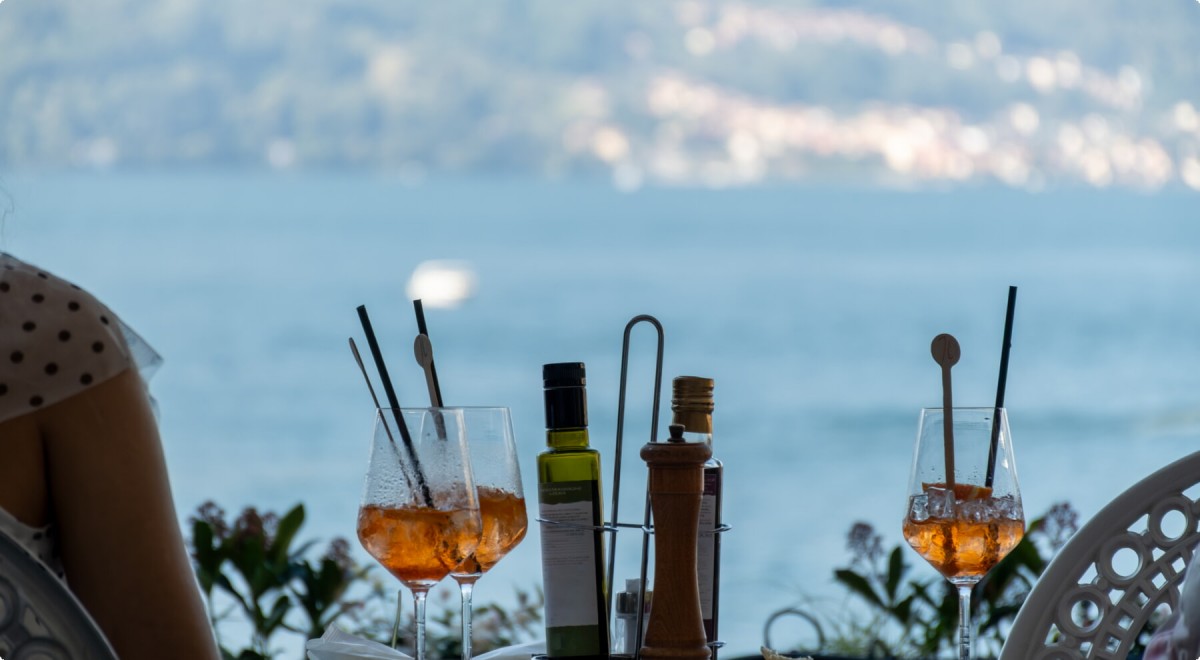
Lake Como’s first meal tastes best when it’s uncomplicated. A plate of lake fish with lemon and olive oil, a crisp salad, a carafe of local white that smells like fresh linen. If you arrive later, go for a simple pizza and a scoop of nocciola gelato - one bite and the day’s tunnels slip from memory. Walk the waterfront, feel the boards underfoot on a dock, and listen to the small slaps of water against hulls; it sounds like someone clapping softly, just for you.
Onward travel, returns, and flexibility
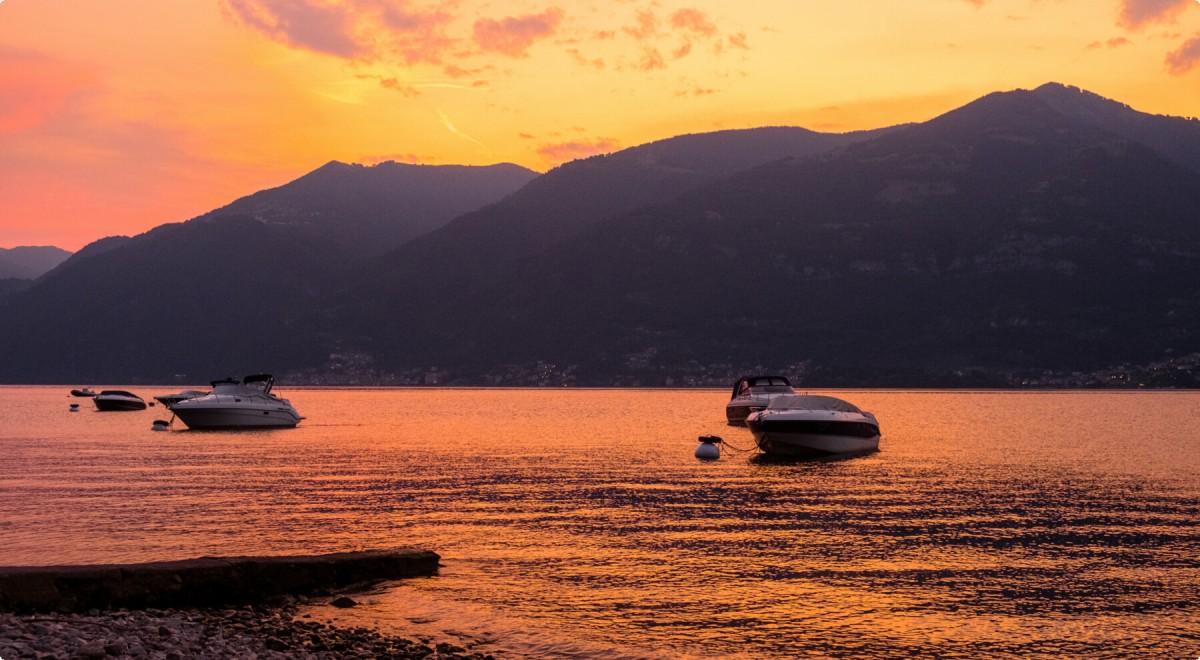
If you’re looping onward to Venice or dropping the car near Milan, the road options fan out beautifully. For travelers who prefer to end the trip with an airport drop in Lombardy, compare rates and models for a simple handover at Orio al Serio via this link: Bergamo Airport car hire. It sits an easy drive from Como, and it spares you a city-center drop if urban driving makes you tense.
Alternatively, keep the car and wander the lake’s edges for a day or two. Drive north toward Gravedona for fewer crowds, or south to Cernobbio for stately villas and quiet promenades. Don’t rush, not here. Let breakfast run long, and the ferry schedules decide the day’s rhythm. The water does its calming work without asking permission.
Three gentle micro-adventures on the water
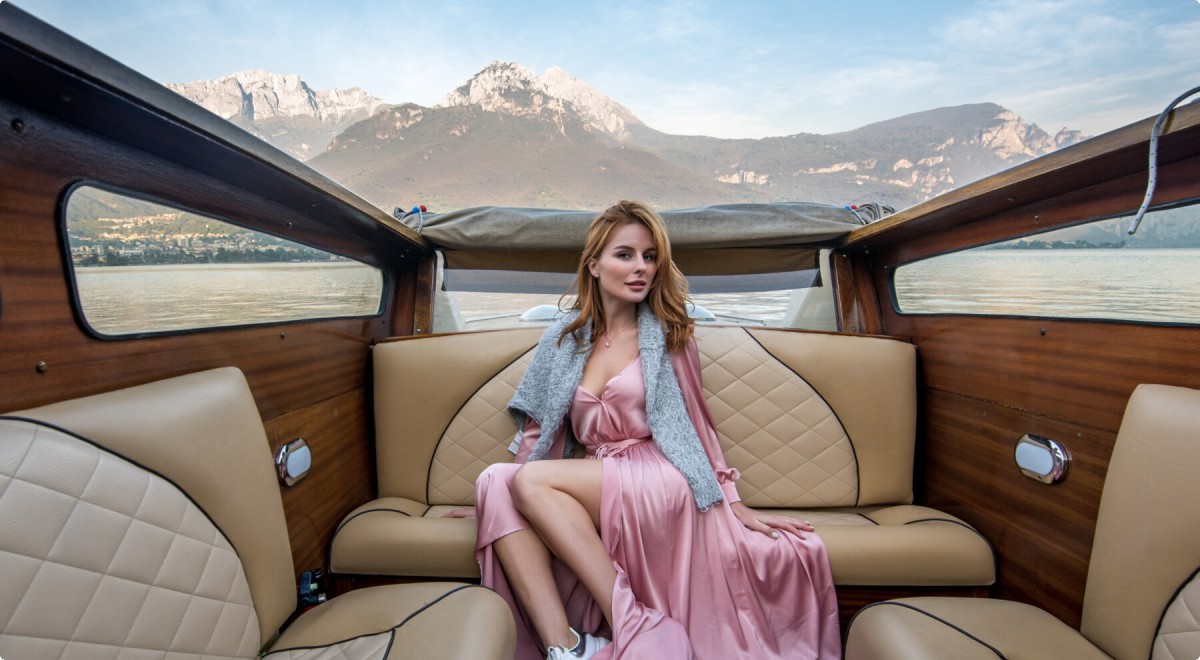
In case you want just a taste of lake life without overplanning, here are three simple moves to stack into a lazy afternoon:
- Hop the slow ferry Como - Varenna, then sit on the upper deck, jacket around your shoulders if it’s breezy.
- Rent a small boat with a captain for an hour - fine for photos, even finer for daydreams.
- Walk Bellagio’s stone steps just before dinner when the shops exhale and the sky turns soft gray-blue .
One last tiny reminder: Italy’s ZTL zones change by town and time of day; if your hotel is inside one, request clear access instructions and a plate registration. It’s the sort of five-minute admin that feels boring but saves you a letter in the mail months later. And if a meter refuses your card - try contactless another time or move to the next machine. Little hiccups aren’t the plot, they’re just punctuation.
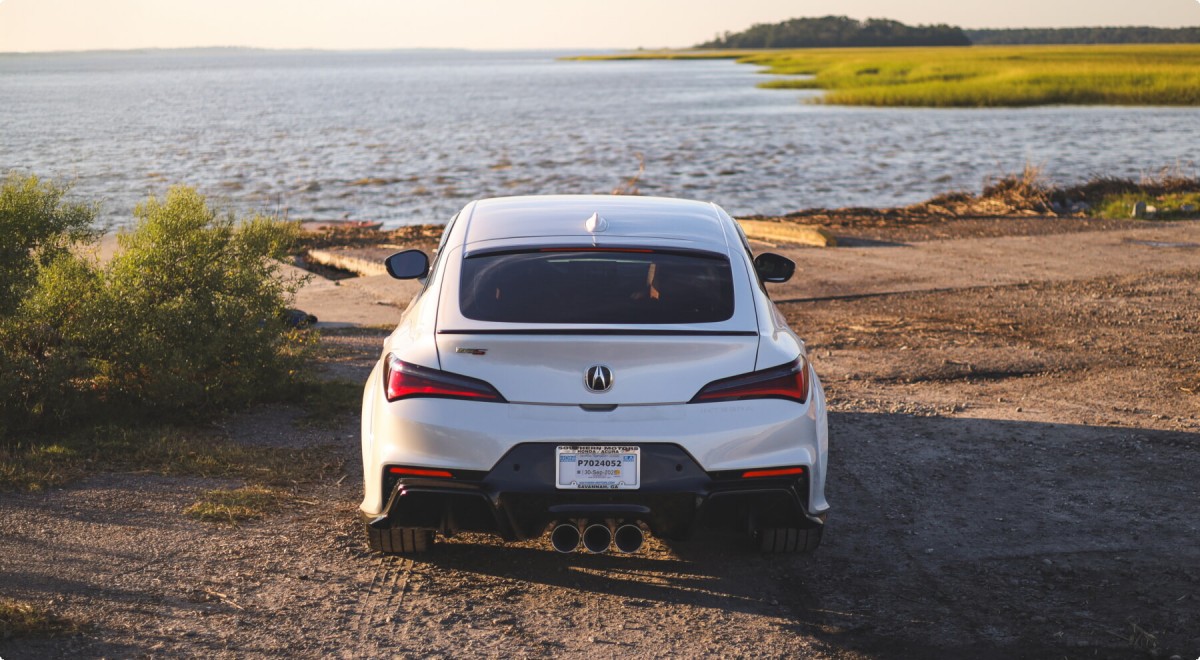
Before you switch off the engine near Como’s edge, sit a second with the windows cracked. Hear that blend - a motorboat humming, voices in Italian rising and falling like waves, a gull skimming the surface. It’s delicate and ordinary, and that’s exactly why it’s good. The best drives don’t end with a full stop; they taper into the place you came to see, like the last bars of a song you already know by heart.