Serbia, a country nestled in the heart of the Balkans, offers travelers a unique blend of rich history, stunning landscapes, and warm hospitality. As you plan your journey to this captivating destination, it's essential to be well-prepared for the cultural nuances and practical aspects of traveling in Serbia. This comprehensive guide will provide you with valuable insights and tips to ensure a smooth and enjoyable experience during your visit.
Getting Around: Transportation Options in Serbia
When it comes to exploring Serbia, having reliable transportation is crucial. While public transportation is available in major cities, many travelers prefer the flexibility and convenience of having their own vehicle. For those looking to explore Serbia's diverse landscapes by car, renting a vehicle can be an excellent option. This allows you to venture off the beaten path and discover hidden gems at your own pace.
Serbia's road network is generally well-maintained, especially on major routes connecting larger cities. However, when traveling to rural areas or mountainous regions, it's advisable to opt for a vehicle with good ground clearance. Be sure to familiarize yourself with local traffic rules and keep in mind that driving in Serbia is on the right side of the road.
Language: Navigating the Serbian Linguistic Landscape
The official language of Serbia is Serbian, which uses both the Cyrillic and Latin alphabets. While many young people and those working in the tourism industry speak English, it's helpful to learn a few basic Serbian phrases to enhance your travel experience and show respect for the local culture.
Here are some essential Serbian phrases to get you started:
- Hello - Zdravo (ZDRAH-voh)
- Thank you - Hvala (HVAH-lah)
- Please - Molim (MOH-leem)
- Yes - Da (dah)
- No - Ne (neh)
- Goodbye - Doviđenja (doh-vee-JEH-nyah)
It's worth noting that Serbian is closely related to Croatian and Bosnian, so if you're familiar with either of these languages, you'll find many similarities.

Currency and Payment: Managing Your Money in Serbia
The official currency of Serbia is the Serbian Dinar (RSD). While some establishments in tourist areas may accept euros, it's best to have dinars on hand for most transactions. ATMs are widely available in cities and towns, and many businesses accept credit cards. However, it's always a good idea to carry some cash, especially when visiting rural areas or smaller establishments.
When exchanging money, official exchange offices (menjačnica) typically offer better rates than banks or hotels. Be cautious of unofficial exchange services, as they may not be reliable or legal.
Safety: Ensuring a Secure Travel Experience
Serbia is generally a safe country for travelers, with low crime rates and friendly locals. However, as with any destination, it's essential to exercise common sense and take basic precautions:
- Be aware of your surroundings, especially in crowded areas or tourist hotspots
- Keep your valuables secure and be discreet when handling money
- Use reputable transportation services, especially when traveling at night
- Respect local customs and dress codes, particularly when visiting religious sites
- Stay informed about current events and any travel advisories
It's also advisable to have travel insurance that covers medical emergencies and potential trip disruptions.
Cultural Etiquette: Navigating Serbian Social Norms
Understanding and respecting local customs can greatly enhance your travel experience in Serbia. Here are some cultural tips to keep in mind:
- Greetings: Serbs typically greet each other with a handshake, while close friends and family may kiss on the cheek three times
- Hospitality: Serbs are known for their warm hospitality. If invited to someone's home, it's polite to bring a small gift, such as flowers or chocolates
- Dining: It's common for the host to insist on refilling your plate or glass. A polite refusal is acceptable if you've had enough
- Dress code: While casual attire is generally acceptable, it's respectful to dress modestly when visiting religious sites
- Tipping: While not obligatory, tipping around 10% for good service in restaurants is appreciated
Must-Visit Destinations: Exploring Serbia's Highlights
Serbia boasts a diverse array of attractions, from bustling cities to serene natural landscapes. Here are some must-visit destinations to include in your itinerary:
Belgrade: The Vibrant Capital
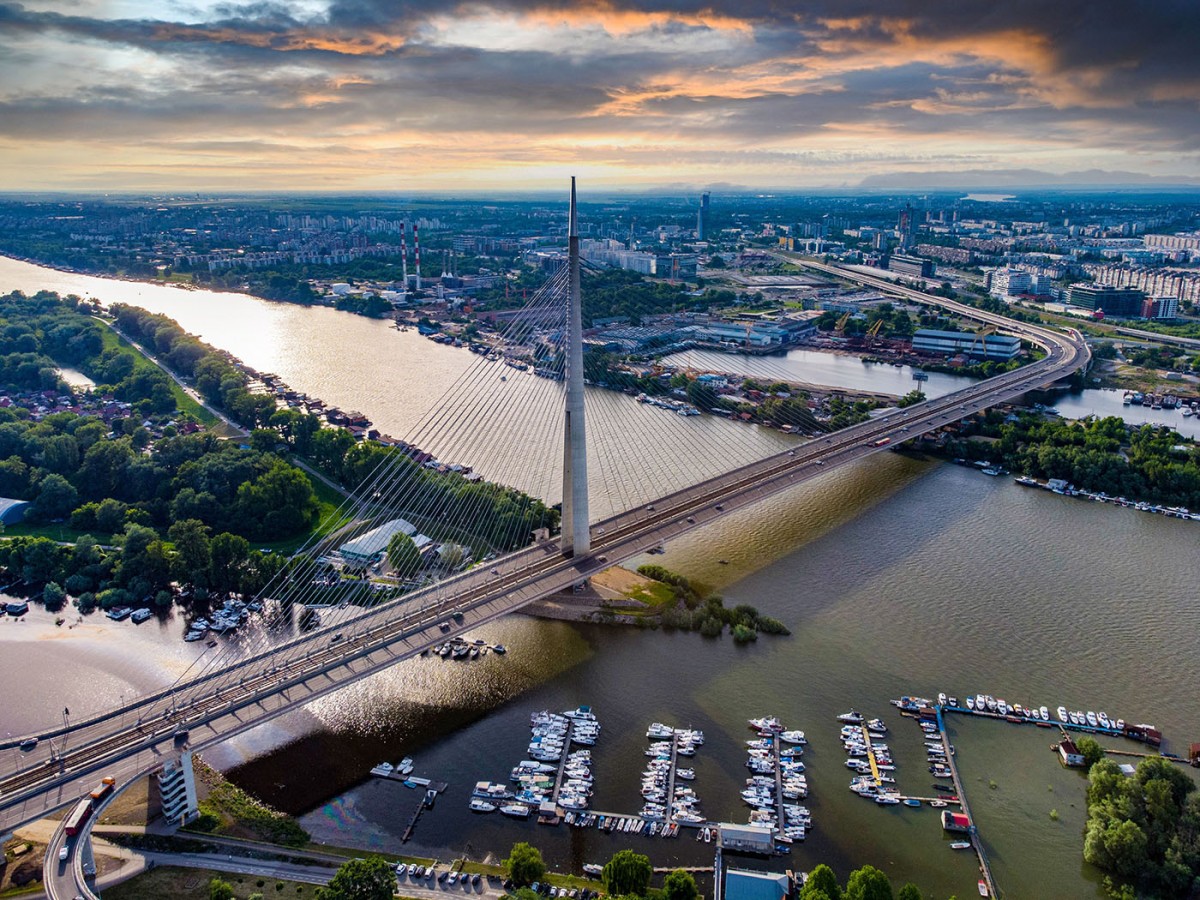
Belgrade, the capital city, is a dynamic metropolis where history meets modernity. Don't miss the imposing Belgrade Fortress, the bohemian Skadarlija district, and the trendy Savamala neighborhood. For those planning to explore the capital and its surroundings, securing a reliable vehicle in Belgrade can provide the freedom to discover hidden gems and nearby attractions at your own pace.
Novi Sad: The Cultural Hub
Known for its stunning architecture and the famous EXIT music festival, Novi Sad is a city that shouldn't be missed. The Petrovaradin Fortress offers panoramic views of the Danube and hosts numerous cultural events throughout the year.
Zlatibor: Mountain Resort Paradise
For nature lovers, the Zlatibor mountain region provides a perfect retreat with its pine-covered slopes, fresh air, and outdoor activities. It's an ideal destination for hiking, skiing, and enjoying traditional Serbian cuisine.
Đavolja Varoš: The Devil's Town
This unique natural phenomenon features over 200 unusual rock formations created by erosion. The eerie landscape and local legends make it a fascinating destination for geology enthusiasts and curious travelers alike.
Culinary Delights: Savoring Serbian Cuisine
No trip to Serbia is complete without indulging in its delicious cuisine. Serbian food is hearty, flavorful, and deeply rooted in tradition. Some must-try dishes include:
- Ćevapi: Grilled meat rolls often served with flatbread and onions
- Pljeskavica: A large, flavorful meat patty similar to a hamburger
- Sarma: Cabbage rolls stuffed with meat and rice
- Ajvar: A savory red pepper spread
- Rakija: A strong fruit brandy, considered the national drink
Don't forget to visit local markets to sample fresh produce and artisanal products. The Kalenić Market in Belgrade is a great place to experience the vibrant food scene and interact with locals.
Practical Considerations: Additional Travel Tips
To ensure a smooth journey, keep these additional tips in mind:
- Visa requirements: Check if you need a visa before traveling. Many countries have visa-free access to Serbia for short stays
- Power adapters: Serbia uses Type C and Type F electrical outlets, with a standard voltage of 230V
- Internet access: Wi-Fi is widely available in urban areas, and mobile data plans are affordable for travelers
- Emergency numbers: The general emergency number in Serbia is 112
- Climate: Serbia has a continental climate with cold winters and hot summers. Pack accordingly based on your travel dates
By keeping these practical tips in mind, you'll be well-prepared to navigate the intricacies of traveling in Serbia. From mastering a few key phrases in Serbian to understanding local customs and exploring the country's diverse attractions, your journey through this Balkan gem is sure to be filled with unforgettable experiences. Embrace the warm hospitality, savor the delicious cuisine, and immerse yourself in the rich culture that Serbia has to offer. Whether you're wandering through historic cities or venturing into the picturesque countryside, Serbia promises a travel experience that will leave you with lasting memories and a desire to return.