Sintra is the kind of place that makes you slow down without asking. The air feels cooler, the light softer, and the streets seem to curve with a quiet intention, as if guiding you toward something secret. You come for palaces, yes, but you stay for the odd little details - mossy stairways, cinnamon-sweet pastry smells, and views that look like painted backdrops from a childhood story you half-remember.
A town woven from mist and memory
Some places announce themselves with noise. Sintra prefers a softer entrance. The hills hold onto clouds like a private habit, and even on bright days the town has a slightly theatrical feel, as if someone might pull a velvet curtain and reveal another street behind it. The first time you walk up from the station, you may notice how quickly the temperature shifts - a gentle reminder that you’ve stepped into a microclimate of green shade and old stone.
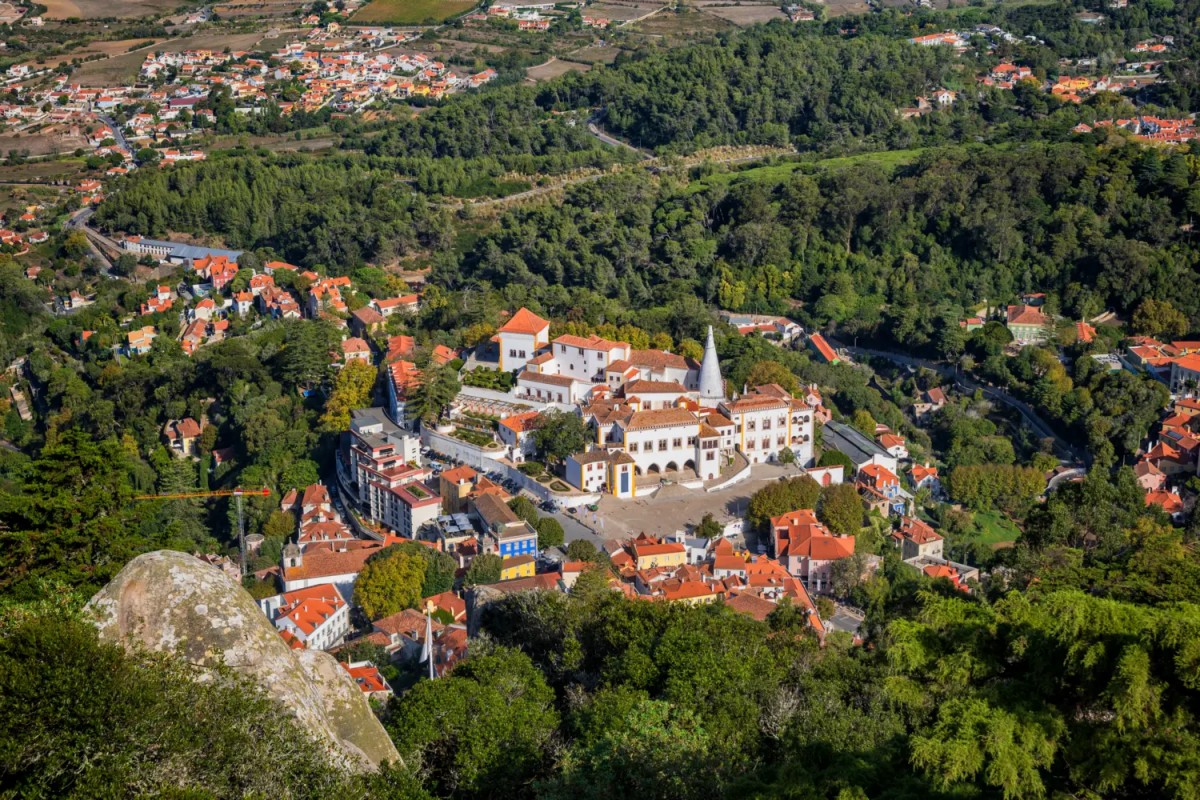
It isn’t hard to imagine why poets and monarchs fell for this landscape. The town sits like a jewel box at the base of the Serra de Sintra, surrounded by forests that smell of pine needles and damp earth. When the fog rolls in you can almost hear the soft hush of history, the faint clink of carriage wheels, and the murmur of visitors from centuries ago who were equally unsure whether they were seeing a real town or a well-designed dream.
Sintra also rewards the small-scale traveler. Between the grand sites, you’ll find storefronts with porcelain tiles, tiny bookshops, and cafés where the day’s rhythm is measured by coffee spoons tapping saucers. If you’re the sort of person who likes to pause for a second pastry simply because the table next to you is laughing, this town is already on your side.
Sintra can feel busy, but the town’s charm is easier to catch if you treat it like a stroll rather than a checklist. Give yourself permission to be curious and slightly unplanned .
For a broad, reliable overview of sites and tickets, the official management body Parques de Sintra-Monte da Lua is worth knowing about early in your planning. It’s not romantic advice, but it’s practical - like putting comfortable shoes by the door before a long-awaited hike.
Pena Palace and the joy of excess
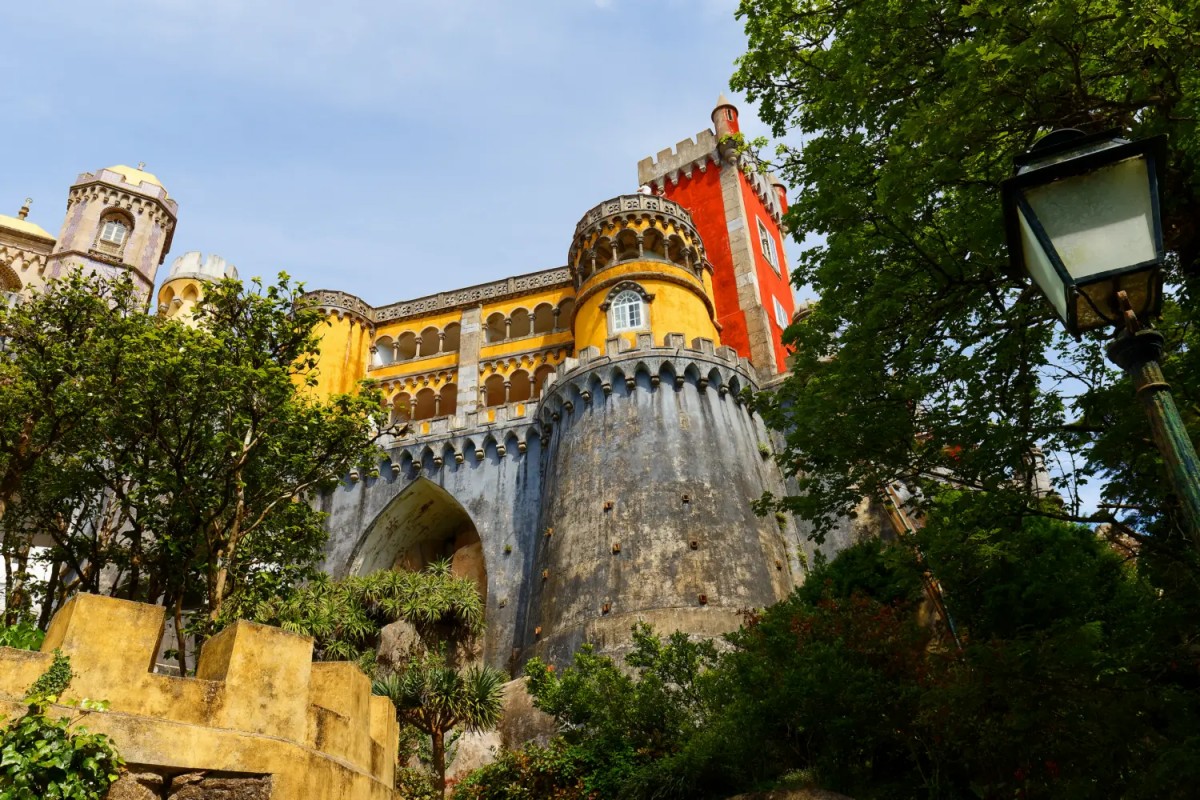
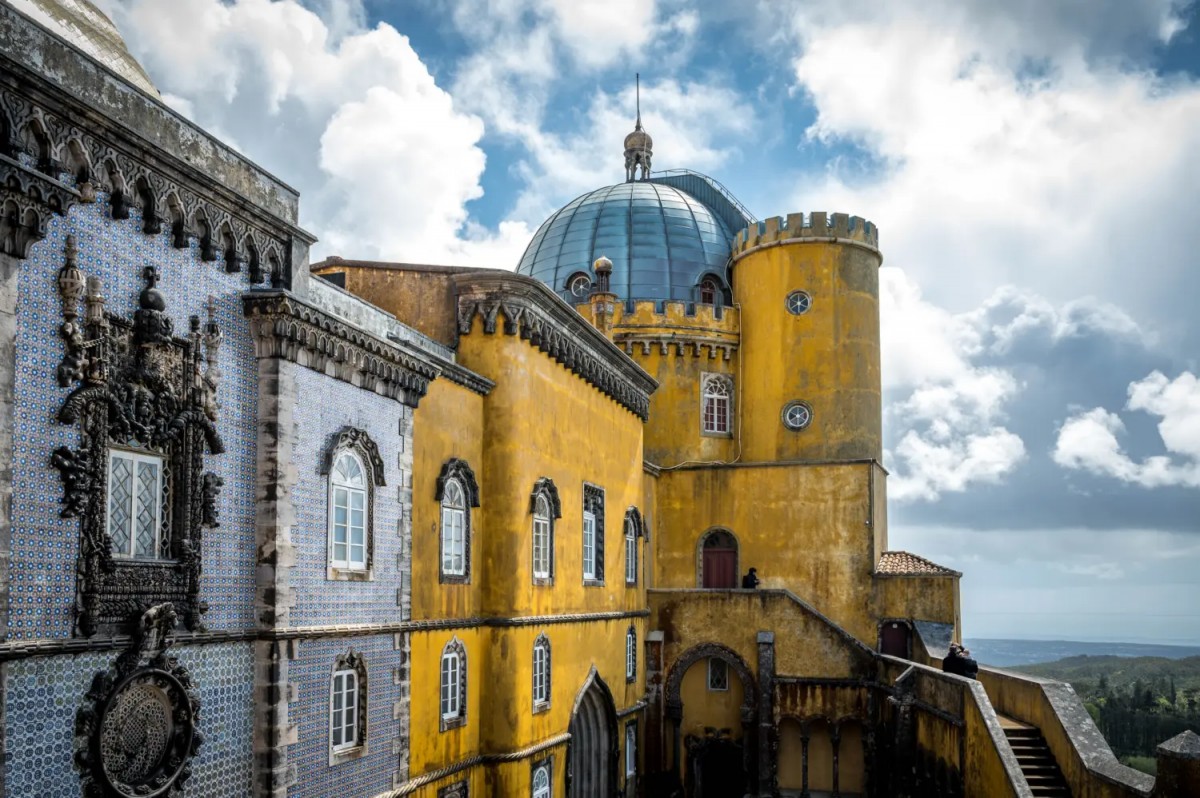
If Sintra is a fairytale, then Pena Palace is the moment when the illustrator decides subtlety is overrated. The colors - yellows, reds, and stone grays - don’t blend quietly into the landscape; they strike a playful pose on top of the hill. Approaching it feels like watching someone build a castle out of every style they ever loved, then daring you to call it too much.
And that’s the pleasure of Pena. It is a place, that openly celebrates imagination. Gothic hints bump into Moorish arches; Romantic whims show up where you expect strict royal formality. The result isn’t a tidy museum of architecture, but a living collage. You may find yourself smiling for no particular reason, the same way you do when you catch a favorite song unexpectedly on the radio.
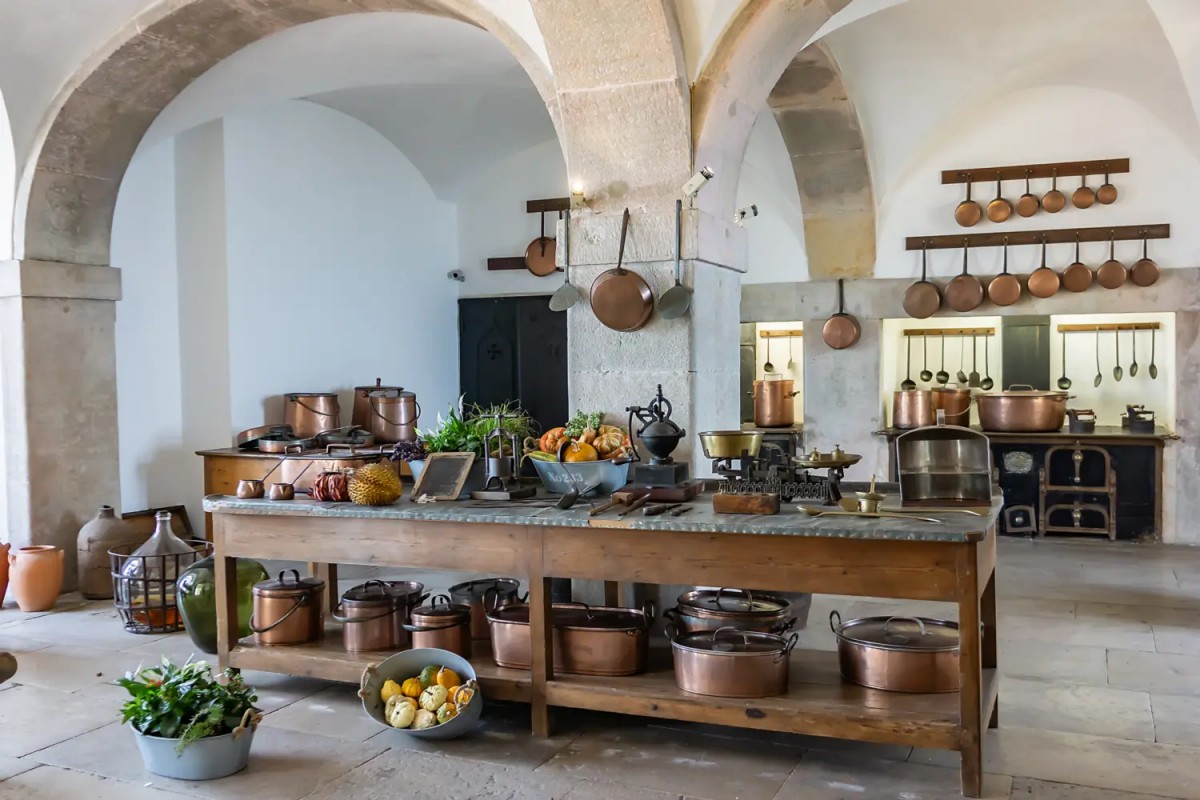
Inside, the rooms can feel surprisingly intimate compared to the splashy exterior. There are long corridors and quiet corners, and windows framing the sea in the distance. The palace reserves its loudest voice for the outside - terraces, crenellations, and lookout points that make you want to linger even if the wind is cold.
The best way to experience Pena is to accept its mood swings. Sunshine makes it look like a toy set; low cloud turns it into a floating fortress. Both versions are true. Both are worth seeing.
- Arrive early if you can - the light is soft and the pathways feel calmer.
- Take a slow walk through the surrounding park; it’s a different story from the main palace drama.
- Pause on a terrace and listen - you’ll hear birds, distant voices, and that steady hilltop wind.
Pena is not trying to be minimal or serious. Think of it like a bold outfit you’d never wear, but secretly admire on someone else. That mindset makes the visit lighter and more fun.
- Look for details that feel almost theatrical - painted ceilings, quirky turrets.
- Step into the quieter rooms to balance the outdoor spectacle.
- Use the terraces to orient yourself to Sintra’s geography.
- Don’t rush the park; it’s the palace’s softer echo.
Quinta da Regaleira - a puzzle in stone
While Pena is a joyful shout, Quinta da Regaleira is a whispered riddle. The estate feels like someone built an entire garden for the purpose of hiding secrets in plain sight. Even the air around it seems different - cooler, heavier with greenery, and scented with wet leaves after a light drizzle.
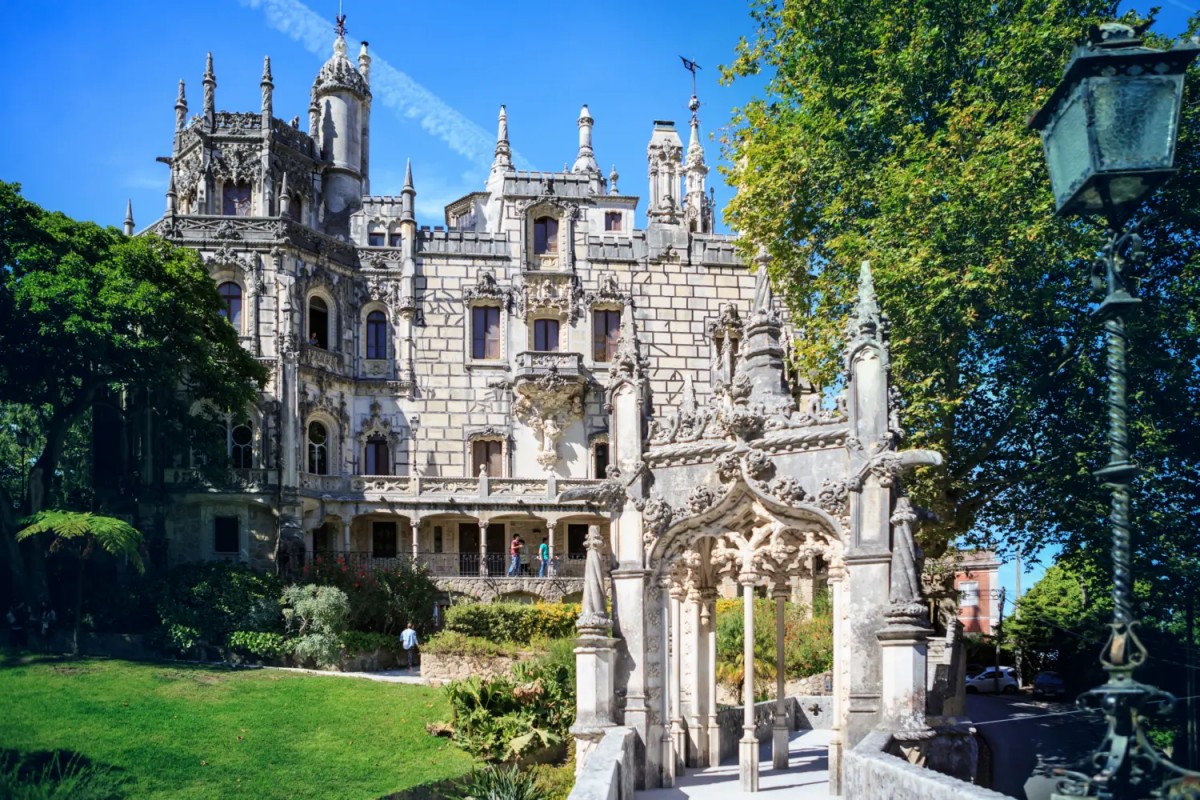
You can tour Regaleira in a straightforward way, but that would be like reading only the chapter titles of a mystery novel. The real delight is in the slow discovery: a tunnel entrance half-covered by vines, a staircase that leads to nothing obvious, a small chapel that looks modest until you notice the details.
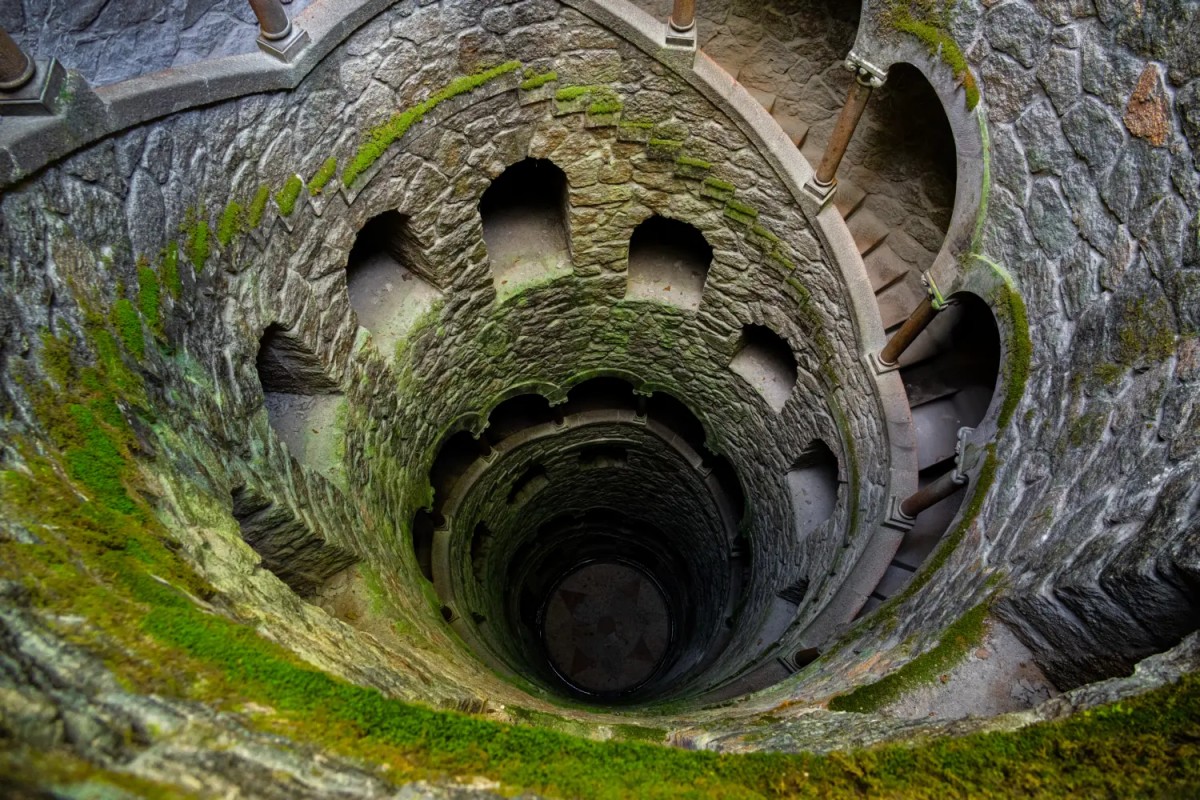
The Initiation Well is the site everyone talks about, and deservedly so. Descending its spiral is a strange blend of excitement and calm. The stone is cool to the touch, and each step down feels like turning the page on a story you don’t completely understand yet. There’s a childlike thrill in emerging elsewhere through subterranean passages - the same satisfaction as finding a hidden shortcut in a familiar neighborhood.
For extra context on the broader history and symbolism of Sintra’s defensive legacy, a quick reading about the Castle of the Moors can add texture to your visit. It’s a reminder that this region has always balanced romance with strategy, fantasy with stone-hard reality.
Regaleira’s mood in small moments
Not everything here is grandiose. Some of the best moments come when you stop chasing landmarks. Sit beside a quiet fountain. Watch a couple deciding which path to take. Notice how birdsong seems amplified by the thick foliage. In a world that often pushes speed, this estate gently insists that wonder takes time.
The quiet authority of Sintra’s older palaces
After the bright drama of Pena and the symbolic labyrinth of Regaleira, the older royal spaces feel like a deep exhale. Sintra’s historic core offers a different flavor of grandeur - one that’s less about whimsy and more about continuity.
The National Palace in town, with its iconic chimneys, anchors Sintra in daily life. It sits close to shops and cafés, not perched far above them. That proximity matters. It reminds you that royal history here wasn’t only remote and elevated; it was part of a living urban rhythm. You might step out of a richly decorated hall and immediately hear the sound of espresso machines and buskers outside. The contrast is oddly comforting.
Then there’s the broader tapestry of estates and residences that dot the hills. Each has its own personality. Some feel formal, others almost suburban in scale, which makes them strangely relatable. We all know that one house in a neighborhood that looks ordinary from the street, then surprises you inside - Sintra has a few versions of that idea, just with frescos and centuries of stories.
In these quieter palaces, details carry the narrative. Painted tiles, carved doorways, and the soft creak of wood floors do much of the emotional work. You begin to notice how taste evolves over time, how power expresses itself sometimes not through spectacle, but through restraint.
If you feel palace fatigue creeping in, pivot to smaller rooms, courtyards, or tile galleries. These spaces often deliver the richest atmosphere with the least crowd pressure.
Gardens, viewpoints, and a wilder coastline
Sintra’s magic isn’t confined to walls and towers. The landscape plays an equal role, and sometimes steals the show. Between sites, the forests feel like a slow-moving green river. The light filters through branches in thin slices, and the air can be so clean it feels almost drinkable.
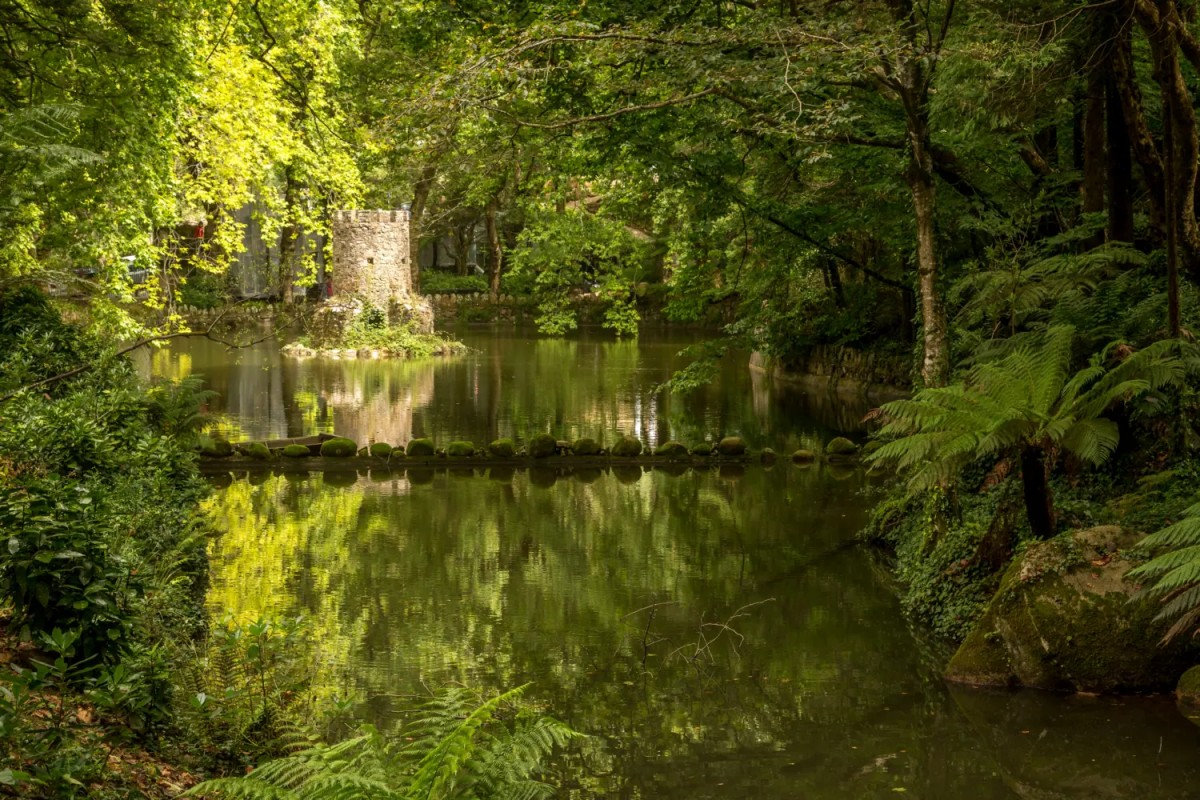
Even a short walk away from the busiest routes can feel like stepping into a private version of the town. Birds ping through the canopy, and you may catch the scent of eucalyptus. The pace changes. You’re no longer collecting attractions; you’re collecting mood.
- Short woodland trails can connect major sites and give your day a more organic flow.
- Viewpoints are worth a pause even if you think you’ve seen enough panoramas.
- Pack a light snack; hunger arrives faster on these hills than you expect.
If you have time to expand your radius, the Atlantic edge is a brilliant counterpoint to the palatial fantasy. The cliffs and open wind offer a raw, uncluttered beauty. A stop at Cabo da Roca feels like turning the page from a richly illustrated chapter to a minimalist ink drawing. The horizon is broad, the waves are loud, and the world seems to reset itself in salty air.
This coastal detour also helps you understand Sintra as a geographical crossroads - mountains close to the sea, history nested inside nature. The fairytale backdrop is not an exaggeration, but it is built on real terrain, real weather, and real ecological drama.
How to live a perfect Sintra day
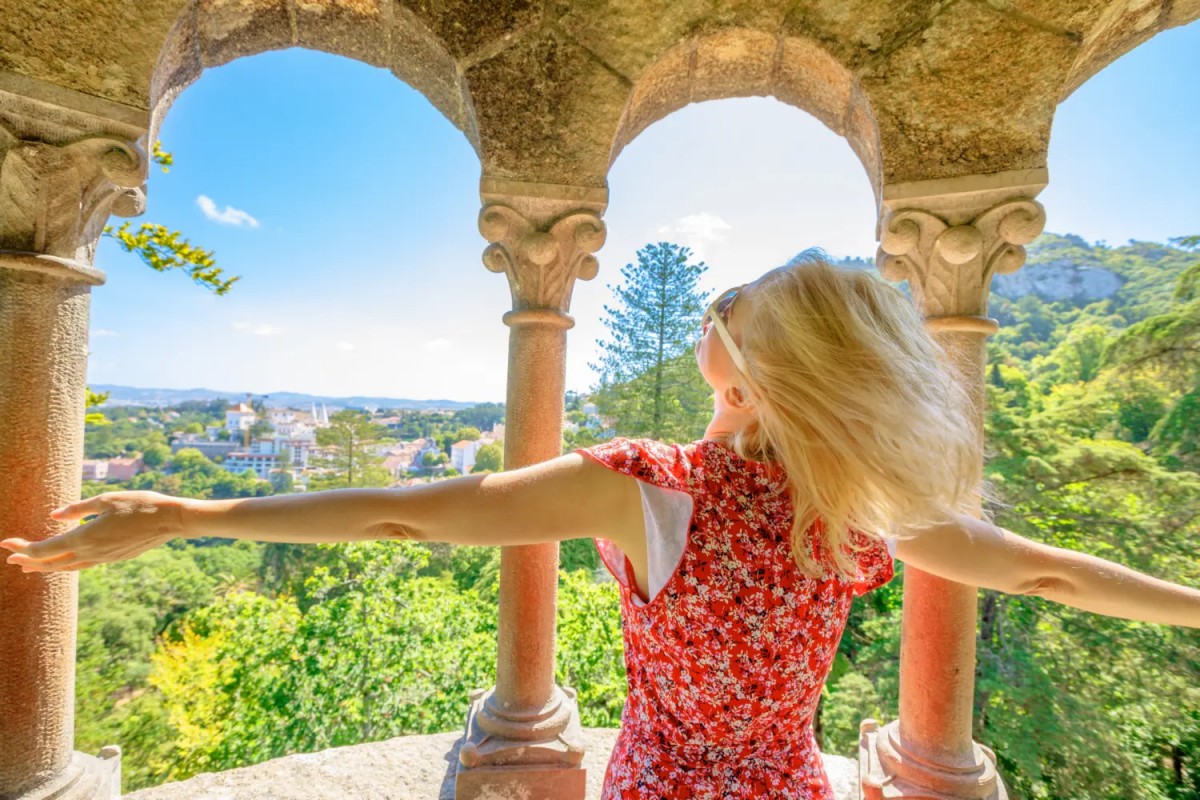
A good Sintra day is less about conquering everything and more about choosing a rhythm that suits your energy. The town can be done in a frantic sprint, but you’ll miss the quieter textures - the way the hills change color, or how the mist slides across rooftops like smoke from an invisible fireplace.
Start in the high places if you can. Hills feel easier in the morning, and the light is kinder for photos. Then move downward toward the town center for lunch and a slower afternoon. This top-to-bottom approach matches the body’s natural logic. It also feels satisfying, like finishing a long walk that ends with a comfortable chair and a warm plate.
A gentle, realistic route
Here’s a flexible outline that won’t punish you for being human:
- Morning: visit Pena’s hilltop world and wander the park without rushing.
- Late morning: shift to Regaleira for its tunnels and symbolic gardens.
- Afternoon: explore the town core, pick a café, and let the National Palace or adjacent streets guide you.
- Optional: end the day with a coastal drive if you want a different kind of awe.
Transportation shapes your experience more than most people admit. Buses are useful, and walking is romantic, but a car gives you the freedom to handle Sintra on your terms - especially if you’re pairing palaces with the coast or traveling with family. It’s a simple upgrade in comfort and timing, the way having your own umbrella changes how you feel about an unpredictable forecast.
For planning a wider route beyond Sintra, including coastal stops and nearby towns, you can check Car rental in Portugal.