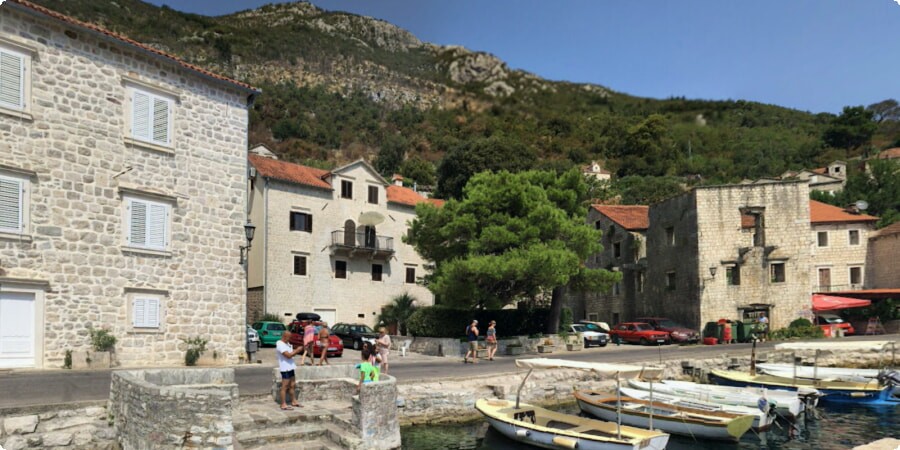
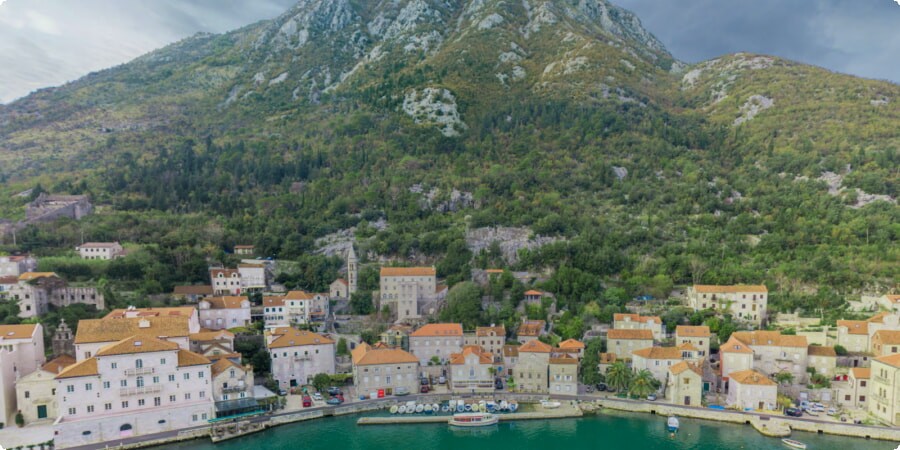
Nestled along the stunning Bay of Kotor, Perast is a picturesque town in Montenegro that exudes timeless charm. Known for its well-preserved Baroque architecture and serene coastal setting, Perast offers visitors a glimpse into the rich maritime history and cultural heritage of the region. This small, yet captivating town, with its elegant palaces, historic churches, and beautiful islands, stands as a testament to the grandeur of the past.
Perast’s location is nothing short of spectacular. Surrounded by dramatic mountains and crystal-clear waters, it provides a tranquil escape from the bustling tourist spots of the Bay of Kotor. The town's narrow streets, lined with historic buildings and cozy cafes, invite leisurely exploration and a deep dive into its storied past. With its mix of historical allure and natural beauty, Perast is a must-visit destination for those looking to experience the essence of Montenegro’s coastal charm.
A Historical Journey Through Perast
Perast’s history stretches back to the Roman era, but it truly flourished during the Middle Ages and the Venetian Republic's influence. Once a thriving maritime hub, Perast was renowned for its strategic location and economic significance. The town's prosperity is reflected in its grand architecture and the numerous historical buildings that line its streets.
Under Venetian rule, which began in the 15th century, Perast experienced a golden age. The Venetians developed the town into a significant naval port, and their influence is evident in the Baroque style that characterizes many of Perast's buildings. This period also saw the construction of impressive palaces, churches, and fortifications, which remain integral to Perast’s architectural heritage.
One of the key historical sites in Perast is the Church of St. Nicholas, which dates back to the 17th century. This church, with its striking façade and intricate interior, stands as a symbol of the town’s maritime legacy and its cultural connections to the Venetian Republic. Another notable landmark is the Perast Museum, housed in the Bujović Palace, which provides a fascinating overview of the town’s history and maritime heritage.
Learn more about Perast’s rich history through its Wikipedia page.

Architectural Wonders of Perast
Perast is renowned for its exquisite Baroque architecture, which is evident in its churches, palaces, and mansions. The town’s architectural heritage reflects its historical significance and the influence of various cultures over the centuries.
One of the most prominent architectural landmarks is the Church of St. Nicholas, which stands as a testament to the town’s Baroque splendor. Its ornate façade and richly decorated interior are exemplary of the period’s craftsmanship. The church’s bell tower offers panoramic views of Perast and the Bay of Kotor, adding to its appeal as a historical and architectural marvel.
Another architectural gem is the Palace of the Bujović family, now home to the Perast Museum. This 17th-century palace, with its elegant façade and intricate interior design, provides a glimpse into the opulent lifestyle of Perast’s former elite. The museum housed within offers a deeper understanding of the town’s history, art, and maritime heritage.
The town is also known for its historic mansions, many of which were built by wealthy maritime families during Perast’s prosperous years. These grand residences, with their elaborate façades and beautifully landscaped gardens, are scattered throughout the town and contribute to its picturesque charm.
To fully appreciate Perast and its surroundings, consider exploring the area by car. For convenient car rental options, you can book a car in Budva through this link.

The Islands of Perast: Our Lady of the Rocks and St. George
Perast is not only renowned for its historical and architectural charm but also for its iconic islands: Our Lady of the Rocks and St. George. These two islands are central to the town's cultural and historical identity, each offering a unique glimpse into Perast’s maritime heritage.
Our Lady of the Rocks is a man-made island created over centuries by local seamen. Legend has it that the island's origin dates back to the 15th century when a shipwrecked sailor discovered an icon of the Virgin Mary on a rock in the bay. To honor the icon, the sailors began placing rocks in the area, eventually constructing an island. Today, the island is home to the Church of Our Lady of the Rocks, a beautiful baroque building adorned with intricate artwork and relics. Visitors can explore the church’s interior, which houses a collection of religious artifacts and a famous tapestry depicting the history of the island.
St. George Island is the natural counterpart to Our Lady of the Rocks. Unlike its man-made neighbor, St. George is a natural island with a rich history of its own. It is home to the Monastery of St. George, which dates back to the 12th century. The monastery is known for its serene atmosphere and historical significance, though it is not open to the public for regular visits. The island is also a burial site for many prominent local families, adding to its historical depth.
Visitors can reach these islands via a short boat ride from Perast. This scenic journey offers spectacular views of the Bay of Kotor and its surrounding landscapes. To plan your visit to these islands and explore Perast comfortably, consider renting a car in Montenegro for easy access to the region. Check out this link for car rental options.
Exploring Perast’s Maritime Heritage
Perast’s maritime history is as rich and fascinating as its architecture. Once a major naval power, the town played a pivotal role in the Mediterranean maritime trade and defense. This heritage is preserved in various museums and historical sites throughout Perast.
The Perast Museum, located in the Bujović Palace, is a central repository of the town’s maritime history. The museum’s exhibits include maritime maps, historical documents, and artifacts that provide insight into Perast’s naval past. One of the highlights is the collection of ship models, which illustrate the evolution of naval design and technology over the centuries.
Another notable site is the Maritime Museum, which showcases the importance of Perast as a maritime center. The museum’s collection includes naval uniforms, weapons, and models of historic ships, reflecting the town’s significant role in regional naval conflicts and trade.
Visitors interested in the town’s maritime legacy can also explore various historical shipwrecks and remnants along the bay. These sites offer a tangible connection to Perast’s seafaring past, allowing visitors to imagine the bustling maritime activity that once defined the town.
For a comprehensive view of Perast’s maritime heritage, visit this Google Maps link.
Local Cuisine and Dining in Perast
A visit to Perast is incomplete without indulging in its local cuisine, which reflects the rich culinary traditions of Montenegro. The town offers a variety of dining options, from quaint seaside cafes to elegant restaurants, each serving delicious local dishes.
Seafood is a staple of Perast’s culinary scene, and visitors can enjoy freshly caught fish and seafood prepared with traditional recipes. Local specialties include grilled calamari, seafood risotto, and black risotto made with cuttlefish ink. These dishes highlight the fresh, high-quality ingredients sourced from the surrounding waters.
For a more traditional dining experience, try Konoba Skolji, a popular restaurant in Perast known for its warm atmosphere and delectable seafood dishes. Another excellent option is Restaurant Dojmi, which offers a mix of Montenegrin and Mediterranean cuisine, including a selection of local wines and desserts.
In addition to seafood, Perast’s dining scene includes charming cafes where you can enjoy a cup of coffee or a glass of local wine while taking in the stunning views of the bay. Many of these establishments offer outdoor seating, allowing diners to savor their meals against the backdrop of the picturesque coastal scenery.
Outdoor Activities and Natural Beauty
Perast is not just about its historical and architectural allure; it also offers a wealth of outdoor activities set against a backdrop of stunning natural beauty. The town’s coastal location and surrounding landscapes provide numerous opportunities for exploration and recreation.
Hiking and Nature Trails: The area around Perast is ideal for hiking enthusiasts. Trails along the Bay of Kotor offer breathtaking views of the water and the surrounding mountains. The route to the Fortress of St. John, perched high above Kotor, provides panoramic vistas of the bay and the picturesque town of Perast. While not directly in Perast, this hike is accessible within a short drive and offers a rewarding experience for those who enjoy a challenging climb.
Boat Tours: A visit to Perast would be incomplete without exploring the bay by boat. Various operators offer guided boat tours that take visitors around the bay, including stops at the nearby islands of Our Lady of the Rocks and St. George. These tours provide a unique perspective on the region’s natural beauty and historical sites, allowing travelers to enjoy the tranquil waters and picturesque surroundings.
Beach and Water Activities: For a more relaxed experience, visitors can enjoy the small pebble beaches and swimming spots around Perast. The clear, calm waters of the bay are perfect for swimming, snorkeling, or simply lounging by the shore. Some local spots offer facilities for renting kayaks or paddleboards, providing a fun way to explore the bay at your own pace.
Shopping and Souvenirs
Shopping in Perast is a delightful experience, offering a range of unique souvenirs and local products. The town’s charming streets are lined with small shops and boutiques where visitors can find items that capture the essence of Montenegro’s coastal culture.
Local Crafts and Art: Perast is known for its handmade crafts and artisanal products. Visitors can find beautifully crafted ceramics, embroidery, and jewelry that reflect the region’s traditional craftsmanship. Local artisans often sell their creations in small shops and markets, providing an opportunity to take home a piece of Perast’s artistic heritage.
Montenegrin Wine and Olive Oil: For those interested in local delicacies, Perast offers a selection of Montenegrin wines and olive oils. These products are often available in specialty stores and make for excellent souvenirs. Montenegrin wines, such as Vranac and Krstač, are known for their rich flavors and are a great way to remember your visit. Olive oil from the region is also highly prized for its quality and taste.
Souvenir Shops: There are several souvenir shops in Perast where visitors can purchase postcards, magnets, and other keepsakes. These shops offer a variety of items that capture the charm and beauty of the town, making them perfect for commemorating your trip.
Cultural Events and Festivals
Perast’s cultural calendar is filled with events and festivals that celebrate the town’s rich heritage and vibrant community life. These events provide a unique opportunity to experience local traditions and festivities.
Perast Carnival: One of the most popular events is the Perast Carnival, held annually in August. This lively festival features traditional music, dance performances, and colorful parades. The carnival is a celebration of local culture and provides a lively atmosphere for both residents and visitors.
Traditional Music and Dance: Throughout the year, Perast hosts various music and dance events that showcase traditional Montenegrin folk music and dance. These performances often take place in the town square or at local cultural venues, offering a glimpse into the region’s artistic traditions.
Religious Celebrations: Perast’s churches and monasteries also host religious events and celebrations that reflect the town’s spiritual heritage. These events often include processions, concerts, and other activities that provide insight into the local religious practices and traditions.