Prague is persuasive - it makes staying put feel like a plan. Yet the city also sits at the center of a compact, road-friendly country where medieval towns, spa colonnades, forests of sandstone, and vineyard hills arrive quickly and change the mood just as fast. A weekend drive works best when it feels unhurried: fewer “must-sees,” more small turns, good lunches, and a sense of distance measured in landscapes not kilometers.
- The Weekend-Drive Logic: picking a direction, not a checklist
- Kutná Hora: silver, bone-chandeliers, and a short-dose Gothic
- Český Krumlov and the South Bohemian detours
- Karlovy Vary: a spa town that doubles as a film set
- Bohemian Switzerland: sandstone drama, boats, and quiet lanes
- South Moravia: Mikulov, Lednice-Valtice, and vineyard time
The Weekend-Drive Logic: picking a direction, not a checklist
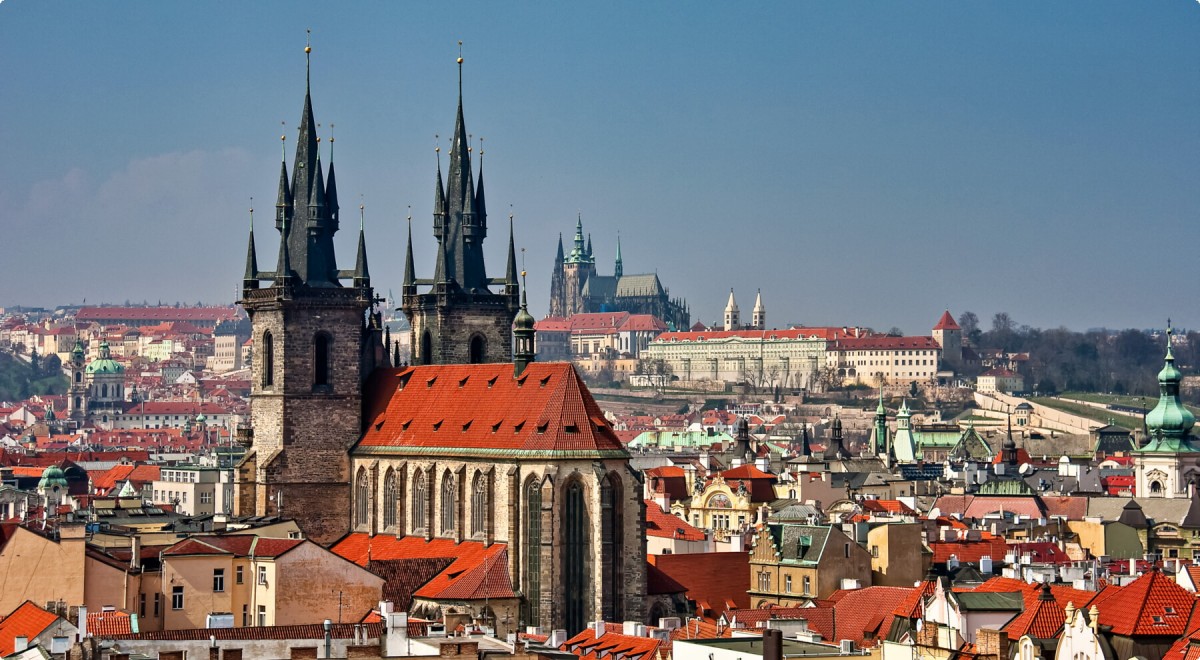
Prague rewards slow walking; a weekend outside Prague rewards smart geometry. The trick is to choose one “spine” road for the outward leg and a different one for the return, even if the destination stays the same. It keeps the trip from feeling like a boomerang and makes small stops feel intentional rather than accidental. In Czechia, two hours can move a traveler from baroque façades to forests where cell reception becomes a suggestion.
Collecting the car tends to be easiest when the pickup location fits the escape route. For city departures, arranging car rental in Prague near the ring road can reduce the “first 30 minutes” stress, the part where traffic lights decide the mood. For late arrivals or early departures, Prague Airport car rental often turns the weekend into a clean line: land, load, leave - no extra commute back into town.
Distances look modest on the map, but the real variable is what happens between destinations: villages with a church tower and exactly one bakery; ponds edged with reeds; a roadside stand selling strawberries in season, honey in autumn. If the forecast looks decent it can be worth planning the scenic leg for daylight, and leaving motorway time for the darker hours.
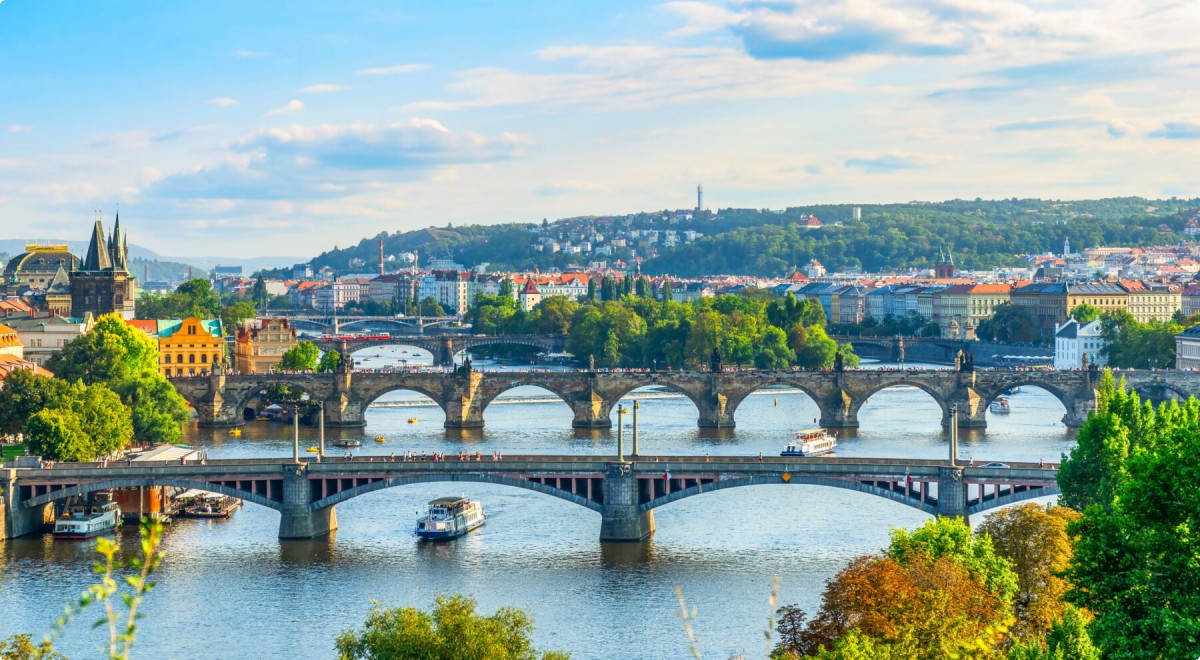
Weekend routes from Prague feel best when the first hour is treated like “leaving work,” not like a rally. A simple rhythm helps: one main stop, one spontaneous stop, and a fixed dinner target so the day doesn’t unravel into endless parking searches.
- Schedule the heaviest driving either before lunch or after dinner, and keep the middle of the day for towns and viewpoints.
- On Saturday, aim to park once and walk; on Sunday, accept shorter walks and a cleaner return.
- Choose accommodation with its own parking - it’s a small detail that changes the entire evening.
One last piece of logic: Czech weekends are “micro-seasons.” In summer, lakes and forests pull crowds; in winter, towns with indoor warmth (spas, breweries, museums) suddenly make more sense. A route can be repeated in a different month and feel like a different country, which is convenient when Prague keeps pulling travelers back.
Kutná Hora: silver, bone-chandeliers, and a short-dose Gothic
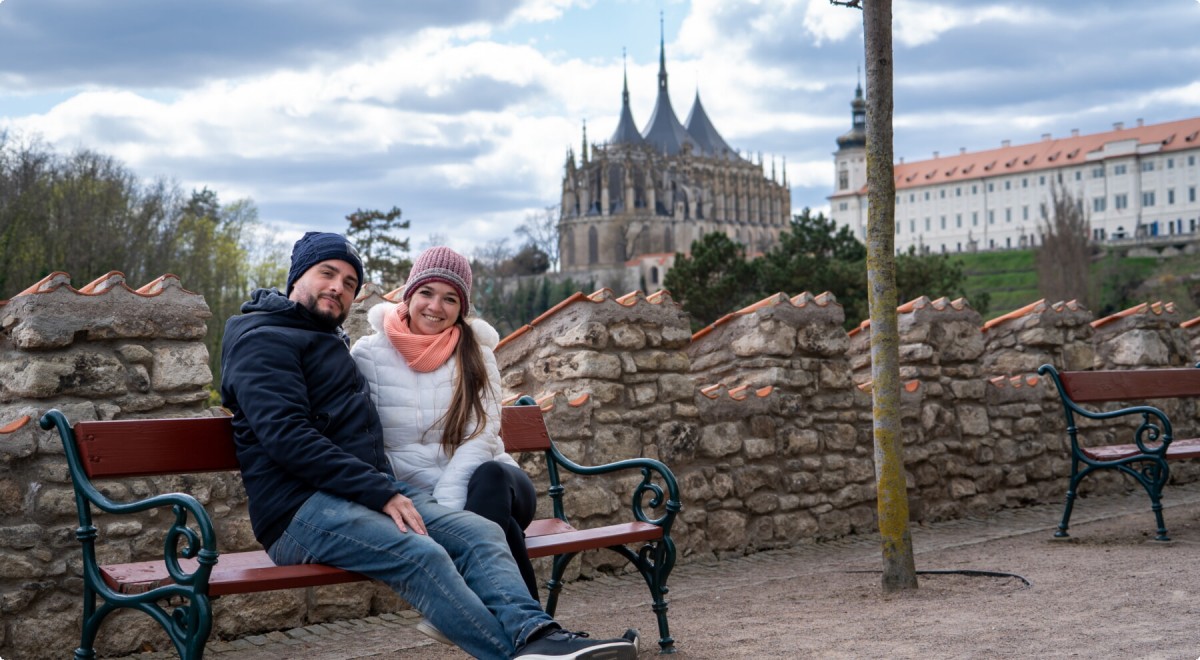
Kutná Hora is the classic “easy win” from Prague - but it stops being obvious when visited slowly. The town once rivaled Prague in wealth thanks to silver, and the architecture still carries that old certainty. Driving time is usually around an hour, which makes it ideal for a weekend that still wants a late breakfast in the city on Saturday.
Many visitors arrive with one image in mind: a chapel decorated with human bones. It is startling in person, not for shock value but for how calmly it sits inside a small church, like a strange craft project completed with patience and then simply… left there. The location is straightforward to reach and parking is manageable, especially when arriving early. A direct pin helps: Sedlec Ossuary, Kutná Hora.
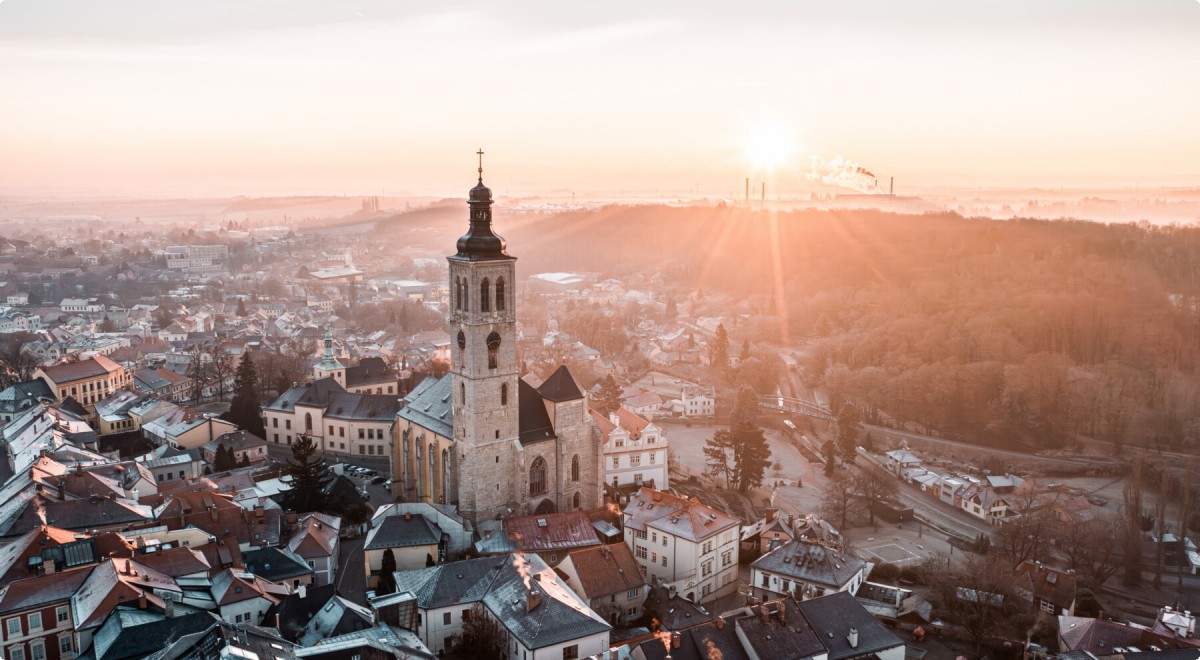
Then the route should continue into the historic center. The best part of Kutná Hora is the way the town slopes and folds; streets reveal small courtyards, and viewpoints appear where the hill decides to open. Cafés feel local rather than curated, and that matters on a weekend when Prague’s crowds are still ringing in the ears. A practical approach is to treat Kutná Hora as two connected places: Sedlec for the strange, then the center for the beautiful.
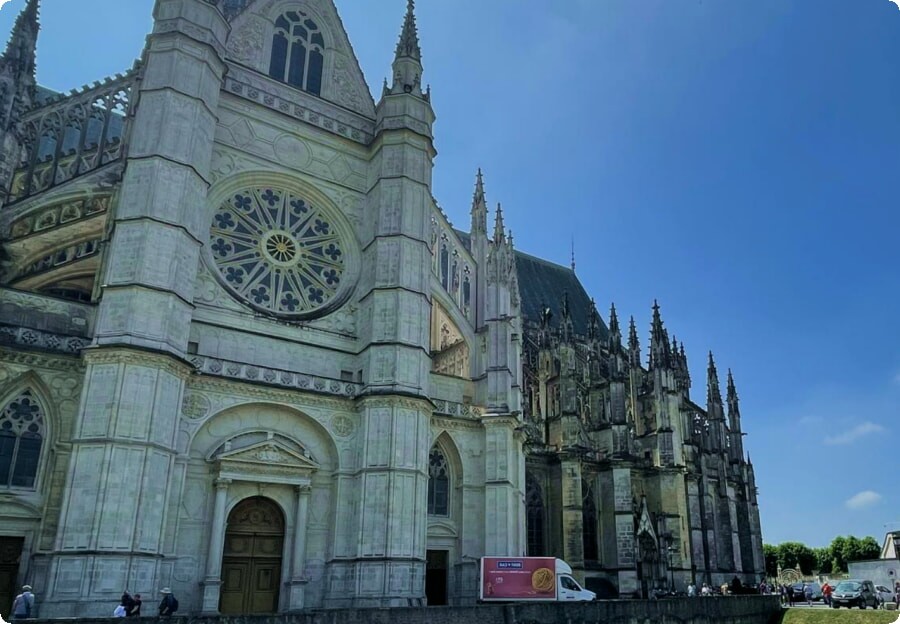
- St. Barbara’s Cathedral for the late-Gothic “stone lace” effect and the views across the valley.
- The Italian Court for a quick sense of how money used to be made and controlled.
- A slow walk between them because the street-level details - doorways, courtyards, small gardens - are the actual souvenir.
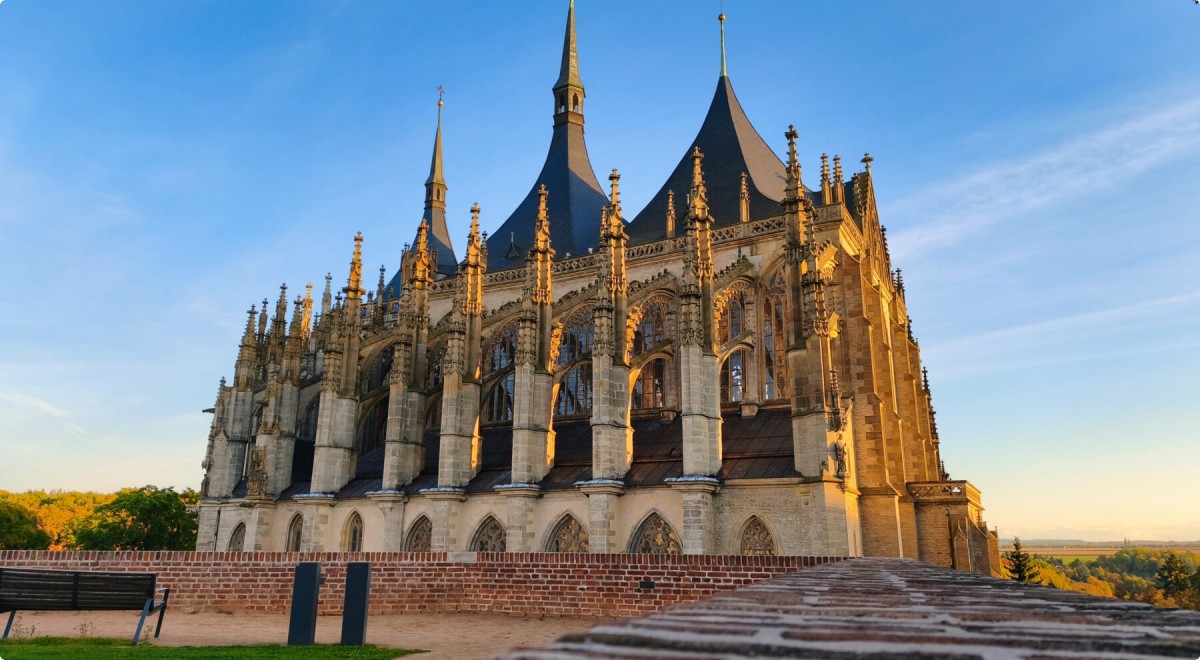
Lunch here can be modest: soup, dumplings, a plate that doesn’t try to be clever. The point is not culinary novelty; the point is that after 24 hours of city life, a quieter table and a view of old roofs can feel like someone turned the volume down.
For Sunday, the return to Prague can include a countryside loop through small villages in Central Bohemia. It’s not about chasing another “big sight,” it’s about letting the drive do the work: fields, orchards, and the occasional roadside chapel that looks like it has been waiting for centuries with no particular urgency.
Český Krumlov and the South Bohemian detours
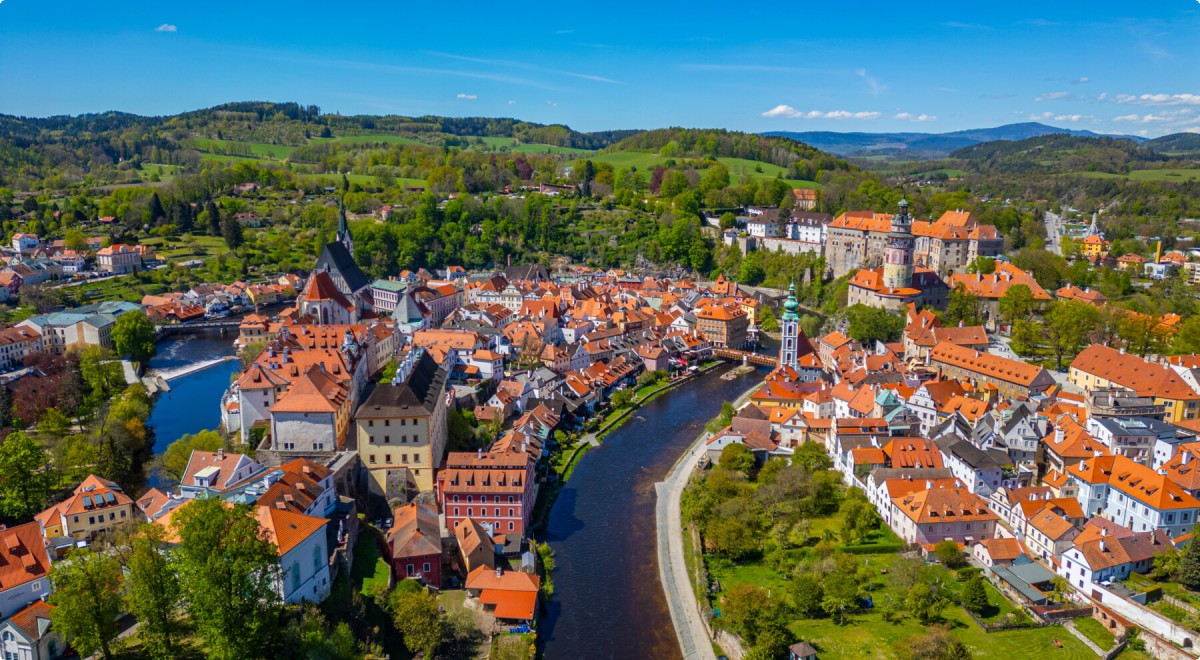
Český Krumlov is the fairy-tale town that people promise themselves they’ll visit “someday,” and then postpone because it seems too popular. The truth is more interesting: it can be crowded and still feel worth it, provided the visit is shaped around timing. Arrive late afternoon, after day-trippers have begun their retreat, and the town’s river loop starts to feel like a private stage set with the lights turned low.
The drive south from Prague changes character gradually. The city gives way to broad farmland, then to more wooded stretches. A stop at a pond district or a small brewery town can act like a palate cleanser before the main attraction. Krumlov itself is about compression: medieval streets packed into a tight curve of the Vltava, the castle rising above like a ship’s prow. It’s easy to overdo it - the better method is to pick a few moments and let them expand.
The castle complex is huge, and it’s the sort of place where it helps to choose one narrative: architecture, views, or interiors. For those who want one clean, official reference without hunting through third-party pages, the best starting point is the Český Krumlov Castle site, which lays out openings and tours in a way that makes planning less guessy.
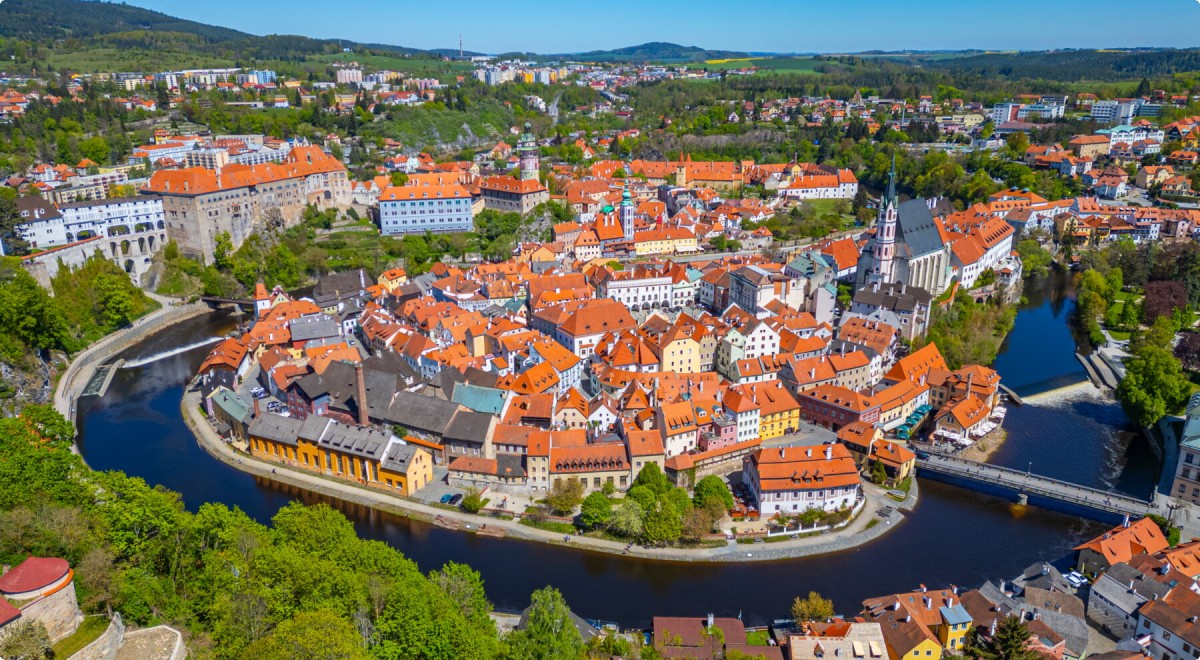
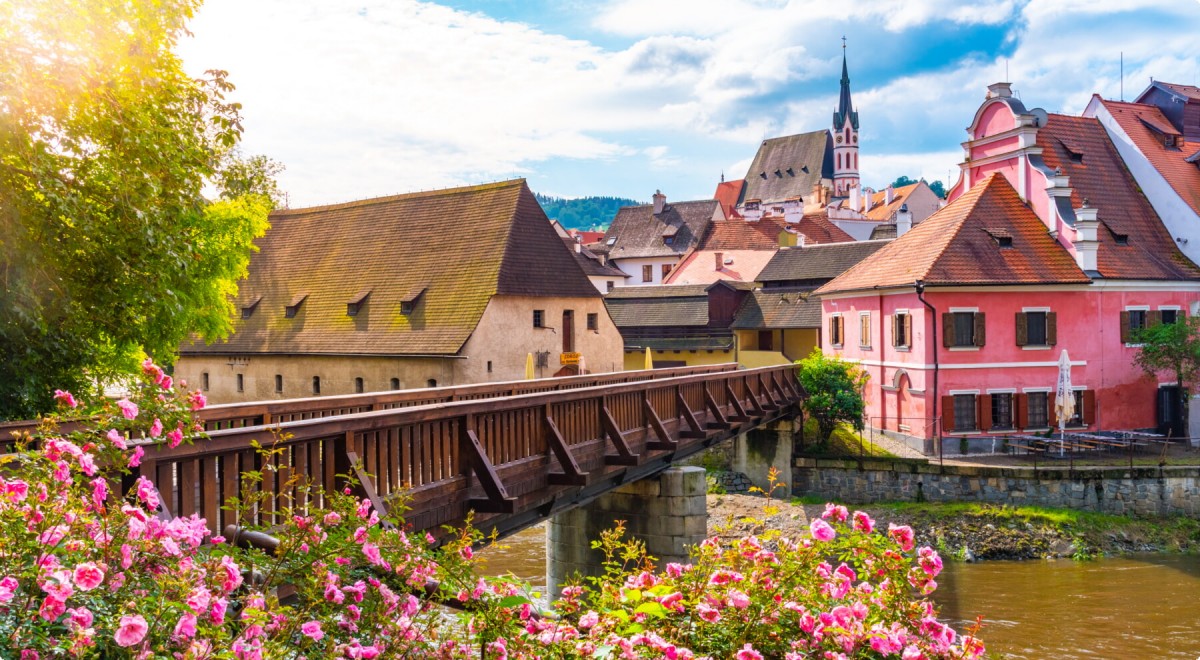
The town changes dramatically after dinner, when shop doors close and footstep noise replaces tour-guide microphones. A simple evening walk along the river can deliver the version of Krumlov that postcards try (and fail) to capture.
Overnight stays matter here. Once the day traffic thins, small details become visible: the sound of water under bridges, the smell of wood smoke in colder months, the way the castle silhouette holds the town in place. Sunday can be used for a detour through South Bohemia - the region is full of ponds, quiet lanes, and small towns where a single square still functions as a social meeting point, not merely as scenery.
One strong option is to aim for a “return by a different road” using České Budějovice or Tábor as a brief stop. Neither needs a full day on this kind of weekend; a walk, a coffee, a look at the main square, then back on the road. It keeps the trip from becoming a single-town pilgrimage and makes the drive feel like a lived-in route rather than a transfer.
Karlovy Vary: a spa town that doubles as a film set

Karlovy Vary sits to the west, and the approach feels like entering a valley designed for promenading. Even arriving by car, the town’s rhythm is pedestrian: colonnades, gentle slopes, and people holding porcelain spa cups like props. A weekend here isn’t about doing a “spa program” correctly; it’s about drifting between warm architecture and colder air, then repeating the pattern until the mind stops scrolling.
Driving time from Prague is typically around two hours depending on traffic. What changes the experience is parking strategy: aim to park once and then walk the river corridor, because stopping repeatedly can turn the day into a minor logistical argument. The central thermal landmark is easy to locate with a map link, especially when meeting someone in town: Vřídelní kolonáda, Karlovy Vary.
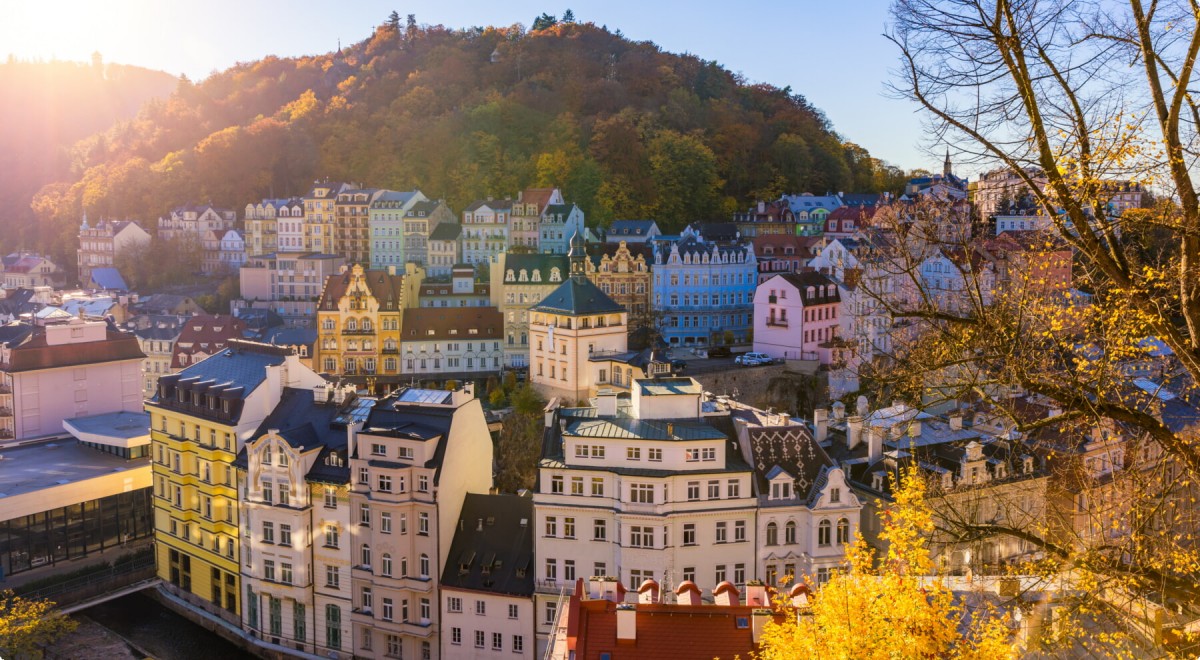
The spa waters themselves have personalities - some taste like warm stone, others like a mild mineral lecture. It’s not necessary to pretend they’re delicious. The point is the ritual: a slow walk, a sip, a glance at the façades. It resembles the way people pace during phone calls, except the town provides a reason to keep moving and looking up.
Beyond the colonnades, Karlovy Vary has a pleasing “vertical” quality. Funiculars, forest paths, and viewpoints create a second layer above the river. The air changes a little as height is gained, and the town becomes an arrangement of rooftops rather than a corridor of buildings. In cooler months, this is where the weekend earns its rest - the forest absorbs noise, and the town’s pastel palette looks almost theatrical against dark trees.
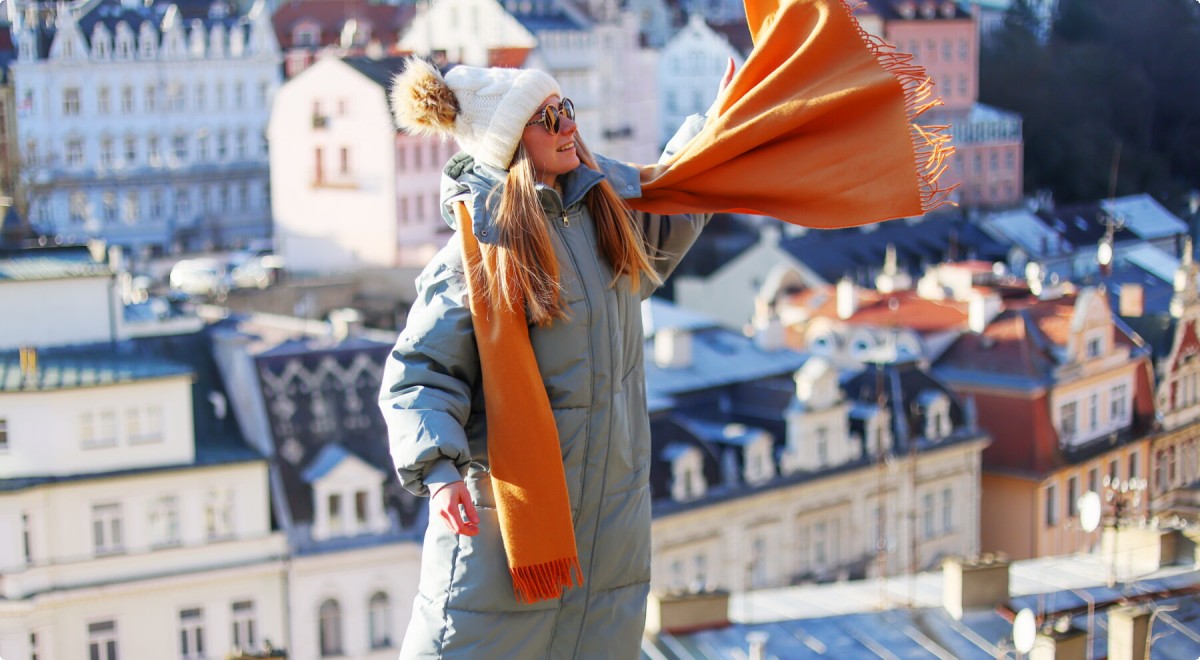
For those who like a quieter cousin to Karlovy Vary, Mariánské Lázně or Františkovy Lázně can be added as a short loop, though it’s often better to choose one spa town and give it time. A weekend doesn’t need a “grand tour” to feel complete; sometimes it needs a single place that allows repetition without boredom.
Bohemian Switzerland: sandstone drama, boats, and quiet lanes
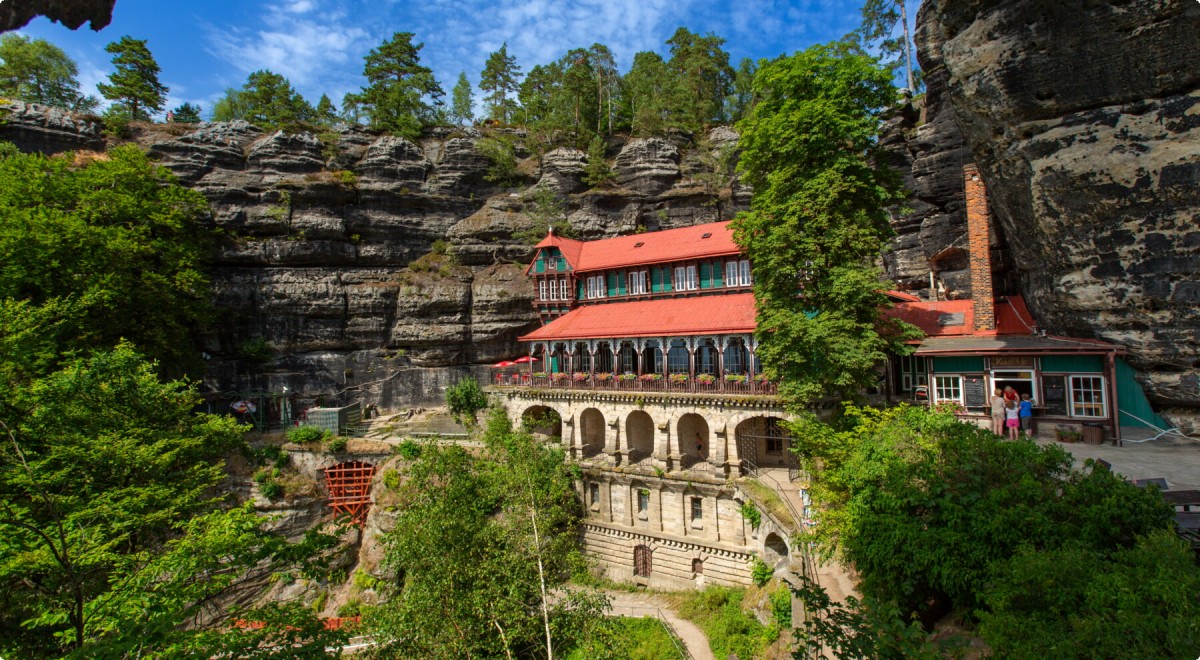
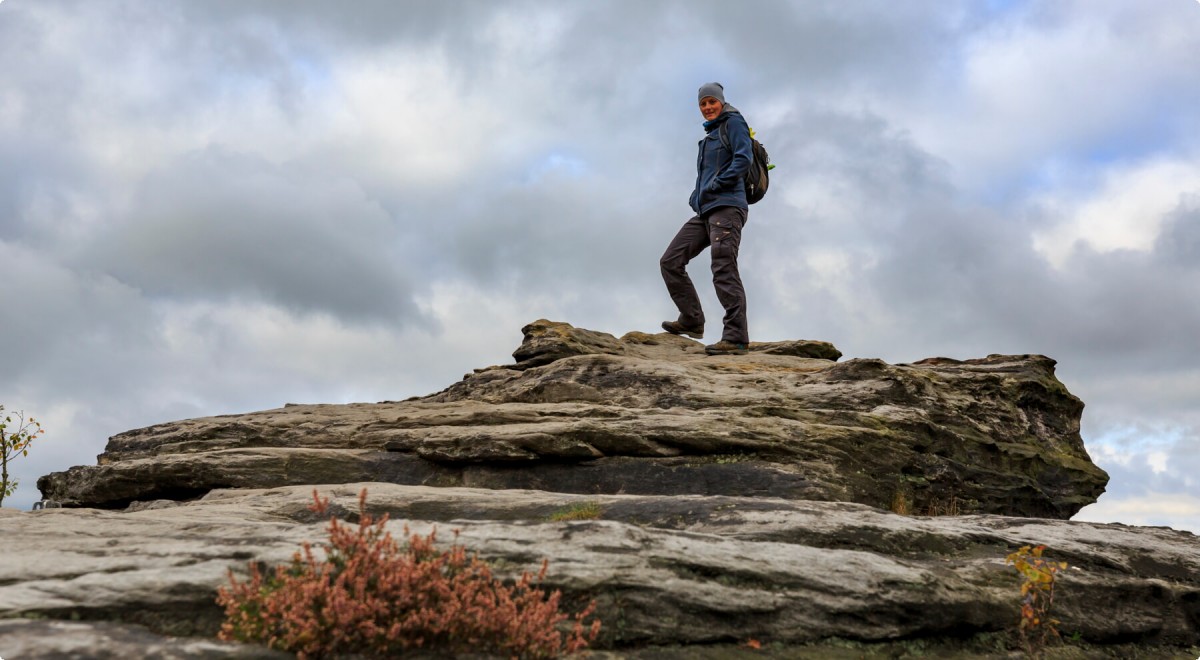
North of Prague, the landscape starts to wrinkle. Roads slip toward the Elbe, and rock formations appear like the beginnings of a different story. Bohemian Switzerland is a weekend destination for people who want scenery with structure: cliffs, gorges, and forests that create natural routes, not just pretty backdrops.
The region is connected to one of Europe’s most distinctive protected landscapes, and reading a little about its history makes the rocks feel less like random nature and more like a slow, geological architecture project. A useful jumping-off point is Bohemian Switzerland National Park on Wikipedia, which lays out the basics without demanding an afternoon of research.
Driving here is part of the pleasure. The roads narrow, villages become smaller, and the horizon is increasingly made of stone. The famous highlight is the sandstone arch, and it has the rare quality of looking “real” even after years of being over-photographed. A direct navigation link can prevent wrong turns on small roads: Pravčická brána, Hřensko.
- Early start, later finish: arrive before the main wave, then linger into the late afternoon when paths calm down.
- Choose one “big walk” and one shorter gorge or river segment, rather than stacking multiple long routes.
- Eat where hikers eat: simple meals in village restaurants tend to be better timed for muddy boots and hungry silence.
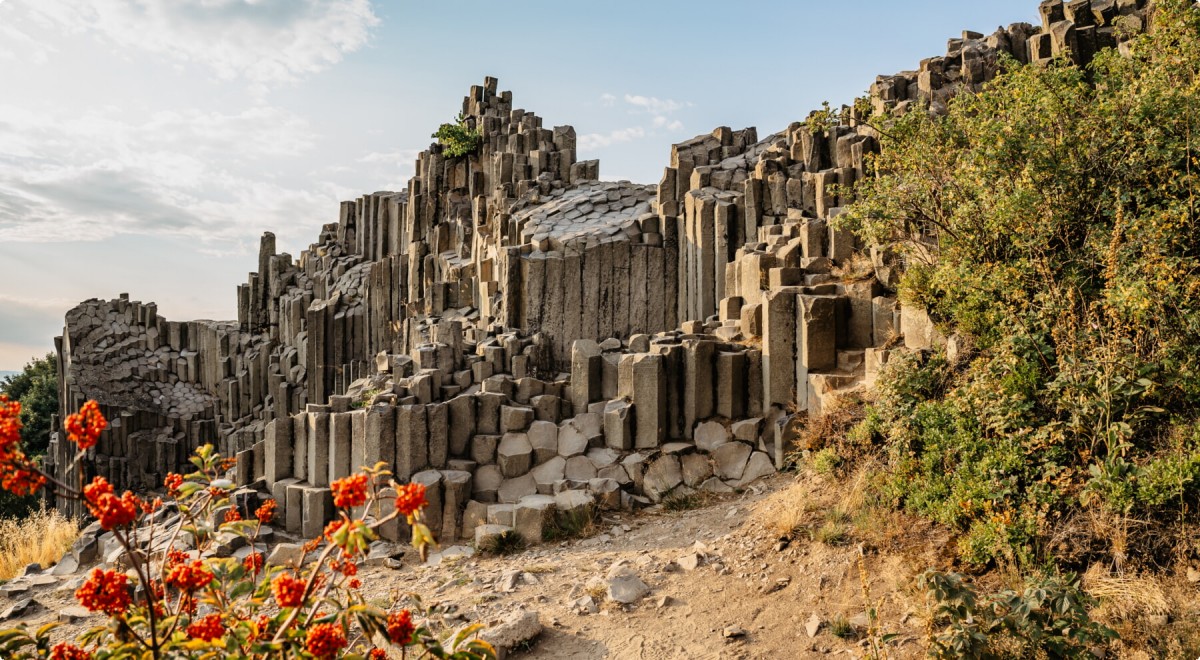
Between the viewpoints, the area offers a quieter pleasure: small roads that curl through woods and bring sudden clearings. The drive can feel like moving through rooms of a large house, each room a different shade of green. In autumn, the palette turns into copper and smoke; in spring, it becomes bright and slightly impatient.
Staying overnight nearby (for example around Děčín or smaller villages) changes the experience. Morning light in the sandstone landscape makes everything look more deliberate, and the air has that clean, almost metallic quality that cities rarely manage. It’s the kind of freshness that makes an ordinary coffee taste better, even when it’s just from a small guesthouse machine.
South Moravia: Mikulov, Lednice-Valtice, and vineyard time
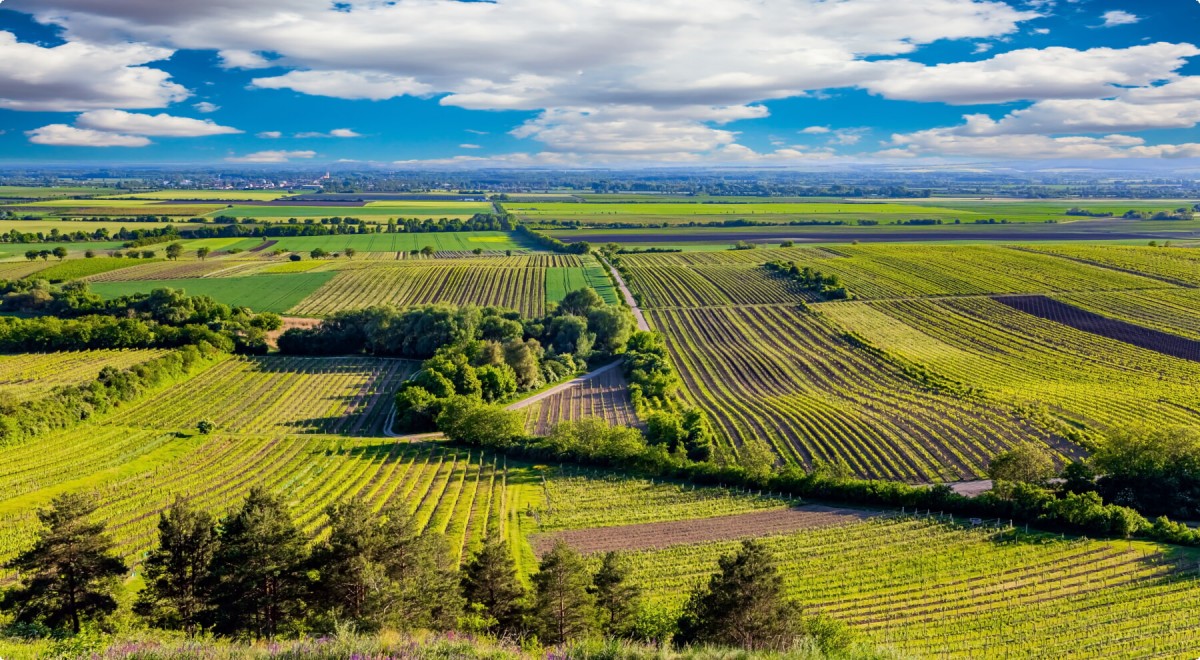
South Moravia is where Czech weekends start to feel like Central Europe in a broader sense - warmer light, a softer landscape, and wine culture that shapes villages and conversations. The drive from Prague is longer than the other options (often around 2.5 to 3 hours depending on traffic), but the reward is a different tempo. It’s a place for late lunches, long views, and evenings that don’t demand entertainment because the setting does enough.
Mikulov is a strong base: a compact town with a castle above it and vineyards spreading outward like a green map. The town center has that satisfying density where everything is close enough to reach on foot once the car is parked. A weekend here can be structured around a few anchors - a viewpoint walk, a tasting, a slow dinner - without turning into an organized “wine itinerary,” which can start to feel like homework.
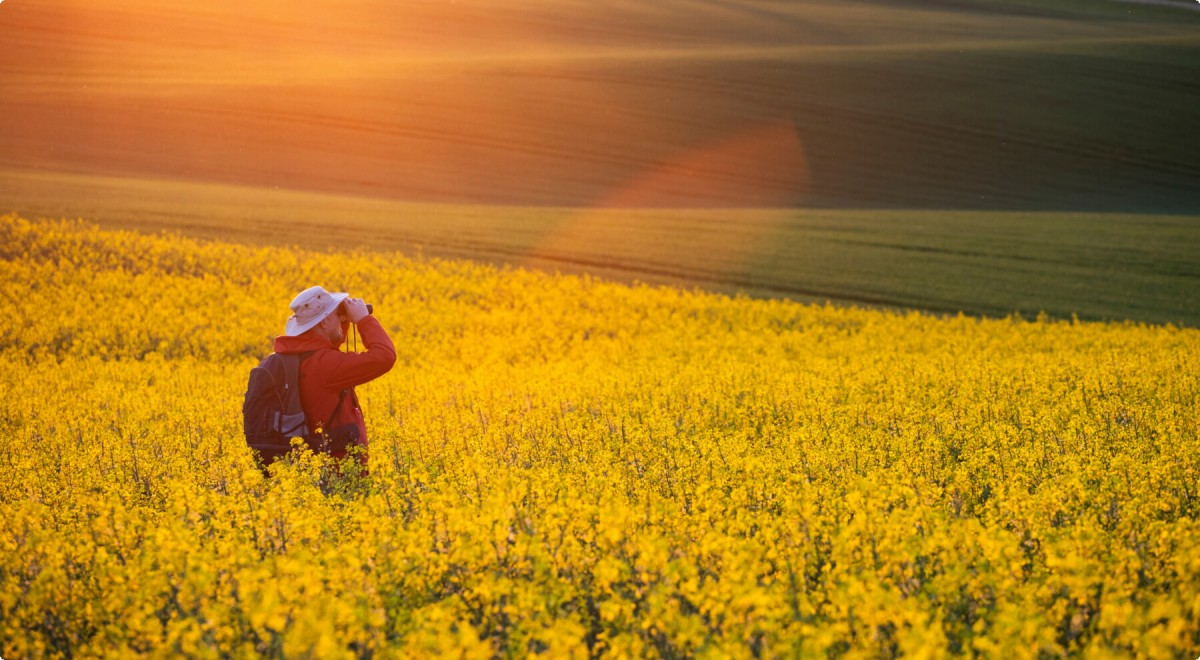
Then there’s the Lednice-Valtice area, a landscape designed as much as grown. It’s one of those places where nature and planning cooperate so well that it becomes slightly surreal, like a park drawn by someone with unlimited space. For drivers, it works as a Sunday loop: short distances between stops, easy returns, plenty of places to pull over and just look for a minute.
Small choices keep this weekend grounded:
- One château interior is usually enough; the rest can be exterior walks, gardens, and viewpoints.
- One village wine bar beats three rushed tastings, especially when driving is part of the plan.
- One long walk in the vineyards late afternoon, when the light turns the hills into a calmer version of themselves.
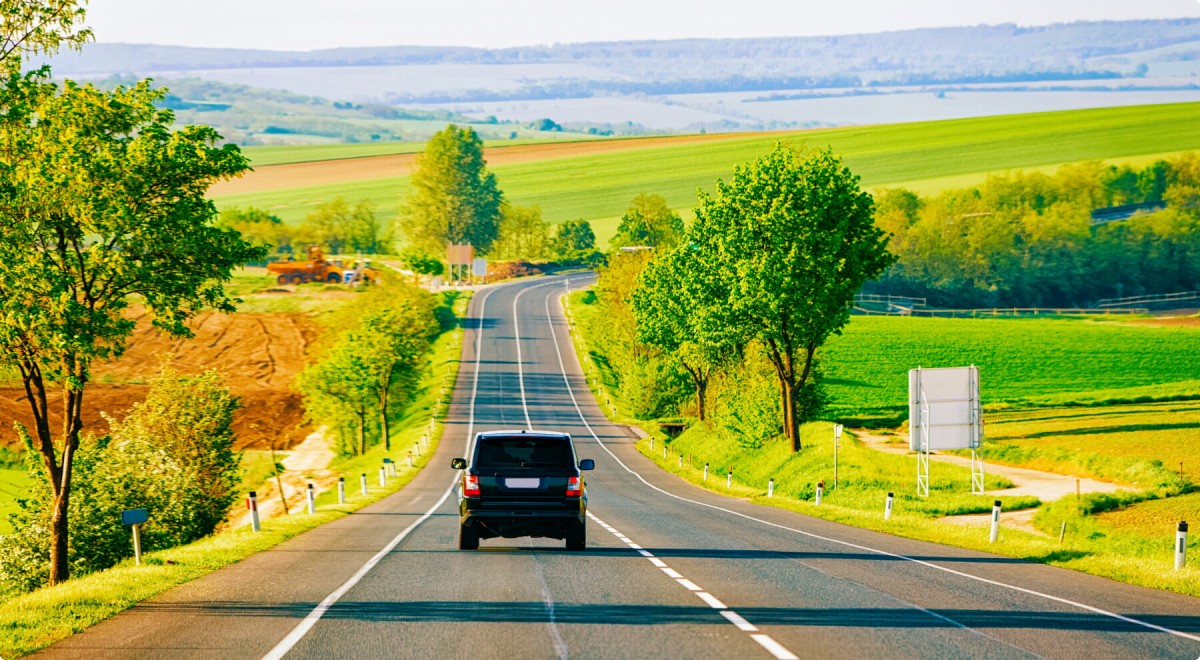
Moravia also handles winter better than expected. Vineyards look skeletal but beautiful, and towns feel intimate rather than dormant. When the wind picks up, cafés become small refuges, and the weekend becomes less about “doing things” and more about having time to do them slowly. Some trips are remembered as a list; Moravian weekends are often remembered as a color and a taste, and a quiet road at dusk .