Nestled high in the Pontic Mountains of northeastern Turkey, the Sumela Monastery stands as a testament to human ingenuity and spiritual devotion. This ancient Greek Orthodox monastery, perched precariously on the face of a steep cliff, has captivated visitors for centuries with its breathtaking location and rich history. As you embark on your journey to explore this remarkable site, consider securing a reliable vehicle for your Turkish adventure to ensure a comfortable and flexible travel experience.
Origins and Early History
The Sumela Monastery, also known as the Monastery of the Virgin Mary, is believed to have been founded in the year 386 AD during the reign of Roman emperors Theodosius I and Valentinian II. According to legend, two Athenian monks, Barnabas and Sophronius, were guided by a vision of the Virgin Mary to this remote location in the Altındere Valley. They discovered an icon of the Virgin Mary in a cave, which they believed to be miraculous, and decided to establish a monastery on the site.
Over the centuries, the monastery grew in size and importance, becoming a major pilgrimage site for Orthodox Christians. It received patronage from various Byzantine emperors and enjoyed periods of prosperity and expansion. The monastery's remote location and natural defenses also provided protection during times of conflict and invasion.
Architecture and Layout
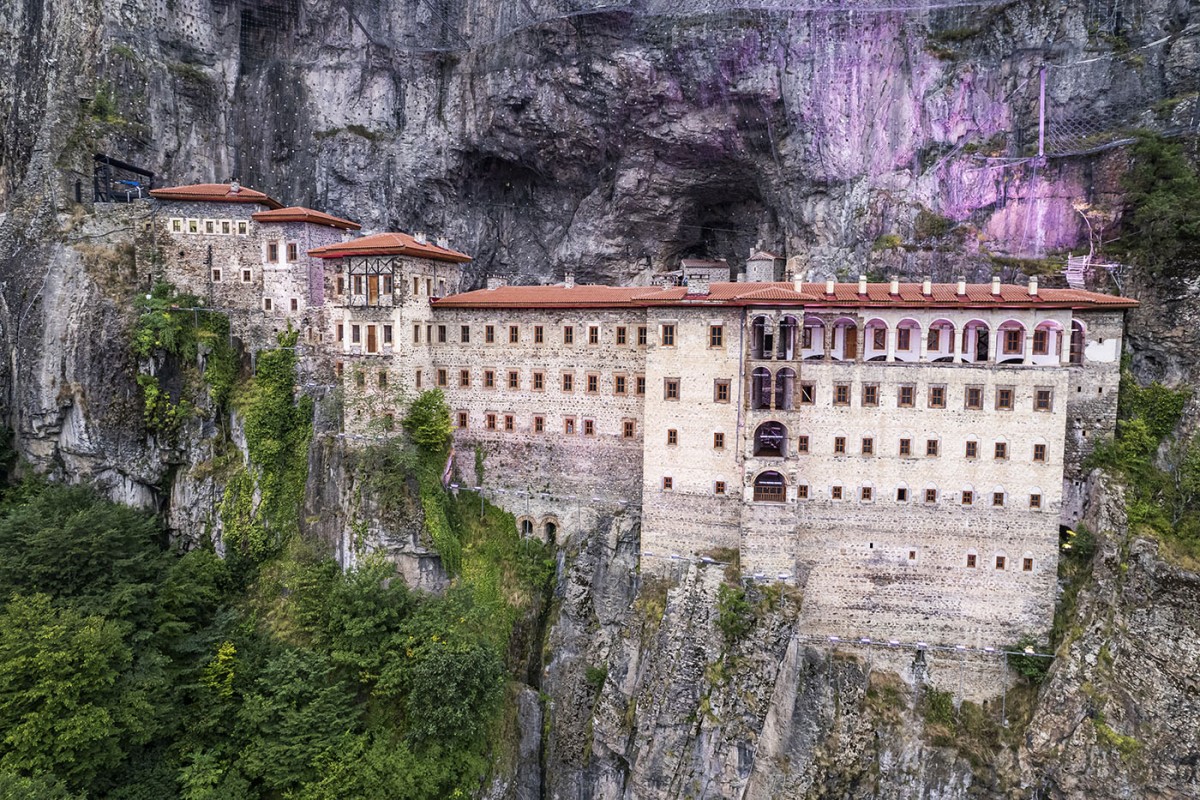
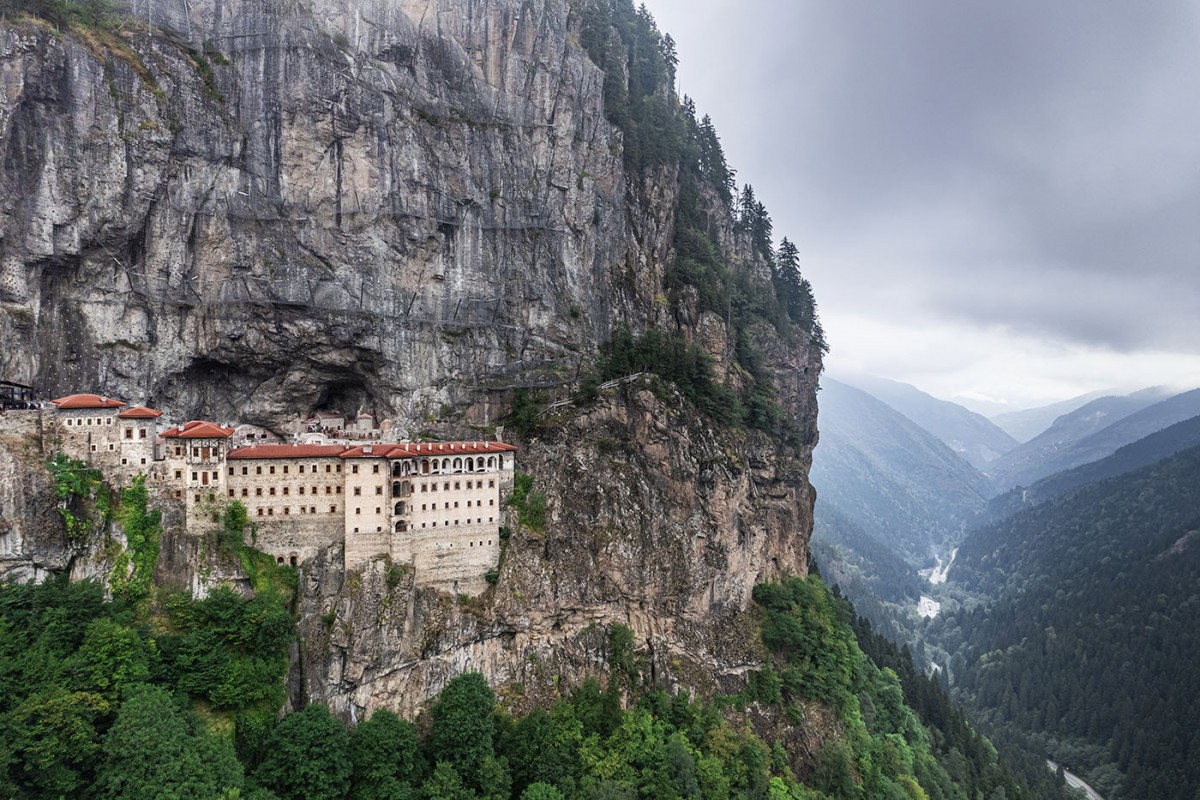
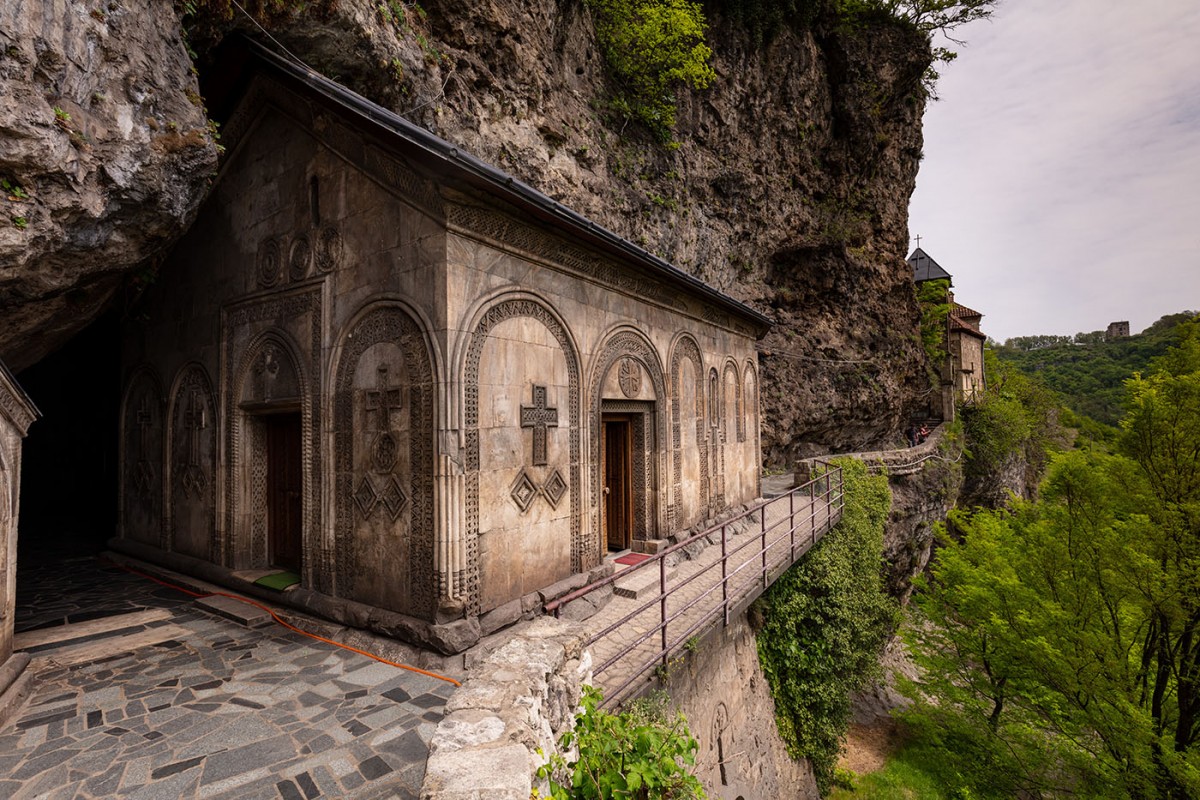
The Sumela Monastery is a marvel of architectural ingenuity, built into the face of a sheer cliff at an altitude of approximately 1,200 meters (3,900 feet) above sea level. The complex consists of several interconnected structures, including:
- The Rock Church: The heart of the monastery, carved directly into the mountainside
- The Main Church: A larger structure added later to accommodate more worshippers
- Living Quarters: Rooms for monks and pilgrims
- A Library: Housing valuable manuscripts and religious texts
- A Kitchen and Dining Hall: For the monastery's inhabitants and visitors
- Water System: An ingenious network of aqueducts and cisterns to provide fresh water
The monastery's architecture blends seamlessly with its natural surroundings, creating a harmonious and awe-inspiring sight. Visitors approaching the monastery are greeted by a series of steep staircases and narrow pathways that wind their way up the cliff face, adding to the sense of adventure and pilgrimage.
Frescoes and Iconography
One of the most remarkable features of the Sumela Monastery is its extensive collection of frescoes and wall paintings. These vibrant works of art, dating from the 18th and 19th centuries, cover nearly every available surface within the Rock Church and other parts of the complex. The frescoes depict various biblical scenes, saints, and episodes from the life of Christ and the Virgin Mary.
The artistic style of the frescoes reflects a unique blend of Byzantine and post-Byzantine traditions, with influences from local Anatolian art. The use of vivid colors and intricate details creates a mesmerizing visual experience for visitors, transporting them back in time to the monastery's heyday.
Among the most famous frescoes is the depiction of the Last Judgment on the entrance wall of the Rock Church. This powerful image serves as a reminder of the spiritual significance of the site and the beliefs of those who lived and worshipped there.
Legends and Miracles
The Sumela Monastery is steeped in legend and folklore, with numerous stories of miracles and divine interventions associated with the site. One of the most enduring legends revolves around the icon of the Virgin Mary, which is said to have been painted by the Apostle Luke himself. According to tradition, this icon possesses miraculous powers and has been credited with healing the sick and protecting the monastery from harm.
Another popular legend tells of how the monastery was saved from destruction during a Persian invasion. As the story goes, a dense fog suddenly enveloped the monastery just as the invading army approached, concealing it from view and sparing it from attack. This event was attributed to the intervention of the Virgin Mary, further cementing the monastery's reputation as a place of divine protection.
Decline and Abandonment
Despite its long history and spiritual significance, the Sumela Monastery faced numerous challenges over the centuries. The monastery was abandoned several times due to political upheavals, wars, and changing demographics in the region. The final abandonment came in 1923, following the population exchange between Greece and Turkey after the Greco-Turkish War.
For decades, the monastery lay empty and neglected, exposed to the harsh mountain elements and occasional vandalism. However, its remote location and the difficulty of access helped preserve much of its structure and artwork, allowing it to survive as a remarkable historical and cultural monument.

Restoration and Tourism
In recent years, the Turkish government has recognized the historical and cultural value of the Sumela Monastery and has undertaken extensive restoration efforts to preserve and protect this unique site. The monastery was partially reopened to visitors in 2010, allowing tourists to explore its grounds and marvel at its frescoes and architecture.
Today, the Sumela Monastery is a popular tourist destination, attracting visitors from around the world who come to experience its breathtaking setting and rich history. The site offers guided tours, informative displays, and stunning views of the surrounding Altındere Valley National Park.
For those planning to visit the Sumela Monastery and explore the beautiful coastal regions of Turkey, finding suitable transportation in popular tourist areas can greatly enhance your travel experience and allow you to discover hidden gems at your own pace.
Preservation Challenges and Future Prospects
While the restoration efforts have helped to stabilize and protect much of the monastery, ongoing conservation work is necessary to ensure its long-term survival. The site faces numerous challenges, including:
- Environmental factors: Exposure to harsh weather conditions and potential rockfalls
- Increased tourism: Managing visitor numbers to prevent damage to fragile structures and artwork
- Funding: Securing adequate resources for continued restoration and maintenance
- Research: Ongoing studies to better understand the monastery's history and preserve its cultural heritage
Despite these challenges, the future of the Sumela Monastery looks promising. The site continues to captivate visitors and researchers alike, offering a unique window into the rich cultural and religious heritage of the region. As efforts to preserve and study the monastery continue, it is likely to remain an important historical landmark and tourist attraction for generations to come.
The legend of Sumela Monastery serves as a powerful reminder of the enduring human spirit and the ability of faith and determination to overcome seemingly insurmountable obstacles. As visitors stand before this awe-inspiring structure, clinging to the cliff face high above the Altındere Valley, they cannot help but feel a sense of wonder and connection to the countless pilgrims and monks who have made this journey over the centuries.
For those seeking to explore the rich cultural heritage of Turkey, a visit to the Sumela Monastery offers a unique and unforgettable experience. Whether you are drawn by its spiritual significance, architectural marvels, or simply the breathtaking natural beauty of its setting, the monastery stands as a testament to the enduring power of human creativity and faith in the face of adversity.