Turkey is a treasure trove of ancient history, boasting numerous archaeological sites that offer glimpses into various civilizations that have called this land home over millennia. From Hittite strongholds to Roman cities, Byzantine churches to Ottoman mosques, the country is dotted with remnants of its rich past. For history enthusiasts and curious travelers alike, exploring these sites can be a truly captivating experience.

Before embarking on your archaeological adventure, it's worth considering how you'll get around. While public transportation is available in many areas, having your own vehicle can provide greater flexibility and convenience. For those looking to explore at their own pace, finding a reliable car rental service in Turkey can be a game-changer, allowing you to visit multiple sites on your own schedule.
Let's dive into ten of the most fascinating archaeological sites that Turkey has to offer:
1. Ephesus
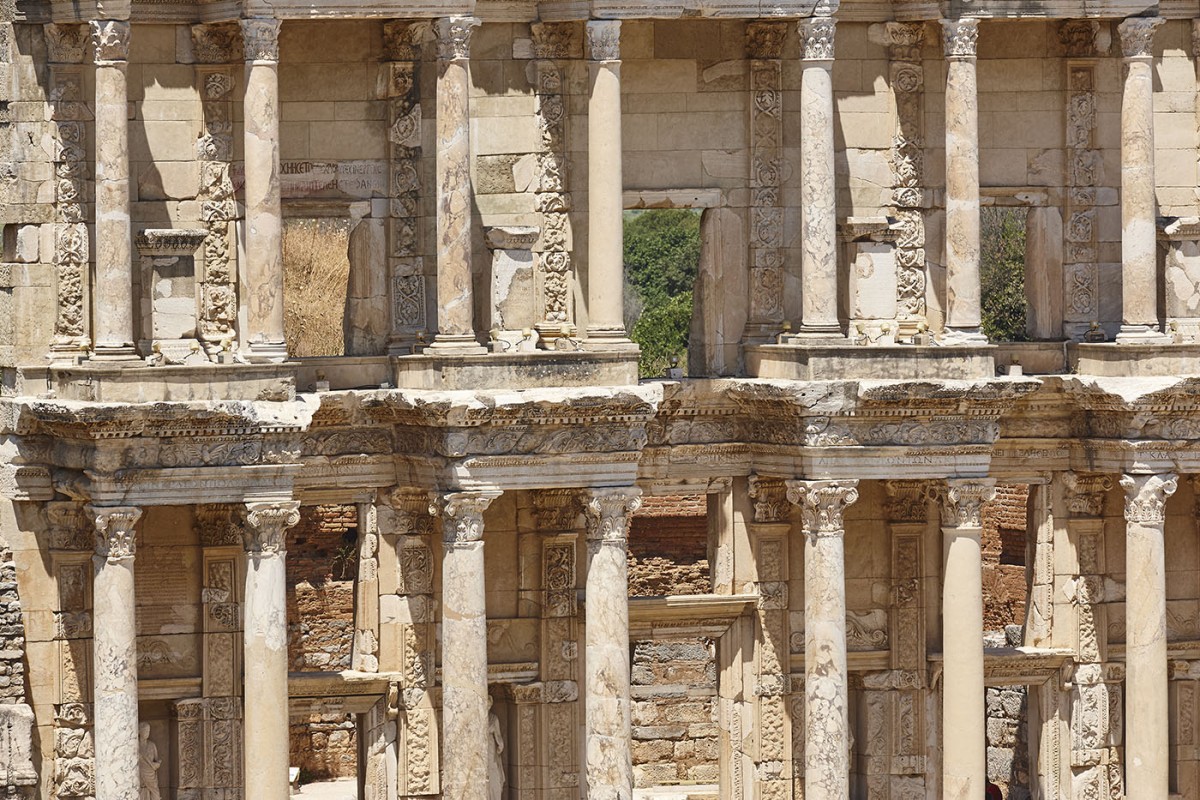
Located near the modern town of Selçuk in İzmir Province, Ephesus is arguably Turkey's most famous archaeological site. This ancient city was once a major Roman port and played a significant role in the spread of Christianity.
Key features:
- The Library of Celsus, an iconic two-story facade
- The Great Theatre, capable of seating 25,000 spectators
- Terrace Houses, offering insight into the daily lives of wealthy Romans
- Temple of Artemis, one of the Seven Wonders of the Ancient World
Ephesus is remarkably well-preserved, allowing visitors to walk through ancient streets and imagine life in a bustling Roman city. The site's proximity to other attractions like the House of Virgin Mary and the Basilica of St. John makes it a must-visit destination for history buffs.
2. Göbekli Tepe
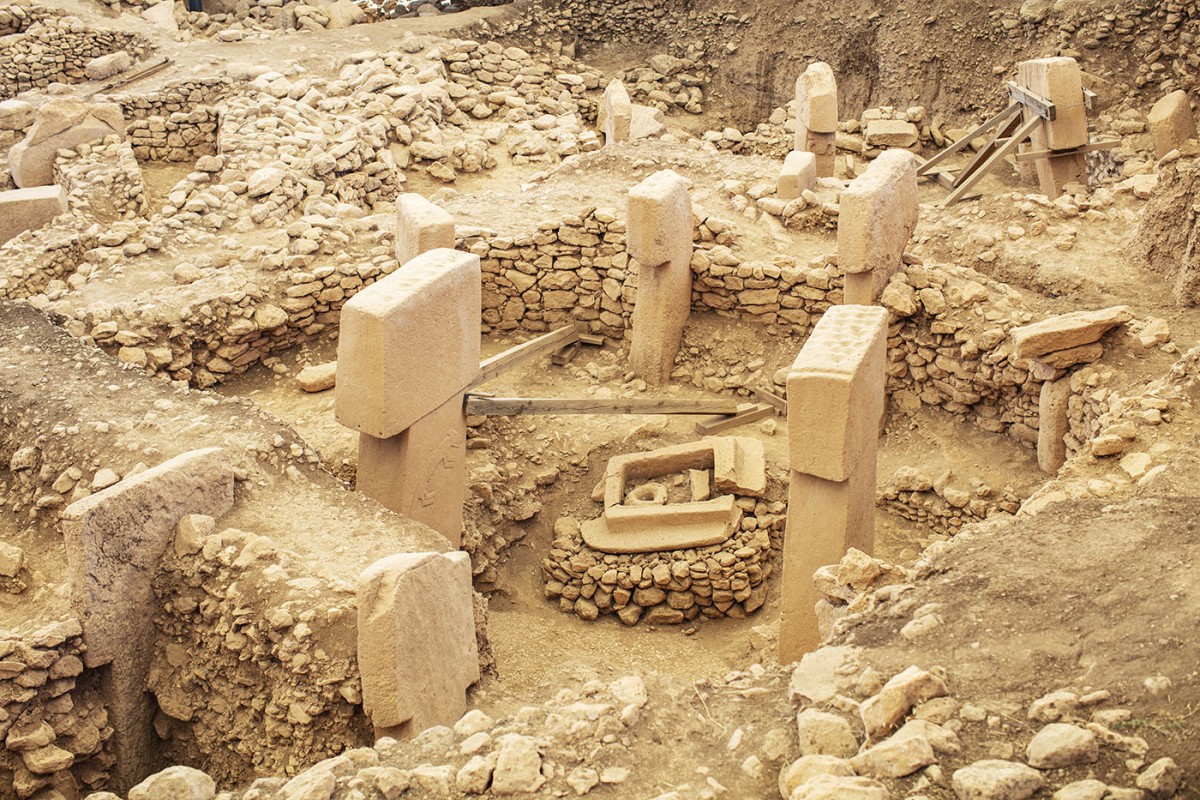
Göbekli Tepe, located in southeastern Turkey, is revolutionizing our understanding of prehistoric human civilization. Dated to the 10th millennium BCE, it's considered the world's oldest known temple complex.
Significance:
- Predates Stonehenge by about 6,000 years
- Challenges theories about the development of agriculture and settled societies
- Features intricate stone pillars with animal carvings
The site's discovery has led archaeologists to rethink the capabilities of hunter-gatherer societies and their transition to agricultural life. Its remote location adds to the sense of mystery and wonder surrounding this ancient wonder.
3. Hattusa
The capital of the Hittite Empire, Hattusa is an impressive testament to the power and sophistication of this ancient civilization. Located in north-central Turkey, the site features massive defensive walls, temples, and palaces.
Notable aspects:
- The Great Temple, dedicated to the storm god Teshub and the sun goddess Arinna
- The Lion Gate, adorned with impressive relief sculptures
- Yazılıkaya, a nearby open-air sanctuary with rock reliefs
Hattusa offers a unique glimpse into the religious and political life of the Hittites, a civilization that rivaled ancient Egypt in power and influence.
4. Troy
Made famous by Homer's "Iliad," Troy is one of the most legendary archaeological sites in the world. Located in northwestern Turkey, the site consists of multiple layers representing different periods of habitation, spanning over 3,000 years.
Key features:
- The walls of Troy VI, believed to be the Troy of Homer's epic
- A replica of the Trojan Horse
- Evidence of destruction layers, possibly corresponding to historical conflicts
While the historical accuracy of the Trojan War remains debated, the site offers fascinating insights into Bronze Age civilization and the interplay between myth and history.
5. Pergamon
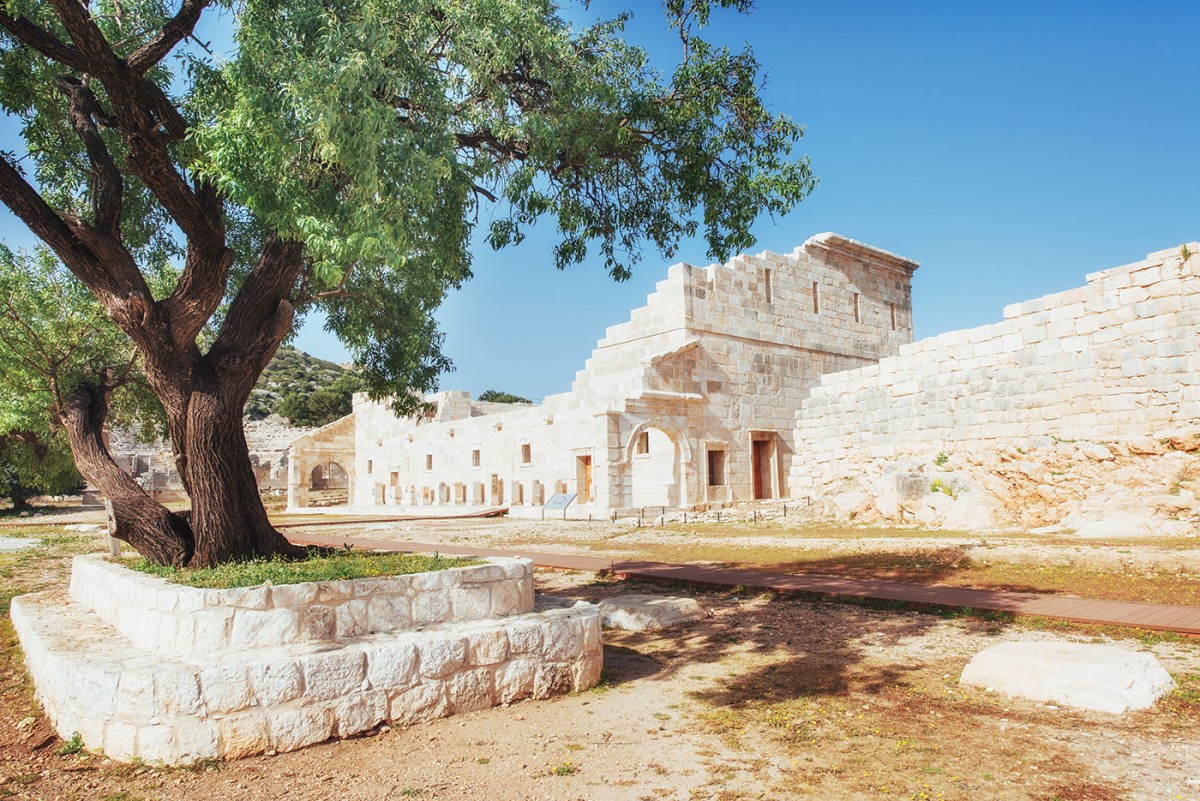
Pergamon, situated near the modern city of Bergama, was once a major center of Hellenistic and Roman culture. The acropolis, perched atop a steep hill, offers breathtaking views and impressive ruins.
Highlights:
- The Altar of Zeus, now housed in the Pergamon Museum in Berlin
- The steepest ancient theatre in the world
- The Asklepieion, an ancient healing center
Pergamon's strategic location and cultural significance make it a compelling destination for those interested in Hellenistic and Roman history.
6. Hierapolis
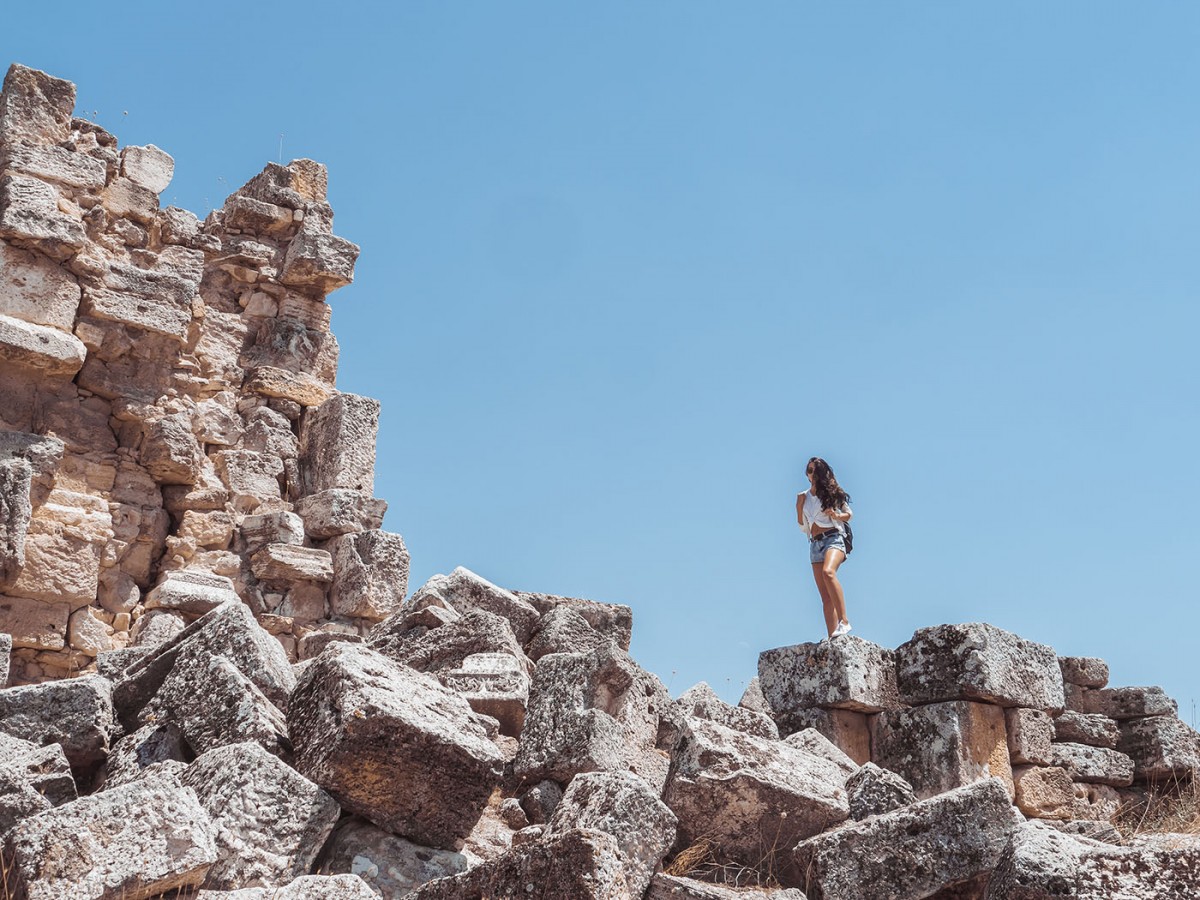
Adjacent to the famous white travertine terraces of Pamukkale, Hierapolis was an ancient spa city renowned for its healing hot springs. The site offers a unique combination of natural beauty and archaeological interest.
Key attractions:
- The well-preserved Roman theatre
- The Necropolis, one of the largest ancient cemeteries in Anatolia
- The Sacred Pool, where visitors can swim among ancient columns
The combination of Hierapolis and Pamukkale makes for an unforgettable day trip, easily accessible for those exploring the region with a rental vehicle from Antalya.
7. Aspendos
Located near Antalya, Aspendos is home to one of the best-preserved ancient theatres in the world. Built in the 2nd century CE during the reign of Marcus Aurelius, it could seat up to 12,000 spectators.
Notable features:
- The remarkably intact stage building
- Excellent acoustics, still utilized for concerts today
- Nearby aqueduct and agora ruins
The theatre's exceptional state of preservation offers visitors a vivid impression of what it might have been like to attend a performance in Roman times.
8. Ani
Often referred to as the "City of 1001 Churches," Ani is a haunting medieval Armenian city located on Turkey's eastern border with Armenia. Once a thriving Silk Road city, it now stands as a poignant reminder of past glories.
Key sights:
- The Cathedral of Ani, an architectural masterpiece
- The Church of the Redeemer, dramatically split in half
- Impressive city walls and fortifications
Ani's remote location and turbulent history add to its mystique, making it a rewarding destination for those willing to venture off the beaten path.
9. Çatalhöyük
Çatalhöyük is a Neolithic settlement that provides crucial insights into the transition from hunter-gatherer to agricultural societies. Located in central Turkey, it's one of the largest and best-preserved Neolithic sites ever discovered.
Interesting aspects:
- Houses built directly adjacent to each other without streets
- Entry to dwellings through roof openings
- Elaborate wall paintings and figurines
The site's unique architecture and artifacts offer a fascinating glimpse into daily life in one of the world's earliest urban settlements.
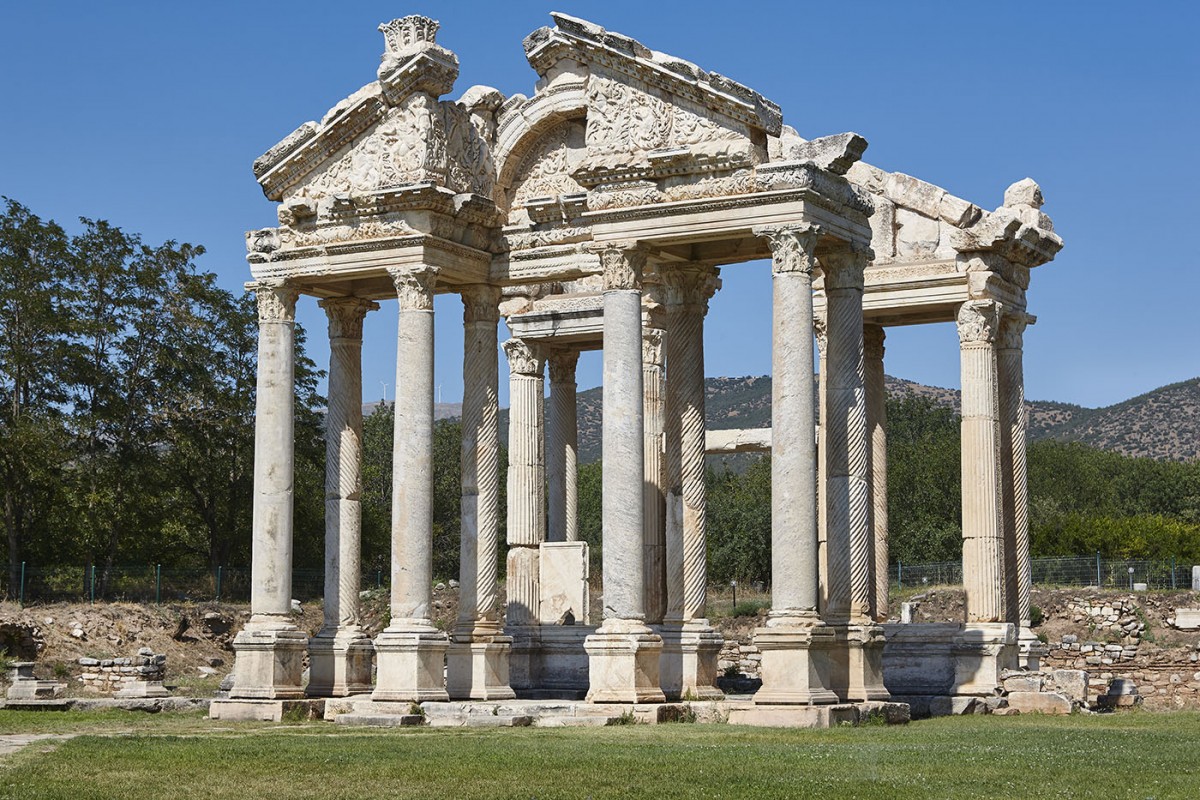
10. Aphrodisias
Dedicated to Aphrodite, the goddess of love, Aphrodisias was a small Greek city in Caria that later became an important center for sculpture during the Roman period.
Highlights:
- The Temple of Aphrodite
- The well-preserved stadium, one of the largest in the ancient world
- The Sebasteion, a unique complex dedicated to imperial cult worship
- The on-site museum, housing an impressive collection of sculptures
Aphrodisias is less crowded than some of Turkey's more famous sites, allowing for a more relaxed exploration of its beautifully preserved ruins.
These ten archaeological sites represent just a fraction of Turkey's rich historical heritage. From Neolithic settlements to grand Roman cities, each offers unique insights into the civilizations that have shaped this land over millennia. Whether you're a history enthusiast or simply curious about the past, these sites promise unforgettable experiences and a deeper appreciation of human history.
For those planning to visit multiple sites, especially those in more remote areas, renting a car can be an excellent option. It allows for greater flexibility in your itinerary and the chance to explore at your own pace. Many of these sites are spread across different regions of Turkey, so having your own transportation can make it easier to create a comprehensive archaeological tour.
Before visiting, it's worth checking the official website of the Turkish Ministry of Culture and Tourism for the most up-to-date information on opening hours, ticket prices, and any special exhibitions or events that might be taking place at these remarkable archaeological sites.