Spain, a country rich in history, art, and culture, boasts an impressive array of museums that attract millions of visitors each year. From world-renowned art galleries to unique cultural institutions, Spain's museums offer something for every taste and interest. Before embarking on your museum journey, consider exploring Spain's diverse landscapes at your own pace, allowing you to visit multiple museums across different cities with ease and flexibility.
Museo del Prado, Madrid
The Museo del Prado, located in the heart of Madrid, is undoubtedly Spain's most famous and visited museum. Founded in 1819, it houses one of the world's finest collections of European art, spanning from the 12th to the early 20th century.
Highlights of the Collection
- Las Meninas by Diego Velázquez
- The Garden of Earthly Delights by Hieronymus Bosch
- The Third of May 1808 by Francisco Goya
- The Descent from the Cross by Rogier van der Weyden
With over 8,000 paintings and 700 sculptures, the Prado offers an unparalleled journey through the history of Western art. The museum's collection is particularly strong in Spanish, Italian, and Flemish masterpieces.
Museo Reina Sofía, Madrid
Complementing the Prado's collection of classical art, the Museo Reina Sofía focuses on modern and contemporary art. Located in a former hospital building, this museum has become a cornerstone of Madrid's cultural landscape since its opening in 1992.
Must-See Artworks
- Guernica by Pablo Picasso
- The Great Masturbator by Salvador Dalí
- Woman in Blue by Joan Miró
The Reina Sofía is particularly renowned for its extensive collection of works by Spanish artists, including Pablo Picasso, Salvador Dalí, and Joan Miró. The museum also hosts temporary exhibitions that showcase cutting-edge contemporary art from around the world.
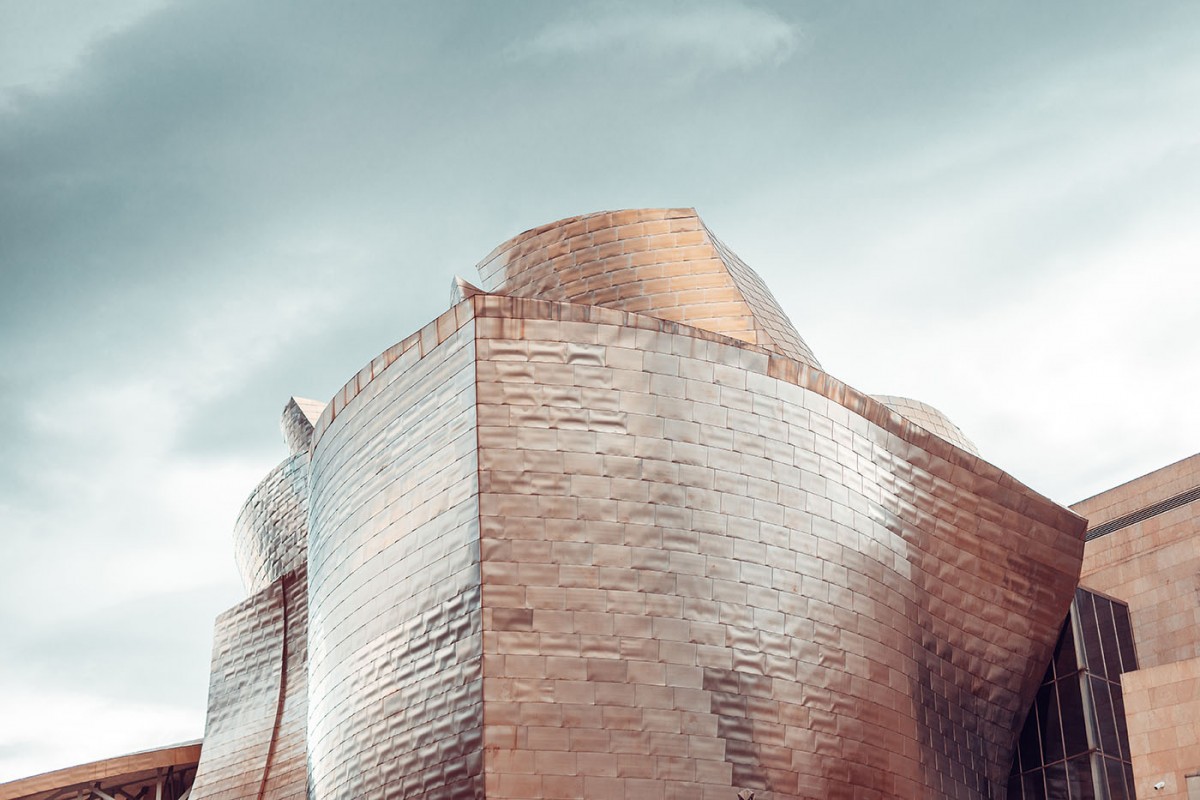
Guggenheim Museum, Bilbao
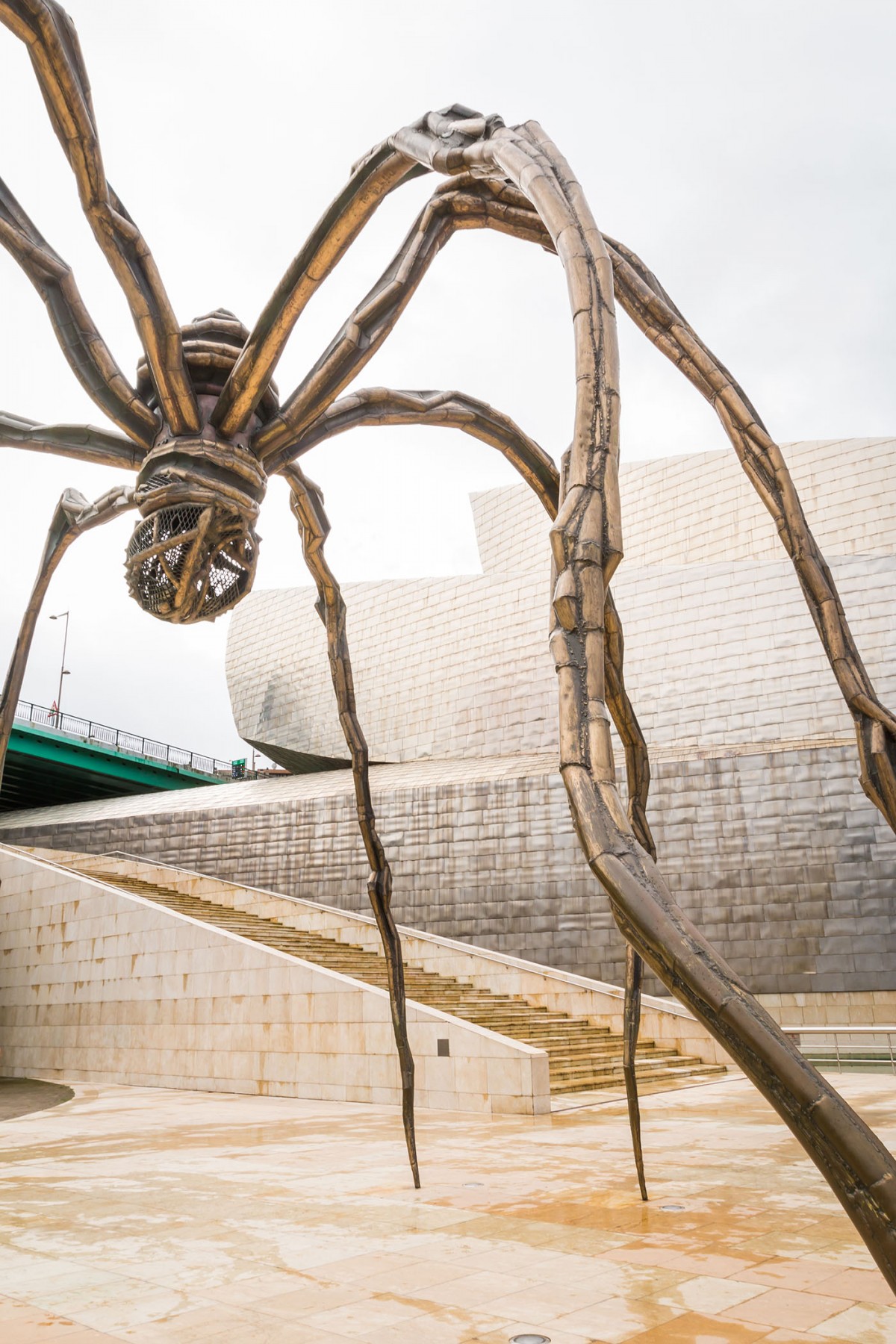
The Guggenheim Museum in Bilbao is not only a world-class art museum but also an architectural marvel. Designed by Frank Gehry and opened in 1997, the museum's striking titanium-clad structure has become an icon of modern architecture and has played a significant role in revitalizing the city of Bilbao.
Notable Features
- The building's unique design, resembling a ship
- Jeff Koons' floral sculpture "Puppy" at the entrance
- Richard Serra's monumental steel sculptures
The museum's collection focuses on contemporary and modern art, featuring works by both Spanish and international artists. The Guggenheim Bilbao has become a symbol of the Basque Country's cultural renaissance and attracts visitors from all over the world.
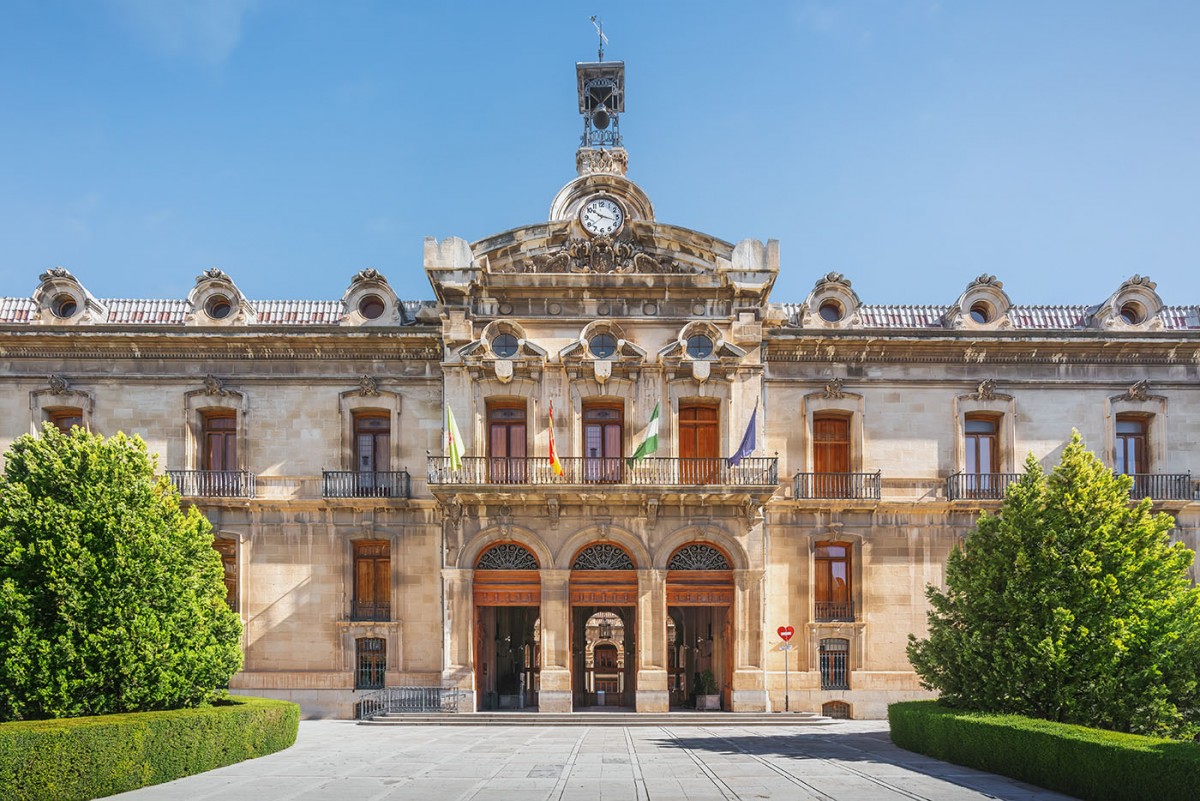
Museo Thyssen-Bornemisza, Madrid
Completing Madrid's "Golden Triangle of Art" along with the Prado and Reina Sofía, the Thyssen-Bornemisza Museum offers a comprehensive overview of Western art from the 13th century to the late 20th century. The museum's collection, once private, was acquired by the Spanish state in 1993.
Collection Highlights
- Christ and the Samaritan Woman by Duccio di Buoninsegna
- Young Knight in a Landscape by Vittore Carpaccio
- Les Vessenots in Auvers by Vincent van Gogh
The Thyssen-Bornemisza is particularly valuable for its collection of Impressionist and Post-Impressionist works, filling a gap in the collections of the nearby Prado and Reina Sofía museums.
Dalí Theatre-Museum, Figueres
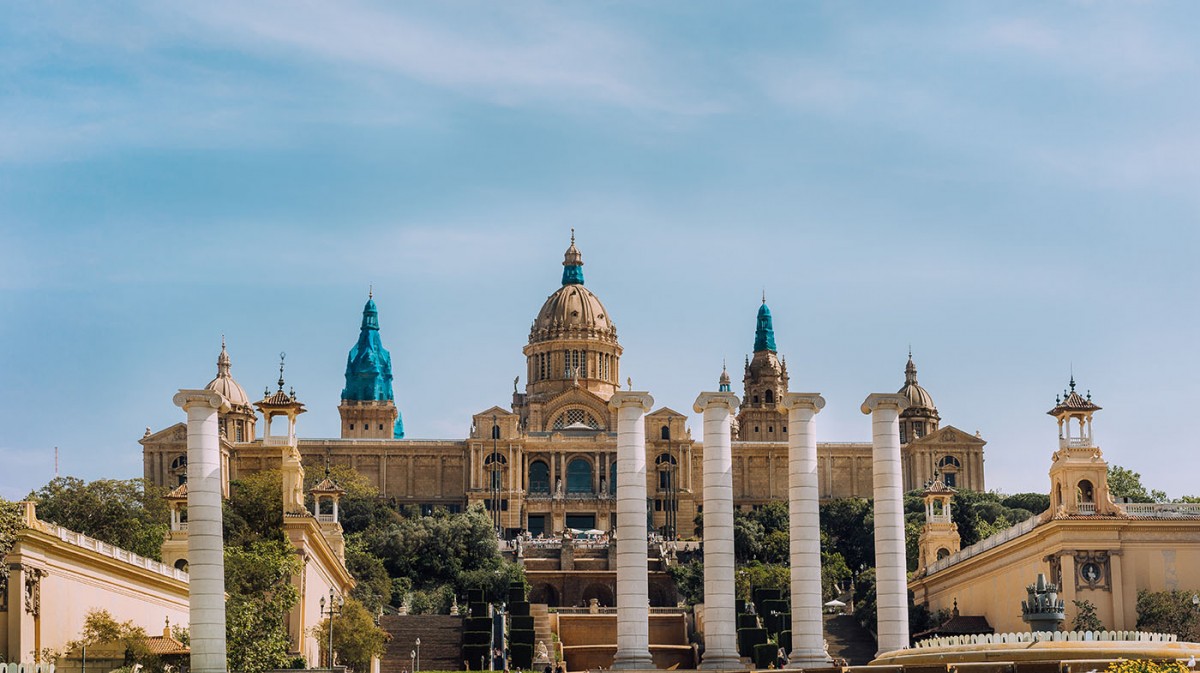
For a truly unique museum experience, the Dalí Theatre-Museum in Figueres, Catalonia, is a must-visit. Designed by Salvador Dalí himself, this museum is as much a work of art as the pieces it contains. The building, with its distinctive red walls and egg-shaped ornaments, houses the largest collection of Dalí's works in the world.
Surrealist Wonders
- The Mae West Room, an installation that creates an illusion of the actress's face
- The Rainy Taxi, a surrealist installation featuring a car with plants and a chauffeur
- The Palace of the Wind, a mural depicting Dalí's wife, Gala
The museum offers visitors a chance to immerse themselves in Dalí's surrealist world, providing insight into the artist's eccentric genius and creative process.
Picasso Museum, Barcelona
The Picasso Museum in Barcelona is essential for understanding the formative years of Pablo Picasso, one of the most influential artists of the 20th century. Housed in five medieval palaces in the La Ribera neighborhood, the museum opened in 1963 and was the first museum dedicated to Picasso's work.
Key Collections
- The complete series of Las Meninas (1957), Picasso's reinterpretation of Velázquez's masterpiece
- Early works from Picasso's Blue Period
- A comprehensive collection of Picasso's prints and ceramics
The museum's collection provides a unique perspective on Picasso's artistic development, particularly focusing on his early years and his deep connection to Barcelona.
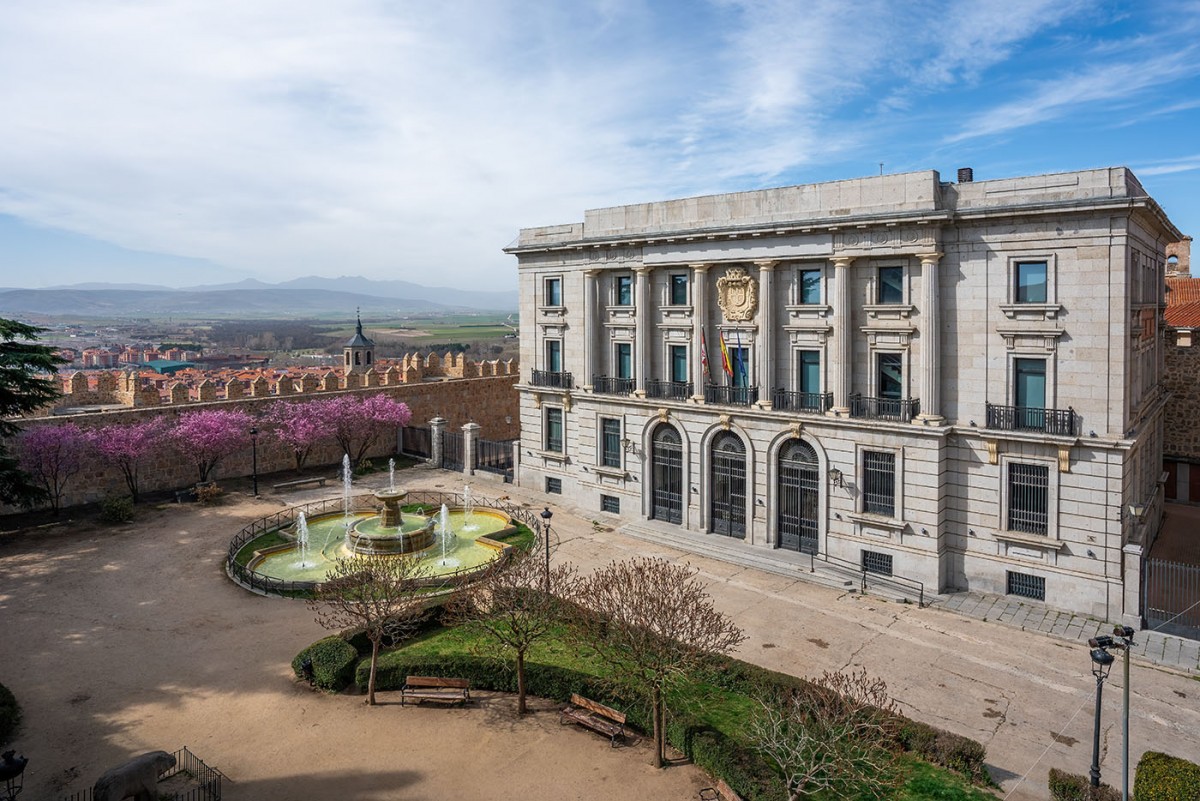
National Museum of Roman Art, Mérida
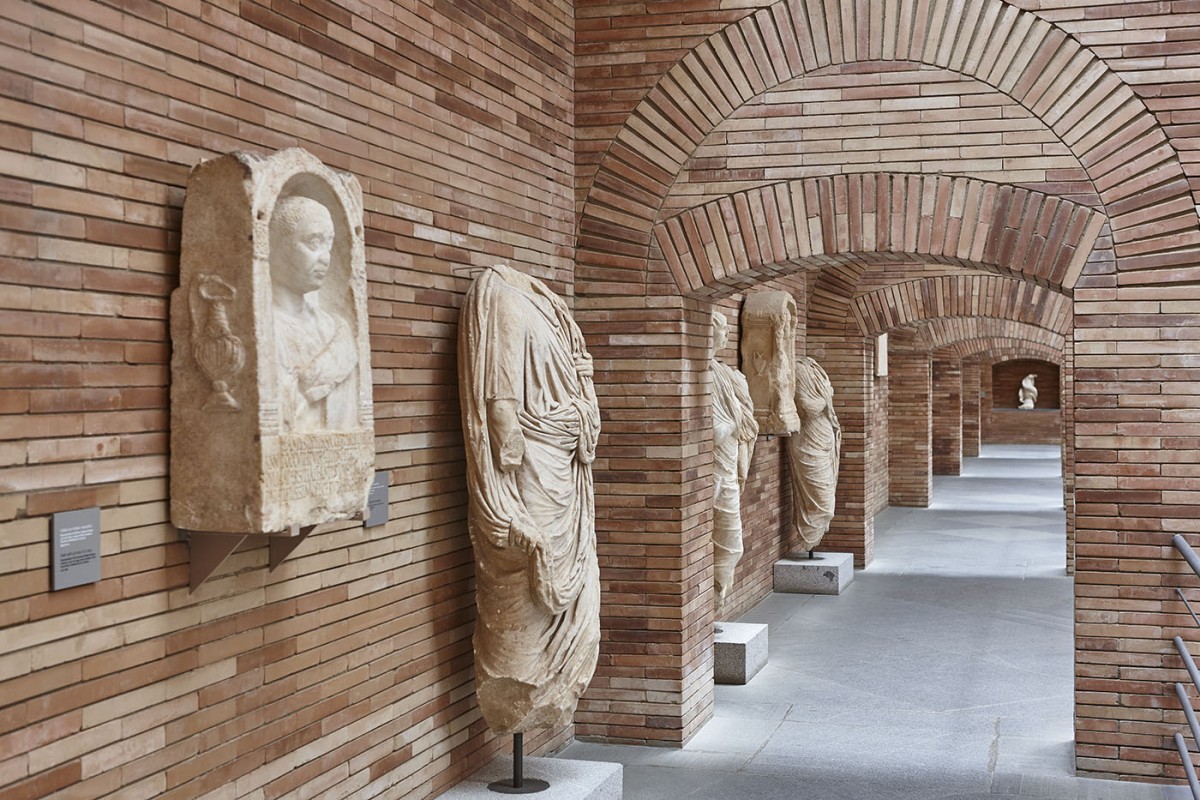
Moving away from the realm of fine arts, the National Museum of Roman Art in Mérida offers visitors a glimpse into Spain's rich Roman heritage. Located in Mérida, a city founded by the Romans in 25 BC, the museum houses an extensive collection of Roman artifacts discovered in the region.
Notable Exhibits
- Impressive collection of Roman mosaics
- Statues and busts of Roman emperors and deities
- Everyday objects providing insight into Roman life in Hispania
The museum's building, designed by Rafael Moneo, is a modern interpretation of Roman architecture, creating a fitting backdrop for its ancient treasures. This museum is a testament to Spain's diverse cultural heritage and the lasting impact of Roman civilization on the Iberian Peninsula.
As you plan your museum tour across Spain, consider enhancing your cultural experience with expert-led tours that provide in-depth insights into Spain's rich artistic and historical legacy. These guided experiences can offer a deeper understanding of the artworks and artifacts you'll encounter in Spain's world-class museums.
Spain's museums offer a journey through time, from ancient Roman artifacts to cutting-edge contemporary art. Whether you're an art enthusiast, history buff, or simply curious about Spanish culture, these museums provide unforgettable experiences that showcase the country's rich cultural tapestry. From the grandeur of the Prado to the surrealist wonders of the Dalí Theatre-Museum, Spain's most visited museums are not just repositories of art and history but destinations in their own right, each telling a unique story of Spain's artistic and cultural evolution.
The diversity of Spain's museums reflects the country's complex history and its significant contributions to world culture. As you explore these institutions, you'll gain a deeper appreciation for Spain's role in shaping Western art and civilization. Whether you're marveling at Picasso's masterpieces in Barcelona, contemplating Goya's dark visions in Madrid, or exploring Roman ruins in Mérida, Spain's museums offer a window into the soul of this fascinating country.
For those interested in delving deeper into the historical context of Spain's artistic heritage, the Wikipedia page on the History of Spain provides valuable background information that enhances the museum-going experience. Understanding the historical events and cultural movements that shaped Spain's art scene can greatly enrich your appreciation of the works you'll encounter in these world-class museums.