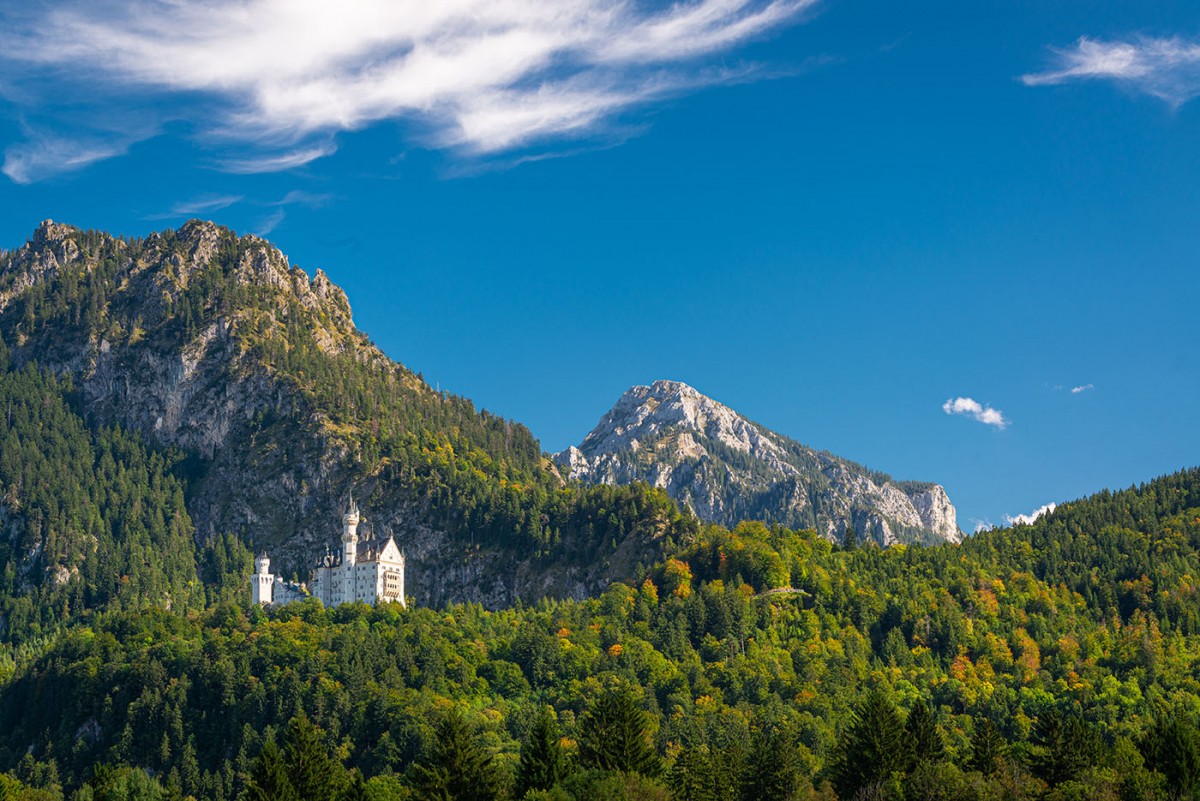
Nestled in the Bavarian Alps, Neuschwanstein Castle stands as a testament to the romantic ideals and architectural vision of King Ludwig II of Bavaria. This iconic structure, with its soaring spires and picturesque setting, has captured the imagination of millions and inspired countless fairy tales, including Disney's Sleeping Beauty Castle. As we embark on a journey to explore this magnificent castle, it's worth noting that the nearby city of Munich serves as an excellent starting point for visitors. For those planning to explore the region, securing a vehicle in Bavaria's capital can provide the flexibility needed to fully appreciate the castle and its surroundings.

The Vision of King Ludwig II
King Ludwig II, often referred to as the "Fairy Tale King," ascended to the Bavarian throne in 1864 at the young age of 18. Known for his eccentricity and passion for the arts, Ludwig II envisioned Neuschwanstein as a retreat from public life and a homage to the romantic medieval legends and operas of Richard Wagner, whom he greatly admired.
The castle's design was a collaboration between Ludwig II and the stage designer Christian Jank, with architects Eduard Riedel and Georg von Dollmann bringing the fantastical vision to life. Construction began in 1869, transforming the rugged mountainside into a fairy tale come true.
Architectural Marvel
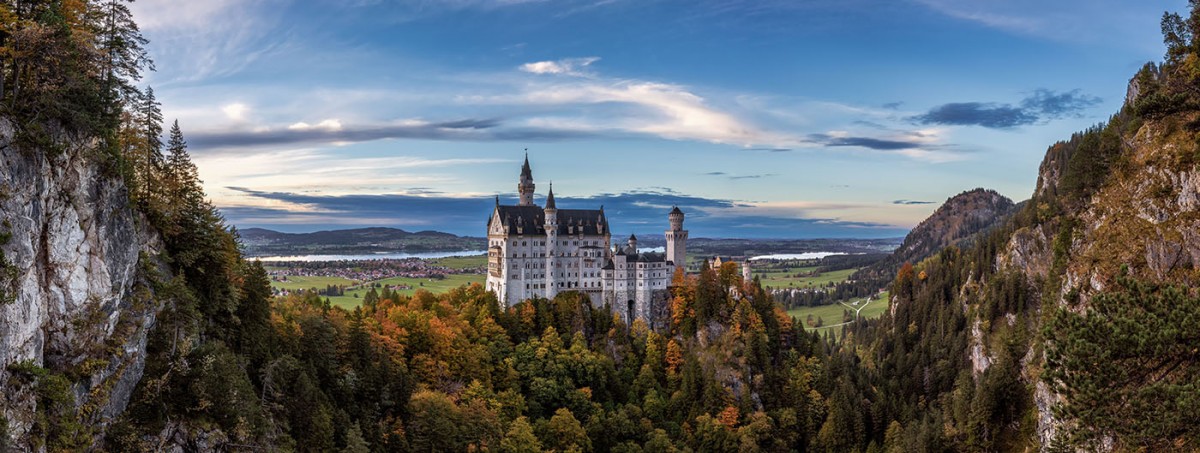
Neuschwanstein Castle is a masterpiece of 19th-century Romanesque Revival architecture, blending various historical styles with modern technologies of the time. Some of its most notable features include:
- The iconic white limestone façade
- Numerous towers and turrets
- Intricate frescoes depicting scenes from Wagner's operas
- State-of-the-art amenities for its time, including central heating and running water
- The Throne Hall, inspired by Byzantine churches
The castle's exterior is a harmonious blend of traditional Bavarian architecture and romantic idealism, while the interior showcases Ludwig II's fascination with medieval legends and Wagnerian operas. Each room was meticulously designed to transport visitors into a world of fantasy and grandeur.
The Tragic Tale of King Ludwig II
Despite the magnificence of Neuschwanstein, King Ludwig II's story took a dark turn. As construction costs soared and his involvement in state affairs waned, concerns about his mental state and fitness to rule grew. In 1886, Ludwig II was declared insane by a government commission and deposed from his throne.
Just days after his removal from power, Ludwig II was found dead in Lake Starnberg under mysterious circumstances. His death remains a subject of speculation and conspiracy theories to this day. Ironically, the castle that was meant to be his private retreat was opened to the public just weeks after his passing, quickly becoming one of Bavaria's most popular tourist attractions.
A Global Icon
Since its opening to the public in 1886, Neuschwanstein Castle has become one of the most recognizable and visited castles in the world. Its fairy tale appearance has inspired countless artists, filmmakers, and designers, most notably Walt Disney, who used it as inspiration for the Sleeping Beauty Castle in Disneyland.
Today, Neuschwanstein welcomes over 1.4 million visitors annually, making it one of Germany's most popular tourist destinations. Its image graces countless postcards, travel brochures, and social media posts, cementing its status as a global icon of romantic architecture and Bavarian culture.
Exploring Neuschwanstein and Its Surroundings
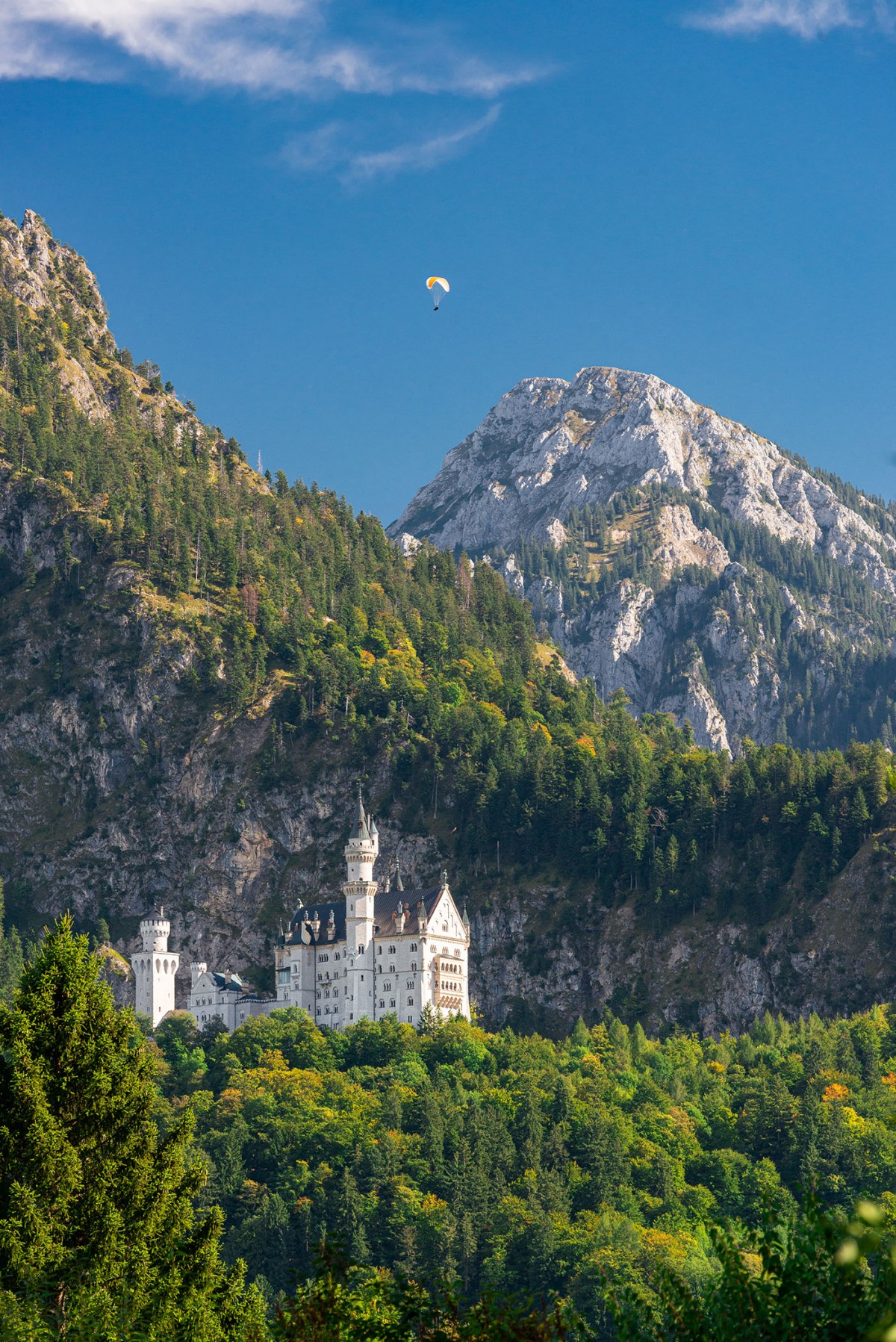
Visitors to Neuschwanstein are treated to a truly immersive experience. Guided tours of the castle interior offer insights into Ludwig II's vision and the intricate details of the rooms he designed. The castle's location in the Alps provides breathtaking views of the surrounding landscape, including the nearby Alpsee and Schwansee lakes.
For those looking to extend their visit, the charming town of Füssen, located just a few kilometers from the castle, offers a range of accommodations and attractions. The Hohenschwangau Castle, where Ludwig II spent much of his childhood, is also nearby and open for tours.
To fully appreciate the beauty of the region and make the most of your visit, exploring Bavaria by car is highly recommended. This allows for greater flexibility in planning your itinerary and the opportunity to discover hidden gems in the Bavarian countryside.
Conservation and Restoration Efforts
As with any historical structure, Neuschwanstein Castle requires ongoing conservation and restoration efforts to preserve its beauty and structural integrity for future generations. The Bavarian Palace Department oversees these efforts, balancing the need for preservation with the demands of modern tourism.
Recent restoration projects have focused on:
- Stabilizing the foundation and addressing erosion concerns
- Restoring intricate frescoes and interior decorations
- Implementing sustainable tourism practices to minimize environmental impact
- Enhancing visitor facilities while maintaining the castle's historical integrity
These ongoing efforts ensure that Neuschwanstein will continue to captivate visitors for generations to come, standing as a testament to Ludwig II's vision and the enduring appeal of fairy tale architecture.

Cultural Impact and Legacy
Neuschwanstein Castle's influence extends far beyond its role as a tourist attraction. It has become a symbol of Bavarian identity and German romanticism, featured in countless films, documentaries, and works of art. The castle's design has inspired architects and designers worldwide, influencing everything from theme park attractions to luxury hotels.
In popular culture, Neuschwanstein has appeared in films such as "Chitty Chitty Bang Bang" and "The Great Escape," further cementing its place in the global imagination. Its image has been used on postage stamps, commemorative coins, and even as the logo for the Walt Disney Company.
The castle's legacy also extends to the realm of historical preservation and tourism management. As one of the world's most visited castles, Neuschwanstein has become a case study in balancing conservation with accessibility, inspiring new approaches to managing historical sites in the face of mass tourism.
A Timeless Wonder
Neuschwanstein Castle stands as a testament to the power of imagination and the enduring appeal of fairy tales. From its inception as King Ludwig II's personal retreat to its current status as a global icon, the castle continues to captivate visitors from around the world. Its stunning architecture, rich history, and picturesque setting combine to create an experience that truly transports visitors to a world of fantasy and wonder.
As we reflect on the legacy of Neuschwanstein, it's clear that its impact extends far beyond its stone walls and soaring towers. It serves as a reminder of the romantic ideals of the 19th century, the tragic tale of its visionary creator, and the enduring human fascination with beauty and grandeur. Whether viewed from afar or explored in detail, Neuschwanstein Castle remains a timeless wonder, inviting each new generation to dream, imagine, and believe in the magic of fairy tales.